

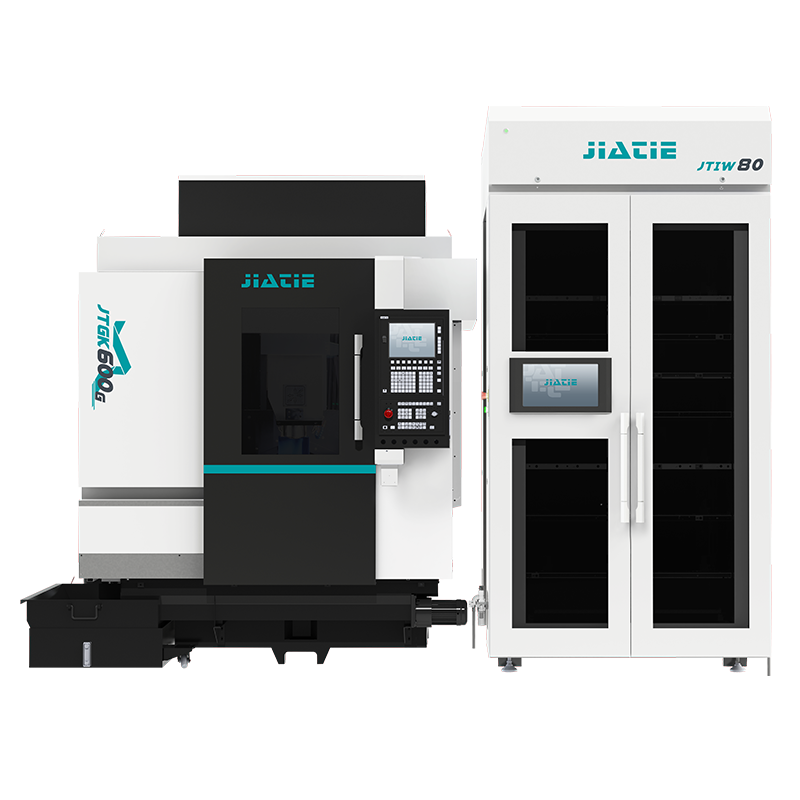
The Real Reason Hard-to-Cut Materials Destroy Productivity
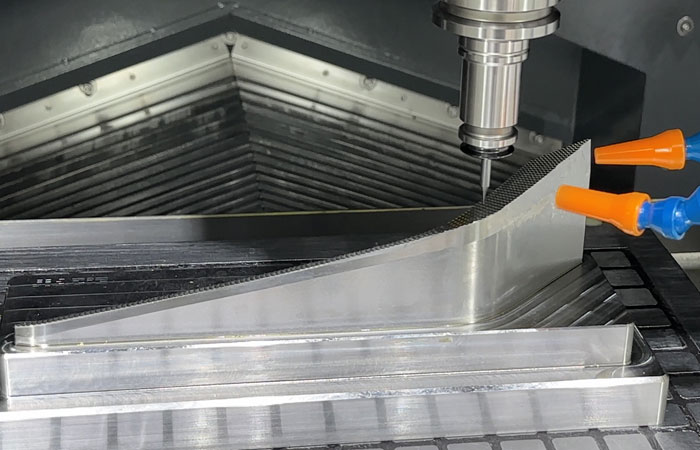
When customers contact us about machining titanium alloys, Inconel, hardened steel or other difficult-to-cut materials, the first question is usually:
“Can your machine cut titanium?”
After more than twenty years in the CNC industry, my answer is always the same:
Titanium is rarely the real problem.
As the owner of KEJIE Technology, I have seen countless projects where manufacturers blamed the material when productivity dropped, tools failed, or dimensional accuracy became unstable.
In reality, the biggest challenge is often machine stability.
Why Difficult Materials Are Becoming More Common
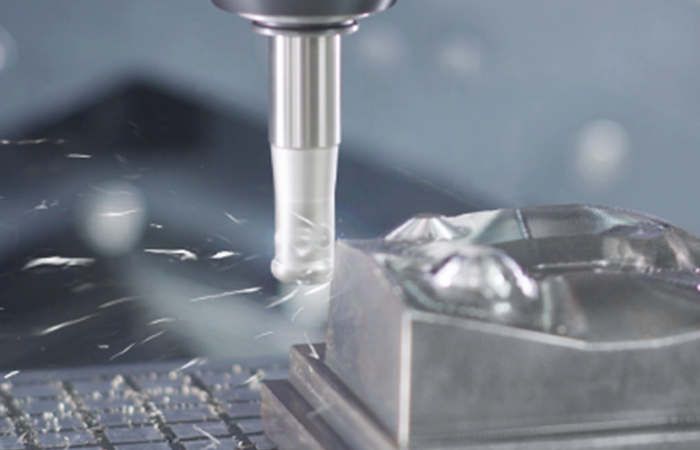
Manufacturing is changing rapidly.
Aerospace companies need lighter components. Medical manufacturers require stronger implant materials. Electric vehicles demand high-performance structural parts. Energy equipment operates under increasingly extreme conditions.
As a result, materials such as titanium alloys, nickel-based superalloys, hardened steels and high-temperature alloys are being used more frequently than ever before.
These materials offer exceptional performance, but they also create significant machining challenges. High cutting temperatures, rapid tool wear and vibration can quickly reduce productivity and affect part quality.
The Hidden Cost of Machine Vibration
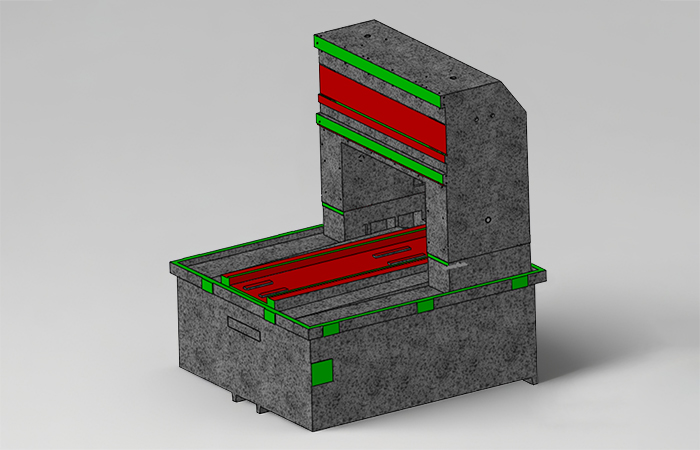
Most discussions about difficult materials focus on cutting tools.
However, vibration often causes more damage than the material itself.
When machining titanium or superalloys, even small vibrations can lead to:
Poor surface finish
Tool chipping
Reduced dimensional accuracy
Shorter spindle life
Higher scrap rates
This is why machine structure and spindle design matter more than many operators realize.
Why One-Clamping Machining Changes Everything
Many manufacturers still rely on multiple setups to complete a single workpiece.
Every time a component is removed and re-positioned, additional errors are introduced.
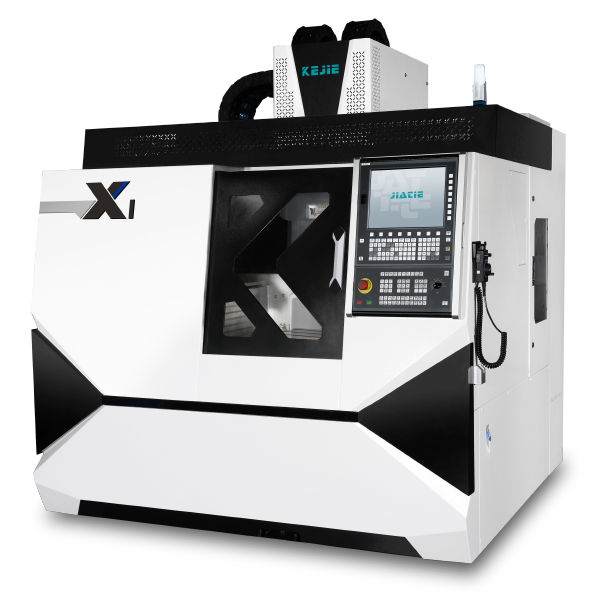
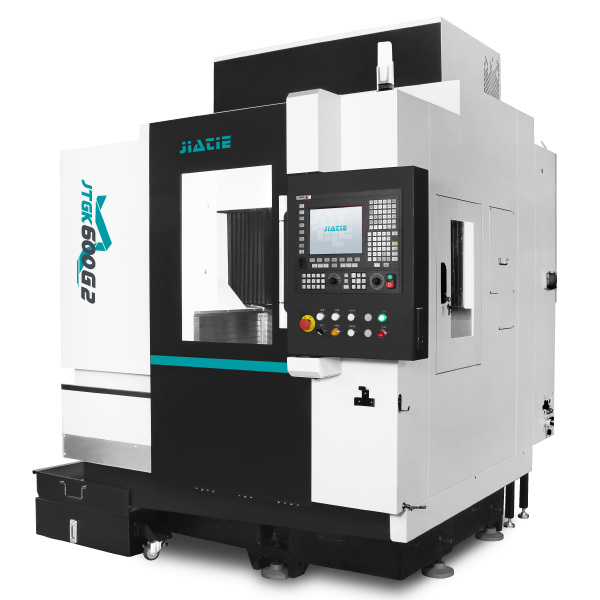
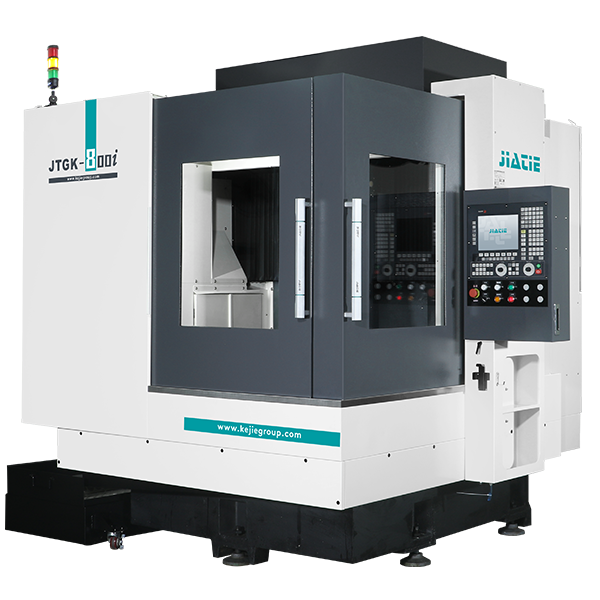
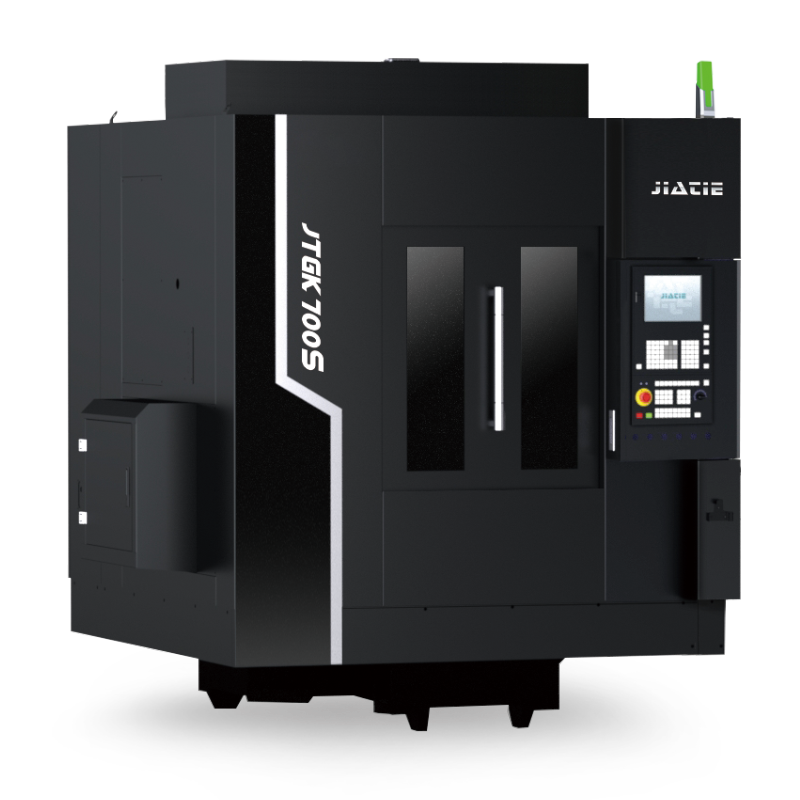
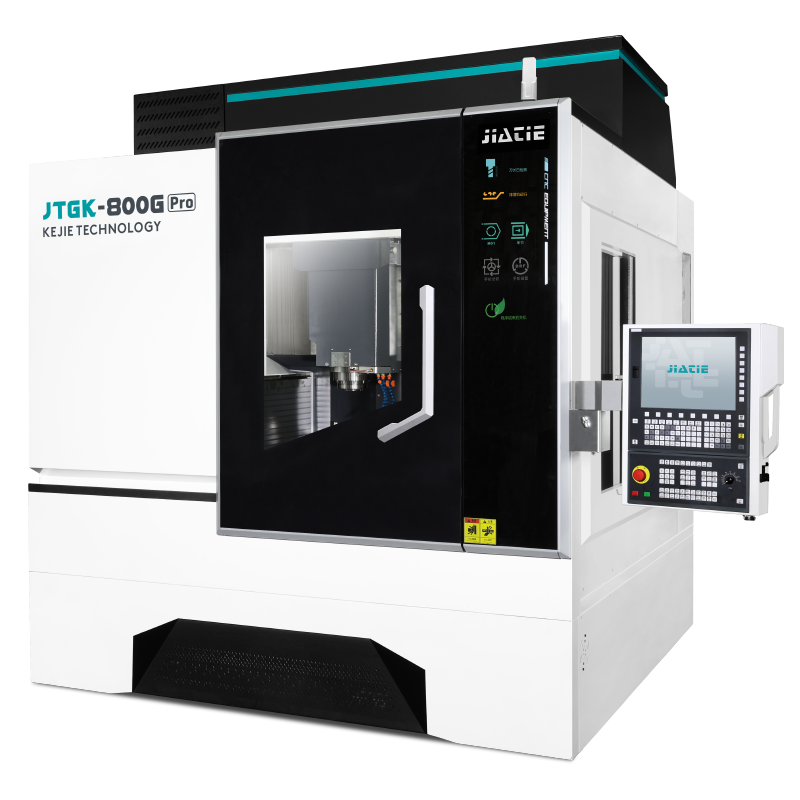
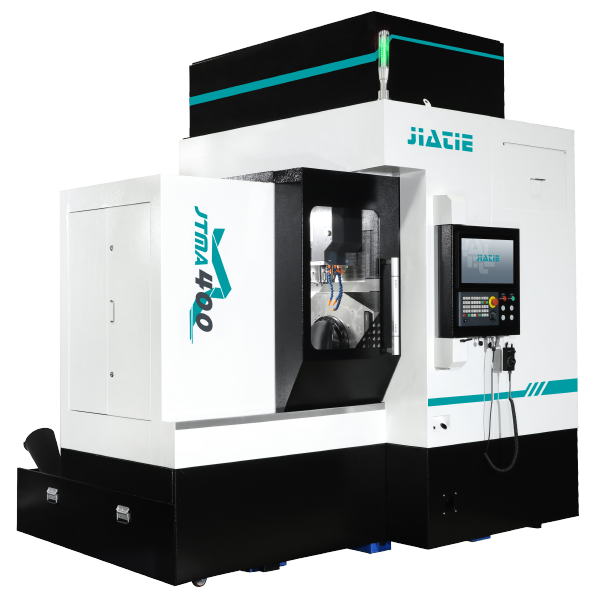
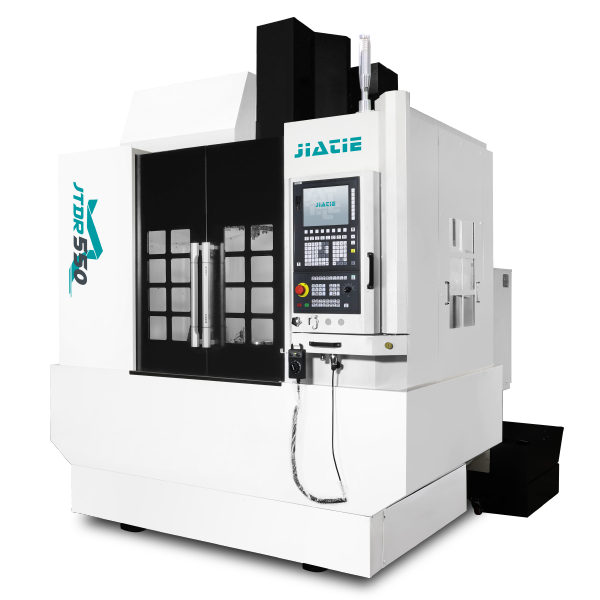
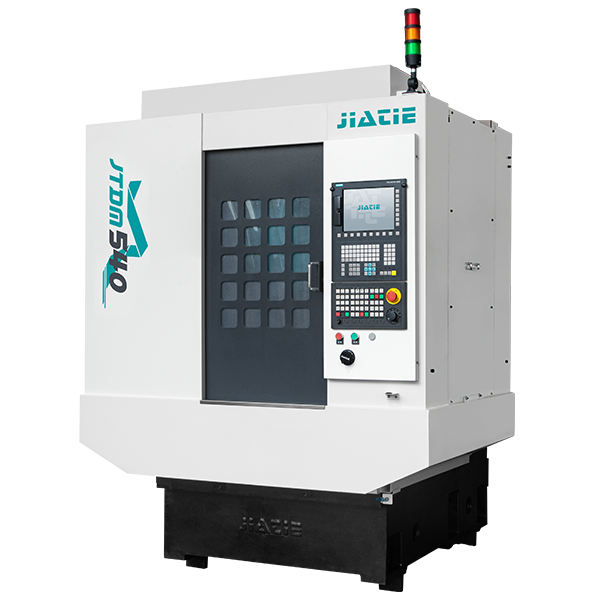
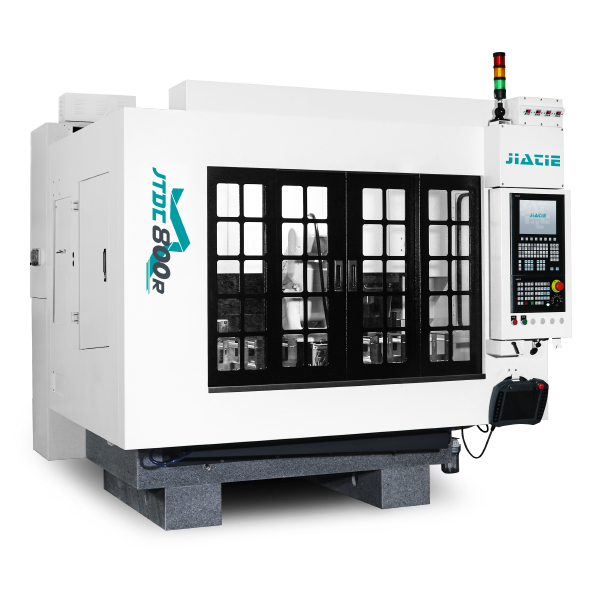
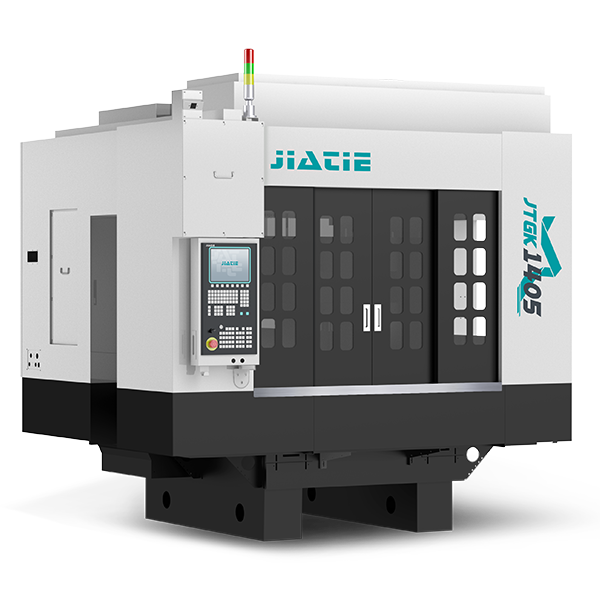
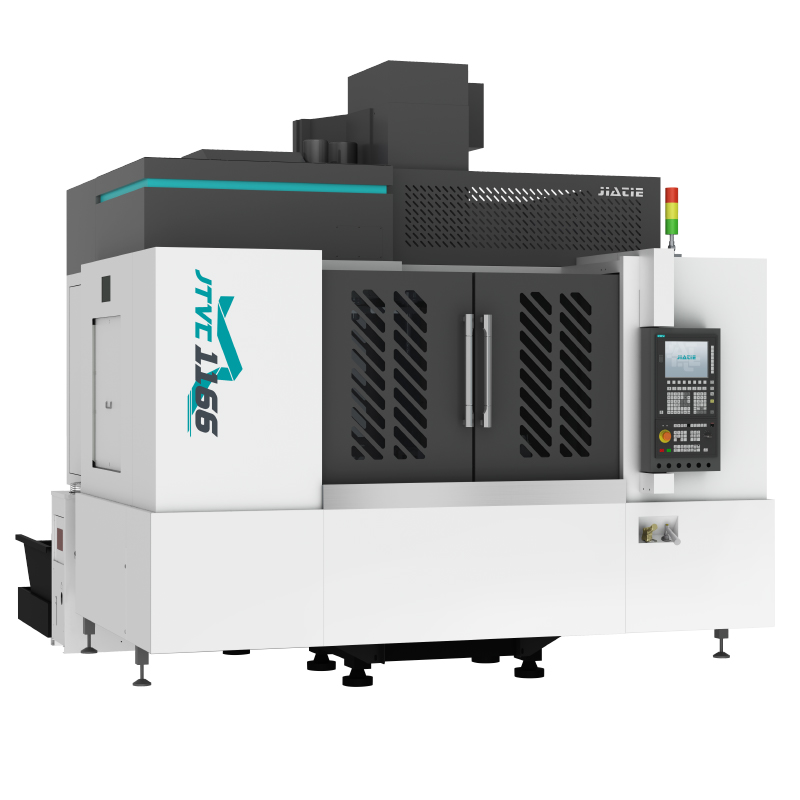
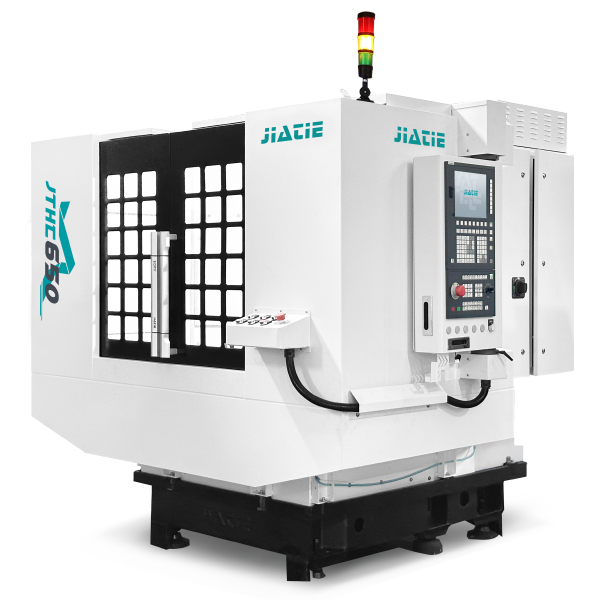
Advanced Machining Centers now allow roughing and finishing operations to be completed in a single clamping cycle, significantly improving accuracy and reducing production time. KEJIE's machining technology is specifically designed to achieve rough-and-finish machining in one setup while maximizing production yield.
For aerospace and medical applications, eliminating multiple fixtures can dramatically improve consistency across production batches.
Heat Is the Enemy Nobody Talks About
Ask most machinists what causes dimensional drift.
Many will mention tooling. Others blame programming.
Yet thermal expansion remains one of the most overlooked factors in precision machining.
At high spindle speeds, machine structures absorb heat continuously. Even microscopic thermal growth can affect geometric accuracy.
This is why advanced CNC platforms increasingly use integrated cooling channels throughout machine structures to control thermal deformation and maintain long-term accuracy.
The Role of Modern Motorized Spindles
The spindle is no longer simply a rotating component.
Modern motorized spindle technology combines speed, torque and accuracy in a single integrated system.
According to KEJIE's engineering approach, embedded motorized spindles provide higher rotational accuracy, stronger torque output and reduced vibration influence on surface quality, helping improve tool life and machining consistency.
For difficult materials, spindle performance often determines whether a project is profitable or problematic.
Industries Driving Demand for Hard Material Machining
Aerospace Components
Medical Implants
Semiconductor Equipment
Electric Vehicle Parts
Energy Equipment
Precision Molds
Industrial Automation Systems
These industries are pushing manufacturers toward higher accuracy, better surface quality and shorter production cycles.
What We Have Learned from Thousands of Customers
Founded in 1998, KEJIE Technology has delivered more than 100,000 machine tools and supports manufacturers across aerospace, semiconductor, medical and precision engineering industries.
One lesson appears repeatedly:
The most successful manufacturers do not simply buy faster machines.
They invest in machines that remain stable under demanding conditions.
When machining titanium alloys, superalloys and hardened materials, long-term stability often matters more than peak spindle speed.
Looking Ahead
As aerospace, medical and advanced manufacturing industries continue evolving, difficult-to-cut materials will become increasingly common.
The companies that succeed will not be those that simply push machines harder.
They will be the manufacturers that combine machine rigidity, thermal control, intelligent spindle technology and process stability into a repeatable production system.
Because in modern machining, titanium is rarely the problem.
Machine stability is.