

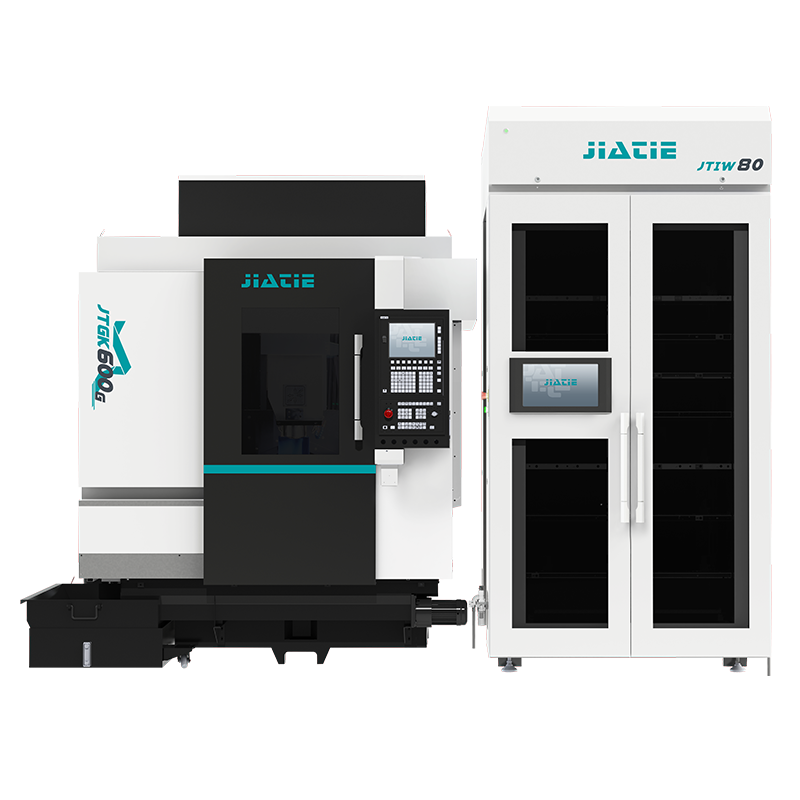
Executive Summary
Many manufacturers focus on spindle speed when comparing CNC Machining Centers. However, real production efficiency depends on machine rigidity, thermal stability, intelligent control systems, Automation integration and application-specific machining technology.
In this article, we explore how high-speed machining, graphite processing, 5-axis technology and semiconductor manufacturing requirements are reshaping modern CNC investment decisions.
From Graphite Electrodes to Aerospace Parts: What Modern CNC Machines Must Deliver
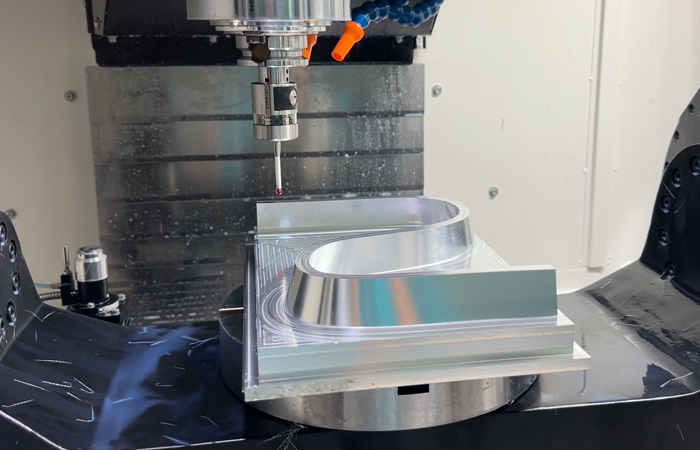
Key Takeaways
High-speed machining is driven by stability, not spindle RPM alone.
Graphite Machining requires dedicated dust-control technology.
5-axis machining reduces setups and improves accuracy.
Semiconductor manufacturing demands repeatability beyond tolerance.
Automation is becoming a competitive necessity.
High-Speed Machining Is About Stability, Not Speed
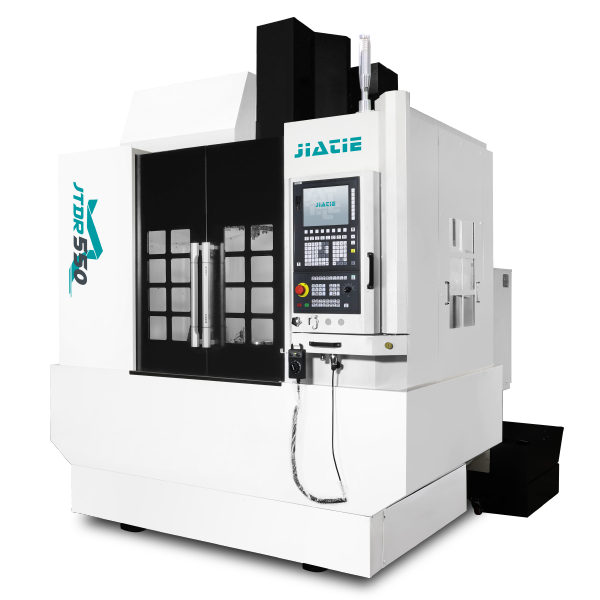
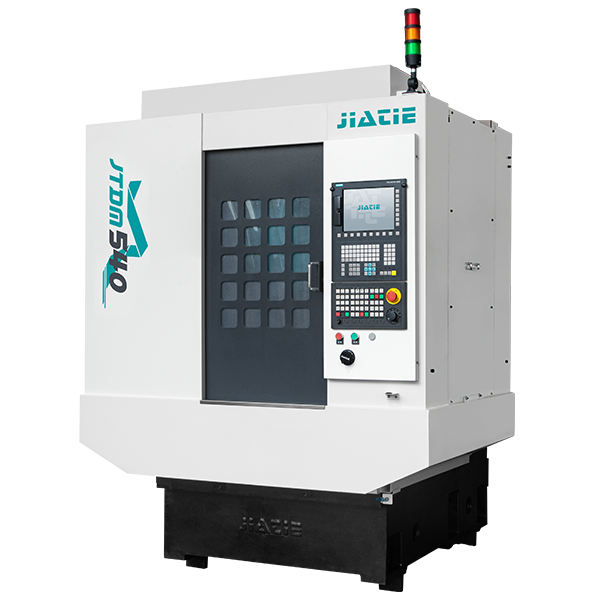
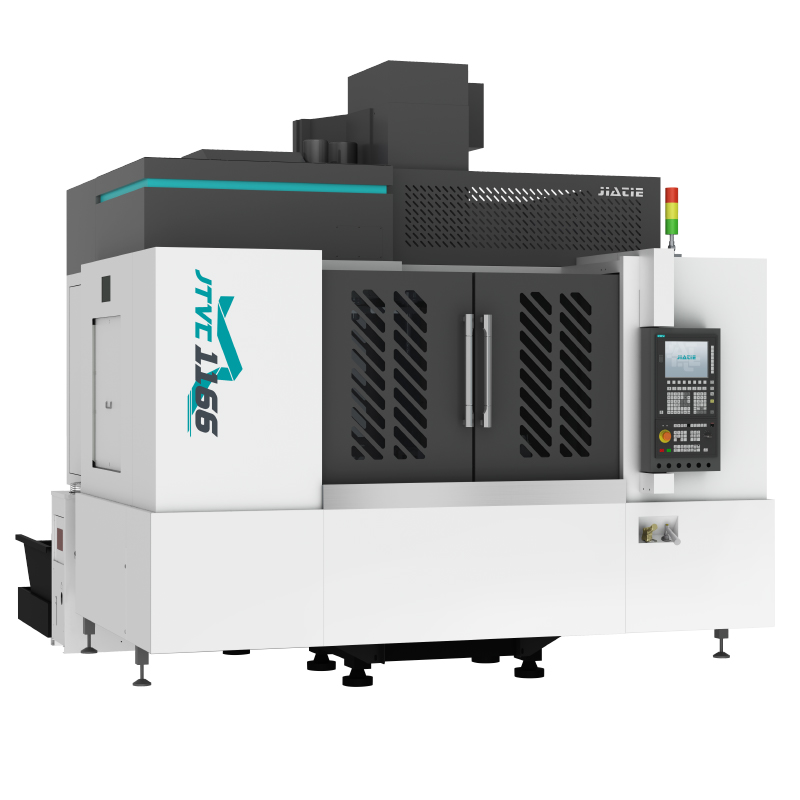
Many people assume high-speed machining simply means running the spindle faster. In reality, thermal stability, vibration control, machine rigidity and intelligent interpolation algorithms work together to deliver precision at high feed rates.
Machine Rigidity
Minimizes vibration during aggressive cutting.
Thermal Stability
Maintains accuracy during long production runs.
Smart Control
Optimizes tool paths and machine dynamics.
Learn more:
High Speed Machining Technology →
Why Graphite Machining Requires Specialized Equipment
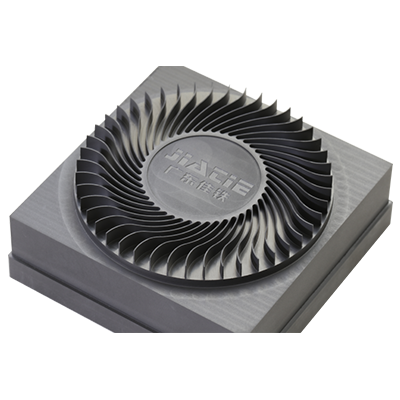
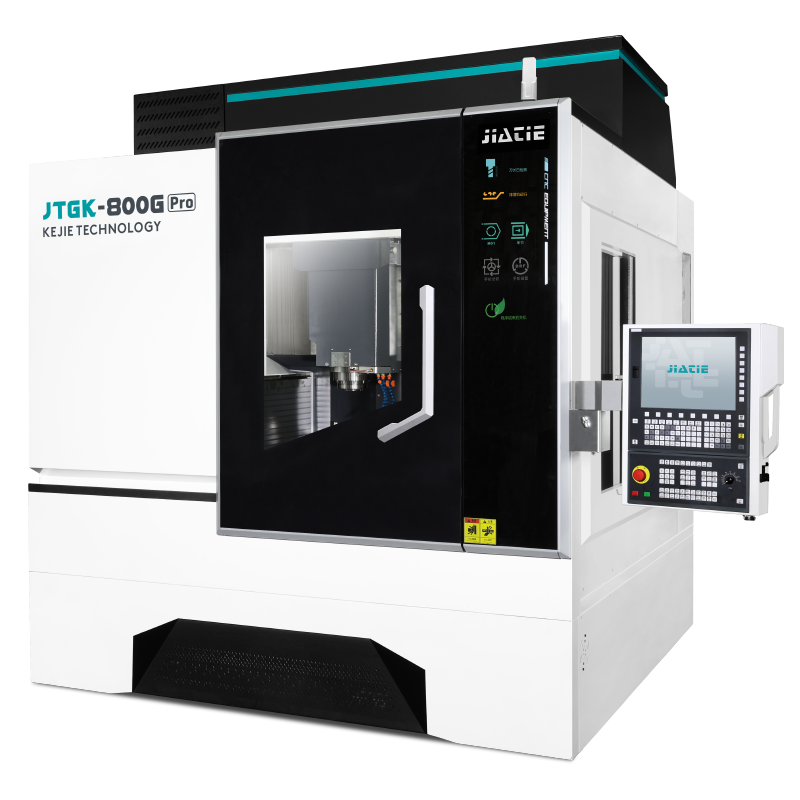
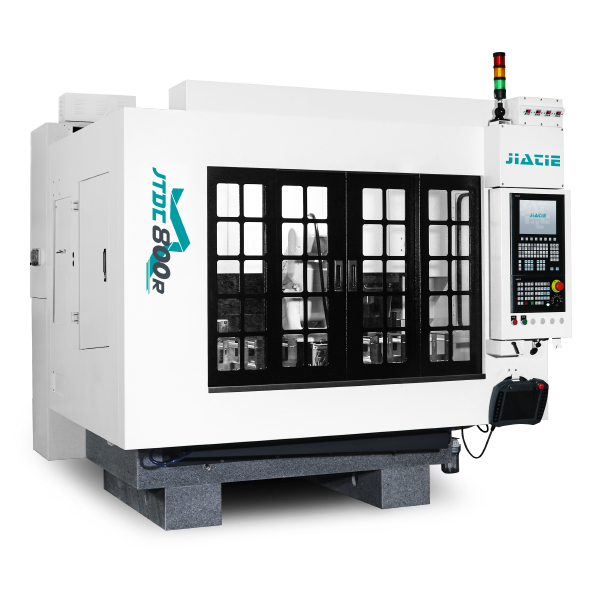
Graphite machining plays a critical role in EDM electrode manufacturing, semiconductor fixtures and glass mold production. Unlike traditional metals, graphite creates airborne dust and is highly sensitive to edge chipping.
Dedicated Graphite Machining Centers offer optimized dust extraction, vibration suppression and superior surface finish control.
Explore Graphite Machining Applications →
Why 5-Axis Machining Is Becoming the New Standard
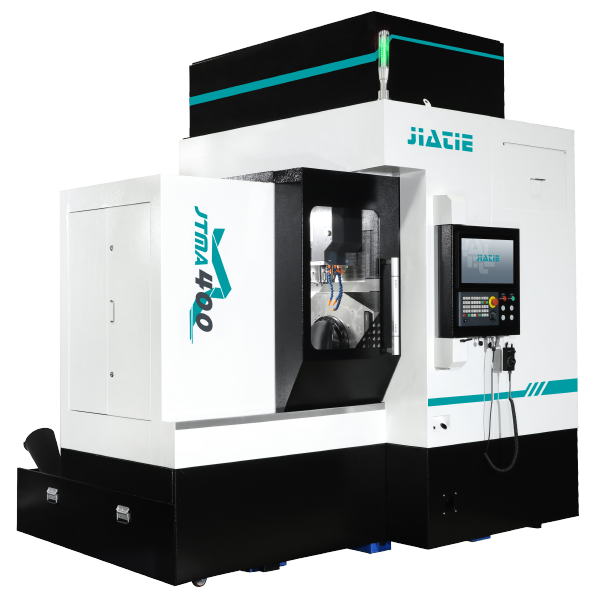
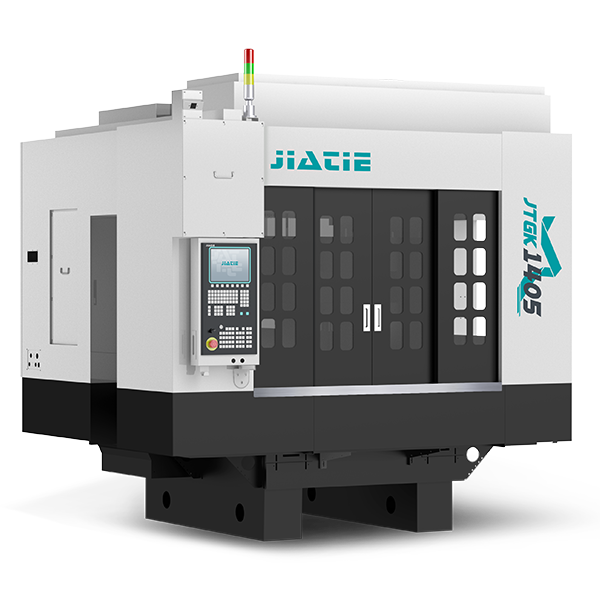
Complex aerospace components and medical implants often require multiple setups on conventional machines. Modern 5-axis machining allows manufacturers to complete more operations in a single setup.
Reduced setup time
Improved geometric accuracy
Better surface finish
Higher production efficiency
Semiconductor Manufacturing Demands More Than Accuracy
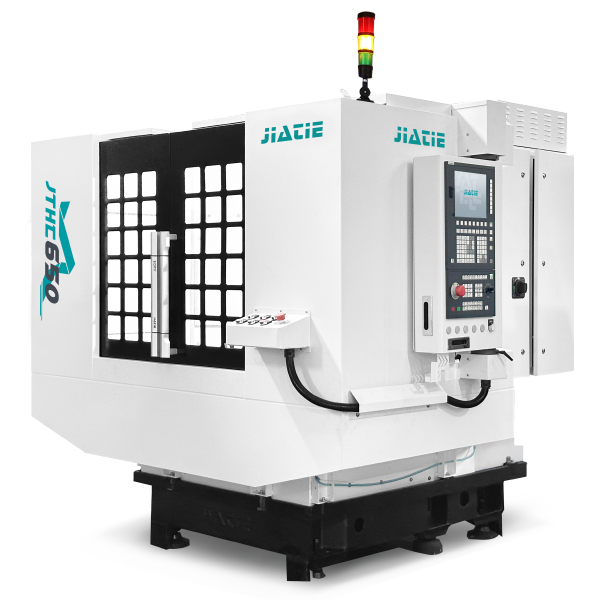
Semiconductor manufacturers require repeatability, contamination control and process consistency. Precision alone is no longer enough.
As chip technologies continue evolving, machining systems must support micron-level tolerances while maintaining long-term production stability.
Automation Is No Longer Optional
The next generation of manufacturing will be driven by automation. Intelligent production cells, robotic loading systems and digital monitoring platforms are rapidly becoming standard equipment in modern factories.
Robotic Loading
Reduce labor dependency.
Automatic Tool Management
Increase machine utilization.
Production Monitoring
Improve manufacturing visibility.
The Real Goal Is Lower Cost Per Part
Successful manufacturers evaluate machines based on production economics rather than headline specifications. The ultimate objective is to reduce cost per qualified part while maintaining quality and throughput.
Whether producing semiconductor fixtures, aerospace structures or precision molds, long-term machine stability delivers greater value than maximum spindle speed.
Talk With KEJIE Engineers
Looking for a CNC solution for graphite machining, semiconductor manufacturing, aerospace components or high-speed milling?
Explore our technologies and machine platforms: