

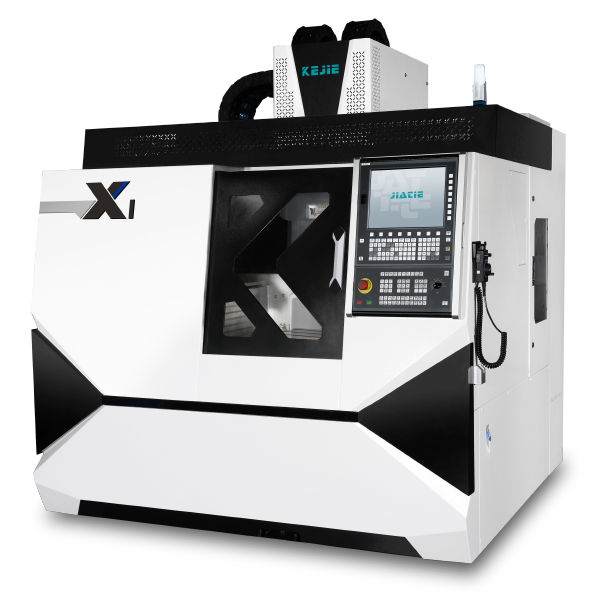
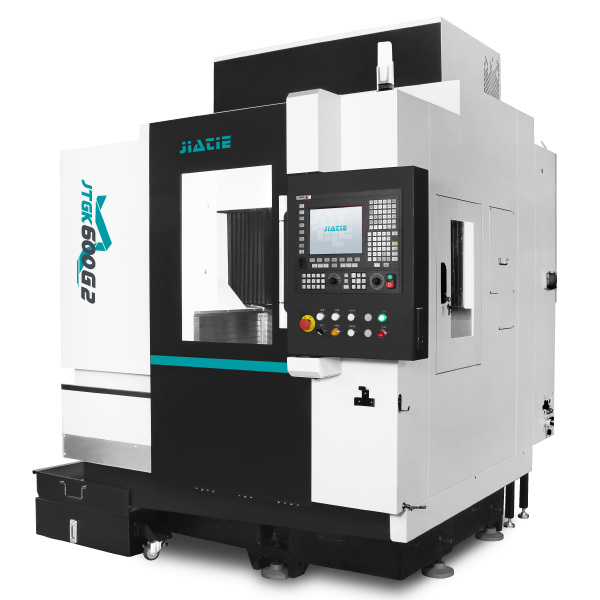
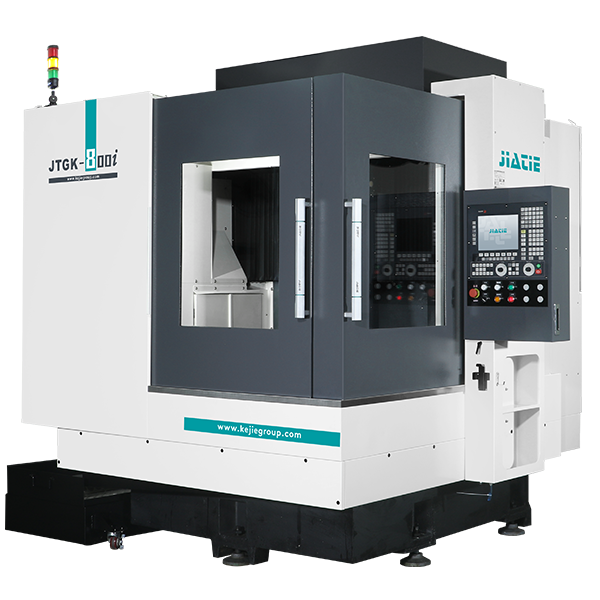
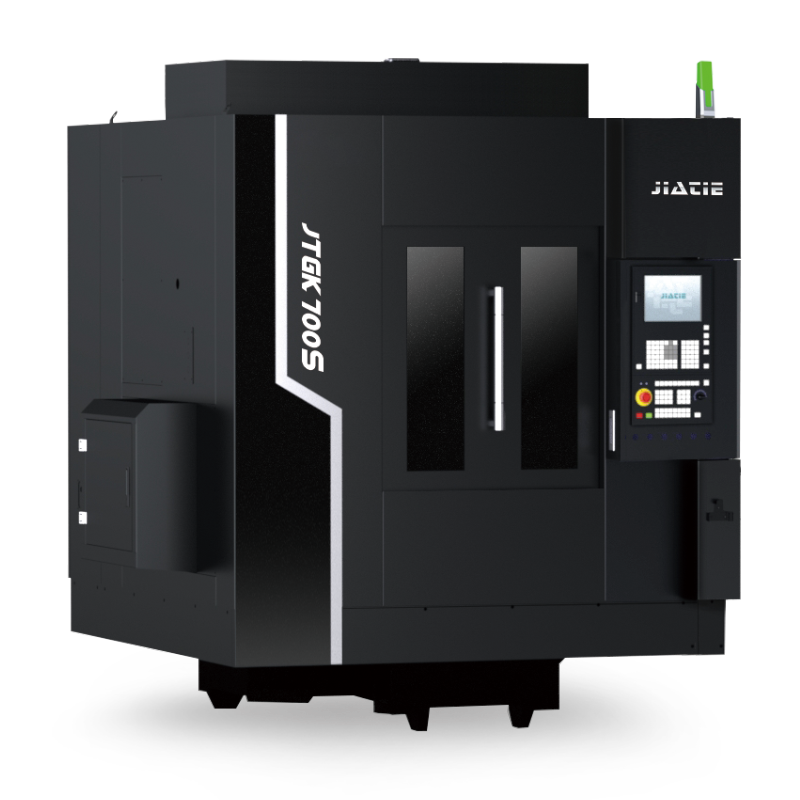
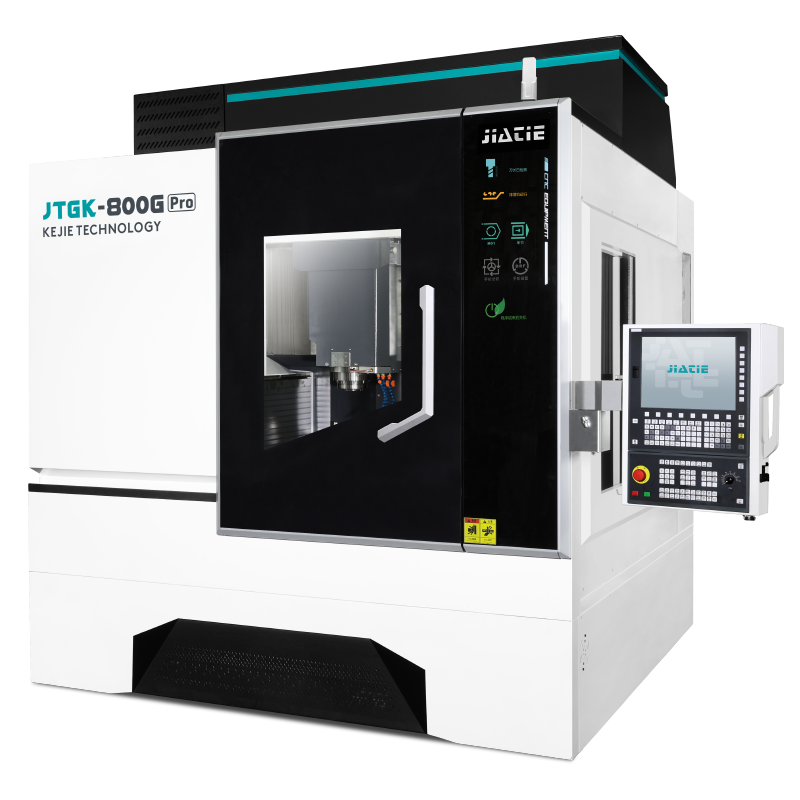
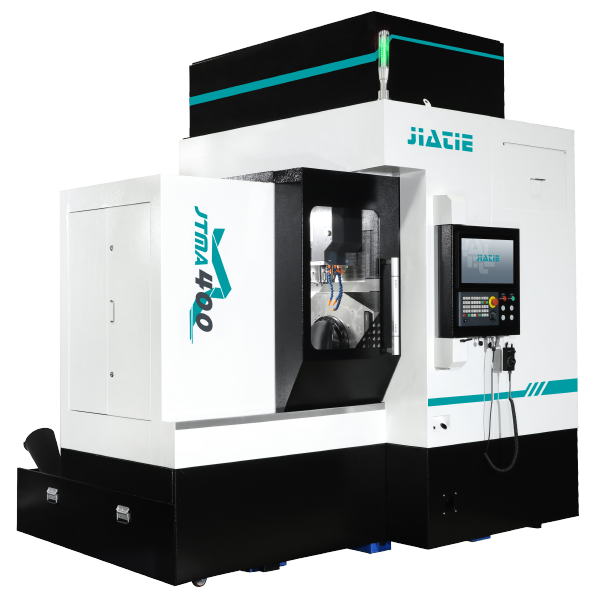
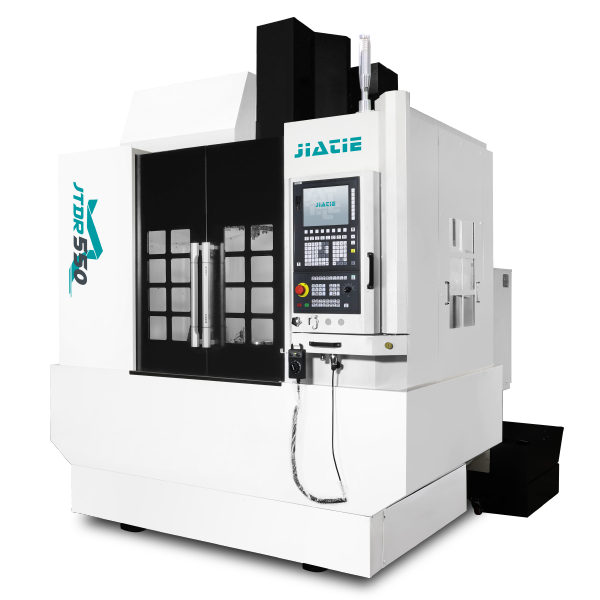
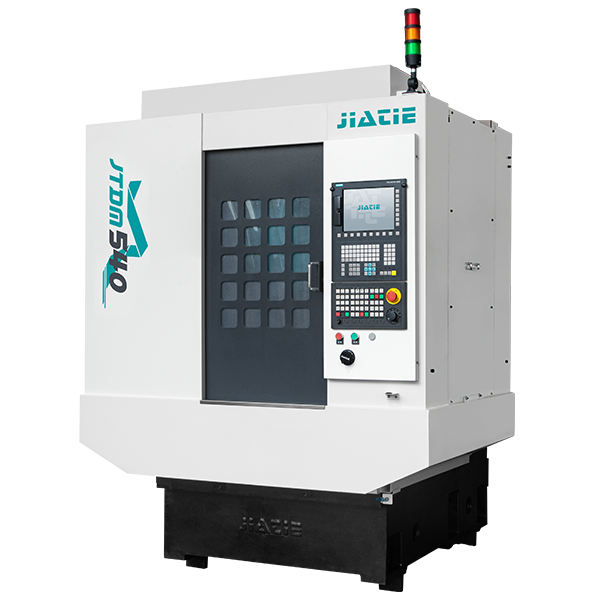
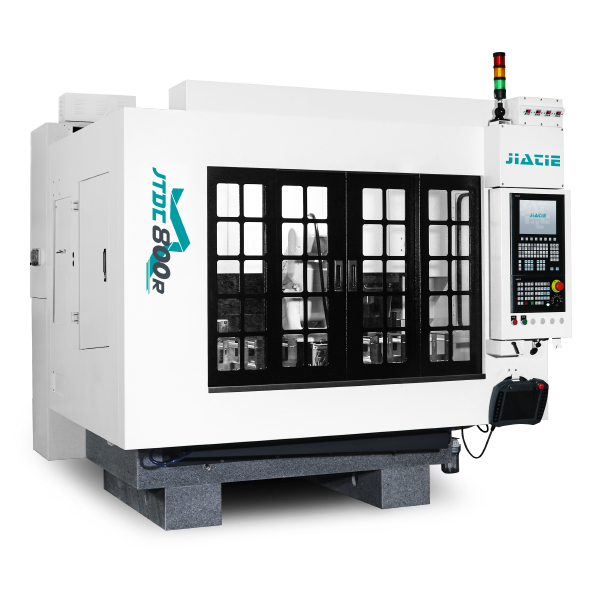
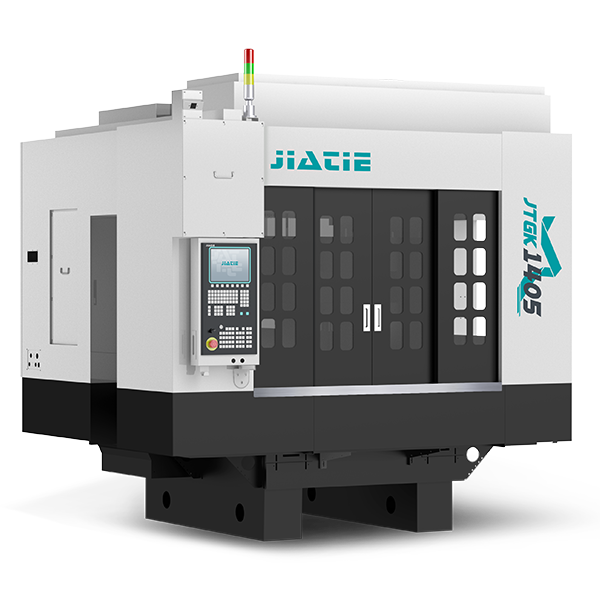
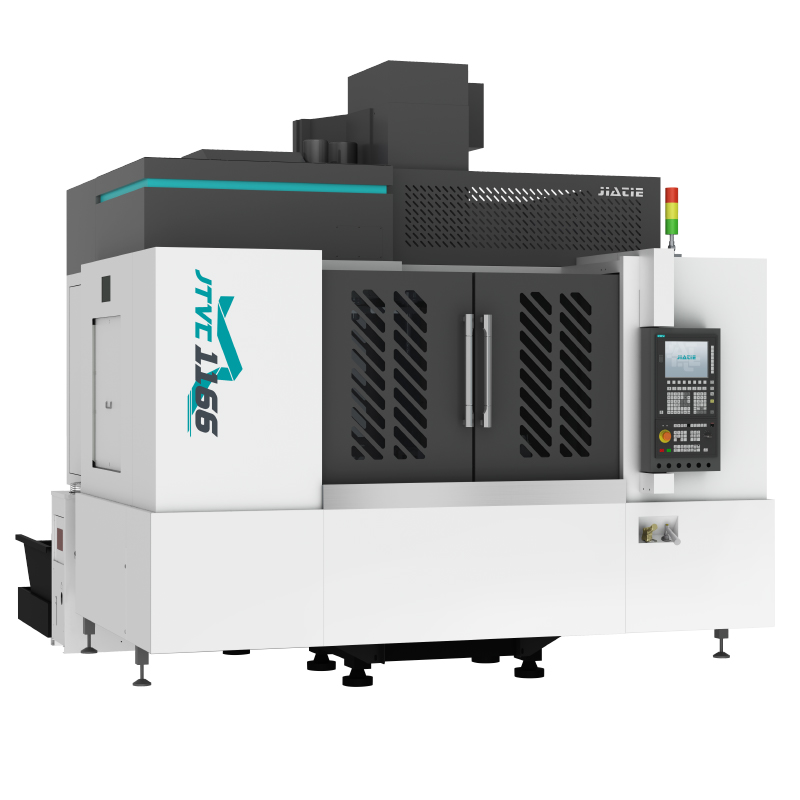
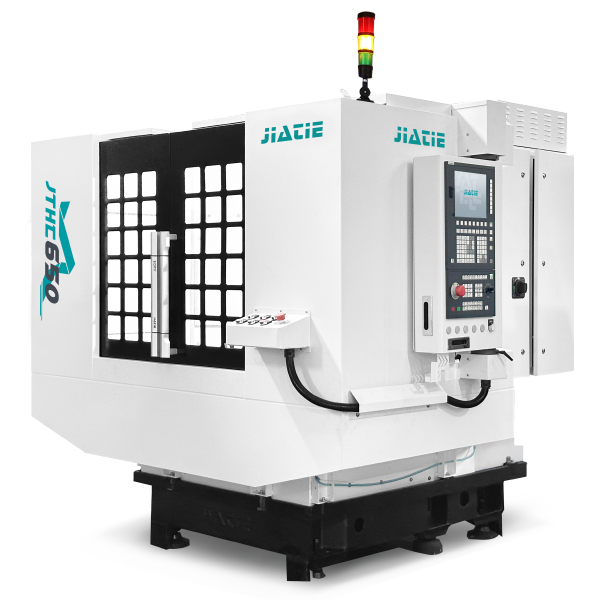
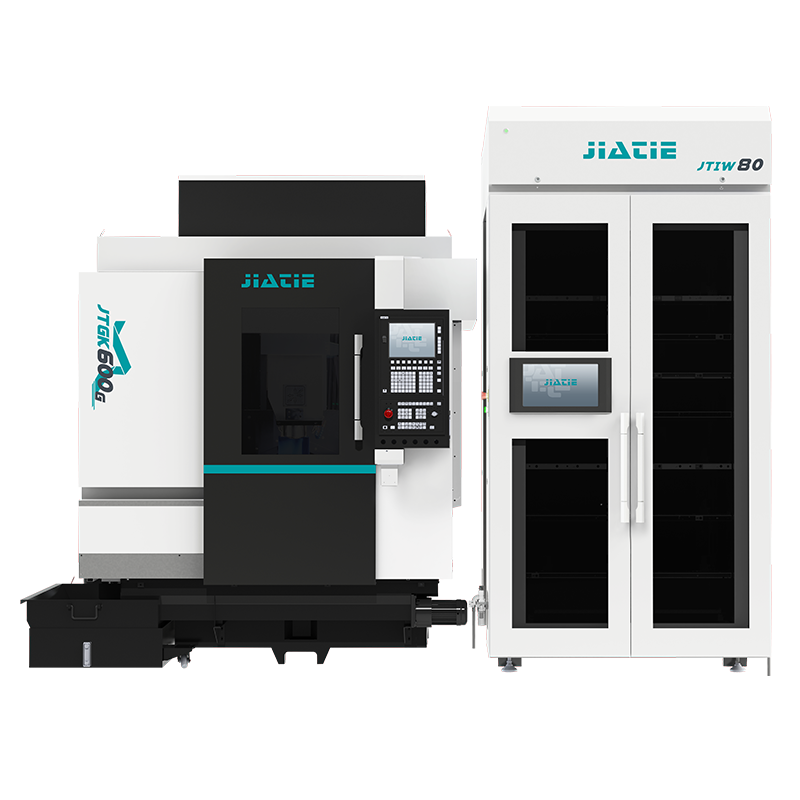
A 5 axis CNC machine is one of the most advanced tools in modern manufacturing. Unlike a conventional three-axis machine that only moves along the X, Y, and Z axes, a multi axis CNC machine adds two more rotational movements. This allows the cutting tool or workpiece to approach the part from multiple directions in a single setup. As a result, 5 axis machining makes it possible to create highly complex shapes, improve precision, reduce repositioning, and shorten overall production time.
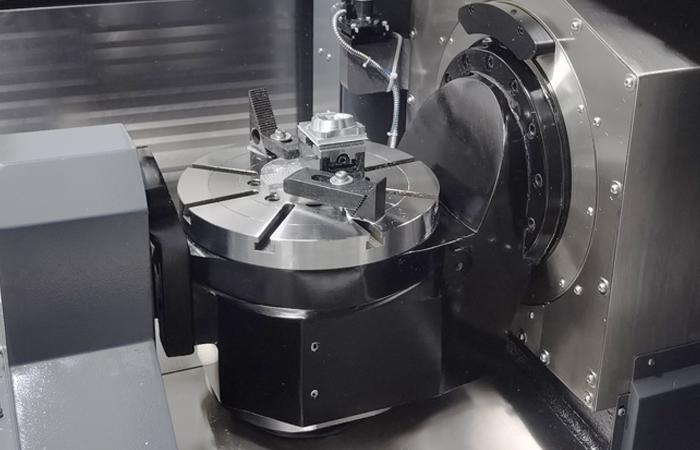
Today, industries such as aerospace, medical, automotive, mold making, energy, and precision engineering all rely on five axis machining for parts that demand tight tolerances and intricate geometries. Whether it is a turbine blade, orthopedic implant, impeller, mold cavity, or structural aluminum component, a 5 axis Machining Center can deliver a level of flexibility and efficiency that traditional machines cannot easily match.
How Does a 5 Axis CNC Machine Work?
A standard CNC machine uses linear motion along three axes:
X-axis: left and right
Y-axis: front and back
Z-axis: up and down
A 5 axis cnc milling machine adds two rotational axes, often called A and C, or sometimes B and C, depending on the machine design. These extra axes let the spindle or table tilt and rotate, enabling the cutting tool to reach difficult surfaces without having to remove and re-clamp the workpiece.
This is why a 5 axis mill is especially valuable for components with curved surfaces, deep cavities, undercuts, and compound angles. Instead of machining one side, stopping, repositioning, and machining again, the operator can finish most or all of the part in a single setup. That reduces accumulated errors and improves part consistency.
Why 5 Axis Machining Matters
The biggest reason manufacturers choose 5 axis machining is efficiency combined with accuracy. Traditional setups often require multiple fixtures and repeated alignment. Every time a part is moved, there is a chance of error. A 5 axis cnc mill minimizes that risk by allowing multiple sides of the part to be machined at once.
Key benefits include:
1. Higher Precision
A 5 axis Vertical Machining Center or 5 axis Horizontal Machining Center can keep the workpiece in one setup for more operations. This reduces human error from repositioning and ensures better geometric accuracy. In advanced equipment, fully closed loop control technology makes machine machining more accurate and reliable, which is critical for high-end industries.
2. Better Surface Finish
Because the tool can remain closer to the ideal cutting angle, 5 axis milling machine technology often produces smoother surfaces. This reduces hand polishing and finishing work, especially on freeform surfaces.
3. Faster Production
A 5 Axis Machining Center reduces the number of setups, fixture changes, and idle time. At the same time, it supports high-efficiency and high-accuracy machining, helping manufacturers complete complex jobs faster.
4. Greater Design Freedom
Designers are no longer limited by the restrictions of simple 3-axis movement. A 5 axis cnc milling machine can handle more advanced part geometry, which encourages innovation in product design.
5. Lower Overall Manufacturing Cost
Although a small 5 axis cnc machine or large industrial system may have a higher initial cost, it can lower the total production cost by saving time, reducing scrap, and minimizing secondary operations.
Main Types of 5 Axis CNC Machines
There are several common forms of 5 axis machining center equipment, each suited to different applications.
5 Axis Vertical Machining Center
A 5 axis vertical machining center has a vertically oriented spindle. It is widely used for mold making, medical components, general precision parts, and aerospace components. This type is popular because it offers good accessibility and an operator-friendly structure.
5 Axis Horizontal Machining Center
A 5 axis horizontal machining center uses a horizontal spindle layout. It is often chosen for parts that require heavy cutting, excellent chip evacuation, and high productivity in mass production environments.
5 Axis Gantry Milling Machine
A 5 axis gantry milling machine is designed for larger workpieces. With its bridge-style structure, it is ideal for machining aerospace panels, large molds, composite tooling, and structural parts. The gantry structure makes machine dynamic property and precision retention better, especially during high-speed or long-duration machining.
Desktop 5 Axis CNC Milling Machine
A desktop 5 axis cnc milling machine is much smaller and is commonly used in education, prototyping, dental labs, jewelry making, and research. While compact, it still offers the core advantage of five-axis motion for small precision parts.
Small 5 Axis CNC Machine
A small 5 axis cnc machine is a practical solution for manufacturers who need advanced capability but have limited workshop space. It is often used by smaller machine shops, prototype centers, and precision component producers.
Key Structure and Technology Features
The performance of a 5 axis cnc mill depends not only on axis count but also on machine design, control technology, and spindle configuration. High-quality equipment is built for both accuracy and long-term stability.
Fully Closed Loop Control
One important feature is that fully closed loop control technology makes machine machining more accurate and reliable. This means the system monitors the true position of each axis and corrects deviations in real time. For complex five axis machining, this greatly improves repeatability and accuracy.
DD Direct Drive 5-Axis Rotary Tables
Advanced models are often equip with DD direct drive 5-axis rotary tables. Direct drive technology reduces backlash, improves response speed, and supports precise positioning. This is especially important for high-speed contour machining.
Gantry Structure
For demanding applications, the gantry structure makes machine dynamic property and precision retention better. A rigid gantry frame resists vibration and deformation, allowing stable performance even during aggressive cutting.
Isolated Moving Components
Another smart design is that the moving components are completely isolated from the machining area that is easy for machine cleaning. This helps protect the machine from chips and coolant contamination, improving service life and simplifying maintenance.
Optional Spindle Configuration
Different industries have different needs, so a large torque or high-speed spindle is optional for meeting machining needs of different industries. A high-torque spindle is suitable for tough metals and heavy cutting, while a high-speed spindle is ideal for light alloys, fine finishing, and detailed contour work.
Human-Machine Interaction
Ease of use also matters. Excellent human-machine interaction design ensures the operational comfort and convenience for operator. A clear interface, easy loading access, and well-planned layout all help improve productivity on the shop floor.
Typical Specifications of a Compact 5 Axis Machine
A practical example of a 5 axis machining center may include the following parameters:
X/Y/Z travel: 600/350/300mm
Max workpiece diameter: Φ350mm
Max workpiece height: 270mm
Max load of worktable: 100kg
Machine net dimension:
1990×2250×2550mm (Circular type tool magazine)
2300×2250×2550mm (Chain type tool magazine)
Machine net weight: 7000kg
These specifications show that a compact 5 axis mill can still deliver serious machining capability. With a work envelope suitable for precision parts and a strong machine base, it can serve industries requiring both flexibility and stability.
Applications of 5 Axis CNC Machines
The value of 5 axis machining services can be seen across many sectors.
Aerospace
Aerospace parts often feature complex curves, lightweight materials, and tight tolerances. A 5 axis gantry milling machine or compact 5 axis machining center is commonly used for turbine blades, impellers, brackets, housings, and airframe parts.
Medical
Medical implants, bone plates, surgical tools, and dental components all benefit from 5 axis cnc milling machine accuracy. These parts often require complex contours and fine finishing.
Automotive
In the automotive sector, 5 axis machining is used for engine parts, transmission housings, molds, and prototype components. It helps reduce lead times while ensuring high repeatability.
Mold and Die
Complex mold cavities and core inserts are ideal jobs for a 5 axis vertical machining center. The machine can approach angled surfaces more effectively, reducing electrode use and polishing work.
Precision Engineering
From semiconductor parts to robotics components, a multi axis cnc machine supports modern precision manufacturing where standard machining methods may fall short.
5 Axis Machining Services for Modern Manufacturing
Many companies do not purchase their own machines immediately. Instead, they work with suppliers offering 5 axis machining services. This is a cost-effective way to access advanced manufacturing capability without the investment in equipment, training, maintenance, and programming software.
Professional 5 axis machining services can help customers with:
Prototype development
Small-batch precision production
Complex aluminum and steel components
Mold inserts and tooling parts
High-accuracy custom machining projects
For buyers, choosing an experienced supplier with a reliable 5 axis cnc mill setup means better part quality, faster lead times, and lower risk.
5 Axis CNC Machine vs 3 Axis CNC Machine
A 3-axis machine is still useful for simple flat surfaces and standard parts, but it is limited when parts require multiple angles or complex contours. A 5 axis cnc milling machine has several important advantages over 3-axis equipment:
Fewer setups
Better dimensional accuracy
Faster cycle time
Improved tool access
Better surface quality
Greater capability for complex part geometry
That is why more manufacturers are shifting from traditional machining methods to five axis machining as product complexity continues to increase.
What Should You Consider When Choosing a 5 Axis Machine?
When selecting a small 5 axis cnc machine, 5 axis vertical machining center, or larger 5 axis gantry milling machine, buyers should evaluate:
Part size and weight
Required work envelope
Material type
Spindle speed and torque needs
Rotary table precision
Machine rigidity
Control system reliability
Ease of programming and operation
Maintenance and cleaning convenience
Supplier support and customization ability
For example, compact parts may fit well on a machine with 600/350/300mm travel and Φ350mm maximum workpiece diameter, while larger aerospace or mold applications may require a more powerful and larger-format system.
Conclusion
So, what is a 5 axis CNC machine? It is a highly advanced manufacturing solution that combines three linear axes with two rotational axes to machine complex parts with greater flexibility, precision, and efficiency. From a desktop 5 axis cnc milling machine for research and small parts to a 5 axis gantry milling machine for large industrial components, this technology has become essential in modern precision manufacturing.
A high-quality 5 axis machining center offers more than extra movement. It also depends on solid engineering and advanced features, including fully closed loop control technology makes machine machining more accurate and reliable, high-efficiency and high-accuracy machining, excellent human-machine interaction design ensures the operational comfort and convenience for operator, and equip with DD direct drive 5-axis rotary tables. With a rigid frame, optional spindle configurations, and easy-clean isolated motion components, the machine is designed to meet the demands of different industries.
As product designs become more complex and lead time expectations grow shorter, 5 axis machining, 5 axis machining services, and the use of a reliable 5 axis cnc mill will continue to play a key role in the future of manufacturing.