

The Hidden Manufacturing Challenge Behind Semiconductor Graphite Parts
Over the last two decades, I have visited hundreds of mold factories, semiconductor suppliers, precision machining workshops and Automation manufacturers across Asia.
One thing surprises me every year:
Many manufacturers still believe graphite is an "easy-to-machine material."
As the owner of KEJIE Technology, I hear this assumption regularly from customers who are starting a new graphite project. The logic sounds reasonable: graphite is softer than hardened steel, easier to cut than titanium, and generates lower cutting forces than many engineering materials.
Yet when prototype production begins, the same customers often encounter unexpected problems—edge chipping, unstable dimensions, poor surface finish, excessive dust contamination and inconsistent batch quality.
In semiconductor manufacturing, those small defects can quickly become expensive production problems.
Why Semiconductor Companies Are Using More Graphite Than Ever Before
The rapid growth of semiconductor manufacturing, electric vehicles, AI servers and advanced electronics has dramatically increased demand for precision graphite components.
Today, graphite is commonly used in:
Semiconductor testing fixtures
Wafer processing components
Vacuum system parts
EDM electrodes
Glass hot bending molds
Automotive precision tooling
Thermal management systems
High-temperature industrial fixtures
The reason is simple.
Graphite offers a unique combination of dimensional stability, thermal resistance, machinability and lightweight performance that few materials can match.
However, taking advantage of those benefits requires precision machining technology that goes far beyond conventional CNC milling.
The Biggest Myth About Graphite Machining
Many buyers focus on spindle speed.
Many machine builders focus on feed rate.
But experienced graphite manufacturers know that neither is the most important factor.
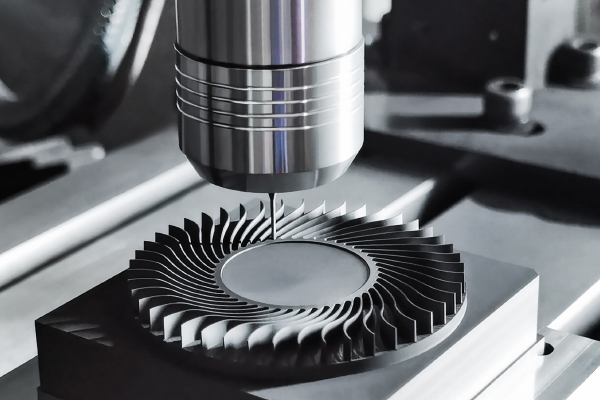
The real challenge is maintaining consistency while machining extremely fragile micro-features.
For semiconductor applications, a component may contain:
Thin walls below 0.3 mm
Deep narrow slots
Micro-hole arrays
Complex 3D contours
High-density precision features
At this stage, vibration control becomes more important than raw cutting speed.
Problem #1: Micro-Chipping Happens Before You Notice It
One of the most common failures in graphite machining is micro-chipping.
The component may appear acceptable to the naked eye, yet microscopic edge damage can affect assembly accuracy, electrical performance and product life.
This issue becomes particularly critical when machining semiconductor testing fixtures and EDM electrodes.
To prevent chipping, machine rigidity, spindle balance, toolpath optimization and vibration suppression must work together.
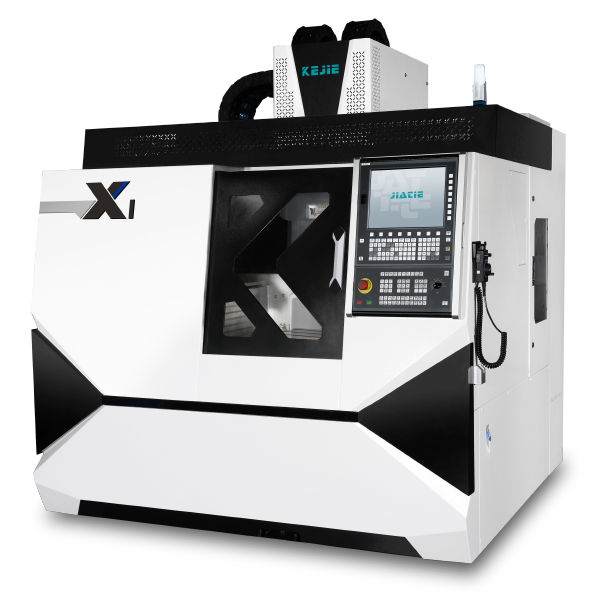
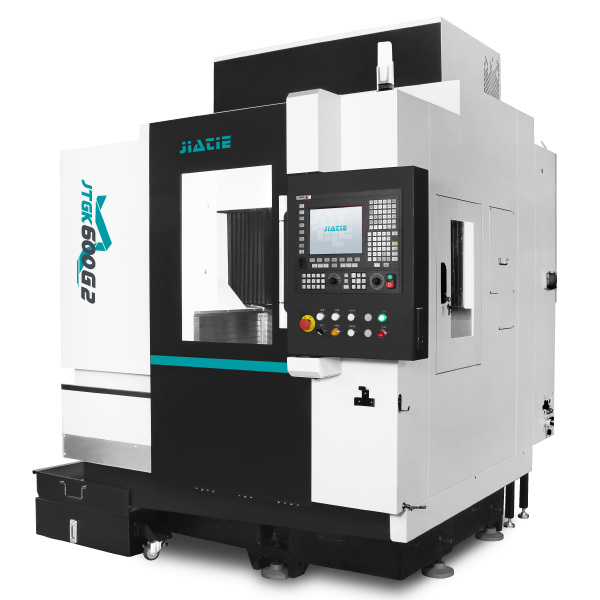
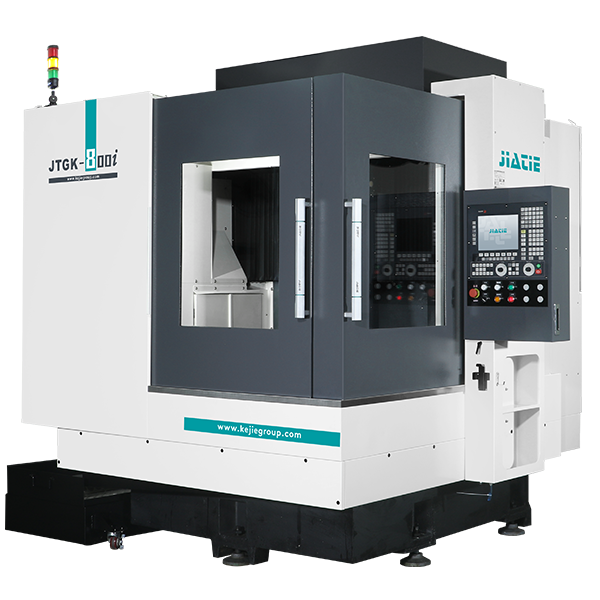
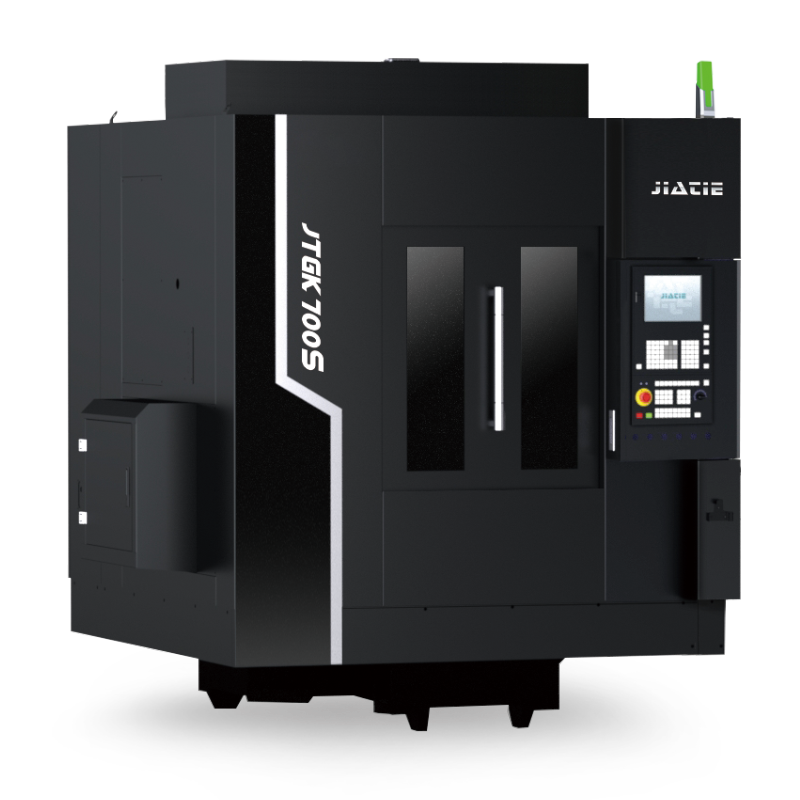
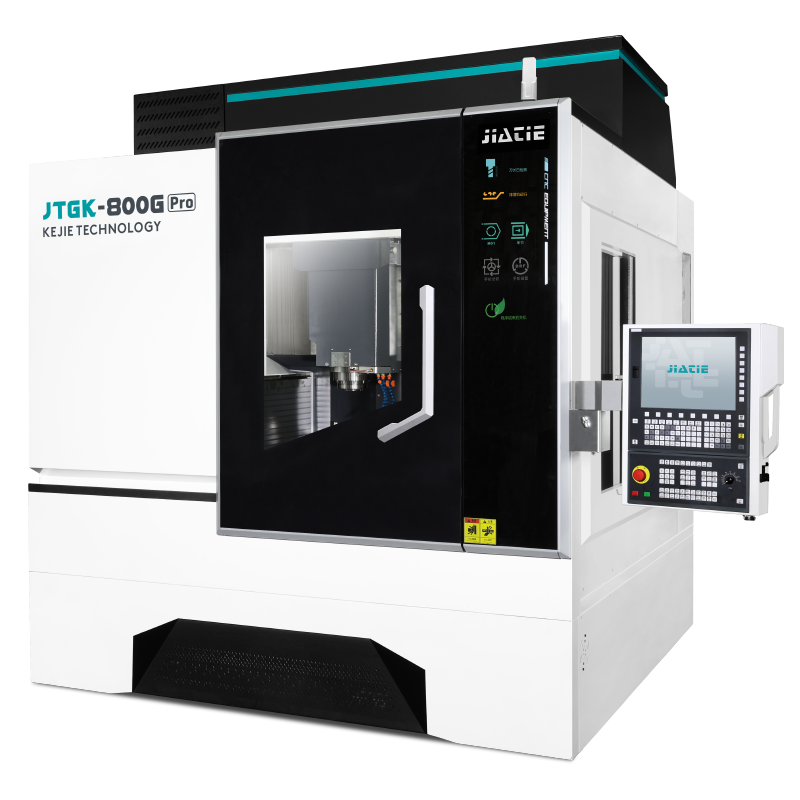
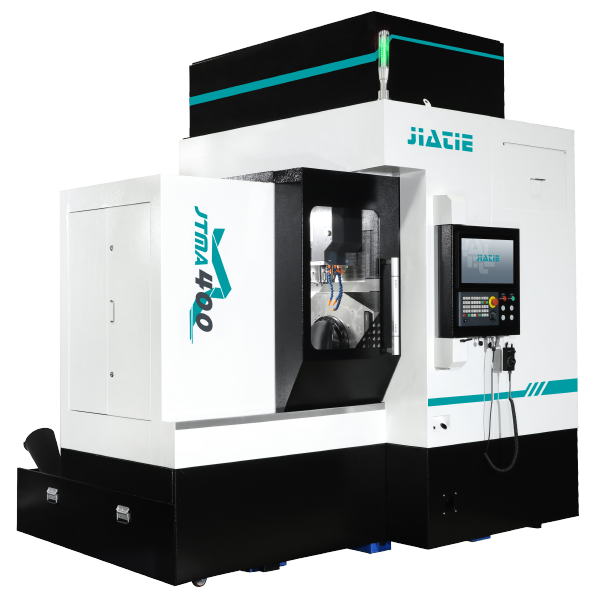
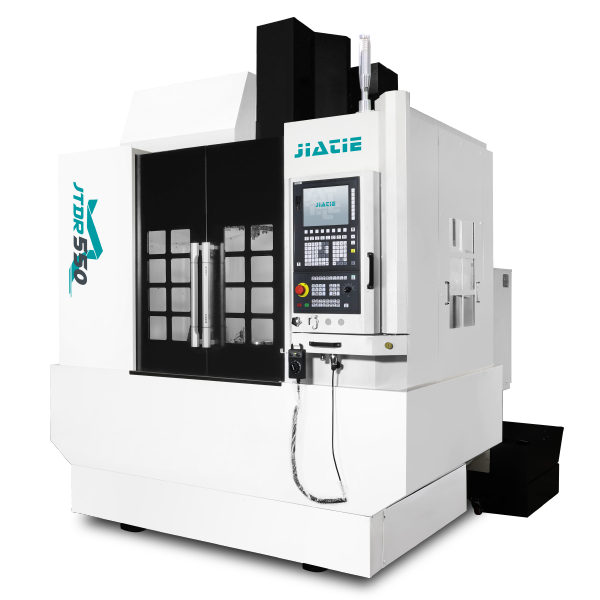
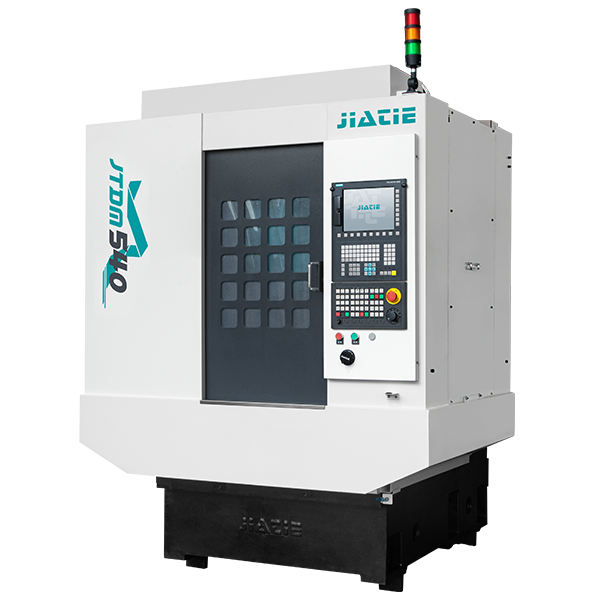
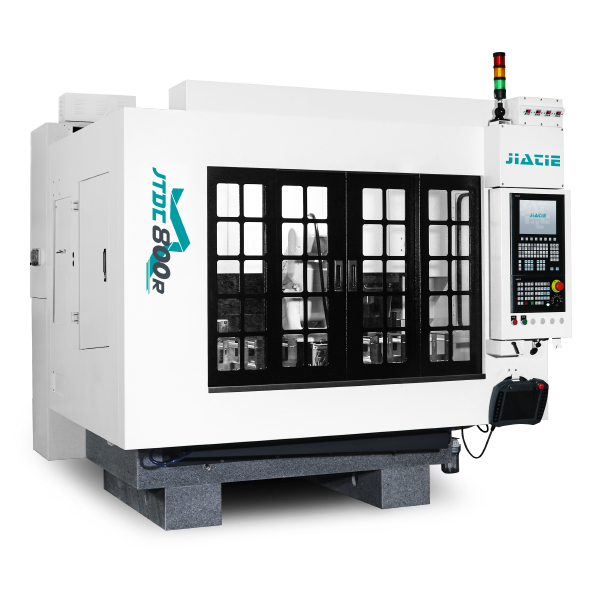
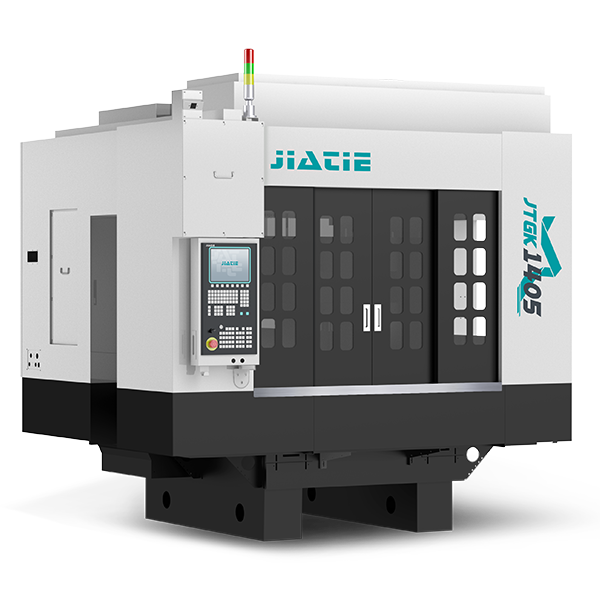
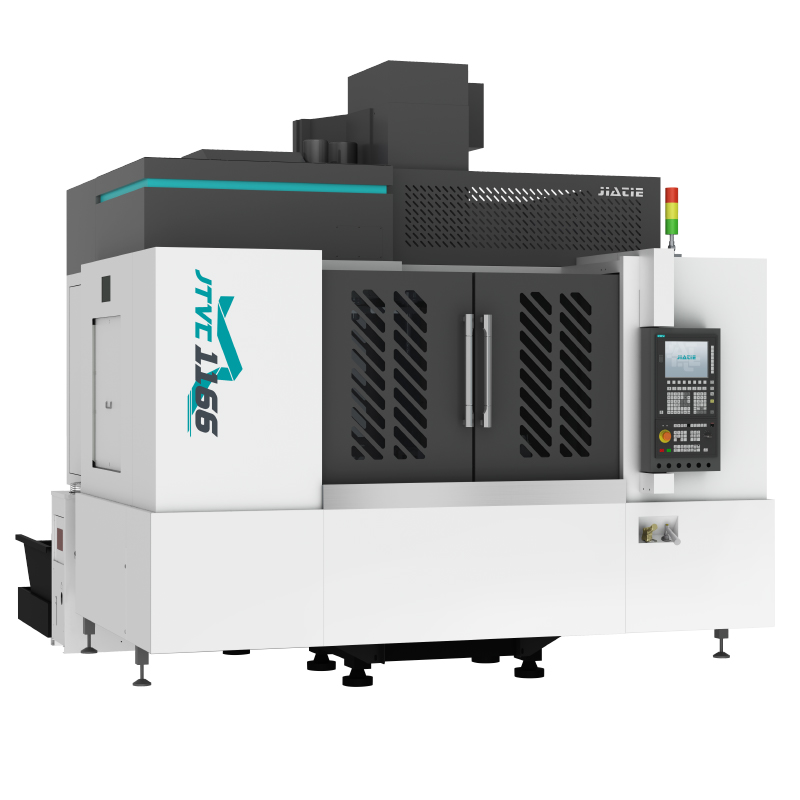
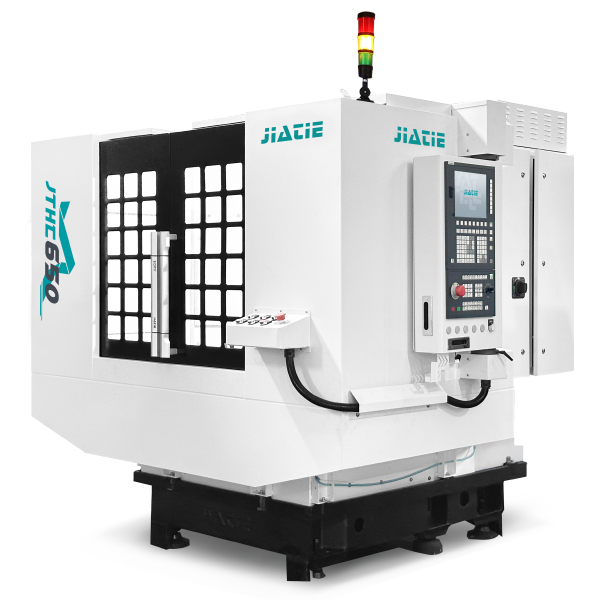
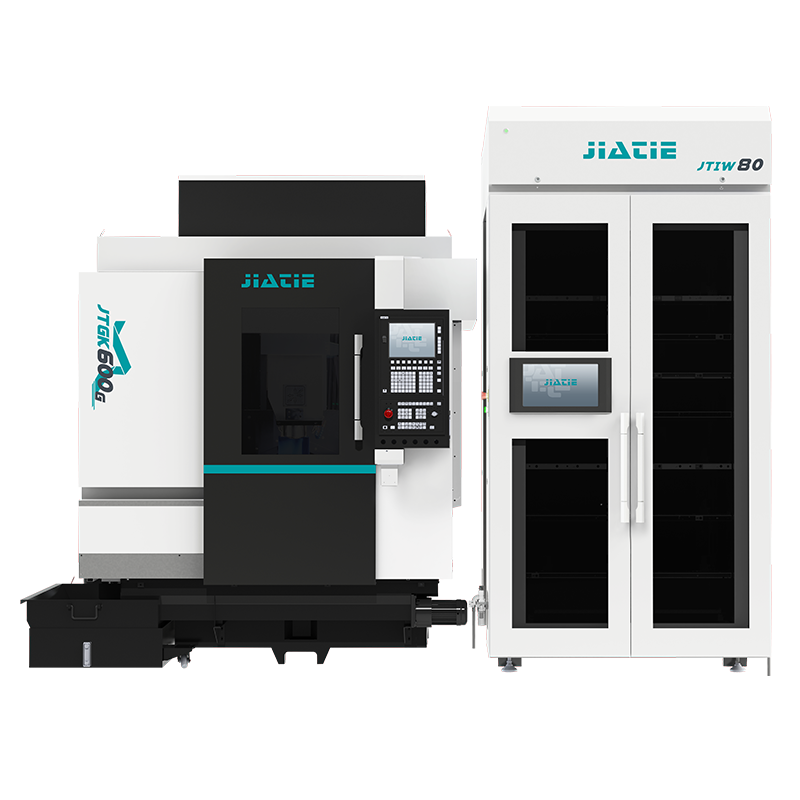
This is one reason why specialized Graphite Machining Centers outperform general-purpose CNC machines.
Problem #2: Surface Finish Matters More Than Most Engineers Expect
Many customers specify dimensional tolerances but overlook surface quality.
In reality, surface finish directly affects:
Electrical conductivity consistency
Vacuum system performance
Assembly repeatability
Tool wear behavior
Contamination control
For high-end semiconductor applications, a smooth and stable graphite surface is often more important than achieving the fastest machining cycle.
Problem #3: Graphite Dust Is a Manufacturing Risk
Unlike aluminum or steel chips, graphite dust behaves differently.
Fine graphite particles can spread throughout the machining environment, affecting:
Linear guide systems
Ball screws
Measurement equipment
Electrical cabinets
Nearby production processes
Without an effective dust management strategy, machine accuracy and service life can deteriorate rapidly.
This is why advanced graphite Machining Centers integrate dedicated dust extraction and protection systems.
Why ±0.01 mm Is Only the Starting Point
When discussing semiconductor graphite parts, many suppliers proudly advertise ±0.01 mm accuracy.
That number is important, but it tells only part of the story.
What truly matters is whether the machine can maintain that accuracy consistently across hundreds or thousands of parts.
Repeatability, thermal stability and long-term process control often determine whether a project succeeds or fails.
A machine capable of producing one perfect sample is not necessarily capable of supporting mass production.
What We Learned From Semiconductor and Precision Manufacturing Customers
At KEJIE Technology, we have worked with manufacturers producing semiconductor fixtures, graphite molds, optical components and high-precision industrial parts.
Across these industries, successful projects share three common characteristics:
Stable machine structure
Predictable machining performance
Reliable process repeatability
Customers rarely complain about cutting speed.
They complain when dimensions drift after several hundred parts.
They complain when edge quality becomes inconsistent.
They complain when production yield drops unexpectedly.
These are the challenges that truly determine manufacturing profitability.
The Future of Graphite Machining
As semiconductor devices become smaller and more complex, graphite components will require tighter tolerances and better surface quality.
The industry is moving toward:
Higher spindle precision
Intelligent compensation systems
Automated measurement integration
Real-time process monitoring
Smarter CNC control platforms
Manufacturers that invest in advanced graphite machining technology today will be better positioned to meet tomorrow's semiconductor and precision manufacturing requirements.
Explore KEJIE Graphite Machining Solutions
If your business is involved in semiconductor fixtures, EDM electrodes, graphite molds or high-precision graphite components, choosing the right machining platform can dramatically improve consistency, yield and profitability.
Learn more about our graphite machining applications: