

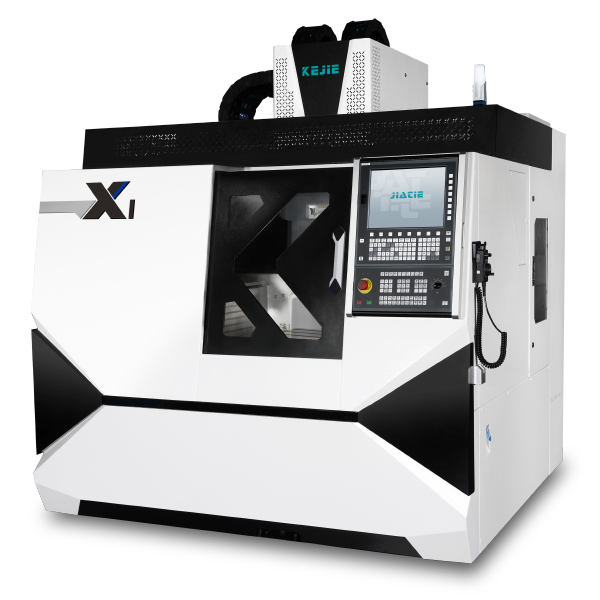
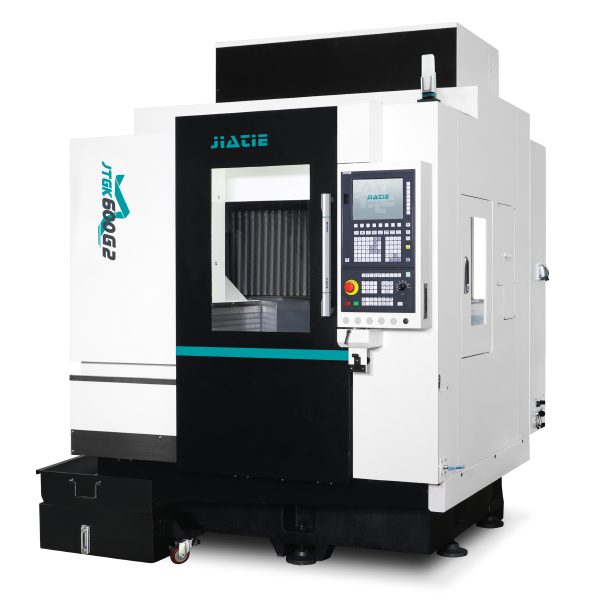
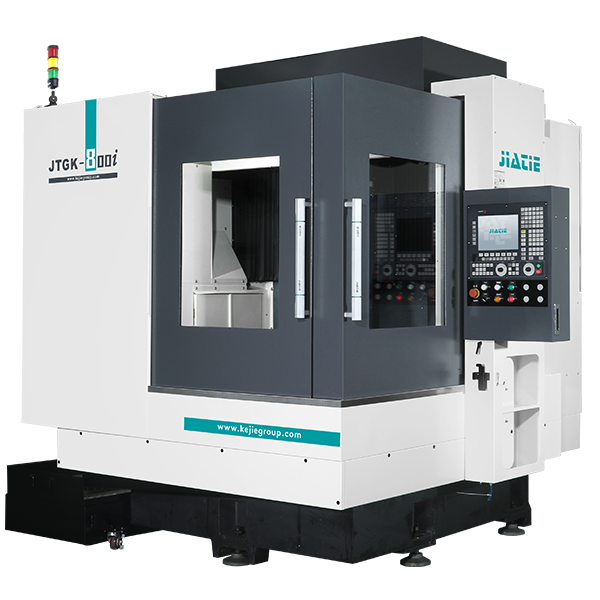
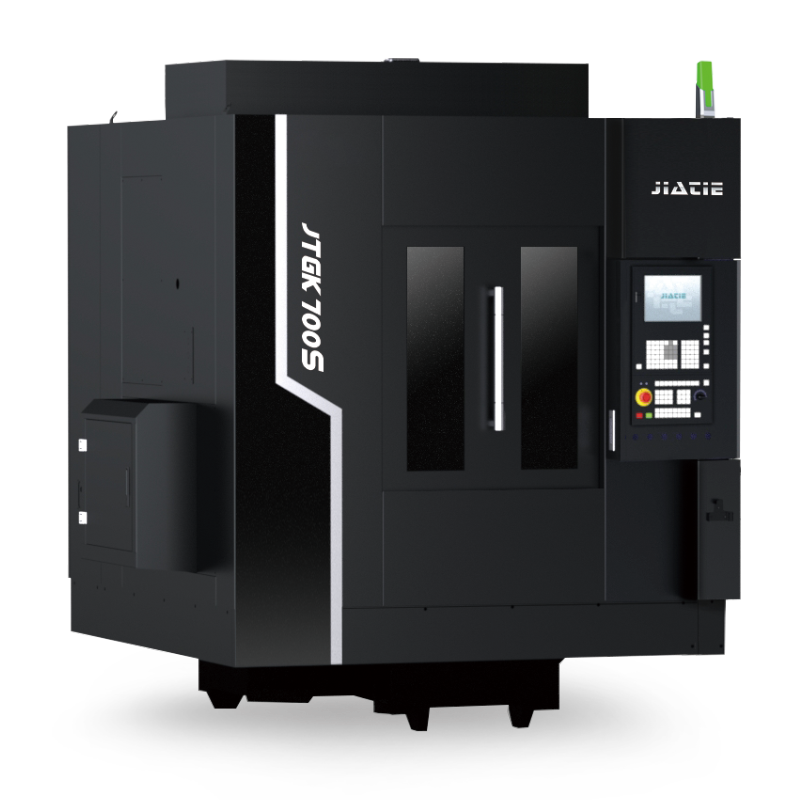
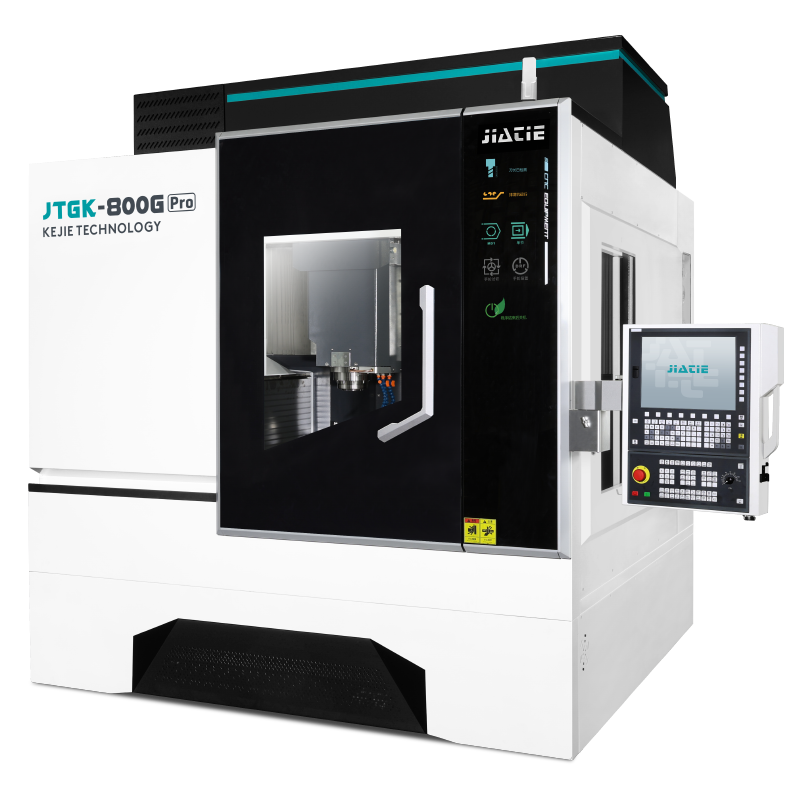
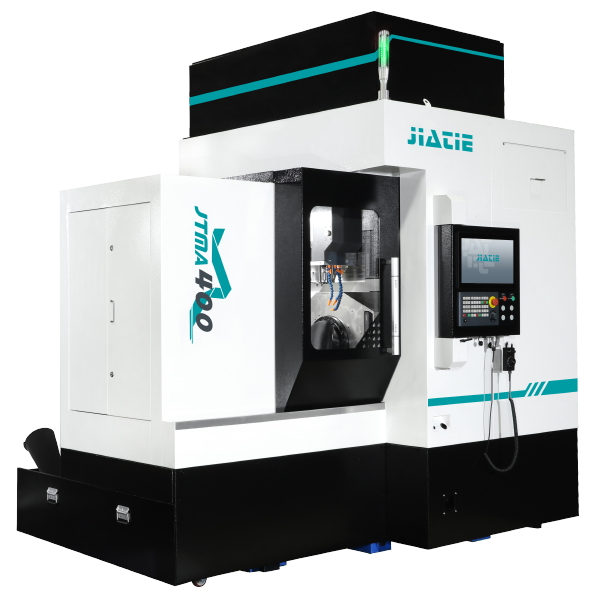
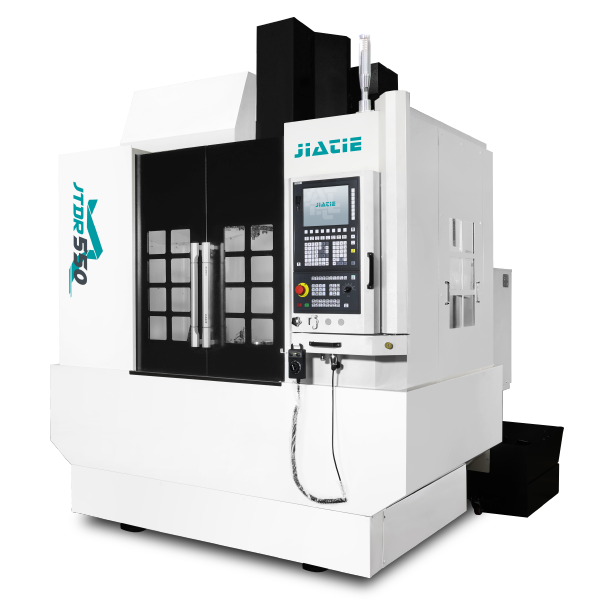
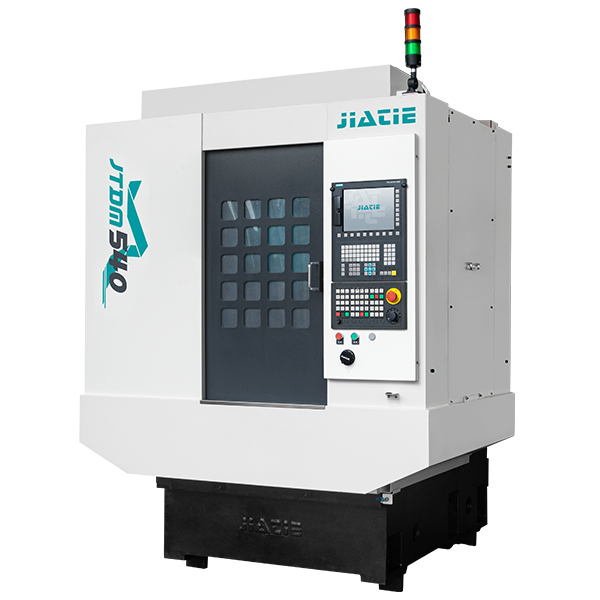
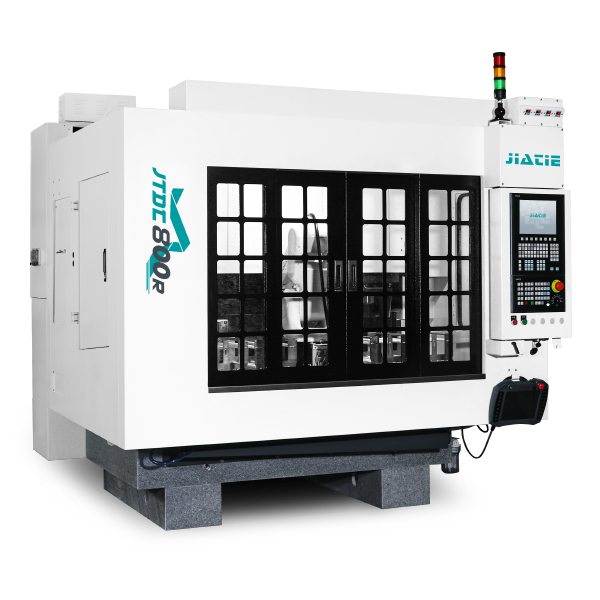
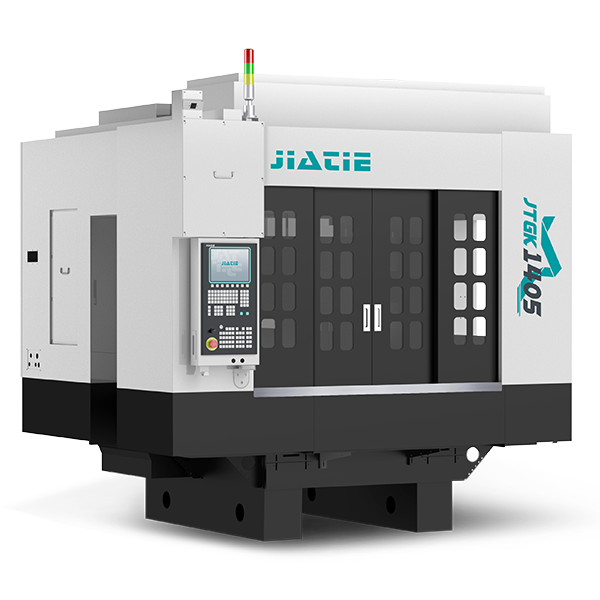
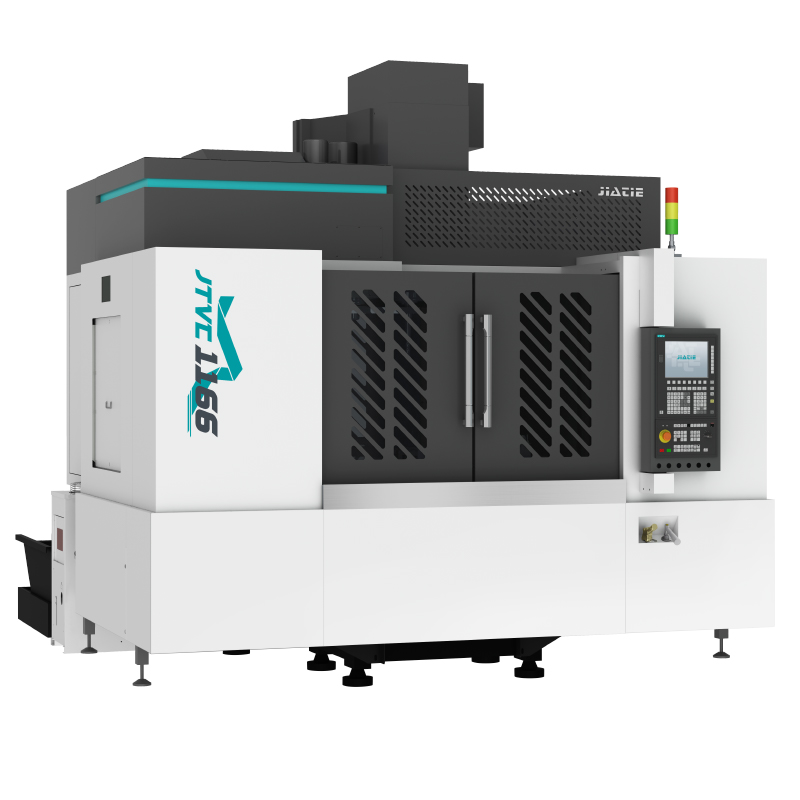
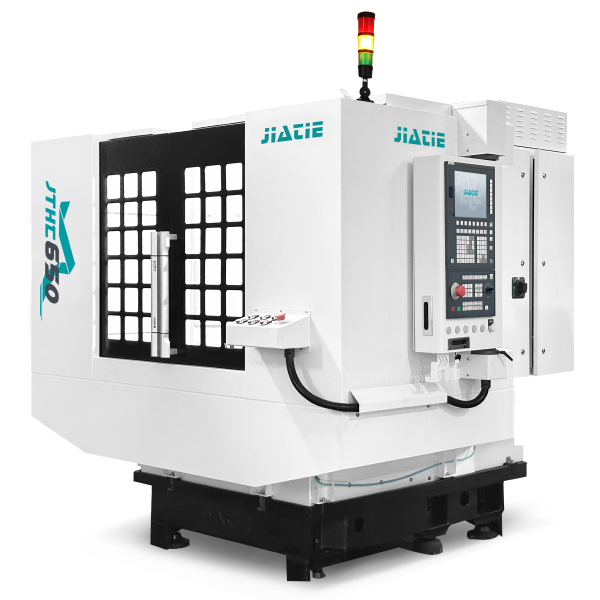
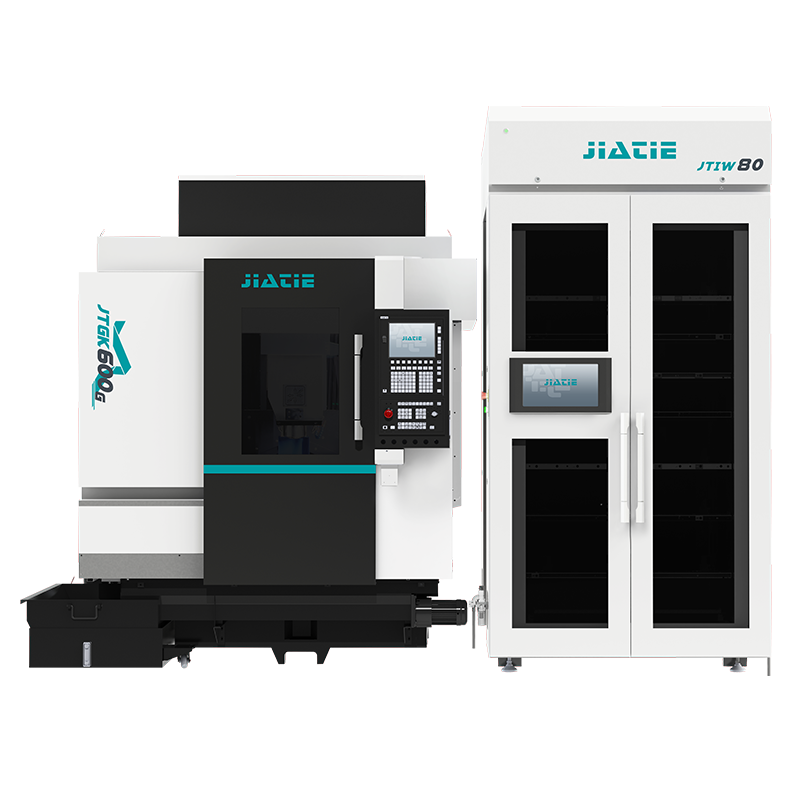
A 5-axis machining center plays an important role in modern automotive parts production by machining complex components with high dimensional accuracy and fewer setup operations. Unlike traditional 3-axis machines, which move along the X, Y, and Z axes, a 5-axis machining center adds two rotational axes. This allows the cutting tool or workpiece to approach different surfaces and angles in a single setup.
In automotive manufacturing, this capability is particularly useful for producing engine components, transmission housings, suspension parts, brake components, and other precision metal parts. It helps manufacturers handle complex geometries while maintaining consistent machining quality.
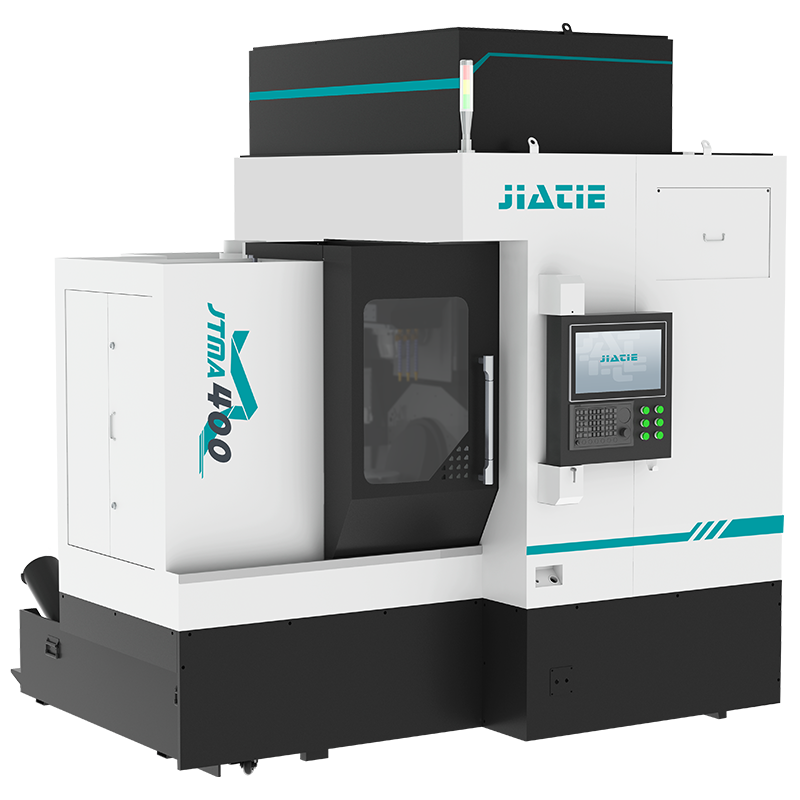
1. What Automotive Parts Can Be Produced Using a 5-Axis Machining Center?
A 5-axis machining center is suitable for automotive components that require multiple machining angles, complex surfaces, and accurate dimensional control.
Common applications include:
Engine Components: Cylinder heads, engine blocks, and other components with angled holes, curved surfaces, and complex internal structures.
Transmission Housings: Aluminum transmission cases and gearbox housings that require precise holes, mounting surfaces, and multi-sided machining.
Suspension Components: Steering knuckles, control arms, and other structural parts with complex geometries.
Brake Components: Brake caliper housings and precision mounting components that require accurate positioning and surface finishing.
Automotive Prototypes: Customized metal parts used in vehicle development, testing, and small-batch production.
For example, an aluminum transmission housing may require machining on several sides, including mounting holes, bearing seats, and connecting surfaces. A 5-axis machining center can access multiple features without repeatedly repositioning the workpiece.
2. Why Do Automotive Manufacturers Use 5-Axis Machining?
Automotive components often have complicated structures and strict dimensional requirements. Traditional machining methods may require several fixtures and repositioning operations, increasing production complexity.
Reduced Setup Operations
A 5-axis machining center can machine multiple surfaces in one setup. Reducing repeated clamping helps minimize positioning errors and makes the production process more consistent.
Improved Machining Accuracy
Fewer setups reduce the accumulation of positioning deviations between operations. This is particularly important for components such as engine housings and transmission cases, where the relative positions of holes and mounting surfaces affect assembly.
Better Machining of Complex Geometries
The additional rotational axes allow the cutting tool to approach angled surfaces and difficult-to-reach areas. This makes it easier to produce curved surfaces, inclined holes, and complex contours.
Improved Production Flexibility
Automotive manufacturers often need to produce different component designs, prototypes, and customized parts. Five-axis machining can accommodate a wider range of geometries without requiring a completely different machining process for every design.
3. How Does a 5-Axis Machining Center Improve Automotive Production Efficiency?
Production efficiency is influenced by machining time, tool changes, workpiece positioning, and inspection requirements.
A 5-axis machining center can improve the overall process in several ways:
Fewer Workpiece Repositioning Operations: Multiple surfaces can be machined during one clamping cycle.
Shorter Production Workflows: Combining operations can reduce intermediate handling and transportation.
Better Tool Accessibility: The machine can maintain suitable tool orientations when machining complex features.
Consistent Part Quality: Reducing repeated setups helps maintain dimensional relationships between different machined surfaces.
For example, consider an automotive aluminum housing that requires machining on five different surfaces. On a conventional 3-axis machine, operators may need several setups to complete the work. With a suitable 5-axis machining center, many of these operations can be combined into one setup.
The actual time savings depend on part geometry, tooling, machining strategy, and production volume. Manufacturers should evaluate the complete production cycle rather than machining time alone.
4. What Materials Can Be Machined for Automotive Applications?
Automotive parts are manufactured using different materials depending on their mechanical properties, weight requirements, and operating conditions.
Common materials processed on 5-axis machining centers include:
Aluminum Alloys
Aluminum alloys are widely used for engine housings, transmission cases, and structural components because of their relatively low weight and good machinability.
Steel
Carbon steel and alloy steel are used for components that require strength, wear resistance, and structural stability. Appropriate cutting tools and machining parameters are essential when processing harder steel materials.
Stainless Steel
Stainless steel is used in selected automotive components where corrosion resistance and mechanical performance are important.
Titanium Alloys
Titanium alloys are found in specialized automotive and high-performance vehicle applications. Their high strength-to-weight ratio makes them useful for certain demanding components, although machining requires careful control of cutting temperatures and tool wear.
Material selection should consider the component's function, mechanical requirements, manufacturing cost, and machining characteristics.
5. What Should Manufacturers Consider When Choosing a 5-Axis Machining Center?
Selecting suitable equipment requires more than comparing machine specifications. Manufacturers should evaluate the actual requirements of their automotive components.
Key considerations include:
Machining Envelope: Ensure the working area can accommodate the dimensions and weight of the target components.
Spindle Performance: Consider spindle speed, torque, and power according to the materials and cutting operations.
Positioning Accuracy: Evaluate the machine's positioning accuracy and repeatability against the component's tolerance requirements.
CNC Control System: A suitable control system should support complex tool paths, simultaneous five-axis movement, and reliable program execution.
Tooling and Workholding: Appropriate cutting tools, fixtures, and clamping methods are essential for stable machining.
After-Sales Support: Maintenance services, spare parts availability, and technical support can affect long-term equipment operation.
For instance, a manufacturer producing aluminum automotive housings may prioritize high-speed spindle performance, efficient chip removal, and sufficient machining space. A manufacturer machining steel suspension components may place greater emphasis on spindle torque, machine rigidity, and cutting stability.
Conclusion
A 5-axis machining center provides automotive manufacturers with a flexible solution for machining complex components that require multiple working angles and precise dimensional control. From engine housings and transmission cases to suspension components and automotive prototypes, it supports multi-sided machining while reducing repeated setup operations.
Choosing the right machine requires a clear understanding of component geometry, material properties, production volume, and machining tolerances. With appropriate tooling, CNC programming, and process planning, five-axis machining can support consistent quality and more streamlined automotive parts production.