

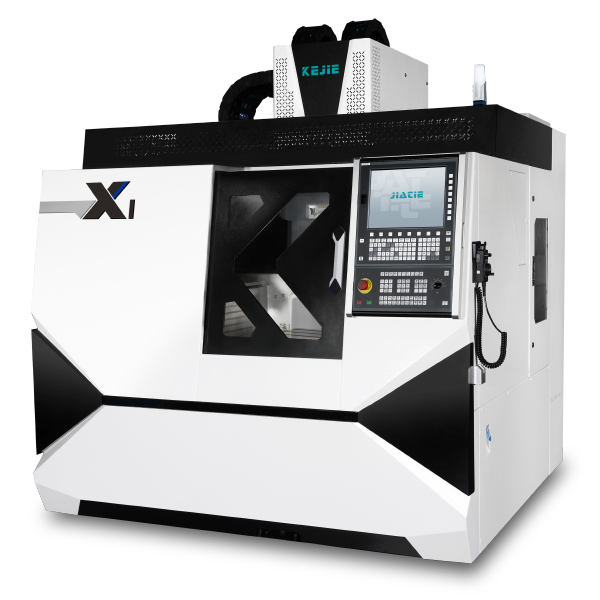
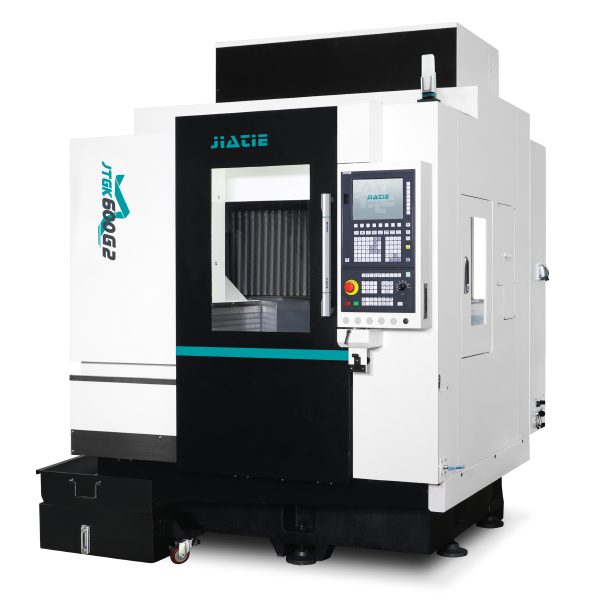
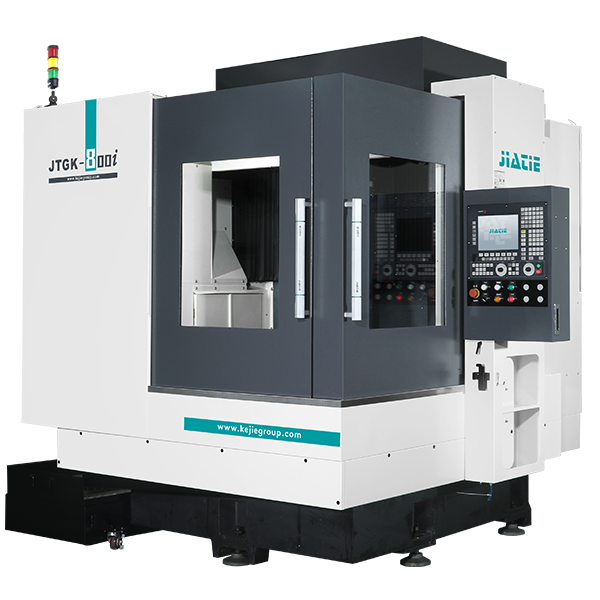
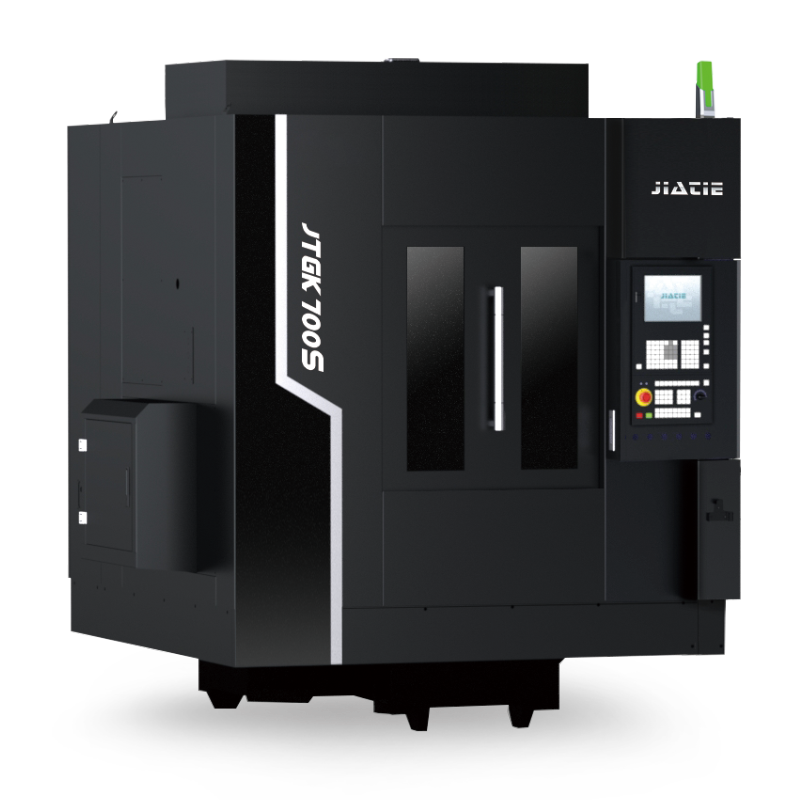
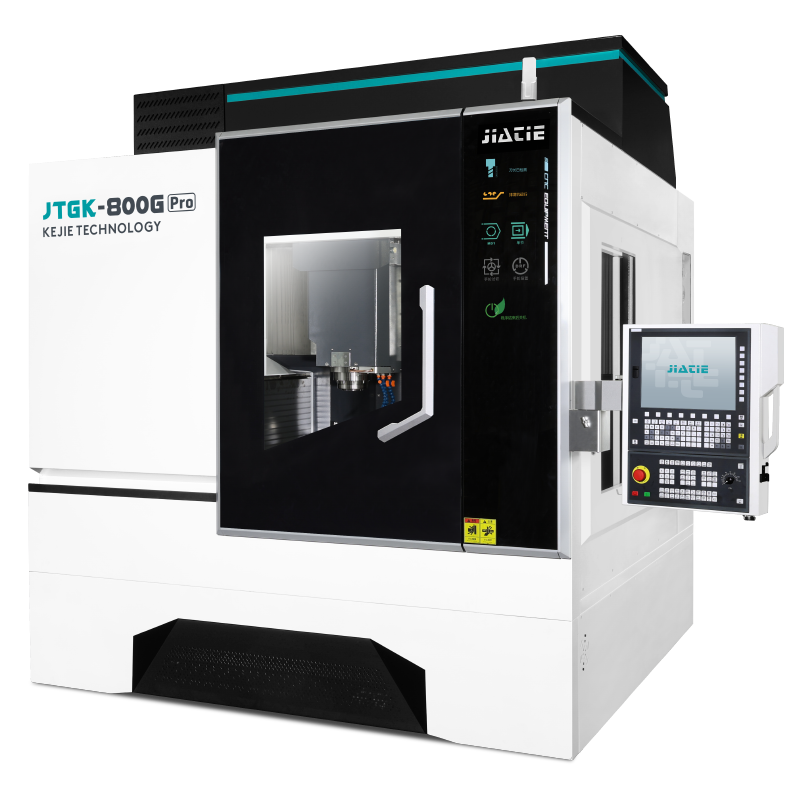
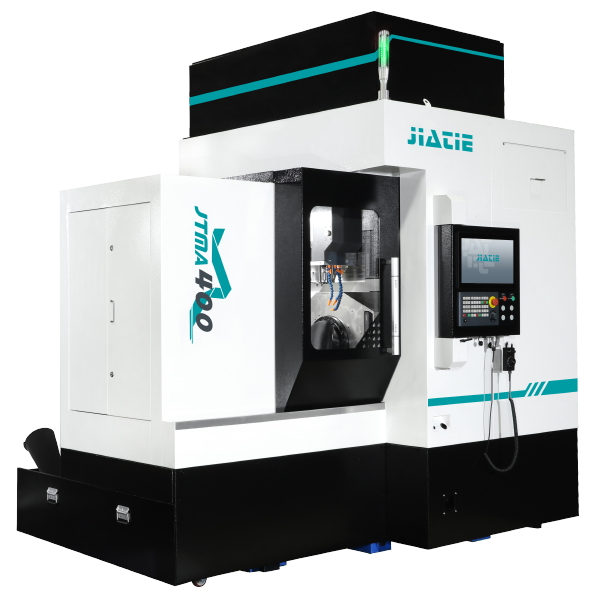
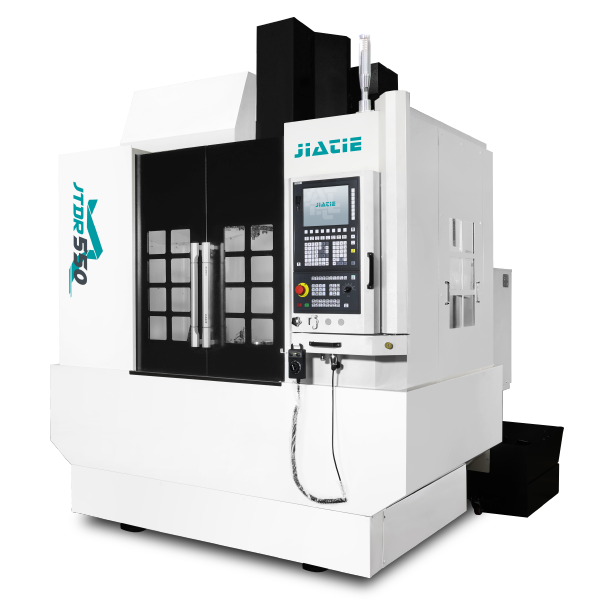
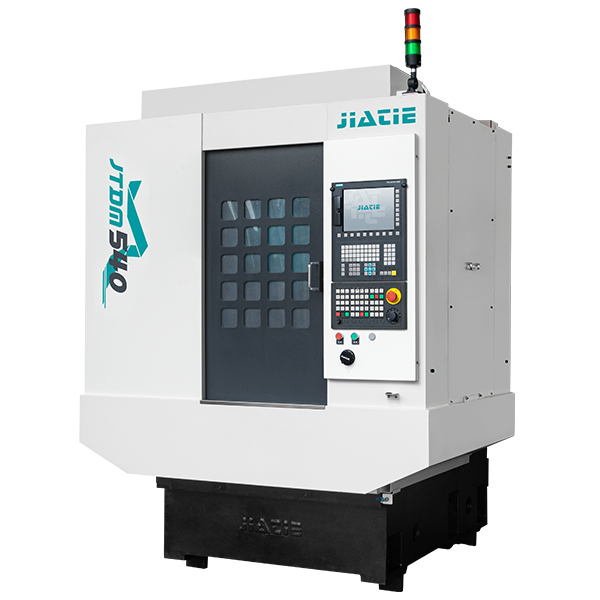
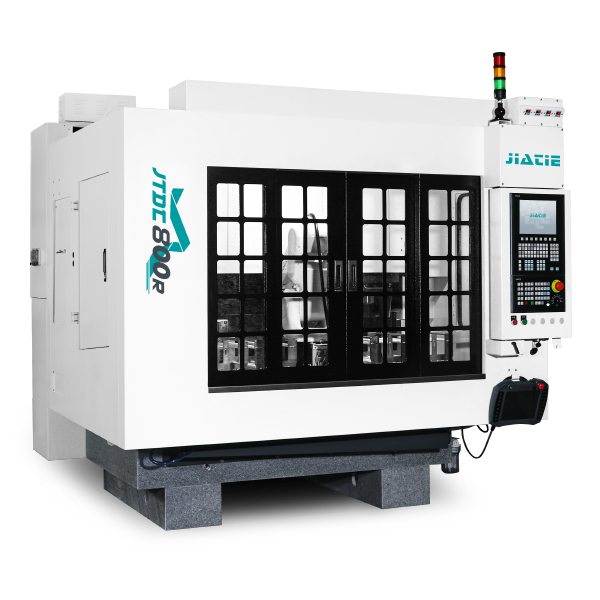
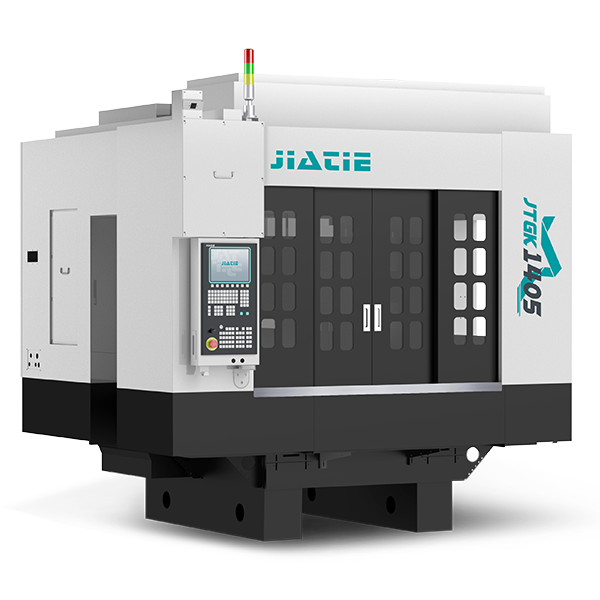
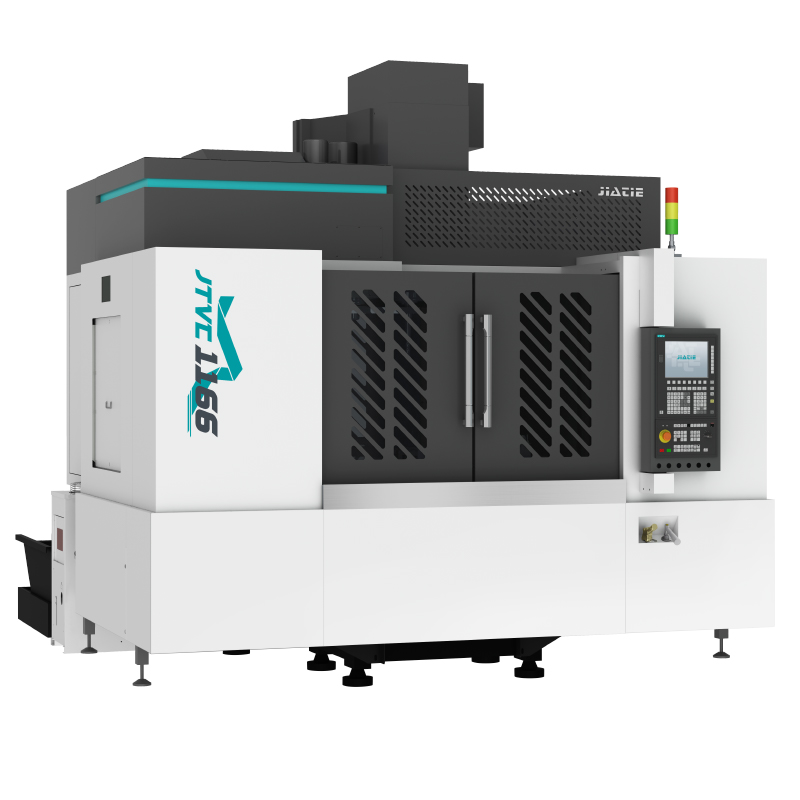
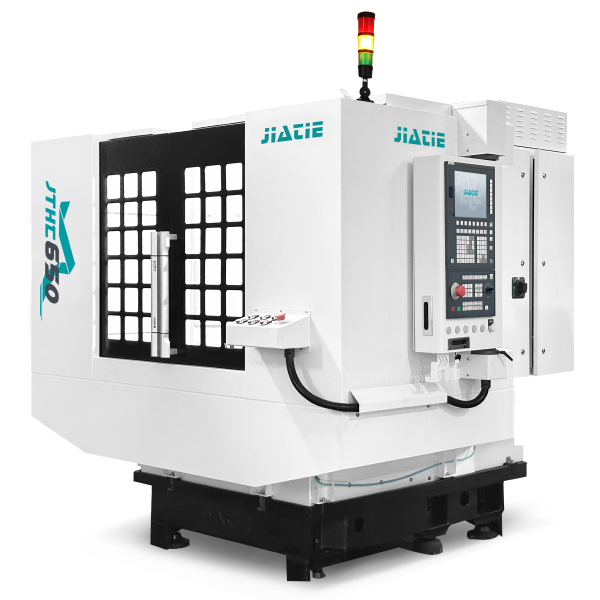
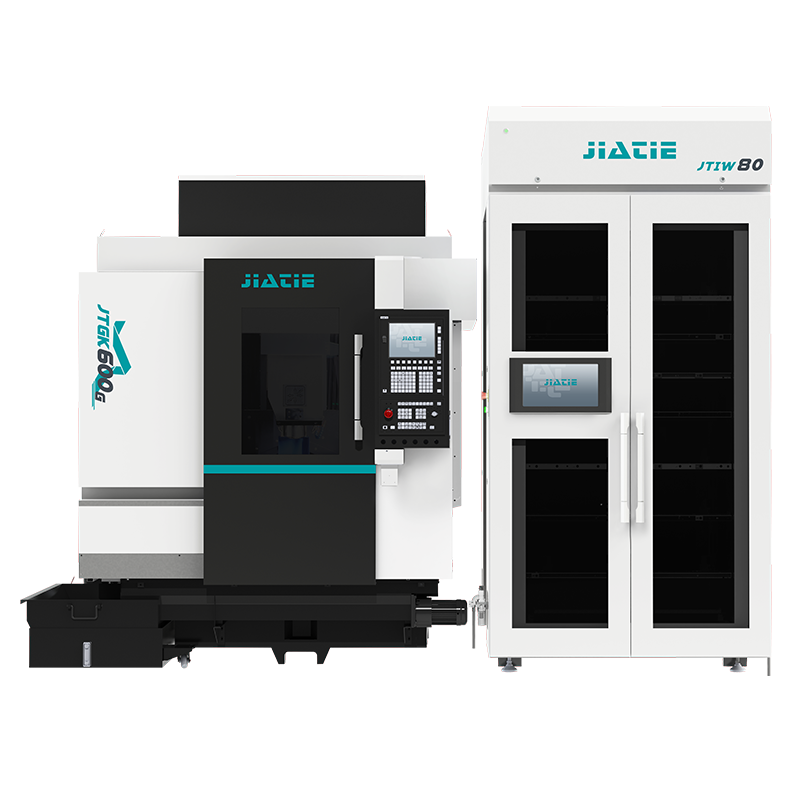
A 5-axis machining center can manufacture a wide range of complex precision parts, including aerospace components, automotive parts, medical devices, turbine blades, molds, and precision mechanical components. Unlike traditional 3-axis machines, which primarily move along the X, Y, and Z axes, 5-axis machining adds two rotational axes. This allows the cutting tool or workpiece to approach multiple surfaces from different angles, making it possible to machine complex geometries in fewer setups.
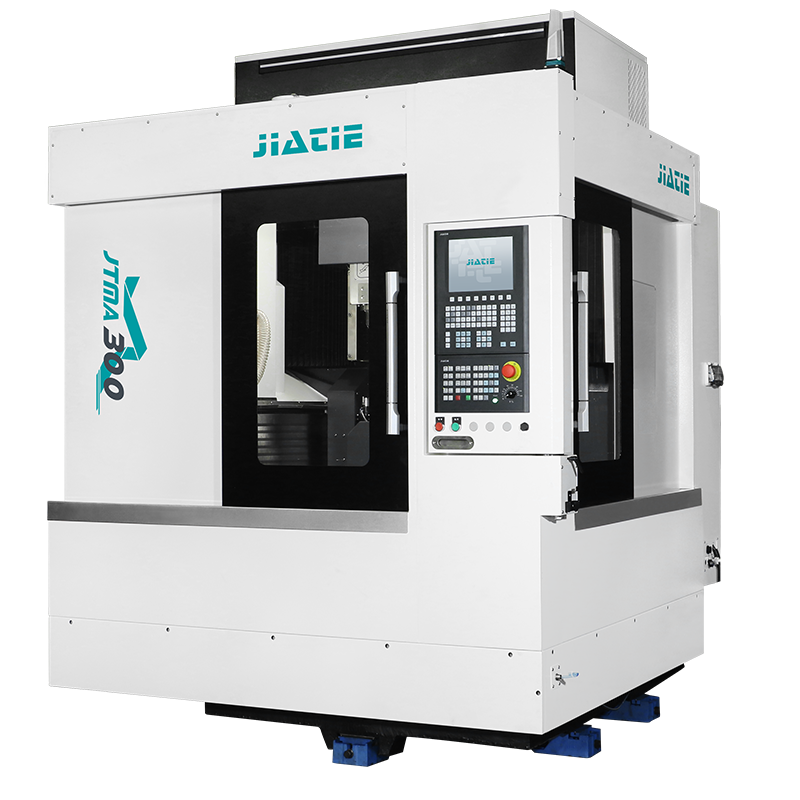
1. What Types of Parts Can Be Made with a 5-Axis machining center?
A 5-axis machining center is particularly suitable for parts with complex surfaces, angled features, deep cavities, and tight dimensional requirements. Common applications include the following:
1.1 Aerospace Components
Aerospace components often have lightweight structures, curved surfaces, and complex internal or external geometries. Typical examples include aircraft structural brackets, turbine components, engine housings, and impeller parts.
5-axis machining allows multiple surfaces and angled features to be machined in fewer setups, helping maintain dimensional relationships between different features.
1.2 Automotive Components
In the automotive industry, 5-axis machining is used to manufacture engine components, transmission housings, cylinder heads, intake manifolds, and custom aluminum parts.
For example, a cylinder head may contain angled ports, curved passages, and multiple mounting surfaces. A 5-axis machining center can access these features from different directions without repeatedly repositioning the workpiece.
1.3 Medical Device Components
Medical manufacturing requires accurate dimensions, smooth surfaces, and consistent machining quality. Common 5-axis machined medical parts include orthopedic implants, surgical instruments, prosthetic components, and custom medical device housings.
Titanium and stainless steel are frequently used materials. Their machining requires appropriate cutting tools, parameters, and cooling strategies to control heat and surface quality.
1.4 Turbine Blades and Impellers
Turbine blades and impellers have complex curved surfaces that are difficult to produce using conventional 3-axis machining.
The additional rotational axes allow the cutting tool to maintain a suitable orientation along curved surfaces. This helps improve surface consistency and access areas that would otherwise require multiple machining operations.
1.5 Precision Molds and Dies
5-axis machining is also widely used in mold manufacturing, including injection molds, die-casting molds, and molds with complex curved cavities.
It can machine angled surfaces, deep cavities, and intricate mold geometries with fewer setups. This is especially useful when the alignment between multiple mold surfaces is important.
2. Why Is a 5-Axis Machining Center Suitable for Complex Parts?
The main advantage of 5-axis machining is its ability to approach a workpiece from multiple directions while maintaining accurate positioning.
Several technical features make it suitable for manufacturing complex components.
2.1 Machining Multiple Surfaces in Fewer Setups
Traditional 3-axis machining often requires several workpiece repositioning operations to access different surfaces. Each repositioning introduces potential positioning errors.
A 5-axis machining center can reach multiple sides of a component in a single setup, depending on the machine configuration and workpiece geometry. This helps reduce setup time and improve positional consistency.
2.2 Better Access to Complex Geometries
The two additional rotational axes allow the cutting tool to approach inclined surfaces, curved profiles, and angled holes from different directions.
This is particularly useful for turbine blades, aerospace structures, and complex mold cavities.
2.3 Improved Surface Finish
By adjusting the tool orientation, 5-axis machining can maintain a more suitable cutting angle and reduce excessive tool overhang in certain operations.
For example, when machining a curved impeller surface, an optimized tool angle can help maintain more consistent cutting conditions and reduce surface irregularities.
2.4 Reduced Production Time for Complex Parts
Fewer setups can reduce manual handling, alignment work, and intermediate positioning operations.
For example, a component requiring machining on five different faces may need several setups on a conventional 3-axis machine. A suitable 5-axis configuration may complete many of these operations in one setup, although actual results depend on machine travel, fixtures, tool access, and part geometry.
3. Common Questions About 5-Axis Machining Centers
3.1 Can a 5-Axis Machining Center Process Aluminum and Stainless Steel Parts?
Yes. A 5-axis machining center can process various materials, including aluminum alloys, stainless steel, titanium, copper, and engineering plastics.
Aluminum is commonly used for aerospace structures and automotive housings because of its lightweight properties and machinability. Stainless steel is frequently selected for industrial equipment and medical components because of its corrosion resistance.
Titanium is used in aerospace and medical applications, but its low thermal conductivity and machining characteristics require careful control of cutting speed, feed rate, and tool selection.
3.2 Is 5-Axis Machining More Accurate Than 3-Axis Machining?
Not necessarily in every situation. Both machining technologies can achieve high precision when properly configured.
However, 5-axis machining can offer an advantage when manufacturing complex parts that require machining from multiple directions. Reducing workpiece repositioning helps minimize cumulative setup errors.
For example, an aerospace bracket with several angled mounting surfaces may benefit from 5-axis machining because multiple features can be processed without repeatedly changing the workpiece position.
Actual accuracy depends on machine calibration, thermal stability, tooling, workholding, and machining parameters.
3.3 When Should Manufacturers Choose a 5-Axis Machining Center?
A 5-axis machining center is worth considering when a component has:
Complex curved or freeform surfaces.
Multiple angled holes or machining features.
Deep cavities or difficult-to-access areas.
Tight positional relationships between different surfaces.
Multiple machining faces that require repeated repositioning.
For simple flat components or basic drilling operations, a 3-axis machining center may be a more economical choice. The decision should be based on part geometry, production volume, tolerance requirements, and overall manufacturing costs.
4. Real-World Applications and Manufacturing Considerations
Consider an aluminum aerospace bracket with several angled mounting holes and curved structural surfaces.
On a conventional 3-axis machine, the operator may need to reposition the workpiece several times to complete all machining features. Each setup requires additional alignment and inspection.
With a suitable 5-axis machining center, multiple angled features and curved surfaces can be machined with fewer setups. This can reduce handling time and help maintain the positional relationship between mounting holes and reference surfaces.
For manufacturers, the benefits should be evaluated using measurable production data, such as:
Number of machining setups.
Total machining cycle time.
Dimensional inspection results.
Surface roughness measurements.
Tool wear and production consistency.
These indicators provide a more reliable basis for evaluating whether 5-axis machining is suitable for a particular project.
Conclusion
A 5-axis machining center can manufacture a broad range of precision components, from aerospace structural parts and automotive components to medical devices, turbine blades, impellers, and complex molds.
Its main value lies in machining complex geometries from multiple directions with fewer setups. For manufacturers working with multi-surface components, curved profiles, and angled features, 5-axis machining provides greater machining flexibility and can help improve production consistency.
Choosing the right machining solution still requires evaluating the component's material, geometry, tolerance requirements, and production volume.