

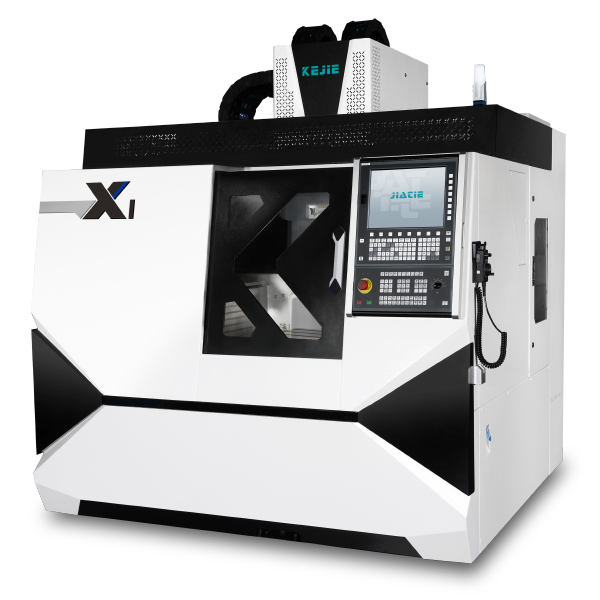
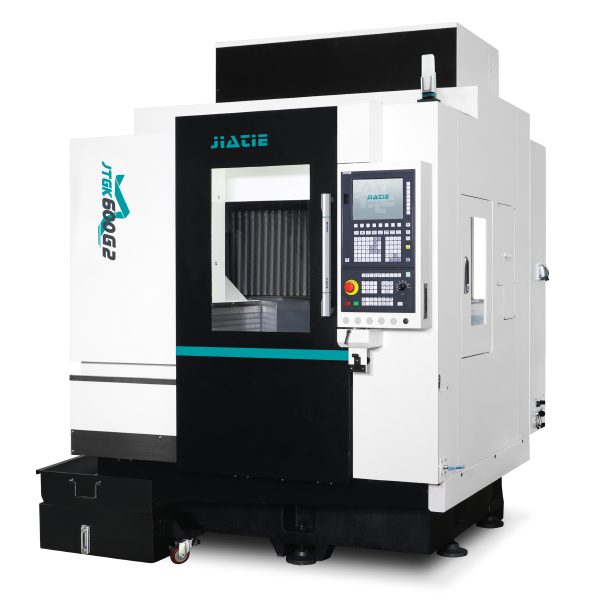
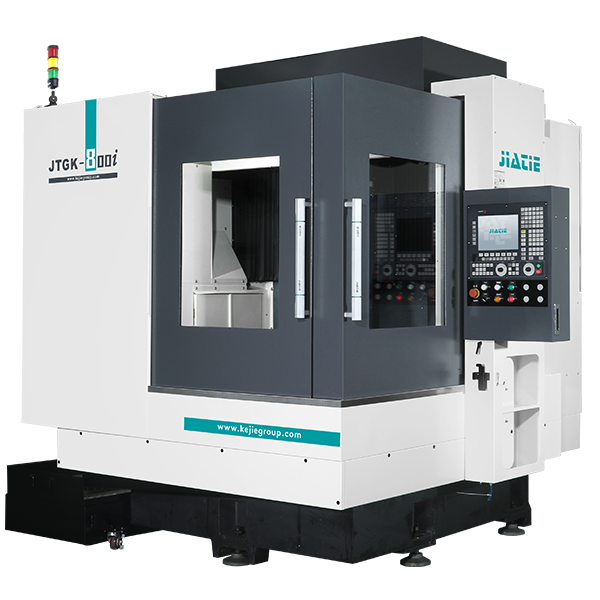
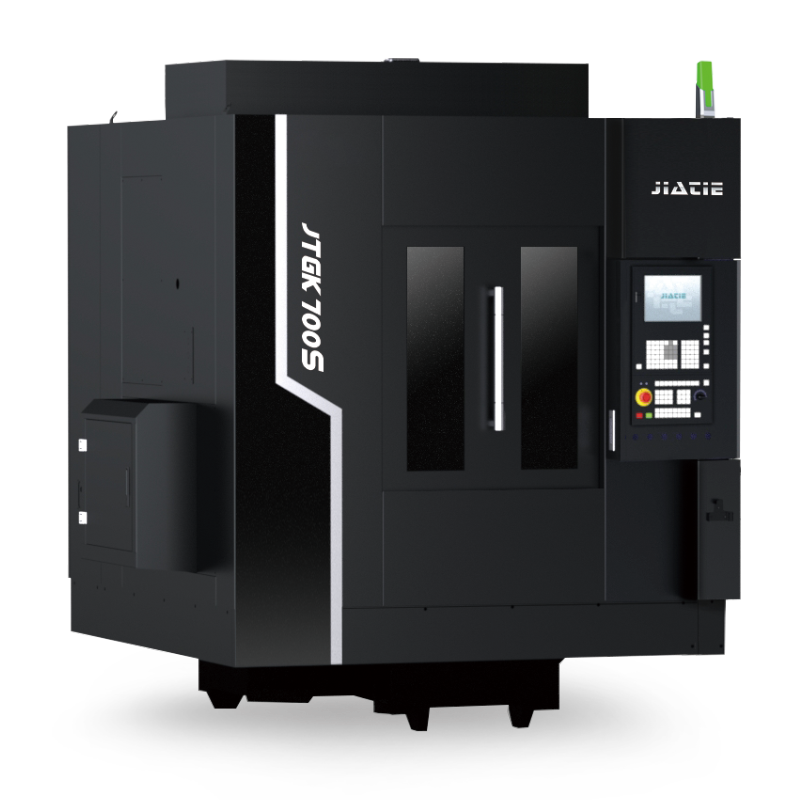
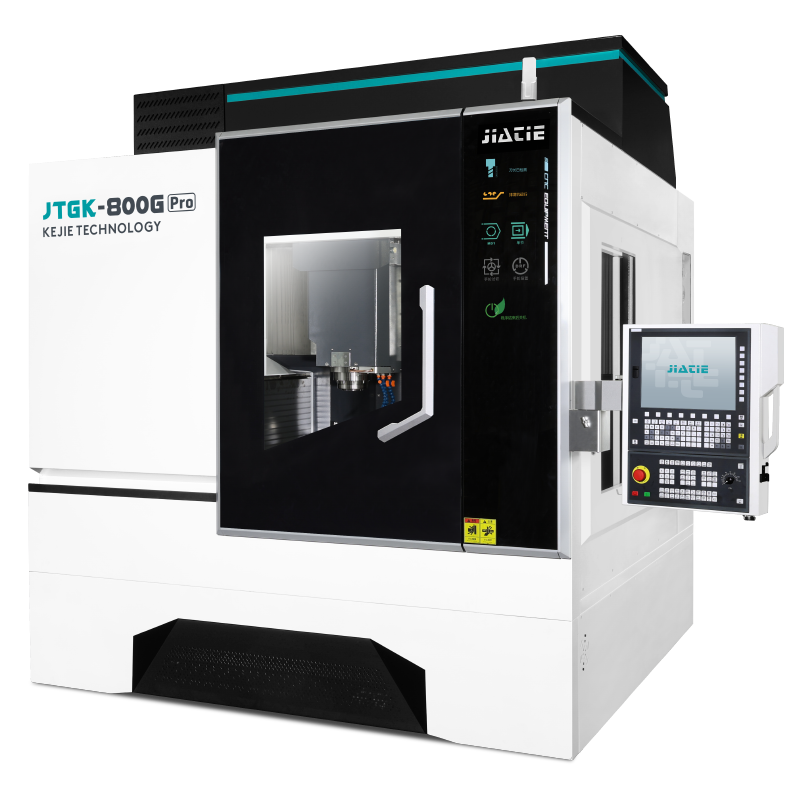
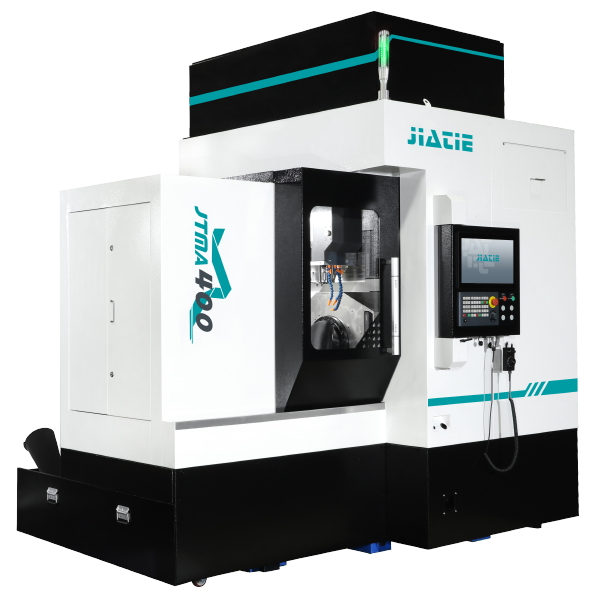
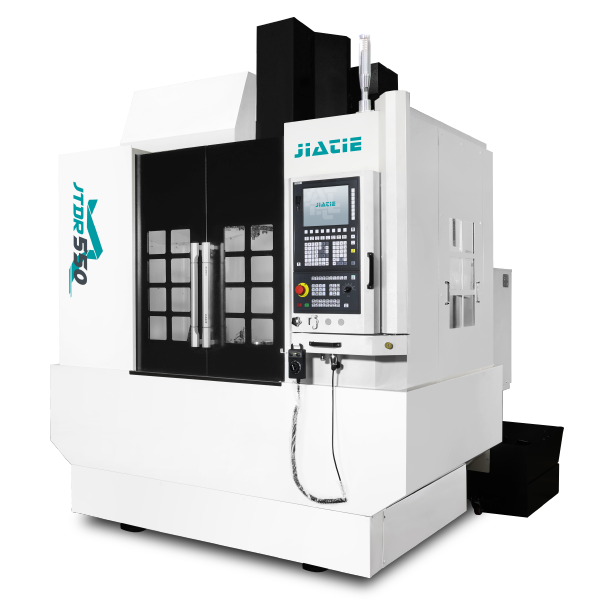
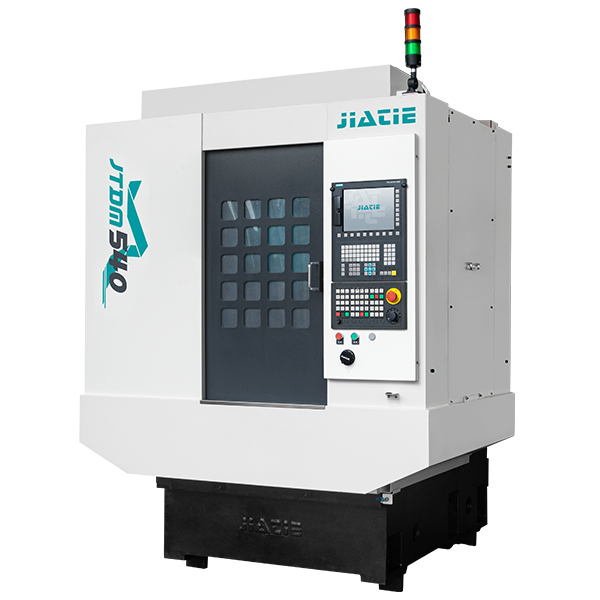
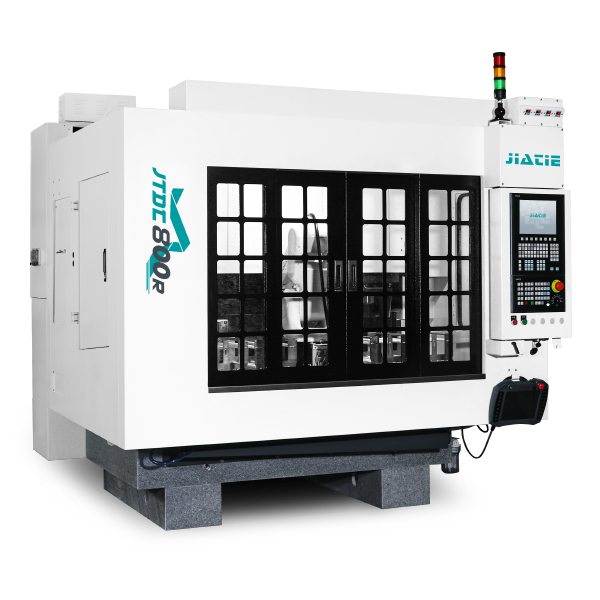
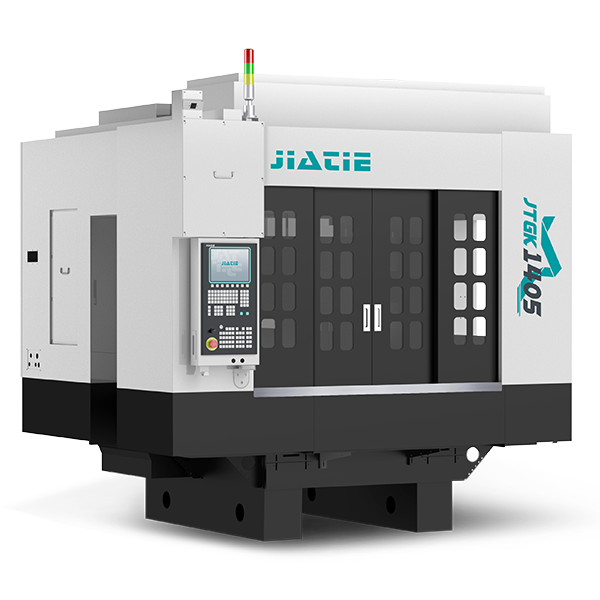
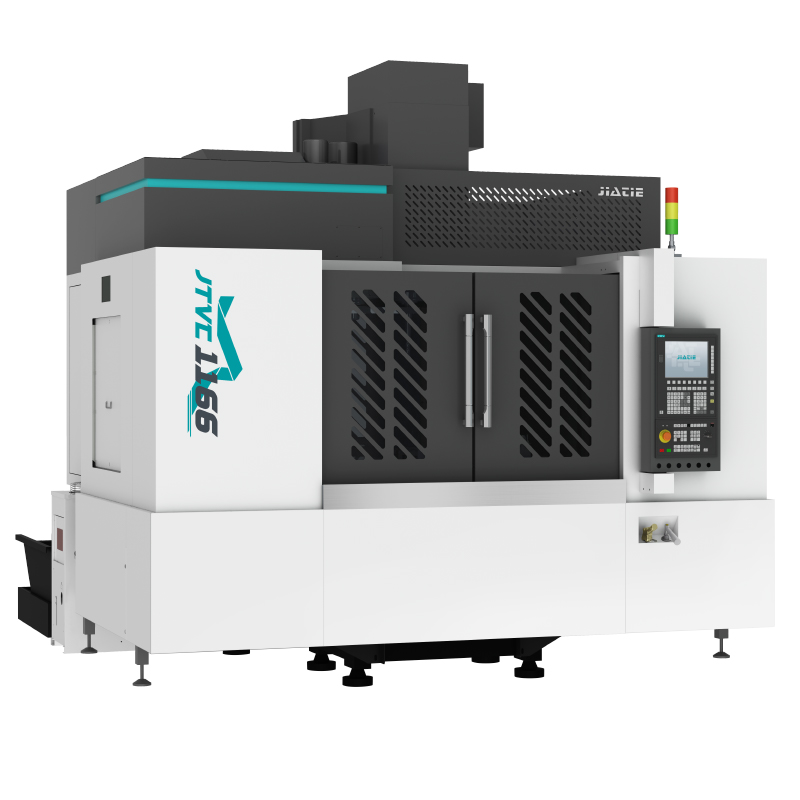
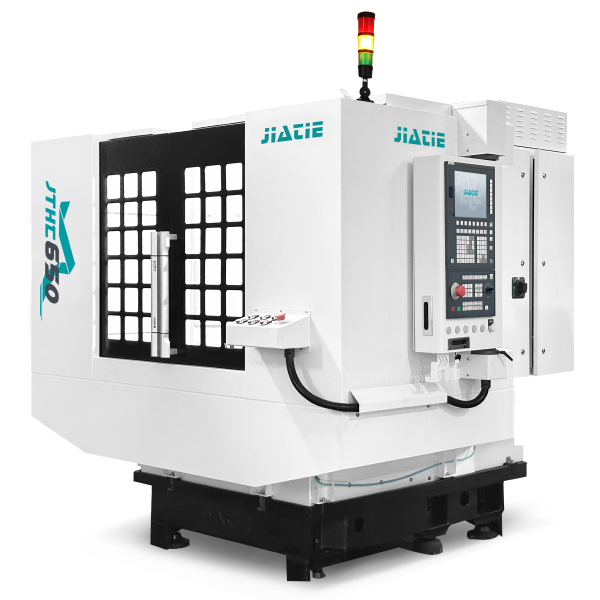
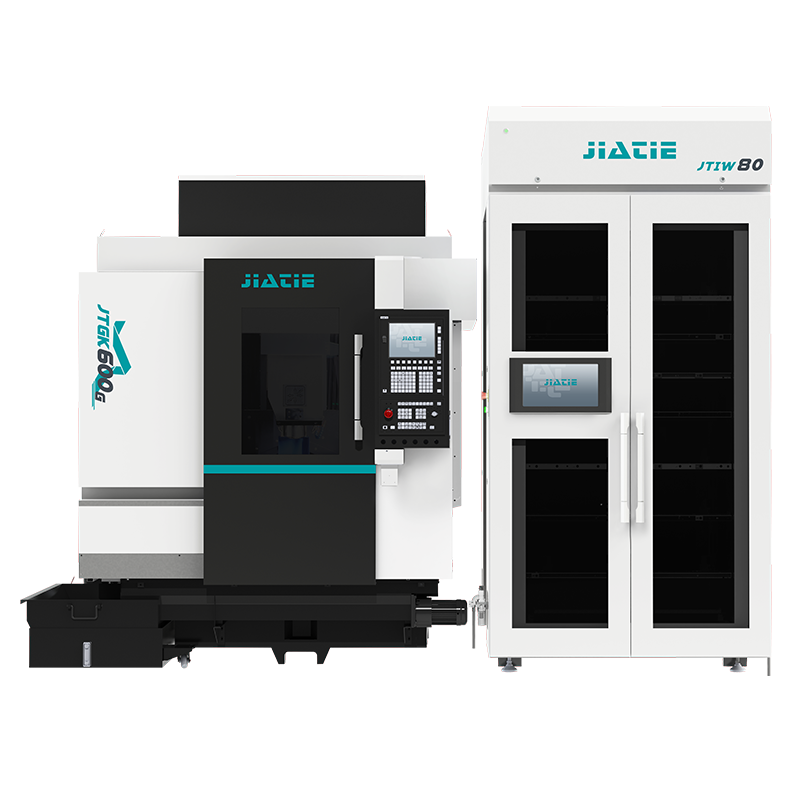
CNC machining supports medical device manufacturing by producing precise metal and plastic components with controlled dimensions, repeatable quality, and complex geometries. It is widely used to manufacture surgical instruments, orthopedic implants, diagnostic equipment components, and medical device housings.
Medical devices often require tight dimensional tolerances, reliable mechanical performance, and carefully controlled surface finishes. CNC milling, turning, drilling, and multi-axis machining allow manufacturers to produce these components according to specific engineering requirements.
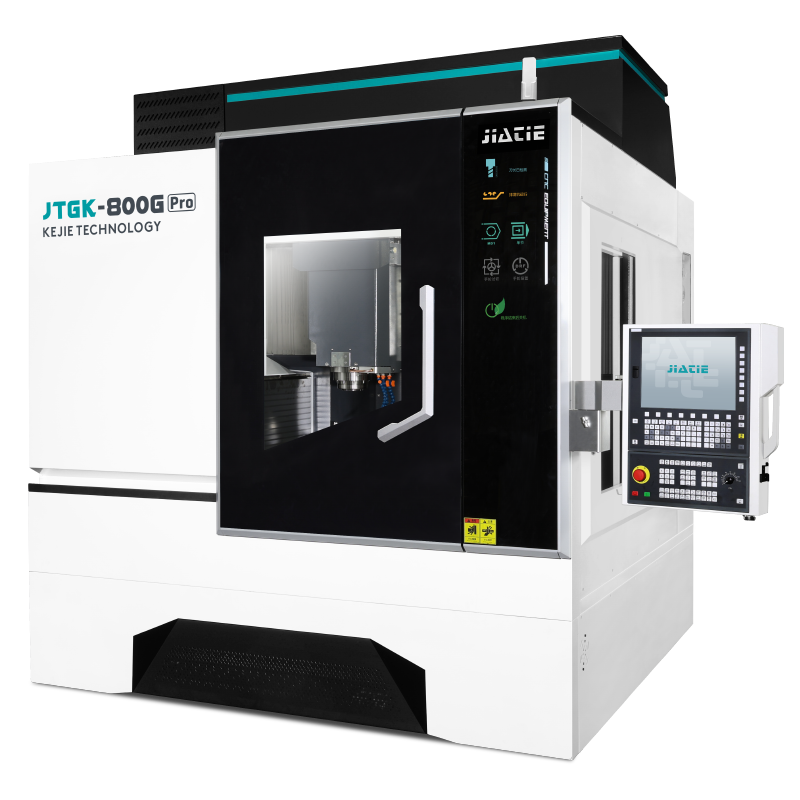
1. What Medical Device Components Are Made Using CNC Machining?
CNC machining is suitable for a wide range of medical components, particularly those requiring precise dimensions and consistent material properties.
1.1 Surgical Instruments
Surgical instruments such as forceps, clamps, scissors, and instrument handles often contain detailed features that require accurate machining.
CNC milling and turning can produce functional surfaces, grooves, slots, and connecting structures. Stainless steel is commonly selected because of its corrosion resistance, strength, and suitability for certain sterilization processes.
1.2 Orthopedic Implants
Orthopedic implants include bone plates, screws, joint components, and other devices used in musculoskeletal procedures.
These components may be manufactured from titanium alloys, stainless steel, or cobalt-chromium alloys, depending on their intended application.
CNC machining helps produce precise geometries, threaded features, and contact surfaces. For implantable devices, material traceability, validated manufacturing processes, and applicable regulatory requirements are also important.
1.3 Diagnostic Equipment Components
Medical diagnostic equipment contains mechanical parts that support positioning, movement, and structural stability.
Examples include instrument brackets, precision shafts, equipment housings, and mounting components.
CNC machining can produce these parts with consistent dimensions, helping manufacturers achieve accurate assembly and reliable equipment operation.
1.4 Medical Device Housings and Connectors
Medical equipment often uses customized housings, connectors, adapters, and mounting structures.
Depending on the design, these parts may be machined from aluminum, stainless steel, engineering plastics, or other suitable materials.
CNC milling and drilling are useful for producing mounting holes, internal cavities, slots, and connection features.
2. Why Is CNC Machining Important for Medical Device Production?
Medical manufacturing places demanding requirements on component accuracy, material quality, and production consistency.
2.1 Dimensional Accuracy
Medical components may contain small features, precise holes, threads, and mating surfaces.
cnc machines follow programmed tool paths to control cutting operations. With suitable machine capability, tooling, workholding, and process control, manufacturers can achieve the dimensional accuracy required by individual component drawings.
Actual tolerances depend on the material, geometry, machine configuration, and inspection method.
2.2 Repeatable Production Quality
Once a machining process has been properly developed and validated, CNC equipment can reproduce the same machining operations across multiple production batches.
This is particularly important for medical components that must maintain consistent dimensions and assembly interfaces.
Tool condition monitoring, process documentation, and inspection procedures help maintain production stability.
2.3 Complex Geometries
Some medical components include curved surfaces, angled features, narrow channels, and multiple precision interfaces.
Multi-axis CNC machining can reduce the number of setups required for certain complex parts. This helps maintain positional relationships between machined features and can reduce errors associated with repeated workpiece repositioning.
2.4 Flexible Material Processing
Medical device components may use different materials according to their mechanical and application requirements.
Common machining materials include:
Stainless steel for surgical instruments and structural components.
Titanium alloys for selected orthopedic and implantable applications.
Aluminum alloys for medical equipment housings and structural parts.
PEEK for certain medical components requiring specific mechanical and chemical properties.
Engineering plastics for equipment housings and functional parts.
Each material requires appropriate cutting tools, machining parameters, and quality controls.
3. Which CNC Machining Processes Are Used in Medical Device Manufacturing?
Different machining operations are selected according to component geometry and production requirements.
3.1 CNC Milling
CNC milling uses rotating cutting tools to remove material from a workpiece.
It is suitable for producing flat surfaces, pockets, slots, contours, and complex three-dimensional features. Medical equipment housings, brackets, and orthopedic components are common examples.
3.2 CNC Turning
CNC turning is used to manufacture cylindrical components by rotating the workpiece against a cutting tool.
It is suitable for shafts, pins, threaded components, sleeves, and precision connectors used in medical equipment.
3.3 cnc drilling and Threading
Drilling produces holes for assembly, fluid connections, and mechanical interfaces. Tapping and thread milling can create internal threads for fasteners and connecting components.
Hole position, diameter, depth, and surface condition must be controlled according to the component drawing.
3.4 5-Axis CNC Machining
Five-axis machining allows the cutting tool or workpiece to move along multiple linear and rotational axes.
It is useful for complex medical components with angled surfaces, curved geometries, and features that are difficult to access using conventional three-axis machining.
The ability to machine multiple surfaces in fewer setups can also improve geometric consistency.
4. How Is Quality Controlled in Medical Device CNC Machining?
Quality control involves more than checking the final dimensions. Manufacturers need to manage materials, machining processes, inspection, and documentation.
4.1 Material Verification and Traceability
Medical components require suitable materials that meet the specified engineering and application requirements.
Material certificates, batch identification, and traceability records help verify that the correct material has been used.
4.2 Dimensional Inspection
Coordinate measuring machines (CMMs), optical measuring systems, micrometers, and other inspection instruments can be used to check component dimensions.
Inspection plans should focus on critical dimensions, geometric tolerances, and functional interfaces.
4.3 Surface Finish Inspection
Surface roughness can influence friction, wear, cleaning, and performance in certain medical applications.
Depending on the specification, manufacturers may use surface roughness testers and other measurement methods to verify the required finish.
4.4 Process Documentation
Medical device manufacturing may require controlled procedures, inspection records, and traceability documentation.
For organizations involved in medical device supply chains, applicable quality management requirements, such as ISO 13485, may be relevant. The specific regulatory obligations depend on the product, manufacturer role, and target market.
Conclusion
CNC machining supports medical device manufacturing by producing precise components with complex geometries, controlled dimensions, and repeatable quality. It is widely used for surgical instruments, orthopedic components, diagnostic equipment parts, and medical device housings.
By combining suitable materials, appropriate machining processes, dimensional inspection, and traceability, manufacturers can meet the engineering and quality requirements of different medical applications.