

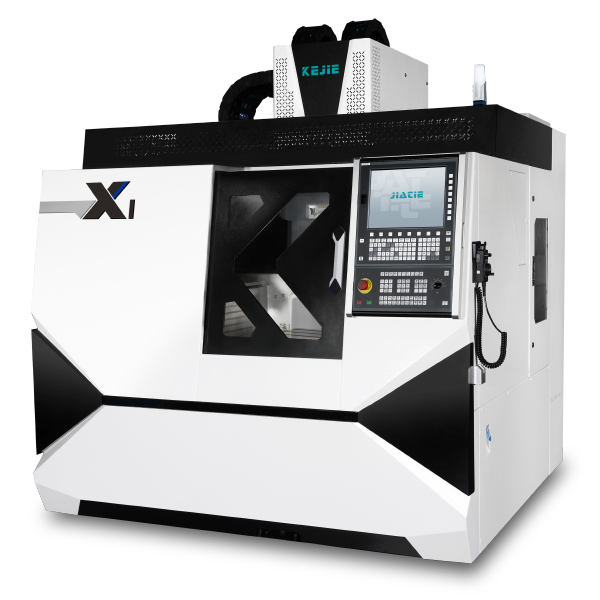
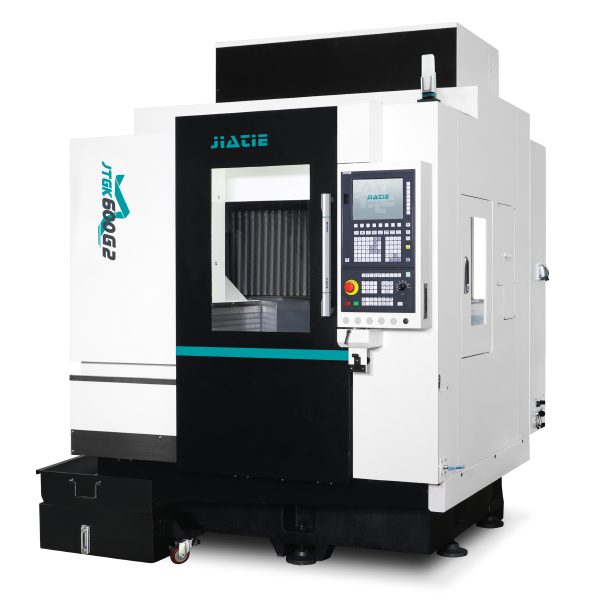
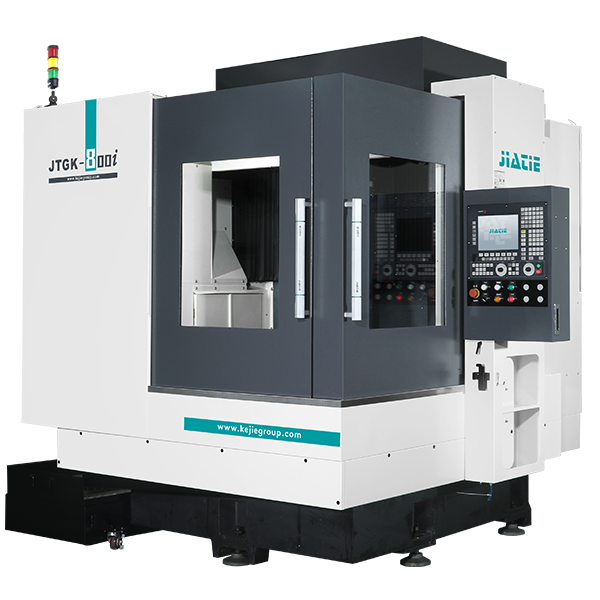
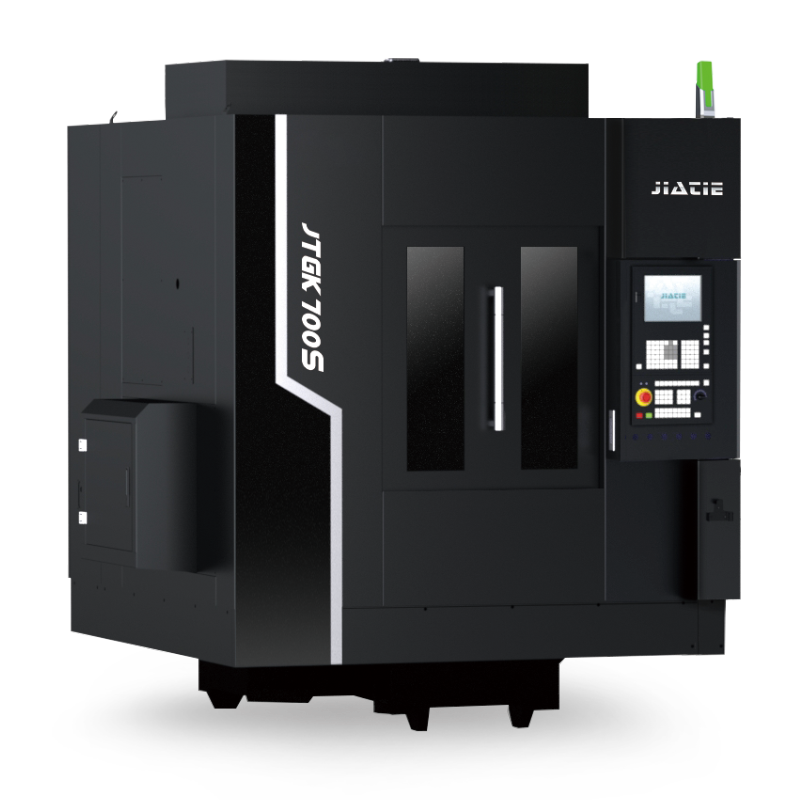
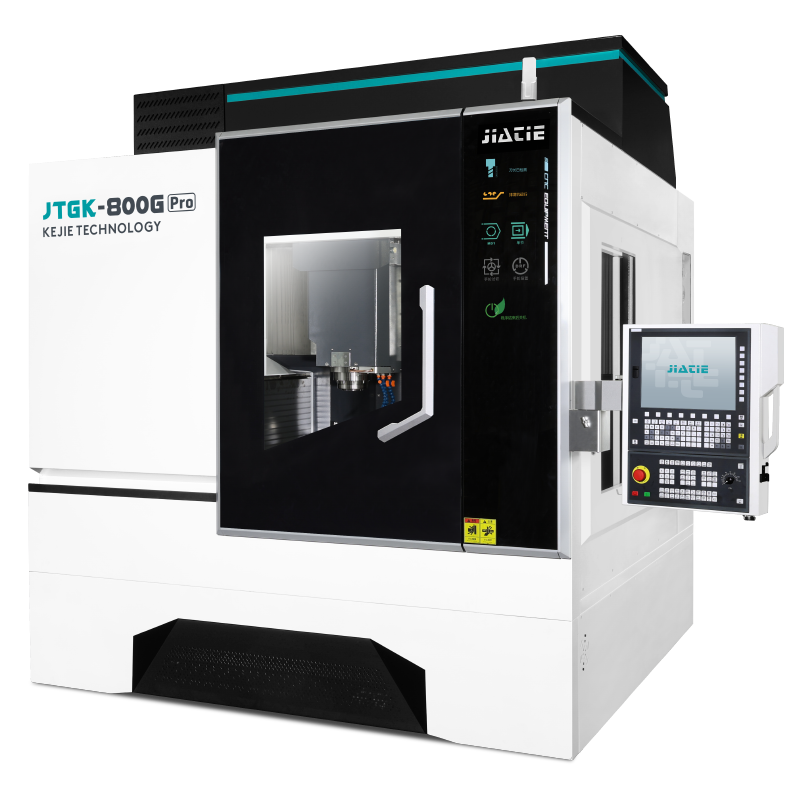
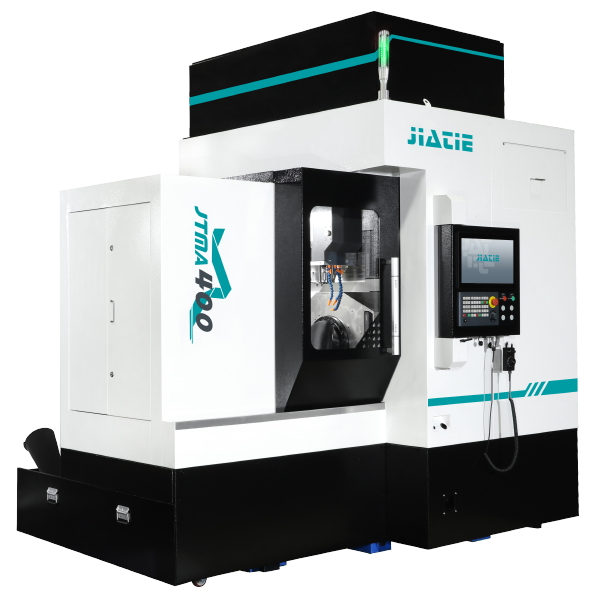
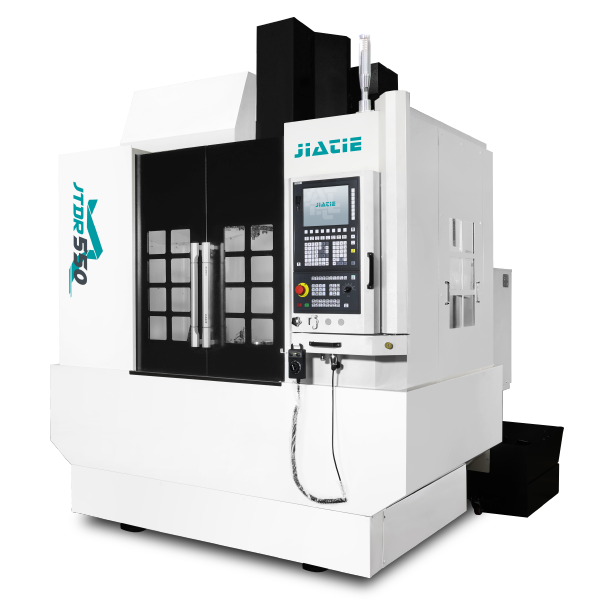
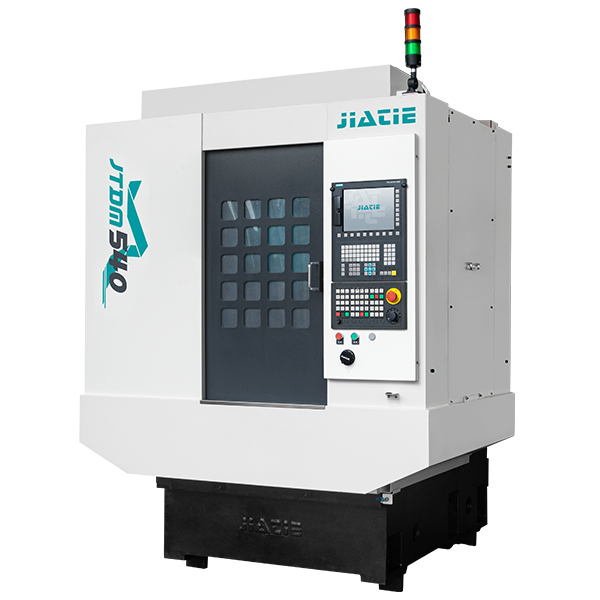
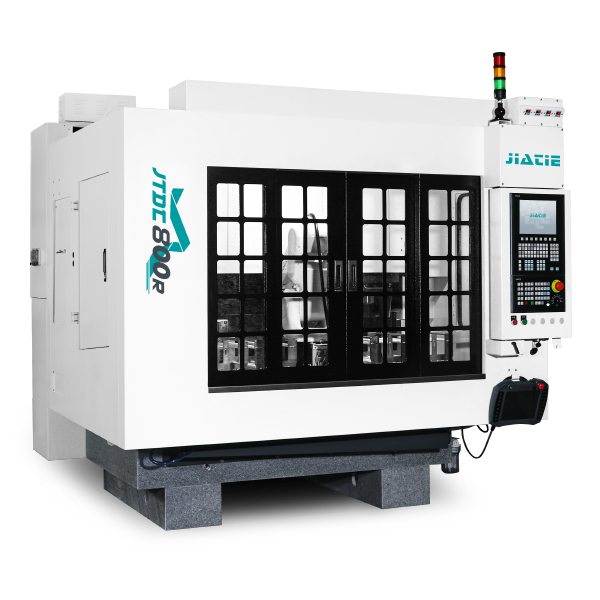
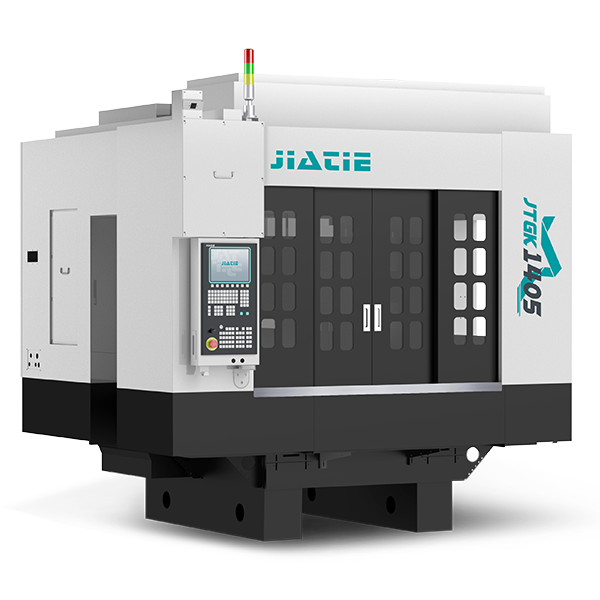
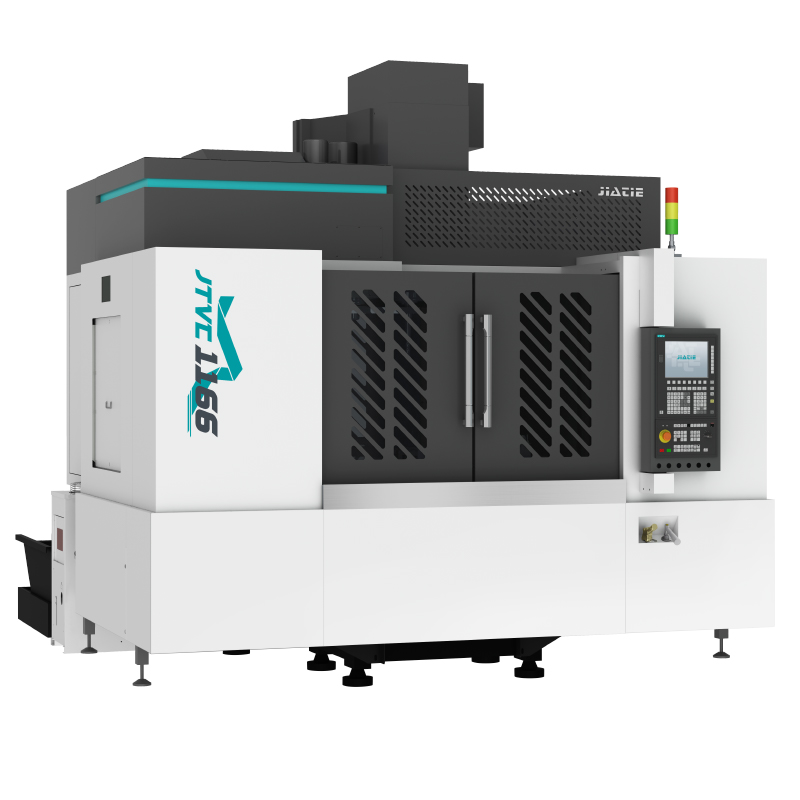
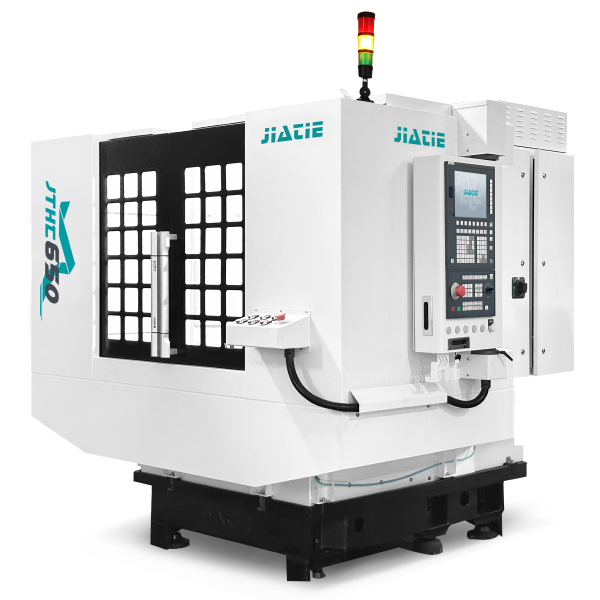
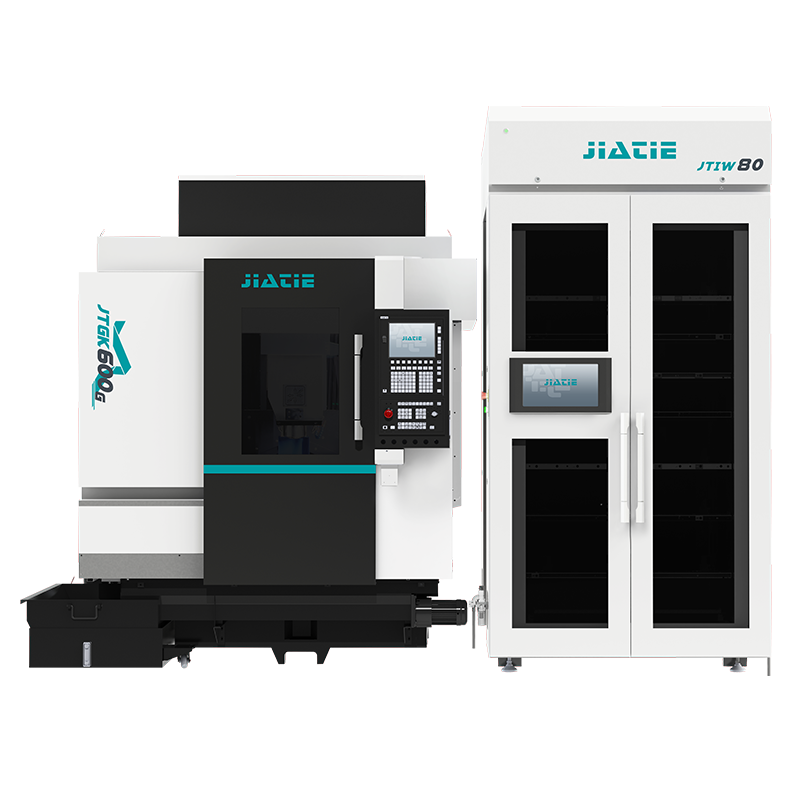
A CNC drilling machine is made up of several key components that work together to perform accurate and repeatable drilling operations. The main components include the machine frame, spindle, drilling tool, worktable, CNC controller, drive system, and tool clamping system.
Each component has a specific function. The frame provides structural support, while the spindle rotates the drill bit, and the CNC controller manages drilling positions, speed, and movement. Together, these systems allow the machine to process holes according to programmed specifications.
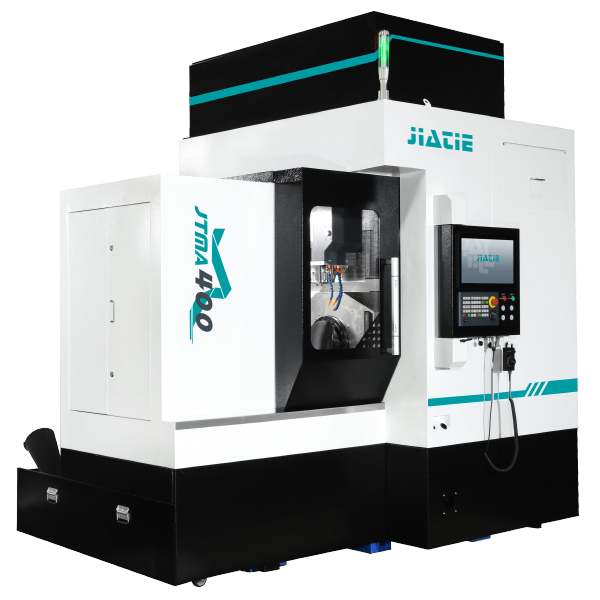
1. What Are the Main Components of a cnc drilling machine?
Understanding the main components helps operators and manufacturers evaluate machine performance and choose suitable equipment for different production requirements.
1. Machine Frame and Structure
The machine frame supports the entire equipment and maintains structural stability during drilling. A rigid frame helps reduce vibration and improves machining consistency, particularly when processing metal plates or other rigid materials.
2. Spindle System
The spindle holds and rotates the drilling tool. Its rotational speed and power influence the machine's ability to process different materials and hole sizes.
For example, drilling a small hole in aluminum generally requires different spindle settings from drilling a larger hole in steel.
3. CNC Controller
The CNC controller is the central control system of the machine. It reads programmed instructions and coordinates spindle operation, tool movement, and drilling positions.
Operators can enter machining parameters such as hole coordinates, drilling depth, and spindle speed according to the workpiece and production requirements.
4. Worktable and Clamping System
The worktable supports the workpiece, while the clamping system keeps it securely positioned during machining.
Proper workpiece fixation helps prevent movement during drilling, reducing positioning errors and improving hole consistency.
5. Drive and Feed System
The drive system controls the movement of the machine axes, while the feed system regulates how the drill enters the material.
Servo motors and ball screws are commonly used in CNC equipment to provide controlled movement and accurate positioning.
6. Cooling and Lubrication System
The cooling system helps control heat generated during drilling, while lubrication reduces friction between the cutting tool and workpiece.
Depending on the material and machining requirements, coolant may also help remove chips from the drilling area.
2. Why Are These Components Important for CNC Drilling Performance?
The performance of a CNC drilling machine depends on how well its individual components work together.
For example, a high-quality spindle alone cannot guarantee accurate drilling if the machine frame lacks rigidity or the workpiece is not properly clamped.
Several factors influence overall machining results:
Positioning accuracy: The controller and drive system determine how accurately the drill reaches the programmed coordinates.
Drilling stability: A rigid machine structure and secure clamping help reduce vibration and workpiece movement.
Hole quality: Spindle performance, cutting tools, feed rate, and cooling conditions affect hole diameter, surface finish, and dimensional consistency.
Production efficiency: Automatic positioning and tool movement can reduce manual operations, especially when machining multiple holes on one workpiece.
For example, when drilling a steel plate with 50 holes, a properly configured CNC drilling machine can follow programmed coordinates to maintain consistent hole positions without manually marking every drilling point.
3. What Is the Difference Between a CNC Drilling Machine and a Conventional Drilling Machine?
The main difference is how drilling operations are controlled.
A conventional drilling machine usually relies on manual positioning and operator-controlled feeding. A CNC drilling machine uses programmed instructions to control drilling positions and machining movements.
For workpieces with multiple holes, CNC equipment can follow predefined coordinates and repeat the same drilling sequence across different parts.
For example, when manufacturing metal mounting plates with 20 holes in fixed positions, a CNC drilling machine can execute the programmed drilling pattern repeatedly. This reduces dependence on manual positioning and helps maintain consistency between workpieces.
However, conventional drilling machines may still be suitable for simple drilling tasks, repair work, and small-scale operations that do not require complex positioning.
4. What Factors Should You Consider When Choosing a CNC Drilling Machine?
Selecting a suitable CNC drilling machine requires evaluating the actual machining requirements rather than focusing on one specification.
1. Material and Workpiece Size
Consider whether the machine will process steel, aluminum, stainless steel, or other materials. The worktable dimensions and machining range should also match the size of the workpieces.
2. Spindle Power and Speed
Different materials and hole diameters require different cutting conditions. Check whether the spindle specifications support your intended drilling applications.
3. Positioning Accuracy
If your products require closely controlled hole spacing and dimensions, pay attention to the machine's positioning accuracy and repeatability specifications.
4. Automation Requirements
For production involving multiple holes or repeated workpieces, automatic positioning, tool changing, and loading options may help reduce manual handling.
For instance, a metal fabrication workshop producing mounting plates in batches may benefit from a machine with automatic positioning and programmable drilling sequences.
5. How Can You Maintain the Main Components of a CNC Drilling Machine?
Regular maintenance helps keep the machine operating reliably and reduces unexpected downtime.
Some basic maintenance practices include:
Spindle: Check for abnormal noise, vibration, and temperature changes.
Drill bits: Inspect cutting edges regularly and replace worn or damaged tools.
Guide rails and ball screws: Clean and lubricate according to the manufacturer's maintenance requirements.
Cooling system: Check coolant levels, circulation, and filtration.
Clamping system: Inspect fixtures and clamping components to ensure stable workpiece positioning.
For example, worn drill bits can increase cutting resistance and generate additional heat. Replacing them at the appropriate time helps maintain hole quality and reduces unnecessary stress on the spindle.
Conclusion
The main components of a CNC drilling machine include the machine frame, spindle, CNC controller, worktable, clamping system, drive system, and cooling system. Each part contributes to the machine's positioning accuracy, drilling stability, and overall machining performance.
Understanding these components makes it easier to evaluate equipment specifications, identify maintenance requirements, and select a CNC drilling machine that matches specific production needs.