

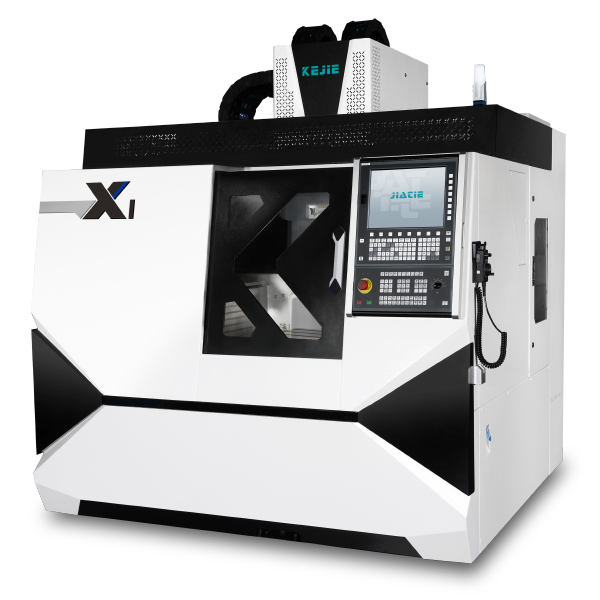
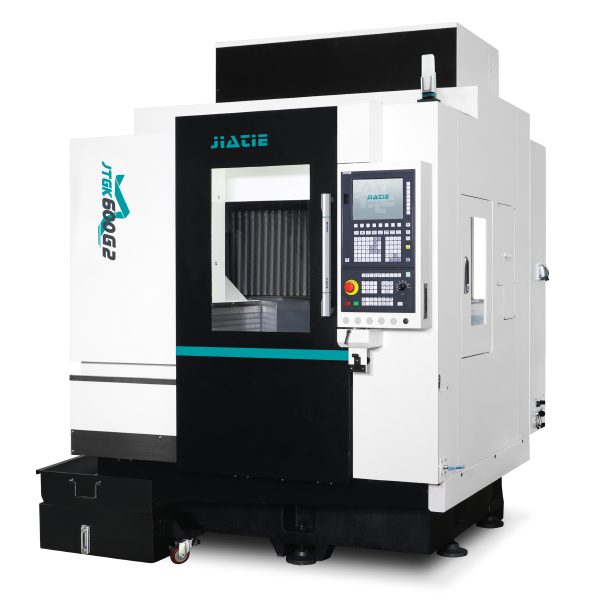
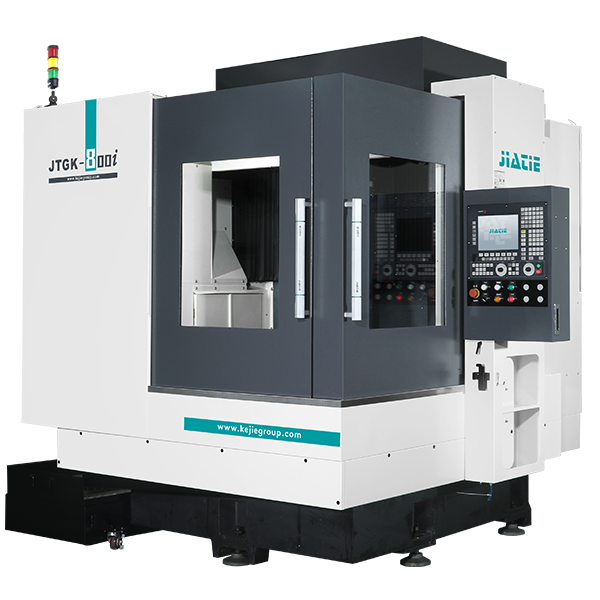
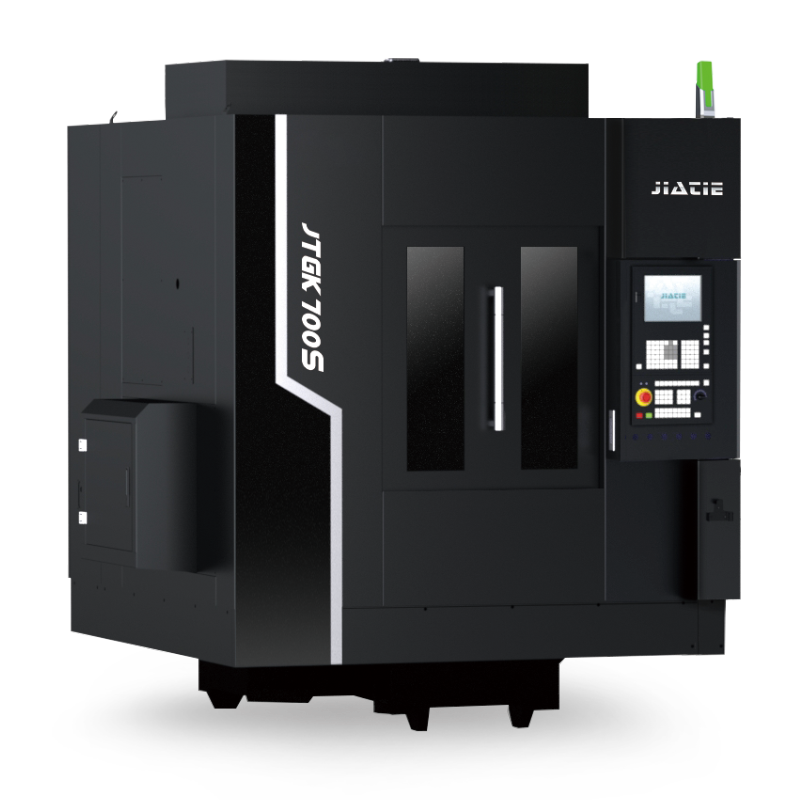
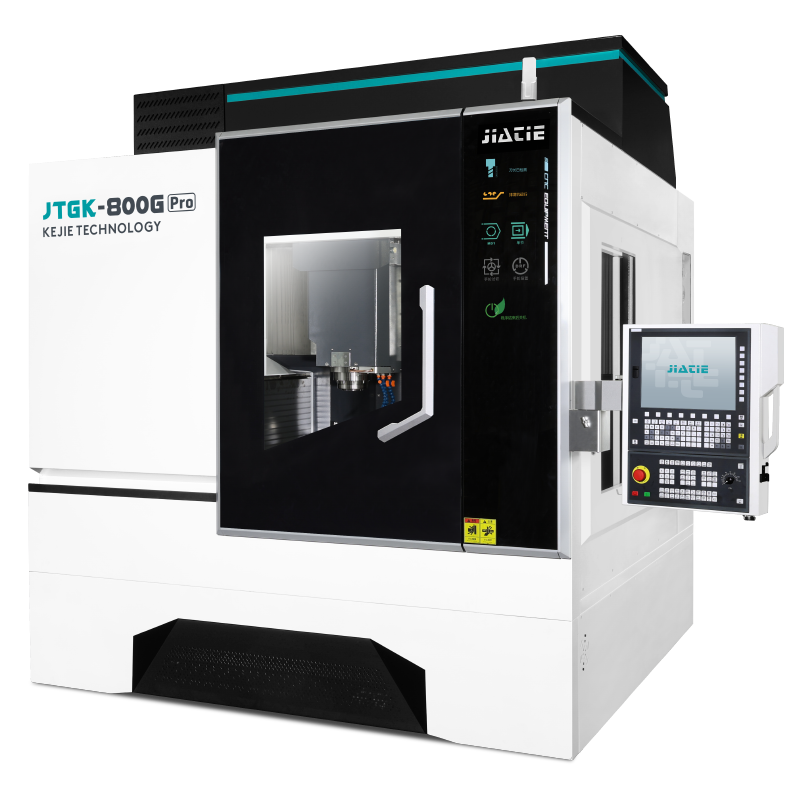
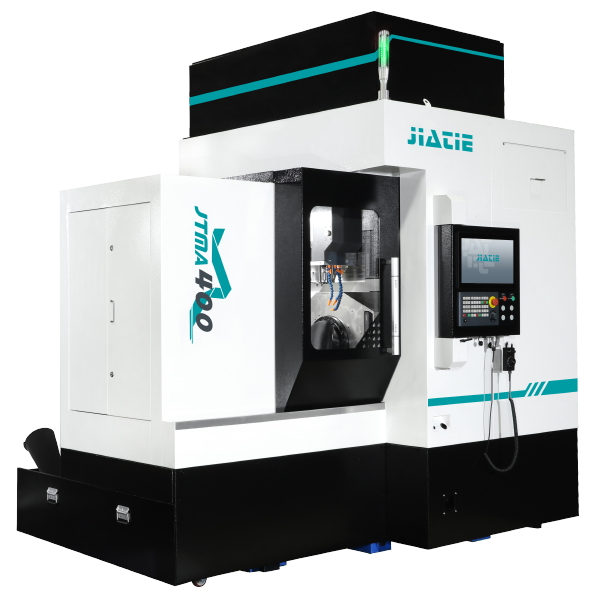
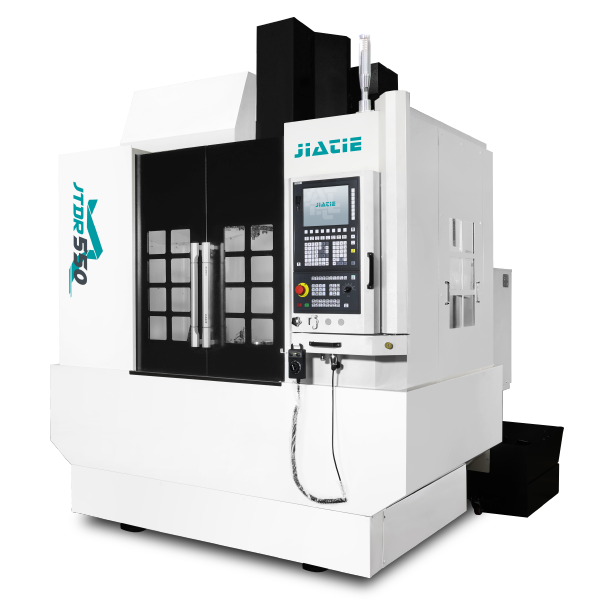
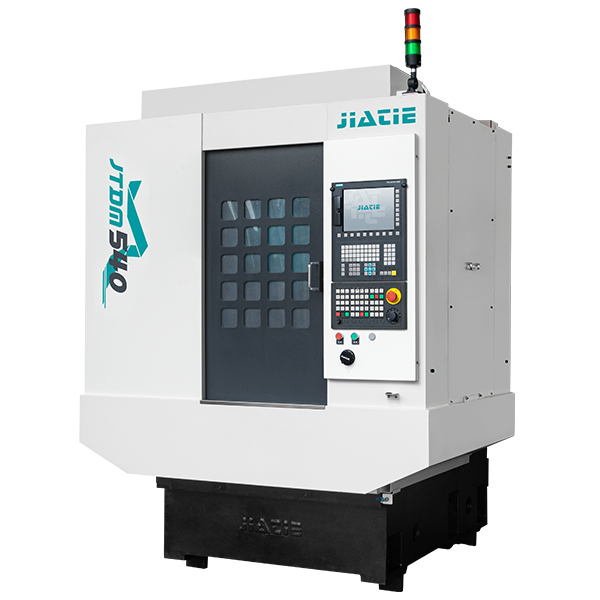
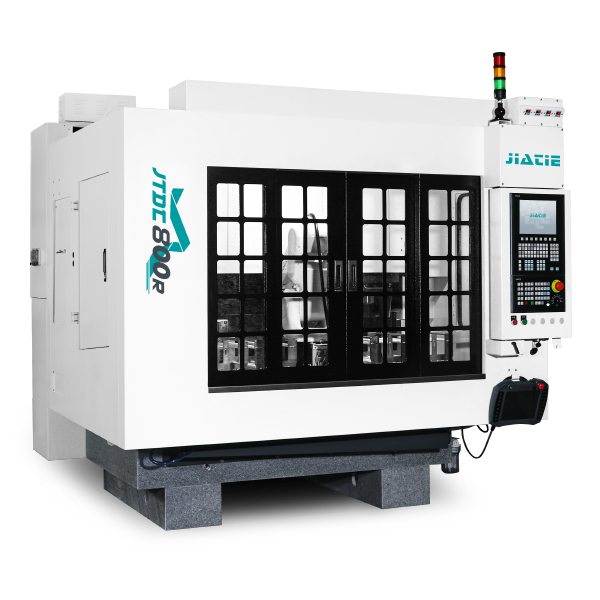
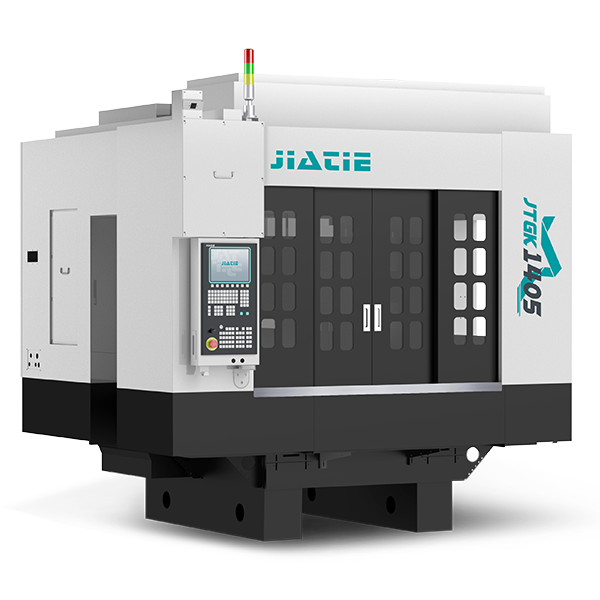
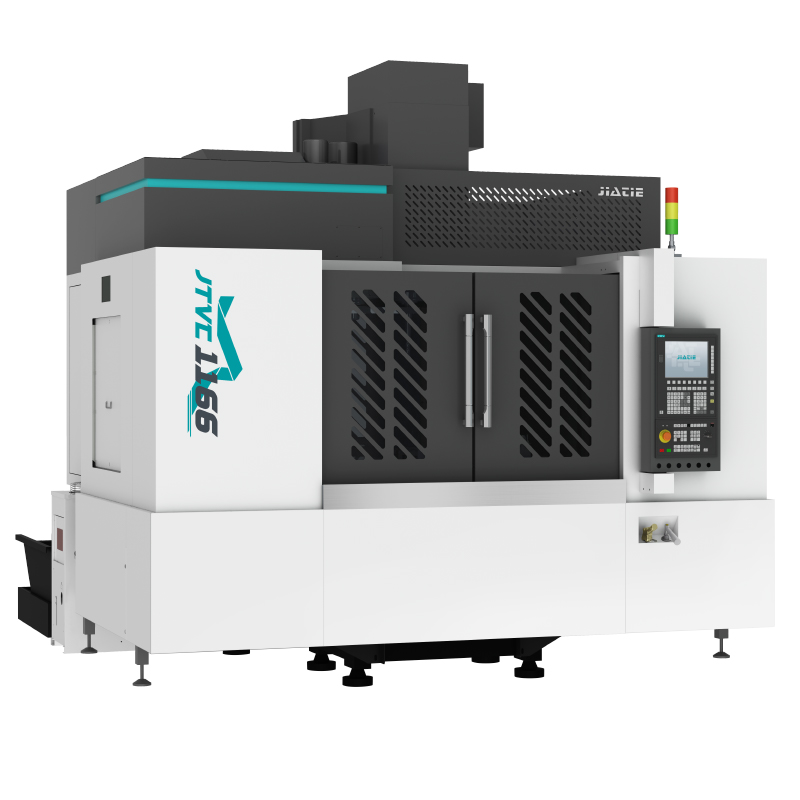
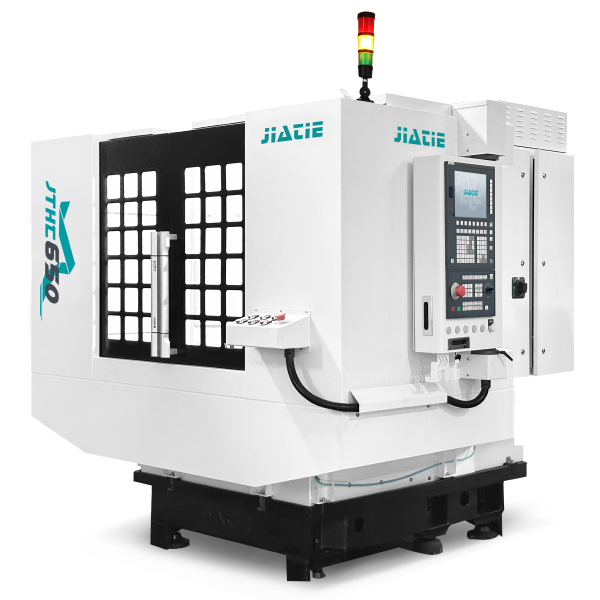
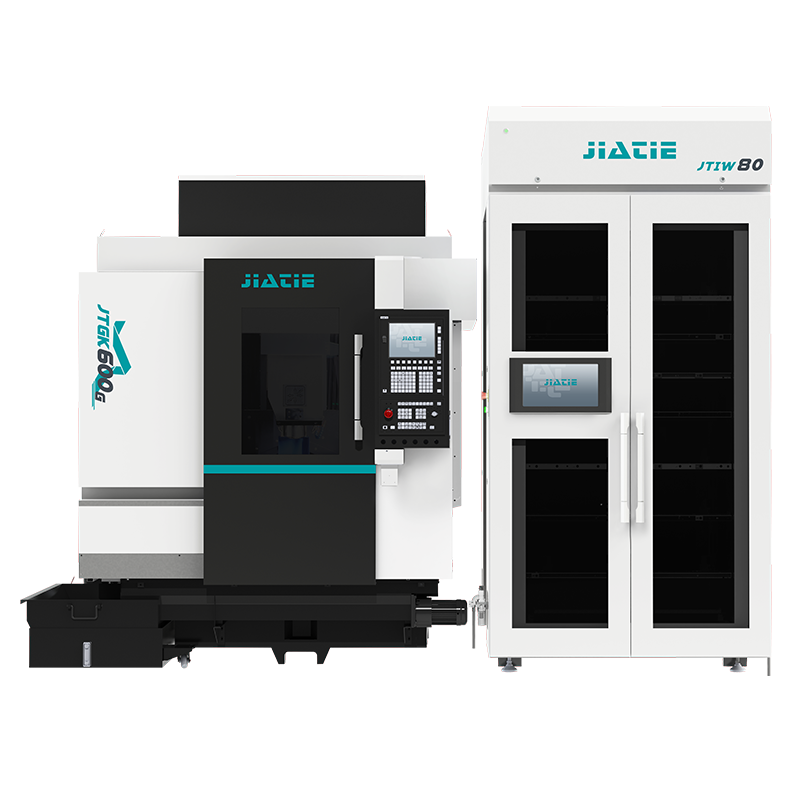
A CNC drilling machine is used to create accurate holes in metal plates, sheets, and other workpieces through computer-controlled machining. It automates the drilling process by controlling the tool position, drilling depth, speed, and feed rate according to programmed instructions.
Compared with manual drilling, a cnc drilling machine can produce holes with more consistent positioning and repeatability. It is commonly used in metal fabrication, machinery manufacturing, construction equipment production, and industrial component processing.
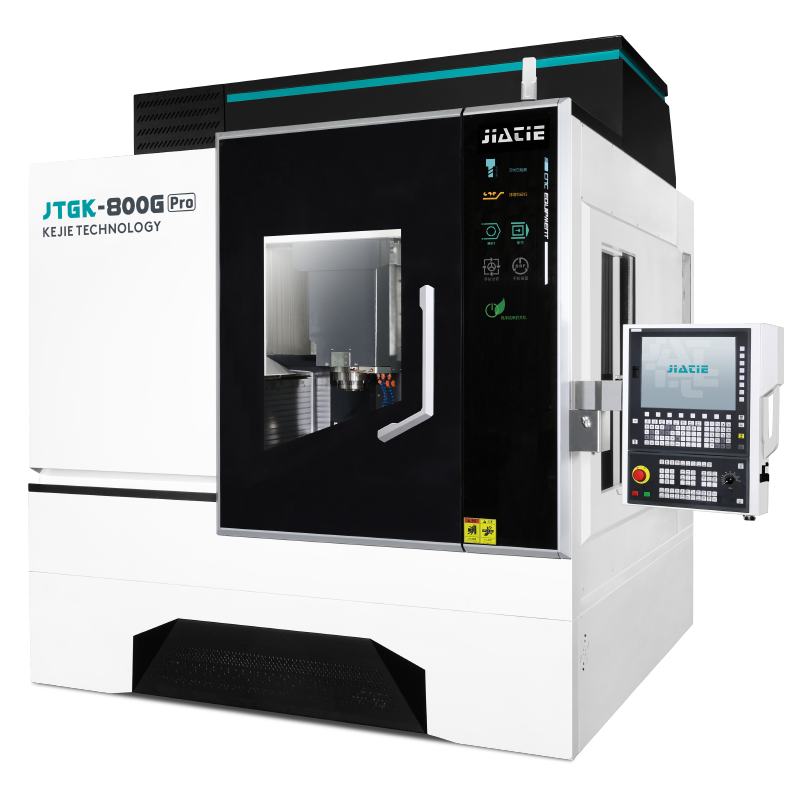
1. How Does a cnc drilling machine Work?
A CNC drilling machine works by following a machining program created from a CAD drawing or other design data. The operator sets up the workpiece, selects the appropriate drill bit, and enters the required machining parameters.
The machine then controls the movement of the drilling tool and worktable to complete the programmed operations.
The typical process includes:
Design and programming: Define hole positions, diameters, spacing, and drilling depth.
Workpiece positioning: Secure the metal plate or component on the machine table.
Tool selection: Choose a suitable drill bit based on the material and hole requirements.
Automatic drilling: The CNC system controls tool movement, spindle speed, and feed rate.
Inspection: Check hole dimensions, positioning accuracy, and surface quality.
For example, when processing a steel plate with 50 holes arranged in a specific pattern, the CNC system can follow the programmed coordinates to drill each hole without manually measuring and marking every position.
2. Why Is a CNC Drilling Machine Important?
CNC drilling machines are widely used because they help manufacturers improve machining consistency and reduce repetitive manual operations.
1. Accurate Hole Positioning
The CNC control system follows programmed coordinates, helping maintain consistent hole spacing and positioning. This is particularly important when manufacturing components that require multiple connecting holes.
2. Improved Production Consistency
Once the machining program and setup are confirmed, the same drilling pattern can be repeated across multiple workpieces. This helps reduce variations between production batches.
3. Reduced Manual Operations
Traditional drilling often requires manual marking, positioning, and tool operation. CNC drilling automates many of these steps, allowing operators to focus more on setup, inspection, and production management.
4. Suitable for Complex Hole Patterns
CNC drilling machines can process multiple holes with different positions and depths according to the programmed requirements. This is useful for large metal plates and components with complex drilling layouts.
3. What Materials Can a CNC Drilling Machine Process?
CNC drilling machines can process different materials depending on machine rigidity, spindle power, tooling, and cutting parameters.
Common materials include:
Carbon Steel: Used for structural components, machinery parts, and industrial plates.
Stainless Steel: Common in equipment manufacturing and metal fabrication.
Aluminum: Used for lightweight structural components and industrial enclosures.
Copper and Other Metals: Processed for electrical components and specialized industrial applications.
For example, a steel fabrication workshop may use a CNC drilling machine to produce mounting holes in structural plates, while an aluminum component manufacturer may use it to create precisely positioned holes for assembly.
The drill bit material, cutting speed, and feed rate should be adjusted according to the workpiece material.
4. What Industries Use CNC Drilling Machines?
CNC drilling machines are used in industries where accurate and repeatable hole processing is required.
Industry | Typical Applications |
|---|---|
Metal Fabrication | Drilling holes in steel plates and metal sheets |
Construction Machinery | Processing mounting and connection holes |
Automotive Manufacturing | Producing holes in metal components |
Steel Structure Manufacturing | Drilling structural plates and connection parts |
Industrial Equipment | Processing machine frames and equipment components |
For example, steel structure manufacturers often need to drill multiple bolt holes in connection plates. Using CNC drilling equipment helps maintain consistent hole positions, which supports subsequent assembly and installation.
5. How Do You Choose the Right CNC Drilling Machine?
Choosing the right CNC drilling machine depends on the materials, workpiece dimensions, hole requirements, and production volume.
Consider the following factors:
1. Workpiece Size
Check the maximum plate dimensions and thickness that the machine can accommodate. Larger workpieces may require a larger processing table and working range.
2. Drilling Capacity
Consider the maximum drilling diameter, hole depth, and material hardness. These factors determine whether the machine can handle your actual production requirements.
3. CNC Control System
A suitable CNC system should support the required programming functions, coordinate positioning, and machining operations.
4. Production Requirements
For manufacturers processing large batches of metal plates, automatic tool changing, multiple drilling heads, or automated loading systems may help improve production efficiency, depending on the machine configuration.
Before purchasing, it is advisable to confirm the machine specifications and test it with representative workpieces.
Conclusion
A CNC drilling machine is an important piece of equipment for manufacturers that need accurate and repeatable hole processing. By automating tool positioning and drilling operations, it helps reduce manual work and maintain consistent machining results.
Whether used in steel fabrication, automotive manufacturing, or industrial equipment production, selecting a CNC drilling machine based on actual material and processing requirements is essential for reliable production.