

Medical parts are not difficult to machine because they are exotic. They are difficult because the requirements around them are unforgiving: tight tolerances on features that are hard to reach, materials that work-harden or move when you cut them, surfaces that must be free of burrs and marks, and a paper trail that has to survive an audit.
This guide covers what makes medical device machining different, which materials are involved, where the real machining difficulty sits, why five-axis machining suits medical components, and what a machine tool has to offer before it is a sensible choice for this work.
What Makes Medical Device Machining Different

Precision-machined medical device component produced on a 5-Axis Machining Center
A job shop machining general industrial parts optimises for cost per part. A shop CNC machining medical parts optimises for conformance, and cost follows from getting it right. The same shift applies whether the work is orthopedic implant machining, surgical instrument machining or precision machining medical devices. Four things drive it.
- Tolerances that are tight on purpose. Medical device tolerances are often in the tens of microns on mating surfaces, bores and sealing faces — not because the drawing is aggressive, but because the part has to work reliably in the body or in a surgical instrument.
- Materials that fight back. Titanium alloys, cobalt chrome, stainless steels and high-performance polymers all behave differently from mild steel. Work hardening, poor heat conduction and spring-back are normal, not exceptional.
- Geometry that is hard to reach. Undercuts, sculpted surfaces, cross-drilled holes and features on several faces are routine, which pushes parts towards multi-axis machining.
- Traceability. Material certificates, process records and inspection data have to follow the part. In a regulated environment, an unrecorded process change is a defect in itself.
None of this is impossible. It simply means medical CNC machining rewards shops that control the process rather than the operator's skill.
Materials Used in Medical Machining
The material list for medical parts is short and consistent, which is good news for a shop planning capability.
| Material | Typical use | Machining behaviour |
|---|---|---|
| Titanium (Grade 5 / Ti-6Al-4V) | Implants, bone plates, instrument bodies | Low thermal conductivity, work-hardens, demands rigid setups and sharp tooling |
| Stainless steel 316L / 17-4PH | Surgical instruments, housings, fasteners | Gummy and prone to work hardening; heat control matters |
| Cobalt chrome | Wear surfaces, joint components | Abrasive, hard on tool life, needs stable high-pressure coolant |
| PEEK and engineering polymers | Insulators, housings, low-friction components | Prone to melting and burring; sharp edges and clean evacuation |
| Ceramics and glass-ceramics | Dental and wear parts | Brittle; usually ground rather than cut |
| Aluminium 6061 / 7075 | Instrument frames, non-implant hardware | Fast to cut; risk is distortion on thin sections rather than tool wear |
Implant machining and medical component machining concentrate on the top three rows of that table. Titanium and cobalt chrome both resist cutting, both generate heat at the edge, and both punish a machine that lacks rigidity or thermal stability.
Where the Real Machining Difficulty Sits
Thin walls and distortion
Medical components are often small and thin-walled. Cutting forces deflect thin sections, and the part moves again when it is released from the fixture. The answer is a process that takes light, consistent cuts on a rigid machine, and a measurement step that confirms the geometry in the clamped state.
Burrs on critical edges
A burr on an industrial part is cosmetic. A burr on a surgical instrument or an implant surface is a functional defect. Deburring medical parts is a controlled operation, not a quick wipe, and it is far cheaper to design the cut so that burrs are minimal in the first place.
Surface finish on functional faces
Sealing faces, bearing surfaces and sliding interfaces carry a surface finish requirement as well as a dimensional one. Achieving it reliably means controlling tool condition, coolant delivery and vibration — the three things that most often move a surface finish out of specification.
Heat and tool life
Titanium and cobalt chrome conduct heat poorly, so the heat stays at the cutting edge. Tool wear accelerates, and a worn tool changes both dimension and surface finish. Tool-life management is not an efficiency measure in this work; it is a quality measure.
Hard-to-reach features
Cross-drilled holes, angled bores and undercuts are common. Every additional setup adds a re-clamping error and an inspection step, which is the strongest argument for machining as much of the part as possible in one setup.
Why 5-Axis Machining Suits Medical Parts
Medical parts machining is one of the clearest cases for a five-axis Machining Center, for reasons that have as much to do with quality as with speed.
- One setup instead of four. Machining five faces without re-clamping removes the stack-up of errors that comes with every re-fixture, and with it a large share of the inspection burden.
- Shorter, stiffer tools. Tilting the tool instead of reaching around with a long cutter reduces deflection and chatter — which directly improves surface finish on titanium and cobalt chrome.
- Contoured surfaces cut properly. Sculpted surfaces can be machined with the tool held normal to the surface rather than approximated in three axes, which improves both finish and dimensional control.
- Undercuts and cross-holes in cycle. Features that would otherwise need a second operation can be produced while the part is still located on its datum.
Simultaneous five-axis machining also shortens the cutting cycle on complex geometry, which matters when the part is expensive and the machine is the bottleneck. For high-volume medical work, a five-axis high-speed machine adds the spindle speed that keeps small tools productive on hard materials.
Quality, Traceability and Cleanliness
Machining is only part of the story in this industry. Three process requirements shape how the work is planned.
| Requirement | What it means in practice |
|---|---|
| Traceability | Material certificates, tool records and process parameters linked to the part or the batch |
| Contamination control | No cross-contamination between materials; coolant and chip management planned for it |
| Verification | Inspection data captured as part of the process, not reconstructed afterwards |
| Process stability | Parameters locked and repeatable, because a process that depends on operator judgement is hard to validate |
This is where on-machine measurement earns its place on medical work. Capturing dimensional data inside the machining process gives the audit trail a natural home, and it catches a drift while the part is still recoverable.

Precision-machined stainless steel medical component with fine internal features
What the Machine Has to Offer
Medical parts are made on capable general-purpose machines, but not every machine is a sensible choice. The checklist below separates the ones that are.
| Requirement | Why it matters for medical work |
|---|---|
| Rigidity and damping | Thin walls and hard materials punish vibration; a rigid structure is the foundation of surface finish |
| Thermal stability | Tolerances in the tens of microns cannot survive a machine that grows through the shift |
| Five-axis capability | Removes setups and lets short, stiff tools reach contoured surfaces |
| High-speed spindle | Small tools on titanium and cobalt chrome need spindle speed to stay productive |
| Tool-life and process data | Tool condition is a quality variable, so it has to be visible |
| Measurement capability | In-process verification supports both conformance and the record that goes with it |
| Chip and coolant management | Fine chips and material segregation are process requirements, not housekeeping |
From Prototype to Production
Medical work rarely arrives as a large batch. It usually starts as a handful of prototypes, and the shop that wins the production order is often the one that treated the prototype as the first production part.
- Lock the process at first article. The cutting parameters, the tool list and the fixture that produced the approved first article become the baseline. Changing them later without a reason is how a validated process drifts.
- Measure against the drawing, not against the previous part. Comparing part to part hides a slow drift; comparing to the drawing catches it.
- Record what you did. Tool life, offsets and inspection results are the evidence that the process is under control, and they are far cheaper to capture in-cycle than to reconstruct afterwards.
- Plan for the ramp. A fixture that works for five prototypes may not survive a production run. Fixture design and chip management are worth revisiting before volume arrives.
The shops that scale medical work successfully are not the ones with the most exotic equipment. They are the ones whose process produces the same result on the hundredth part as it did on the first — which is a machine, process and measurement problem, in that order.
Frequently Asked Questions
What is the hardest part of medical device machining?
Consistency, not the geometry. Any capable shop can produce one good medical part. The difficulty is producing every part to the same tolerance, on a machine whose thermal and tool behaviour is stable enough that the tenth part matches the first.
Do medical parts always need five-axis machining?
No. Simple turned or milled medical components are made on three-axis machines and lathes every day. Five-axis becomes the right choice when the part has features on multiple faces, contoured surfaces, or undercuts that would otherwise force additional setups.
Why is titanium so difficult to machine for implants?
Titanium conducts heat poorly, so cutting heat concentrates at the edge, and it work-hardens, so a tool that rubs instead of cutting makes the next pass harder. When machining titanium implants, the practical answer is rigidity, sharp tooling, generous coolant and consistent feed — never a dwell at the cut.
How are burrs handled on medical components?
By designing the process to minimise them, then controlling the deburring operation like any other process step. On critical edges, the cut strategy, tool path and tool condition matter more than any amount of manual finishing.
Can a general-purpose machining center produce medical parts?
Yes, if it is rigid, thermally stable and repeatable, and if the shop controls tool life and measurement. What separates a machine suited to medical work is not a special feature but the discipline of its thermal, rigidity and process-data behaviour.
Machining Medical Parts With Kejie
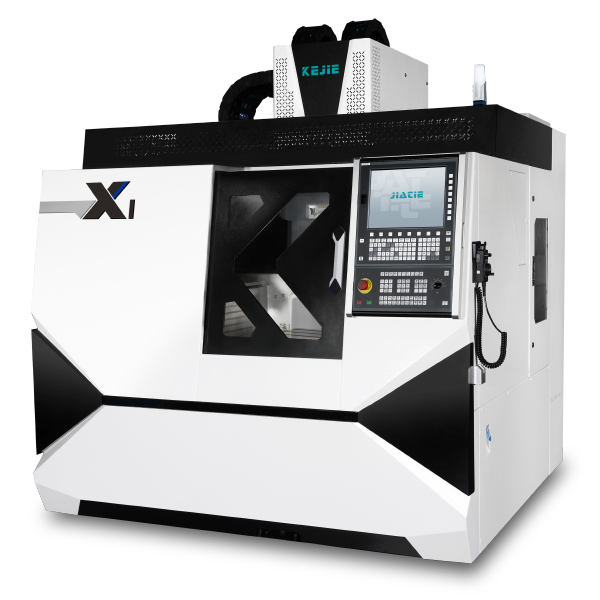
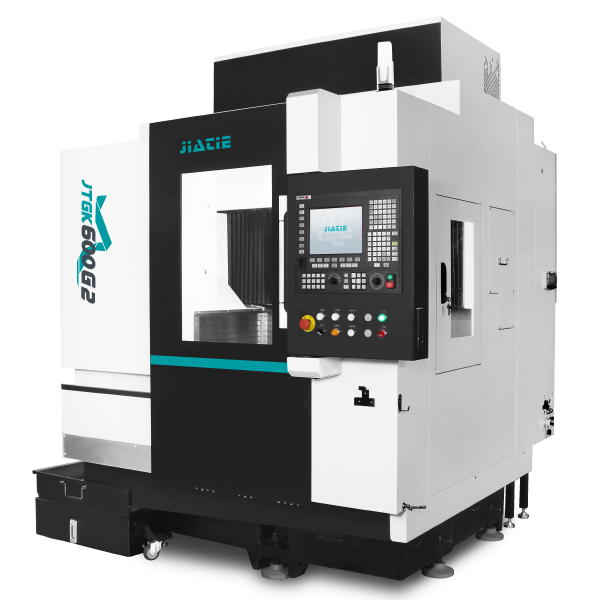
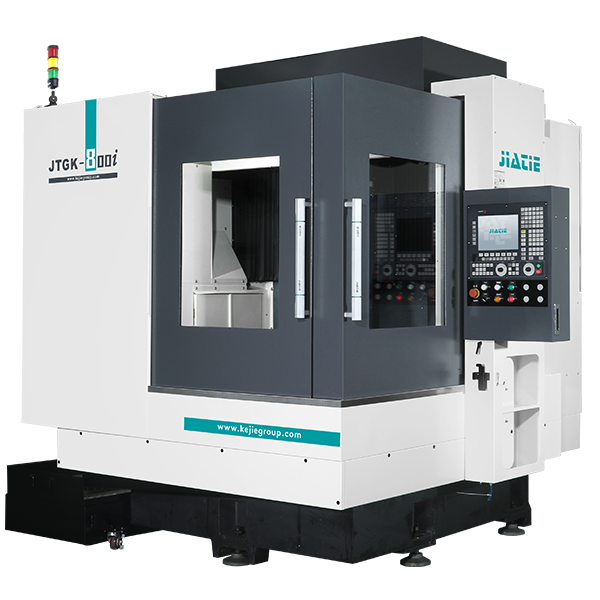
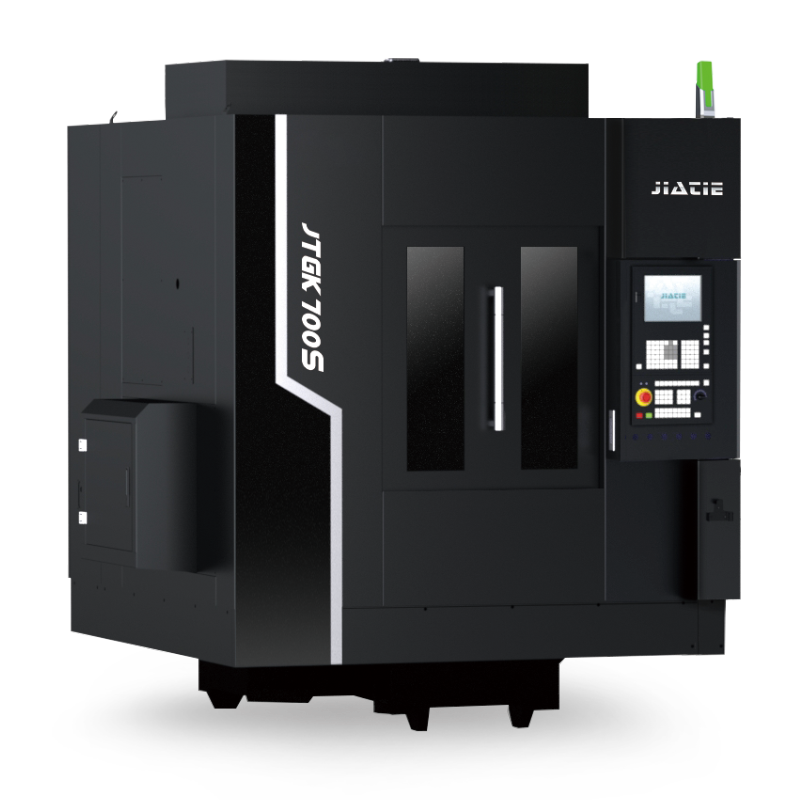
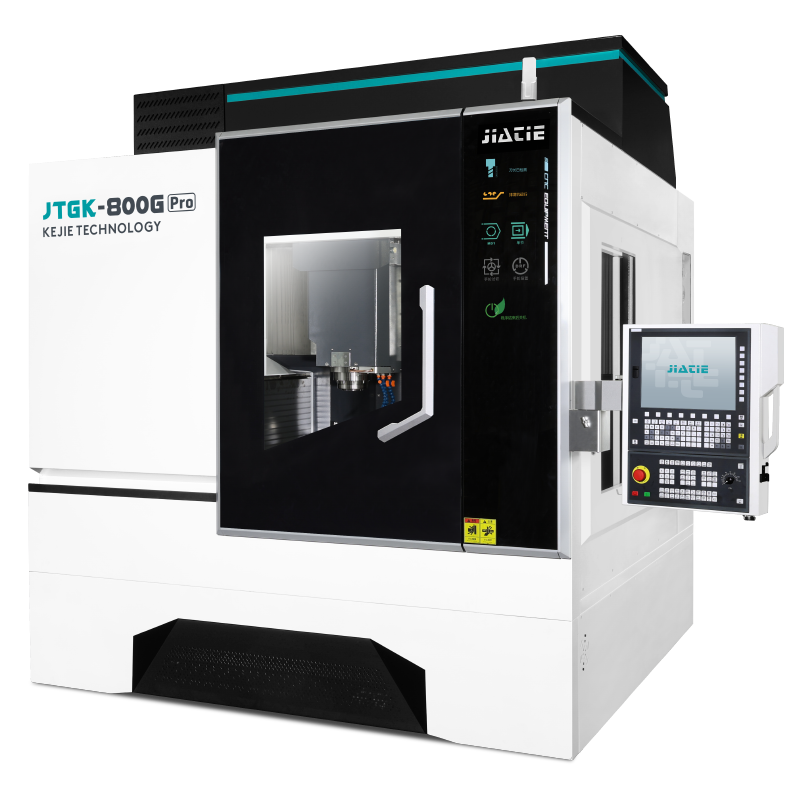
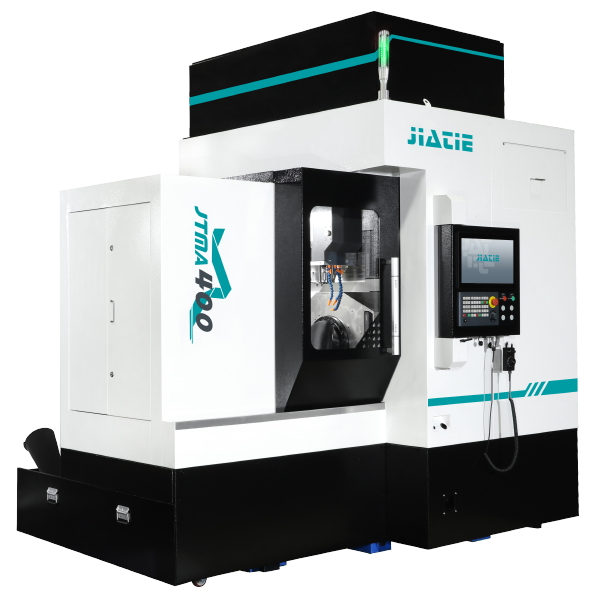
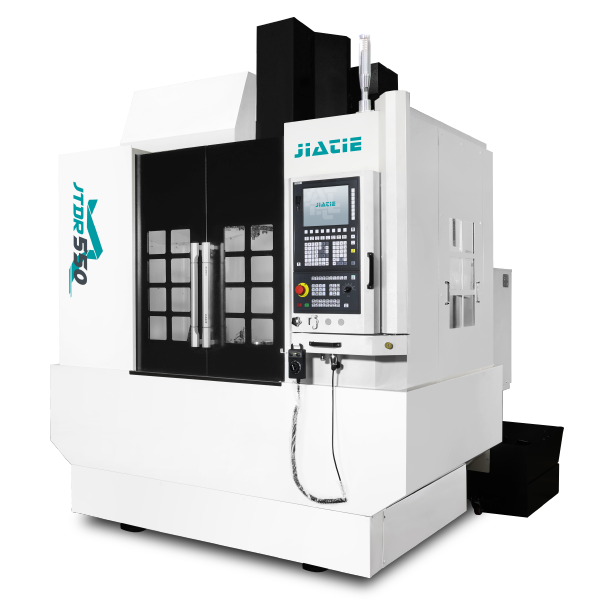
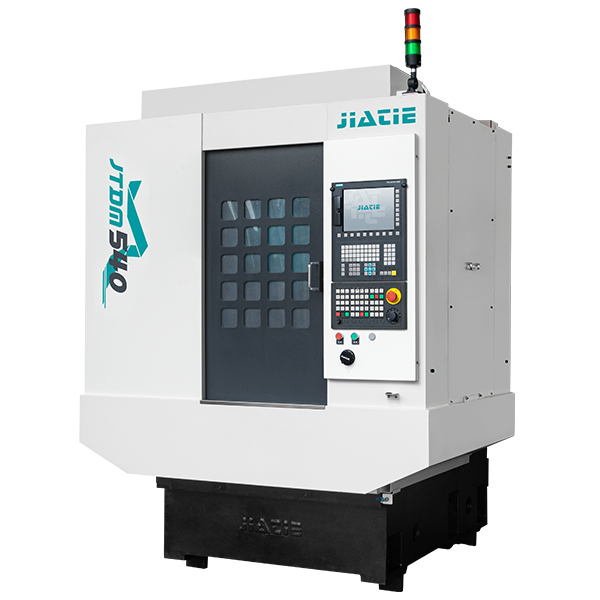
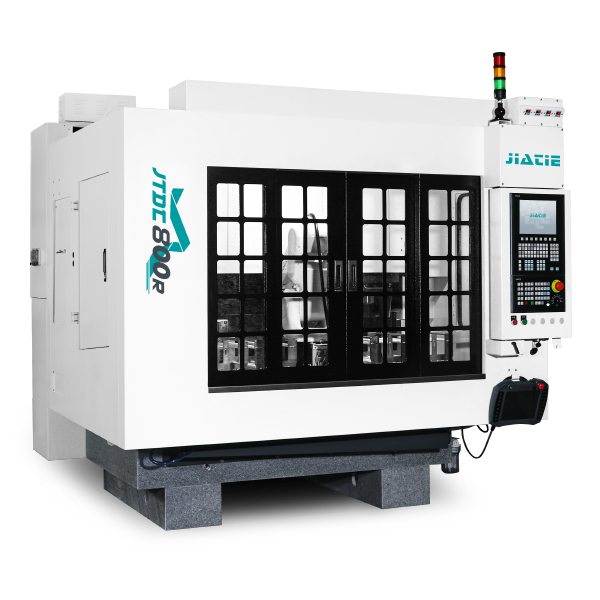
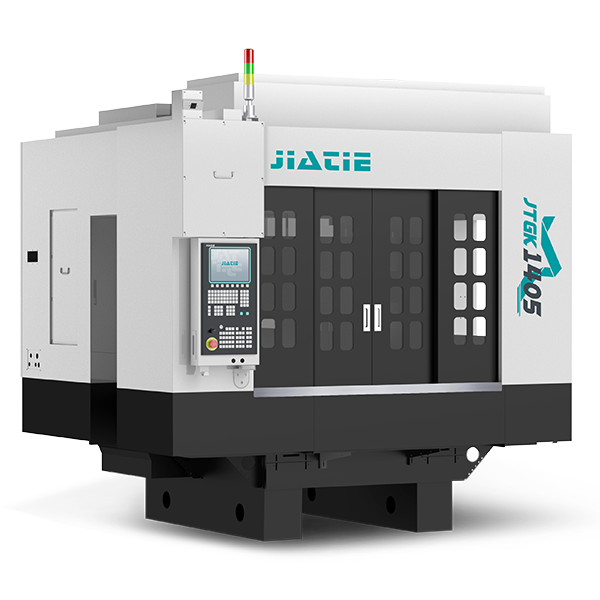
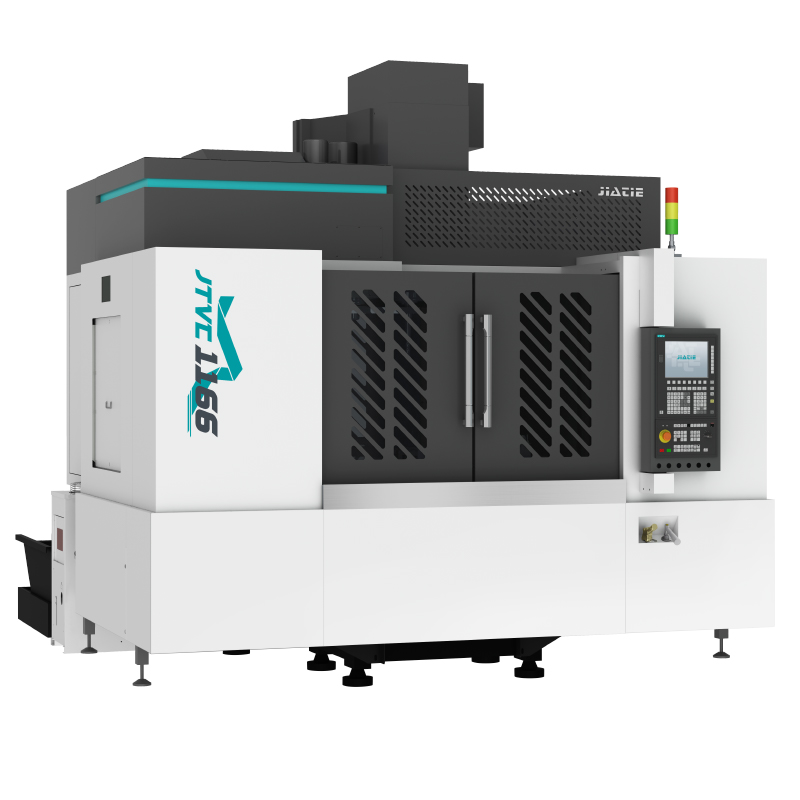
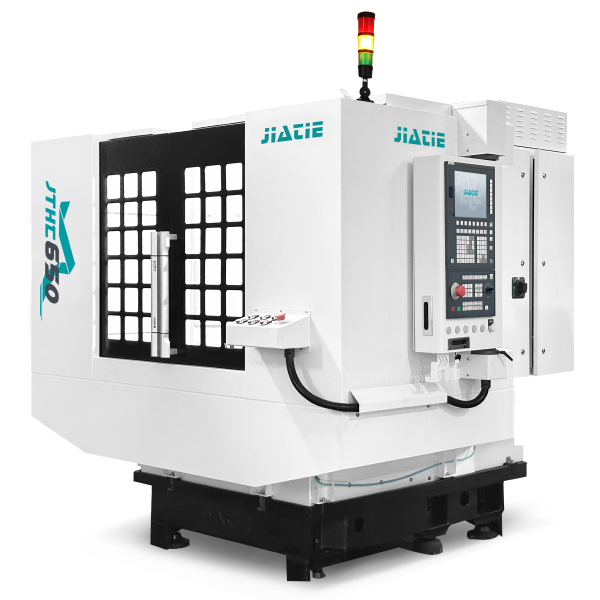
Kejie builds the machine tools used for medical device machining — 5-axis machining centers for multi-face and contoured components, high-speed machining centers for small tools on hard materials, and CNC machining centers for general medical work. Our on-machine measurement capability and medical device application experience are part of the same specification.
If you machine implants, surgical instruments or medical hardware, send us a drawing, the material and the tolerance that matters most. We will tell you which machine configuration and which process controls give you the stability the part needs.