

A machine that is geometrically perfect when it is cold will not stay perfect once it has been cutting for three hours. Spindles grow, ballscrews stretch, columns lean and the whole structure settles into a new shape. The part does not care what the machine looked like at 8 a.m. — it cares what the machine looked like when that particular cut was taken.
That is thermal stability in CNC machining: the ability of the machine to hold its geometry as its own temperature changes. This guide explains where thermal error comes from, why it is the hardest error to see, what a thermally stable machine actually looks like, and how to tell whether thermal drift is quietly costing you tolerance.
What Thermal Error Actually Is
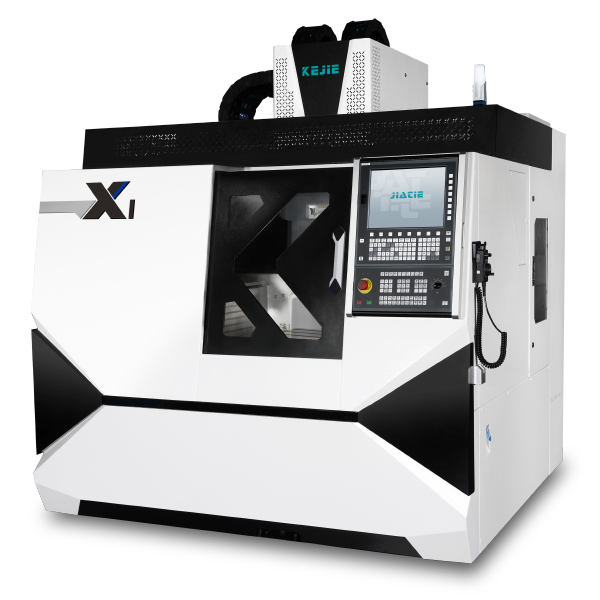
KUPI X1 ultra-precision vertical Machining Center designed for thermal stability
Almost every error in a machine tool is visible in one way or another. Backlash shows up in a reversal test. Geometric error shows up in a ballbar. Vibration shows up as chatter and a rough surface.
Thermal error shows up as nothing at all — until the parts start drifting.
It works like this. A spindle running at 12,000 rpm generates heat at its bearings. The heat conducts into the housing and the spindle shaft. Steel grows about 11 microns per metre per degree Celsius, so a 100 mm spindle nose that warms by 10 degrees moves roughly 11 microns along its axis. On a machine holding a 20 micron tolerance, that single effect consumes half the budget.
The same happens elsewhere. Ballscrews warm as they run and grow, pushing the tool position along the axis. A column that is warm on the motor side and cool on the other side bends. Hydraulic oil warms and changes the behaviour of everything it touches. None of this is a fault. It is physics, and the machine is a large steel and cast iron object sitting in a room whose temperature also moves during the day.
Why Thermal Drift Is Hard to See
Thermal drift has three properties that make it easy to miss:
- It is slow. A drift of a few microns an hour is invisible in a single measurement. It only becomes obvious when you compare the first part of the shift with the last.
- It is one-directional. Because the machine is usually warming, the error usually grows in one direction, so a batch drifts steadily rather than scattering randomly.
- It is repeatable. That is the dangerous part. A drifting process looks stable from part to part. The tenth part matches the ninth. It just does not match the first — and if the first was the one that was approved, the rest of the batch is quietly out of tolerance.
This is why a shop can pass a first-article inspection and still scrap a batch. The process was in control. The machine was moving. CNC machining accuracy is a function of the machine's thermal state at the moment of the cut, not at the moment of the inspection.
The Main Sources of Heat in a Machine Tool
Thermal error comes from a short list of sources, and knowing which one dominates is the first step to controlling it.
| Source | What it heats | Typical effect |
|---|---|---|
| Spindle bearings | Spindle shaft and housing | Axial and radial growth at the tool tip; the largest single source on most machines |
| Axis motors and ballscrews | Screw, nut and bearing supports | Screw growth shifts tool position along the axis |
| Guideways and linear motors | Rail and carriage | Local distortion and straightness change |
| Cutting process | Chips, coolant, workpiece | Workpiece growth during long cuts; heat carried into the machine |
| Coolant and hydraulic systems | Machine base and surrounding structure | Slow, broad drift of the whole structure |
| Ambient conditions | Everything | Daily temperature swing, direct sunlight, doors, neighbouring equipment |
Each source changes the geometry of the machine in a different way, and the sum of those changes is what we call thermal deformation. On a high-speed machine the spindle dominates. On a large long-travel machine the structure and the ambient room matter more, because a longer structure amplifies small temperature differences. On a grinding machine the process heat itself is significant, which is why precision grinding is often the first place a shop notices thermal drift.
Why Structure Design Decides the Outcome
Thermal compensation can correct a lot, but it cannot fix a machine that is badly behaved thermally. Two design principles matter more than any control feature.
The first is symmetry. A machine that is thermally symmetric — heat sources placed so that their effects cancel, or arranged so that growth is equal on both sides of the spindle — drifts far less than an asymmetric one. A spindle mounted centrally in a symmetric column grows in a way that is easier to predict than one mounted off to one side.
The second is thermal mass. Cast iron and mineral cast structures absorb heat slowly, so the structure changes temperature far more slowly than the spindle. That does not remove the error, but it makes it slow and predictable rather than fast and jumpy. A slow error can be compensated; a jumpy one cannot.
Thermal stability is therefore a specification decision, not an accessory. It is decided when the structure is designed and the heat sources are placed, long before anyone fits a temperature sensor.
What a Thermally Stable Machine Looks Like
Four things separate a machine that holds tolerance over a shift from one that does not.
- Controlled heat sources. Spindle cooling, cooled ballscrew nuts and temperature-managed motors, so that the heat is carried away rather than soaked into the structure.
- A structure designed for symmetry and mass. Rigid, symmetric castings that change temperature slowly and evenly.
- A defined warm-up cycle. A program the machine runs before production, so that the thermal state at the first part is close to the state at the hundredth. A warm-up cycle is one of the cheapest pieces of precision available to any shop.
- Compensation where it is justified. Temperature sensors feeding a model that corrects axis position as the machine warms. Thermal error compensation on a machine tool is powerful, but it depends on a structure that is already well behaved.
Temperature control of the machine's environment matters too, and it is usually the cheapest variable to fix. A machine in a workshop that swings 10 degrees between morning and afternoon will struggle regardless of how good the machine is.
How to Tell If Thermal Drift Is Your Problem
The symptoms are recognisable once you know what to look for.
| Symptom | What it usually means |
|---|---|
| First part of the shift is good, last part drifts in one direction | Classic thermal growth, most often spindle or ballscrew |
| Dimensional error is larger after a weekend or a cold start | The machine has not reached thermal equilibrium |
| Tolerance holds in the morning, fails in the afternoon | Ambient temperature swing, sometimes combined with machine heat |
| Error changes with spindle speed but not with feed | Spindle thermal growth rather than cutting force deflection |
| Grinding drifts but milling does not | Process heat is significant; coolant and thermal management need review |
| Two machines of the same model behave differently | Installation, environment or coolant temperature differs |
If two or more of these match, the problem is thermal — and no amount of tool compensation will solve it, because the error is not constant. It moves with the machine's temperature, not with the part.
A Practical Approach: Measure, Warm Up, Compensate
The steps below reduce thermal error in sequence, from the cheapest to the most technical, and it is worth working through them in order because each one makes the next easier.
- Measure the drift. Machine a test part at the start and the end of a shift and compare. This is the only way to know how large the error is and how fast it develops. If the machine supports on-machine measurement, the test part can be checked in the fixture.
- Warm up consistently. Run a fixed warm-up cycle before production, every day, so that the machine starts each shift from the same thermal state. This alone removes a large share of the variation between the first and last part.
- Control the environment. Keep the machine out of direct sunlight, away from doors and hot equipment, and as close to a stable room temperature as the building allows.
- Use compensation where the machine offers it. Thermal compensation on a machine tool corrects the residual error that remains after the first three steps. It is a finishing measure, not a substitute for them.
- Re-check after any change. A new spindle, a different coolant temperature or a relocated machine changes the thermal behaviour. The drift has to be re-measured, not assumed.
Shops that do the first three steps consistently get most of the available benefit. Compensation is what takes a well-behaved machine from good to excellent.
What to Ask a Machine Tool Builder
Because machine tool thermal stability is designed in rather than added on, it belongs on the specification sheet. Five questions cover most of it.
| Question | Why it matters |
|---|---|
| How is spindle heat managed? | The spindle is usually the dominant heat source on a machining center |
| Are ballscrews and motors temperature-controlled? | Screw growth moves the tool along the axis directly |
| Is the structure symmetric about the spindle? | Symmetric structures drift less and predictably |
| Is there a recommended warm-up cycle? | The cheapest available improvement to first-part accuracy |
| Does the control support thermal compensation? | Corrects the residual drift once the machine is well behaved |
A builder who can answer these specifically is a builder who has thought about thermal behaviour. A builder who answers vaguely is telling you it was not a design input — and that is exactly the kind of machine that produces a good first article and a drifting batch.
Frequently Asked Questions
How much can thermal error affect a CNC machine?
On a typical machining center, spindle and axis thermal growth can account for tens of microns over a shift, which is a large share of a tight tolerance. On precision grinding and ultra-precision machines, thermal error is often the single largest error source, larger than geometric or control error.
Does a warm-up cycle really make a difference?
Yes, and it is the least expensive improvement available. Running a fixed warm-up cycle before production brings the machine to a repeatable thermal state, so the first part is produced under conditions close to the last. It does not remove thermal error; it makes it consistent, which is what a process needs.
Can thermal compensation replace a stable structure?
No. Thermal compensation on a machine tool corrects residual drift on a machine that is already thermally well behaved. Applied to a structure with an asymmetric heat load or poor thermal mass, it is chasing an error it cannot fully predict.
Why does my machine drift more in summer?
Because the ambient temperature is higher and often swings more widely, which changes both the machine's starting temperature and the size of the daily variation. Room temperature control and a consistent warm-up cycle address most of it.
Is thermal stability more important on a five-axis machine?
It is more visible. Five-axis work usually involves complex parts machined in one setup, where a drift cannot be absorbed by a second operation, and where rotary axes add further heat sources. The same principles apply, but the tolerance budget is tighter.
Thermal Stability in Kejie Machine Tools
Thermal behaviour is one of the reasons Kejie develops its own spindle technology and numerical control system rather than buying both in. A spindle whose thermal behaviour is known can be cooled, mounted and compensated deliberately, and a control that knows the machine's thermal model can correct for it in the program.
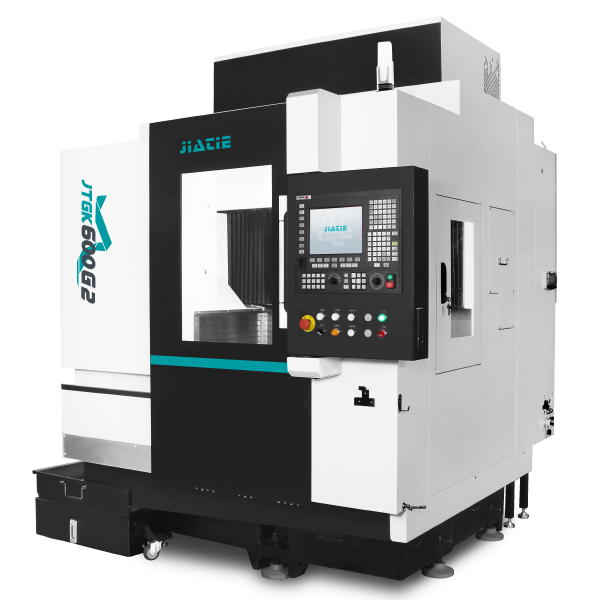
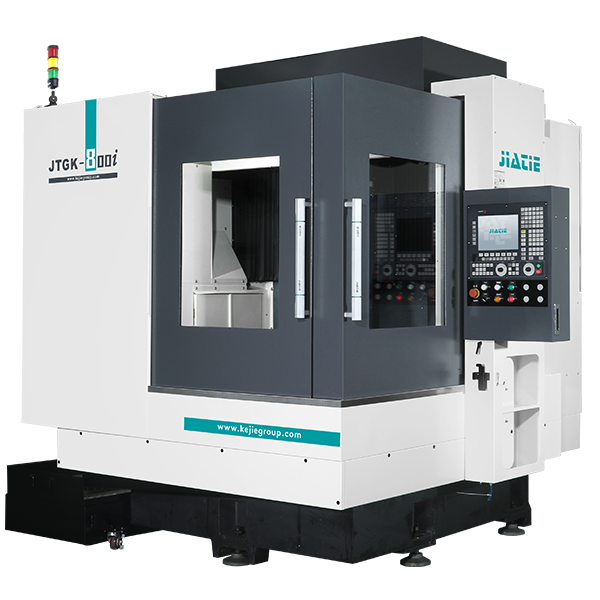
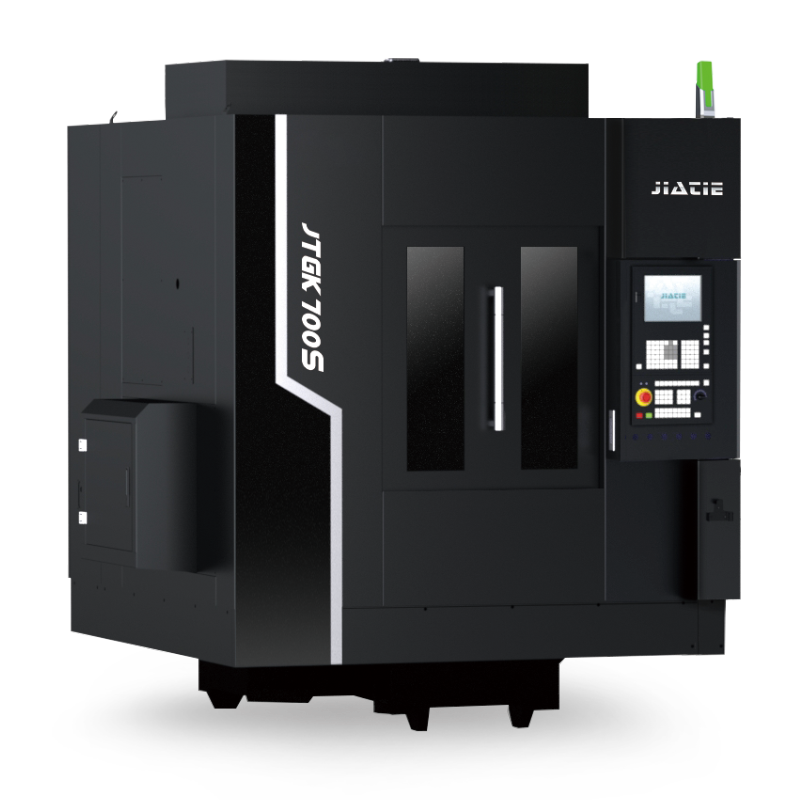
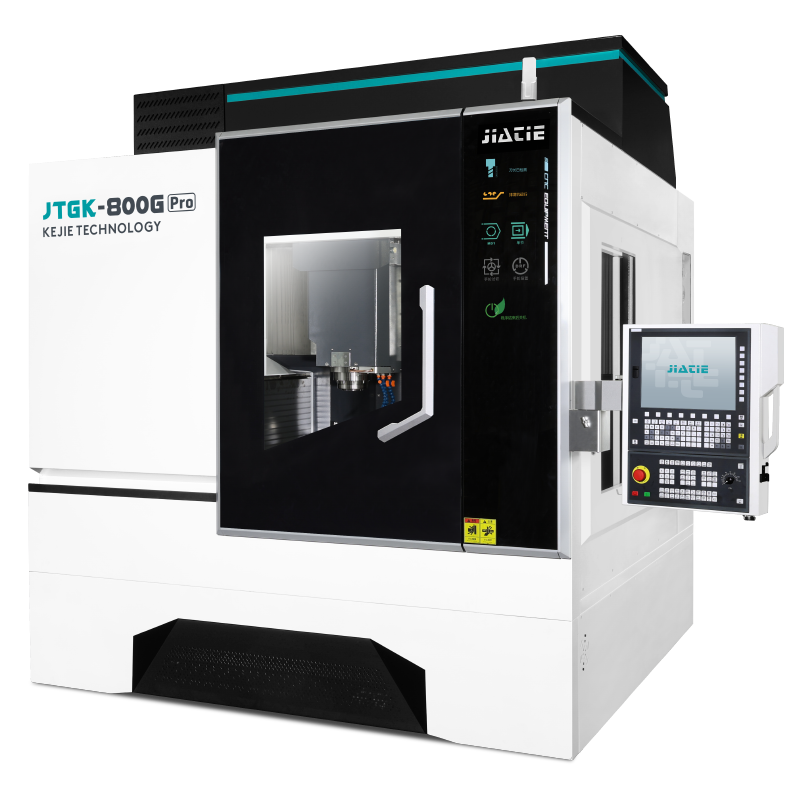
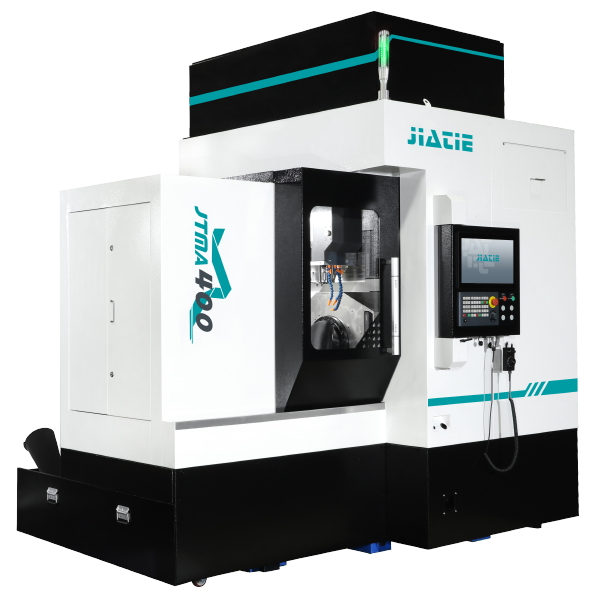
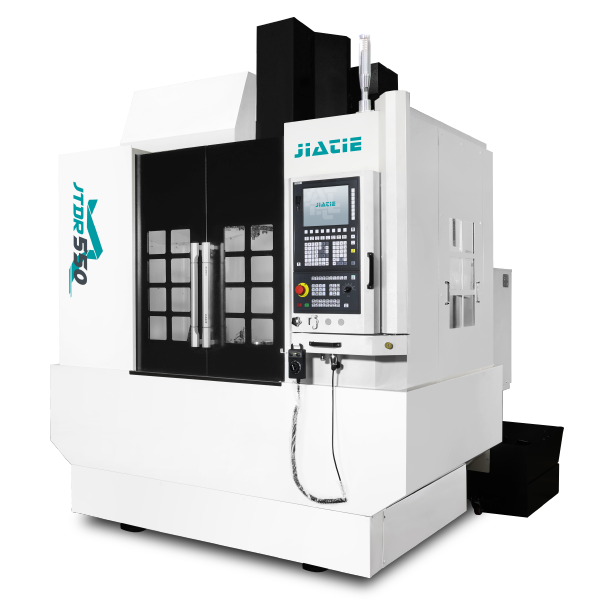
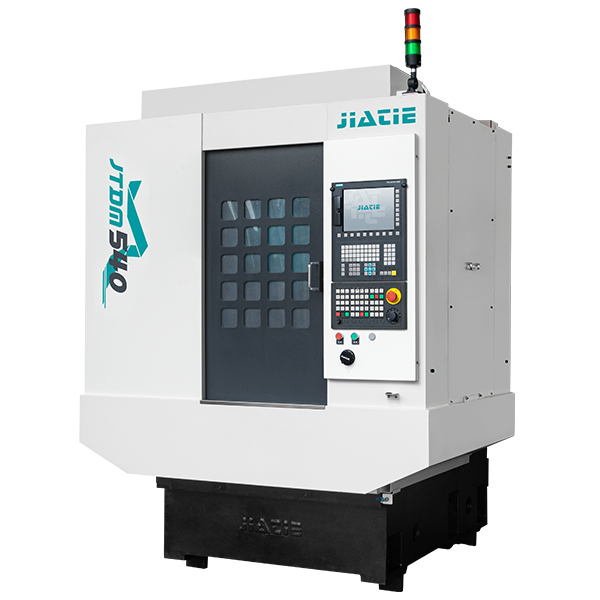
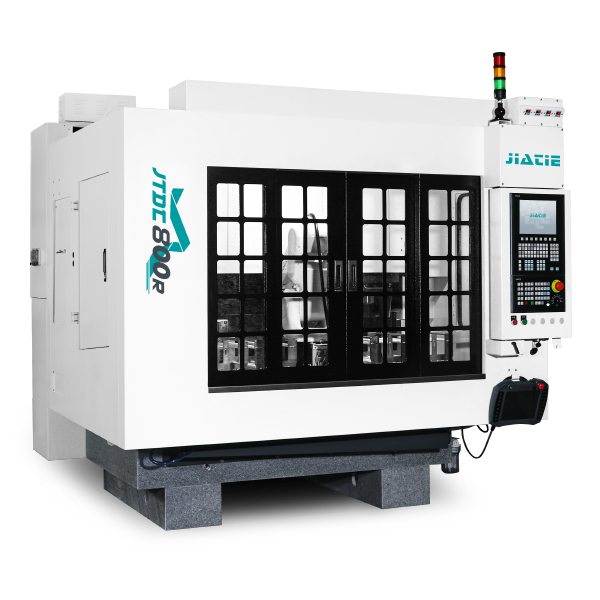
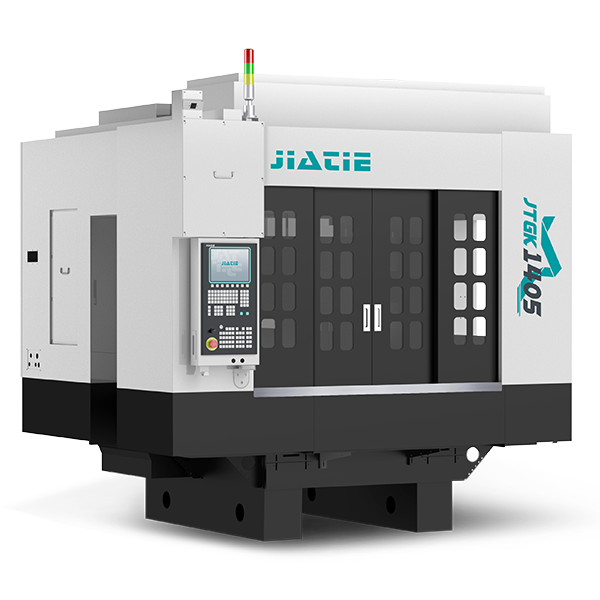
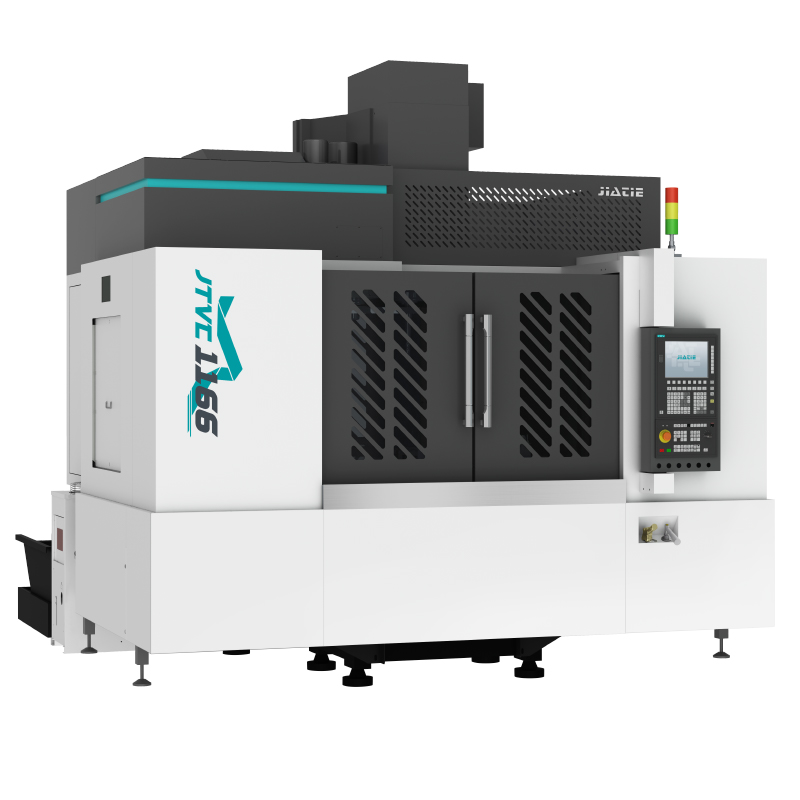
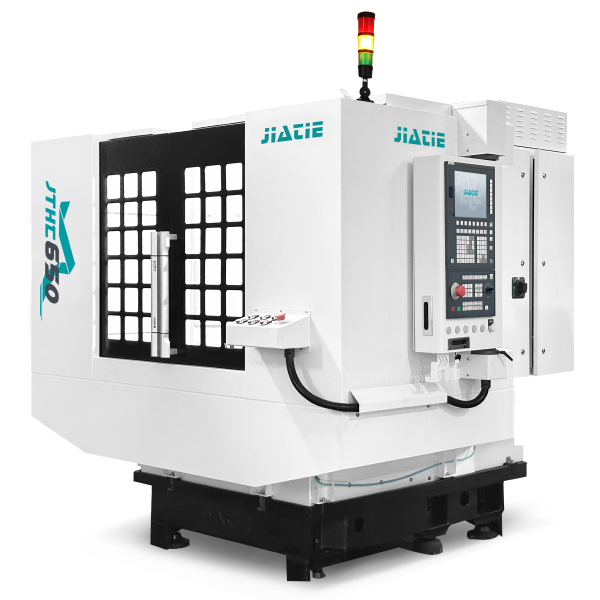
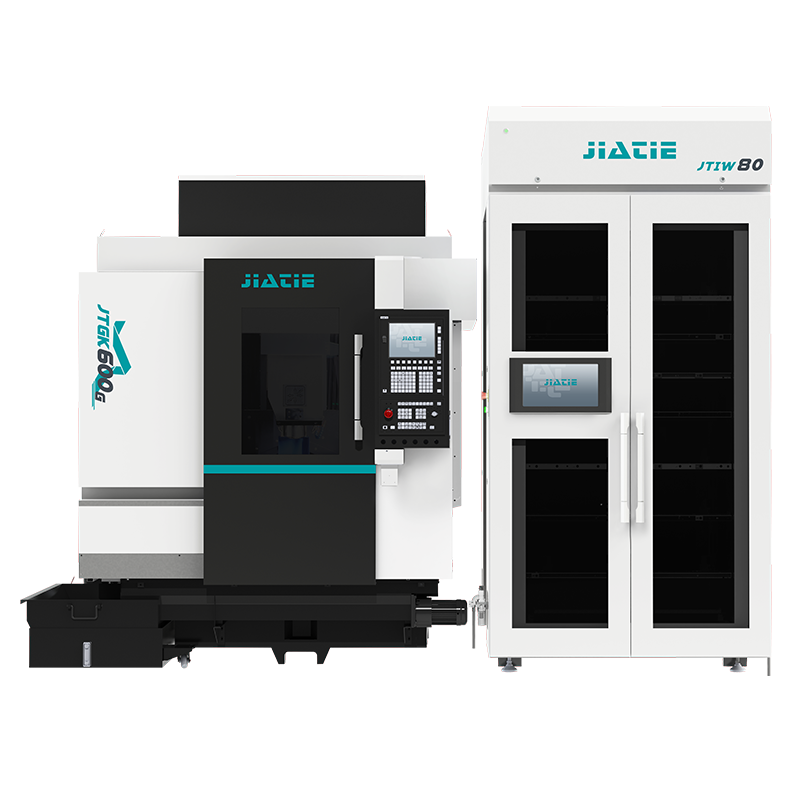
That work sits behind our CNC machining centers, 5-axis machining centers and CNC grinding machines, and it is paired with on-machine measurement so that the result can be verified in the fixture.
If your parts drift over a shift and you cannot find the cause, tell us the tolerance, the material and when the error appears. We will tell you whether it is a thermal problem, and what to change — on the machine, in the process, or in the room.