

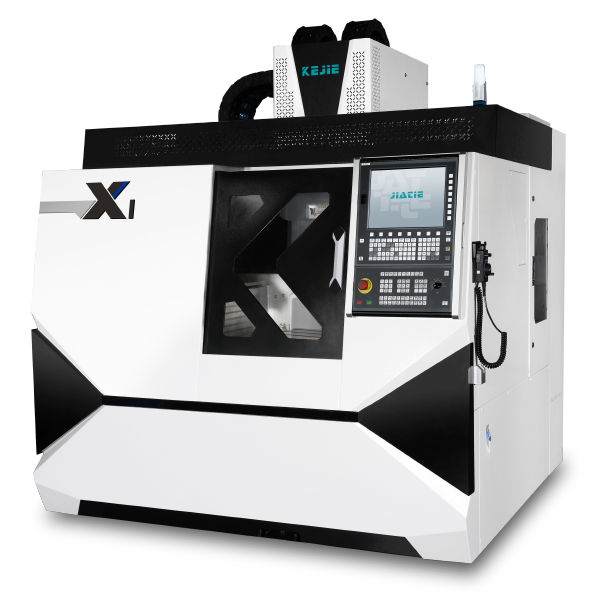
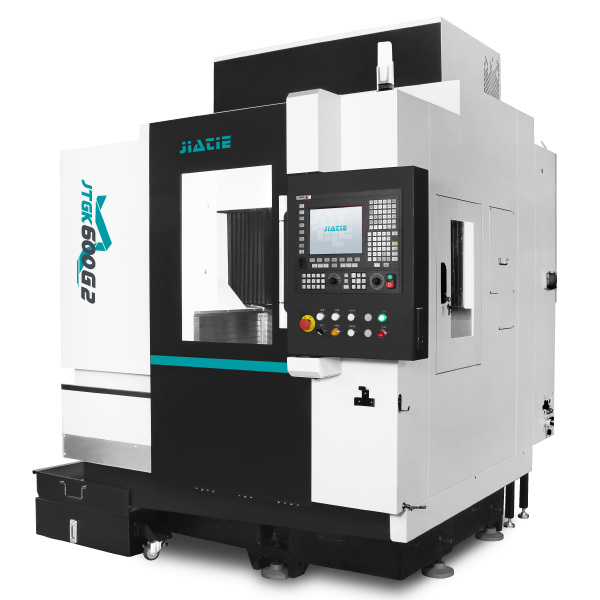
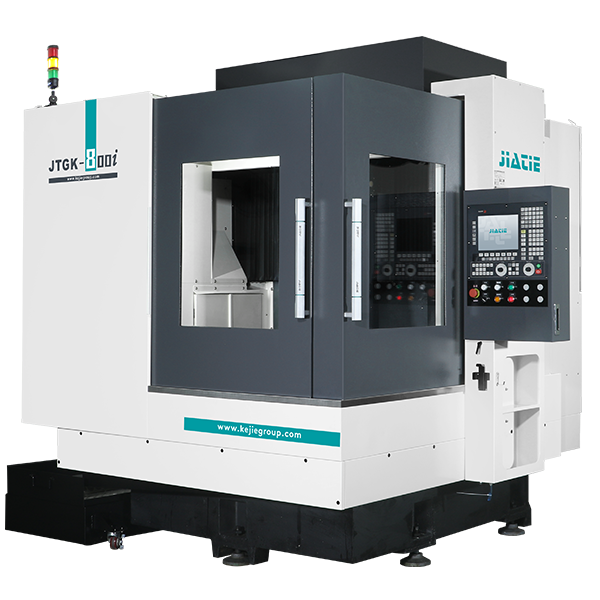
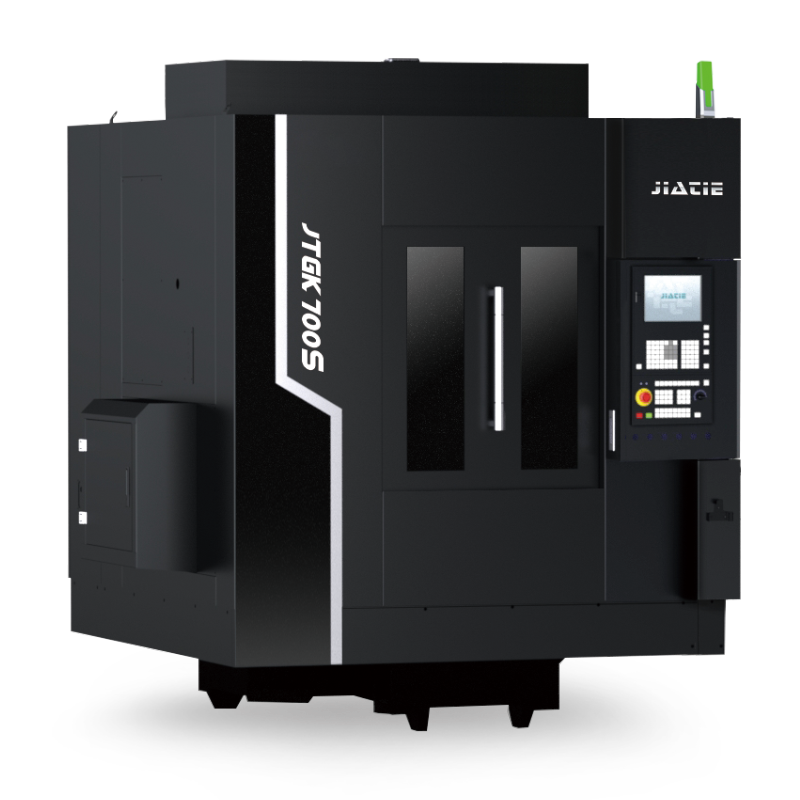
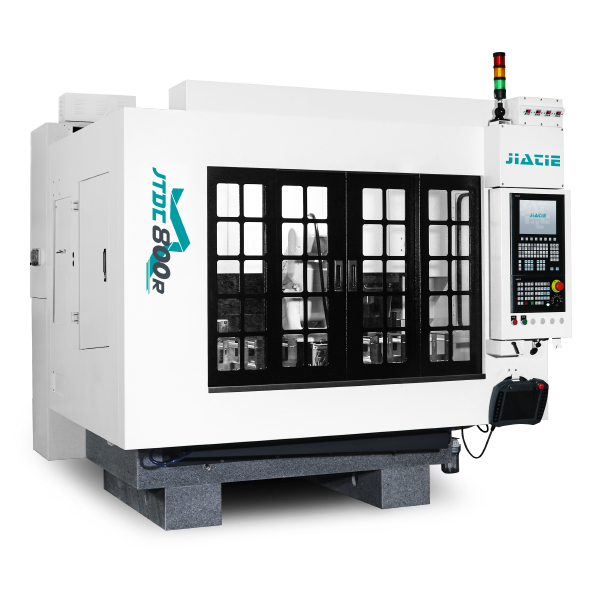
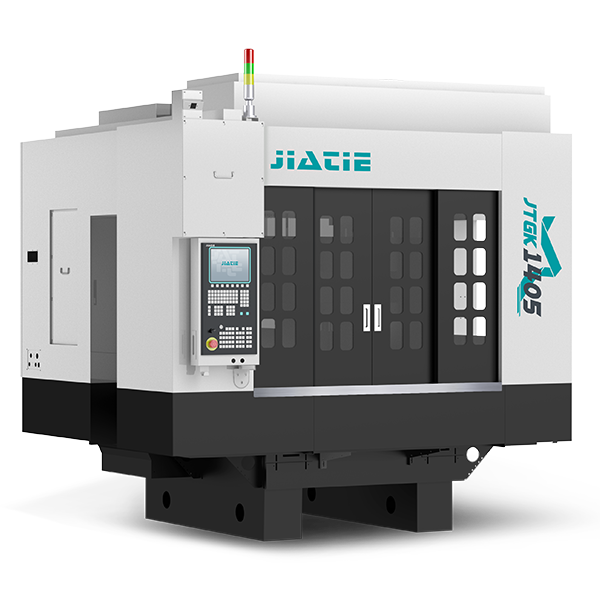
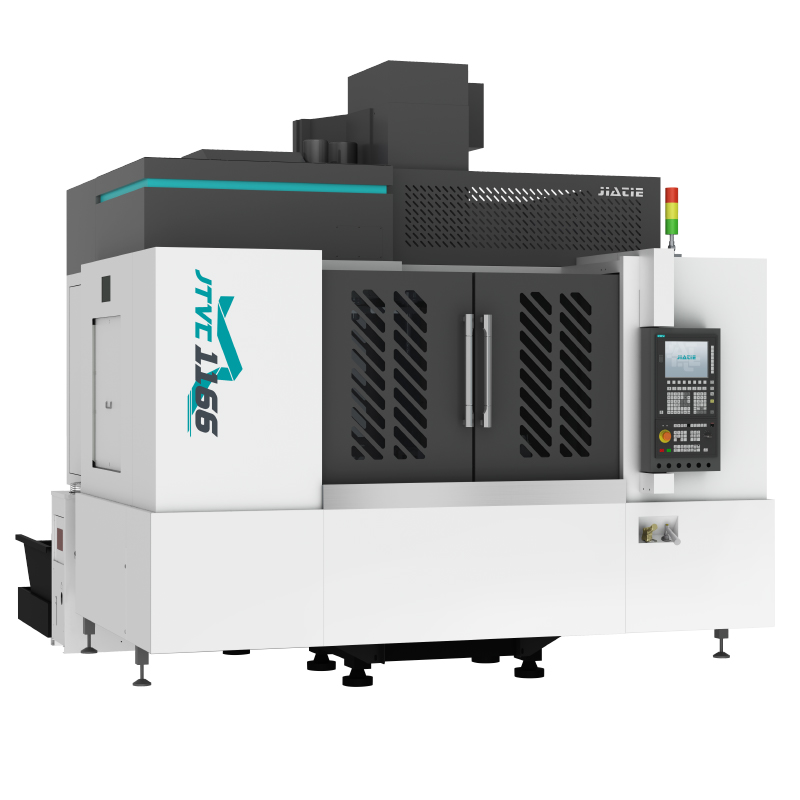
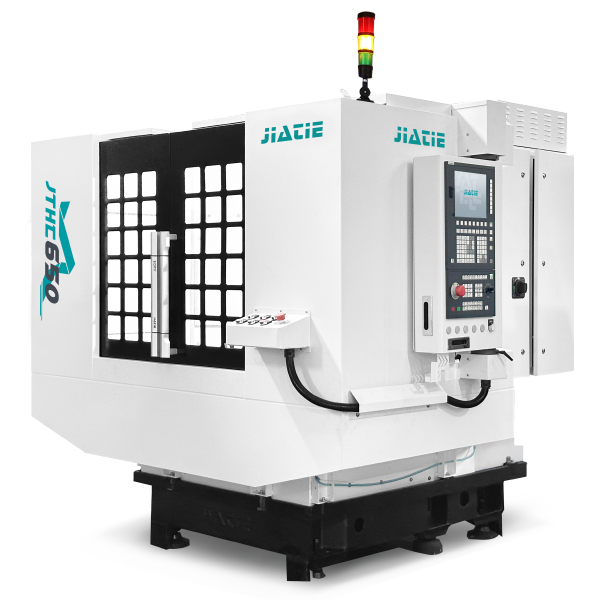
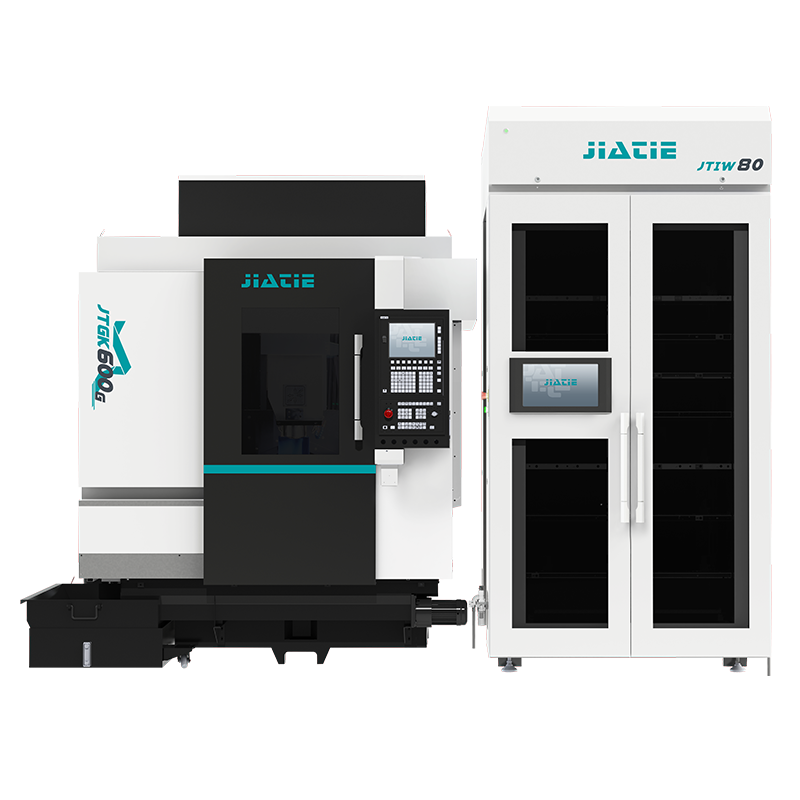
Graphite electrodes for EDM (electrical discharge machining) demand tighter geometric consistency than most other graphite parts — a worn edge or inconsistent surface directly shows up as an error on the workpiece the electrode later burns. That makes electrode work a stricter test of a Machining Center than general graphite milling, and it's worth understanding what actually separates a machine built for this from a general-purpose one before you buy.
Why EDM Electrodes Need Different Handling Than Other Graphite Parts
EDM electrodes are typically thin-walled, fine-detailed, and machined in high volumes for mold and die shops. Two things make them harder than general graphite work:
Dust control — fine graphite dust settling on the workpiece or guideways during long unattended runs affects both part accuracy and machine life over time, and electrode geometry is unforgiving of that kind of drift.
Thin-wall rigidity — electrode walls are often just fractions of a millimeter thick. Any vibration in the spindle or Z-axis structure shows up immediately as chipping or edge breakdown, which general-purpose graphite machines aren't always tuned to avoid.
What to Check Before Choosing a Machine for Electrode Work
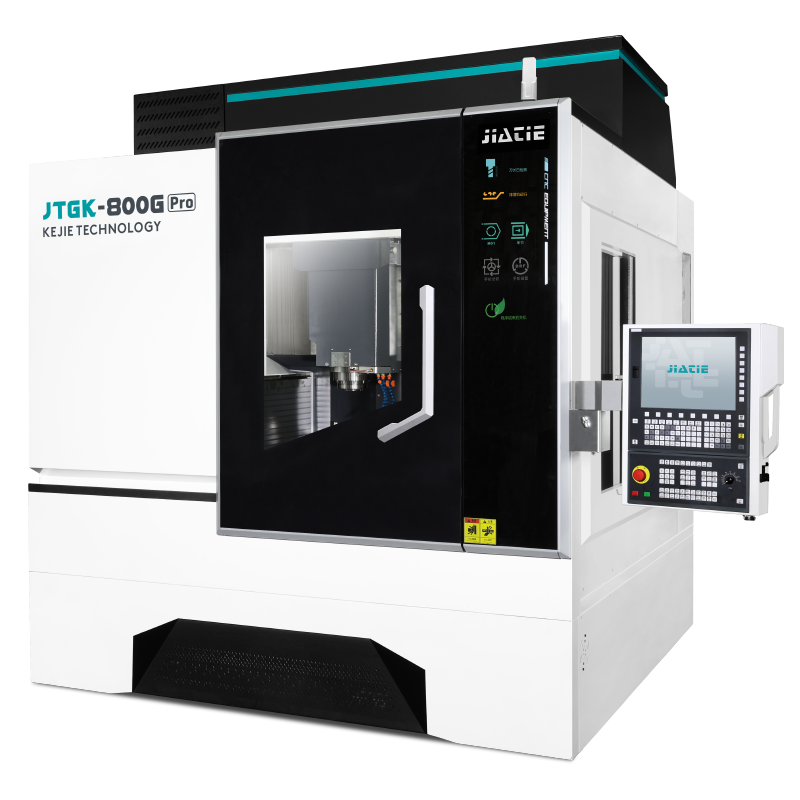
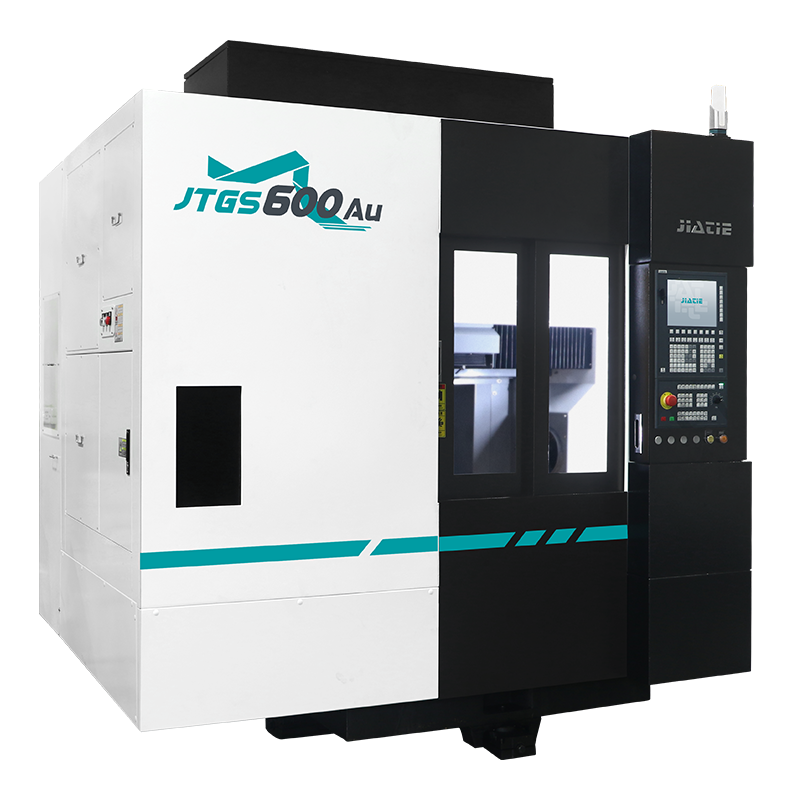
1. Spindle speed and stability — electrode detail work needs fast feed without vibration; KEJIE's JTGS-600 uses a box-type Z-axis structure specifically to hold stability at high-speed graphite cutting.
2. Dust sealing — look for a fully sealed protective cap and dedicated dust collection, like on the JTGK-500FS, rather than an open work area.
3. Repeatability across batches — electrode shops running the same geometry hundreds of times need a machine tool with a track record on graphite specifically, not general-purpose metal cutting.
4. Workpiece and travel size — electrode batches vary from small detail electrodes to larger mold-insert electrodes, so confirm the machine's worktable and Z-travel actually cover your part range before assuming one model fits every job.
5. Tooling compatibility — graphite's abrasiveness wears standard tooling fast; confirm the machine is set up for diamond-coated or carbide tooling rated for graphite, not general metal-cutting tool holders.
Comparing Two KEJIE Options for Electrode Work
| Factor | JTGS-600 | JTGK-500FS |
|---|---|---|
| Structure | Box-type Z-axis, tuned for fast feed cutting | Box-type structure with sealed dust protection |
| Best suited for | High-speed detail electrode work | Long unattended runs, dust-sensitive environments |
| Multi-function options | — | Configurable for different electrode batch sizes |
Where Electrode Machining Fits Into Broader Production
Electrode machining rarely happens in isolation — mold and die shops that produce EDM electrodes are usually also machining the molds those electrodes will burn, and often the same graphite center handles both. That's part of why dust control and repeatability matter across the whole shop floor, not just on one job. KEJIE's Graphite Machining Center series and Precision Molds/Electrodes solution page cover this combined workflow, and the Graphite Electrode application page goes into the electrode side specifically.
FAQ
Can the same machine handle both electrode work and larger graphite mold parts?
Yes, within the size limits of the machine's worktable and travel — many mold shops run both on the same graphite center rather than dedicating separate machines to each.
Does thin-wall electrode geometry require special tooling?
Generally yes — diamond-coated or carbide tooling rated for graphite's abrasiveness holds an edge longer than standard tooling, which matters more on thin, detailed geometry than on bulkier parts.
How much does dust control actually affect accuracy?
Dust that settles on guideways or the workpiece during unattended runs can introduce small positioning drift over time — sealed dust protection is specifically meant to prevent that on long batch runs.
Send us your electrode size and tolerance requirements — we'll recommend a configuration within 24 hours.