

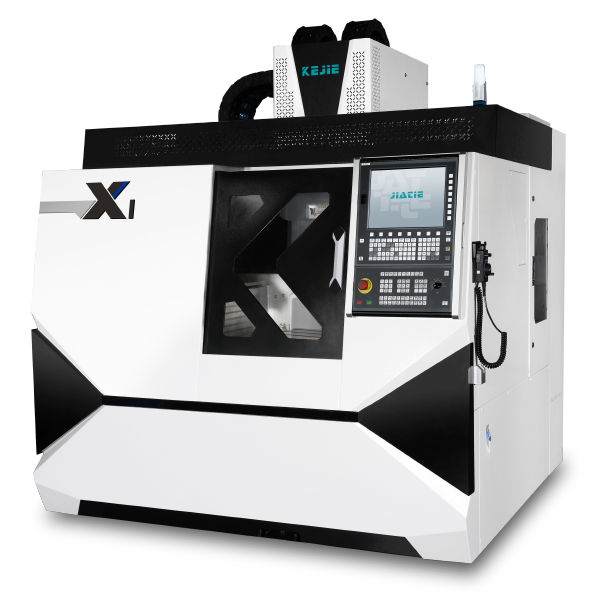
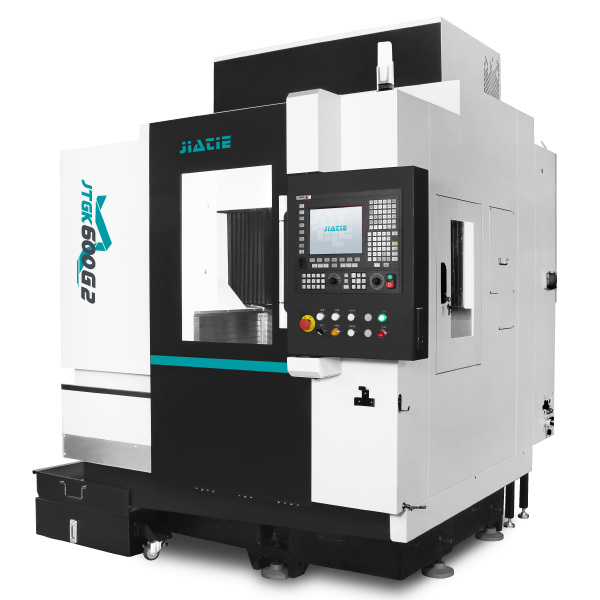
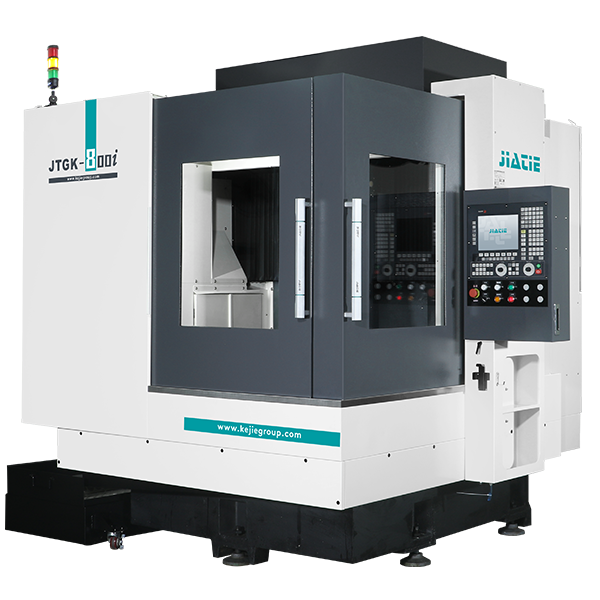
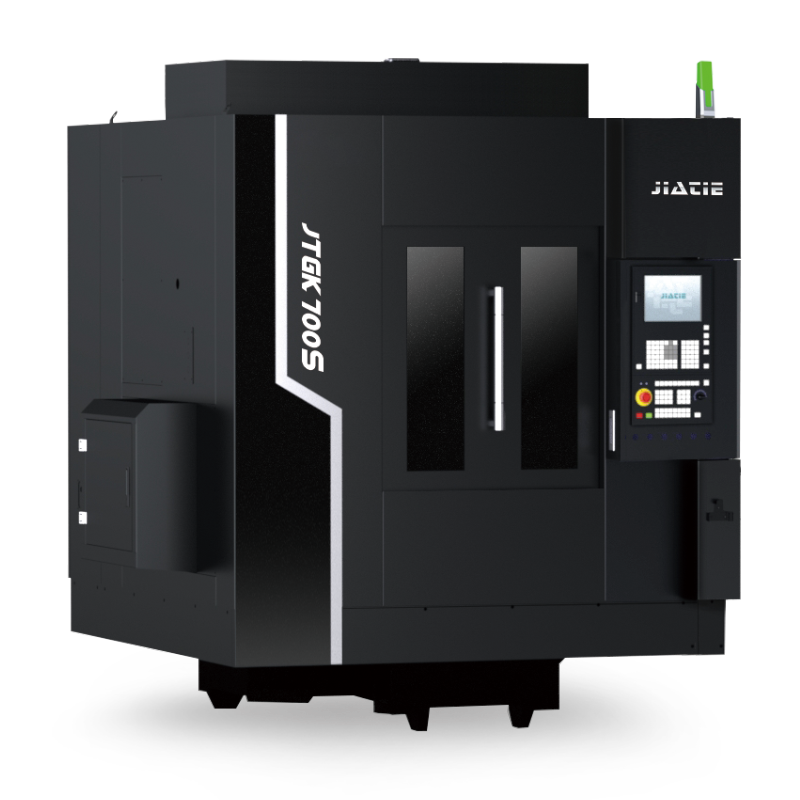
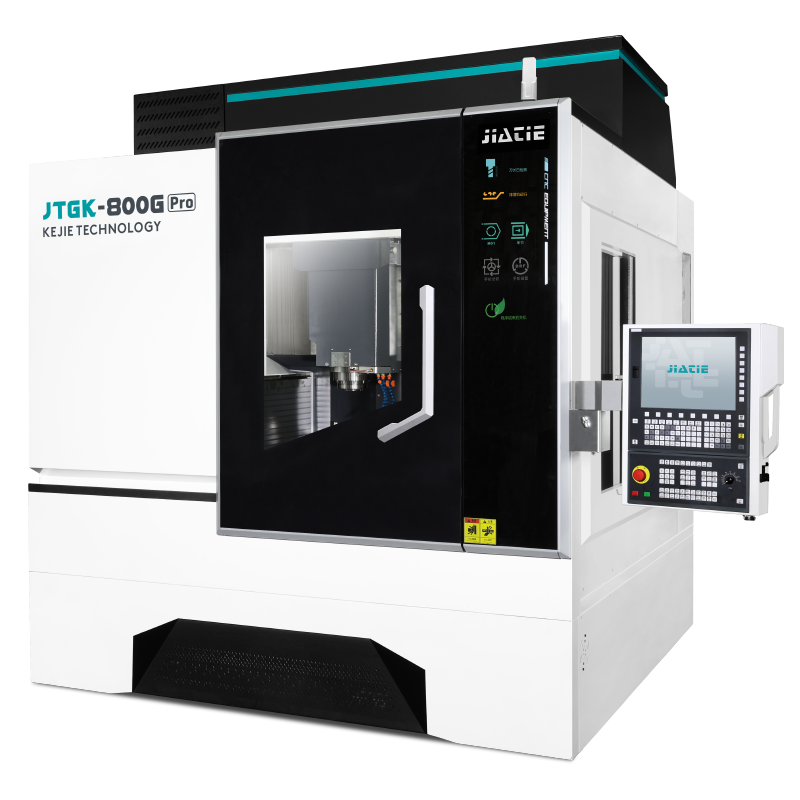
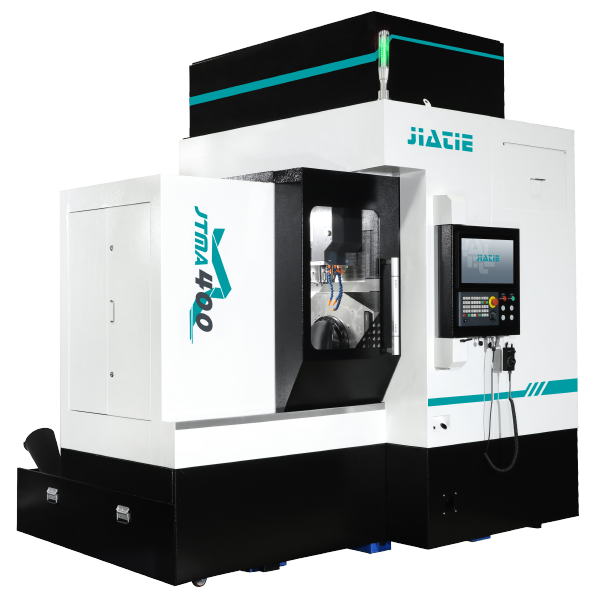
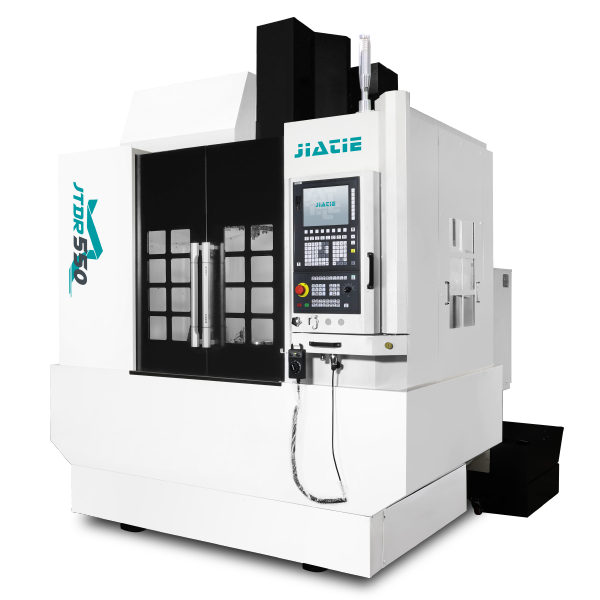
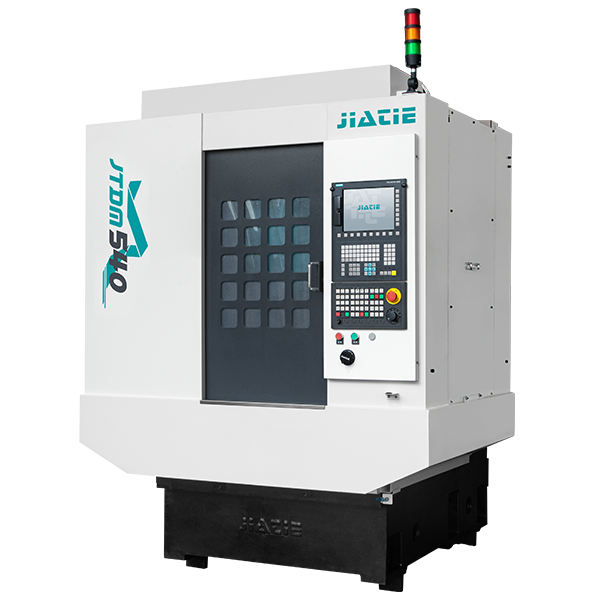
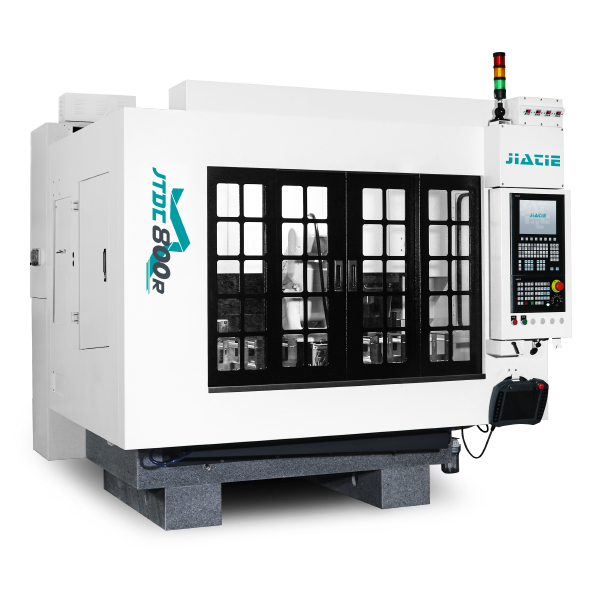
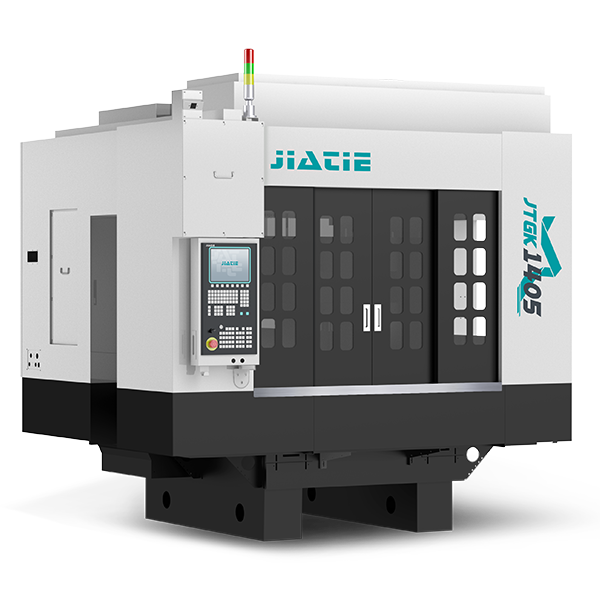
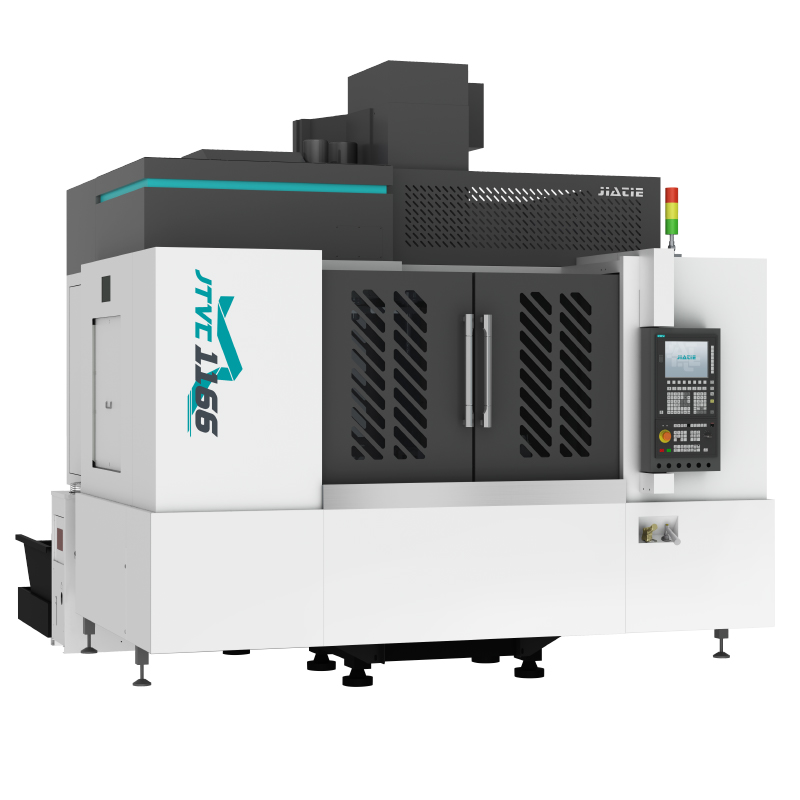
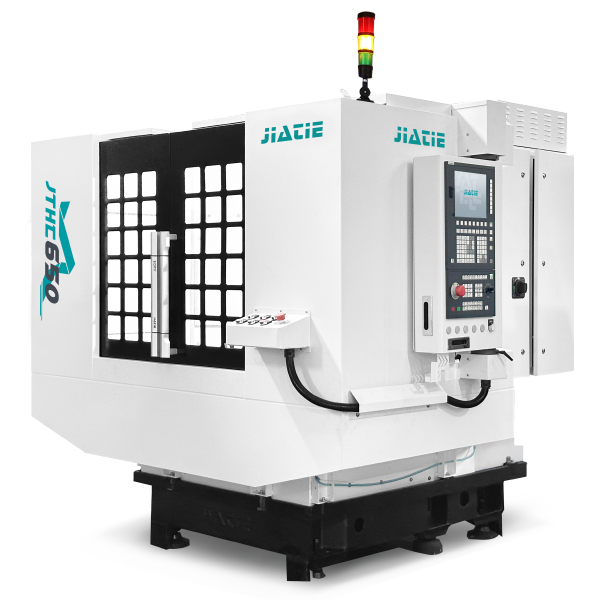
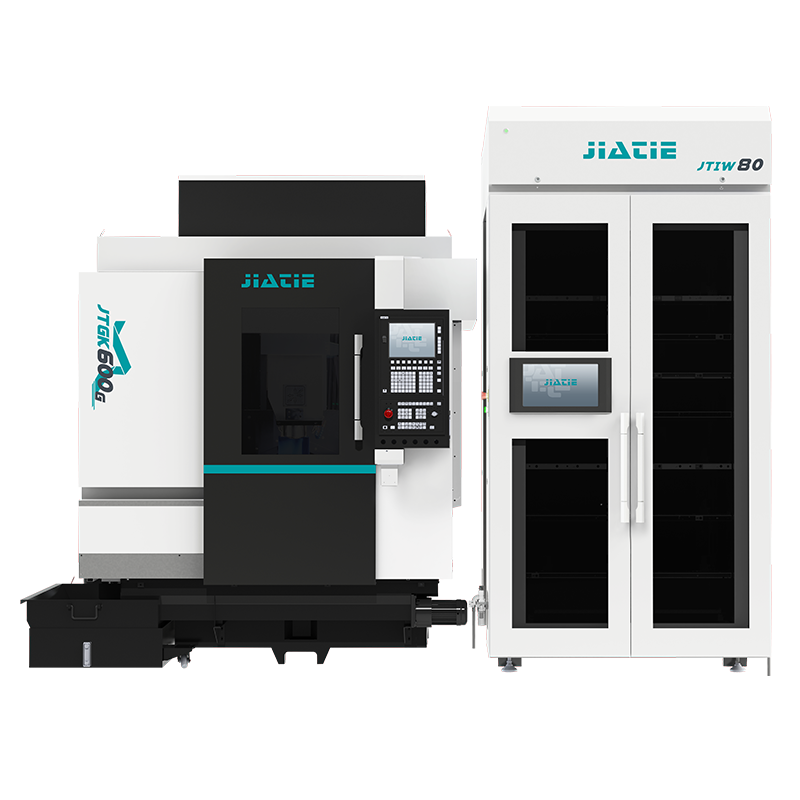
Complex graphite electrodes are widely used in mold manufacturing and EDM applications. As electrode designs become more detailed, manufacturers need to process narrow ribs, deep cavities, fine corners, and complex three-dimensional surfaces with stable and consistent results.
A Graphite Machining Center can provide a dedicated solution for manufacturers processing complex graphite components. Compared with using equipment that is not specifically matched to graphite processing requirements, the right machine configuration can help improve machining stability, efficiency, and consistency.
So, how does a graphite Machining Center improve complex electrode machining?
Why Is Complex Graphite Electrode Machining Challenging?
Graphite electrodes can contain detailed features that require stable machine movement and consistent cutting performance. Narrow structures, deep cavities, sharp contours, and fine surface details can all increase the difficulty of the machining process.
Because graphite is a brittle material, machine stability and machining strategy can influence the quality of detailed features. Vibration, unsuitable cutting conditions, or unstable machine performance may affect the final dimensions and surface condition of the workpiece.
For this reason, graphite electrode machining requires more than simply removing material quickly. The overall machining process needs to support stable and repeatable production.
How Does Machine Rigidity Support Complex Electrode Machining?
Machine rigidity provides an important foundation for stable graphite machining. When machining complex electrodes, the machine needs to maintain stable movement throughout different cutting operations.
A rigid machine structure can help reduce unnecessary vibration and support more consistent machining when processing detailed features.
This becomes increasingly important when graphite components contain narrow ribs, thin structures, small corners, or complex cavities.
How Does High-Speed Machining Support Detailed Graphite Features?
High-speed machining can be an important part of processing detailed graphite components. The appropriate spindle and machining configuration can help manufacturers efficiently process complex geometries while maintaining stable cutting conditions.
However, spindle speed alone does not determine machining performance. Machine structure, motion stability, cutting tools, and machining parameters also work together to influence the final result.
For manufacturers working with detailed electrodes, selecting a graphite machining solution should involve evaluating the complete machining system rather than focusing on a single specification.
Why Is Process Stability Important for Ultra-Precision Graphite Machining?
Ultra-precision graphite machining requires consistent performance throughout the machining process. Small variations in machine movement, spindle operation, or cutting conditions may become more significant when processing detailed or high-precision components.
Stable process performance can help manufacturers improve repeatability and maintain more consistent machining results across multiple workpieces.
For applications with demanding precision requirements, manufacturers should consider the relationship between machine configuration, workpiece geometry, tooling, and machining strategy.
How Does Dust Management Affect Graphite Machining?
Graphite machining produces fine dust during the cutting process. Effective dust management is an important consideration when processing graphite components, especially in production environments where machines operate continuously.
A Graphite Machining Center designed for graphite processing should consider dust handling as part of the overall machine solution.
Managing graphite dust can help maintain a cleaner machining environment and support stable equipment operation over time.
How Can a Graphite Machining Center Improve Electrode Production Efficiency?
Production efficiency is not only determined by cutting speed. Machine stability, process consistency, setup requirements, and the ability to process complex geometries can all influence overall productivity.
A suitable graphite machining center can help manufacturers create a more stable machining process for complex graphite electrodes and precision components.
By matching machine capability with the actual workpiece requirements, manufacturers can improve production consistency and reduce unnecessary process adjustments.
Graphite Milling Machines for Different Electrode Requirements
Different graphite milling machines are suitable for different workpiece sizes and machining requirements.
Before selecting equipment, manufacturers should consider:
Graphite workpiece dimensions
Electrode geometry complexity
Required machining precision
Production volume
Spindle and machining requirements
Future production requirements
A machine that is suitable for small and highly detailed electrodes may have different requirements from a machine designed for larger graphite components.
Choosing the Right Graphite Machining Center for Your Application
The best machine solution depends on the actual graphite processing application. Manufacturers should evaluate their workpiece design, precision requirements, machining capacity, and production goals before selecting equipment.
KEJIE Technology provides Graphite Machining Center solutions for graphite electrodes and other precision graphite components.
Different machine configurations can be selected according to workpiece size, machining complexity, and production requirements.
Conclusion
Complex electrode production requires stable and reliable graphite machining. Machine rigidity, spindle performance, process stability, and dust management can all influence the final machining result.
A suitable graphite machining center can help manufacturers process complex graphite electrodes with greater consistency and provide a more targeted solution for demanding graphite applications.
Explore KEJIE's Graphite Machining Center solutions to find equipment suitable for your graphite machining requirements.