

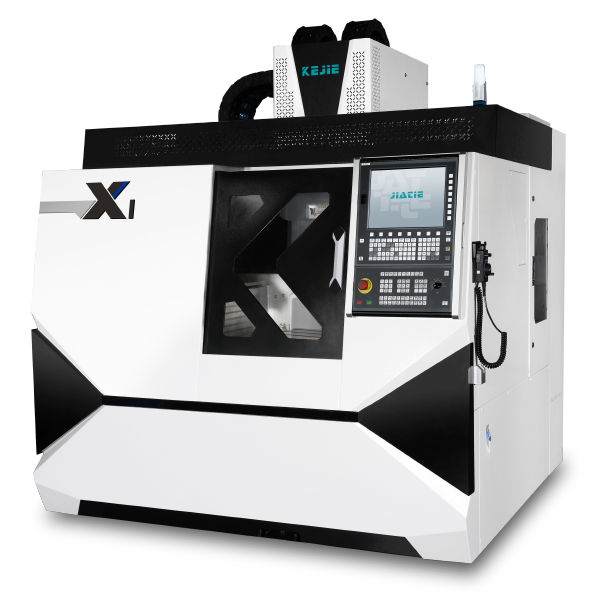
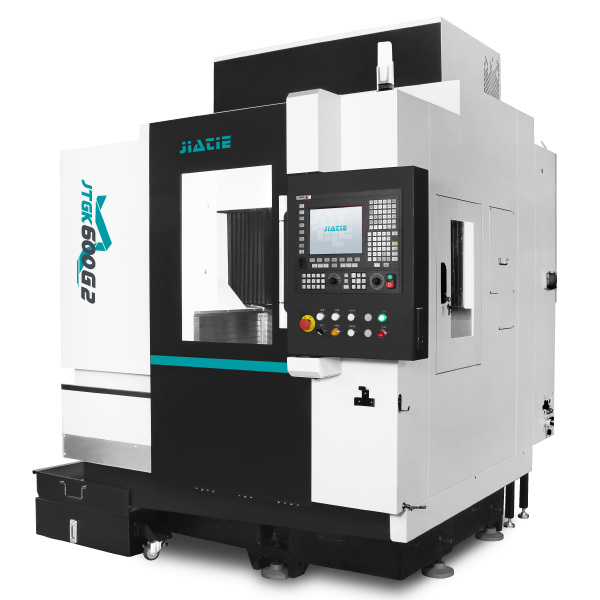
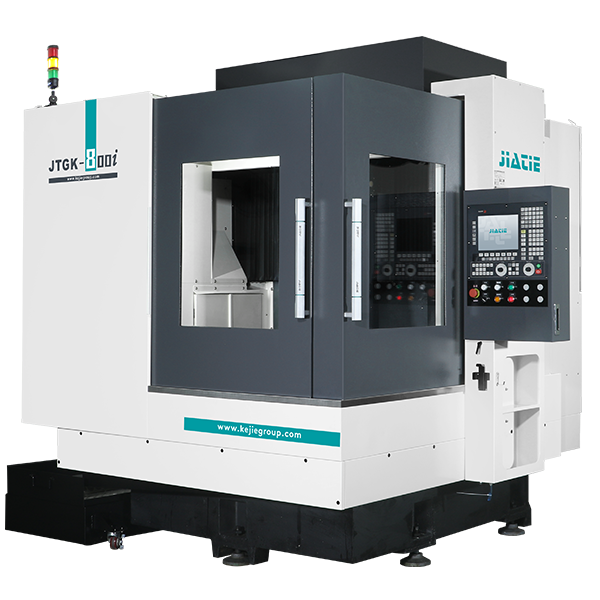
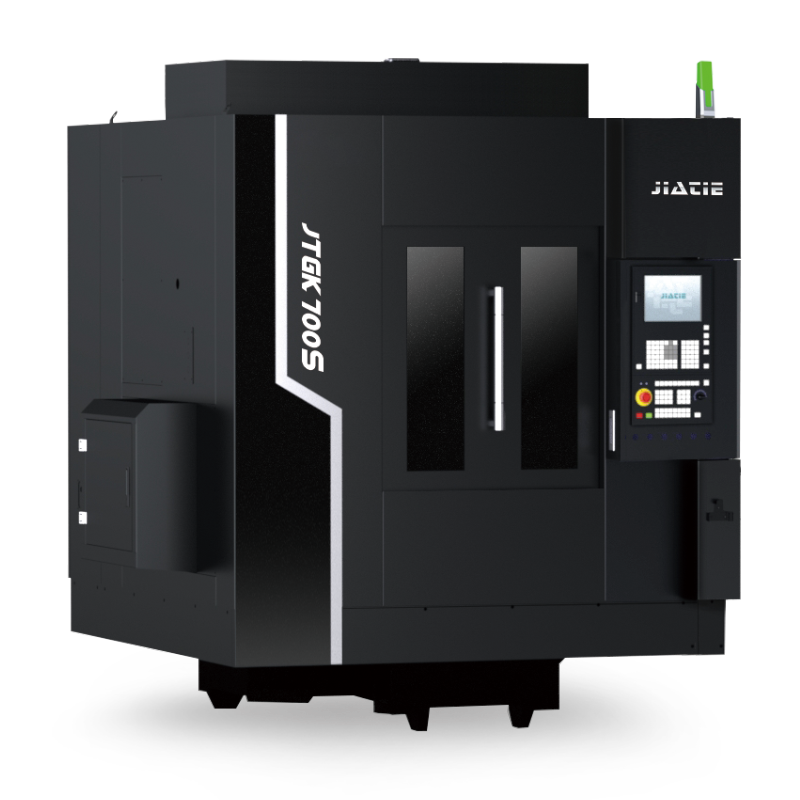
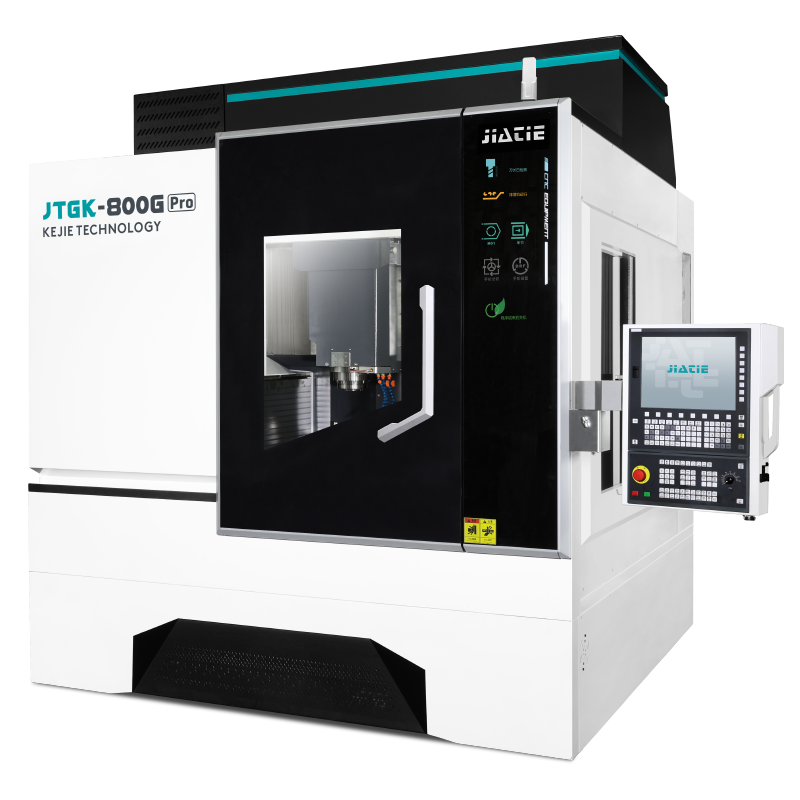
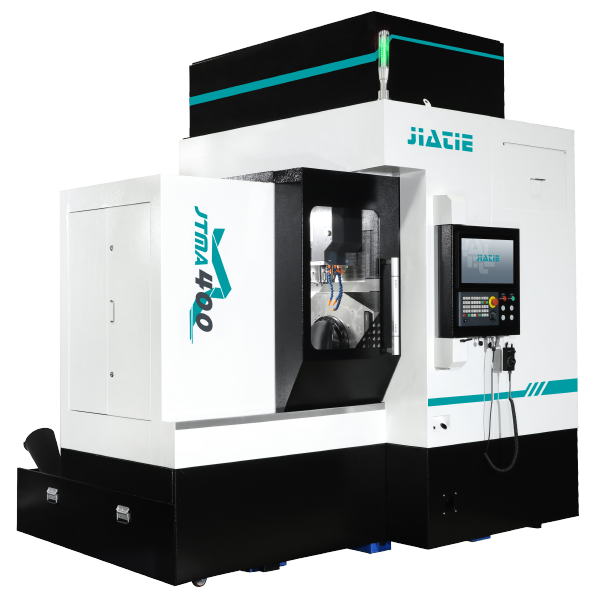
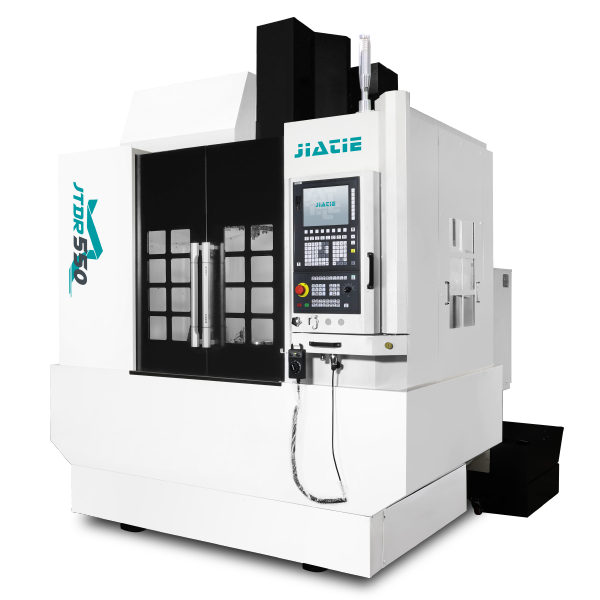
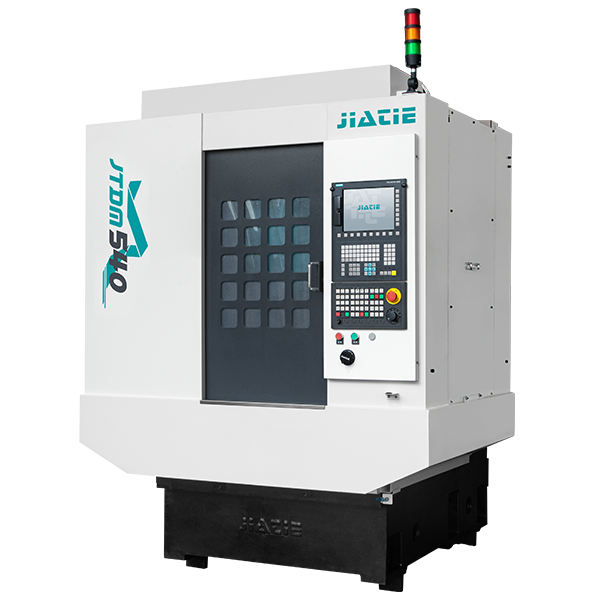
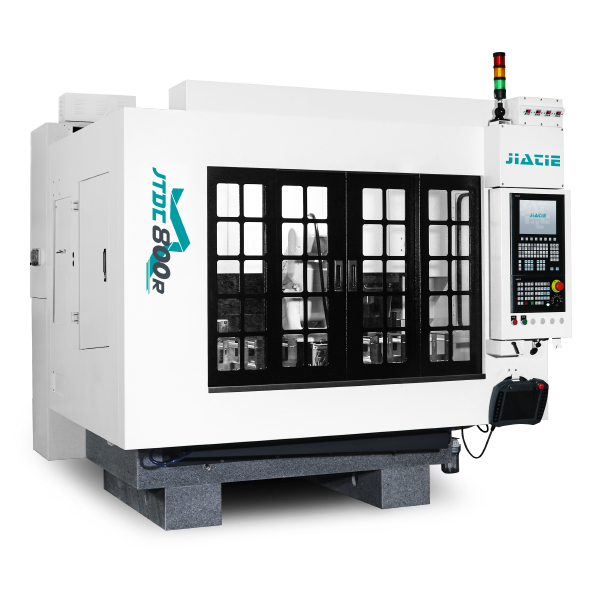
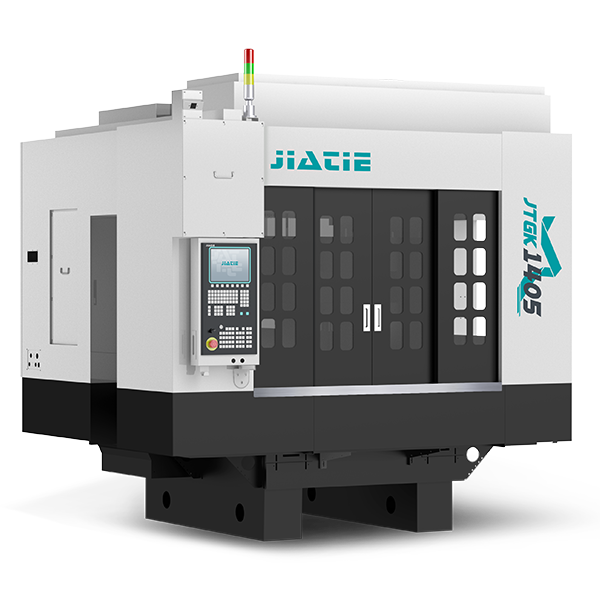
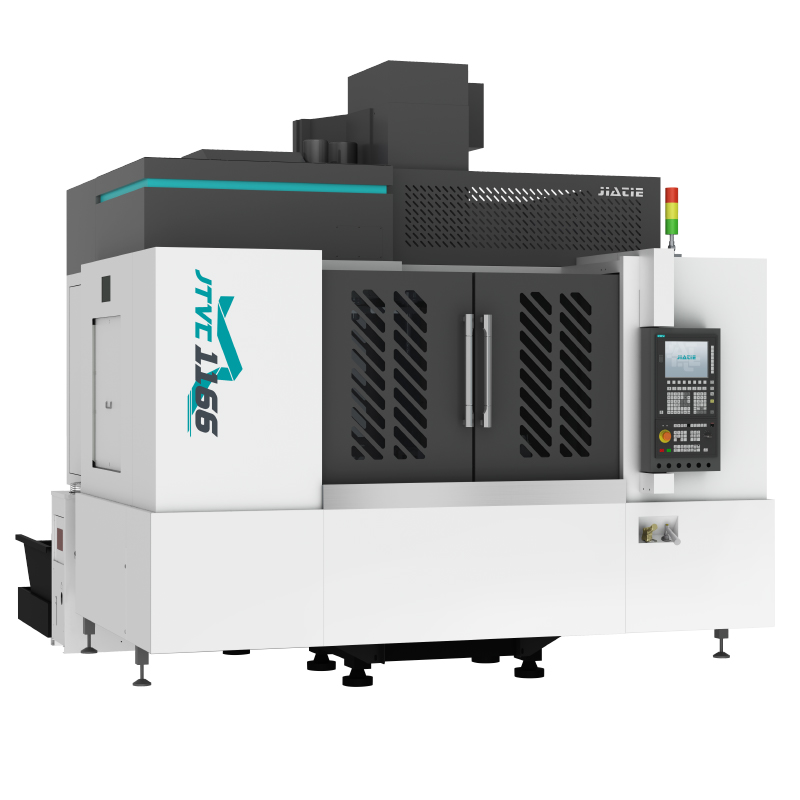
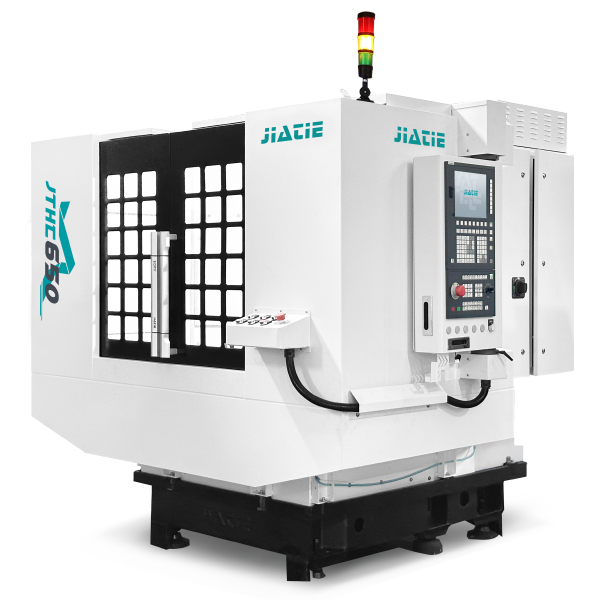
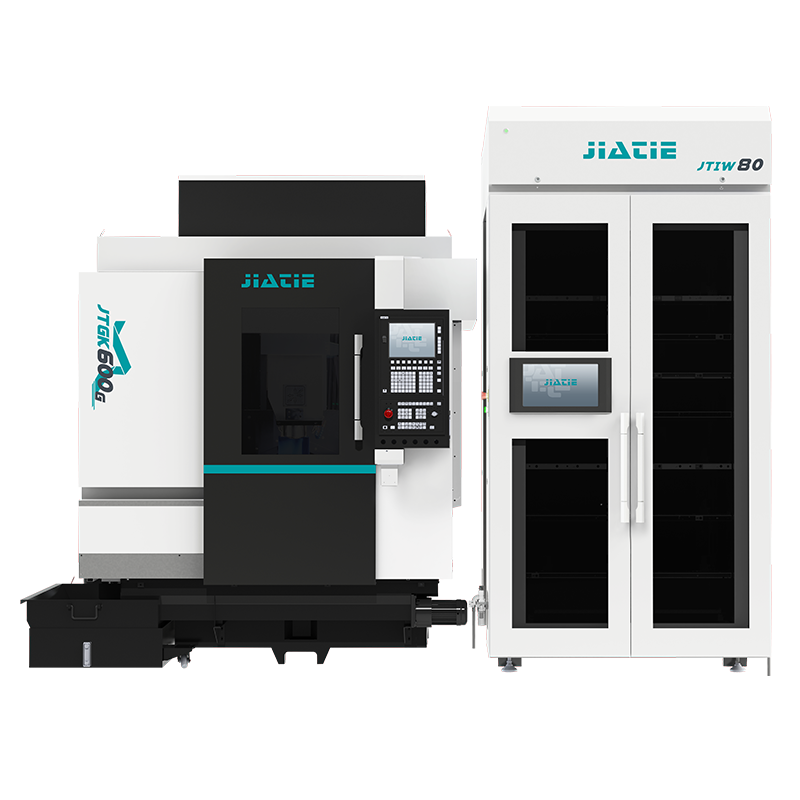
Choosing the right graphite milling machines is an important decision for manufacturers producing graphite electrodes, precision molds, and other graphite components. Graphite is widely used in industrial manufacturing because of its unique properties, but its brittle structure and fine dust can create specific requirements during the machining process.
For this reason, not every standard CNC milling machine is equally suitable for graphite processing. Manufacturers should evaluate machine structure, spindle performance, dust management, machining capacity, and application requirements before selecting a machine.
So, what should you look for when choosing graphite milling machines?
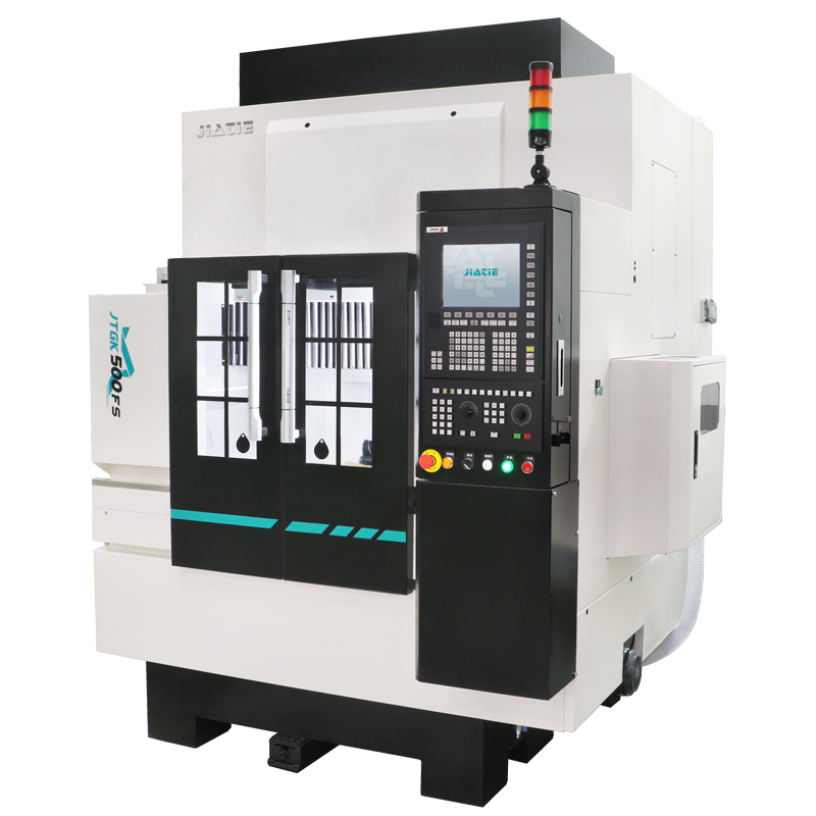
Why Are Dedicated Graphite Milling Machines Important?
Graphite Machining has different requirements compared with many conventional metal machining applications. During the cutting process, graphite can produce fine dust and may require stable machine performance when processing detailed features and complex geometries.
A suitable machine should support stable machining conditions while helping manufacturers maintain consistent dimensions and processing quality.
For applications involving graphite electrodes, precision cavities, and detailed workpieces, choosing equipment designed for graphite machining can help improve the overall production process.
What Machine Rigidity Should You Consider?
Machine rigidity is an important factor when evaluating graphite milling machines. A stable machine structure can help reduce unnecessary vibration during machining and support more consistent movement when processing detailed graphite components.
This is particularly important when machining narrow ribs, deep cavities, fine contours, and other complex features commonly found in graphite electrode applications.
A rigid machine structure can provide a more stable foundation for precision machining and repeatable production.
How Important Is Spindle Performance?
Spindle performance is another key consideration when selecting graphite milling machines. The required spindle configuration depends on the workpiece geometry, cutting requirements, and machining strategy.
For detailed graphite components, high-speed machining capabilities may help manufacturers process complex features efficiently. However, spindle stability is just as important as spindle speed.
Manufacturers should consider whether the machine can maintain stable performance throughout the machining process, especially for applications requiring continuous production or detailed graphite machining.
Why Does Dust Management Matter in Graphite Milling?
One of the main considerations in graphite processing is the fine dust generated during machining. Effective dust management is important for maintaining a cleaner machining environment and supporting stable machine operation.
When comparing graphite milling machines, manufacturers should evaluate how the equipment is designed to handle graphite dust during the machining process.
A suitable dust collection and protection system can help support long-term equipment performance and improve the overall working environment.
What Workpiece Size and Machining Capacity Do You Need?
Graphite milling machines are available in different machine sizes and configurations. Before selecting equipment, manufacturers should consider the dimensions of the graphite workpieces they need to process.
Important factors may include:
Maximum workpiece size
Required machining travel
Worktable capacity
Part geometry
Production requirements
Future machining requirements
Selecting a machine based only on current production requirements may limit future flexibility. Manufacturers should also consider whether the machine configuration can support new product designs and larger or more complex graphite components.
How Do Graphite Milling Machines Support Electrode Manufacturing?
Graphite electrode machining is one of the important applications for graphite milling equipment. Graphite electrodes can include complex cavities, detailed surfaces, narrow features, and other geometries that require stable machining performance.
The machining quality of graphite electrodes can influence later EDM processes. For this reason, manufacturers should consider machine accuracy, stability, spindle performance, and machining capability when selecting graphite milling equipment.
A suitable Graphite Machining Center can provide a more targeted solution for manufacturers processing complex graphite electrodes and precision graphite components.
Should You Choose a General CNC Machine or a Graphite Machining Center?
The answer depends on the specific production requirements. General CNC machines can be used for a wide range of machining applications, while dedicated graphite machining equipment can provide configurations more closely matched to graphite processing requirements.
Manufacturers that regularly process graphite components may benefit from evaluating a dedicated machine solution based on their material, workpiece design, production volume, and precision requirements.
For companies focused on graphite processing, a dedicated Graphite Machining Center can provide a more application-focused solution for producing graphite electrodes and other complex components.
How to Choose the Right Graphite Milling Machine?
Before selecting graphite milling machines, manufacturers should clearly define their processing requirements.
Questions to consider include:
What type of graphite components will be machined?
What are the required dimensions and machining tolerances?
Does the application require high-speed machining?
How complex are the workpiece geometries?
What level of production capacity is required?
How will graphite dust be managed?
Answering these questions can help manufacturers select equipment that is better matched to their actual production requirements.
Choose a Graphite Machining Solution Based on Your Application
The best graphite milling machines are not necessarily the machines with the highest individual specifications. The right choice depends on how well the machine configuration matches the workpiece, machining process, and production requirements.
KEJIE Technology provides Graphite Machining Center solutions for manufacturers processing graphite electrodes and other precision graphite components. Different machine configurations can be selected according to workpiece size, machining requirements, and production applications.
For manufacturers evaluating new graphite machining equipment, understanding the actual processing requirements is the first step toward selecting a suitable machine solution.