

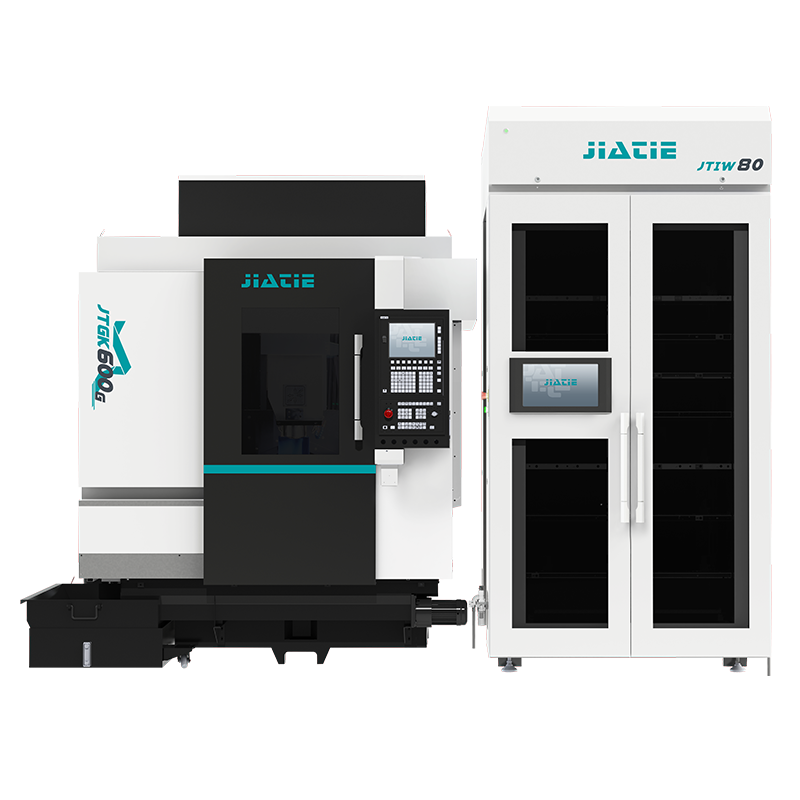
Precision is one of the most important requirements in graphite machining. Graphite is widely used for electrodes, precision molds, semiconductor-related components, and other applications where dimensional accuracy and surface quality can directly affect the final manufacturing result.
However, graphite has material characteristics that make stable machining more challenging. Its brittle structure can increase the risk of edge chipping, tool wear, dimensional variation, and surface quality problems if the machine and machining process are not properly matched.
So, how can manufacturers improve precision in graphite machining?
Why Precision Matters in Graphite Machining
Graphite components are often used in applications that require consistent dimensions and complex geometries. For example, graphite electrodes may contain fine ribs, narrow slots, deep cavities, and detailed contours that require stable machining performance.
For this reason, precision graphite machining is not only about achieving high positioning accuracy. It also requires consistent process stability throughout the machining cycle.
A small deviation in machine movement, spindle performance, or cutting conditions may affect the final size and surface quality of the graphite part.
What Factors Affect Graphite Machining Precision?
Machine Rigidity
Machine rigidity has a direct influence on machining stability. During graphite machining, vibration or insufficient structural rigidity can affect tool movement and increase the risk of dimensional variation.
A rigid machine structure helps maintain stable cutting conditions, especially when machining detailed electrode features or complex precision components.
Spindle Performance
Spindle performance is another important factor in precision graphite machining. High-speed machining can support efficient material removal and detailed feature machining, but the spindle must also maintain stable operation.
Stable spindle performance helps improve consistency during continuous machining and can reduce the influence of vibration on the finished workpiece.
Cutting Tool Selection
The cutting tool should be selected according to the graphite material, machining geometry, and required precision.
Tool geometry and cutting performance can influence surface quality, machining efficiency, and the ability to produce detailed features. As tools wear, machining results may become less consistent, making tool condition an important part of process control.
Cutting Parameters
Feed rate, spindle speed, and cutting depth should be matched to the machining requirements. Parameters that are not properly optimized may increase machining instability or affect the quality of detailed graphite features.
For precision applications, manufacturers should focus on balancing machining efficiency with stable process performance.
Graphite Dust Management
Graphite machining produces fine dust during the cutting process. Effective dust management is important for maintaining a clean machining environment and supporting long-term machine performance.
A machine designed for graphite processing should consider dust collection and protection as part of the overall machining solution.
How Does a Graphite Machining Center Improve Machining Accuracy?
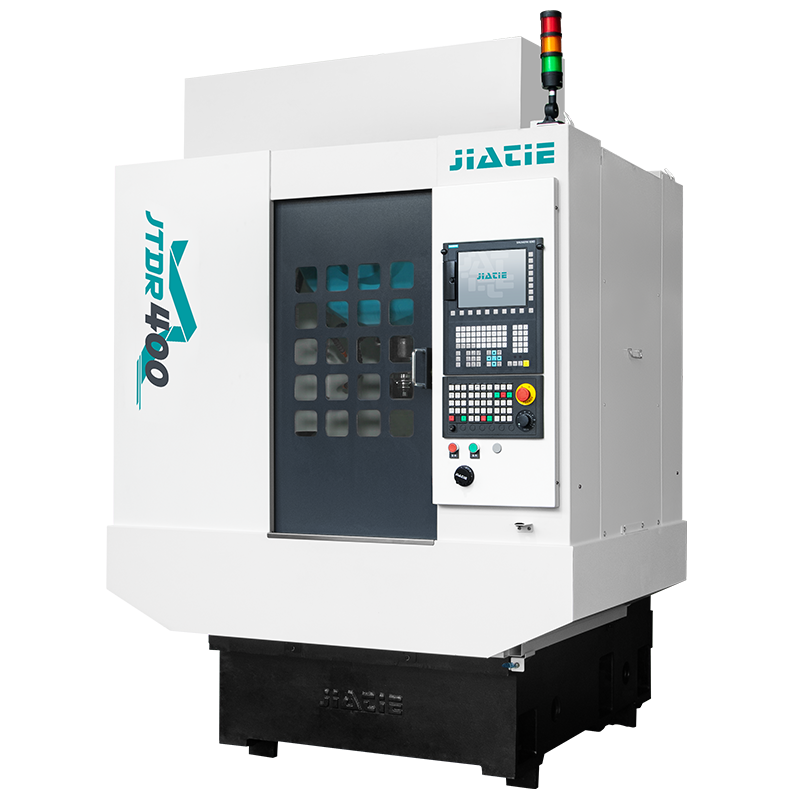
A dedicated graphite Machining Center can provide a more suitable machining environment for graphite components compared with a general-purpose machine that is not optimized for graphite processing.
The right machine configuration can help manufacturers achieve better process stability by combining machine rigidity, spindle performance, motion accuracy, and graphite dust management.
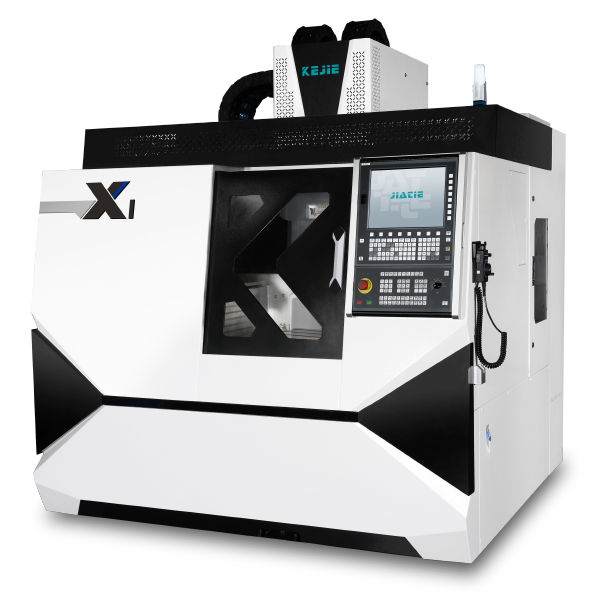
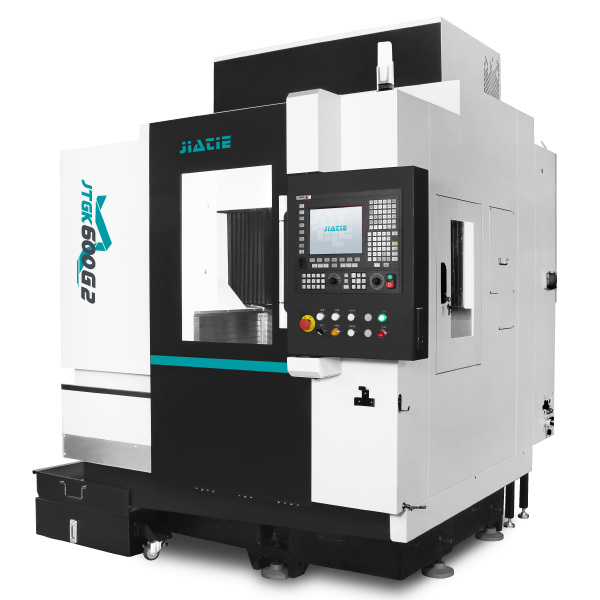
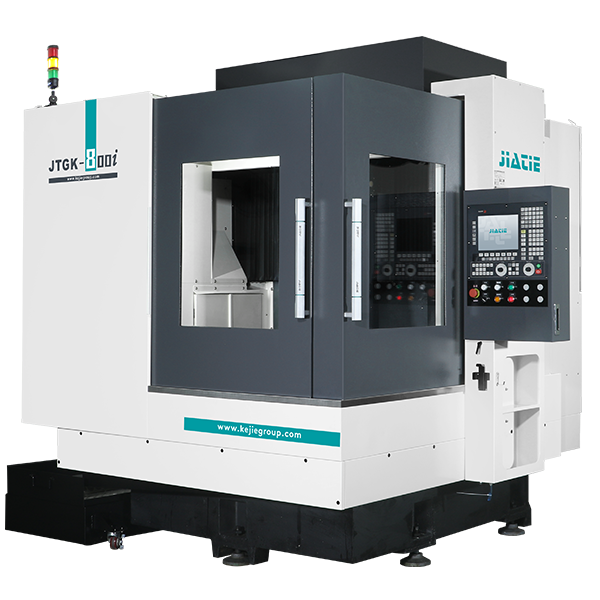
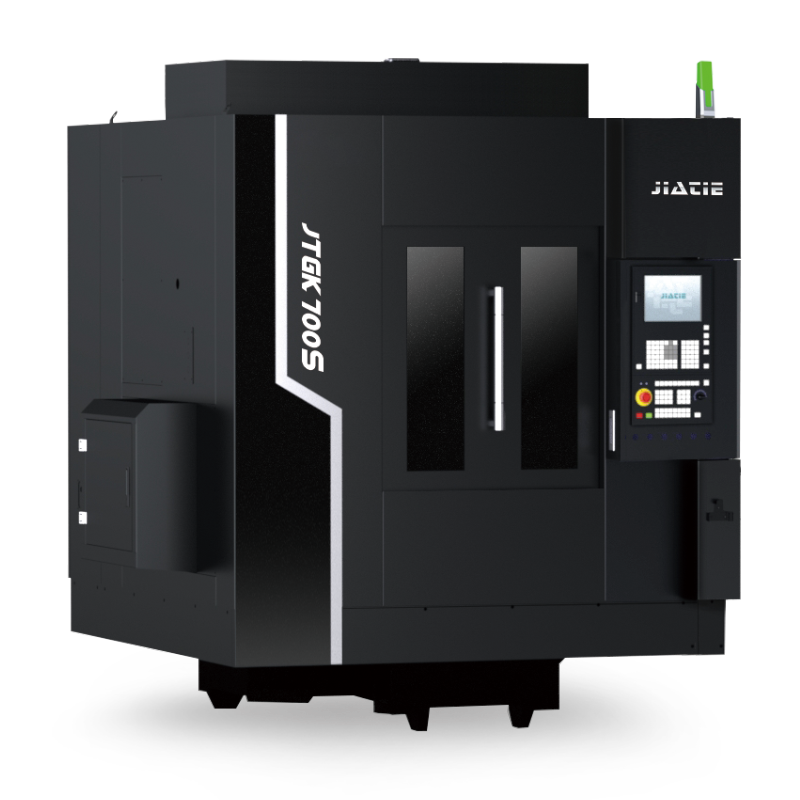
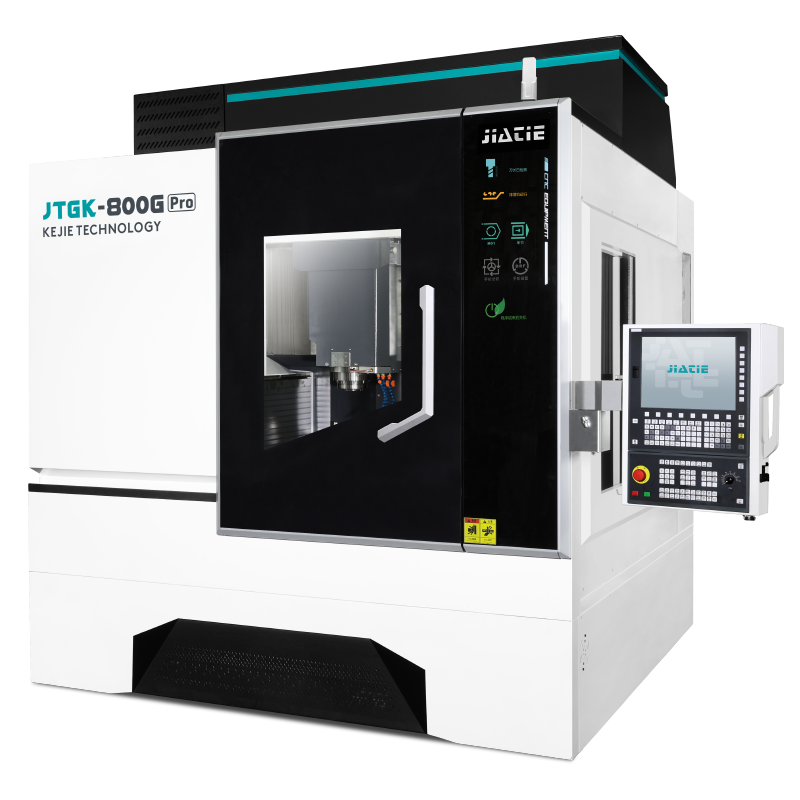
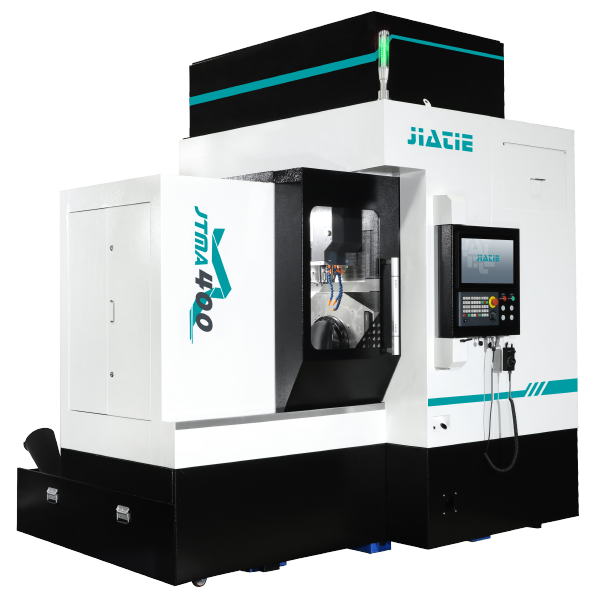
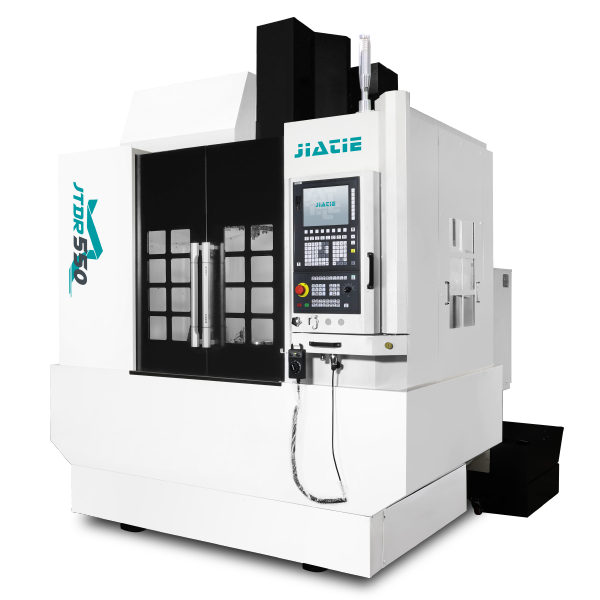
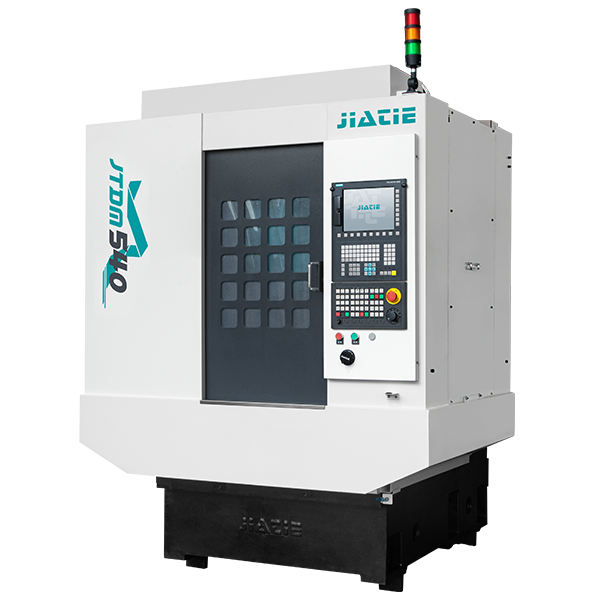
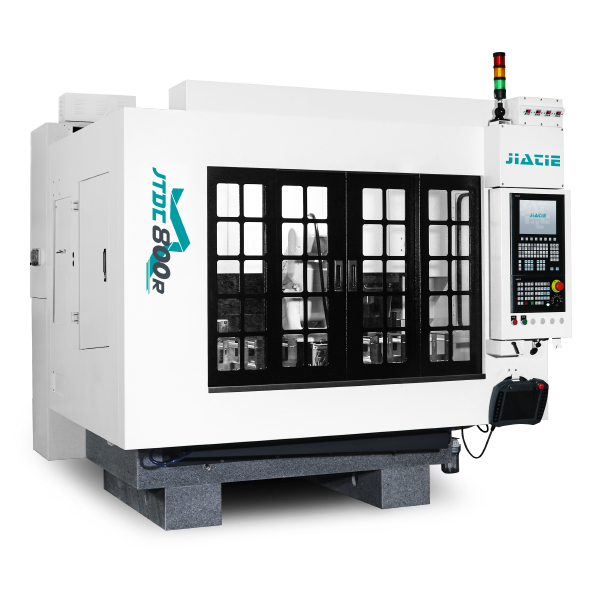
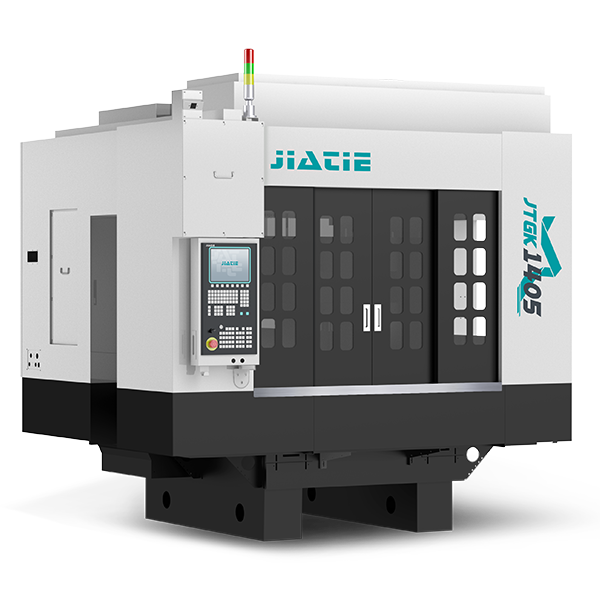
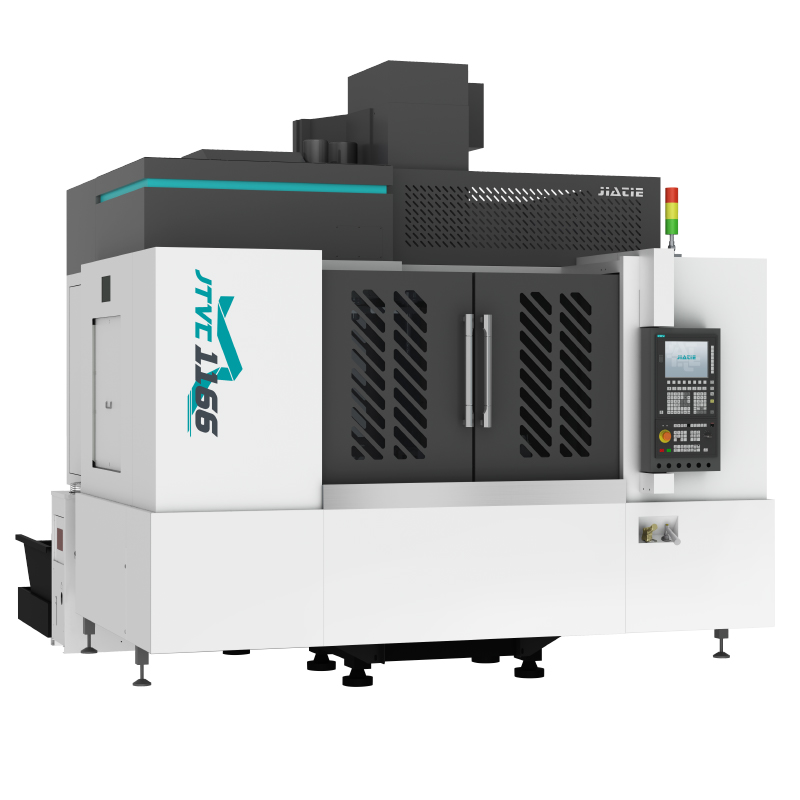
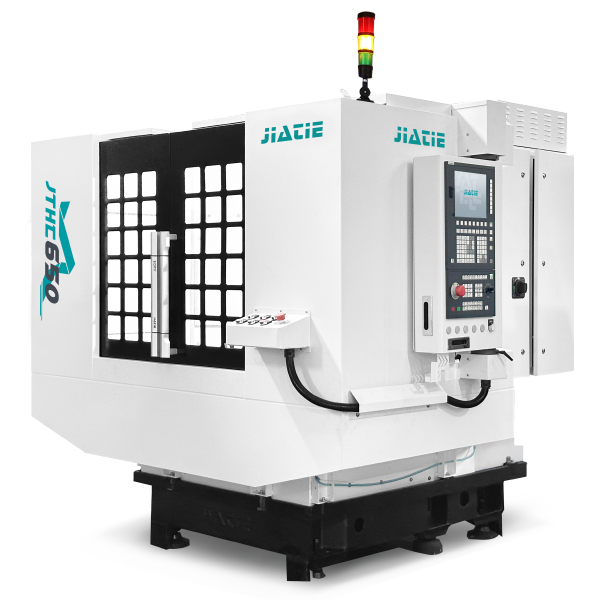
KEJIE provides a range of Graphite Machining Centers designed for graphite processing applications, including different machine sizes and configurations for precision manufacturing requirements.
When selecting a machine, manufacturers should evaluate not only basic specifications but also the specific geometry, material, production volume, and precision requirements of the graphite components being processed.
Precision Graphite Machining for Graphite Electrodes
One important application of graphite machining is graphite electrode machining. Graphite electrodes can contain complex cavities, narrow features, detailed surfaces, and other geometries that require stable and accurate machining.
For electrode manufacturing, machining precision can affect the quality of subsequent EDM processes. Therefore, maintaining consistent dimensions and detailed feature accuracy is an important part of the overall production process.
A suitable graphite machining solution can help manufacturers improve consistency when producing precision electrodes and other complex graphite components.
How to Reduce Chipping During Graphite Machining
Edge chipping is one of the issues that manufacturers may consider when machining brittle graphite materials.
Several factors can influence the risk of chipping, including machine stability, cutting tool condition, machining parameters, and workpiece geometry.
To improve process stability, manufacturers should focus on:
Maintaining stable machine performance
Selecting suitable cutting tools
Monitoring tool wear
Optimizing machining parameters
Reducing unnecessary vibration
Using suitable machining strategies for detailed features
The goal is not simply to increase machining speed, but to maintain stable and repeatable machining results throughout production.
Choosing the Right Machine for Precision Graphite Machining
The right machine for graphite machining depends on the specific application. Workpiece size, electrode complexity, required accuracy, production requirements, and machining features should all be considered.
For manufacturers processing complex graphite components, a dedicated Graphite Machining Center can provide a more targeted solution for precision machining requirements.
KEJIE Technology offers graphite machining solutions for applications involving precision molds, graphite electrodes, and other complex components. With multiple Graphite Machining Center configurations available, manufacturers can select equipment based on their specific processing requirements.
Conclusion
Improving precision in graphite machining requires more than focusing on a single machine specification. Machine rigidity, spindle performance, cutting tools, machining parameters, and dust management all contribute to overall process stability.
For manufacturers looking to improve precision graphite machining and achieve more consistent results when processing graphite electrodes or complex components, selecting the right machine configuration is an important step.
Explore KEJIE's Graphite Machining Center solutions to find suitable equipment for your graphite processing requirements.