

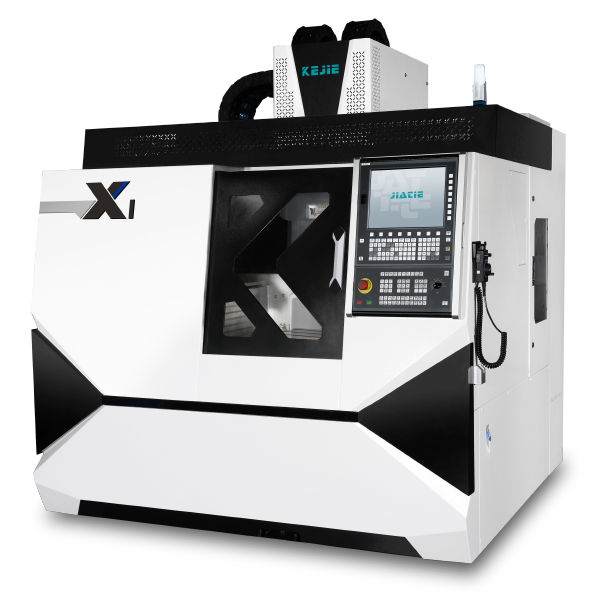
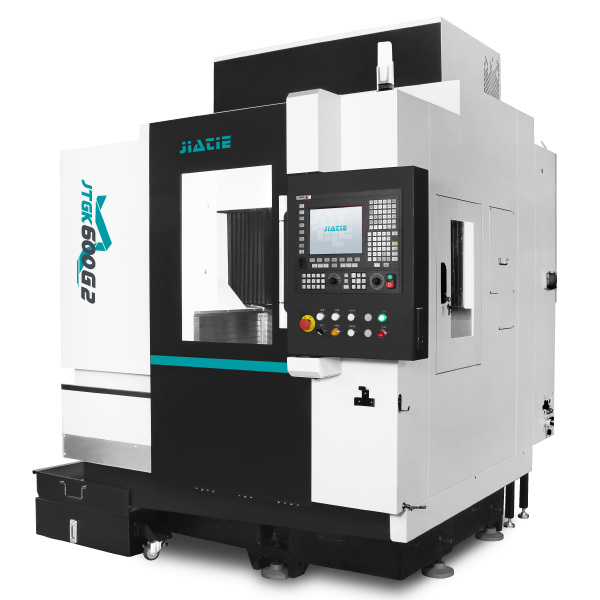
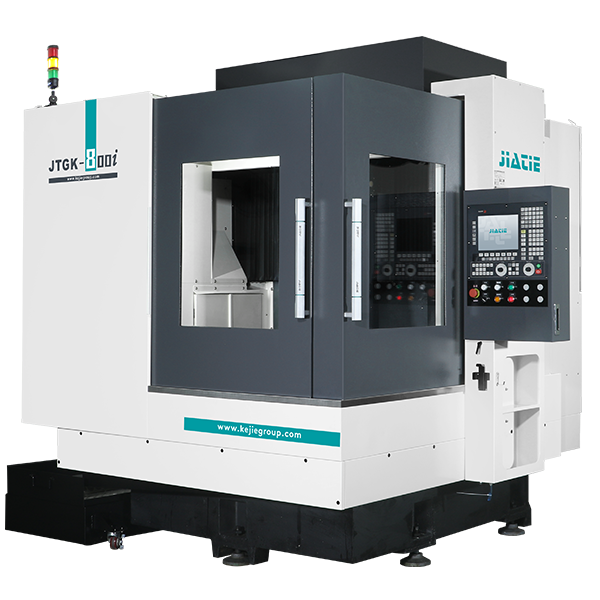
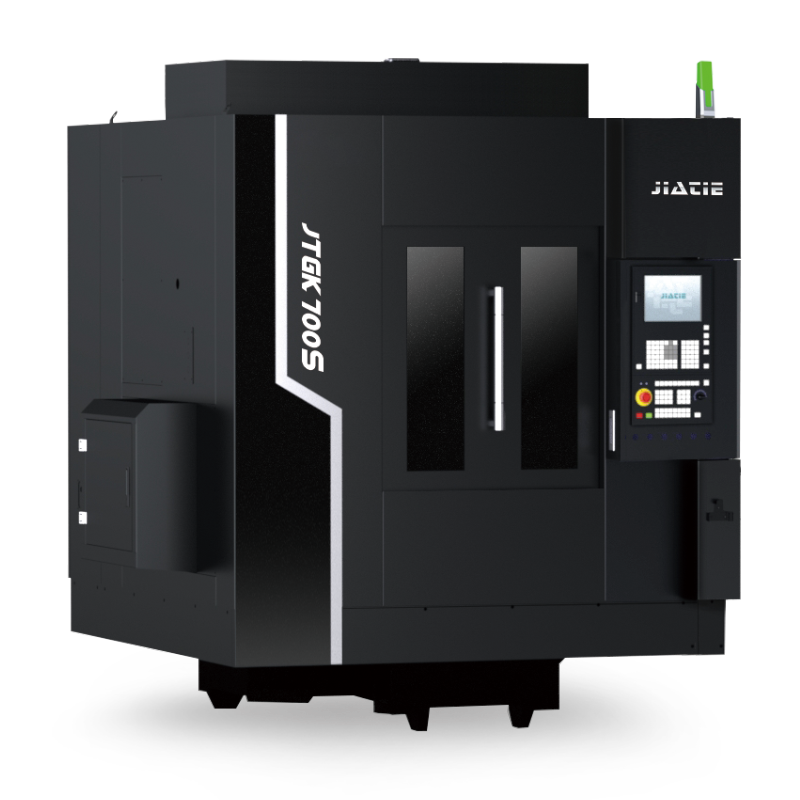
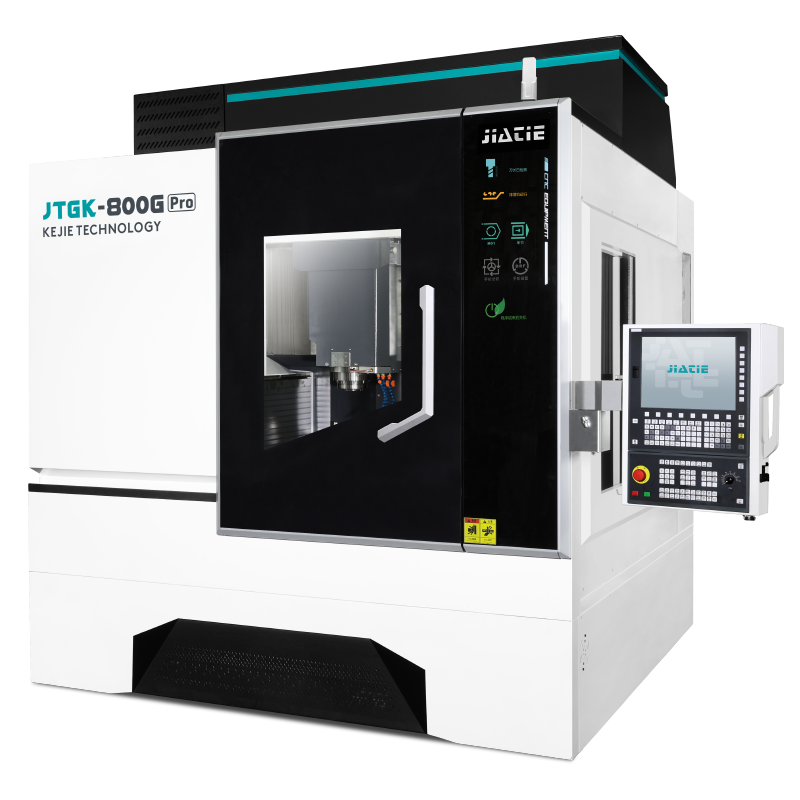
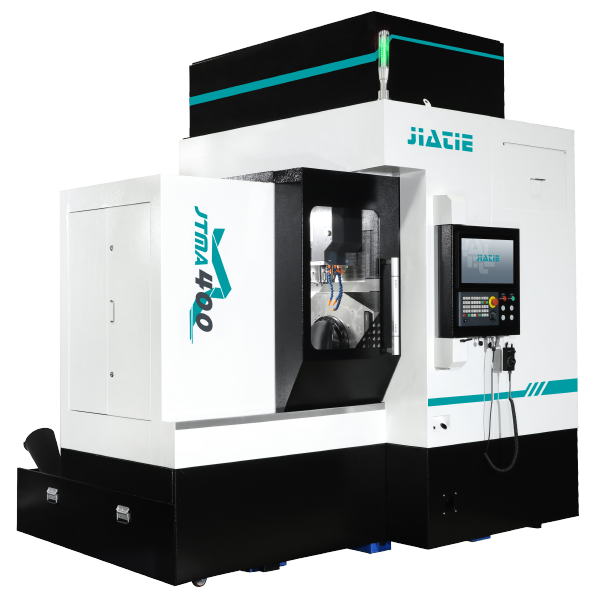
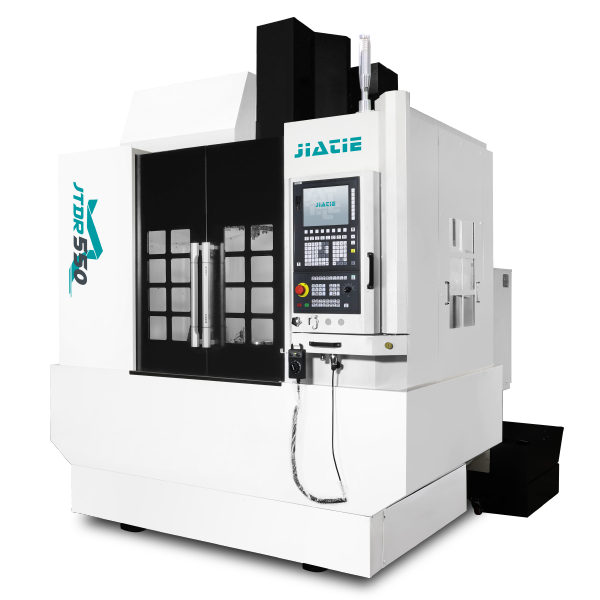
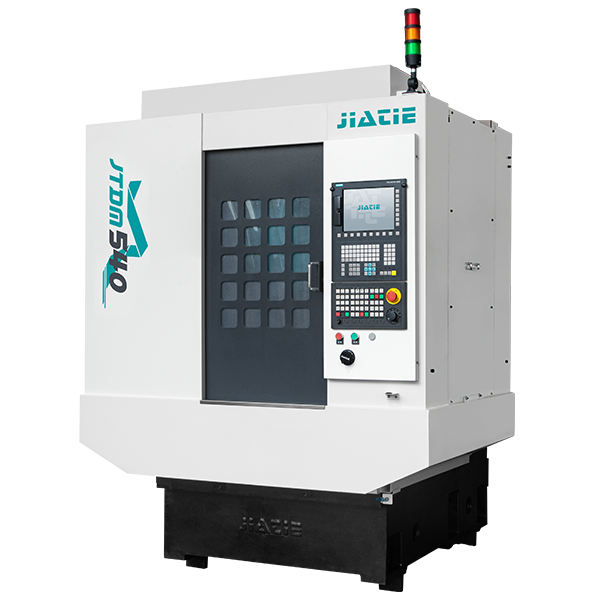
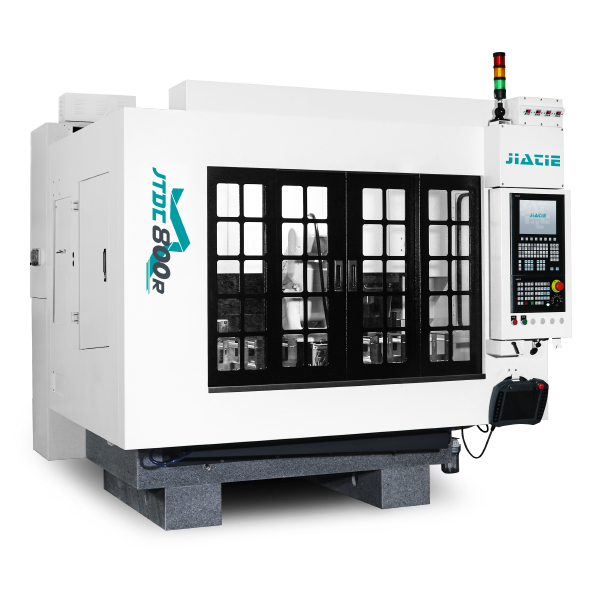
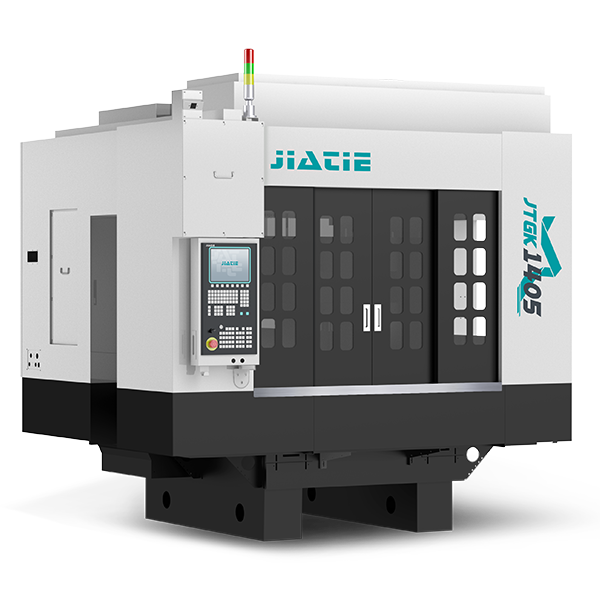
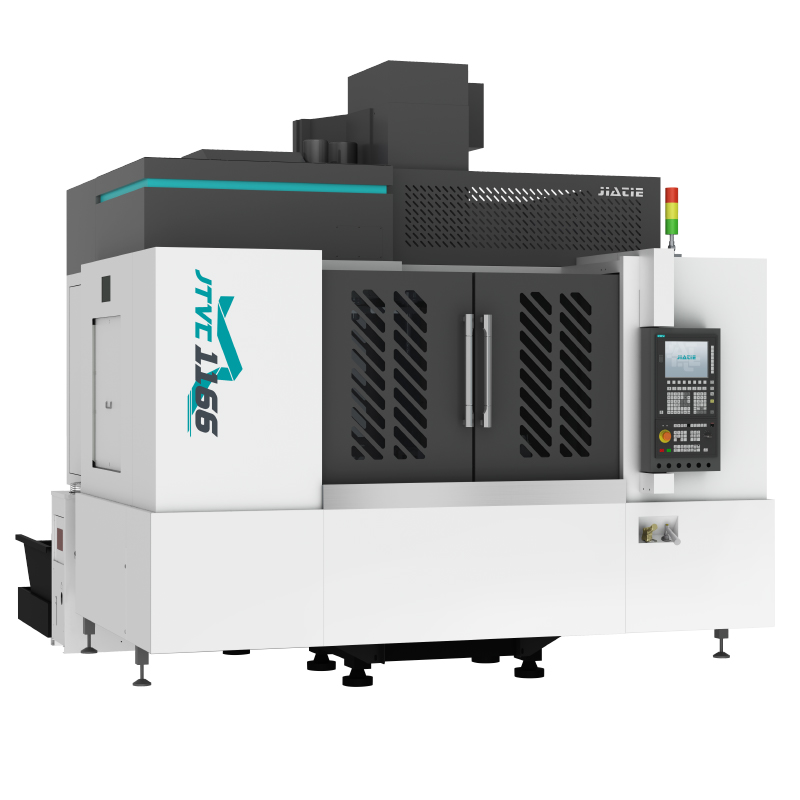
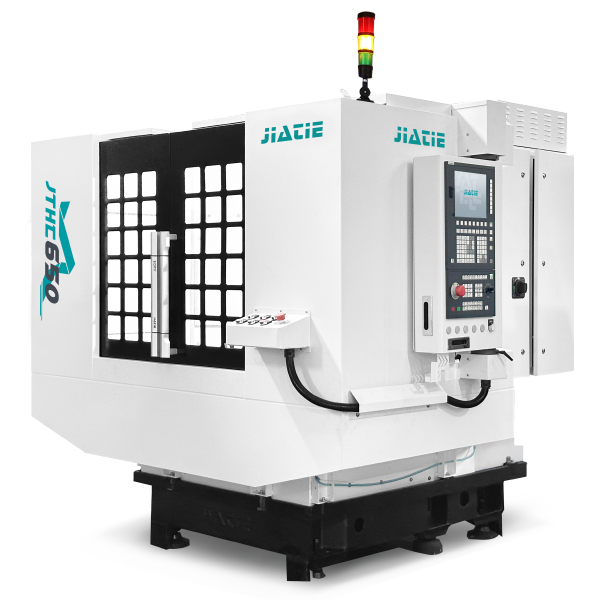
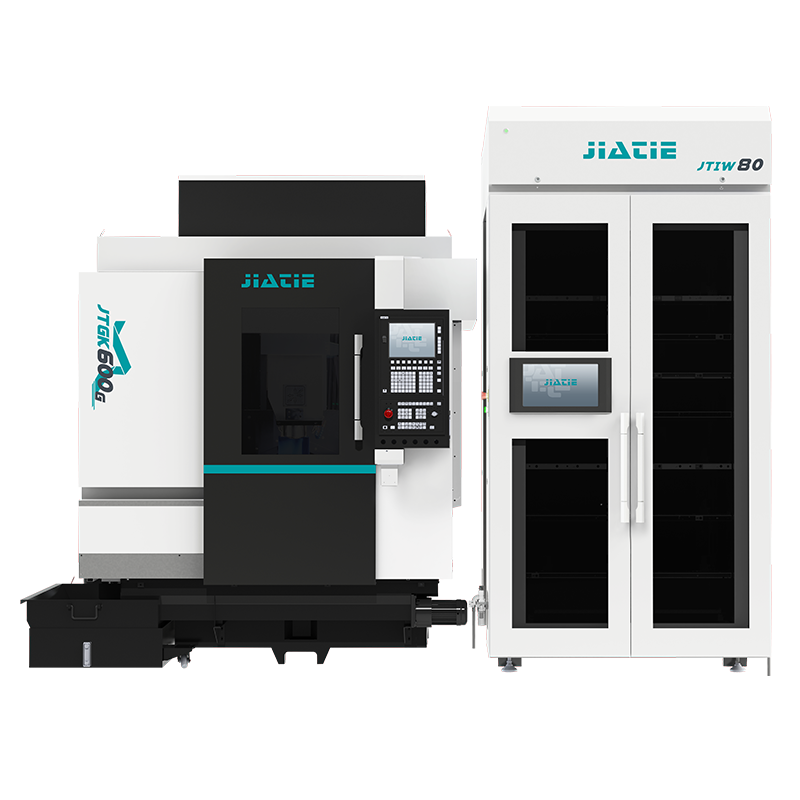
Choosing the right CNC Grinding Machine manufacturer is an important decision for manufacturers investing in precision machining equipment. The performance of a grinding machine can directly affect dimensional accuracy, surface quality, production efficiency, and long-term operating costs.
With many machine builders and suppliers available in the global market, buyers need to evaluate more than the initial equipment price. Machine configuration, grinding accuracy, application experience, Automation capability, technical support, and after-sales service should all be considered before making a purchasing decision.
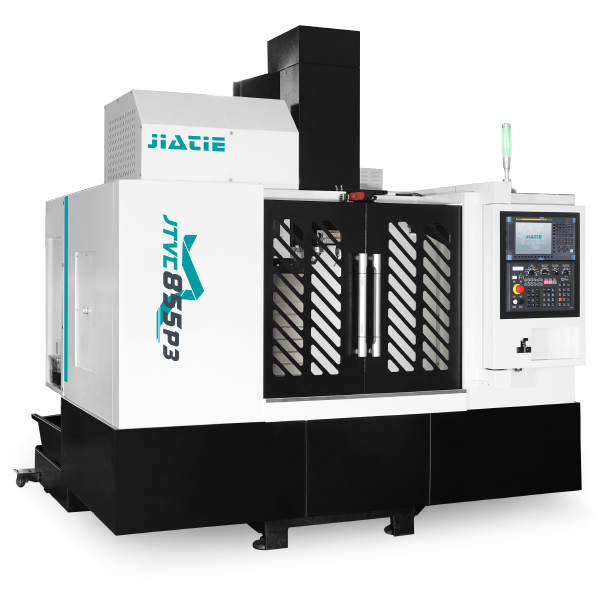
Understand Your Grinding Requirements First
Before contacting a CNC Grinding Machine manufacturer, manufacturers should clearly define their machining requirements. The right equipment depends heavily on the type of workpieces being processed and the required production performance.
Important factors include:
Workpiece material
Workpiece dimensions
Required dimensional tolerance
Required surface finish
Grinding method
Production volume
Level of automation
Expected machine operating time
For example, a manufacturer producing precision shafts may require a cylindrical grinding configuration, while a company processing flat precision components may need a CNC surface grinding solution.
Check the Manufacturer's Machine Capabilities
A reliable cnc grinding machine manufacturer should be able to provide equipment suitable for different industrial applications. Buyers should review the machine's working range, spindle specifications, positioning accuracy, repeatability, grinding wheel configuration, control system, and available automation options.
It is also useful to determine whether the manufacturer has experience producing machines for applications similar to your own. A machine designed around a proven application can reduce the time required for process development and commissioning.
Evaluate Precision and Machine Stability
Precision is one of the most important factors when selecting a CNC grinding machine. Grinding operations are often used as a finishing process, meaning that small errors in machine positioning, spindle rotation, or workholding can affect the final component.
When evaluating a precision CNC grinding machine, buyers should pay attention to:
Positioning accuracy
Repeatability
Spindle runout
Machine rigidity
Thermal stability
Vibration control
Workholding accuracy
Manufacturers should also ask for relevant machine inspection data or sample machining results where appropriate.
Compare Different CNC Grinding Configurations
Not every grinding machine is designed for the same application. Buyers should select the machine configuration based on workpiece geometry and production requirements.
CNC Cylindrical Grinding Machine
CNC cylindrical grinding machines are suitable for round components such as shafts, pins, rollers, and other cylindrical parts. They are commonly used when accurate diameter control and good surface finish are required.
CNC Surface Grinding Machine
CNC surface grinding machines are designed primarily for precision flat surfaces. They are commonly used for molds, dies, plates, machine components, and other parts requiring controlled flatness and surface finish.
CNC Centerless Grinding Machine
CNC centerless grinding machines are particularly suitable for high-volume production of cylindrical components. Because the workpiece does not need to be held between centers, the process can provide efficient and continuous production for suitable applications.
Consider Automation and Production Efficiency
For manufacturers with high production volumes, automation can be an important factor when selecting a CNC grinding machine. Automatic loading and unloading, workpiece measurement, tool compensation, dressing systems, and process monitoring can reduce manual intervention and improve production consistency.
However, automation should be selected according to actual production requirements. A highly automated machine may not always be the most economical solution for low-volume or frequently changing production.
A good manufacturer should be able to recommend an appropriate level of automation based on production volume, workpiece characteristics, and investment budget.
Ask About Customization Options
Standard machines may not always meet the requirements of specialized components. A capable cnc grinding machine supplier should be able to discuss customized configurations when necessary.
Customization may include:
Special workholding systems
Different spindle configurations
Automatic loading systems
Custom grinding wheel arrangements
Automatic measurement systems
Special coolant and filtration systems
Customized Machine control functions
Before purchasing, buyers should provide detailed drawings, tolerances, materials, production quantities, and machining requirements. This allows the supplier to determine whether the proposed machine is suitable for the application.
Evaluate the Manufacturer's Technical Support
The relationship with a machine manufacturer does not end when the equipment is delivered. Installation, commissioning, operator training, troubleshooting, spare parts, and maintenance support can all influence the long-term value of the machine.
When comparing CNC grinding machine manufacturers, buyers should ask about:
Installation and commissioning services
Operator training
Technical documentation
Spare parts availability
Remote technical support
Maintenance guidance
Warranty coverage
A supplier with responsive technical support can help reduce downtime when equipment problems occur.
Do Not Choose a Machine Based Only on Price
Initial purchase price is an important consideration, but it should not be the only factor in a CNC grinding machine investment. A lower-cost machine may have higher operating costs, limited automation, shorter component life, or weaker technical support.
Instead, buyers should consider the total cost of ownership, including energy consumption, consumables, maintenance, replacement parts, labor requirements, downtime, and expected machine service life.
A machine that provides stable accuracy and reliable production over many years may offer greater value than a cheaper machine with inconsistent performance.
Request a Sample Grinding Test
For important equipment purchases, a sample machining test can provide valuable information before the final decision is made. Buyers can provide representative workpieces or drawings and ask the manufacturer to demonstrate the grinding process.
The test can help evaluate dimensional accuracy, surface finish, cycle time, grinding stability, and overall process suitability.
For manufacturers purchasing a cnc grinding machine for sale, this step can provide a more practical comparison between different equipment suppliers than specifications alone.
Conclusion
Selecting the right CNC grinding equipment requires a comprehensive evaluation of machine performance, application requirements, precision, automation, customization, technical support, and total operating costs.
A reliable cnc grinding machine manufacturer should not simply sell a machine. The manufacturer should understand the customer's machining requirements and provide an appropriate grinding solution for the specific application.
By clearly defining production requirements, comparing machine configurations, evaluating precision and stability, and testing the equipment when possible, manufacturers can make a more informed investment and build a reliable foundation for long-term precision machining.