

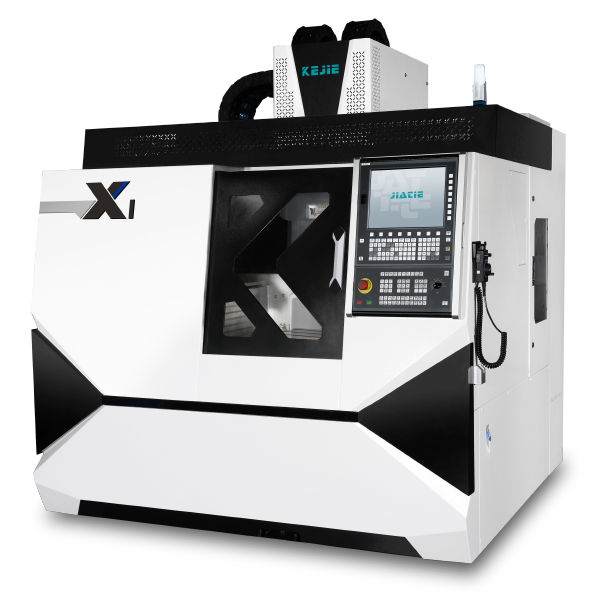
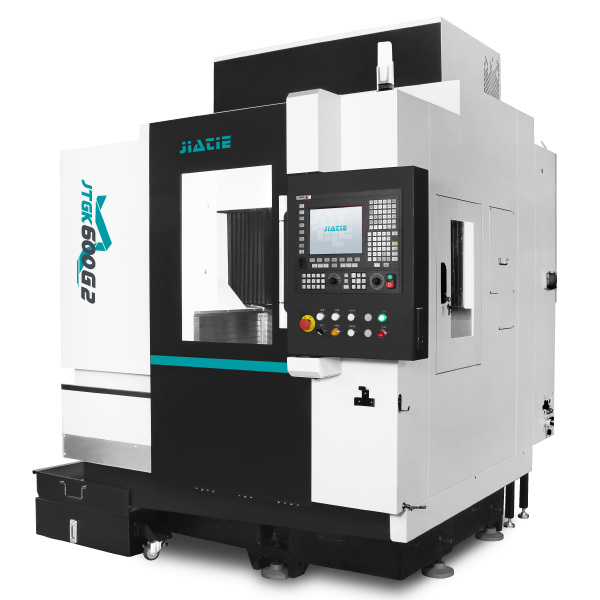
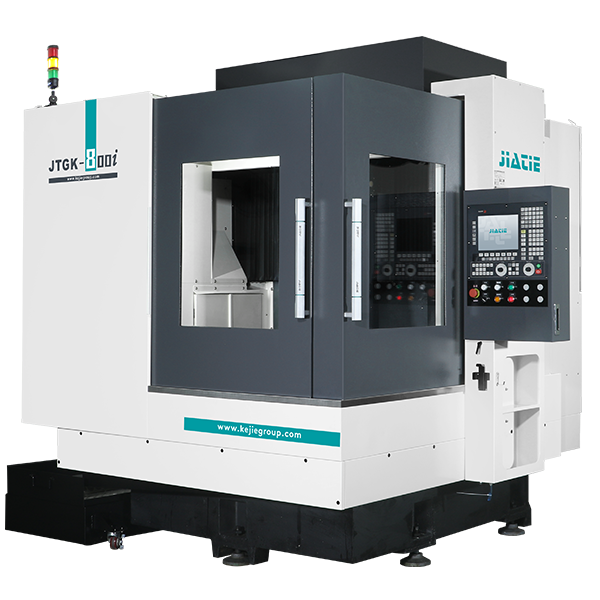
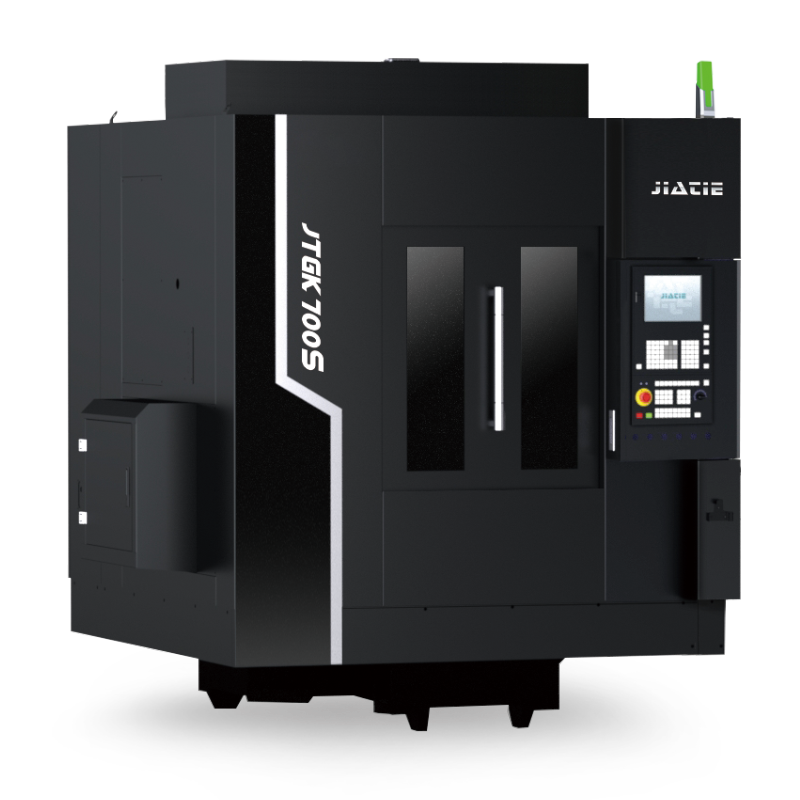
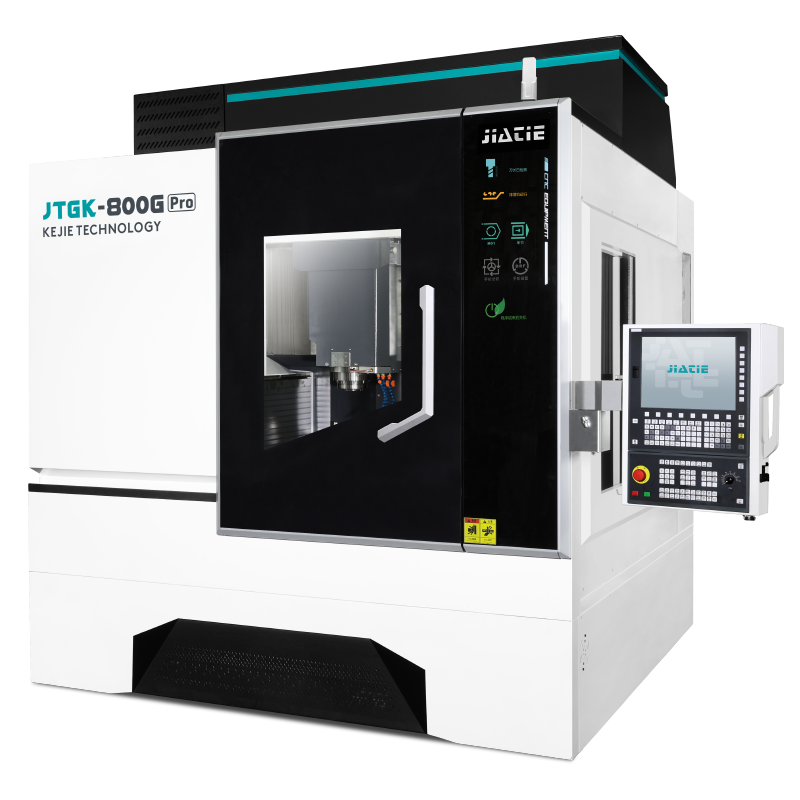
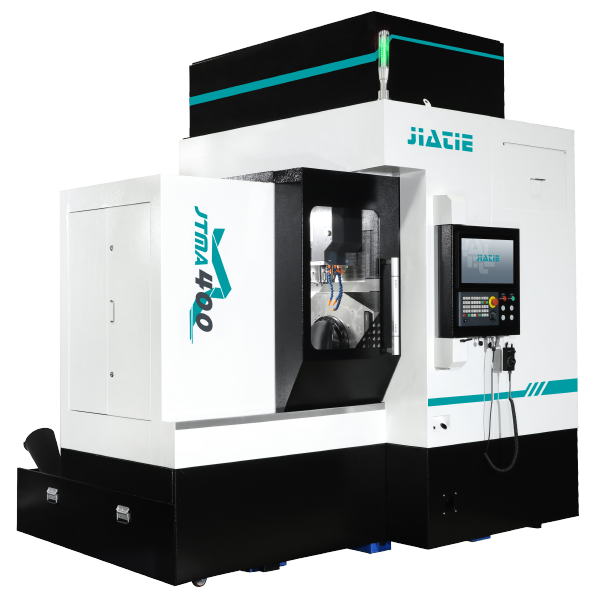
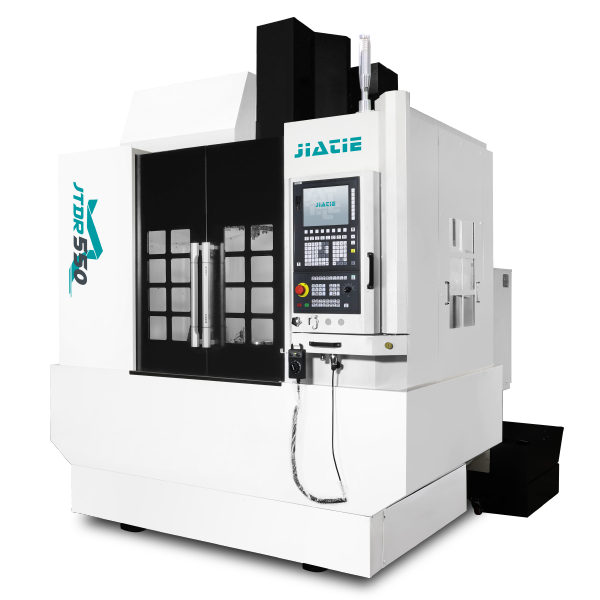
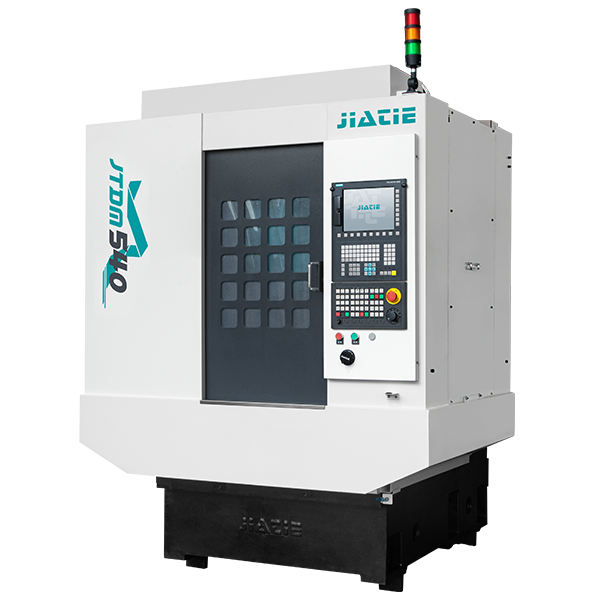
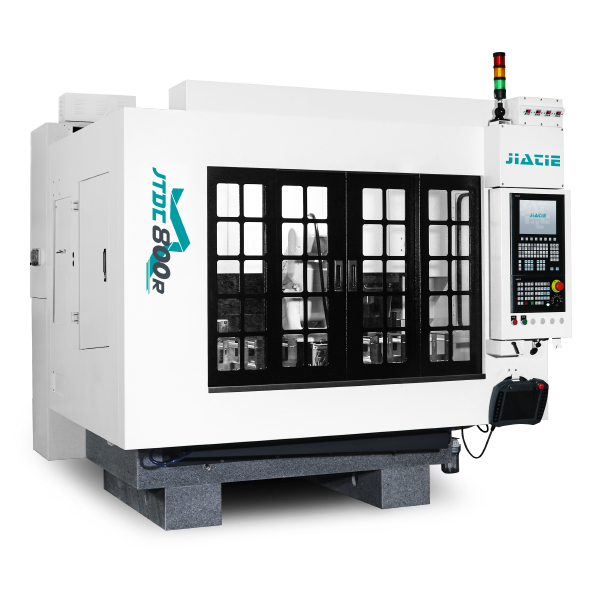
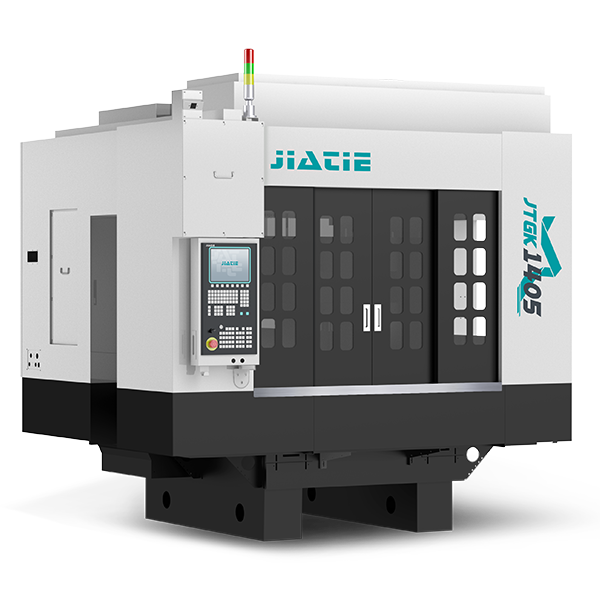
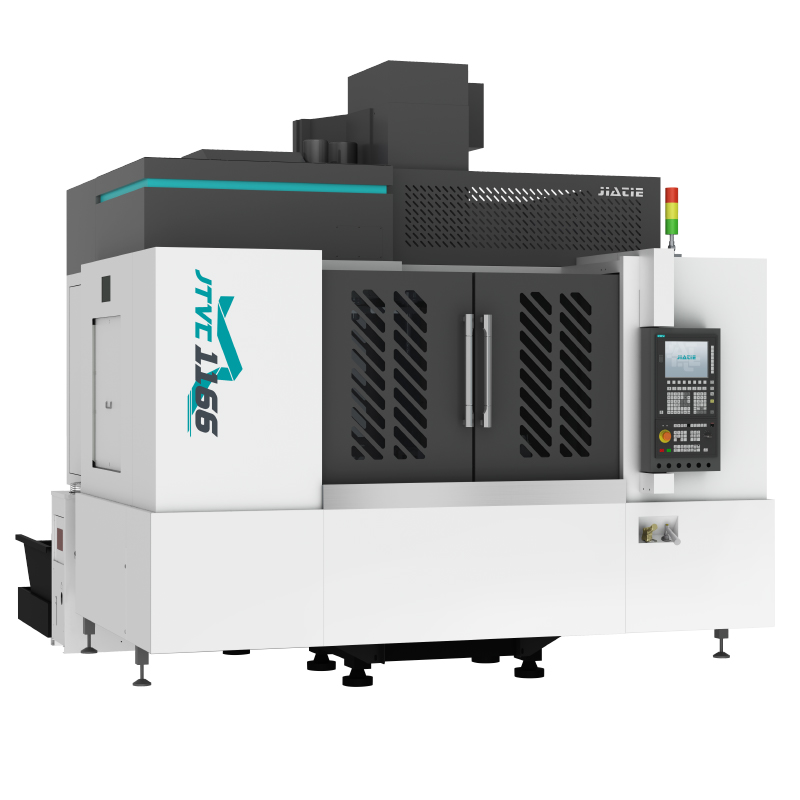
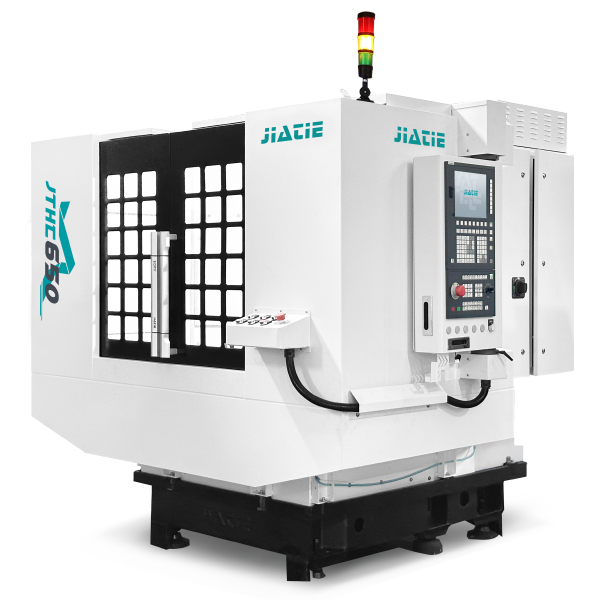
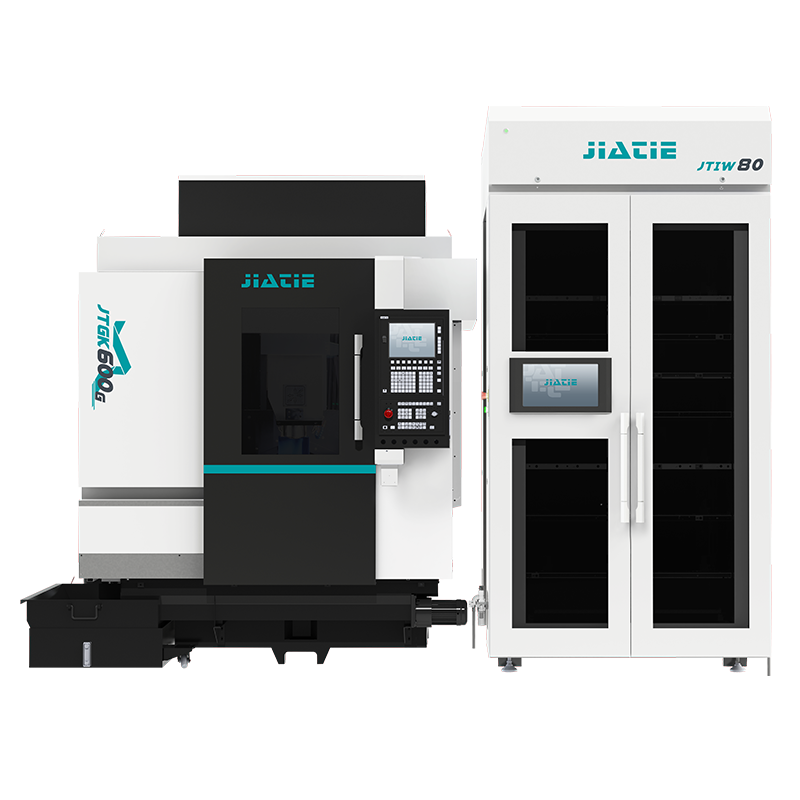
A CNC Grinding Machine is designed to deliver high dimensional accuracy, consistent surface finishes, and reliable production performance. However, even a high-quality machine can lose accuracy or efficiency when regular maintenance is neglected. Proper maintenance is essential for manufacturers that depend on stable precision CNC grinding processes.
From grinding wheels and coolant systems to machine guides, spindles, lubrication systems, and other CNC Grinding Machine parts, every component can affect machining accuracy and productivity. A structured maintenance routine can help identify potential problems before they result in unexpected downtime or defective parts.
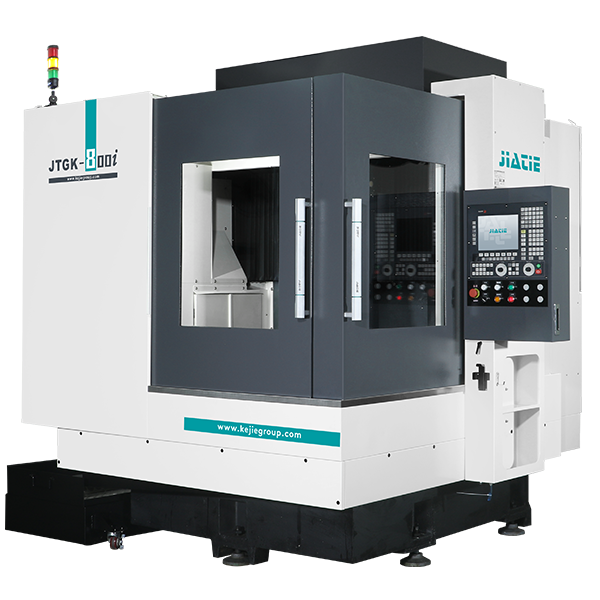
Why CNC Grinding Machine Maintenance Matters
Grinding is a precision machining process. Small changes in machine condition can affect dimensional accuracy, surface finish, roundness, and repeatability.
Regular maintenance helps manufacturers:
Maintain consistent grinding accuracy
Reduce unexpected machine downtime
Extend the service life of critical components
Improve grinding wheel performance
Maintain stable surface quality
Reduce the risk of costly repairs
For production environments, preventive maintenance is generally more effective than waiting until a machine develops a serious mechanical or accuracy problem.
1. Inspect the Grinding Wheel Regularly
The grinding wheel is one of the most important working components of a CNC Grinding Machine. Its condition directly affects material removal, surface finish, heat generation, and dimensional accuracy.
Operators should regularly check the grinding wheel for abnormal wear, cracks, loading, glazing, or other visible damage. The wheel should also be dressed according to the requirements of the machining process.
A properly maintained wheel can provide more stable cutting performance and help prevent unnecessary heat generation during grinding.
2. Maintain the Machine Spindle
The spindle is critical to grinding accuracy because the grinding wheel must rotate smoothly and consistently. Excessive vibration, unusual noise, or abnormal temperature can indicate a potential spindle problem.
Regular inspection should include checking spindle operation, lubrication condition, bearing performance, and vibration levels. If unusual vibration appears during grinding, the cause should be investigated before continuing high-precision production.
Stable spindle performance is especially important when manufacturers are performing precision CNC grinding with tight dimensional tolerances.
3. Check Lubrication Systems
Proper lubrication helps reduce friction and wear on moving machine components. CNC grinding equipment may contain guideways, bearings, ball screws, and other moving mechanisms that require appropriate lubrication.
Manufacturers should follow the machine manufacturer's recommended lubrication intervals and use the specified lubricant. Insufficient or contaminated lubricant can accelerate component wear and negatively affect machine movement accuracy.
4. Keep Coolant Clean and Properly Maintained
Coolant plays an important role in grinding by controlling heat and helping remove grinding debris from the machining area. Poor coolant management can contribute to overheating, wheel loading, surface defects, and premature component wear.
Regular coolant maintenance should include:
Checking coolant concentration
Removing grinding debris
Inspecting filtration systems
Checking coolant flow
Monitoring coolant contamination
Replacing coolant when necessary
A clean and properly controlled coolant system can contribute to more stable grinding conditions and improved surface quality.
5. Clean Machine Guides and Moving Components
Grinding produces fine abrasive particles that can accumulate around machine guides, covers, workholding systems, and other areas. If these particles are not removed regularly, they can interfere with machine movement and accelerate wear.
Operators should clean the machine according to the equipment manufacturer's maintenance instructions. Particular attention should be given to guideways, protective covers, workholding areas, and locations where grinding dust and coolant residue may accumulate.
6. Inspect CNC Grinding Machine Parts
Regular inspection of cnc grinding machine parts can help identify wear before it affects production accuracy. Components such as bearings, seals, guideways, ball screws, workholding devices, sensors, and coolant-system components should be checked at appropriate intervals.
Wear does not always result in an immediate machine failure. In many cases, gradual component deterioration first appears as increased dimensional variation, surface defects, vibration, or longer machining cycles.
Monitoring these changes can help maintenance teams schedule replacement or adjustment before a major breakdown occurs.
7. Check Machine Accuracy Periodically
Visual inspection alone is not enough for a precision grinding machine. Manufacturers should periodically verify machine accuracy using appropriate measurement equipment and inspection procedures.
Depending on the machine and application, inspections may include dimensional accuracy, repeatability, spindle runout, workpiece roundness, surface finish, and positioning accuracy.
Regular accuracy checks are particularly important when producing components with tight tolerances. If accuracy gradually decreases, the machine can be adjusted or serviced before large quantities of nonconforming parts are produced.
8. Monitor Grinding Performance
Changes in grinding performance can provide early indications of machine or process problems. Operators should pay attention to unusual vibration, increased grinding forces, excessive heat, inconsistent surface finishes, abnormal wheel wear, or changes in cycle time.
Keeping basic production and maintenance records can make these changes easier to identify. Comparing current performance with previous production data can help maintenance teams determine whether a problem is developing gradually or appearing suddenly.
Recommended CNC Grinding Machine Maintenance Routine
A practical maintenance program can be divided into daily, weekly, and periodic inspections.
Daily Maintenance
Clean the working area
Check coolant condition and flow
Inspect the grinding wheel
Check for abnormal vibration or noise
Check lubrication levels
Weekly Maintenance
Inspect machine guides and protective covers
Check coolant filtration
Inspect workholding components
Check visible signs of component wear
Review machine alarms and operating records
Periodic Maintenance
Verify machine positioning accuracy
Inspect spindle performance
Check bearings and ball screws
Inspect lubrication systems
Evaluate grinding wheel and dressing performance
Replace worn components when required
How Proper Maintenance Improves Precision CNC Grinding
Precision grinding depends on the stability of the entire machining system. A grinding wheel may be correctly selected, but poor spindle condition, contaminated coolant, worn machine guides, or inaccurate positioning can still affect the final component.
This is why maintenance should be treated as part of the overall grinding process rather than as a separate activity. Keeping the machine clean, accurately calibrated, properly lubricated, and mechanically stable provides a stronger foundation for consistent production.
Conclusion
Regular maintenance is essential for keeping a CNC grinding machine accurate, efficient, and reliable. Grinding wheel inspection, spindle maintenance, coolant management, lubrication, machine cleaning, component inspection, and periodic accuracy checks should all be included in a preventive maintenance program.
For manufacturers relying on precision grinding, a proactive maintenance strategy can reduce unexpected downtime while helping maintain consistent dimensional accuracy and surface quality. By monitoring both machine condition and grinding performance, production teams can extend equipment service life and maintain stable machining results over the long term.