

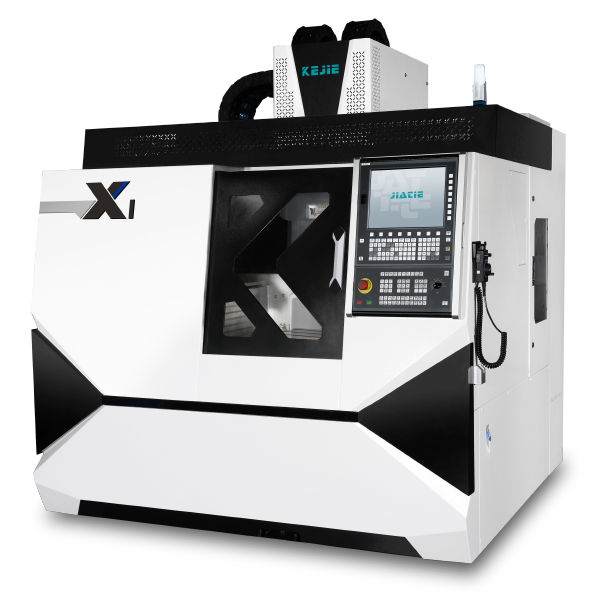
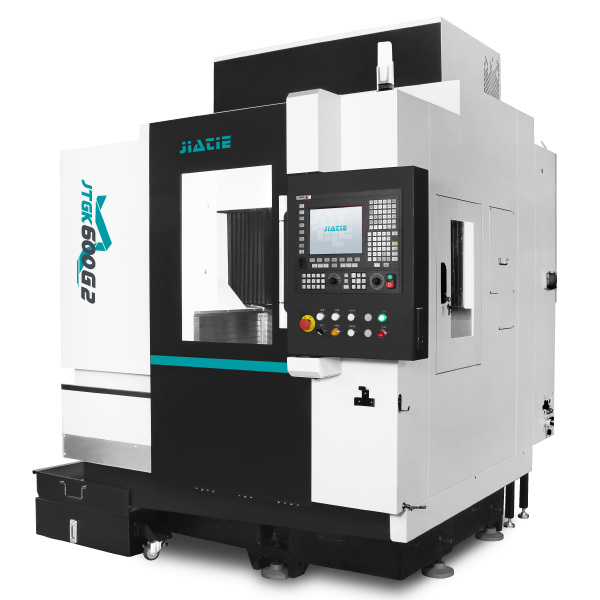
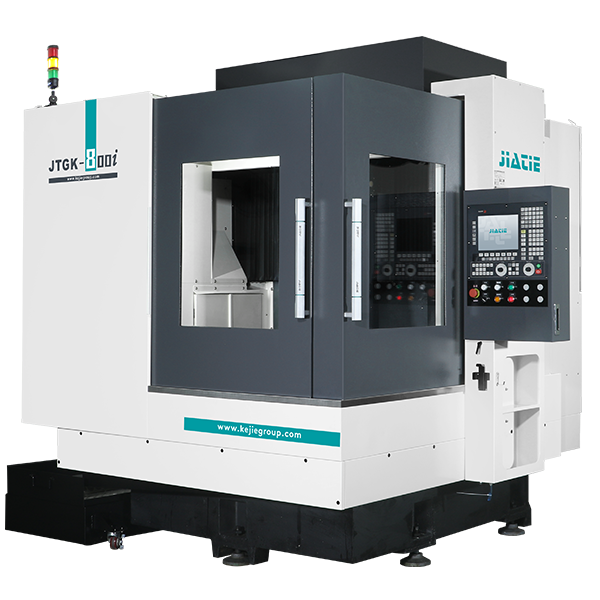
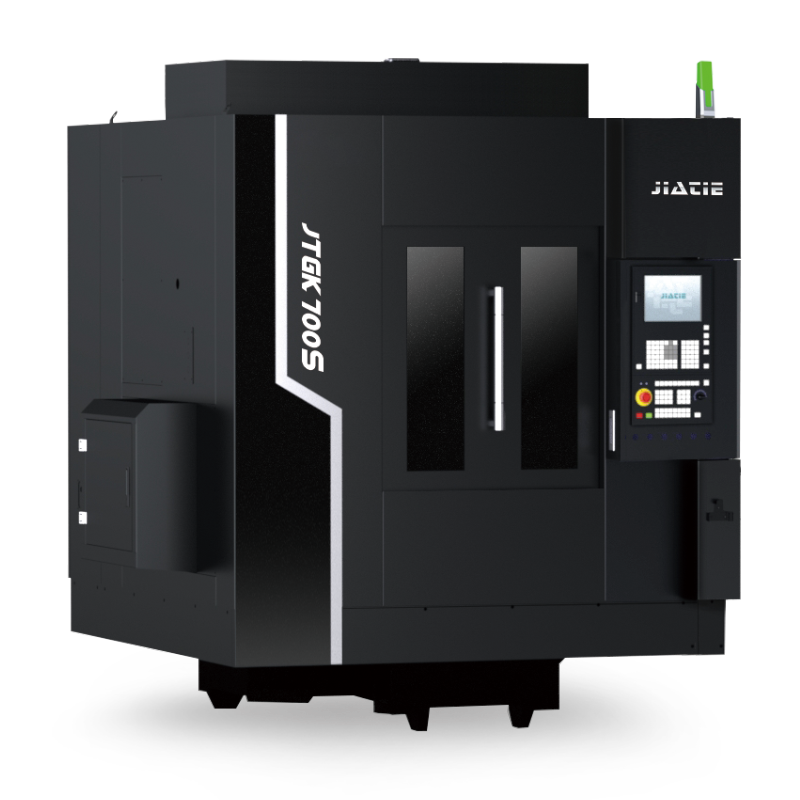
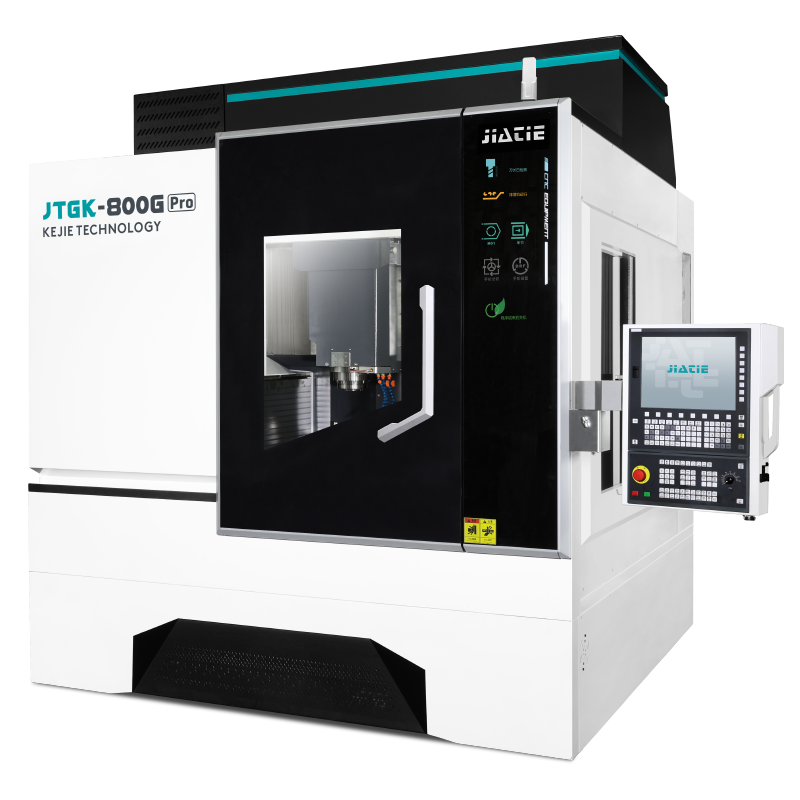
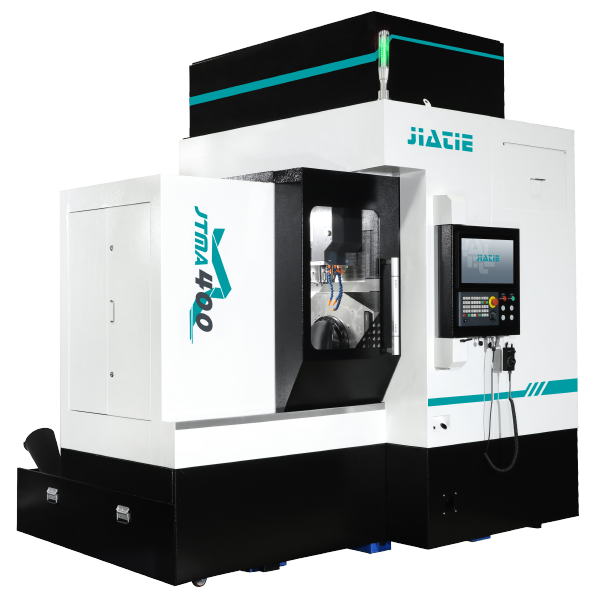
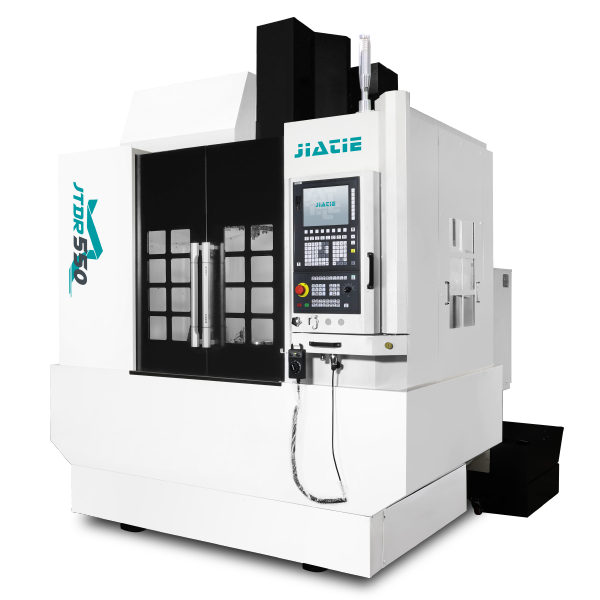
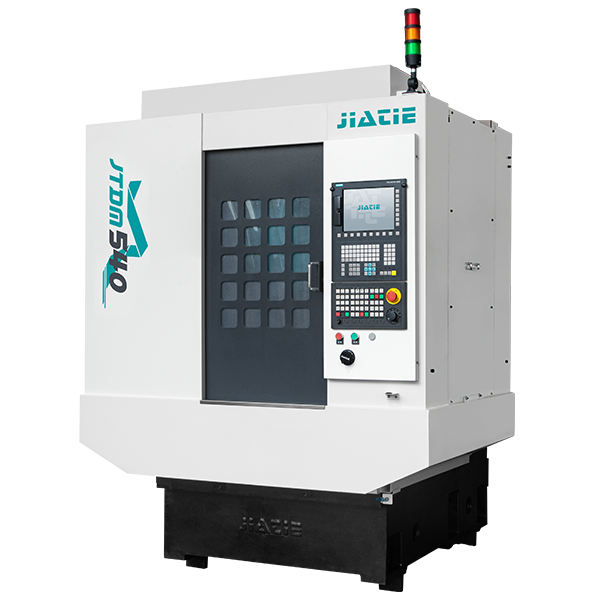
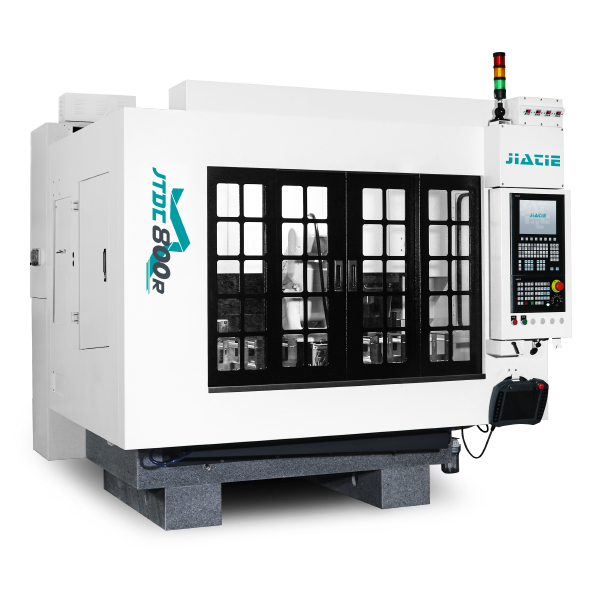
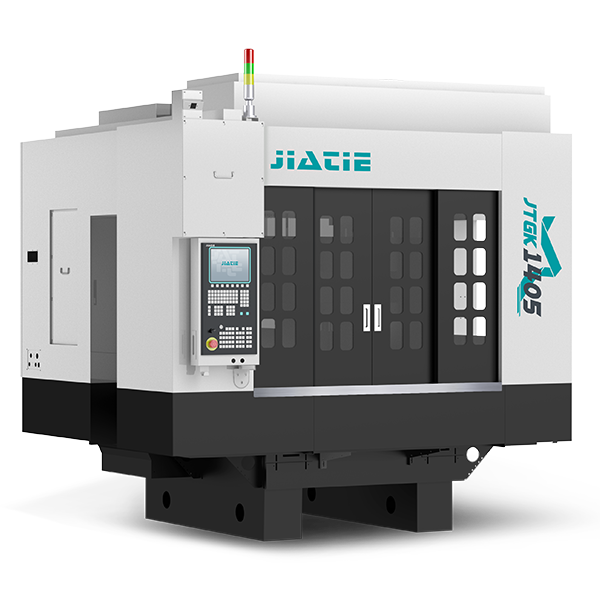
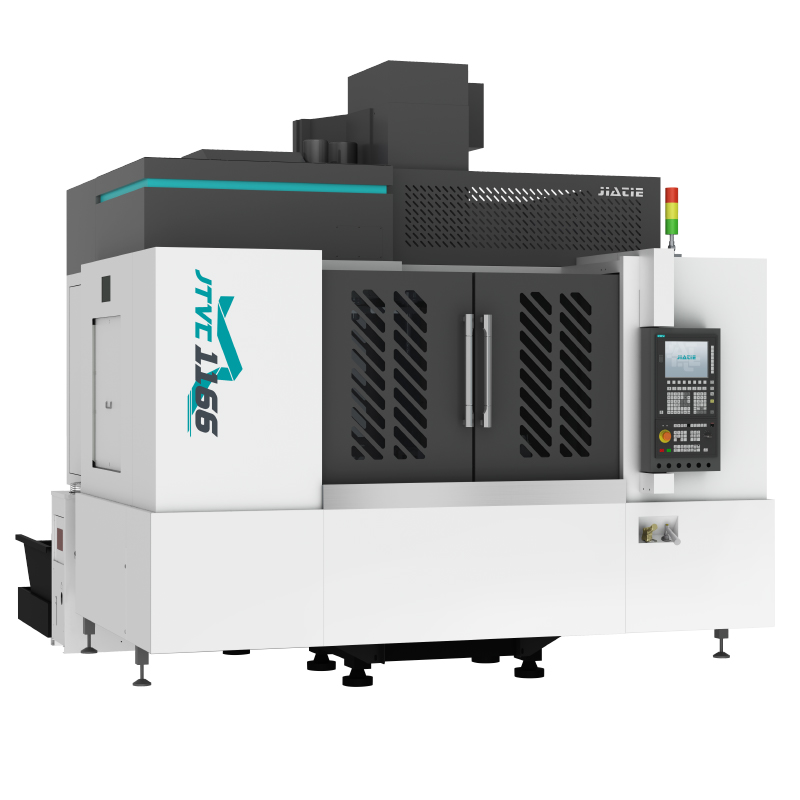
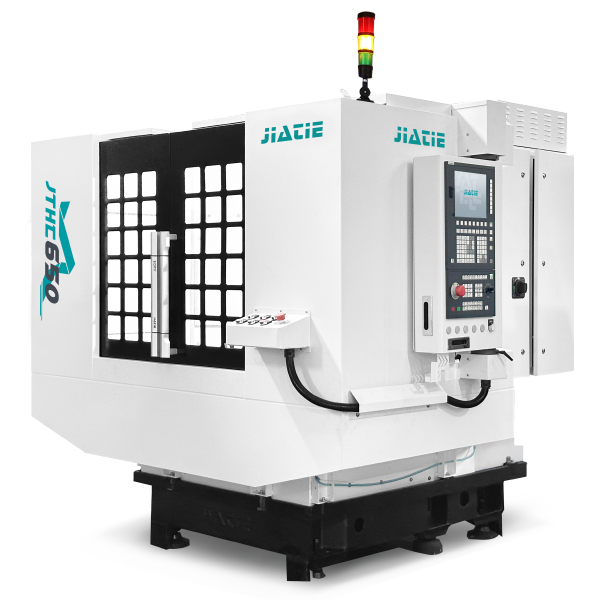
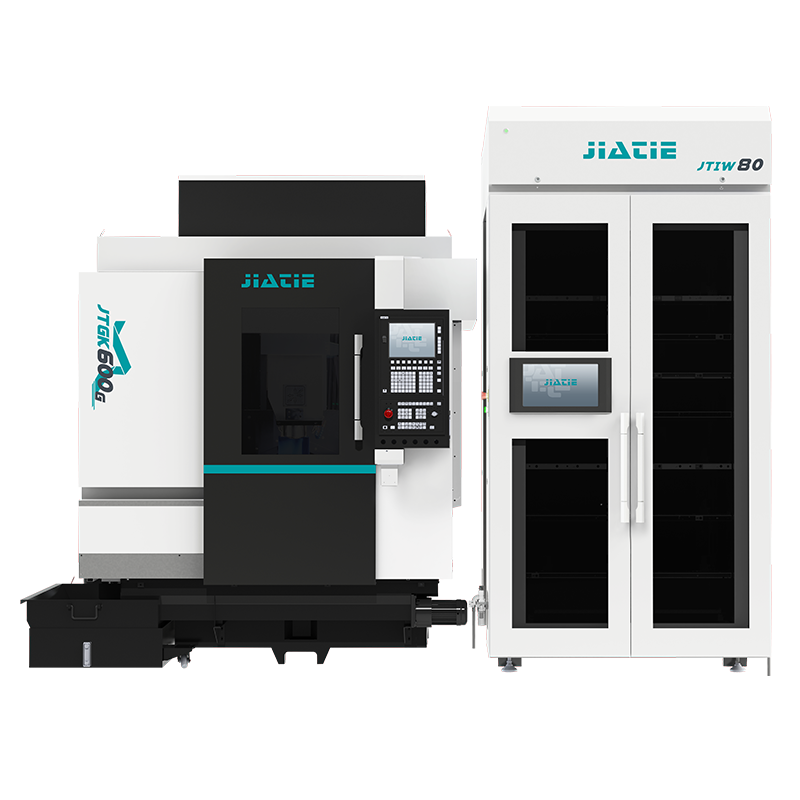
CNC grinding has become an important machining process for manufacturers that require high dimensional accuracy, consistent surface quality, and repeatable production. By combining computer-controlled movement with precision grinding technology, a CNC Grinding Machine can process a wide range of components used in automotive, aerospace, tooling, medical, and general industrial applications.
However, CNC grinding is not a single machining method. Different grinding processes are designed for different workpiece geometries and production requirements. Understanding the applications of each method helps manufacturers select the appropriate equipment and achieve the required level of precision.
What Is CNC Grinding?
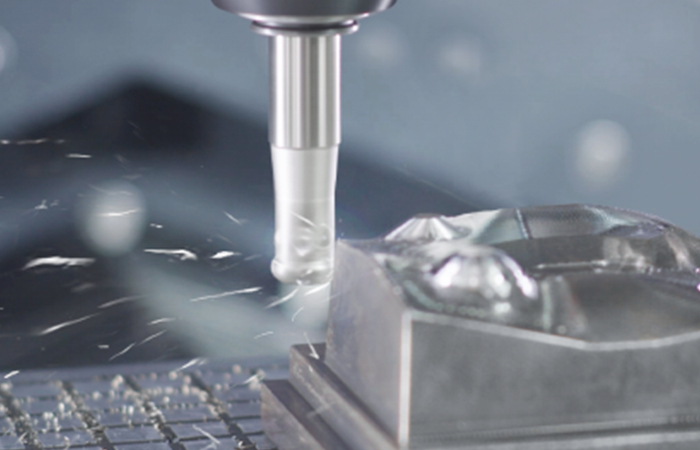
CNC grinding uses a computer-controlled machine tool to remove small amounts of material from a workpiece with an abrasive grinding wheel. Compared with conventional grinding equipment, CNC systems can control grinding paths, wheel movement, workpiece positioning, and other machining parameters with a high degree of repeatability.
This makes CNC grinding particularly useful when components require tight dimensional tolerances, consistent surface finishes, or complex machining sequences.
1. CNC Surface Grinding
A cnc surface grinding machine is mainly used to produce flat and highly accurate surfaces. The grinding wheel moves across the surface of the workpiece, removing a controlled amount of material to achieve the required flatness, parallelism, and surface finish.
Common applications include:
Machine tool components
Precision plates and blocks
Molds and dies
Cutting tool components
Mechanical components requiring flat surfaces
Surface grinding is especially useful when dimensional accuracy and surface quality are more important than high material removal rates. CNC control also allows manufacturers to repeat the same grinding process accurately across multiple workpieces.
2. CNC Cylindrical Grinding
CNC cylindrical grinding machines are designed for machining cylindrical or round components. Depending on the machine configuration, the process can be used to grind external cylindrical surfaces, shoulders, tapers, and other rotational features.
Typical applications include:
Shafts
Pins
Bearings
Precision rollers
Automotive components
Hydraulic and pneumatic components
Cylindrical grinding is widely used when a component requires a precise diameter and smooth surface finish. CNC control is particularly beneficial for production environments where the same dimensions need to be maintained across large batches.
3. CNC Centerless Grinding
A cnc centerless grinding machine uses a different workholding principle from traditional cylindrical grinding. Instead of securing the workpiece between centers, the component is supported between the grinding wheel, regulating wheel, and work-rest blade.
This configuration makes centerless grinding suitable for high-volume production of cylindrical parts.
Typical applications include:
Small shafts and pins
Automotive components
Precision rods
Bearings and bearing components
Fasteners
Mass-produced cylindrical parts
One of the major advantages of centerless grinding is its ability to process large quantities of similar components efficiently. It can also provide consistent diameter control and surface finish when the grinding parameters are properly set.
4. CNC OD and ID Grinding
CNC grinding can also be configured for outside diameter (OD) and inside diameter (ID) applications. OD grinding is used to finish the external surface of cylindrical components, while ID grinding focuses on internal bores and holes.
These processes are important for components such as:
Sleeves
Bearing races
Precision bushings
Hydraulic components
Tool holders
Engine and transmission components
For precision components, accurate control of diameter, roundness, concentricity, and surface finish can be critical to final product performance.
5. Precision CNC Grinding for Complex Components
Precision CNC grinding becomes particularly valuable when manufacturers need to maintain tight tolerances across multiple dimensions. CNC equipment can coordinate several machining movements and grinding operations within a controlled production process.
This is useful for industries where component accuracy directly affects assembly and operating performance. Aerospace components, medical parts, precision tooling, automotive components, and high-performance mechanical assemblies may all require controlled grinding processes.
How to Select the Right CNC Grinding Method
The appropriate grinding process depends primarily on the geometry and technical requirements of the workpiece. Manufacturers should consider several factors before selecting a machine.
Workpiece geometry: Determine whether the component is flat, cylindrical, internal, or complex.
Required tolerance: Tighter tolerances may require a dedicated precision grinding configuration.
Surface finish: Different grinding wheels and machining parameters can produce different surface qualities.
Production volume: High-volume cylindrical components may benefit from centerless grinding.
Material: Hardened steel, carbide, stainless steel, and other materials may require different grinding strategies.
Automation requirements: CNC control and automatic loading systems can improve repeatability and production efficiency.
Why CNC Grinding Is Important for Modern Manufacturing
The main advantage of CNC grinding is the combination of precision and repeatability. Once the grinding process has been properly programmed and optimized, manufacturers can reproduce the same machining sequence across multiple production cycles.
This can help reduce dimensional variation, improve production consistency, and reduce the amount of manual intervention required during machining.
Modern CNC grinding systems can also integrate automatic measurement, tool compensation, coolant management, and other process-control functions. These features are particularly valuable for manufacturers producing precision components in demanding industries.
Conclusion
Different CNC grinding methods are designed to solve different manufacturing challenges. Surface grinding is suitable for precision flat surfaces, cylindrical grinding is widely used for round components, while centerless grinding is particularly effective for high-volume cylindrical production. OD and ID grinding provide additional solutions for components requiring accurate external or internal diameters.
Choosing the right CNC Grinding Machine therefore requires more than simply comparing machine specifications. Manufacturers should evaluate the workpiece geometry, material, tolerance, surface finish, production volume, and automation requirements before selecting a grinding process.
With the right grinding method and properly configured CNC equipment, manufacturers can achieve reliable dimensional accuracy, consistent surface quality, and efficient production for a wide range of industrial components.