

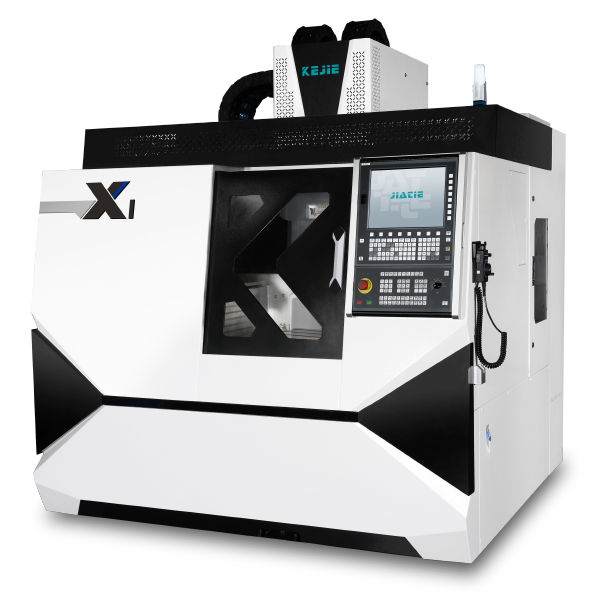
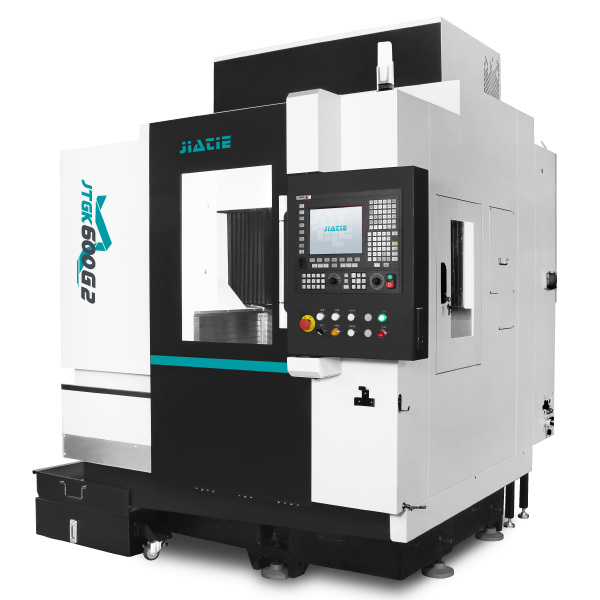
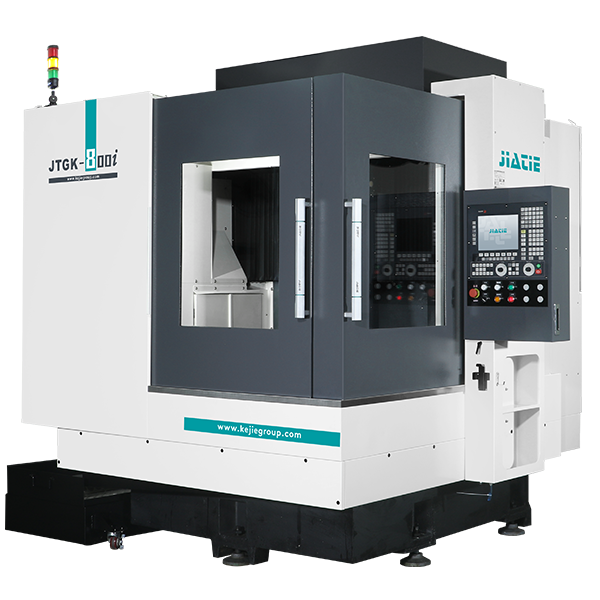
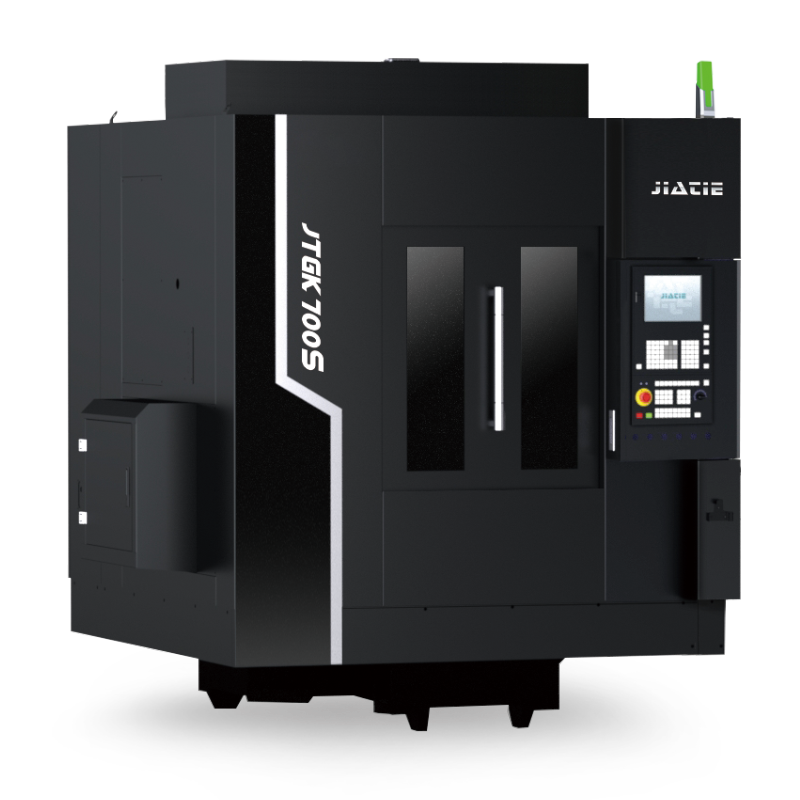
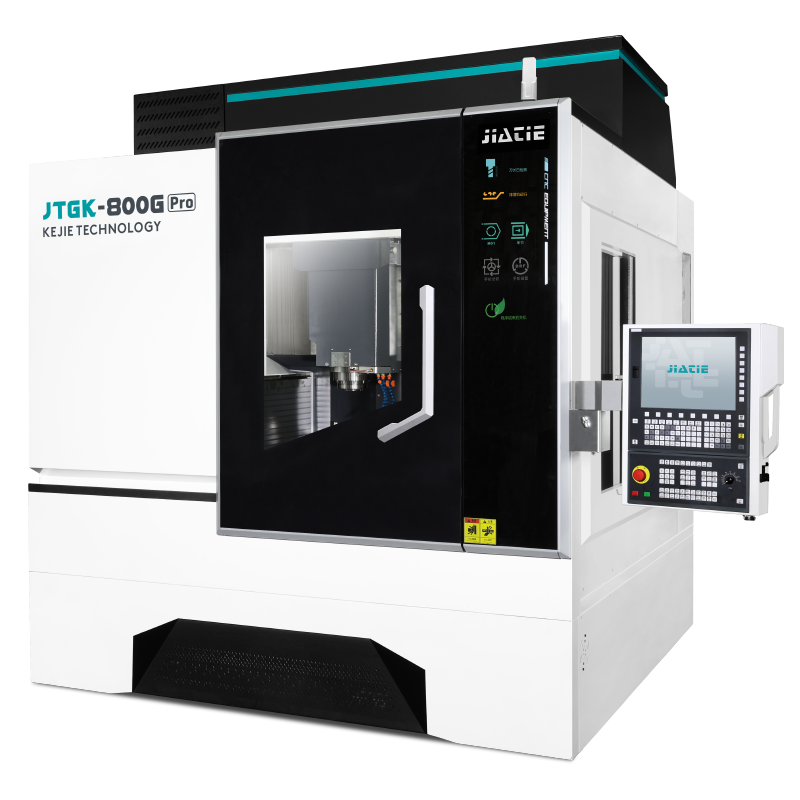
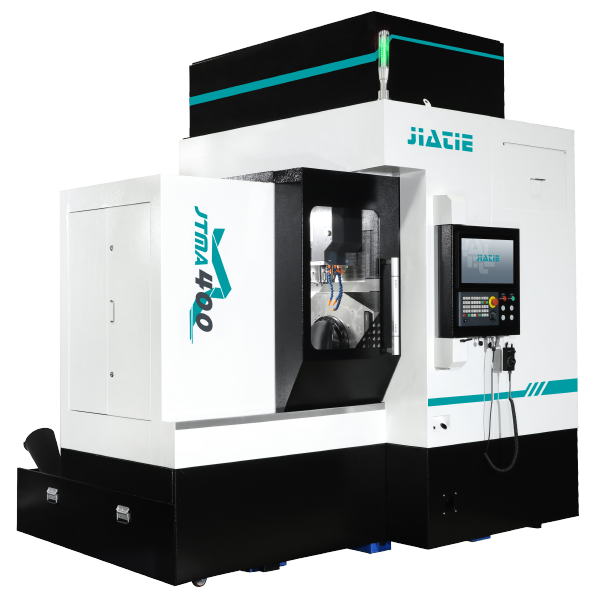
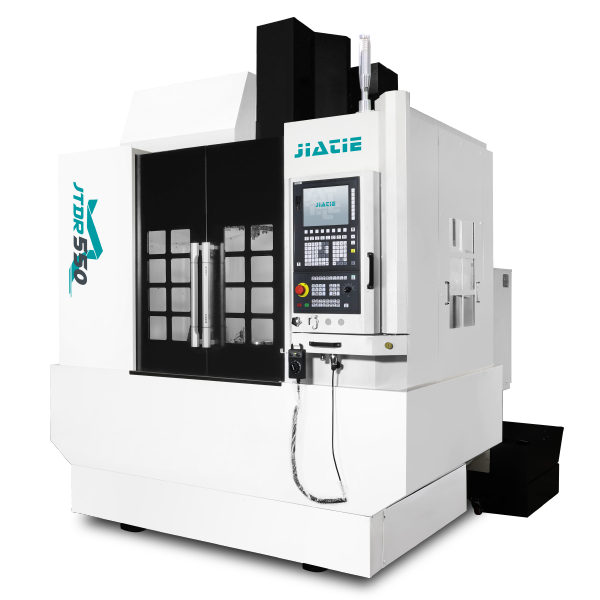
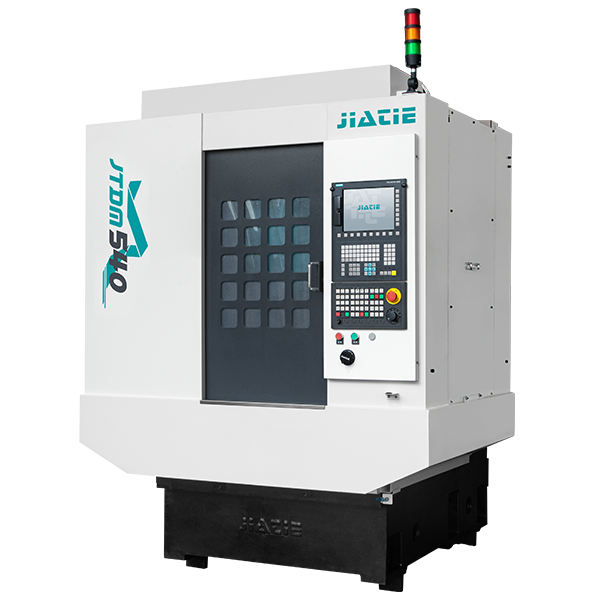
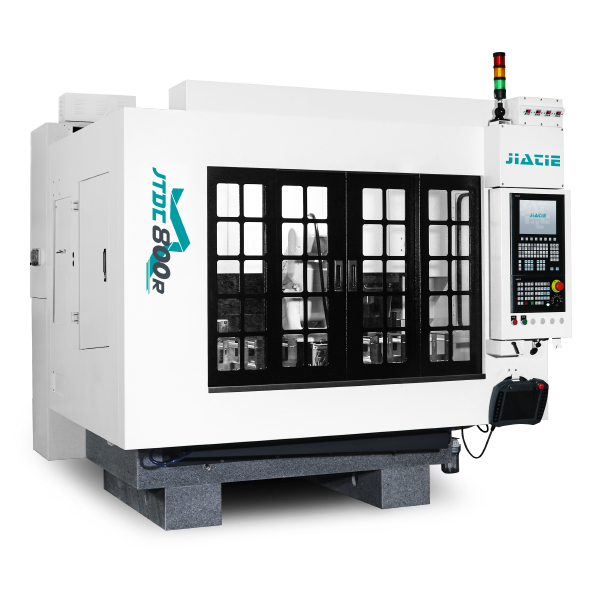
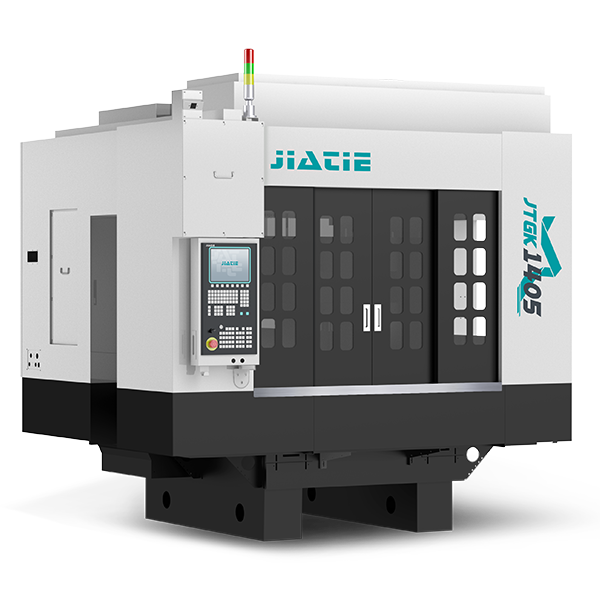
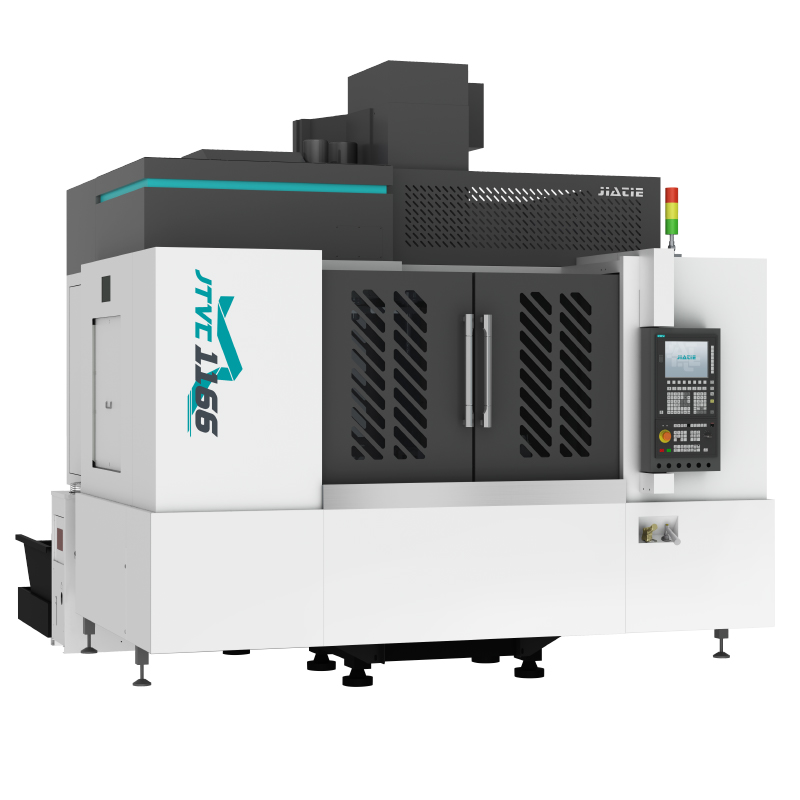
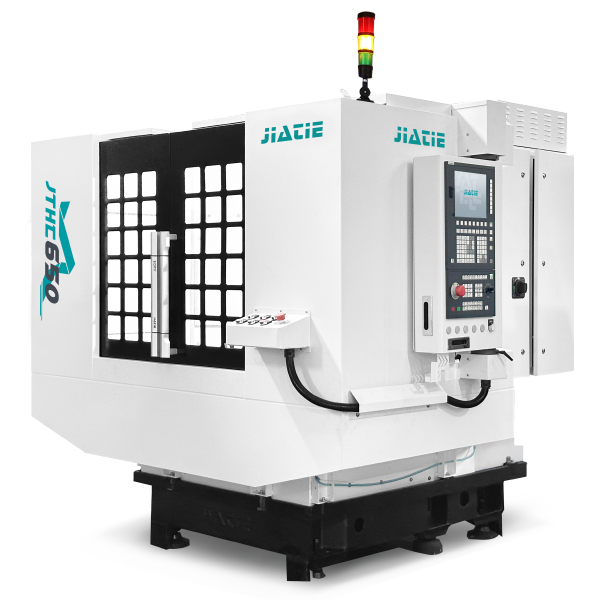
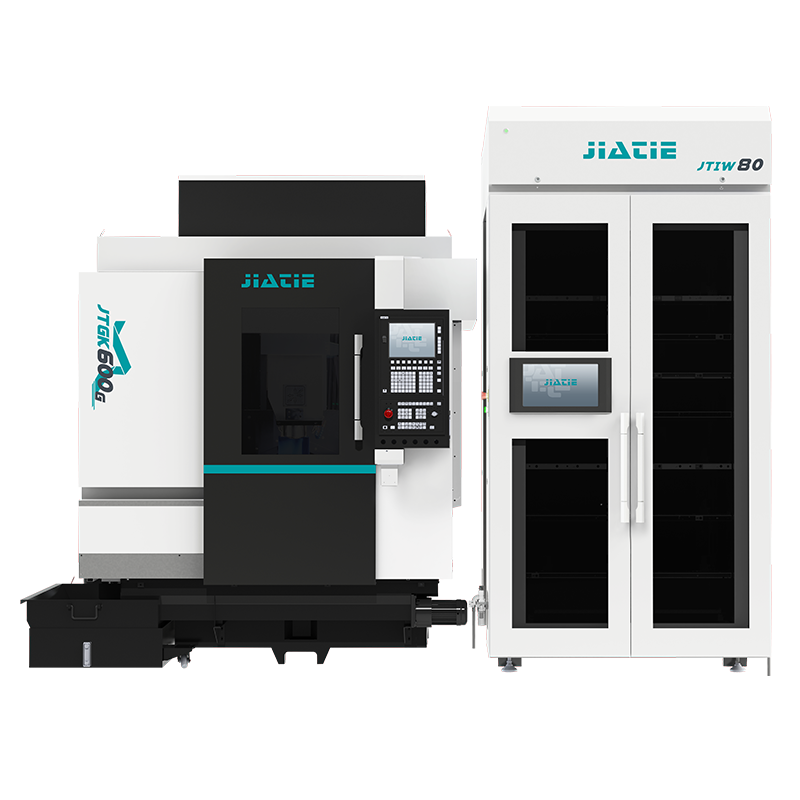
A CNC Grinding Machine built for hard and brittle materials — ceramic, carbide, graphite, semiconductor components — costs more than a general-purpose grinder, and the gap comes down to a specific set of requirements these materials demand: precision beyond what standard grinding delivers, dust and debris management that a metal-cutting machine doesn't need, and structural rigidity that prevents micro-cracking in brittle workpieces. This guide breaks down what actually drives the price of a precision grinding machine, so you know what you're paying for and what to prioritize for your application.
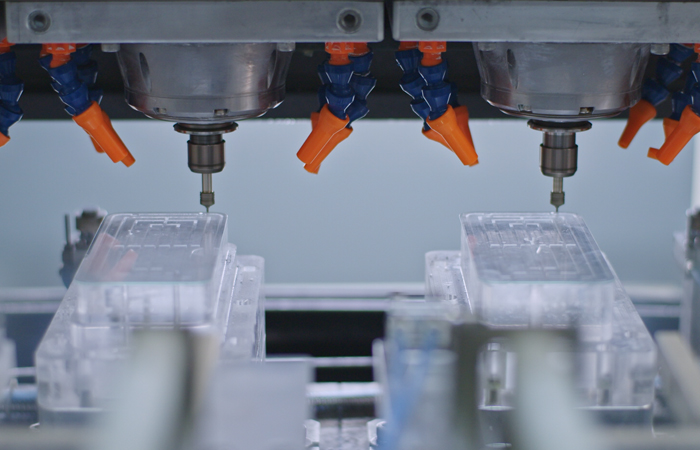
Why Hard and Brittle Material Grinding Costs More
Grinding ceramic, carbide, graphite, and semiconductor components isn't the same problem as grinding metal. These materials are prone to micro-cracking, chipping, and surface damage under the wrong cutting conditions, which means the machine has to deliver both extreme precision and process stability — not just remove material. That combination is what separates a precision CNC grinding center from a general-purpose grinder, and it's reflected directly in the price.
What Drives CNC Grinding Machine Cost
1. Spindle and Wheel System
High-speed grinding spindles designed for hard and brittle materials cost significantly more than standard spindles — they need to maintain precise rotational accuracy at high RPM without introducing vibration that would crack a brittle workpiece. The wheel dressing and truing system also factors into cost, since grinding wheels wear and need to be maintained to a consistent profile for accuracy to hold across a production run.
2. Structural Rigidity
Because brittle materials fracture under vibration or inconsistent cutting force, the machine's base, column, and axis structure need significantly more rigidity than a general-purpose machine tool. This typically means a heavier casting, more material in the frame, and more manufacturing time — all of which add cost, but directly translate into the process stability that prevents scrapped parts.
3. Dust and Debris Management
Grinding graphite and ceramic generates fine, abrasive dust that a standard metal-cutting machine isn't built to handle — it can contaminate ball screws, guide rails, and other precision components if the machine lacks proper sealing and extraction. Machines built specifically for these materials include dedicated dust containment and filtration systems, which add cost but extend the service life of every other precision component in the machine.
4. Precision and Measurement Systems
Applications like semiconductor components and precision ceramics often require tolerances that standard machining can't reliably hit. On-machine measurement systems, higher-resolution encoders, and tighter positioning accuracy all add cost, but they're what makes the difference between a machine that can hit spec consistently and one that requires constant manual verification and rework.
5. Application-Specific Configuration
Grinding centers configured for a specific material or part type — such as a machine dedicated to graphite electrode grinding versus one built for general ceramic and carbide work — cost more than a fully general-purpose configuration, since the wheel system, dust handling, and structural design are all optimized around that specific application rather than serving as a compromise across multiple material types.
Not sure which configuration fits your material and tolerance requirements? Send us your part specifications and target application, and we'll help you scope the right machine and provide a quote within 24 hours.
Why Underspeccing Costs More Than It Saves
A cheaper, general-purpose grinder might handle hard and brittle materials on paper, but without the rigidity, dust management, and precision systems built for these materials specifically, the real cost shows up downstream — in scrapped parts from micro-cracking, in premature wear on ball screws and guide rails from dust contamination, and in rework from inconsistent tolerances. For applications involving ceramic, carbide, graphite, or semiconductor components, the upfront price difference between a general-purpose and a purpose-built machine is usually smaller than the cost of the quality problems a mismatched machine creates over its production life.
Working with hard or brittle materials and want to make sure your equipment is properly specced? Tell us your material type and tolerance requirements, and we'll help you avoid an expensive mismatch.
Frequently Asked Questions
1. Why do CNC Grinding Machines for hard and brittle materials cost more than general-purpose grinders?
They require higher structural rigidity to prevent vibration-induced cracking, dedicated dust and debris management for materials like graphite and ceramic, and tighter precision systems to hit the tolerances these applications typically demand — all of which add manufacturing cost over a general-purpose machine.
2. What materials typically require a specialized CNC Grinding Machine?
Ceramic, carbide, graphite, and semiconductor components are the most common materials that require purpose-built grinding equipment, due to their hardness, brittleness, and sensitivity to micro-cracking under standard grinding conditions.
3. Is it worth paying more for a machine built specifically for my material?
In most cases, yes. A machine underspecced for hard or brittle material grinding often leads to scrapped parts, rework, and premature wear on precision components — costs that typically exceed the upfront price difference of choosing the right machine from the start.
4. Does dust management really affect long-term machine cost?
Yes. Fine abrasive dust from graphite and ceramic grinding can contaminate ball screws and guide rails without proper containment, leading to premature wear and higher maintenance cost over the machine's service life — even though it doesn't show up in the upfront price.