

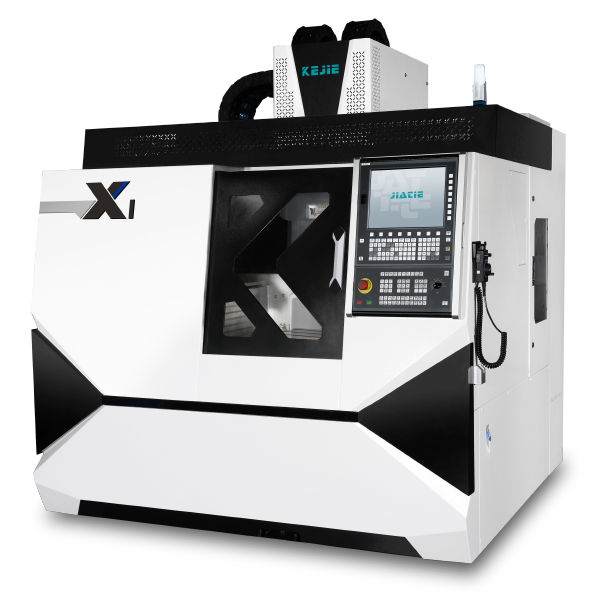
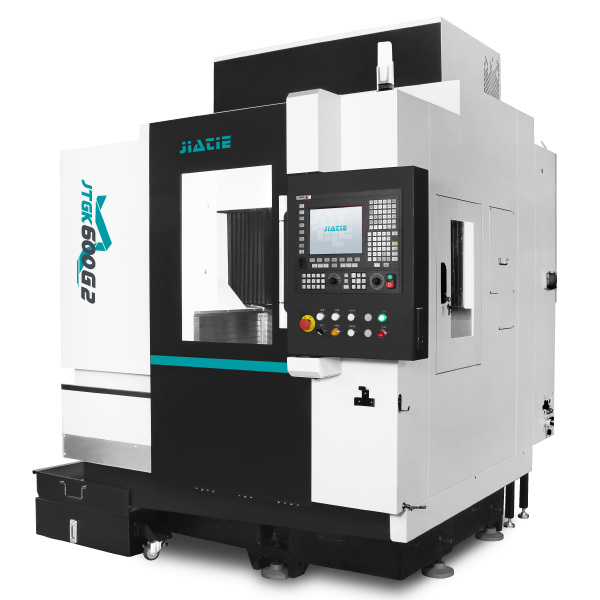
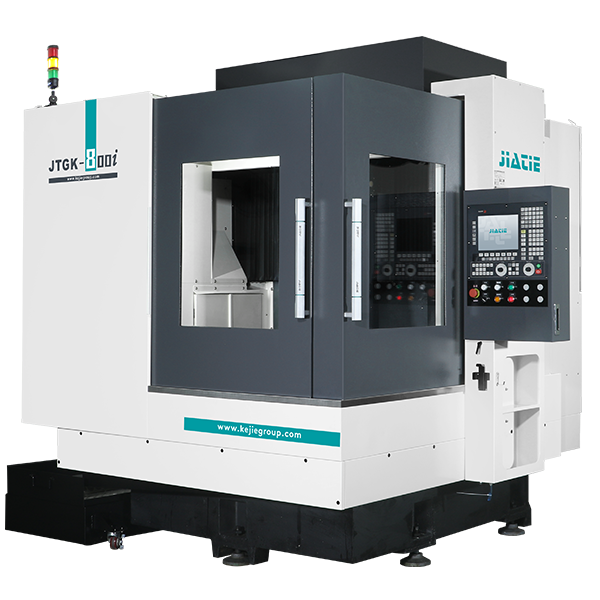
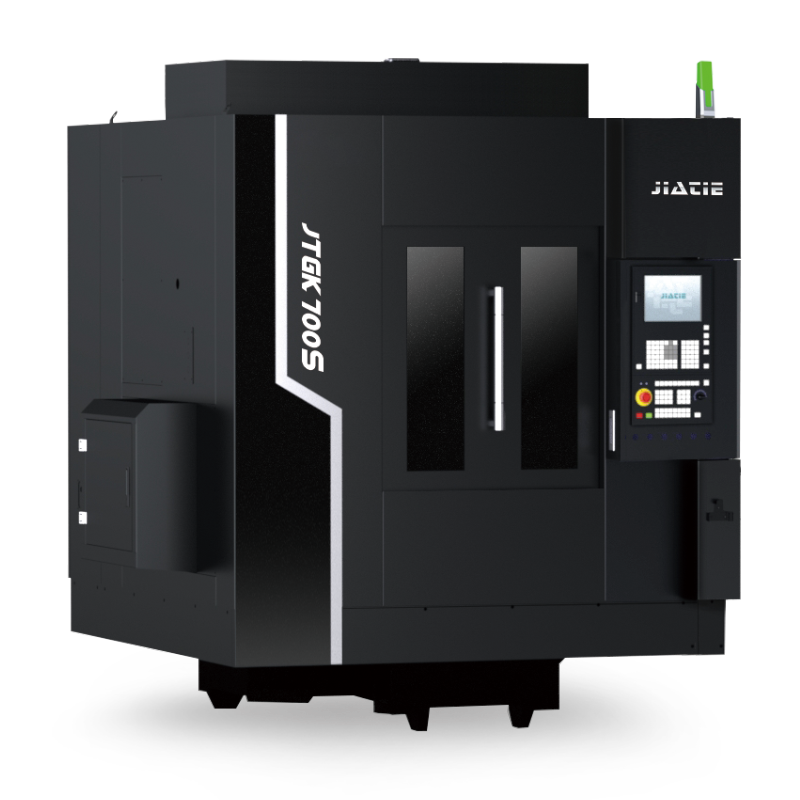
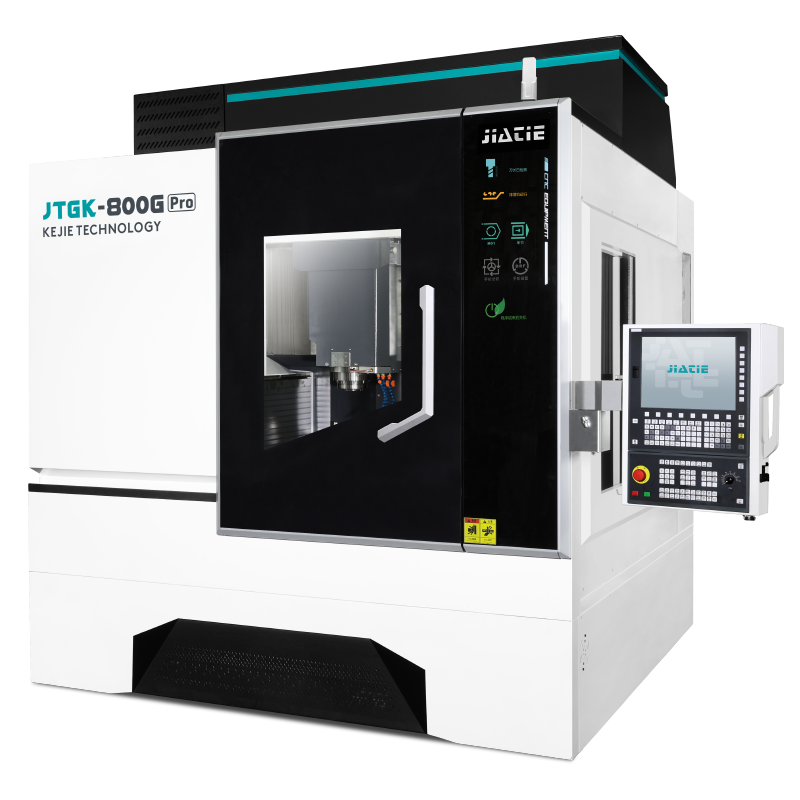
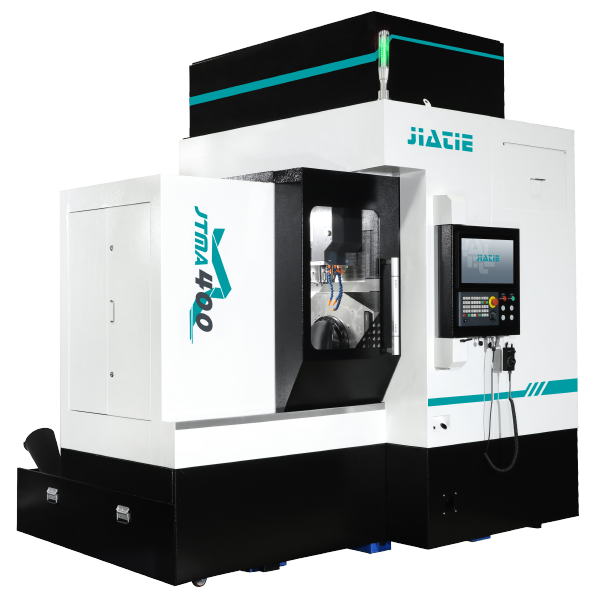
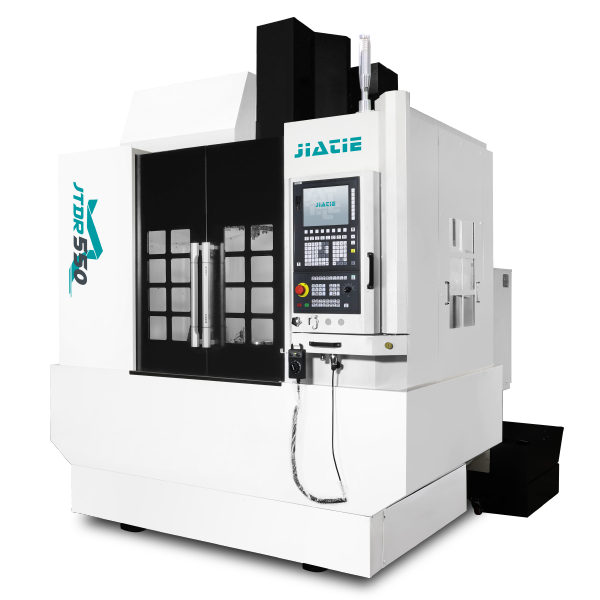
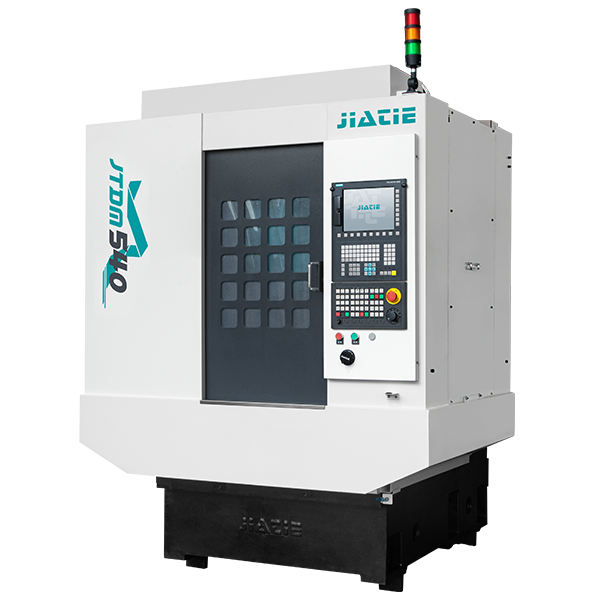
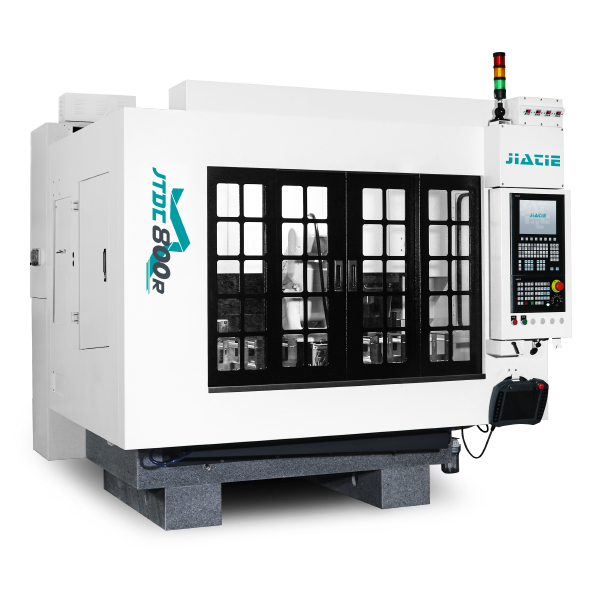
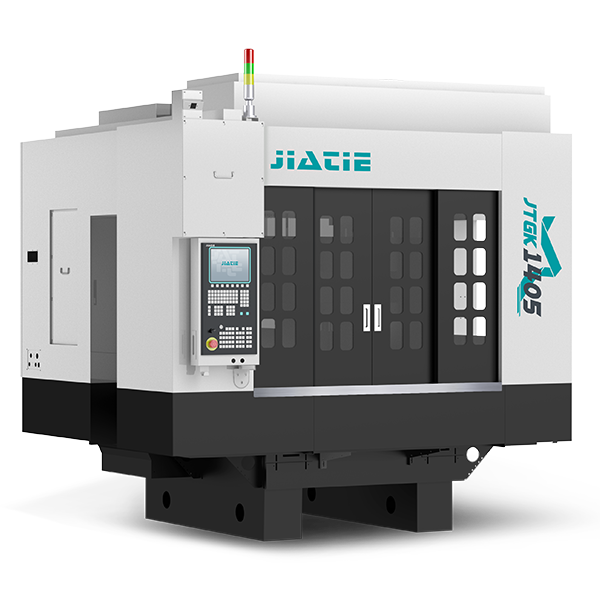
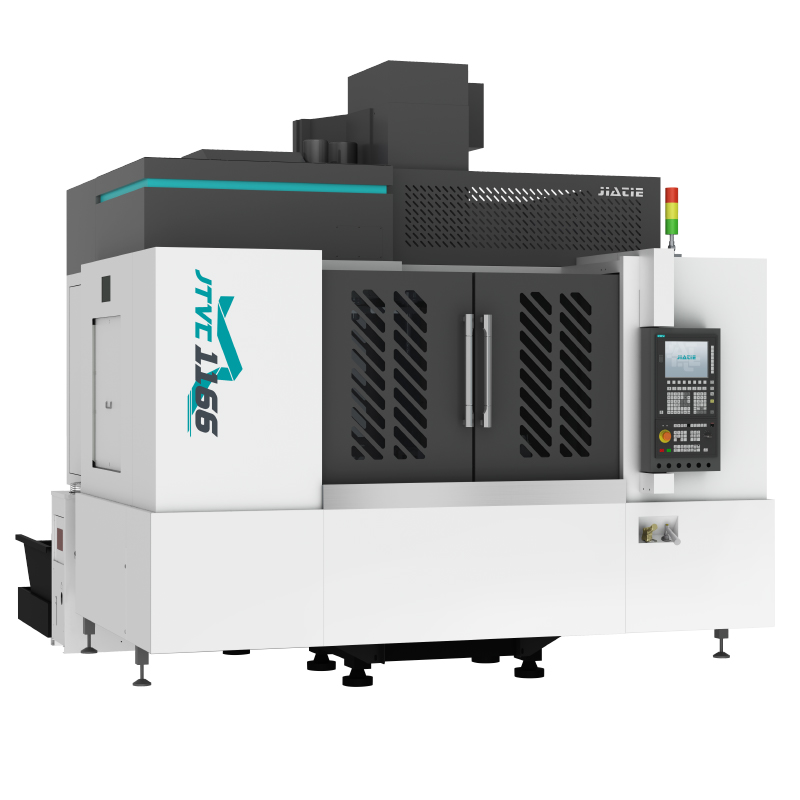
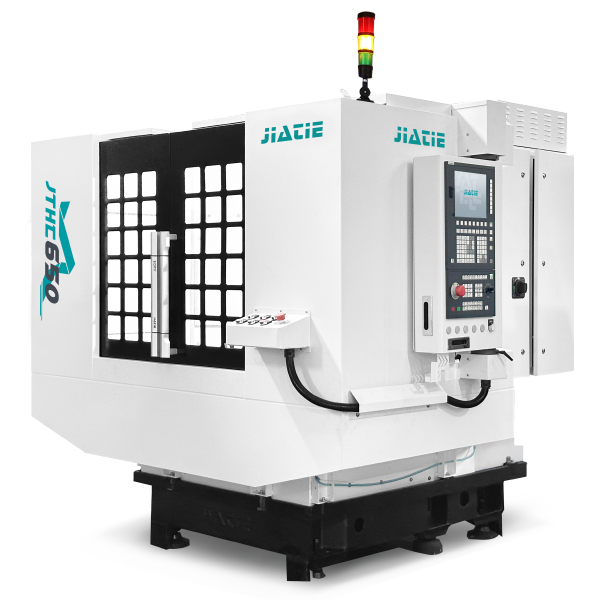
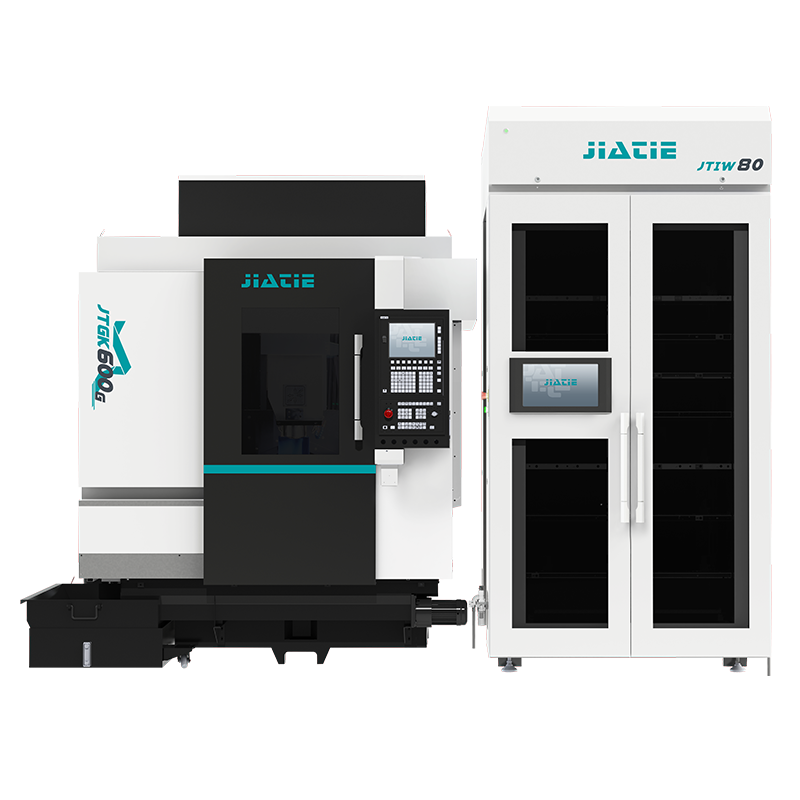
A CNC Machining Center for metal can range from a modest six-figure investment to well over half a million dollars, and the gap between those numbers comes down to a handful of specific factors: axis configuration, work envelope size, spindle specification, control system, and automation level. Rather than quoting a single price that won't match your actual application, this guide breaks down what drives the cost up or down, so you know what questions to ask and what to prioritize when comparing quotes.
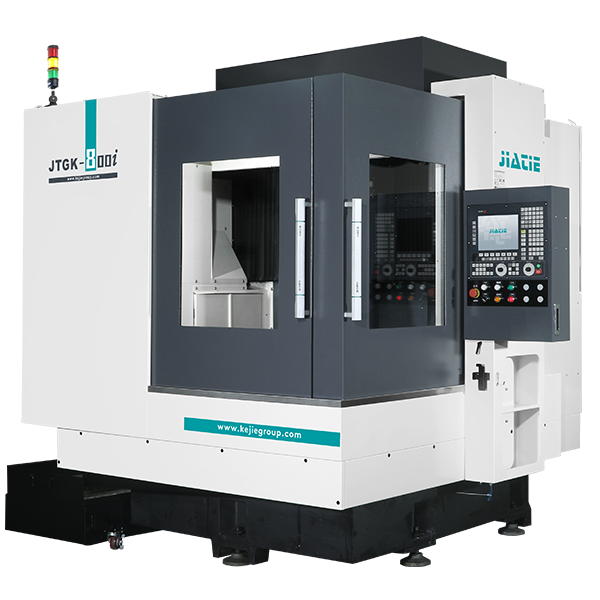
What Drives CNC Machining Center Cost
1. Axis Configuration
A standard 3-axis vertical Machining Center sits at the lower end of the cost range. Adding a 4th or 5th axis increases cost significantly, since it requires additional rotary tables, more complex control systems, and tighter manufacturing tolerances on the machine itself. The jump from 3-axis to 5-axis isn't incremental — it's a different tier of machine, priced accordingly for the ability to machine complex geometries in a single setup.
2. Work Envelope and Table Size
Larger X/Y/Z travel and worktable dimensions mean a bigger, heavier machine structure — more casting, more material, more manufacturing time. A machine built to handle large workpieces in a single setup (like a long-travel or large-format machining center) costs more than a compact machine sized for smaller parts, independent of any other spec.
3. Spindle Specification
Spindle speed, power, and torque directly affect price. High-speed spindles built for aluminum or graphite machining, or high-torque spindles built for heavy steel cutting, cost more than a general-purpose spindle. The spindle is one of the most expensive individual components in a machining center, so matching spindle spec to your actual material and cutting requirements — rather than over-speccing — has a real effect on the final price.
4. Control System
The CNC control governs how the machine executes toolpaths, manages multiple axes, and integrates with CAM software. More advanced controls — supporting five-axis simultaneous machining, on-machine measurement, or remote monitoring — carry a price premium over a basic control package, but they also unlock capability that a basic system can't match.
5. Automation and Tooling Capacity
A larger tool magazine, automatic tool changer speed, and machine tending automation (robotic loading/unloading) all add cost, but they also reduce labor requirements and increase spindle utilization over the life of the machine. This is where upfront price and total cost of ownership can diverge — a more automated machine costs more to buy but can cost less to operate over time.
6. Customization
Standard, catalog-configuration machines are priced lower than machines built to a custom specification — non-standard travel, specialized fixturing, or application-specific modifications (such as graphite dust protection or multi-station configurations) all add engineering and manufacturing time on top of the base machine cost.
Not sure which factors matter most for your application? Send us your part size, material, and production volume, and we'll help you scope the right configuration and provide a quote within 24 hours.
Upfront Price vs. Total Cost of Ownership
The purchase price is only part of the real cost of owning a CNC machining center. Two machines with similar price tags can have very different total costs once you factor in:
Spindle utilization: a machine with automation runs more hours per week without added labor, spreading the fixed cost over more parts
Maintenance and service response: downtime costs more than most buyers expect — a supplier with fast service response and available spare parts reduces the real cost of ownership over time
Energy and consumables: spindle power, coolant systems, and tooling wear all factor into ongoing operating cost
Rework and scrap rate: a machine with better rigidity and thermal stability produces fewer out-of-tolerance parts, which has a direct cost impact over the machine's lifetime
Questions to Ask Before Comparing Quotes
Does the quoted price include installation, training, and initial tooling, or are these added separately?
What's the standard lead time, and does that match your production timeline?
What does the service and support network look like if the machine needs maintenance or repair?
Is the spindle and control system spec matched to your actual material and tolerance requirements, or over- or under-specced relative to your needs?
Ready to get a real quote instead of a ballpark estimate? Tell us your application, material, and target production volume, and we'll put together a configuration and pricing that matches your actual needs.
Frequently Asked Questions
1. How much is a CNC machine for metal?
Cost varies widely based on axis configuration, work envelope, spindle spec, and automation level — a basic 3-axis Vertical Machining Center sits at the lower end, while a 5-axis machine with automation and advanced controls sits significantly higher. The specific number depends on matching the machine to your actual part size and material.
2. What's the biggest factor in CNC machining center price?
Axis configuration typically has the largest single impact — moving from 3-axis to 5-axis changes both the machine's structure and control system requirements, representing a different tier of capability and cost rather than an incremental upgrade.
3. Is a more expensive CNC machine always the better choice?
Not necessarily. The right choice depends on matching machine capability to actual production needs — over-speccing a machine for parts that don't require that level of precision or automation adds cost without adding value. The goal is the right fit, not the highest spec available.
4. Does a higher upfront price mean lower total cost of ownership?
Not always, but it can. Features like automation and advanced controls raise the purchase price but can lower operating cost over time through higher spindle utilization, less labor dependency, and fewer out-of-tolerance parts — the total cost of ownership calculation depends on production volume and how those features get used.