

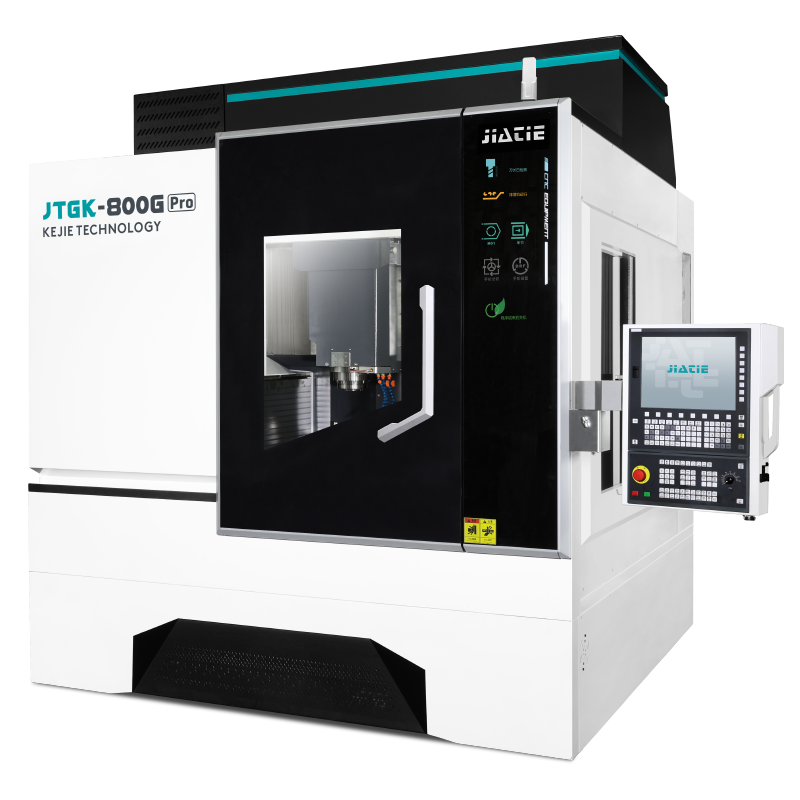
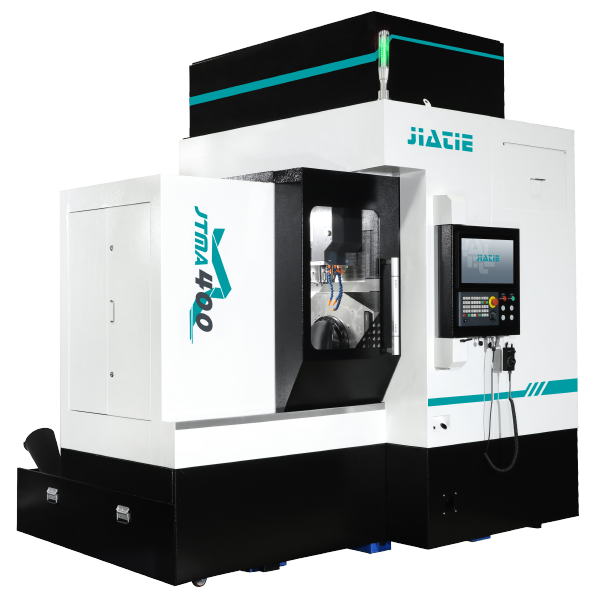
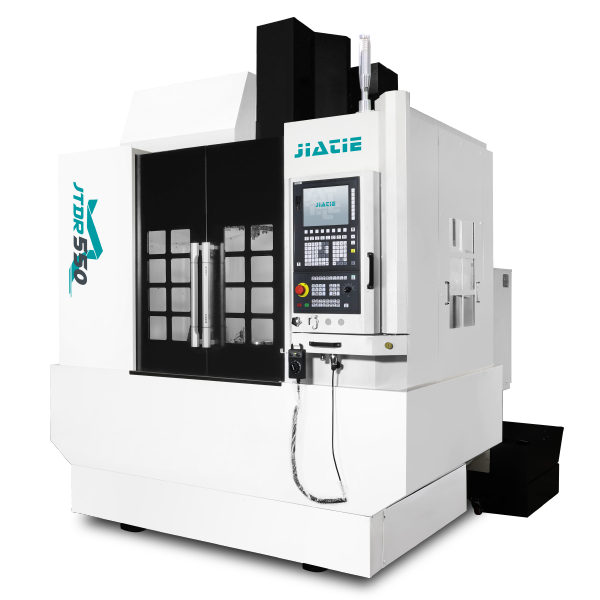
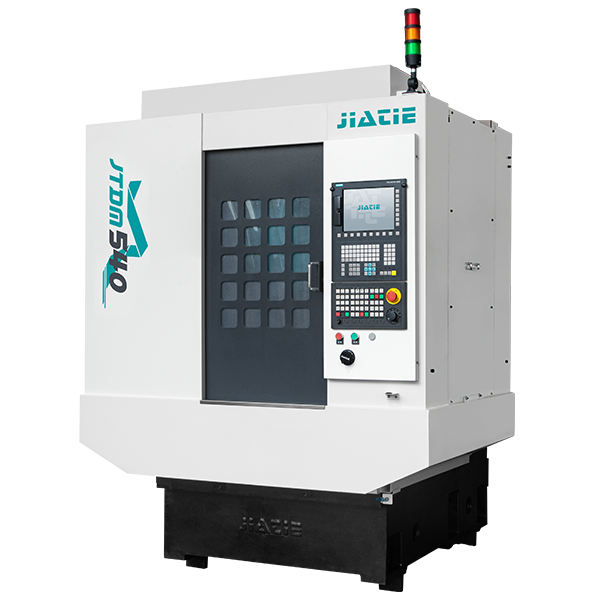
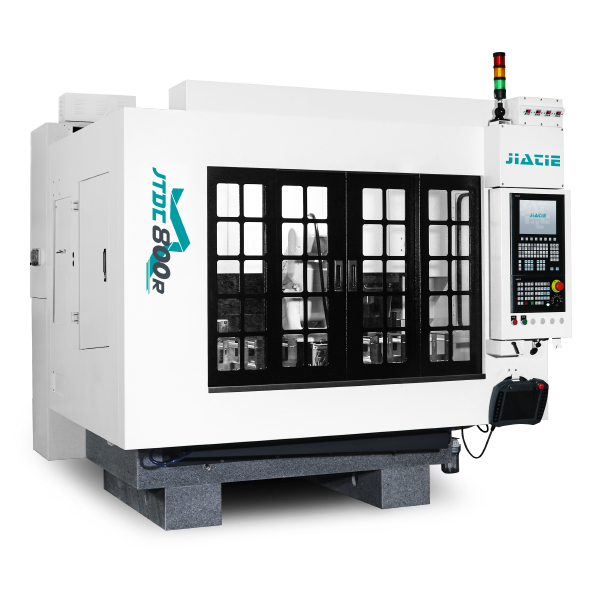
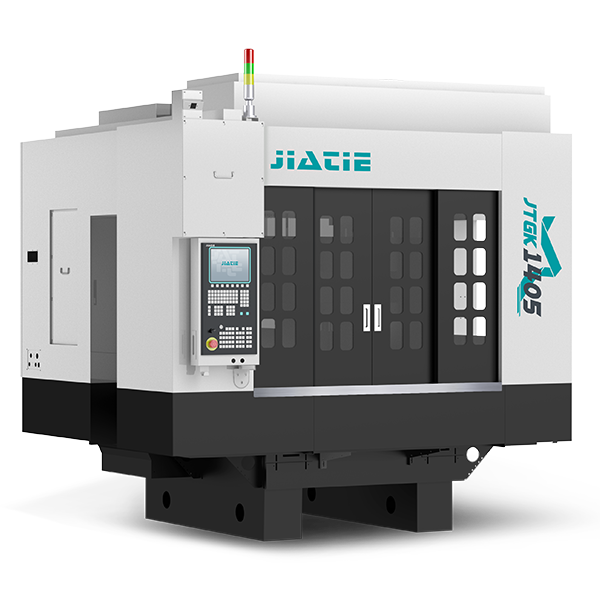
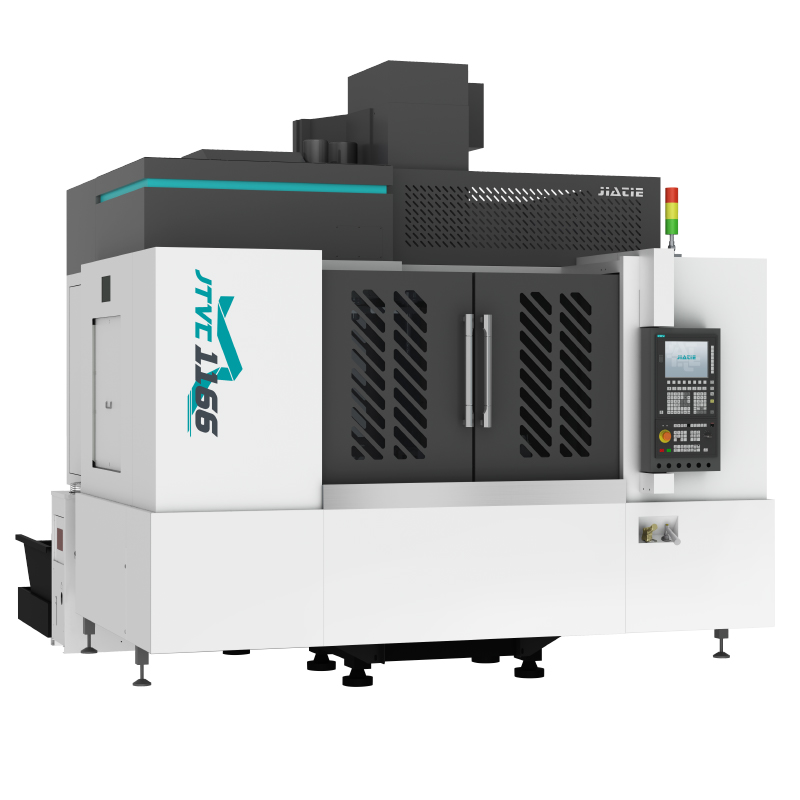
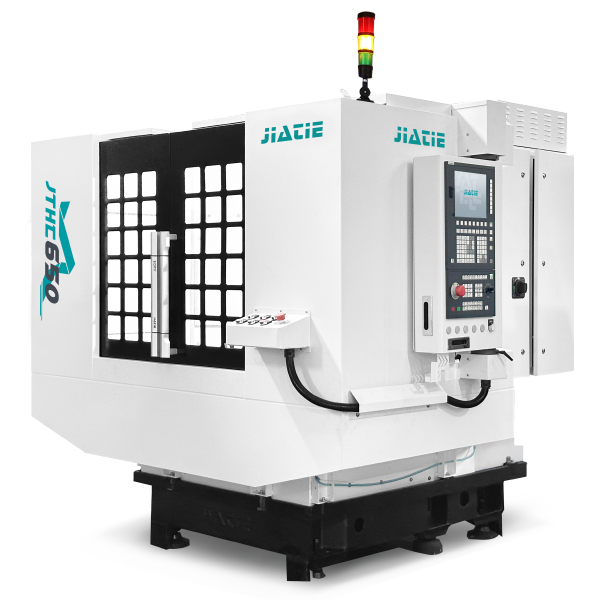
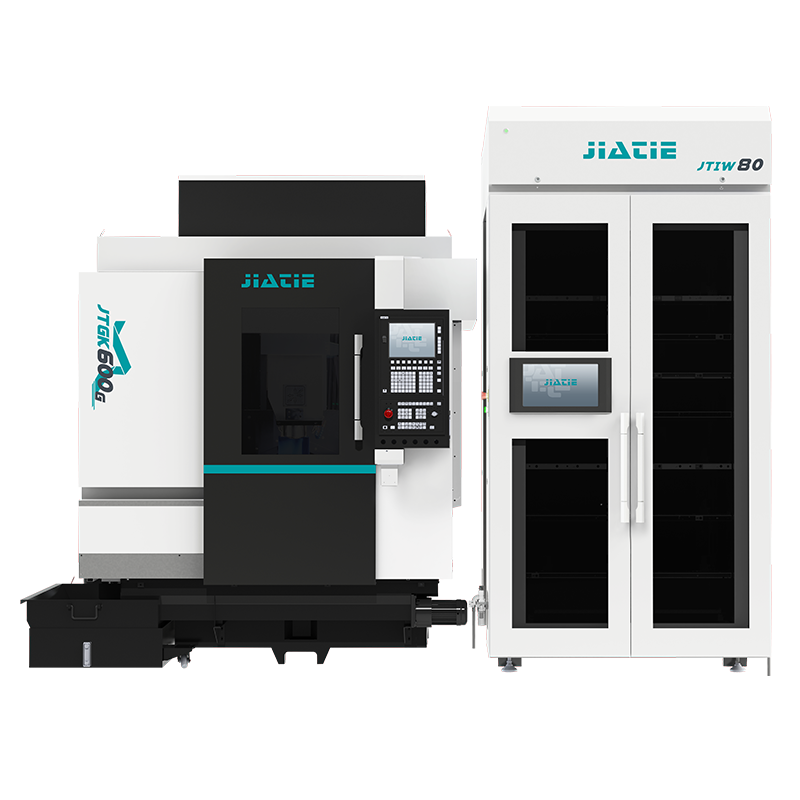
machine tending is the process of automatically loading raw material into a CNC machine and unloading the finished part once machining is complete — a task traditionally done by hand, one cycle at a time. As skilled CNC operators become harder to find and retain, automated machine tending has become one of the fastest ways for a shop to keep spindles cutting instead of sitting idle between manual loads. This guide covers what machine tending Automation actually does, how it works, and where it delivers the most value.
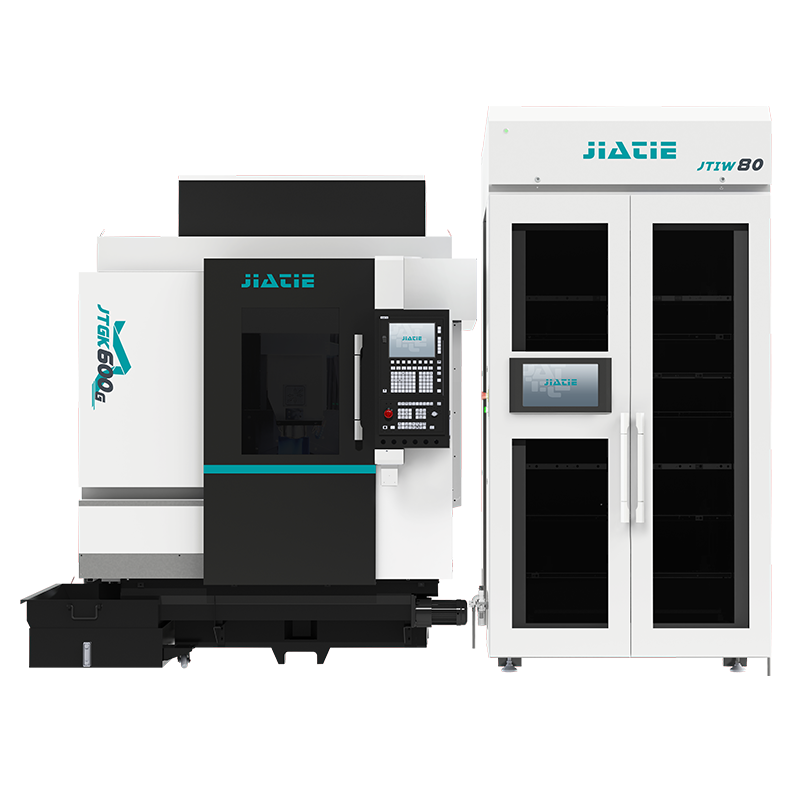
What Is Machine Tending?
In a manually tended CNC machine, an operator has to stop the machine, remove the finished part, load a new blank, and restart the cycle — every single time. Machine tending automation replaces that manual step with a robotic or mechanized system that handles loading and unloading on its own, allowing the machine to run continuous cycles with far less operator intervention.
Why Machine Tending Automation Matters Now
Manual loading and unloading is one of the biggest sources of idle spindle time in a CNC shop — every second the machine waits for a human to swap parts is a second it isn't cutting. At the same time, skilled CNC operators are retiring faster than new ones are entering the trade, leaving many shops short-staffed and unable to run machines around the clock. Machine tending automation addresses both problems directly: it keeps spindles running during shifts when operators aren't available, and it frees up the operators a shop does have to focus on setup, programming, and higher-value work instead of standing at a machine repeating the same load-unload motion all day.
How Machine Tending Automation Works
Staging: raw material or blanks are loaded into a staging area, ready for the automation unit to access
Loading: the automation system picks a blank and places it precisely into the machine's fixture or vise
Machining: the CNC program runs the cutting cycle exactly as it would with manual tending, with no change to the machining process itself
Unloading: once the cycle finishes, the system removes the finished part and moves it to an output area
Repeat: the cycle repeats automatically, allowing the machine to run unattended for extended periods, including overnight or during operator breaks
Looking to add machine tending automation to an existing CNC setup? Send us your machine model and part specifications, and we'll assess compatibility within 24 hours.
Benefits of Automated Machine Tending
Higher spindle utilization: machines spend more time actually cutting and less time waiting for a manual part swap
Consistent output: automated loading places parts the same way every cycle, reducing variation caused by manual handling
Extended run time: shops can run production during off-hours, overnight, or over weekends without an operator present
Better use of skilled labor: operators shift from repetitive loading tasks to programming, setup, and quality oversight
Reduced repetitive strain: removing manual loading cuts down on repetitive-motion fatigue for operators running high-cycle-count jobs
Is Machine Tending Automation Right for Your Shop?
Machine tending automation delivers the most value on jobs with high cycle counts and repeatable part geometry — the more times a part gets loaded and unloaded, the more idle time automation eliminates. Low-volume, highly variable jobs see less benefit, since the setup and changeover time can offset the gains. If your shop runs the same part family repeatedly, or struggles to keep machines staffed across multiple shifts, automated tending is worth evaluating.
Want to know if machine tending automation fits your production volume and part type? Tell us your typical cycle count and part geometry, and we'll help you evaluate the fit.
Frequently Asked Questions
1. What is machine tending?
Machine tending is the process of loading raw material into a CNC machine and unloading the finished part after machining. It can be done manually by an operator or automatically by a robotic or mechanized system.
2. What are the main benefits of automated machine tending?
The main benefits are higher spindle utilization, more consistent part quality, the ability to run machines unattended during off-hours, and freeing up skilled operators for higher-value tasks instead of repetitive loading and unloading.
3. Does machine tending automation change the CNC machining process itself?
No. The machining cycle itself runs the same way it would with manual tending — automation only replaces the loading and unloading step between cycles, not the cutting process.
4. Is machine tending automation worth it for low-volume production?
It depends on cycle count and part variability. High-volume, repeatable jobs see the most benefit, since idle time is eliminated across many cycles. Low-volume or highly variable jobs may not see enough repeated benefit to offset setup and changeover time.