

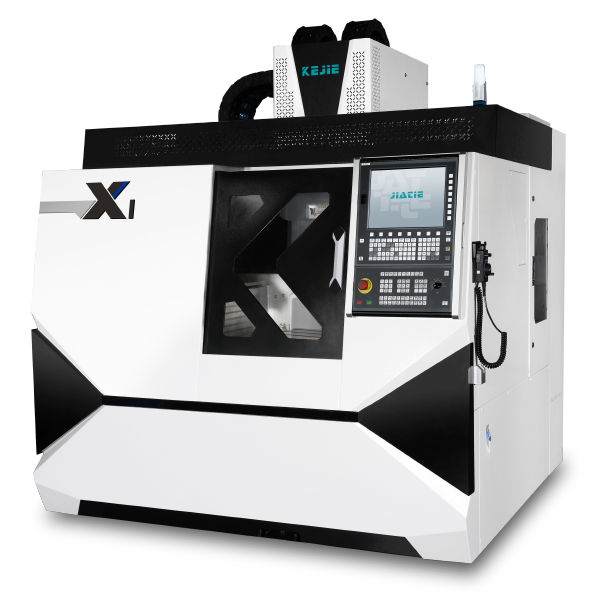
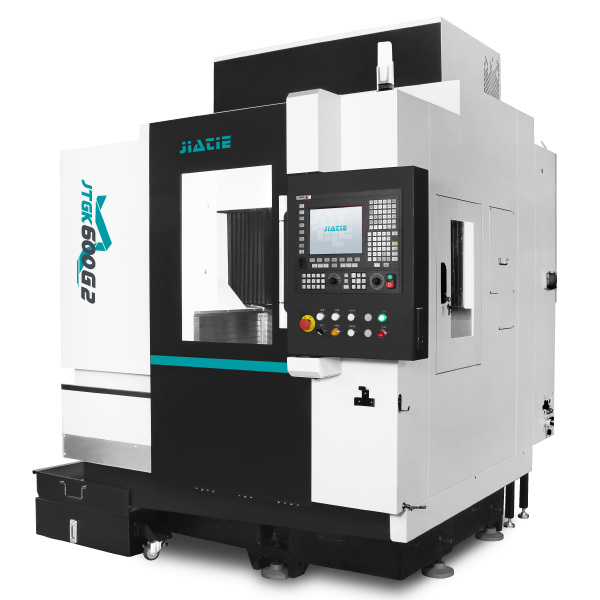
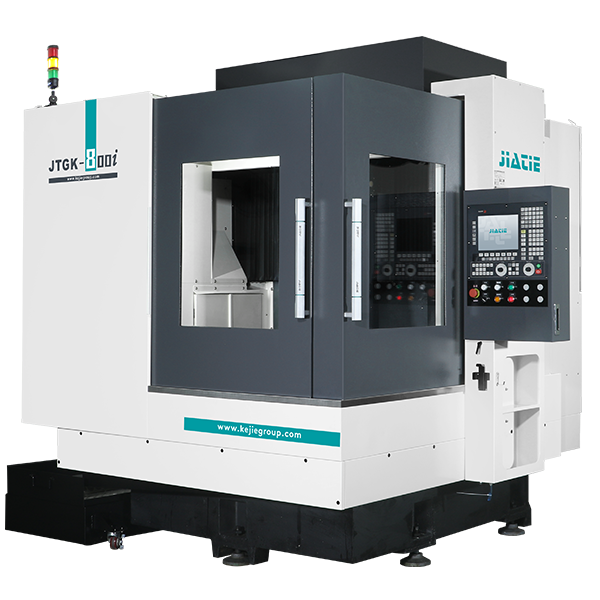
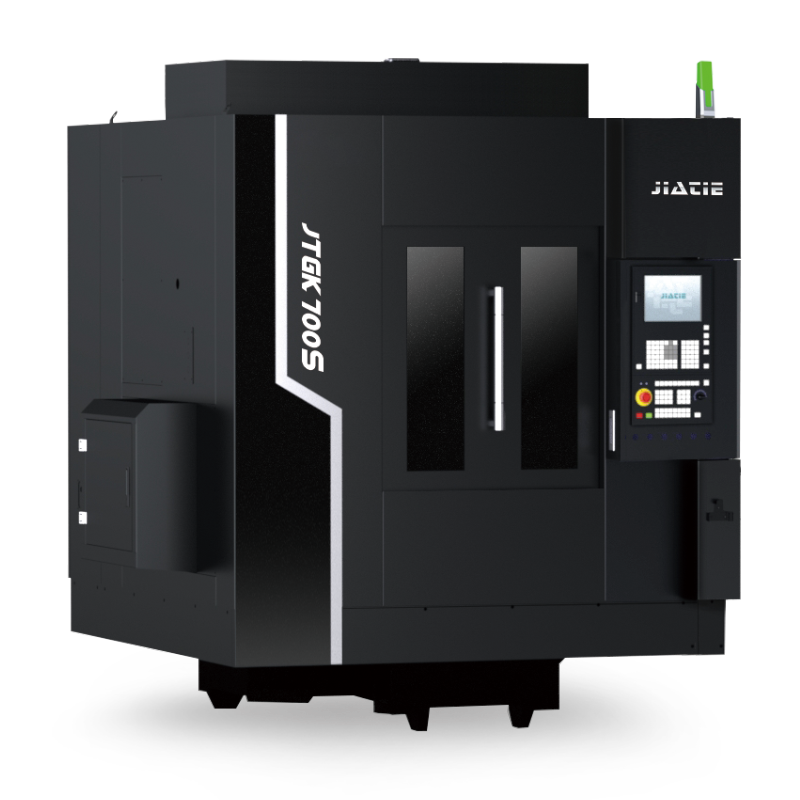
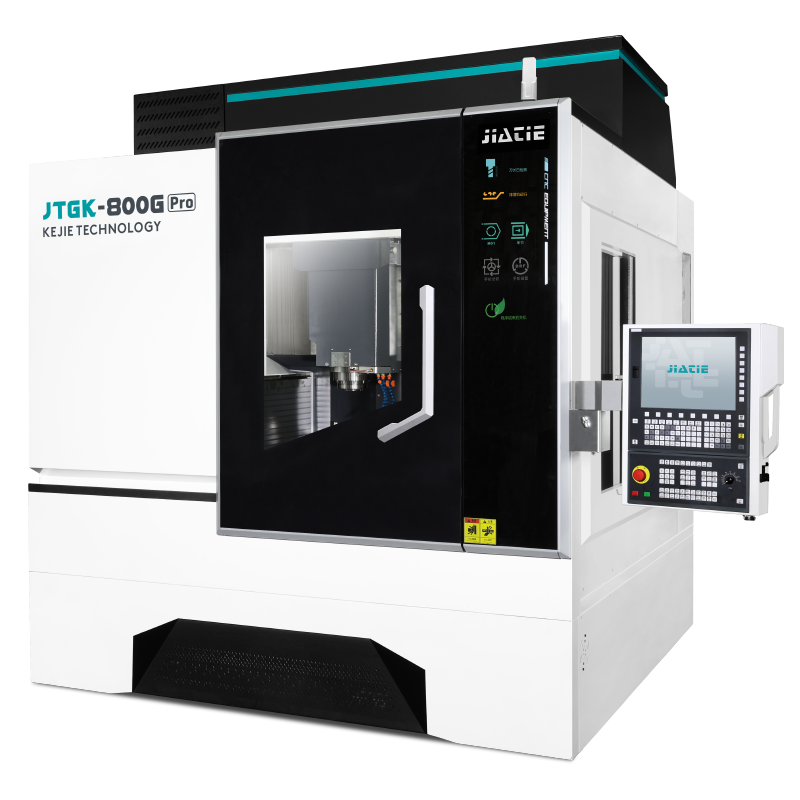
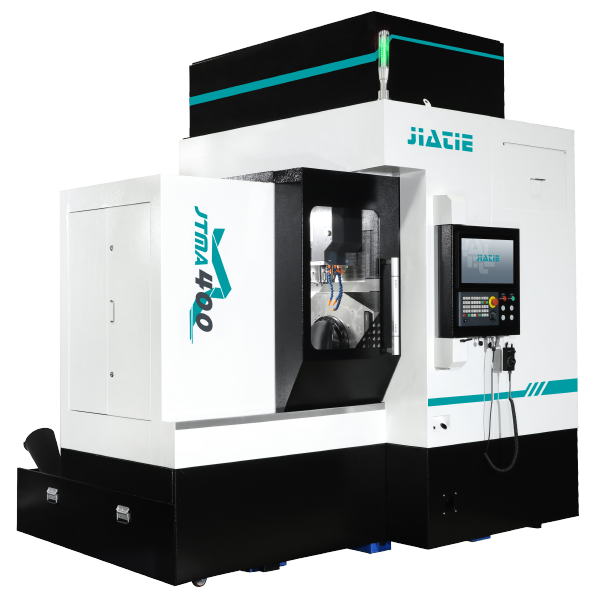
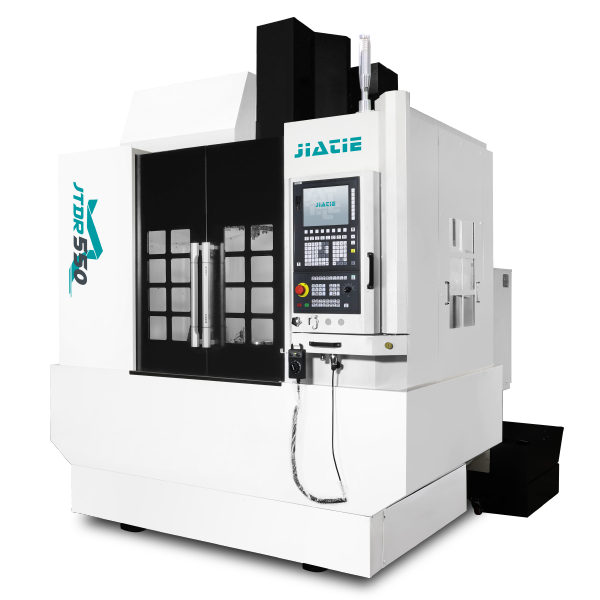
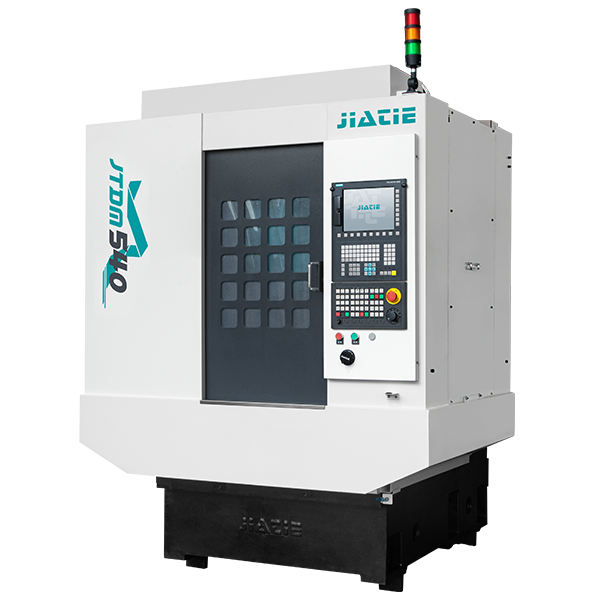
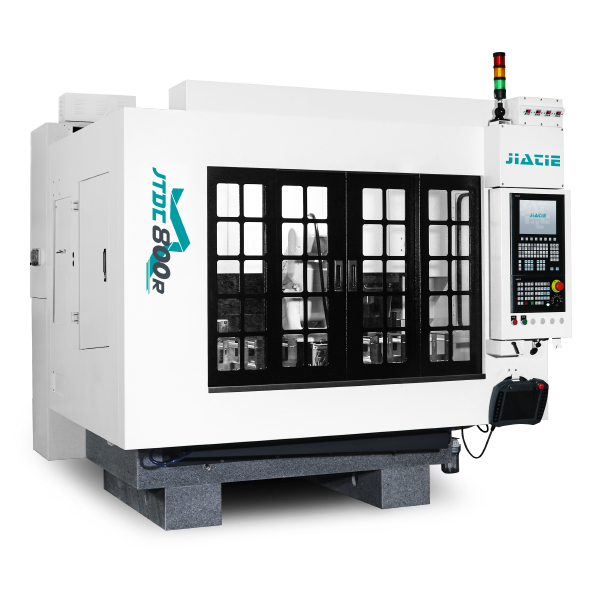
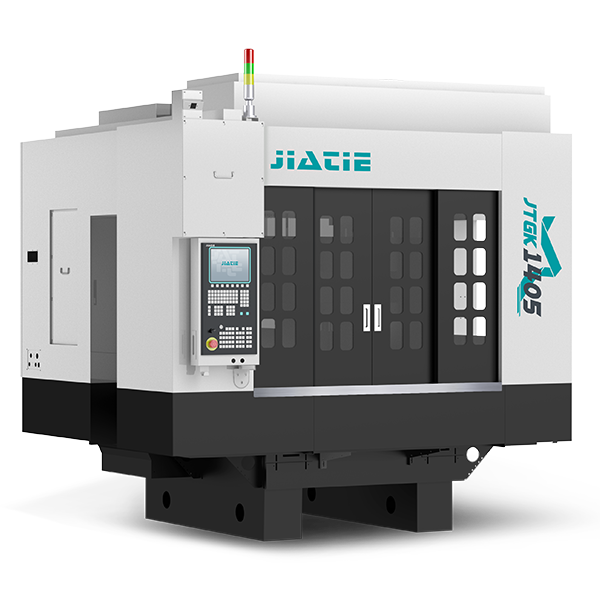
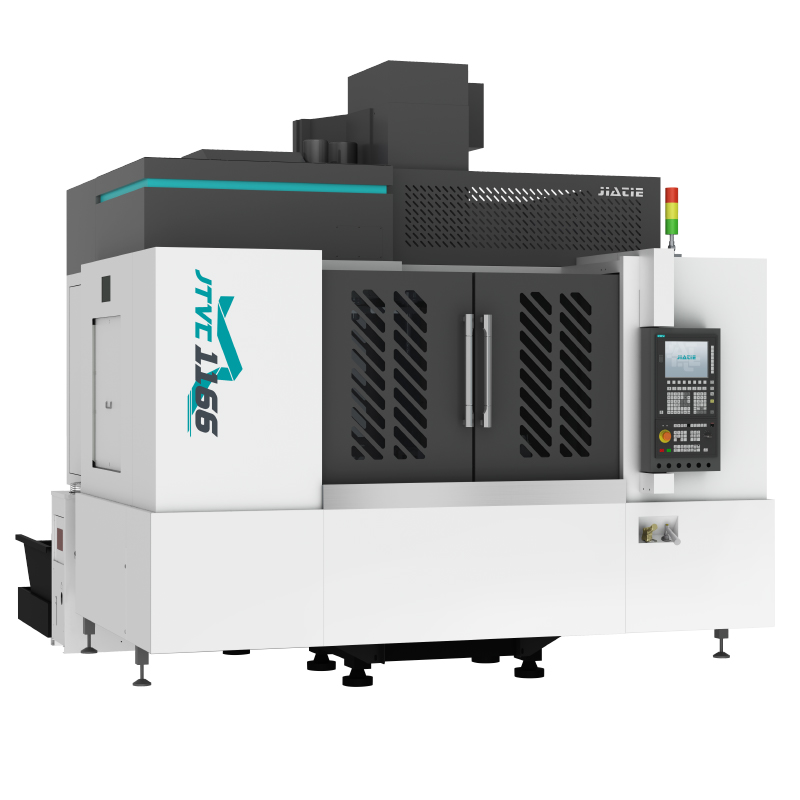
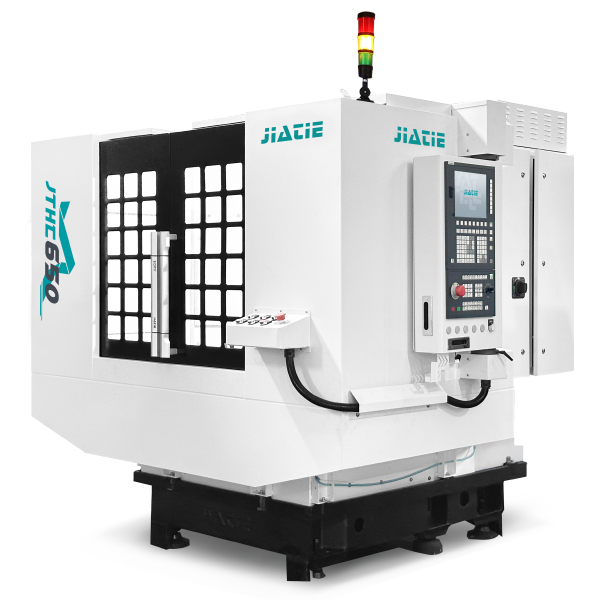
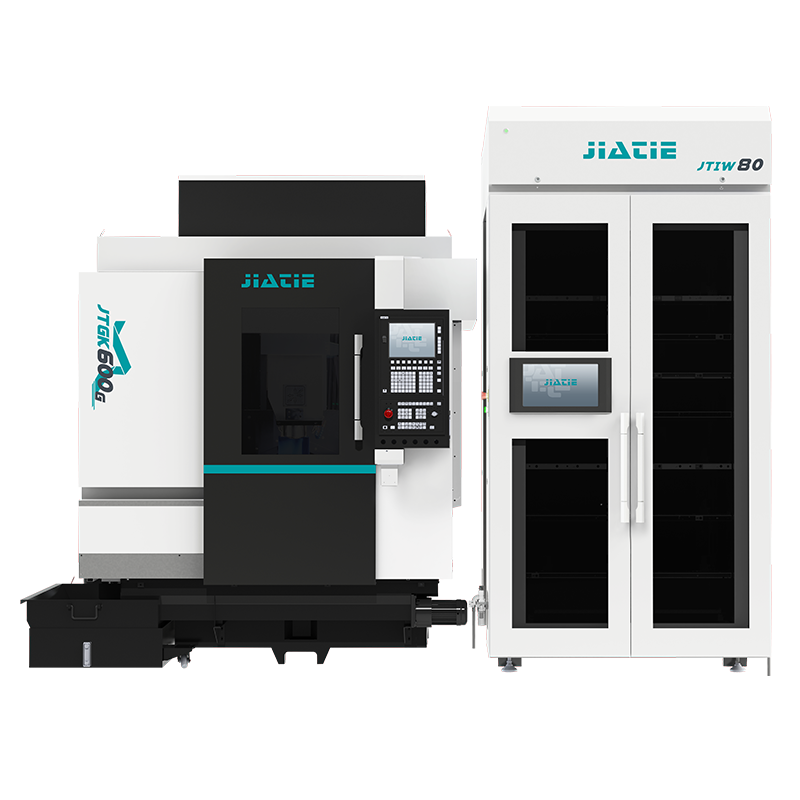
A 5 axis CNC machine adds two rotational axes to the standard X, Y, and Z linear movement of a 3 axis machine, letting the cutting tool or workpiece tilt and rotate so multiple faces and complex contours can be machined in a single setup. Whether that added capability is worth the cost depends almost entirely on your part geometry and tolerance requirements—not every job that could use 5 axis actually needs it.
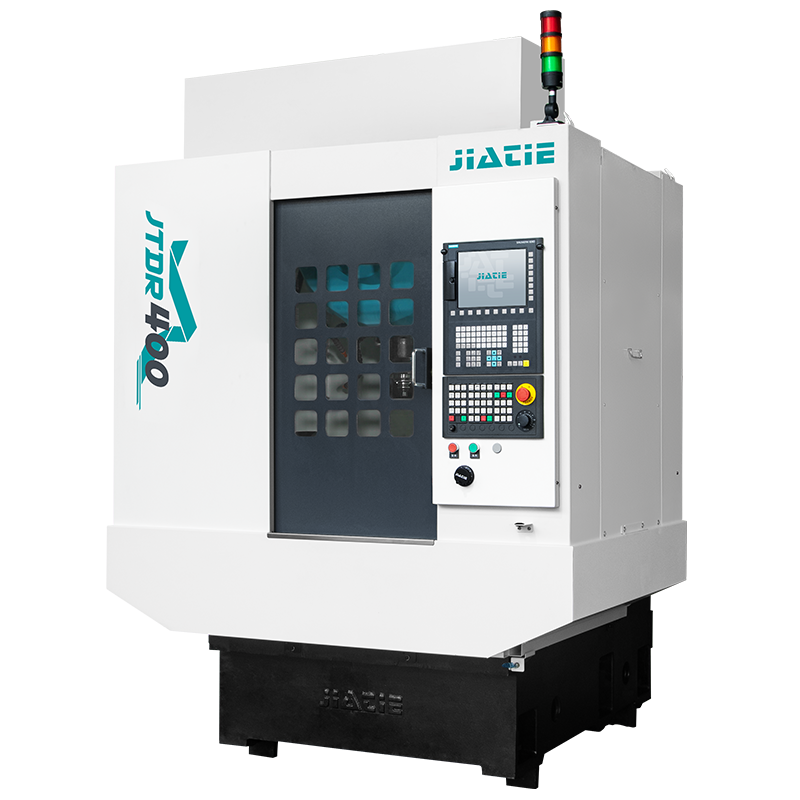
What 3 Axis Machining Handles Well
A 3 axis machine—moving only along X, Y, and Z—is well suited to flat, prismatic parts: pockets, holes, simple contours, and features that can be reached from a single fixed orientation. For parts like this, 3 axis machining is generally the more cost-effective choice, since the machine itself, tooling, and programming are all simpler than what a 5 axis setup requires.
Where 3 Axis Machining Starts To Fall Short
Problems show up once a part needs multiple faces machined with tight positional relationships to each other. On a 3 axis machine, this means manually repositioning and re-fixturing the part between operations—and every repositioning step introduces a small amount of error that can add up on tight-tolerance parts. Complex 3D contoured surfaces, undercuts, and angled features that a fixed-orientation tool simply can't reach are the other common limitation.
What 5 Axis CNC Machining Solves
5 axis cnc machining removes the repositioning problem by letting the tool approach the part from nearly any angle within a single setup. This matters most for parts with complex contoured geometry, multiple angled or undercut features, or tight tolerances between faces that would otherwise require multiple fixturing steps. It's also the more efficient choice on jobs where the time saved from eliminating repositioning outweighs the higher machine and programming cost.
Not sure whether your part needs 5 axis capability? Send us your part drawing and tolerance requirements, and we'll confirm the right machine configuration—we typically respond within 24 hours.
Industries Where 5 Axis Machining Is Common
5 axis Machining Centers are widely used in dentistry and medical device manufacturing, 3C electronics, automotive components, instruments and precision equipment, aerospace, and mold and die work—industries where complex geometry, tight tolerances, or both are the norm rather than the exception.
A Practical Way To Decide
A useful question to ask is how many separate setups a part would need on a 3 axis machine, and whether the relational tolerances between those faces can realistically hold up across multiple fixturing steps. If the answer is one or two simple setups with loose tolerances between them, 3 axis machining is usually the more practical and cost-effective route. If the part needs several angled faces machined to tight tolerances relative to each other, the setup time and accuracy 5 axis machining preserves generally justifies the added cost.
If you're weighing 3 axis against 5 axis for a specific part, sharing your drawing, material, and tolerance requirements can help confirm which machine configuration is the right fit for your production.