

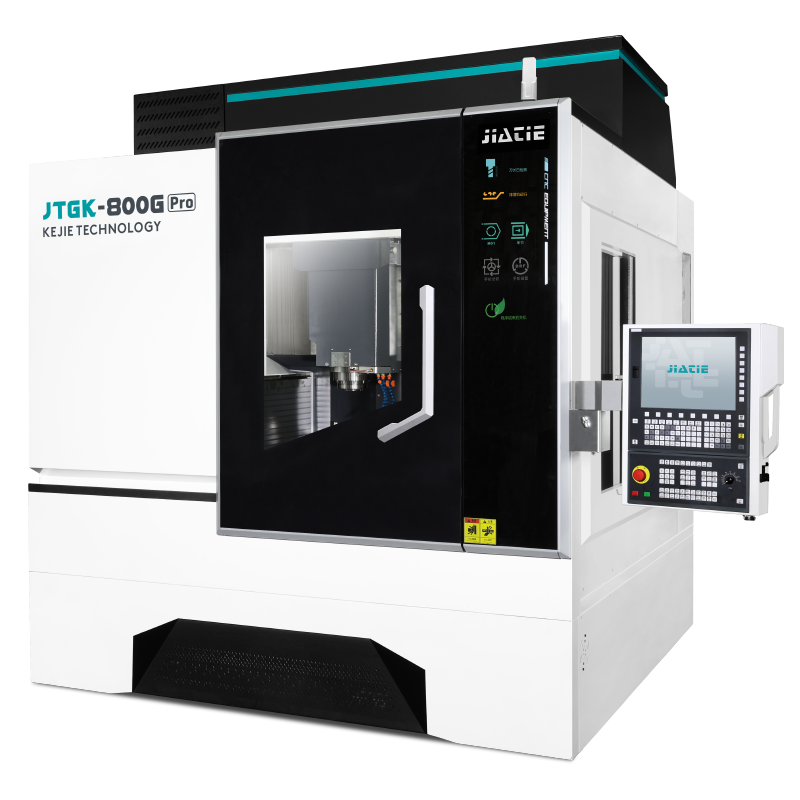
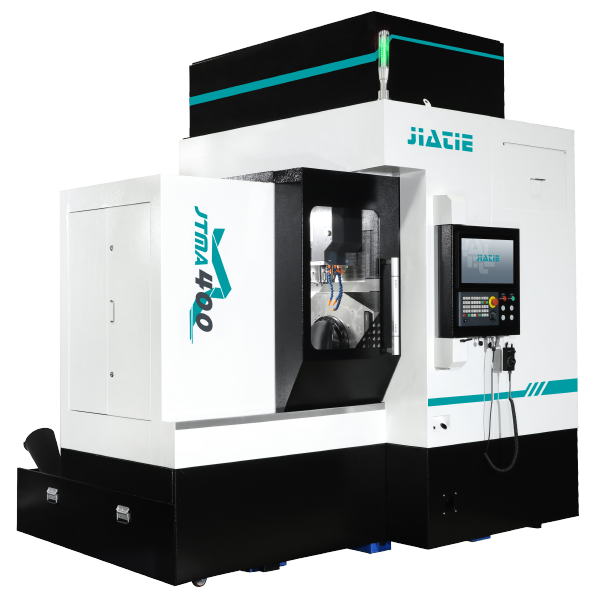
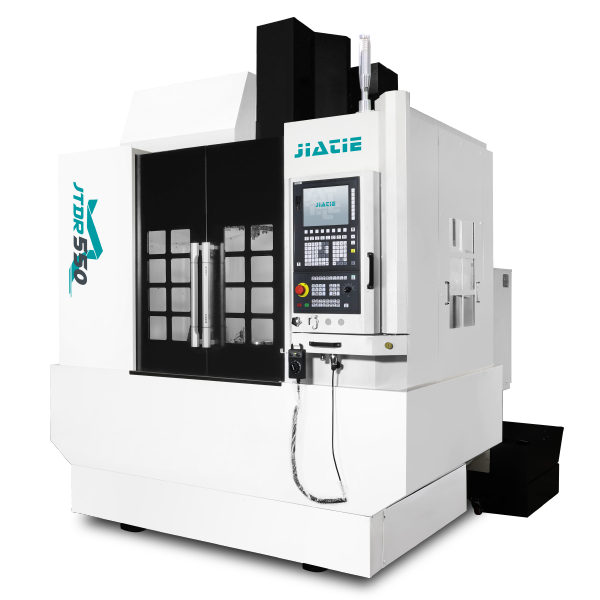
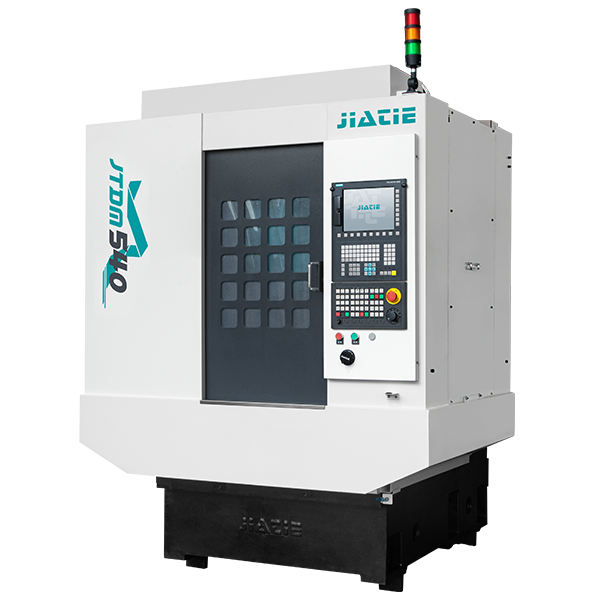
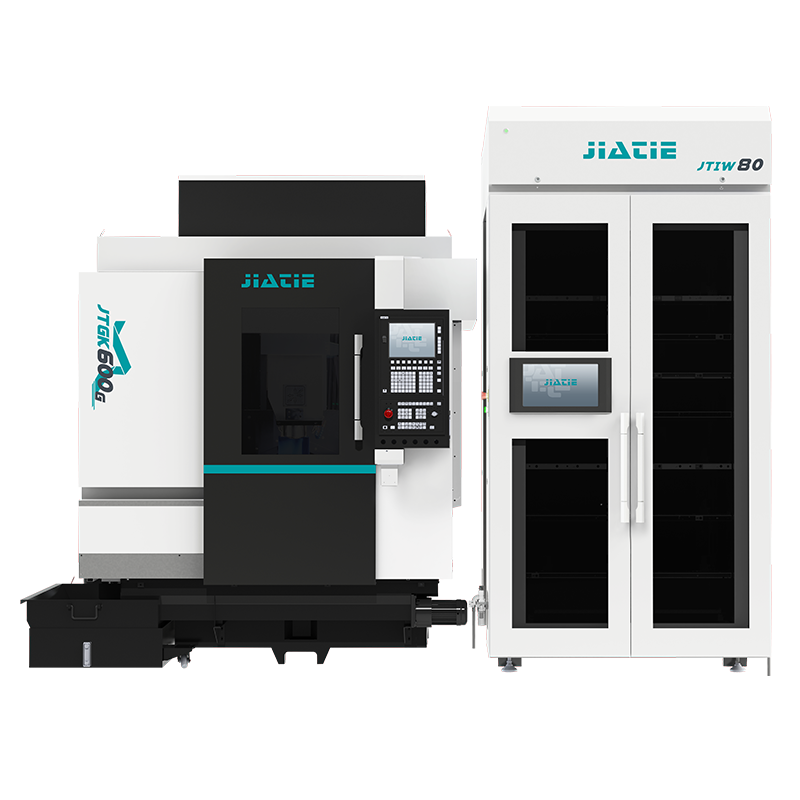
CNC Vertical Machining Center Technical Specifications: A Complete Guide to Choosing the Right VMC
Introduction
When investing in a CNC vertical Machining Center, technical specifications play a critical role in determining machining performance, production efficiency, and long-term reliability. From axis travel and worktable dimensions to machine rigidity and load capacity, every specification influences how well a machine meets the demands of different manufacturing applications.
Whether you are producing molds, automotive parts, aerospace components, or precision mechanical products, understanding these specifications helps you choose equipment that matches your production requirements while maximizing return on investment.
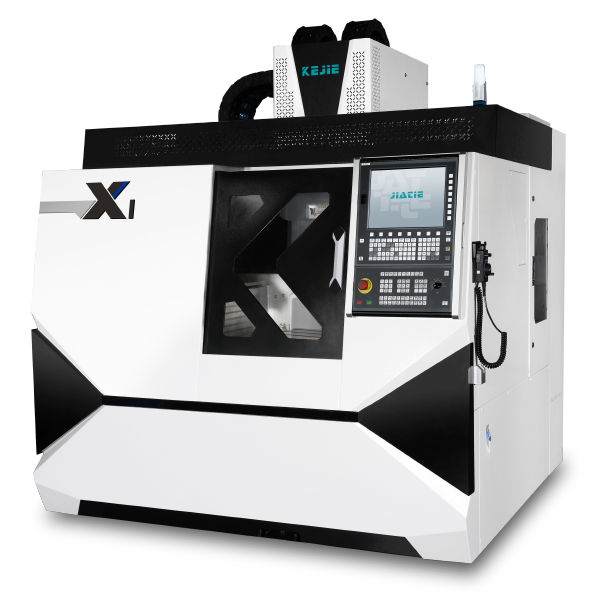
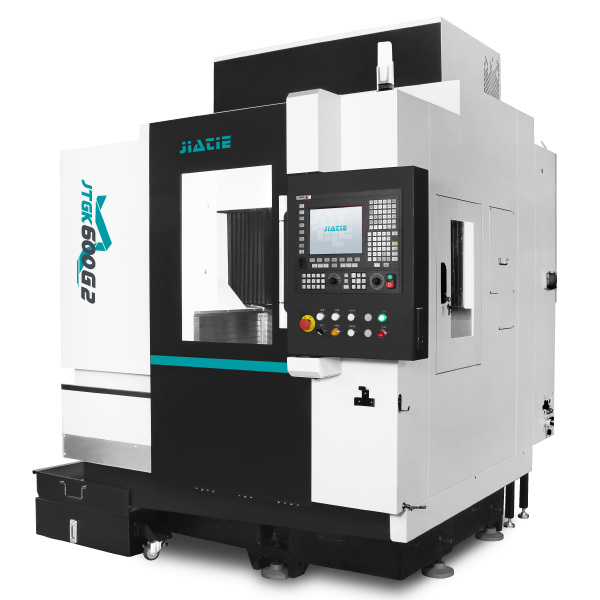
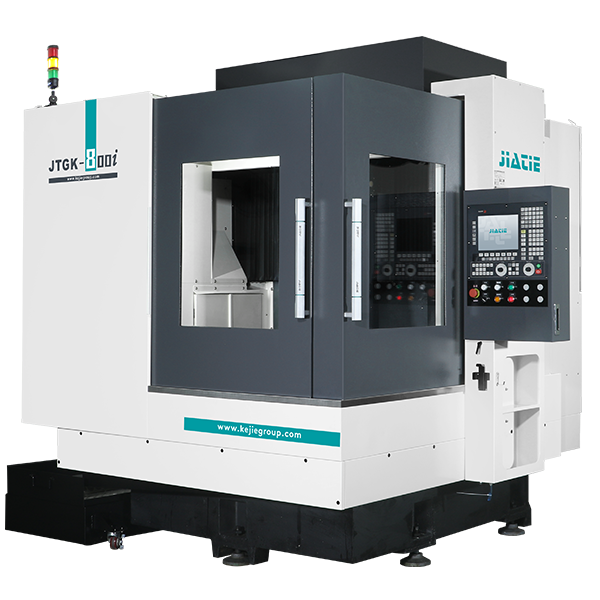
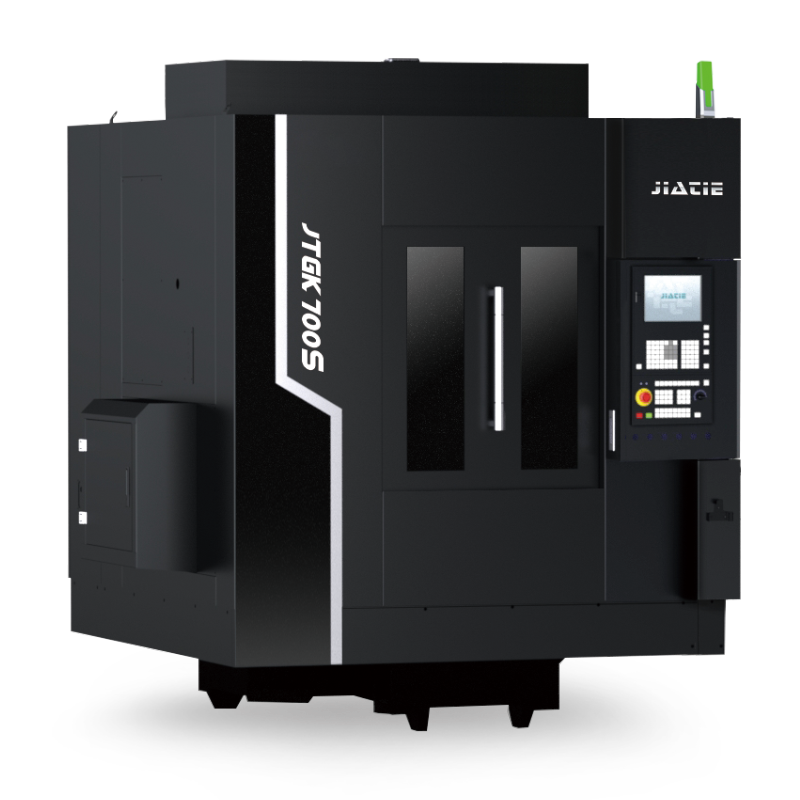
This guide explains the most important CNC Vertical Machining Center technical specifications and introduces three KEJIE JTVC series models to help manufacturers compare their options.
Why Technical Specifications Matter
Many buyers focus only on machine size or price when selecting a machining center. However, the right machine should be evaluated based on the type of workpieces, machining accuracy, material, and production volume.
Important specifications affect:
Maximum workpiece size
Machining stability
Production efficiency
Machine service life
Future production flexibility
Choosing a machine based on real production requirements helps reduce unnecessary investment while improving machining quality.
Key CNC Vertical Machining Center Technical Specifications
X/Y/Z Axis Travel
Axis travel defines the maximum machining range of the machine.
A larger travel allows larger components to be processed, while a compact machine may be more suitable for precision parts with limited workshop space.
For manufacturers producing various products, selecting an appropriate travel range provides greater production flexibility.
Worktable Size
The worktable supports the workpiece during machining.
A larger table offers more fixture space and allows multiple small components to be machined simultaneously, improving productivity.
When selecting a machine, the table size should match the dimensions of the workpieces being produced.
Maximum Table Load
Table load capacity determines the maximum weight that can be safely machined.
Heavy molds or steel components require a machine capable of supporting greater loads while maintaining machining accuracy and stability.
Machine Structure
Machine rigidity directly affects machining precision.
KEJIE vertical machining centers adopt an optimized machine structure designed through Finite Element Method (FEM) analysis. This structural design improves rigidity while maintaining dynamic performance, helping reduce vibration during heavy cutting and high-speed machining.
The three-axis linear guideway design also contributes to smooth movement and stable positioning throughout the machining process.
KEJIE JTVC Series Technical Specifications
KEJIE offers multiple vertical machining center models designed for different production requirements.
JTVC-855P3 Vertical Machining Center
The JTVC-855P3 is suitable for precision machining of small and medium-sized components.
Official Specifications
| Item | Specification |
|---|---|
| X/Y/Z Travel | 800 × 500 × 550 mm |
| Worktable Size | 1000 × 500 mm |
| Maximum Workpiece Height | 500 mm |
| Maximum Table Load | 800 kg |
| Machine Weight | 4500 kg |
This model is ideal for precision parts, electronic components, and small mold manufacturing where machining accuracy and efficient use of floor space are important.
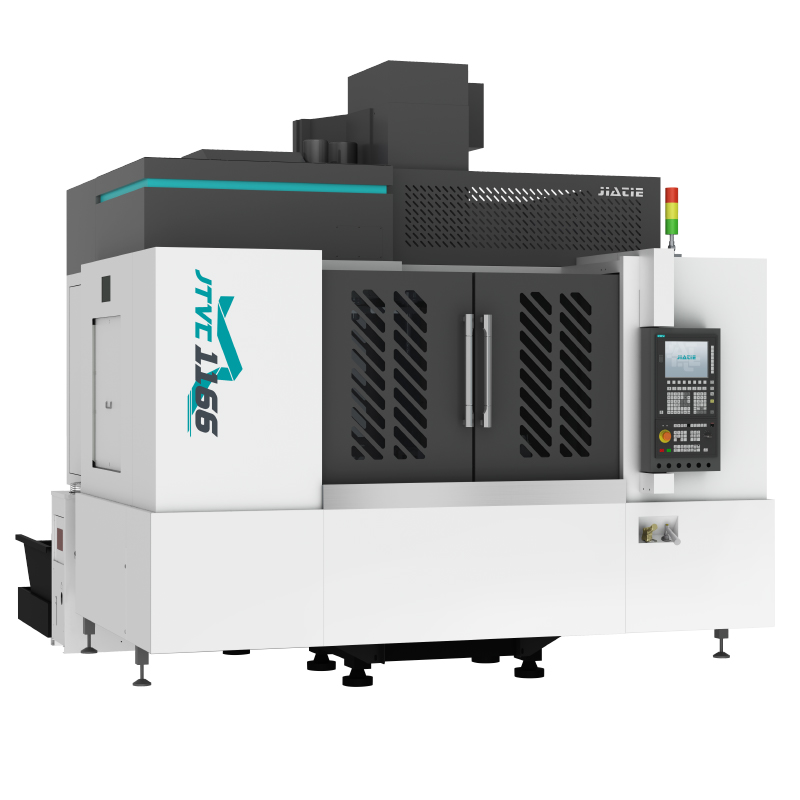
JTVC-1166 Vertical Machining Center
The JTVC-1166 provides increased machining capacity for medium-sized workpieces.
Official Specifications
| Item | Specification |
|---|---|
| X/Y/Z Travel | 1100 × 650 × 600 mm |
| Worktable Size | 1200 × 650 mm |
| Maximum Workpiece Height | 600 mm |
| Maximum Table Load | 1100 kg |
| Machine Weight | 7500 kg |
Its larger worktable and higher load capacity make it suitable for mold manufacturing, industrial components, and automotive parts.
JTVC-1380P Vertical Machining Center
For manufacturers processing larger components, the JTVC-1380P offers an expanded machining envelope.
Official Specifications
| Item | Specification |
|---|---|
| X/Y/Z Travel | 1300 × 800 × 700 mm |
| Worktable Size | 1400 × 800 mm |
| Maximum Workpiece Height | 700 mm |
| Maximum Table Load | 800 kg |
| Machine Weight | 7600 kg |
This model is well suited for large molds, heavy mechanical components, and precision industrial applications requiring greater machining space.
JTVC Series Comparison
| Model | X/Y/Z Travel | Table Size | Table Load | Machine Weight |
|---|---|---|---|---|
| JTVC-855P3 | 800 × 500 × 550 mm | 1000 × 500 mm | 800 kg | 4500 kg |
| JTVC-1166 | 1100 × 650 × 600 mm | 1200 × 650 mm | 1100 kg | 7500 kg |
| JTVC-1380P | 1300 × 800 × 700 mm | 1400 × 800 mm | 800 kg | 7600 kg |
Each model is designed to meet different production requirements, allowing manufacturers to select equipment based on workpiece size, machining capacity, and workshop layout.
How to Choose the Right CNC Vertical Machining Center
Before making a purchasing decision, consider the following:
Workpiece dimensions: Ensure the axis travel and worktable size accommodate your largest parts.
Workpiece weight: Verify that the table load capacity is sufficient for your typical components.
Production requirements: High-volume production may benefit from a larger machine with greater machining flexibility.
Available workshop space: Choose a machine that fits your factory layout while allowing convenient operation and maintenance.
Matching machine specifications to actual production needs helps improve efficiency and reduce operating costs.
Applications
KEJIE JTVC vertical machining centers are suitable for machining a wide range of materials, including copper, aluminum, cast iron, steel, and stainless steel. They are widely used in industries such as automotive manufacturing, aerospace, 3C electronics, industrial Automation, communication equipment, and precision mold production.
FAQ
What are the most important CNC vertical machining center technical specifications?
The most important specifications include axis travel, worktable size, maximum table load, machine structure, and overall machining capacity.
Which JTVC model is suitable for precision parts?
The JTVC-855P3 is a good choice for precision machining of small and medium-sized components.
Which model is better for larger molds?
The JTVC-1380P provides a larger machining range and worktable, making it suitable for larger mold manufacturing.
Why is machine rigidity important?
A rigid machine structure reduces vibration during machining, improving dimensional accuracy, surface finish, and long-term machining stability.
Conclusion
Understanding CNC vertical machining center technical specifications is essential for selecting equipment that matches your production goals. Rather than focusing on a single parameter, manufacturers should evaluate travel, worktable size, load capacity, structural rigidity, and intended applications together.
KEJIE's JTVC-855P3, JTVC-1166, and JTVC-1380P vertical machining centers provide different machining capacities to support a wide range of manufacturing requirements. By comparing official specifications and matching them with actual production needs, businesses can make more informed investment decisions while improving machining efficiency and product quality.