

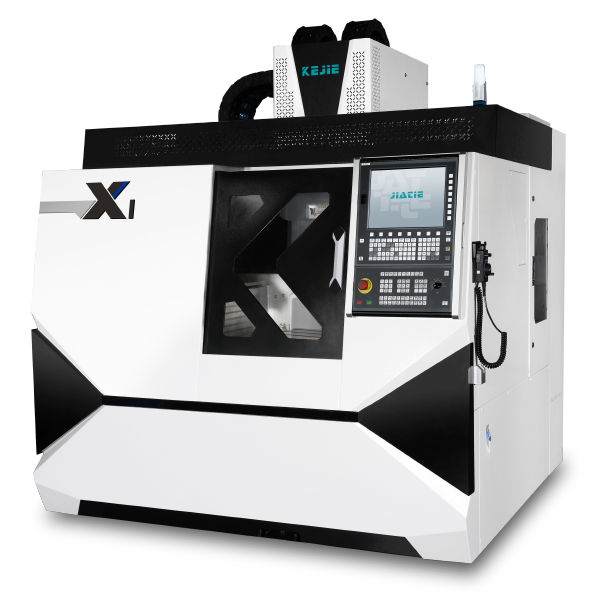
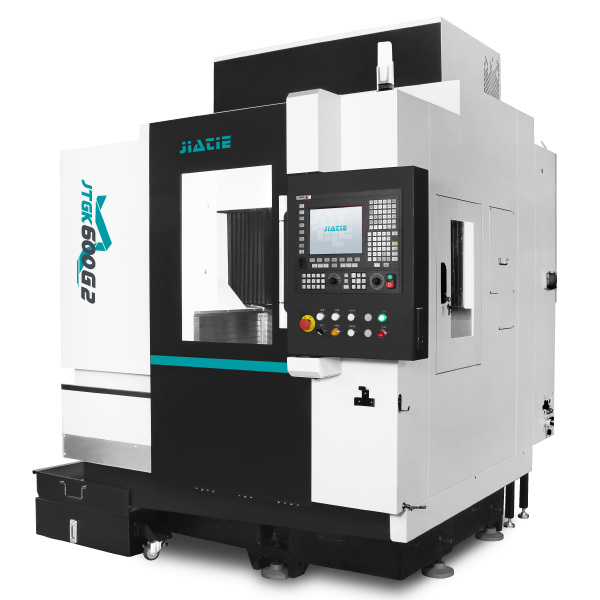
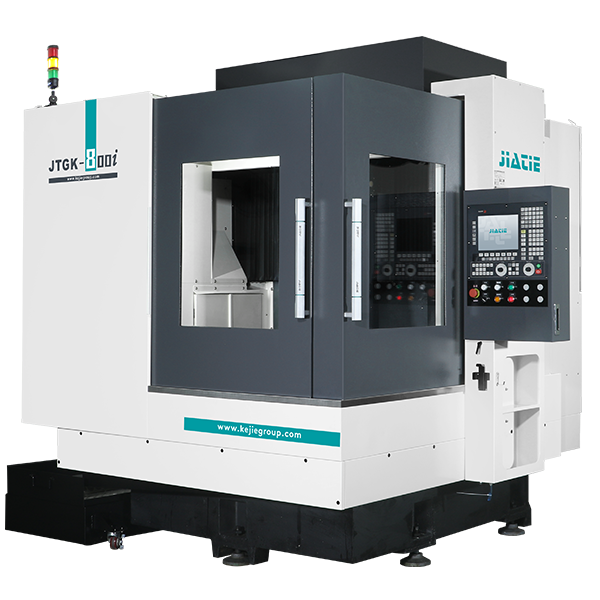
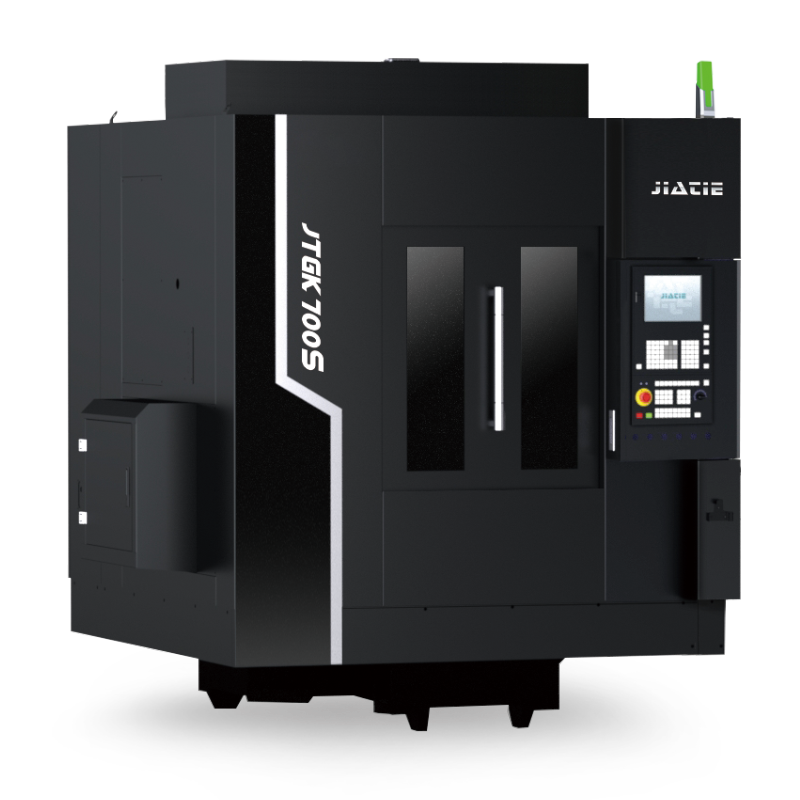
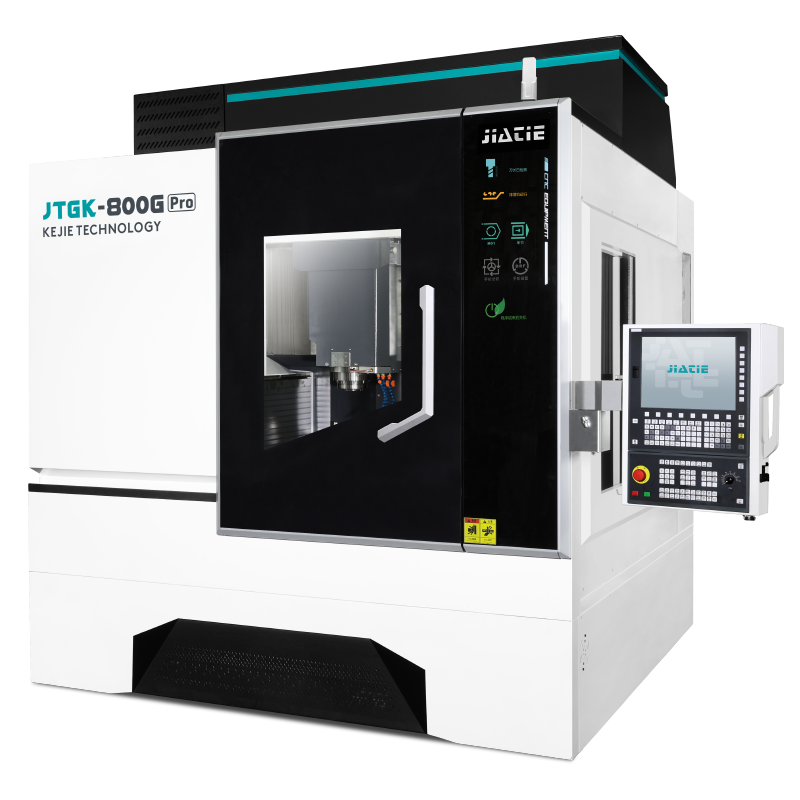
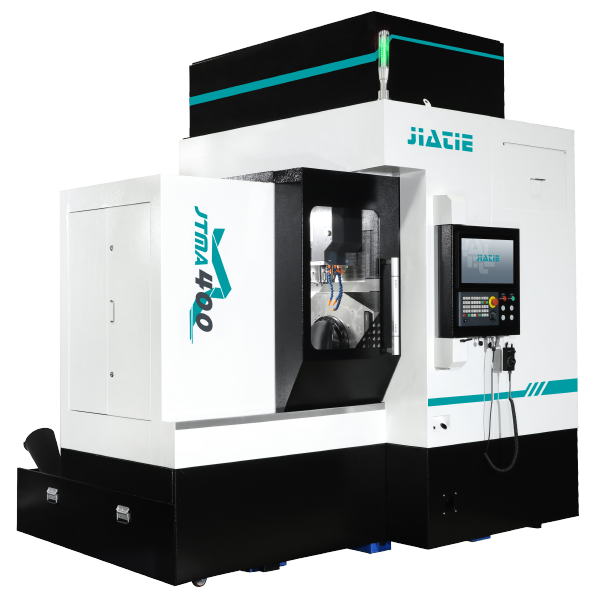
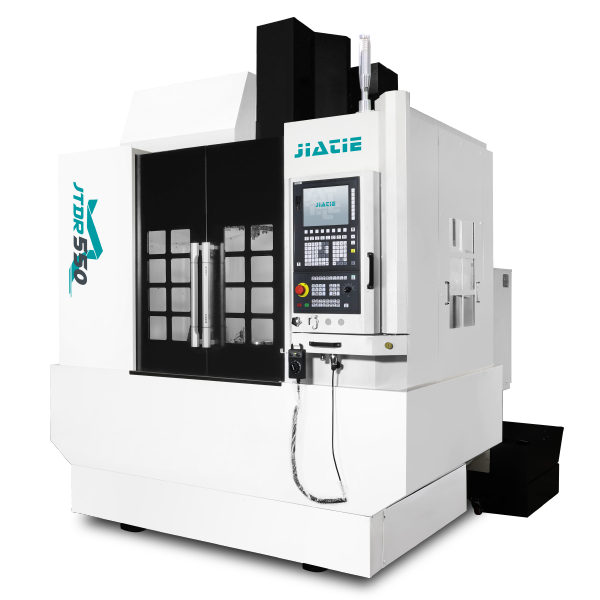
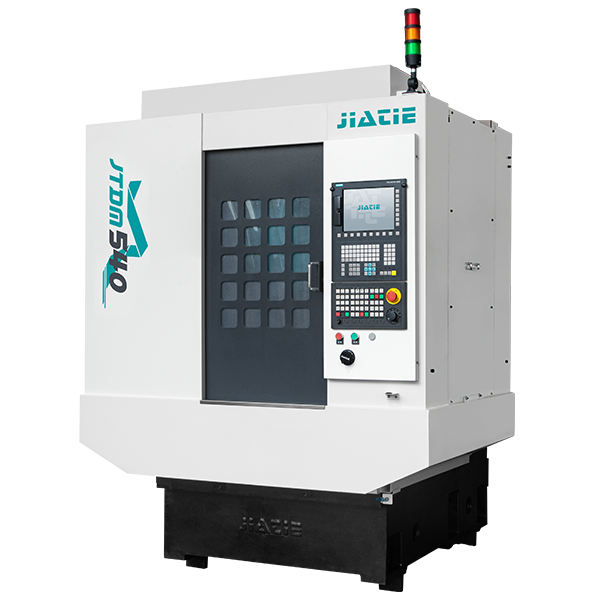
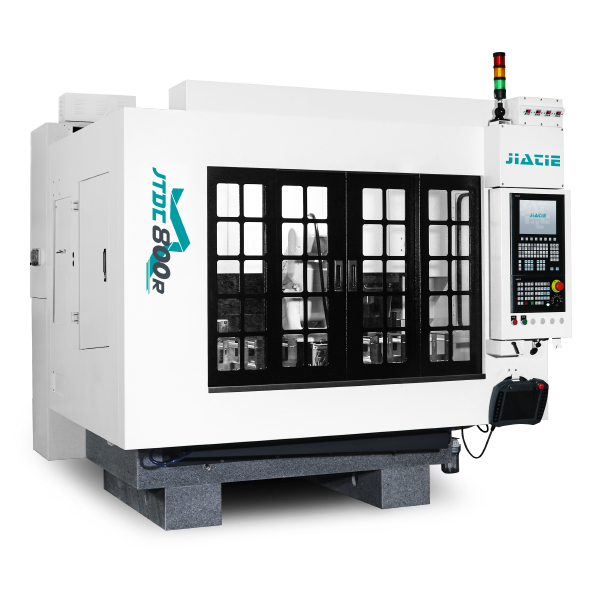
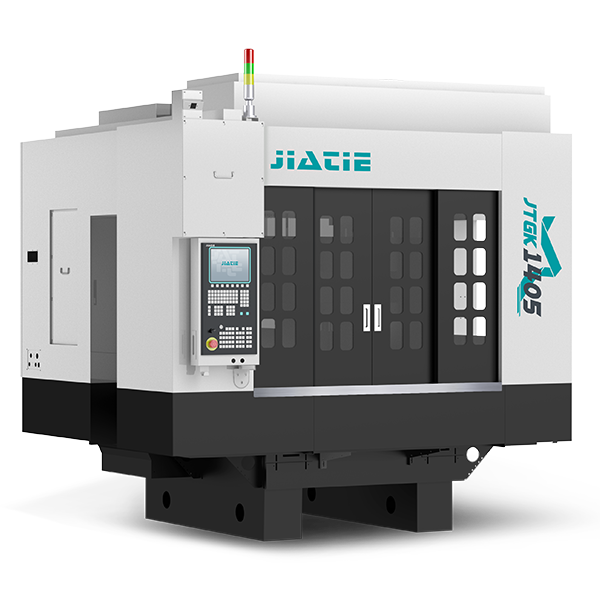
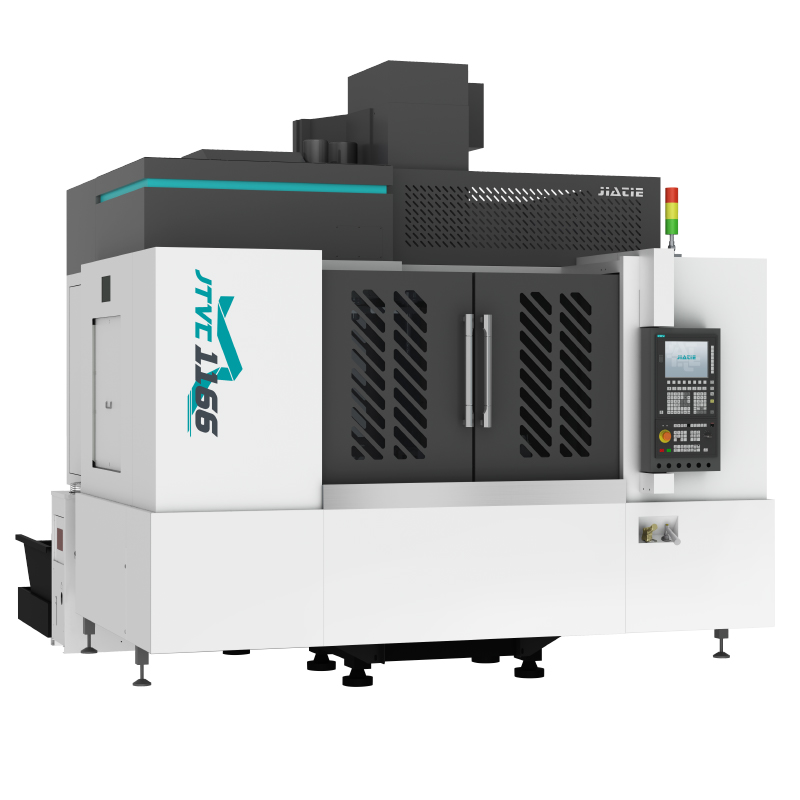
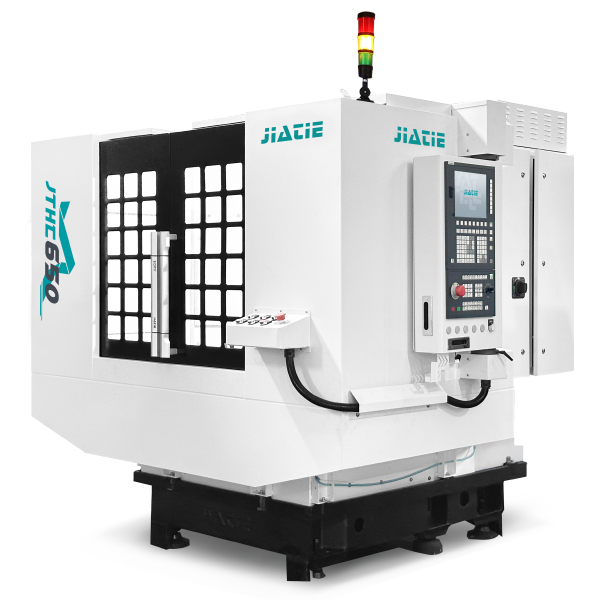
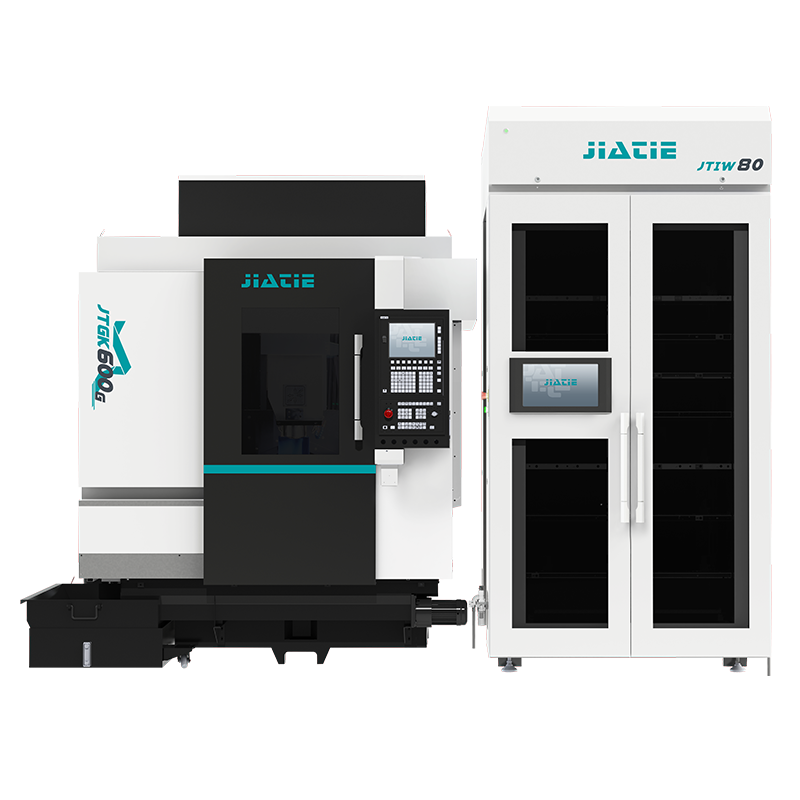
Manufacturers working with advanced ceramics, sapphire, silicon carbide, quartz glass, and other hard brittle materials often focus on one performance indicator when selecting a grinding machine—spindle speed. While high spindle speed is important, it is rarely the factor that determines machining success.
In precision grinding, the real challenge is maintaining stable machining conditions throughout the entire process. Machine rigidity, thermal stability, motion control, grinding strategy, and measurement accuracy all work together to determine the final quality of the workpiece.
For industries such as semiconductor manufacturing, optics, medical devices, and precision electronics, process stability has become the foundation of consistent, high-quality production.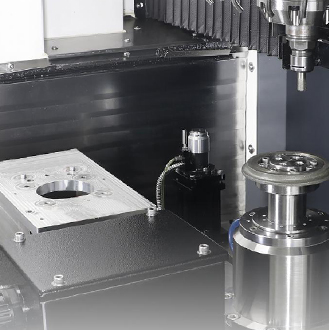
Why Hard Brittle Materials Are Difficult to Machine
Unlike aluminum or mild steel, hard brittle materials exhibit very different mechanical characteristics.
Materials including technical ceramics, sapphire, glass, and silicon carbide have:
Extremely high hardness
Low fracture toughness
Poor plastic deformation capability
High sensitivity to vibration and thermal stress
Instead of producing continuous chips, these materials are prone to micro-cracking, edge chipping, and subsurface damage if machining conditions are unstable.
For this reason, grinding is widely adopted as the preferred finishing process because it removes material gradually with controlled cutting forces, producing superior dimensional accuracy and surface integrity.
Precision Grinding Depends on the Entire Machine System
Achieving nanometer-level surface quality is not simply the result of using a better grinding wheel. It requires every subsystem of the machine to work together.
Key factors include:
Machine Structural Rigidity
A rigid machine structure minimizes vibration during high-speed grinding and maintains consistent wheel-to-workpiece contact.
High-Performance Spindle Technology
Stable spindle performance reduces runout while maintaining constant cutting conditions during long production cycles.
Precision Motion Control
Smooth interpolation between multiple axes allows complex profiles and freeform surfaces to be machined with higher consistency.
Thermal Stability
Temperature variation directly influences machine geometry. Stable thermal behavior helps maintain dimensional accuracy throughout extended machining operations.
Rather than optimizing one component independently, modern grinding centers integrate these technologies into a complete machining platform.
Intelligent CNC Control Improves Grinding Consistency
Modern CNC Grinding Machines rely on more than mechanical precision.
Advanced CNC systems coordinate spindle speed, feed rate, axis movement, and grinding parameters in real time to maintain stable machining conditions.
KEJIE Technology's self-developed CNC platform supports advanced motion control, multi-axis machining, and intelligent process optimization, enabling higher repeatability for complex precision parts. The company's control technology has been widely applied in high-speed and ultra-precision machining applications.
For manufacturers processing hard brittle materials, this level of process control helps reduce dimensional variation while improving production efficiency.
In-Machine Measurement Reduces Process Variation
Another important development in precision grinding is on-machine measurement.
Traditional production often requires operators to remove a workpiece for external inspection before returning it to the machine for additional machining.
Integrated measurement systems eliminate this interruption by measuring key dimensions directly on the machine.
Benefits include:
Reduced setup time
Improved positioning accuracy
Lower scrap rates
Higher production consistency
Reduced manual intervention
By shortening the inspection loop, manufacturers can improve both productivity and machining accuracy.
Automation Is Becoming Part of Precision Grinding
As batch sizes increase and skilled labor becomes more difficult to recruit, automation is becoming an essential part of precision grinding.
Modern CNC Grinding Centers increasingly incorporate:
Automatic loading systems
Intelligent machining programs
Remote equipment monitoring
Process data collection
Flexible manufacturing integration
These technologies improve machine utilization while maintaining stable quality across long production runs. KEJIE also provides automated processing solutions that can be tailored to different production requirements.
Choosing the Right Grinding Solution
When evaluating a grinding machine for hard brittle materials, manufacturers should look beyond maximum spindle speed or rapid traverse rates.
A more comprehensive evaluation includes:
Machine structural rigidity
Thermal stability
CNC control capability
Grinding process software
On-machine measurement
Multi-axis machining performance
Automation compatibility
These factors have a much greater influence on long-term machining quality than a single specification alone.
Learn More About Hard Brittle Parts Grinding
Understanding the characteristics of hard brittle materials is only the first step toward improving machining quality.
For a more detailed discussion of grinding mechanisms, process challenges, and precision machining solutions, read our related technical article:
Why Hard Brittle Parts Grinding Is Essential for Ceramic, Carbide, and Graphite Components
https://www.kejietechnology.com/news/89/
This article explores why precision grinding has become one of the most important manufacturing processes for advanced engineering materials and how modern CNC grinding technology supports high-accuracy production across semiconductor, medical, aerospace, and precision manufacturing industries.