

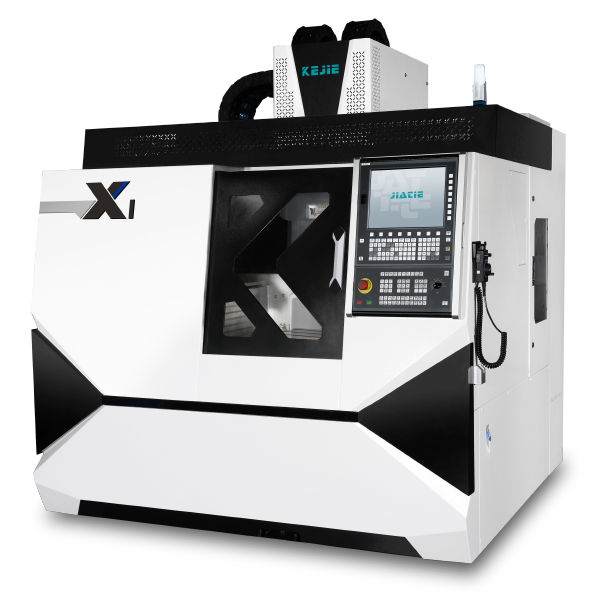
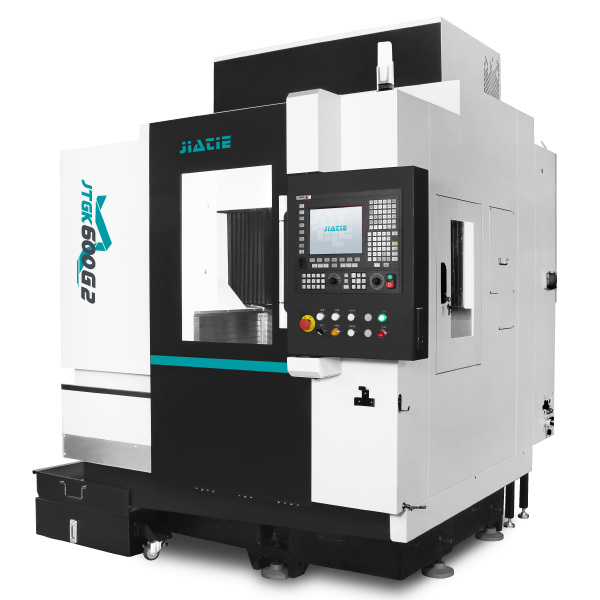
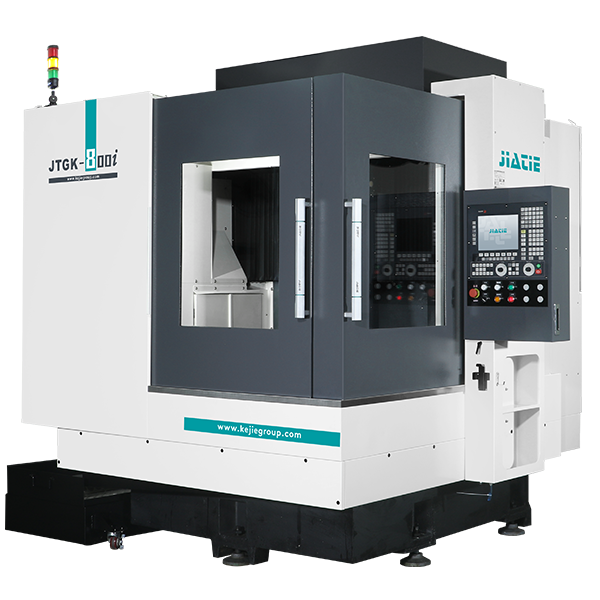
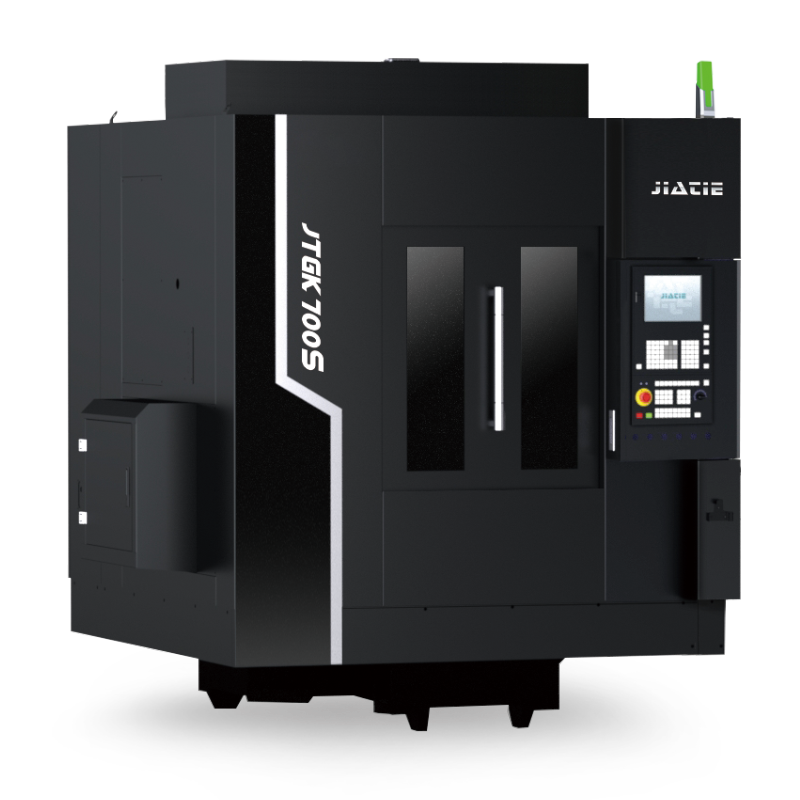
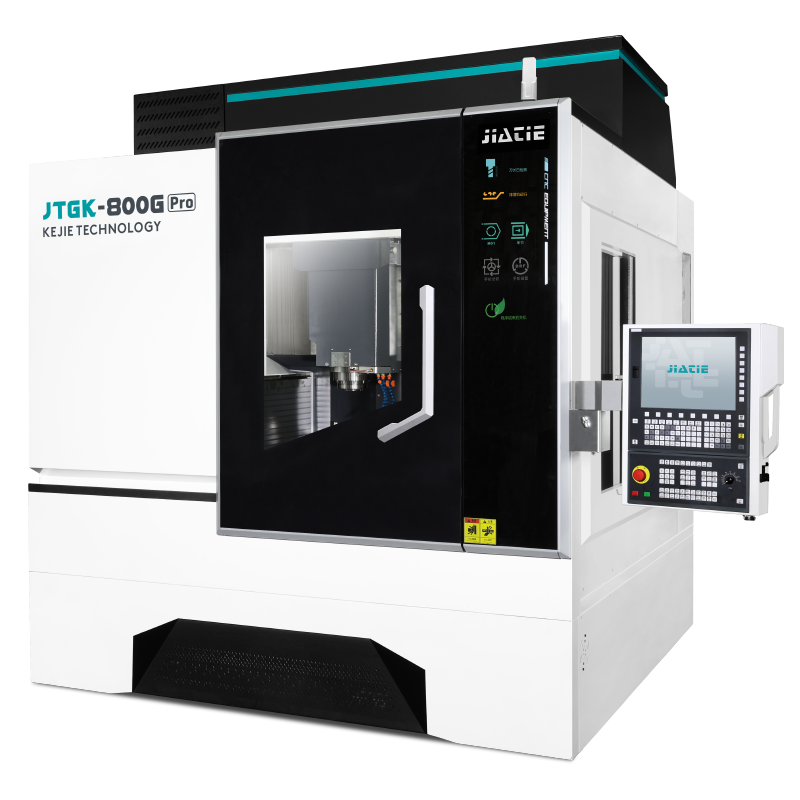
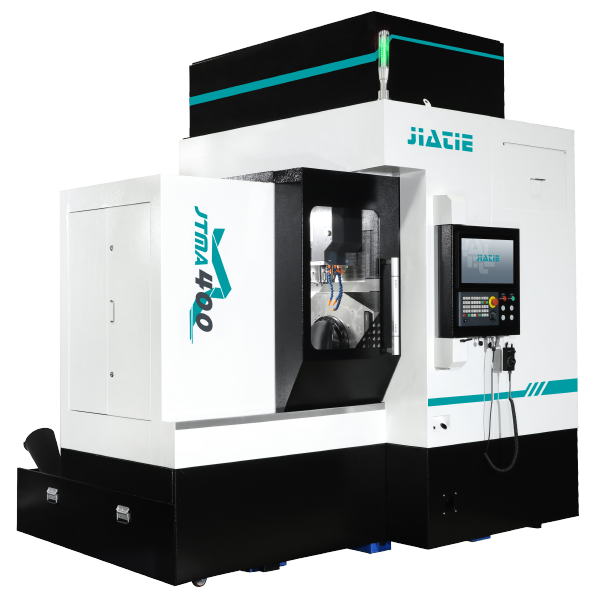
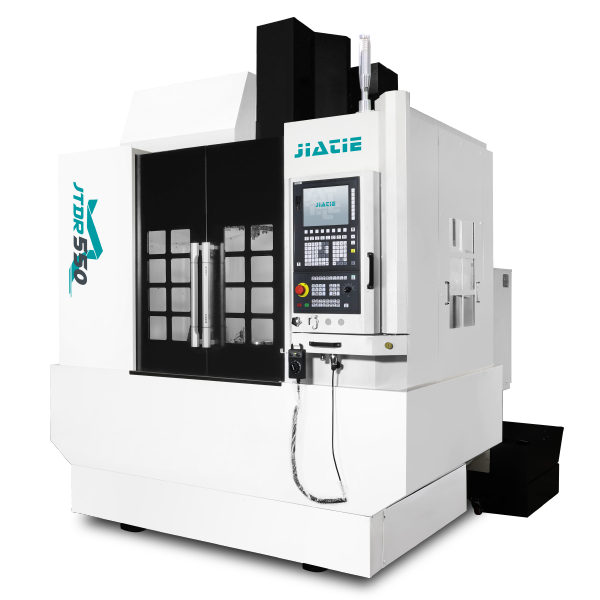
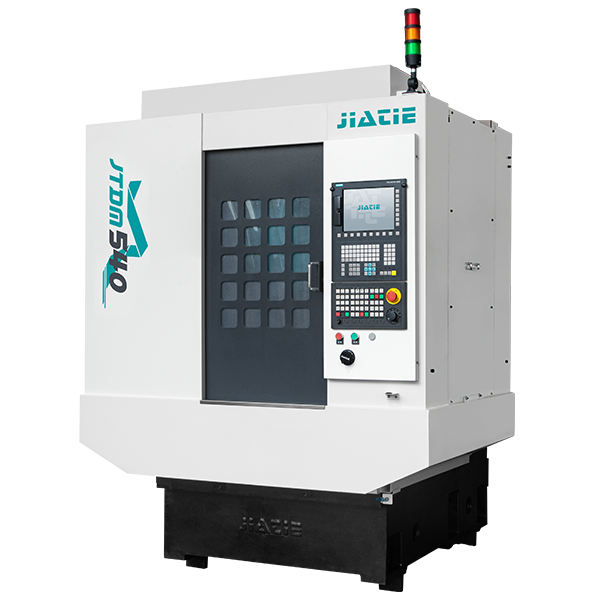
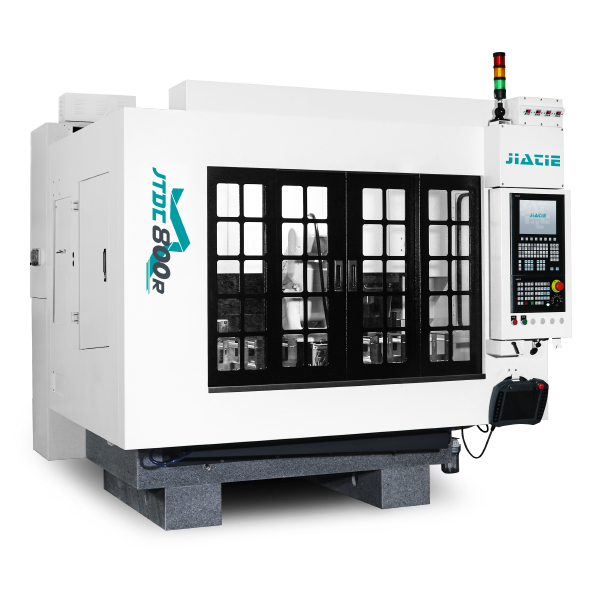
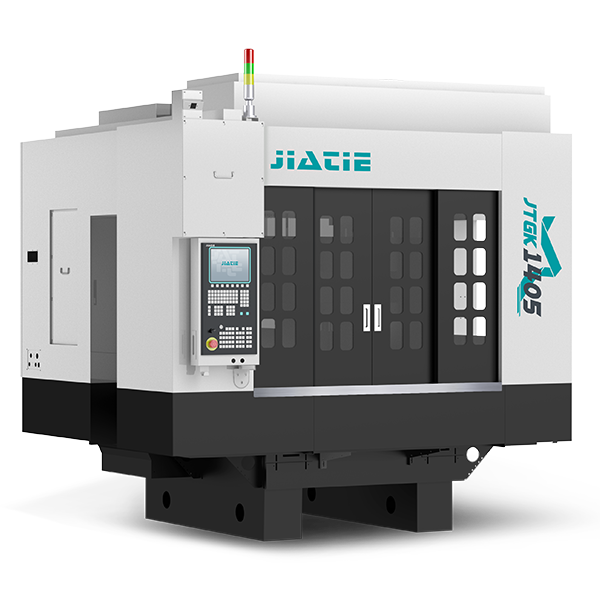
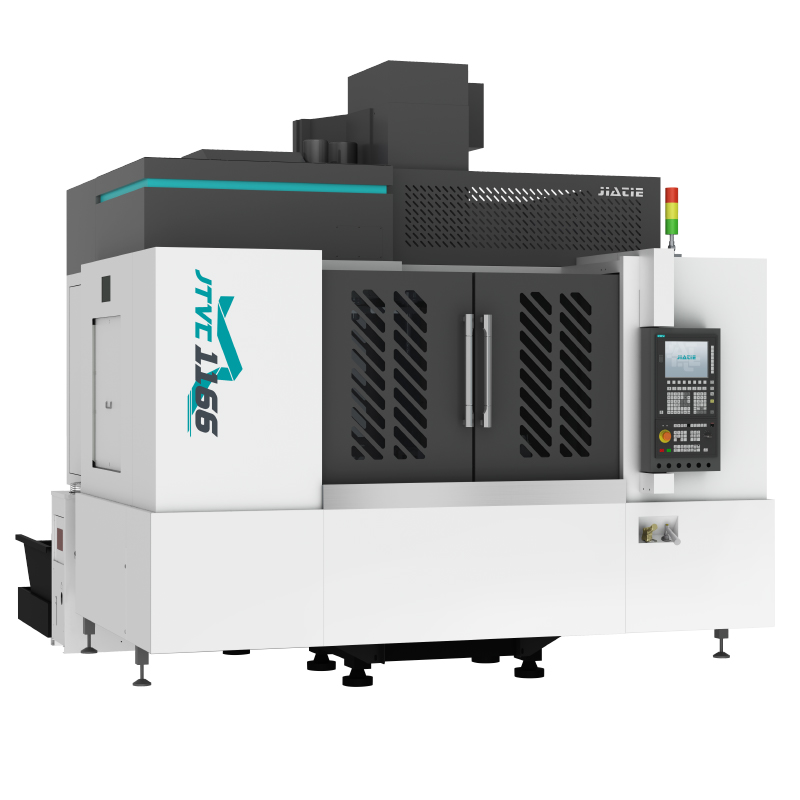
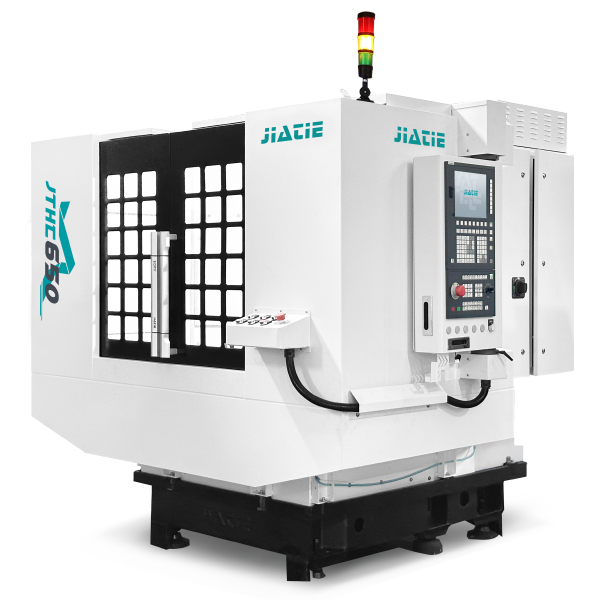
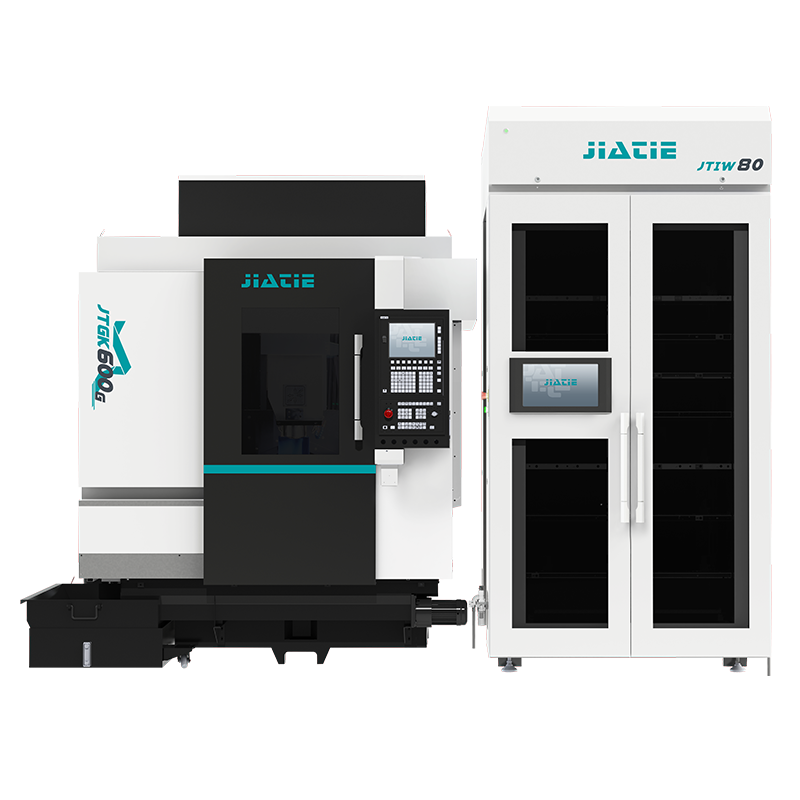
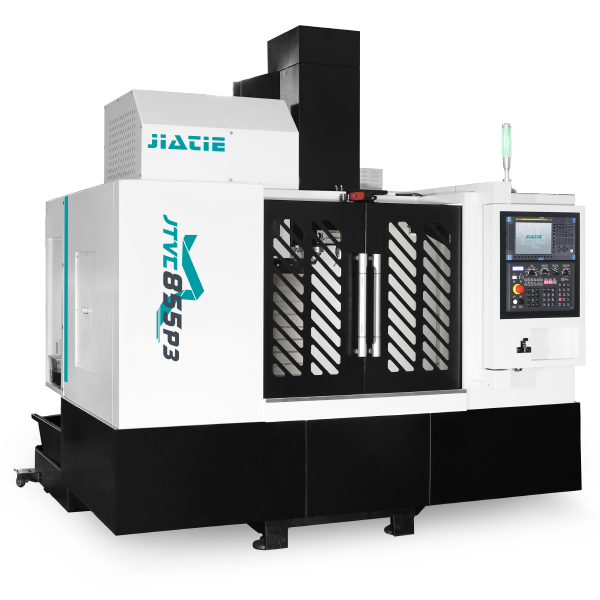
The core difference between a Vertical Machining Center and a Horizontal Machining Center comes down to spindle orientation—vertical, with the tool pointing down at a fixed table, versus horizontal, with the tool running parallel to the floor. That single difference drives nearly every practical trade-off between the two: setup flexibility, chip handling, footprint, and how well each machine suits high-volume production versus simpler, single-face parts.
1. Setup And Workpiece Access
A vertical Machining Center gives operators a clear, top-down view of the workpiece, which makes setup, alignment, and monitoring more straightforward—especially useful for prototyping, tool and die work, or lower-volume jobs where quick changeovers matter. A Horizontal Machining Center is typically paired with a rotary table or pallet system, letting a part be machined on multiple faces in a single setup without repositioning, which matters more once a part's design requires several sides finished to tight tolerances.
2. Chip Evacuation
On a horizontal machining center, gravity pulls chips down and away from the cutting zone and the workpiece surface, which reduces recutting and chip buildup during deep-cavity or heavy-cutting operations. On a Vertical Machining Center, chips tend to fall onto the table and workpiece, requiring more frequent clearing—a manageable trade-off for lighter jobs, but a real factor in continuous, heavy-duty production runs.
3. Footprint And Cost
Vertical machining centers generally have a smaller footprint and lower upfront cost, making them a practical starting point for shops handling varied, lower-volume work. Horizontal machining centers cost more and take up more floor space, but that investment pays off in reduced per-part cycle time once volume and part complexity increase—fewer setups per part means less non-cutting time across a production run.
Not sure which machine fits your production needs? Send us your part geometry, material, and expected volume, and we'll recommend the right configuration—we typically respond within 24 hours.
4. Typical Applications For Each
Vertical machining centers suit mold and die work, prototyping, and general-purpose machining where a single or limited number of faces need cutting. Horizontal machining centers are more common in automotive components, aerospace parts, and other high-volume production environments where multi-surface machining, automatic tool changing, and pallet-based Automation combine to keep cycle times low across long production runs.
Which Should You Choose?
If your work is varied, lower-volume, or centers on parts that only need one or two faces machined, a vertical machining center is usually the more practical and cost-effective choice. If you're running higher-volume production, machining multiple faces per part, or need to minimize manual repositioning to hold tight tolerances across a batch, a horizontal machining center's setup flexibility and chip-handling advantages generally justify the higher cost.
If you're deciding between the two for a specific production line, sharing your part geometry, material, tolerance requirements, and expected production volume can help confirm which machine configuration—and which specific model—fits your shop.