

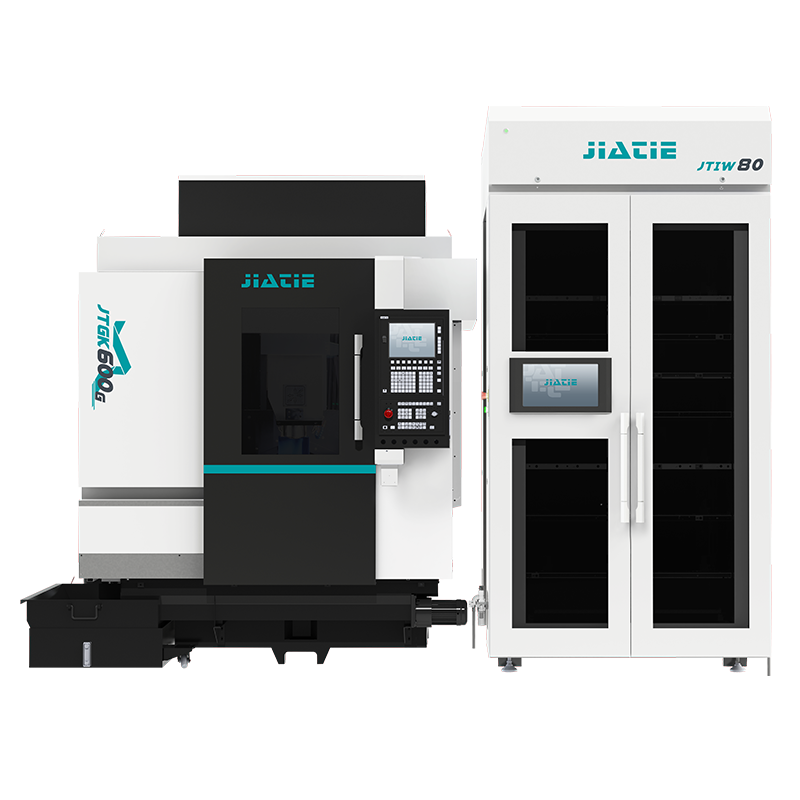
Understanding CNC Grinding Machines: Technologies, Processes, and Applications
Precision manufacturing has evolved rapidly over the past decade, driven by increasing demands for tighter tolerances, improved surface finishes, and higher production efficiency. Among the many advanced machining technologies available today, CNC Grinding Machines play a vital role in producing high-precision components for industries such as aerospace, automotive, medical devices, semiconductor manufacturing, mold making, and precision tooling.
Unlike conventional grinding equipment, CNC Grinding Machines combine intelligent control systems, high-performance spindles, and multi-axis motion technology to deliver exceptional accuracy and repeatability. As manufacturing requirements continue to grow, many companies are partnering with experienced CNC grinding machine manufacturers to improve productivity and achieve superior machining quality.
This article explores the working principles, major technologies, machine types, and industrial applications of CNC grinding machines while providing guidance on selecting the right solution for your production needs.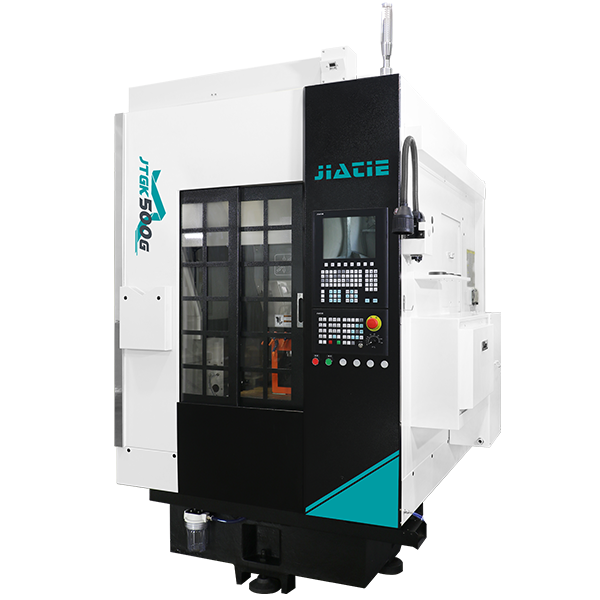
What Is a CNC Grinding Machine?
A CNC grinding machine is a computer-controlled machine tool that removes small amounts of material using a rotating abrasive grinding wheel. The CNC (Computer Numerical Control) system precisely controls machine movements, allowing manufacturers to achieve micron-level dimensional accuracy and excellent surface finishes.
Grinding is typically the final machining process after milling, turning, or heat treatment. Because only a minimal amount of material is removed, grinding is ideal for finishing precision parts that require extremely tight tolerances.
Compared with conventional grinding machines, CNC systems provide:
Higher machining accuracy
Improved repeatability
Automatic machining cycles
Lower operator dependency
Greater production efficiency
Better consistency for mass production
These advantages have made CNC grinding an essential process in modern precision manufacturing.
How Do CNC Grinding Machines Work?
A CNC grinding machine removes material by rotating an abrasive grinding wheel at high speed while controlling the movement of the workpiece through multiple machine axes.
The machining process typically involves:
Workpiece positioning and clamping
CNC program loading
Grinding wheel dressing
Precision grinding
Automatic measurement (optional)
Final finishing
Modern CNC systems continuously monitor machine movement to ensure stable grinding conditions throughout the machining cycle.
Advanced machines may also incorporate:
Automatic wheel balancing
Temperature compensation
In-process measurement
Adaptive feed control
Intelligent collision protection
These technologies significantly improve machining consistency while reducing manual adjustments.
Major Types of CNC Grinding Machines
Different grinding applications require specialized machine configurations.
CNC Surface Grinding Machine
A CNC surface grinding machine is designed for machining flat surfaces with exceptional accuracy.
Typical applications include:
Mold bases
Machine components
Precision plates
Guide rails
Mechanical fixtures
Surface grinding ensures excellent flatness and surface finish while maintaining dimensional consistency.
CNC Tool and Cutter Grinding Machine
A CNC tool and cutter grinding machine is specifically developed for manufacturing and reconditioning cutting tools.
Typical tools include:
End mills
Drill bits
Reamers
Milling cutters
Form tools
By restoring cutting geometry, these machines help extend tool life and improve machining performance.
Cylindrical Grinding Machine
A cylindrical grinding machine is used for grinding the external or internal cylindrical surfaces of precision components.
Typical workpieces include:
Shafts
Rollers
Bearings
Hydraulic components
Automotive transmission parts
Cylindrical grinding is widely used when roundness, concentricity, and dimensional accuracy are critical.
Core Technologies Behind Modern CNC Grinding Machines
Today's CNC grinding machines integrate multiple advanced technologies to improve machining performance.
High-Speed Precision Spindles
High-speed spindles provide stable grinding performance while minimizing vibration and improving surface quality.
Multi-Axis CNC Control
Five-axis and multi-axis CNC systems allow manufacturers to machine complex geometries with fewer setups.
Intelligent Software
Modern grinding software optimizes wheel paths, compensates for tool wear, and improves machining efficiency.
Automatic Measurement Systems
Integrated measuring systems verify part dimensions during machining, reducing inspection time and improving production consistency.
Machine Structural Design
A rigid machine structure minimizes thermal deformation and vibration, ensuring stable machining performance over long production runs.
Industrial Applications of CNC Grinding Machines
Because of their exceptional precision, CNC grinding machines are widely used across numerous industries.
Aerospace
Grinding turbine components, landing gear parts, and high-strength alloy components.
Semiconductor Manufacturing
Processing silicon wafers, ceramics, sapphire, and other hard and brittle materials.
Medical Devices
Producing implants, surgical instruments, and precision medical components.
Mold and Die Manufacturing
Finishing hardened molds after heat treatment.
Automotive Industry
Manufacturing transmission shafts, bearings, engine components, and precision gears.
How to Choose the Right CNC Grinding Machine
Selecting the right machine depends on your production requirements.
Consider the following factors:
Workpiece Material
Different materials require different grinding technologies.
Hard and brittle materials such as ceramics, sapphire, glass, quartz, and silicon carbide often require specialized grinding centers.
Accuracy Requirements
Evaluate:
Positioning accuracy
Repeatability
Surface finish
Roundness
Flatness
Production Volume
For high-volume production, automatic loading systems and intelligent CNC controls can significantly improve productivity.
Machine Configuration
Consider:
Spindle performance
CNC controller
Axis configuration
Wheel changing system
Automation options
Why Choose KEJIE Technology?
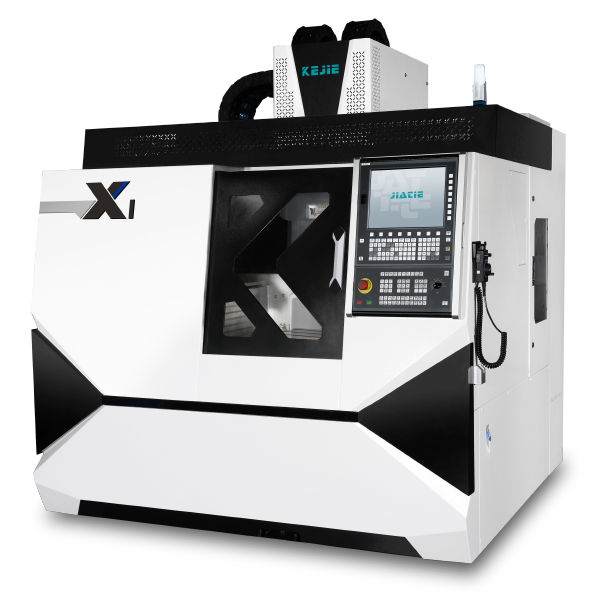
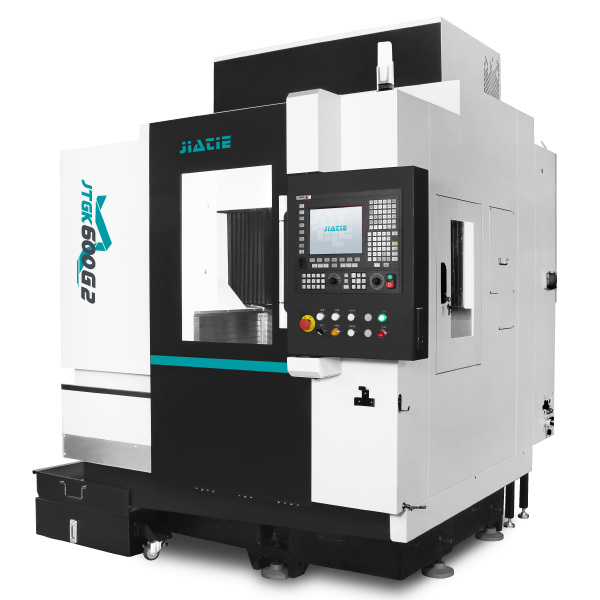
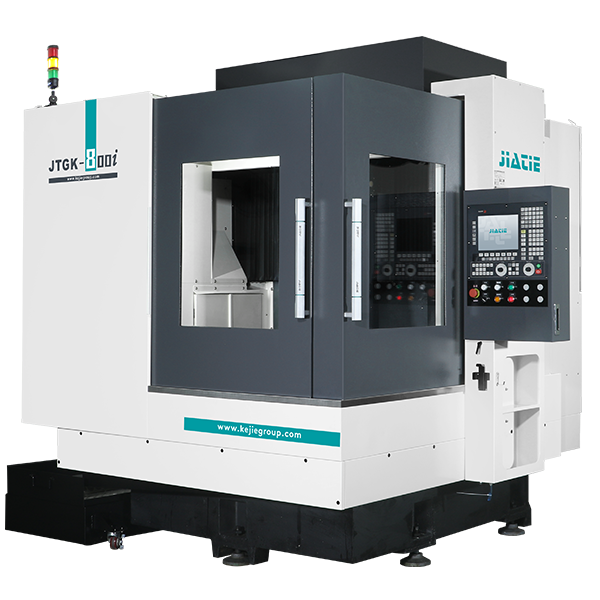
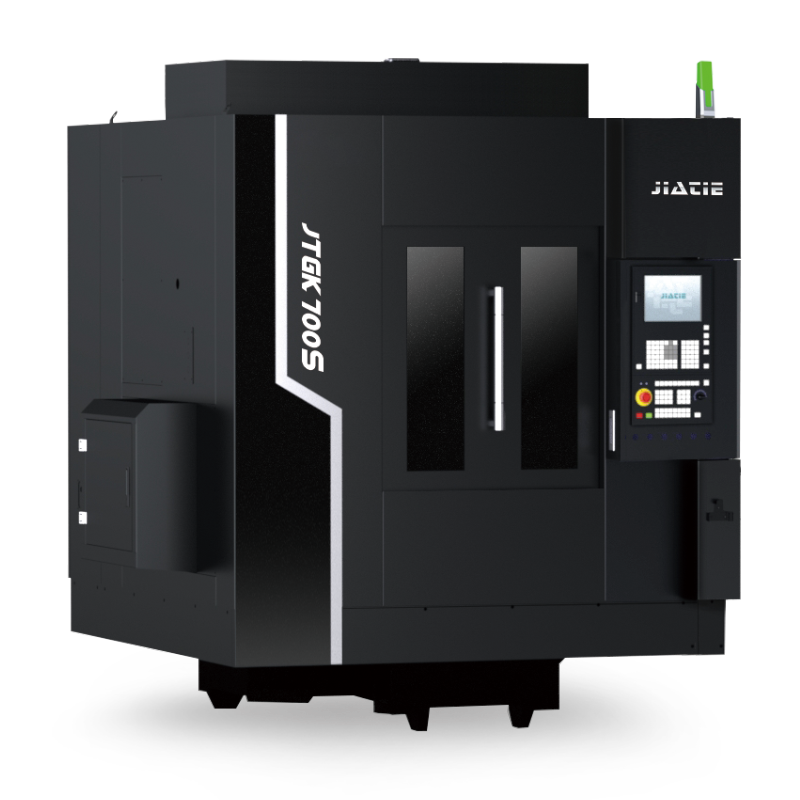
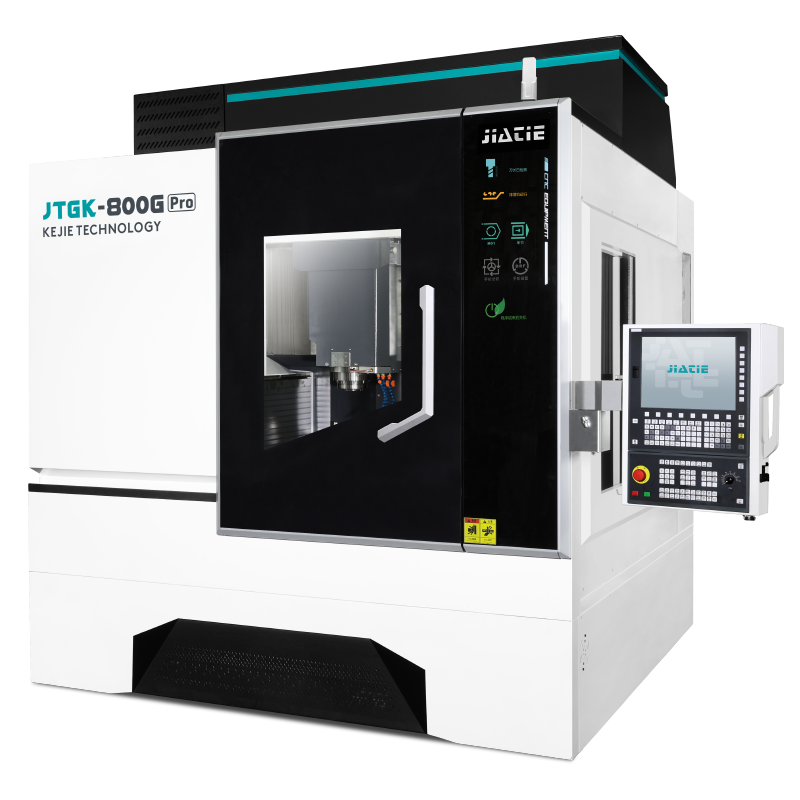
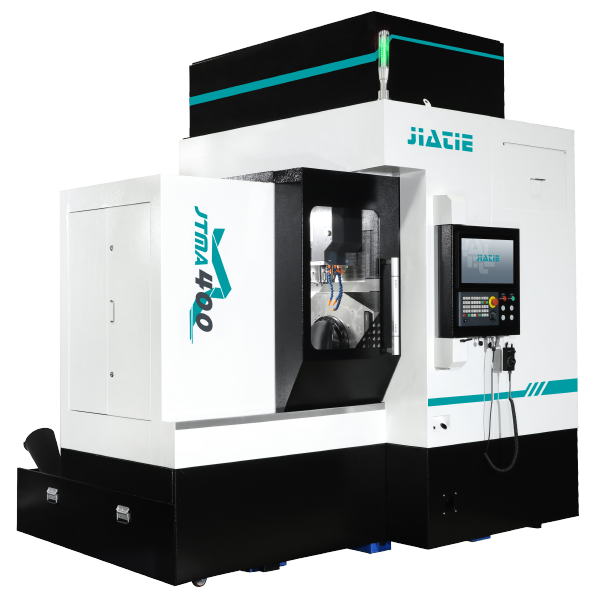
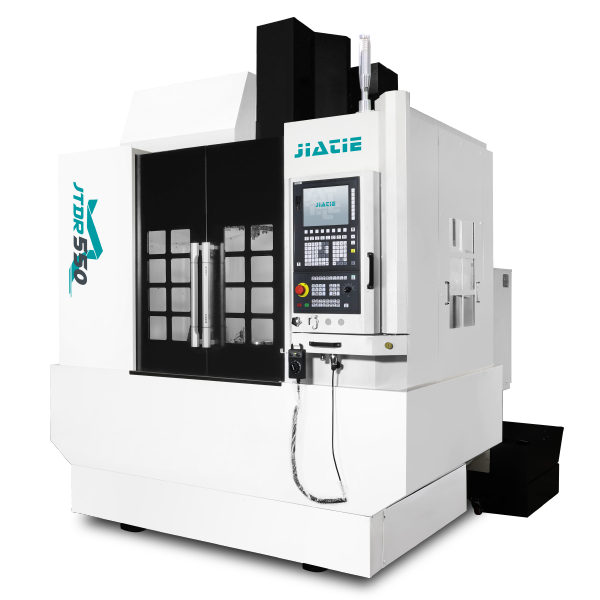
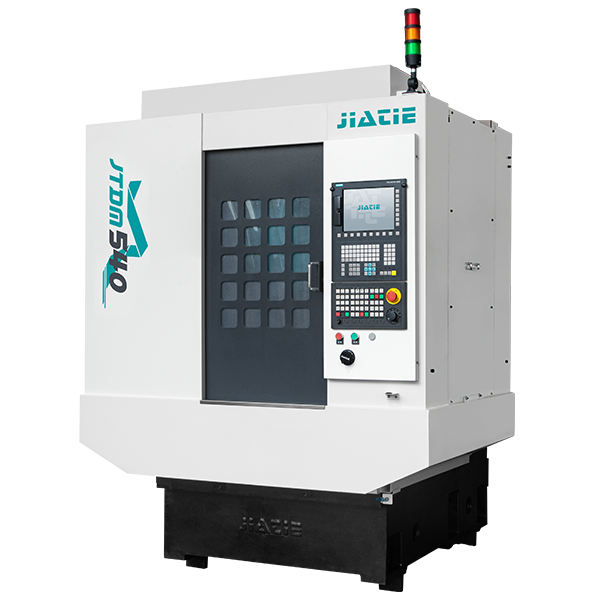
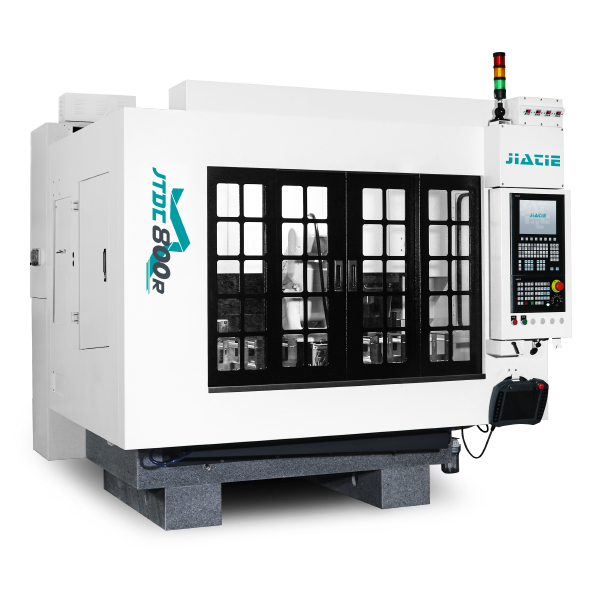
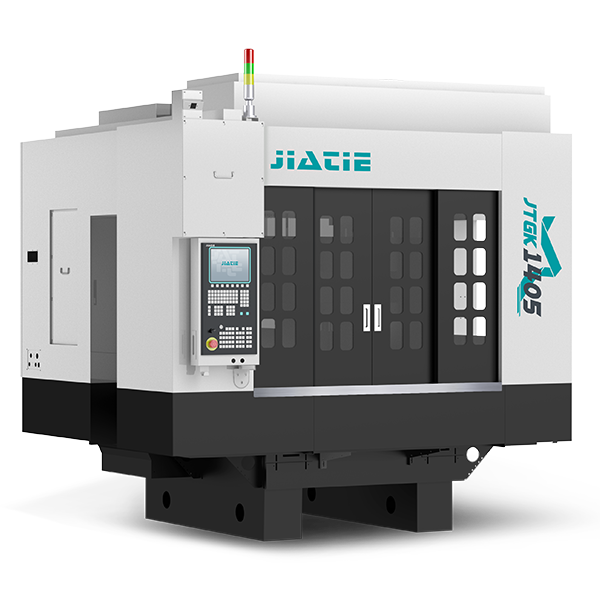
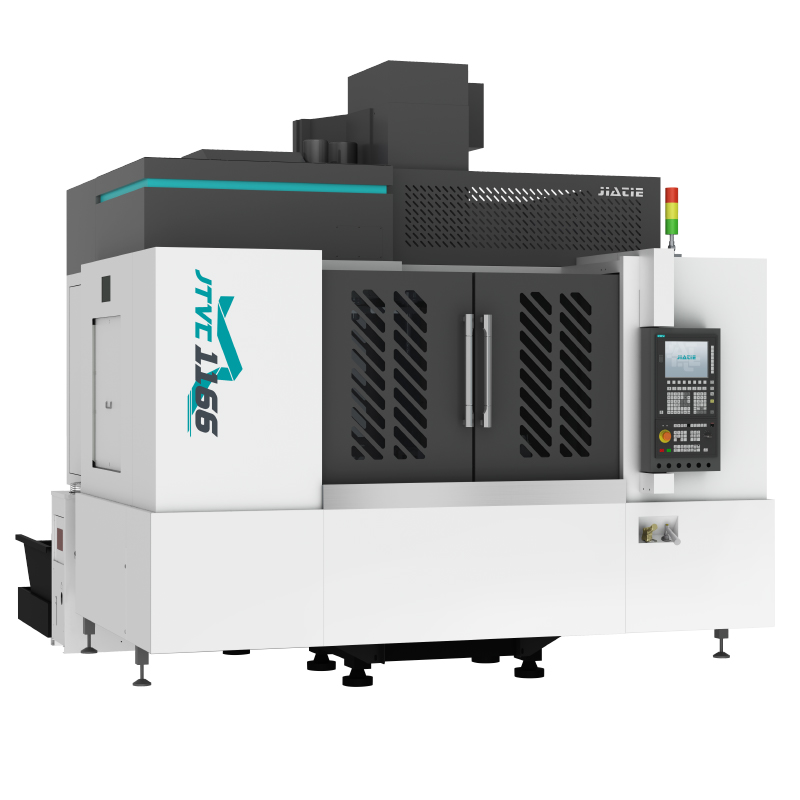
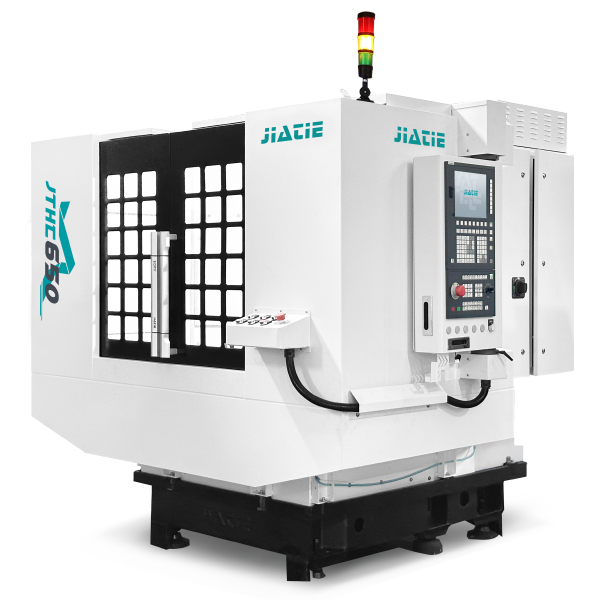
As one of the professional CNC grinding machine manufacturers, KEJIE Technology specializes in high-precision CNC grinding solutions for advanced manufacturing industries.
KEJIE's CNC grinding machines are designed for machining hard and brittle materials, offering excellent rigidity, thermal stability, and machining accuracy. The company integrates self-developed CNC control systems, precision spindles, and intelligent grinding software to deliver reliable performance for demanding industrial applications.
Its solutions are widely used in:
Semiconductor manufacturing
Optical components
Precision ceramics
Sapphire processing
Medical devices
Aerospace
Mold manufacturing
Explore KEJIE's CNC grinding machine solutions:
CNC Grinding Machine Series
https://www.kejietechnology.com/cnc-grinding-machine/JTGK-500G CNC Grinding Machine
https://www.kejietechnology.com/cnc-grinding-machine/2About KEJIE Technology
https://www.kejietechnology.com/
Conclusion
CNC grinding machines have become indispensable in modern precision manufacturing, enabling manufacturers to achieve exceptional accuracy, superior surface finishes, and efficient production across a wide range of industries.
Whether you're considering a CNC surface grinding machine, a CNC tool and cutter grinding machine, or a specialized solution for hard and brittle materials, choosing the right equipment is essential for improving productivity and product quality.
By working with experienced CNC grinding machine manufacturers such as KEJIE Technology, manufacturers can benefit from advanced grinding technologies, intelligent automation, and reliable machining performance that meet the evolving demands of high-precision manufacturing.