

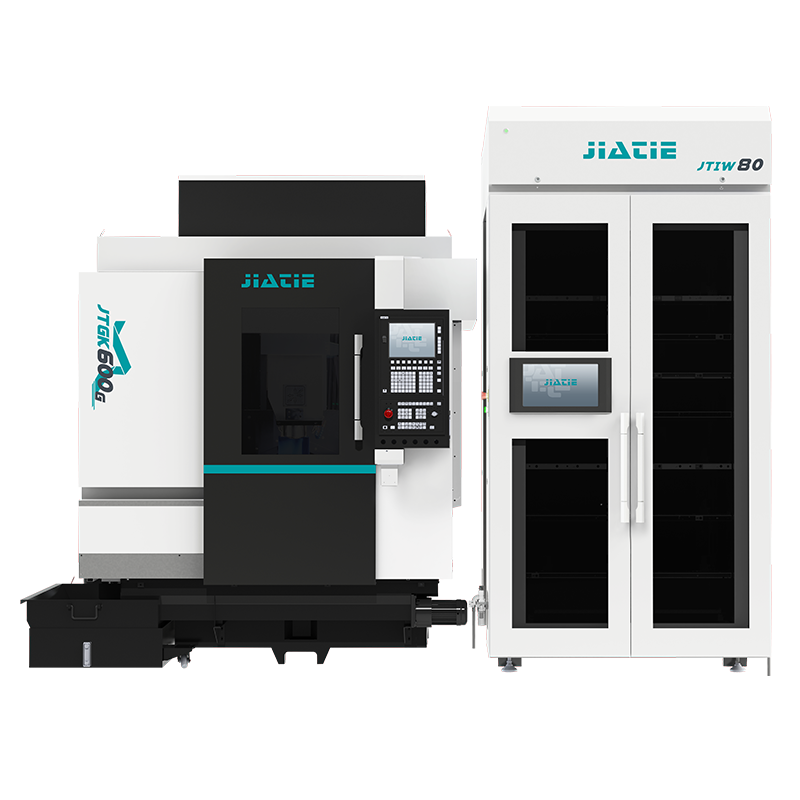
How Does a High Speed Machine Improve Precision and Production Efficiency?
In today's competitive manufacturing environment, companies are constantly looking for ways to shorten production cycles, improve machining accuracy, and reduce operational costs. As product designs become increasingly complex, traditional machining methods may struggle to meet modern production requirements. This is why more manufacturers are turning to High Speed Machines to achieve higher productivity without compromising part quality.
From communication equipment and consumer electronics to precision molds and Automation components, high-speed machining technology is transforming the way precision parts are manufactured. By combining advanced spindle technology, rigid machine construction, and intelligent CNC control systems, a High Speed CNC Machine can significantly improve both efficiency and machining performance.
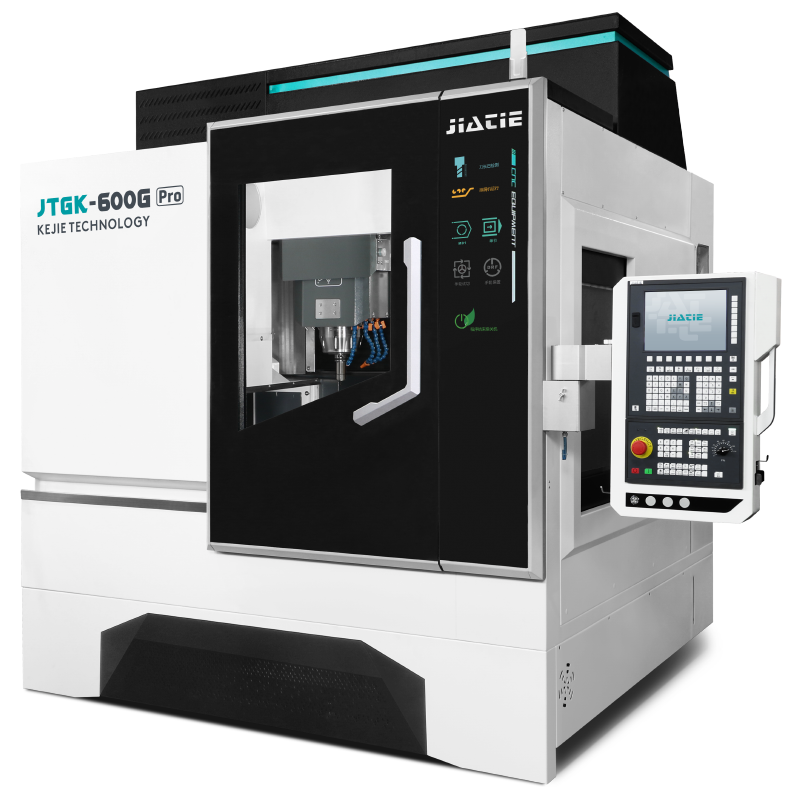
What Is a High Speed Machine?
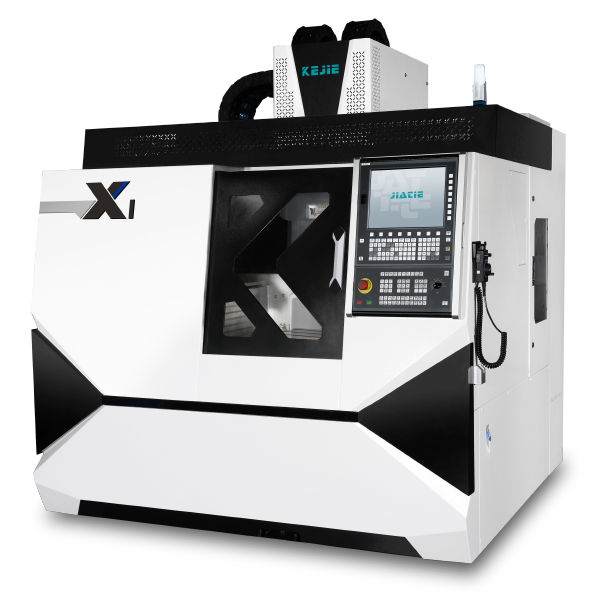
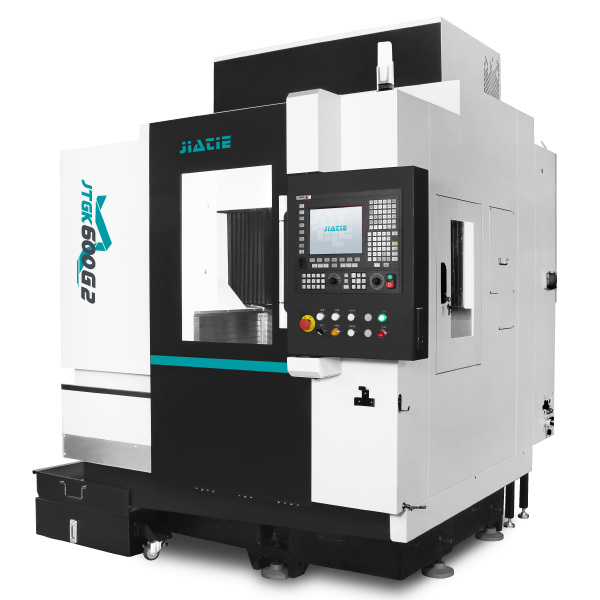
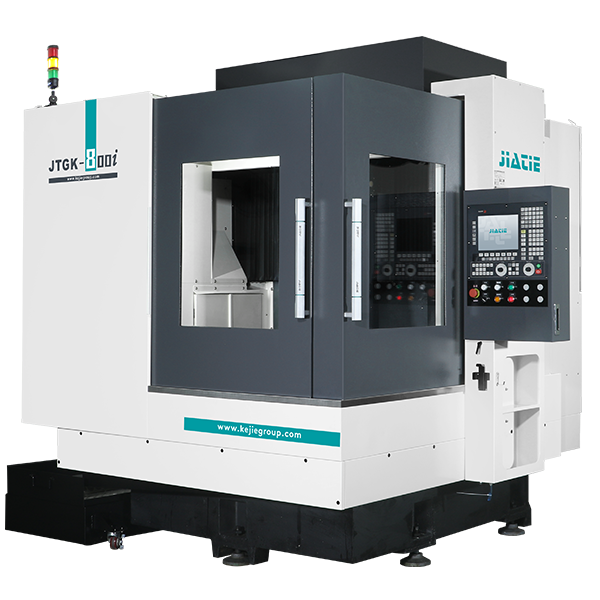
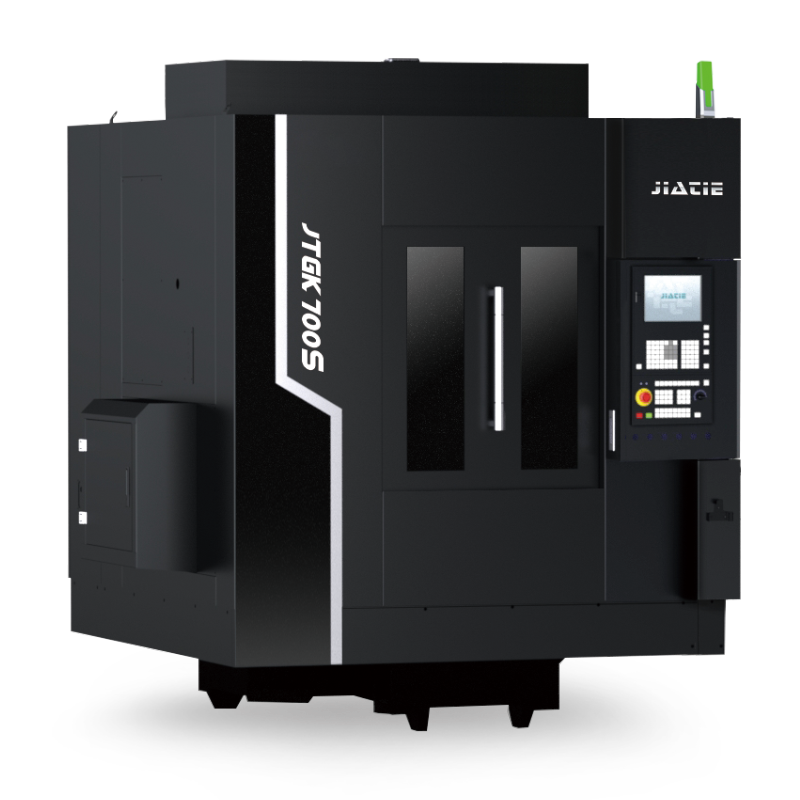
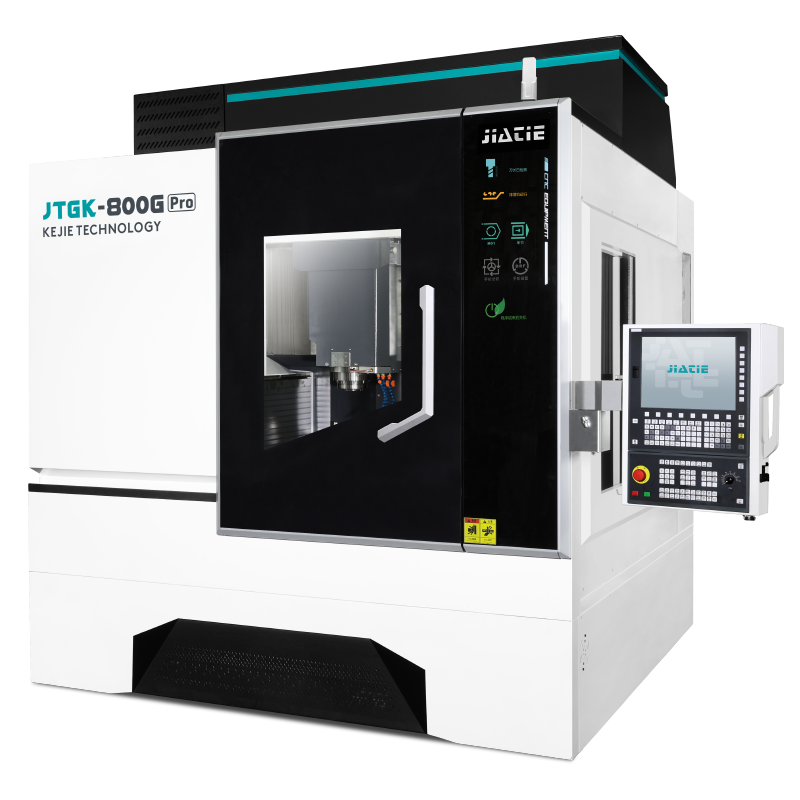
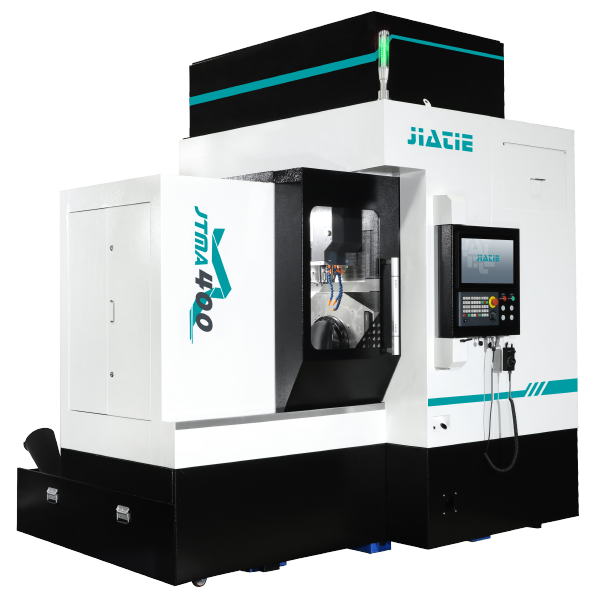
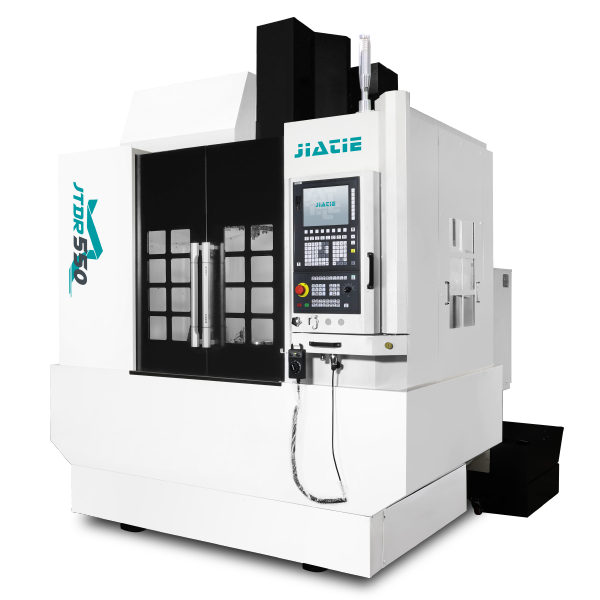
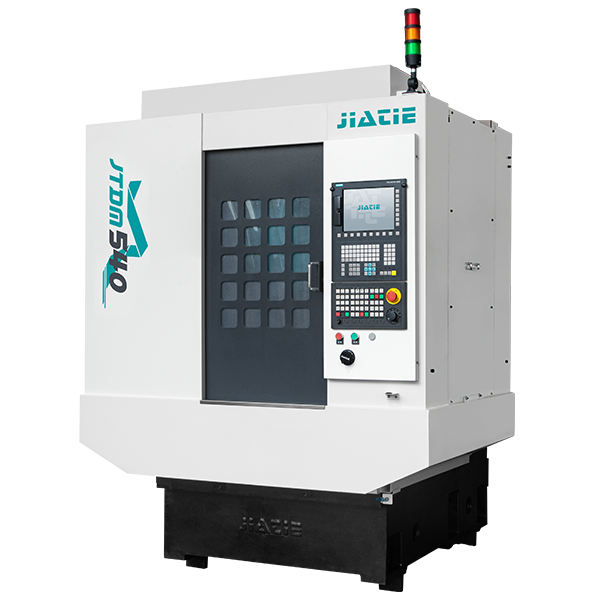
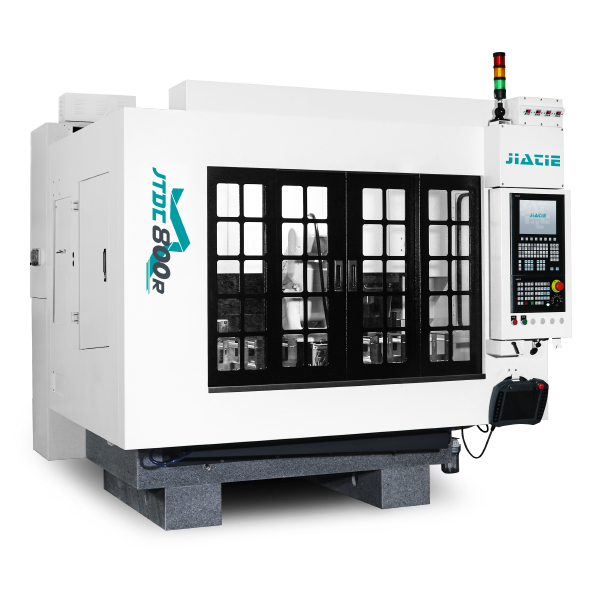
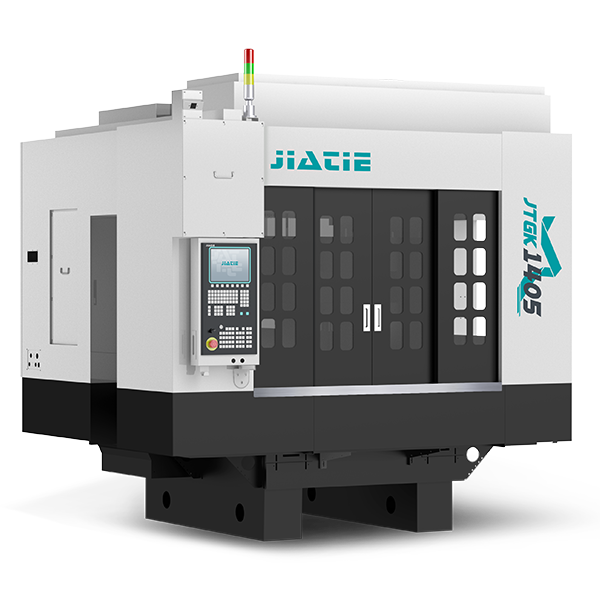
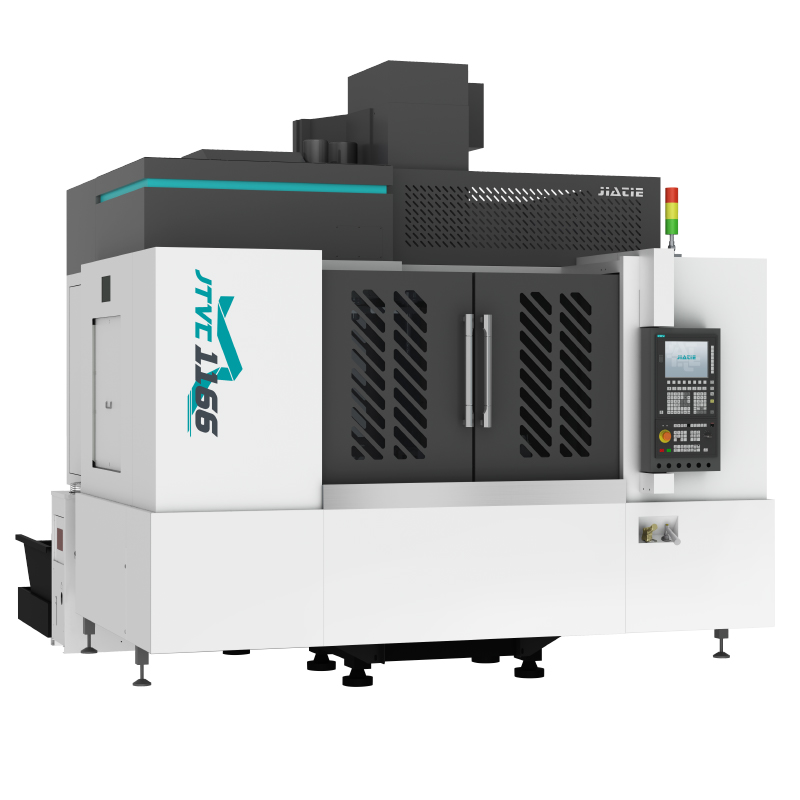
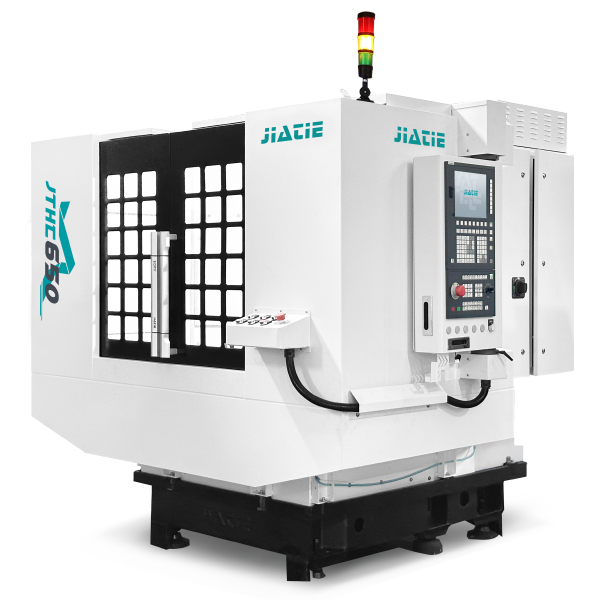
A High Speed Machine is a CNC machining system specifically designed to operate at higher spindle speeds and feed rates than conventional Machining Centers. The machine utilizes a high-performance spindle, precision guideways, advanced servo systems, and optimized machine structures to achieve rapid material removal while maintaining excellent dimensional accuracy.
Unlike traditional CNC equipment, a High Speed Machining Center focuses not only on cutting speed but also on maintaining stability during continuous operation. This allows manufacturers to produce complex parts faster while achieving superior surface finishes.
Why Is High Speed Machining Becoming More Important?
Manufacturers today face increasing pressure from shorter delivery times, rising labor costs, and stricter quality requirements. Traditional machining methods often require longer cycle times and multiple finishing processes.
High-speed machining addresses these challenges by improving spindle utilization and reducing non-cutting time. As a result, manufacturers can increase production capacity while maintaining consistent quality standards.
| Manufacturing Challenge | High Speed Machine Solution |
|---|---|
| Long Production Cycles | Higher Feed Rates and Faster Material Removal |
| Poor Surface Finish | Precision High-Speed Cutting Technology |
| High Production Costs | Reduced Machining Time Per Part |
| Tool Wear Issues | Optimized Cutting Conditions |
| Low Equipment Utilization | Improved Machine Productivity |
How Does a High Speed CNC Machine Improve Productivity?
The key advantage of a High Speed CNC Machine lies in its ability to perform machining operations at significantly higher spindle speeds while maintaining exceptional precision. This enables faster roughing and finishing operations within the same machining cycle.
Advanced CNC control systems optimize tool paths, minimize idle movements, and improve acceleration and deceleration performance. Together, these features help reduce cycle times and increase overall equipment effectiveness.
For manufacturers producing large volumes of precision components, even small reductions in machining time can result in substantial productivity gains over the course of a year.
Why Is High Speed Machining Ideal for Aluminum Components?
Aluminum has become one of the most widely used engineering materials due to its lightweight characteristics, excellent thermal conductivity, and ease of machining. Industries such as telecommunications, electric vehicles, aerospace, and consumer electronics rely heavily on precision aluminum components.
A High Speed Machine is particularly effective for aluminum machining because higher spindle speeds reduce cutting forces and improve chip evacuation. This results in better surface quality, improved dimensional consistency, and longer tool life.
For manufacturers producing communication housings, heat sinks, structural components, and precision electronic parts, high-speed machining offers a highly efficient production solution.
Typical Materials Processed by High Speed Machines
Aluminum Alloys
Copper Components
Graphite Electrodes
Engineering Plastics
Precision Steel Parts
Mold Components
Electronic Device Housings
Communication Equipment Components
Common Applications of High Speed Machining Centers
| Industry | Typical Components |
|---|---|
| Telecommunications | 5G Communication Housings, RF Components |
| Consumer Electronics | Precision Aluminum Enclosures |
| Automation Equipment | Structural Components and Fixtures |
| Mold Manufacturing | Mold Cavities and Precision Inserts |
| Electric Vehicles | Battery System Components |
| Industrial Equipment | Precision Mechanical Parts |
How to Choose the Right High Speed Machine
Selecting the appropriate High Speed Machine requires evaluating several important factors, including spindle speed, machine rigidity, positioning accuracy, thermal stability, and tool magazine capacity.
For aluminum machining applications, high spindle speed and rapid acceleration are often critical. For mold manufacturing and precision engineering, machine rigidity and long-term accuracy become more important considerations.
Manufacturers should also consider future production requirements when selecting equipment to ensure long-term flexibility and return on investment.
As manufacturing technology continues to evolve, High Speed Machines have become an essential tool for improving productivity and precision. By combining advanced spindle technology, intelligent CNC control, and robust machine construction, modern High Speed Machining Centers help manufacturers achieve faster production, superior surface quality, and greater operational efficiency.
Whether machining aluminum components, communication equipment, precision molds, or industrial parts, investing in a high-performance High Speed CNC Machine can provide a significant competitive advantage in today's demanding manufacturing market.