

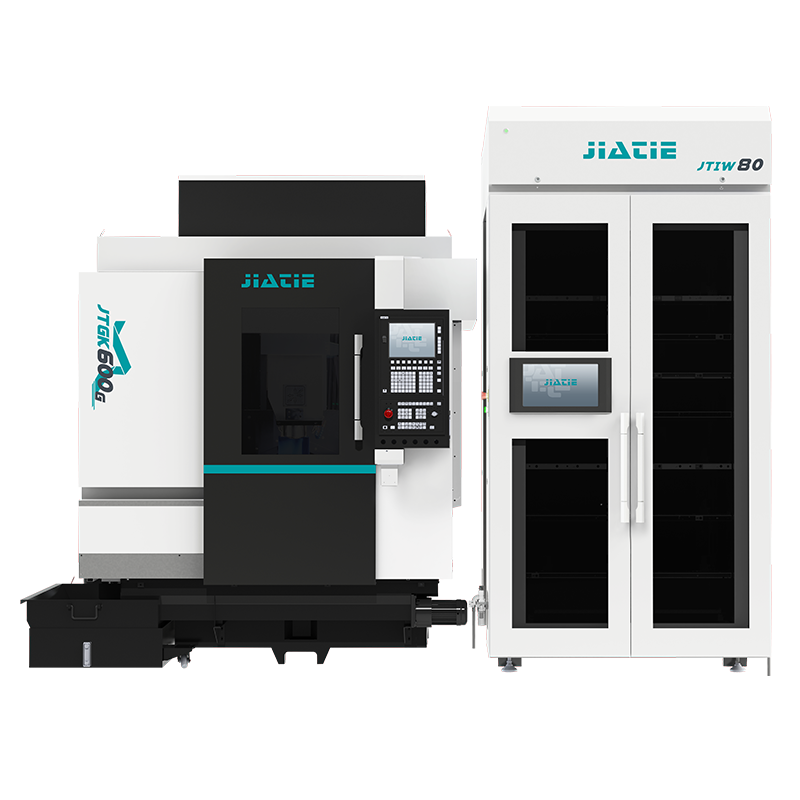
What Is Precision machining?
Imagine holding a lightweight aluminum housing used inside a 5G communication device. At first glance, it may appear to be a simple metal component. However, behind its smooth surfaces, precise holes, and tight dimensional tolerances lies a highly controlled manufacturing process known as Precision Machining.
Precision machining is not simply about cutting metal. It is the science of transforming raw materials into highly accurate components that must fit, function, and perform exactly as intended. In industries where even a tiny dimensional deviation can affect performance, precision machining becomes the foundation of product quality.
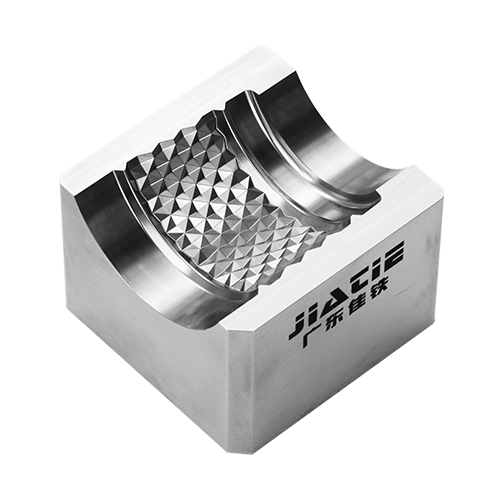
From Raw Material to Precision Component
To better understand precision machining, let's follow the journey of a typical aluminum component.
Step 1: Raw aluminum material is prepared.
Step 2: CNC machining programs are created.
Step 3: High-speed cutting removes excess material.
Step 4: Multiple surfaces are machined to precise dimensions.
Step 5: Critical features are inspected and verified.
Step 6: The finished component is assembled into the final product.
Although the process may appear straightforward, every stage must be carefully controlled to ensure consistent accuracy and repeatability.
Why Does Precision Matter?
In modern manufacturing, parts rarely operate alone. Components must fit perfectly with mating parts, electronic systems, housings, connectors, and assemblies. Even a minor dimensional error can create assembly difficulties, reduce product reliability, or shorten service life.
This is especially important in communication equipment, electronics, Automation systems, and precision mechanical assemblies where accuracy directly impacts performance.
Behind Every Micron of Accuracy
Many people assume precision machining is determined only by the machine itself. In reality, accuracy is the result of multiple factors working together.
| Key Factor | Impact on Precision |
|---|---|
| Machine Structure | Reduces vibration during machining |
| Spindle Stability | Maintains cutting consistency |
| Tool Quality | Improves surface finish and accuracy |
| CNC Programming | Controls machining paths and efficiency |
| Inspection Systems | Verifies dimensional consistency |
Precision machining is therefore a combination of equipment, software, tooling, process control, and quality management.
What Makes Modern Precision Machining Different?
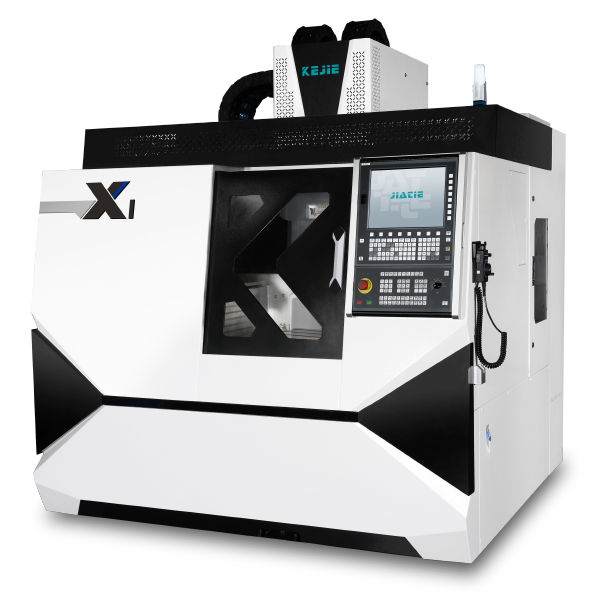
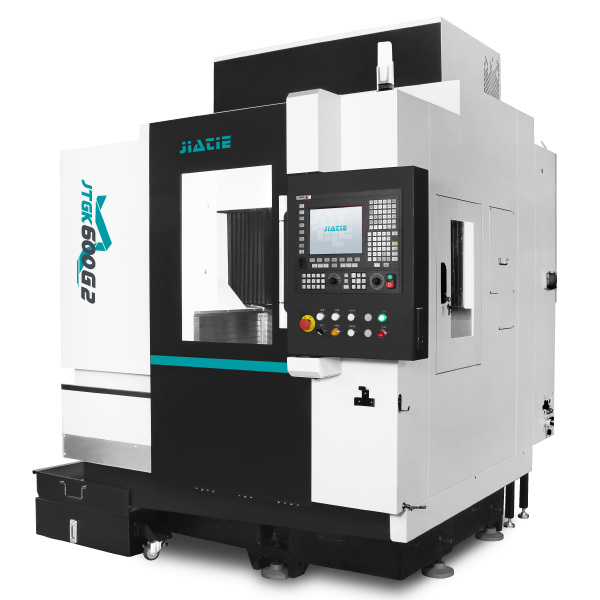
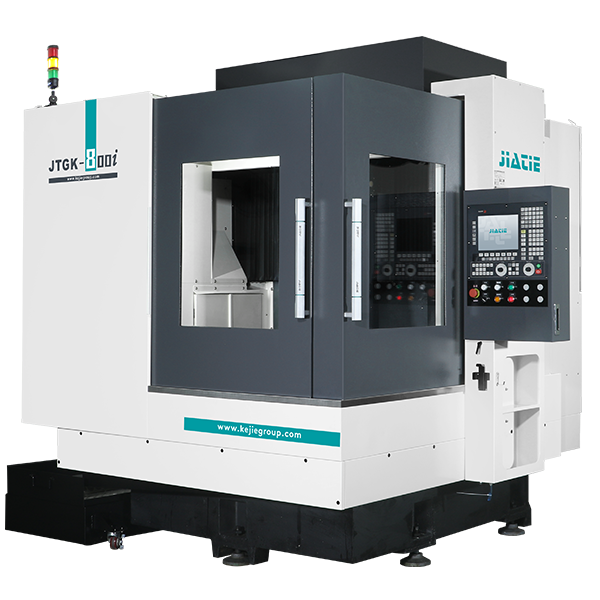
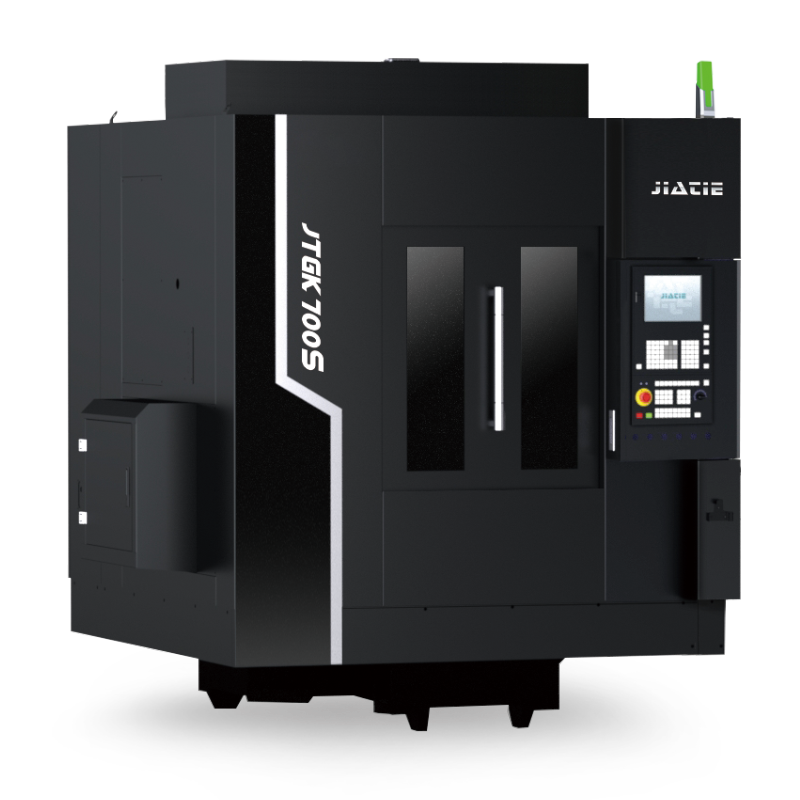
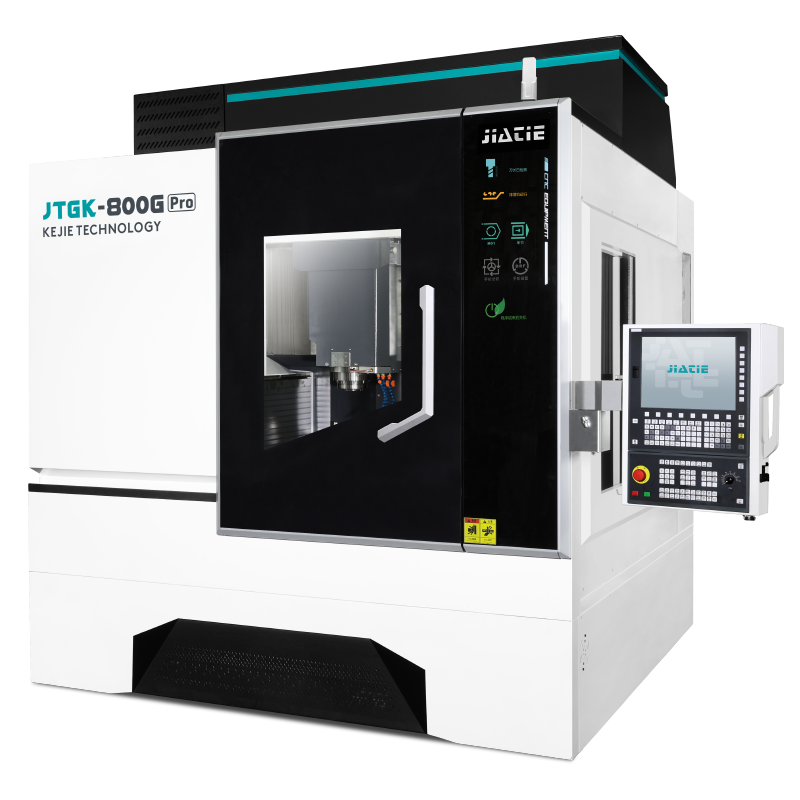
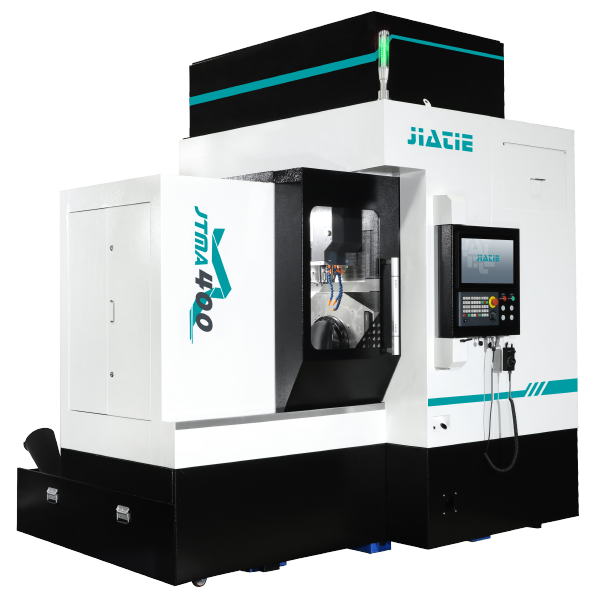
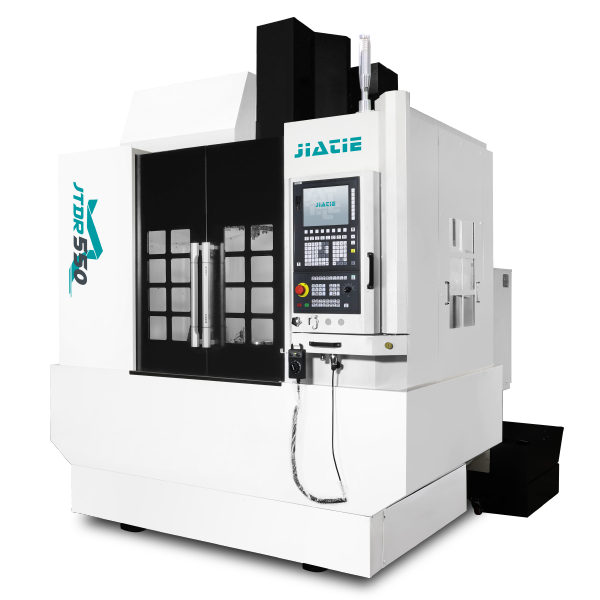
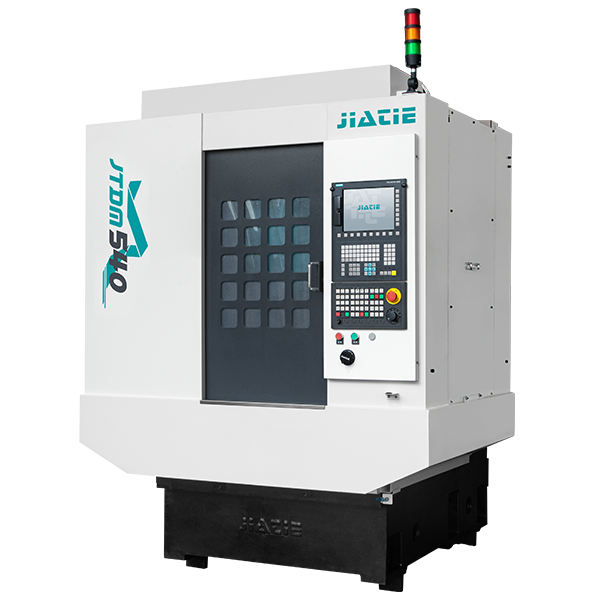
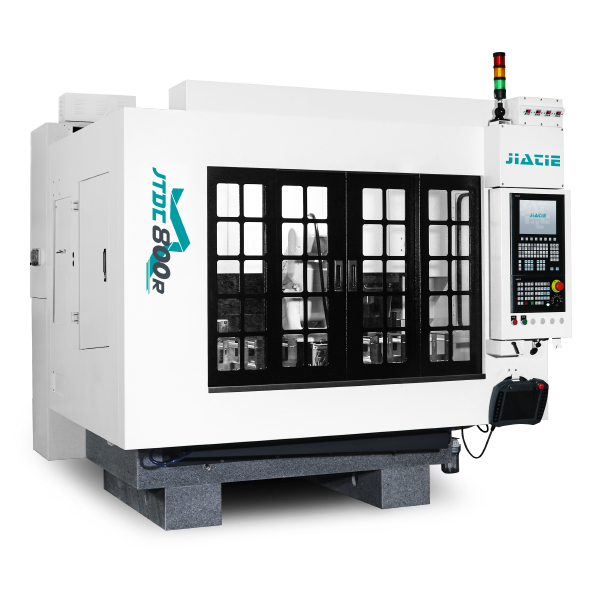
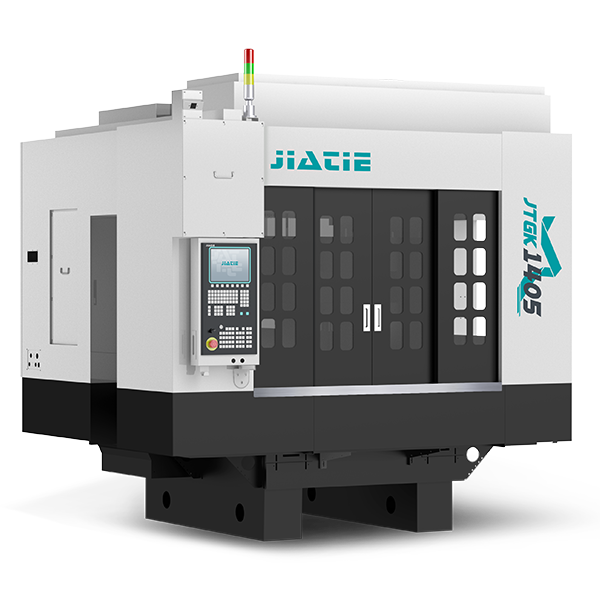
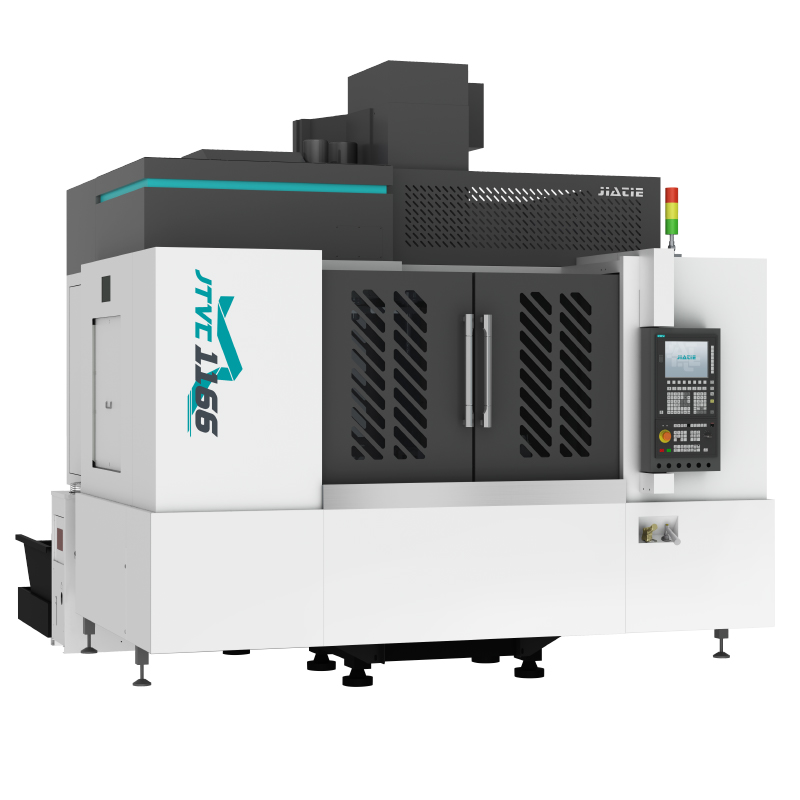
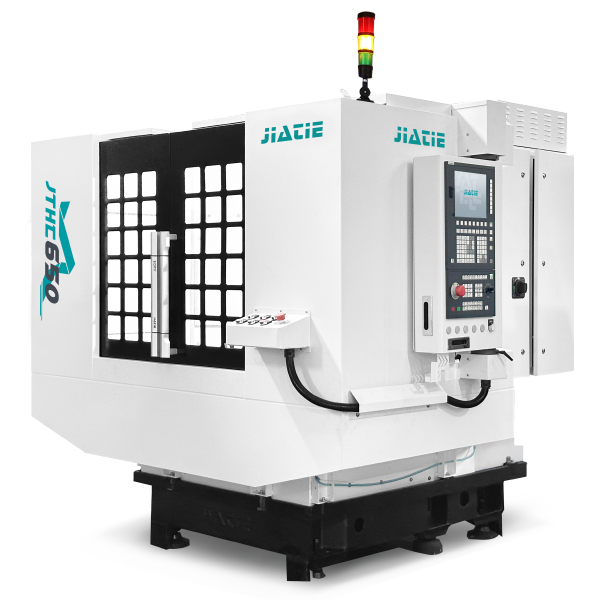
Traditional machining often required multiple setups and extensive manual intervention. Modern CNC precision machining uses advanced Machining Centers, intelligent programming systems, and automated tool management to improve both efficiency and accuracy.
High-speed machining technologies further enhance productivity by reducing cycle times while maintaining excellent surface quality. This enables manufacturers to produce complex parts faster and more consistently than ever before.
Industries That Depend on Precision Machining
Communication Equipment
RF housings, 5G components, signal transmission structures.
Consumer Electronics
Aluminum enclosures, heat sinks, precision assemblies.
Industrial Automation
Fixtures, positioning systems, mechanical components.