

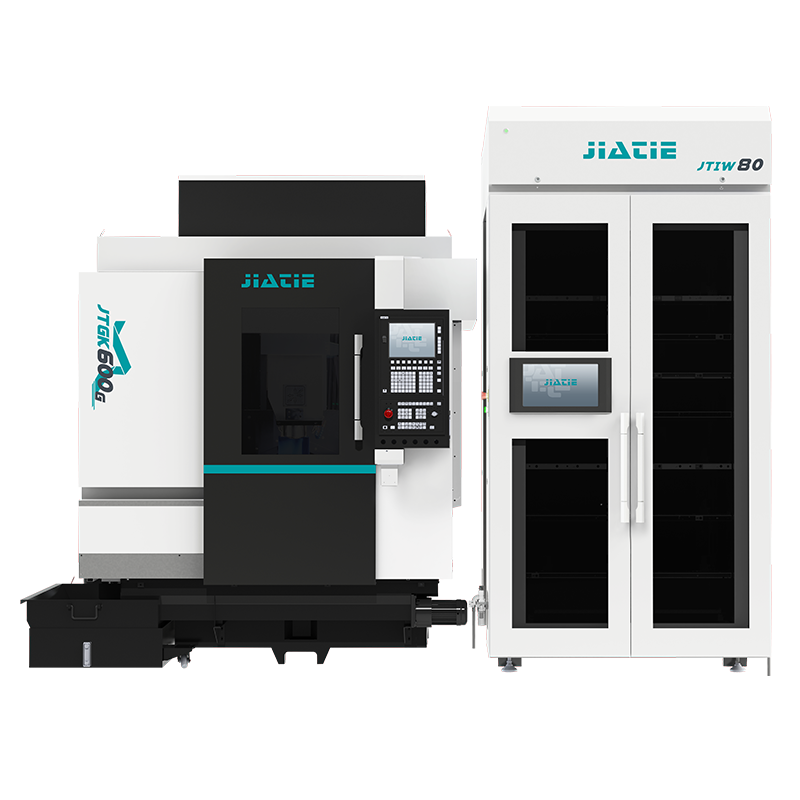
Semiconductor and 3C (computer, communication, consumer electronics) manufacturing puts Graphite Machining under a different kind of pressure than mold or electrode work: parts are smaller, tolerances are tighter, and batch sizes are often much larger. A machine that handles mold-scale graphite work well doesn't automatically hold up at this precision level.
Where Graphite Shows Up in Semiconductor and 3C Production
Graphite is used in wafer cutting fixtures, electrode production, and chip manufacturing components in semiconductor fabrication, and in a range of conductive and structural components across 3C devices. In both cases, the parts tend to be smaller and more numerous than mold electrodes, which shifts what matters most in the machine tool.
What Matters Most at This Scale
Micron-level positioning accuracy — semiconductor-grade graphite parts leave little margin for spindle drift or thermal expansion over a long production run.
High-volume repeatability — 3C production runs are typically higher volume than mold work, so consistency across thousands of parts matters more than on one-off mold electrodes.
Surface finish quality — a smooth surface reduces or eliminates secondary finishing steps, which matters more when producing at 3C-scale volumes where every extra step multiplies across the batch.
Dust isolation — semiconductor-adjacent environments are often more sensitive to particulate contamination than a general mold shop floor, making sealed dust handling a bigger factor in machine selection.
How This Differs From Mold and Electrode Graphite Work
Mold and EDM electrode machining, covered in our Precision Molds/Electrodes guide, generally deals with lower part counts and larger individual geometries. Semiconductor and 3C work flips that — smaller parts, higher counts, tighter tolerance bands — which is why KEJIE treats them as a distinct application on our 3C Processing solution page rather than folding them into general mold work.
Where This Fits KEJIE's Line
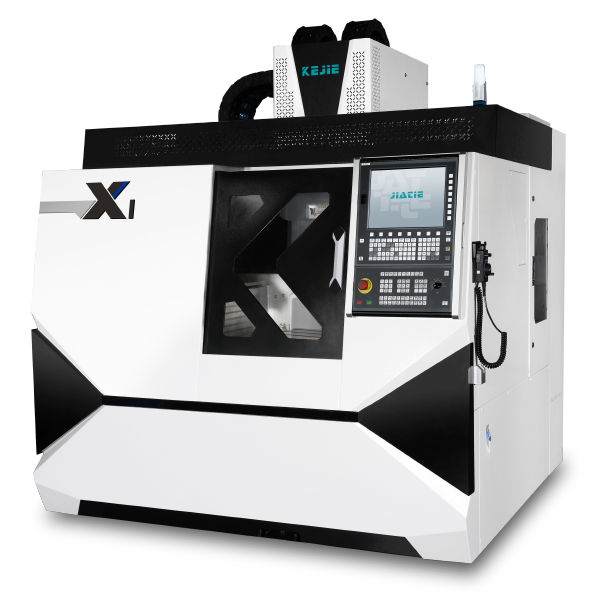
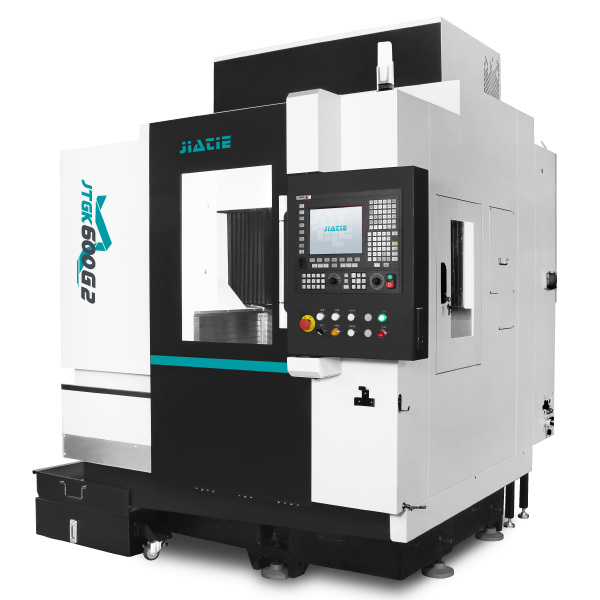
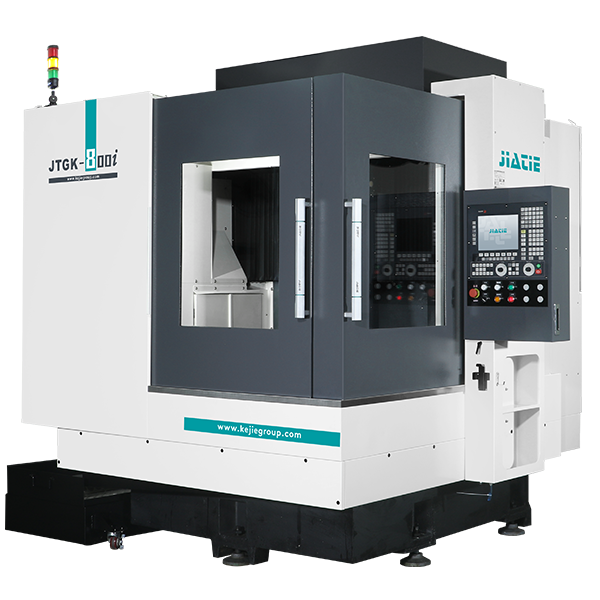
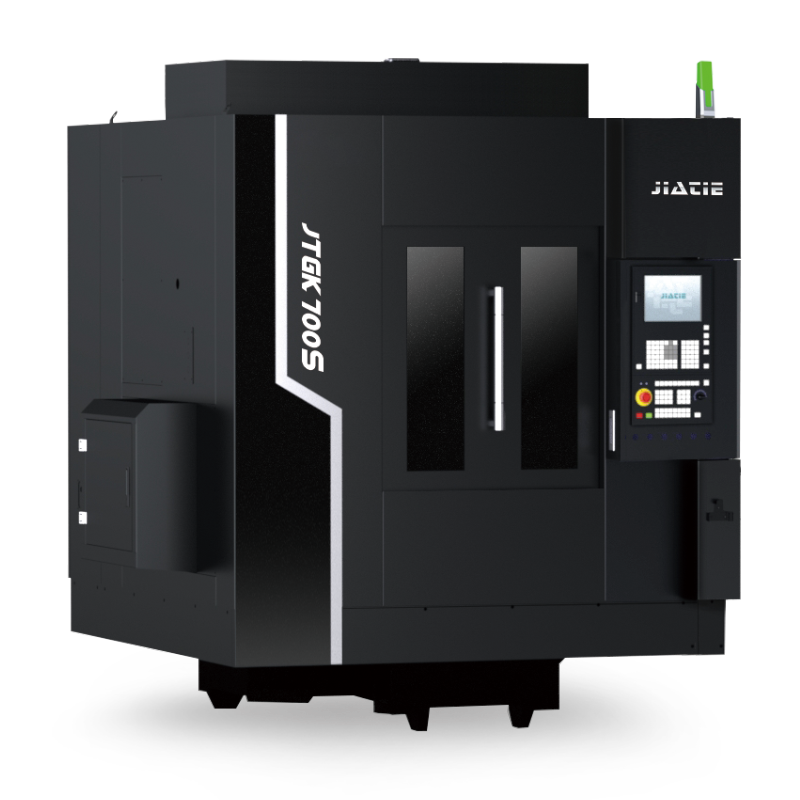
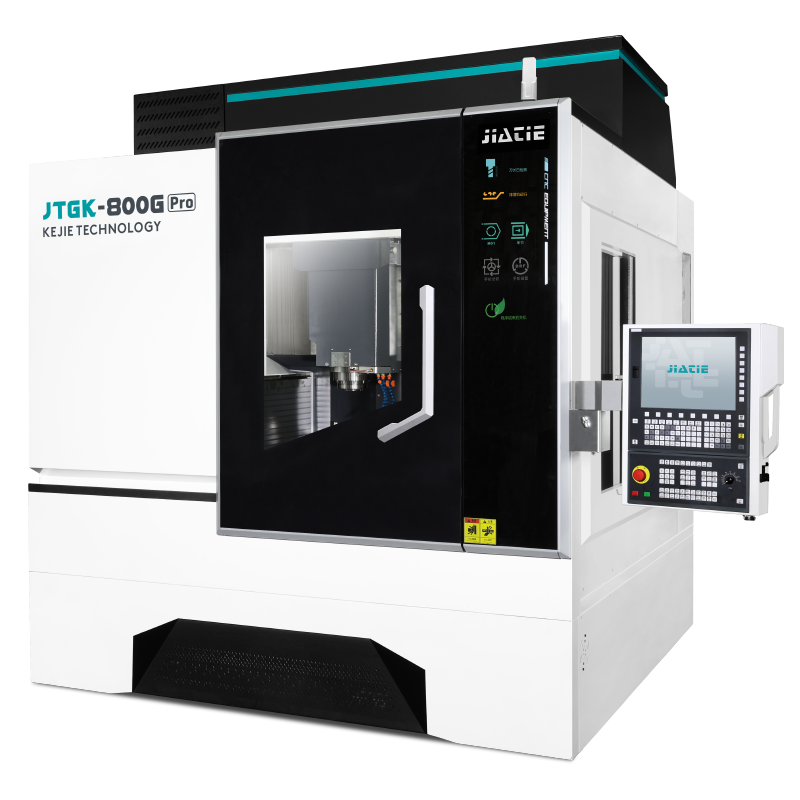
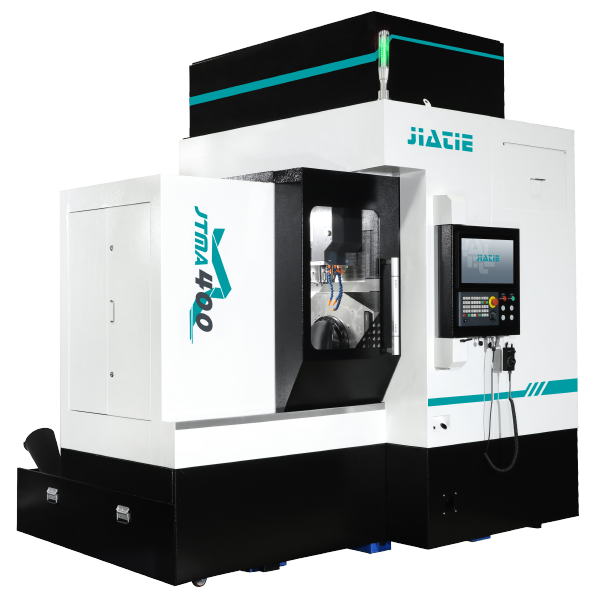
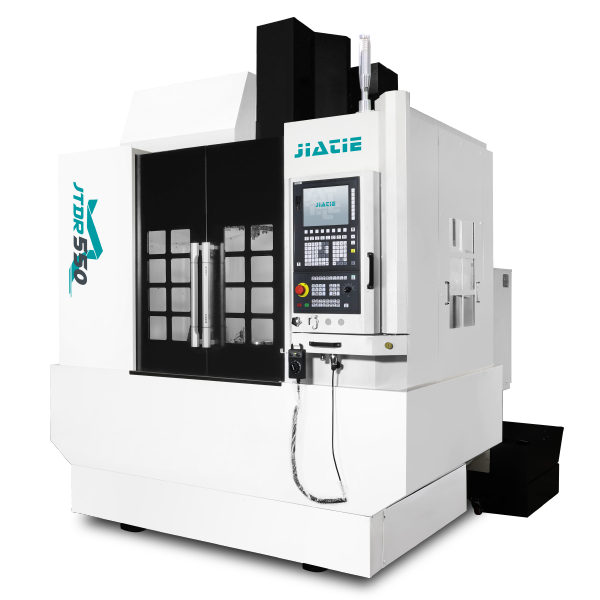
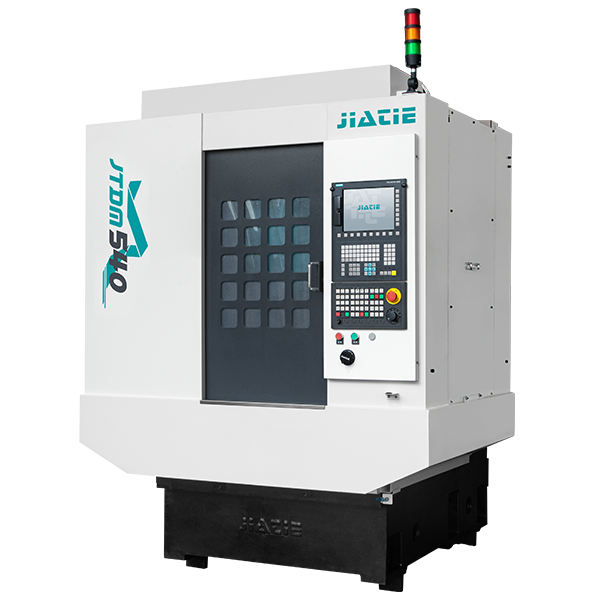
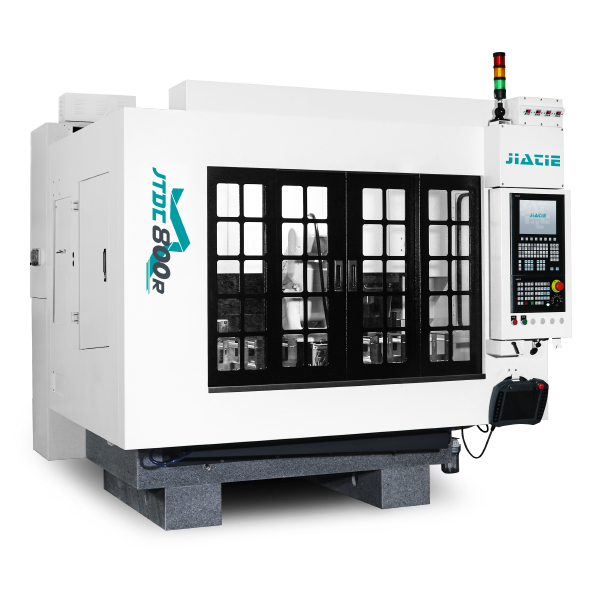
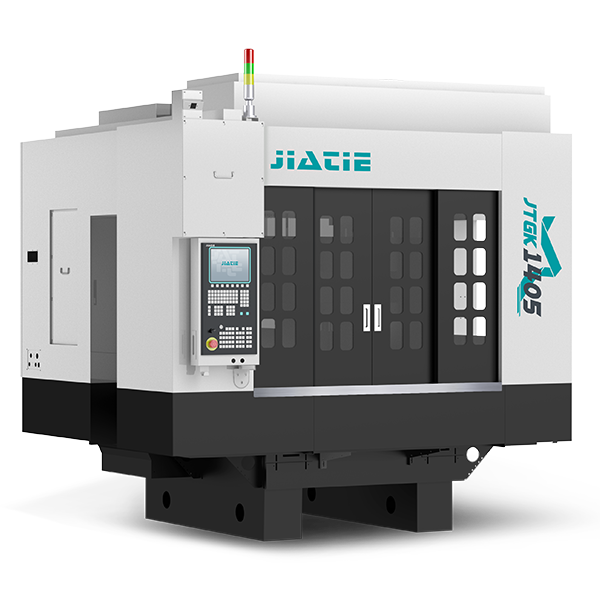
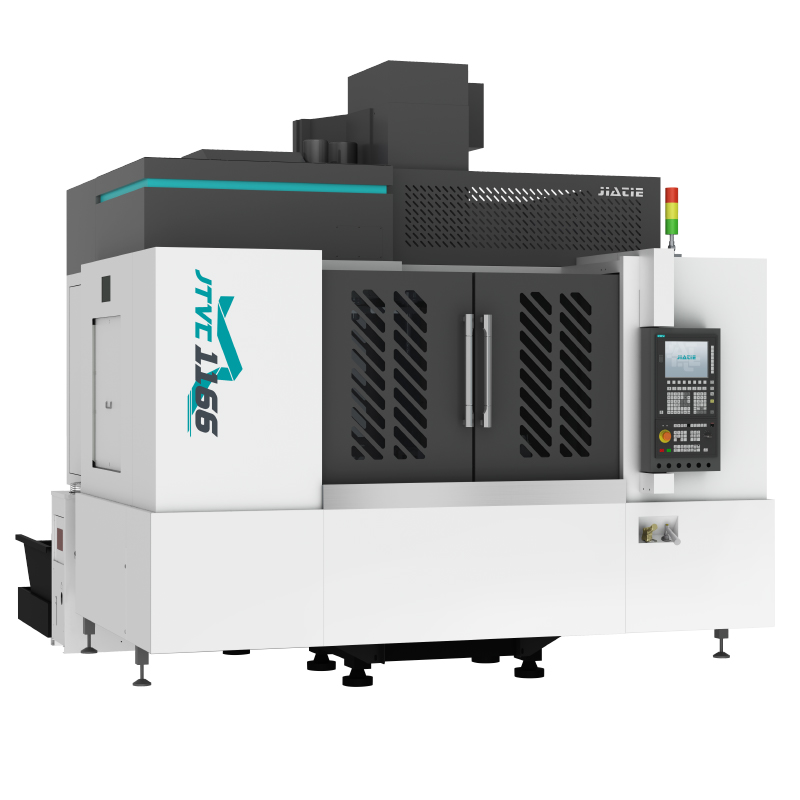
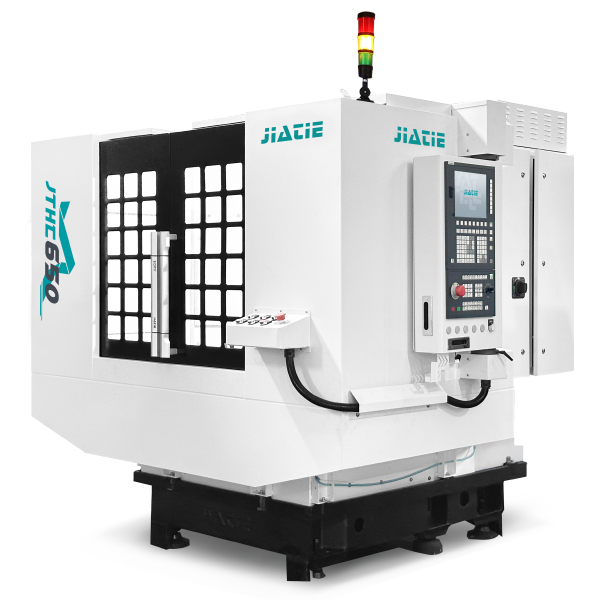
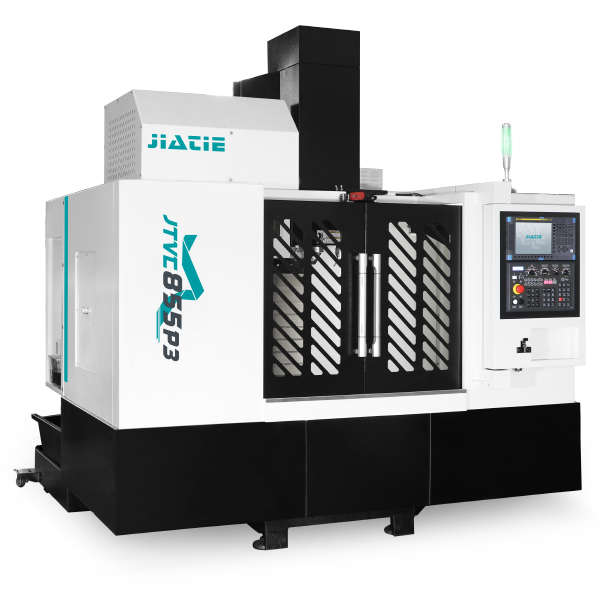
KEJIE's Graphite Machining Center series, including the JTGS-600, is built around the precision and repeatability semiconductor and 3C graphite components require, alongside our broader 3C Processing solutions.
FAQ
Is graphite machining for semiconductor parts more expensive than mold work?
Not inherently — cost depends more on tolerance requirements and batch size than the application category itself.
Do 3C graphite parts need different tooling than mold electrodes?
Often yes, since smaller part geometries and higher volumes tend to favor tooling optimized for speed and consistency over the heavier-duty tooling used on larger mold electrodes.
Send us your part tolerances and batch volume — we'll recommend a configuration suited to semiconductor or 3C-scale graphite work.