

How Does a CNC Drilling Machine Work? A Step-by-Step Guide
Modern manufacturing demands high precision, repeatability, and efficiency. A CNC drilling machine meets these requirements by automating the drilling process through computer numerical control (CNC). Compared with traditional drilling equipment, CNC drilling machines can produce accurate holes with minimal operator intervention, making them an essential part of industries such as automotive, aerospace, mold manufacturing, and metal fabrication.
If you're new to CNC drilling technology and want to understand the machine itself, you can first read our detailed guide: What Is a CNC Drilling Machine?. This article focuses on how a CNC drilling machine works and the complete drilling process.
What Is the Working Principle of a CNC Drilling Machine?
A CNC drilling machine works by following digital instructions generated from CAD/CAM software. These instructions, commonly written in G-code, tell the machine where to move, which tool to use, how fast the spindle should rotate, and how deep each hole should be drilled.
Unlike manual drilling, where the operator controls every movement, a CNC drilling machine performs each step automatically with high precision and excellent repeatability.
Step 1: Create the Machining Program
The process begins with a CAD model of the workpiece. CAM software converts the design into G-code, defining:
Hole locations
Hole diameters
Drilling depth
Feed rate
Spindle speed
Tool paths
The completed program is then transferred to the CNC controller.
Step 2: Secure the Workpiece
Before machining begins, the workpiece is firmly clamped to the machine table using fixtures or vises. Proper clamping prevents vibration and movement, ensuring accurate hole positioning and consistent machining quality.
Step 3: Automatic Tool Selection
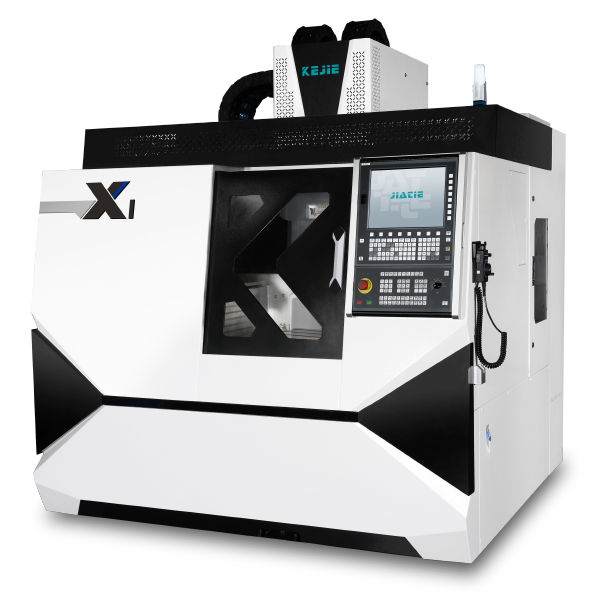
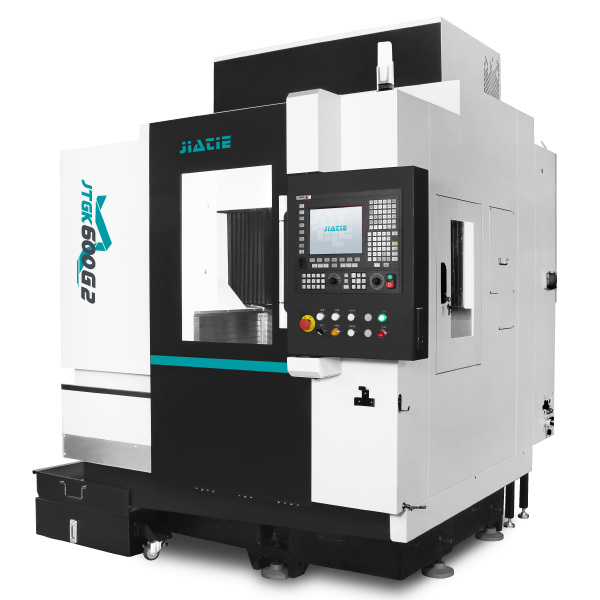
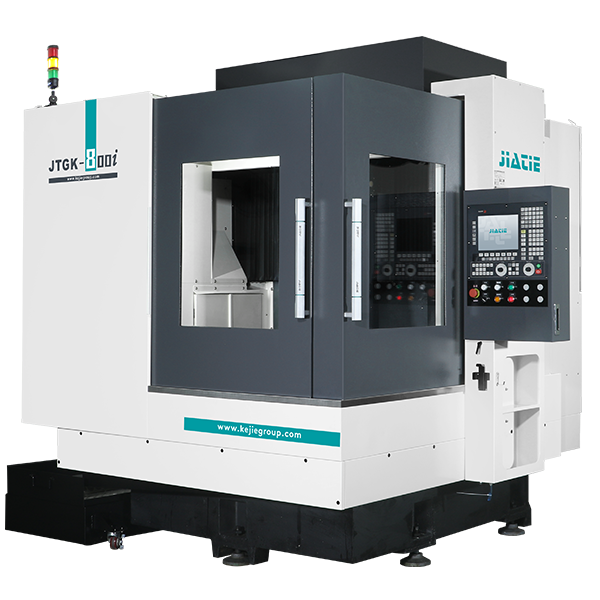
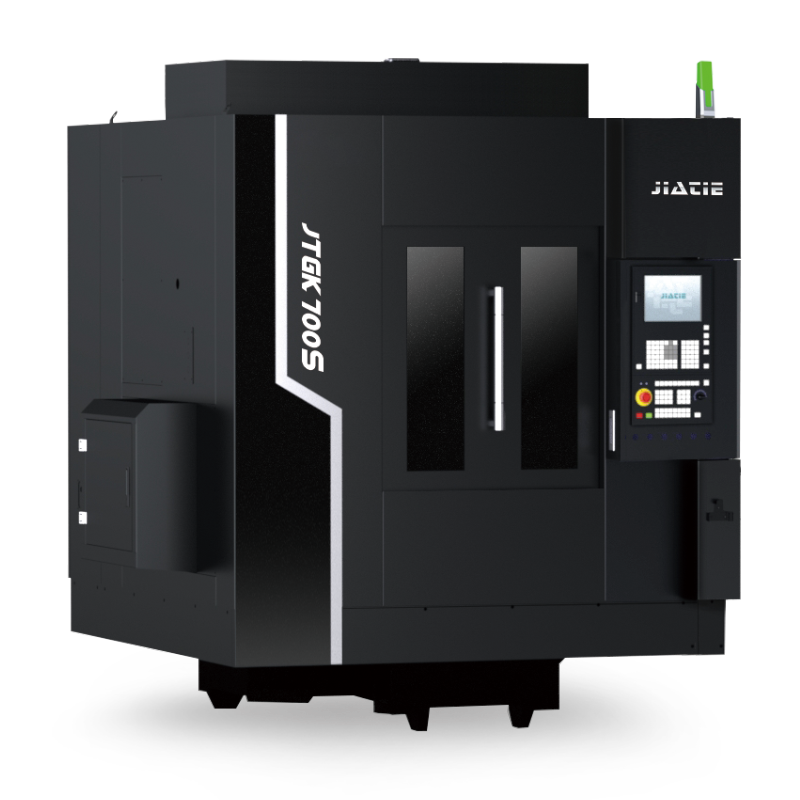
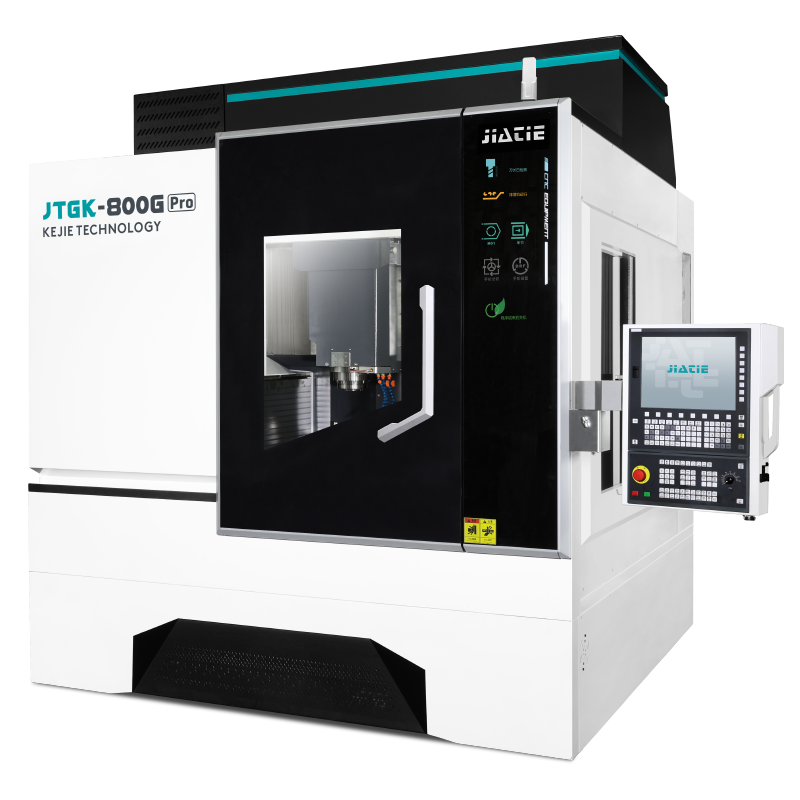
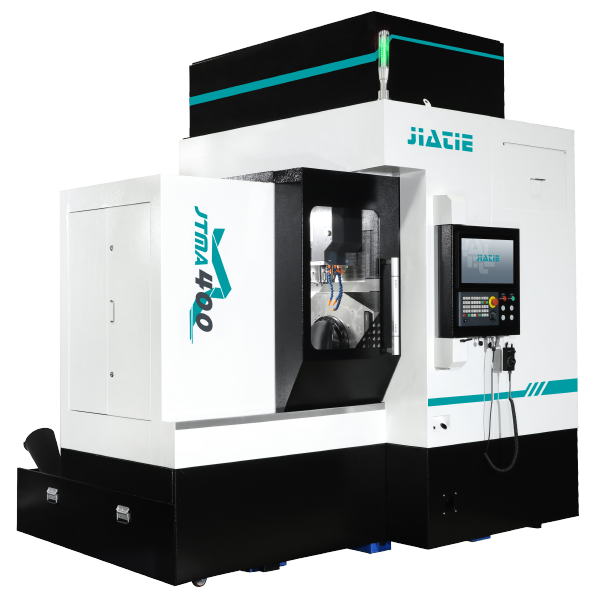
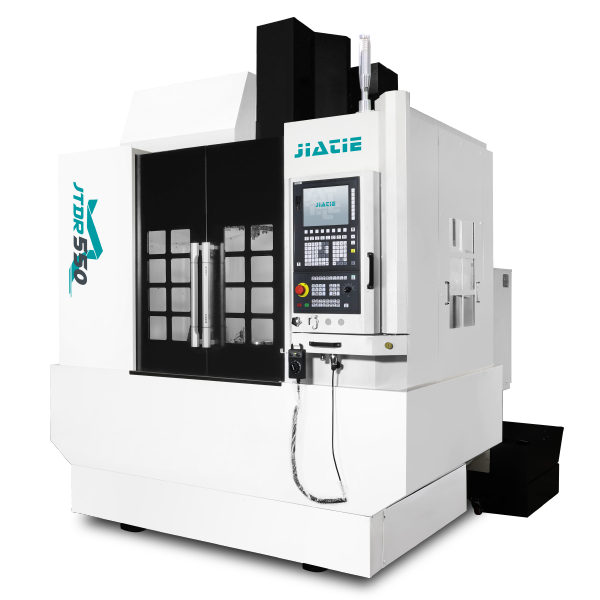
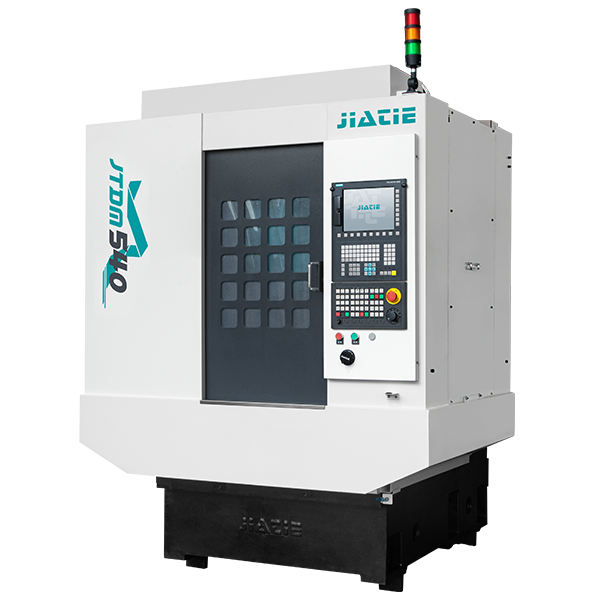
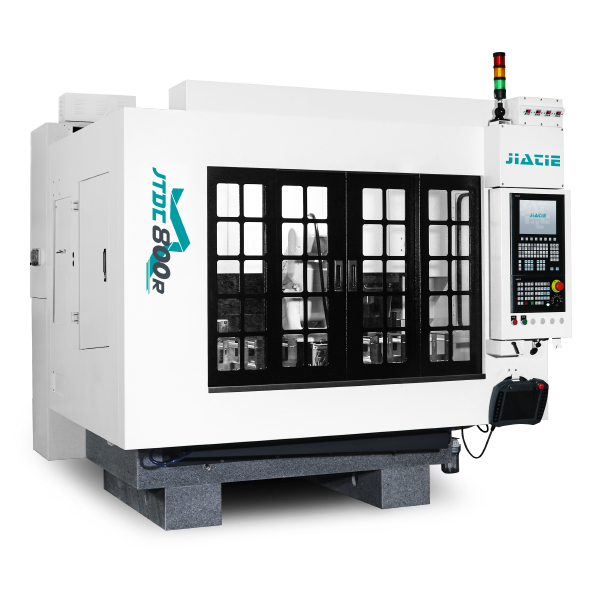
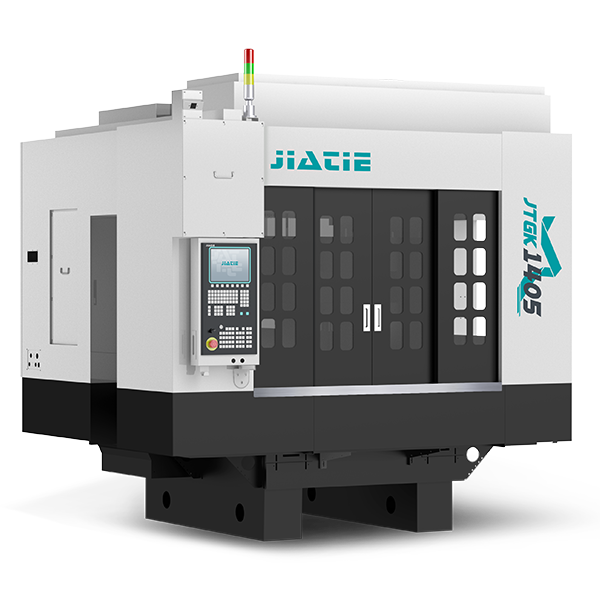
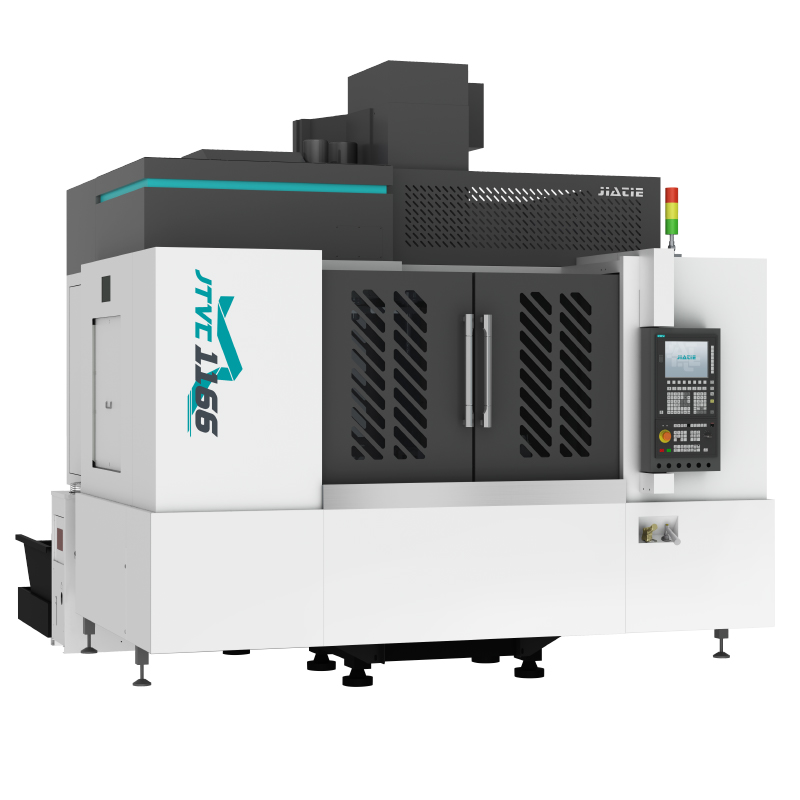
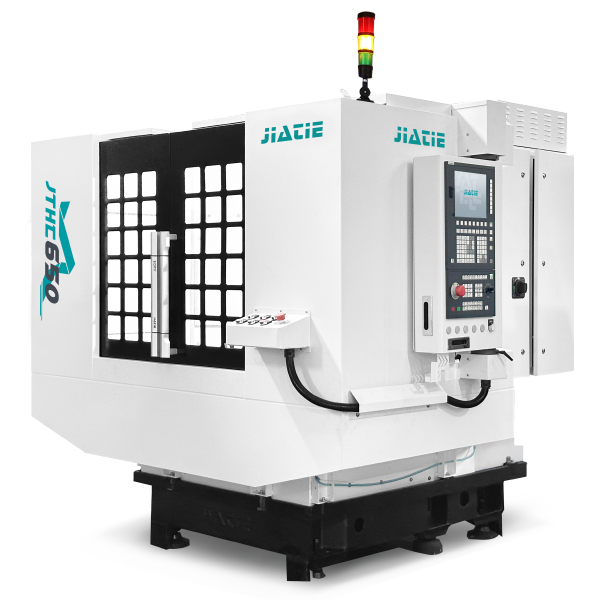
Most modern CNC Drilling and Milling Machines are equipped with an automatic tool changer (ATC). The machine automatically selects the required drill bit according to the machining program, eliminating manual tool changes and reducing production downtime.
Different drill bits may be used for pilot holes, deep-hole drilling, countersinking, tapping, or finishing operations.
Step 4: Positioning the Spindle
After the tool is selected, servo motors move the spindle accurately along the X, Y, and Z axes until it reaches the programmed drilling position.
High-quality linear guideways and precision ball screws ensure smooth movement and excellent positioning accuracy, even during high-speed machining.
Step 5: Drilling the Hole
Once positioned, the spindle rotates at the programmed speed while feeding the drill bit into the material. The machine continuously controls cutting speed and feed rate to achieve clean hole surfaces and accurate dimensions.
Coolant is often supplied during drilling to reduce heat, improve chip evacuation, and extend tool life.
Step 6: Automatic Tool Changes for Additional Operations
Many CNC drilling machines can perform more than simple drilling. After completing the drilling operation, the automatic tool changer can switch to milling cutters, taps, or countersinks to continue machining without removing the workpiece.
This multi-function capability significantly improves production efficiency and reduces setup time.
Step 7: Inspection and Finished Part
After machining is complete, the finished workpiece is inspected for hole diameter, position, depth, and surface quality. Because every operation is controlled digitally, CNC drilling machines provide excellent consistency across large production batches.
Advantages of CNC Drilling Machines
High positioning accuracy.
Excellent repeatability.
Automatic tool changing.
Reduced manual labor.
Higher production efficiency.
Suitable for complex hole patterns.
Compatible with drilling, milling, tapping, and countersinking.
Applications of CNC Drilling Machines
CNC drilling machines are widely used in:
Automotive components
Aerospace parts
Mold manufacturing
Steel structure fabrication
Electrical cabinets
Precision mechanical components
Medical devices
Industrial Automation equipment
Why Choose a CNC Drilling and Milling Machine?
Compared with a conventional drill press, a CNC Drilling and Milling Machine combines multiple machining processes into one platform. Manufacturers can drill, mill, tap, and finish parts in a single setup, improving productivity while maintaining high machining accuracy.
Machines like the JTDM-700 CNC Drilling and Milling Machine are designed to deliver reliable performance, fast tool changes, and excellent precision for modern manufacturing environments.
To learn more about CNC drilling machine types, key components, and the JTDM-700, visit our detailed technical guide:What Is a CNC Drilling Machine?.
Conclusion
Understanding how a CNC drilling machine works helps manufacturers optimize machining efficiency and improve product quality. From program creation and automatic tool changes to precision drilling and inspection, every step is controlled digitally to ensure consistent results.
Whether you're upgrading your production line or selecting your first CNC drilling machine, understanding the machining process is the first step toward making the right investment.