

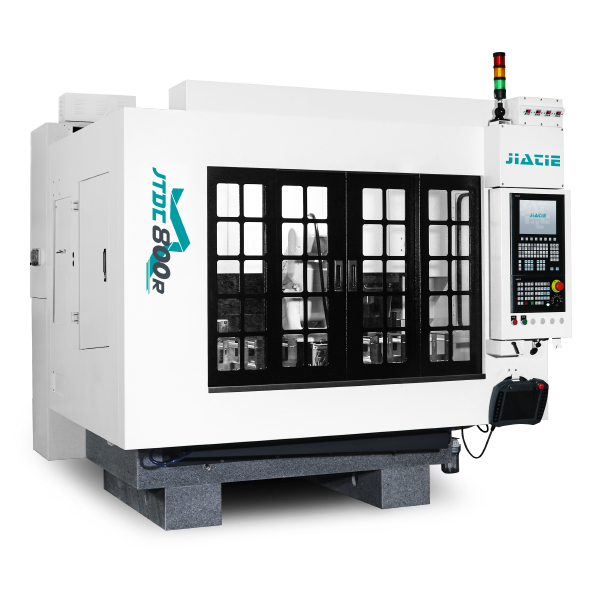
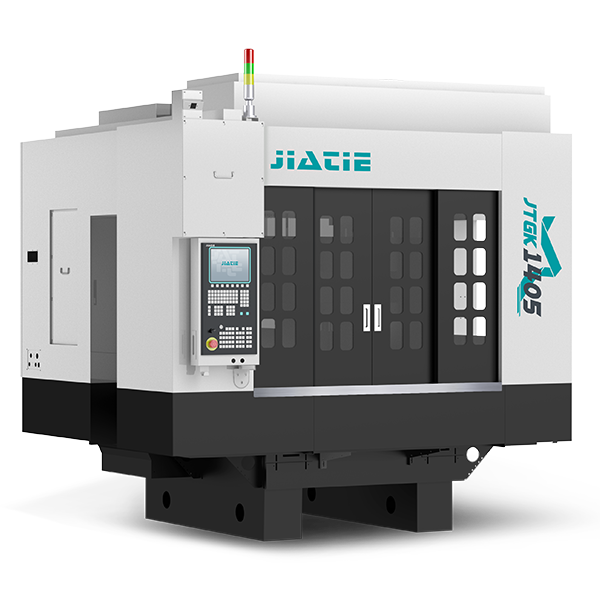
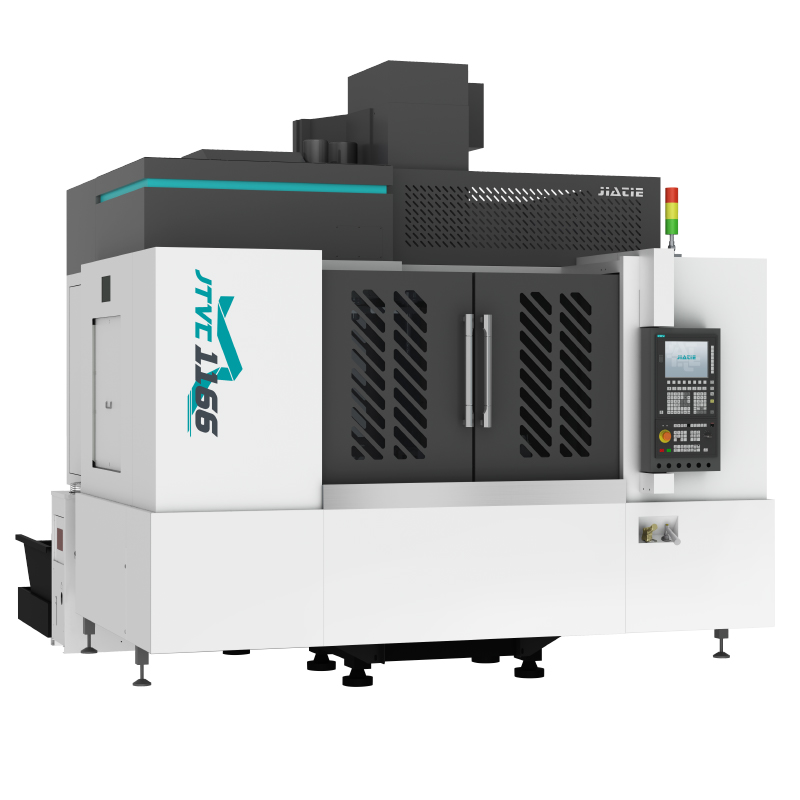
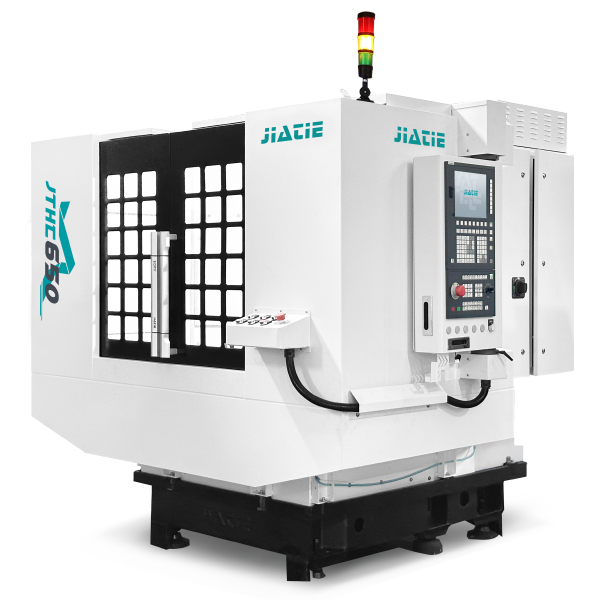
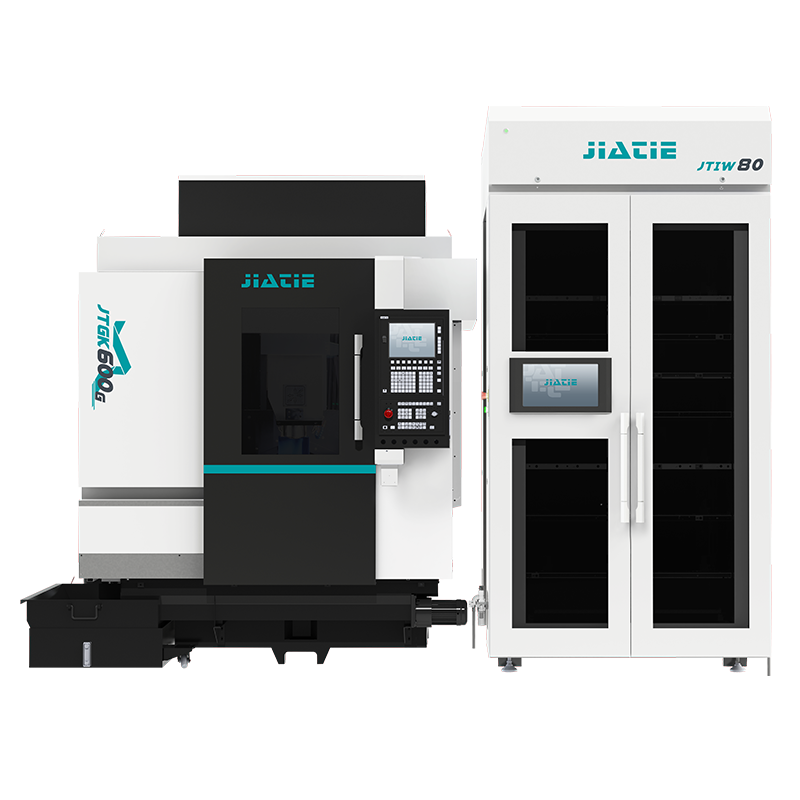
Computer Numerical Control (CNC) technology has become one of the most important manufacturing technologies in modern industry. From automotive components and electronic parts to aerospace structures and precision molds, CNC machines help manufacturers achieve high accuracy, stable quality, and efficient production.
Unlike traditional machining methods that rely heavily on manual skills, CNC machines use computer programs to control cutting tools and machining movements. This allows manufacturers to produce complex components with consistent dimensions and repeatable quality.
However, purchasing a CNC machine is only the first step. Many manufacturers also want to know: Is a CNC machine difficult to operate? What kind of personnel are required? How should the equipment be maintained to ensure long-term performance?
Understanding CNC machine operation and maintenance helps companies improve productivity, reduce downtime, and maximize the return on their equipment investment. 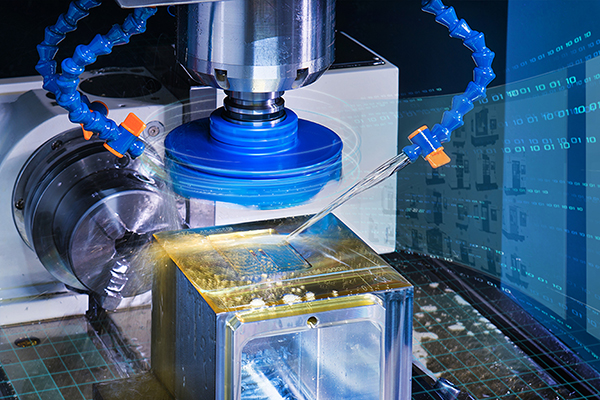
What Is a CNC Machine and How Does It Work?
A CNC machine is an automated manufacturing system controlled by computer instructions. Engineers create machining programs based on CAD drawings, and the CNC controller converts these instructions into precise movements of the spindle, cutting tools, and worktable.
During machining, the machine performs different operations such as milling, drilling, cutting, tapping, and contour processing according to the programmed tool path.
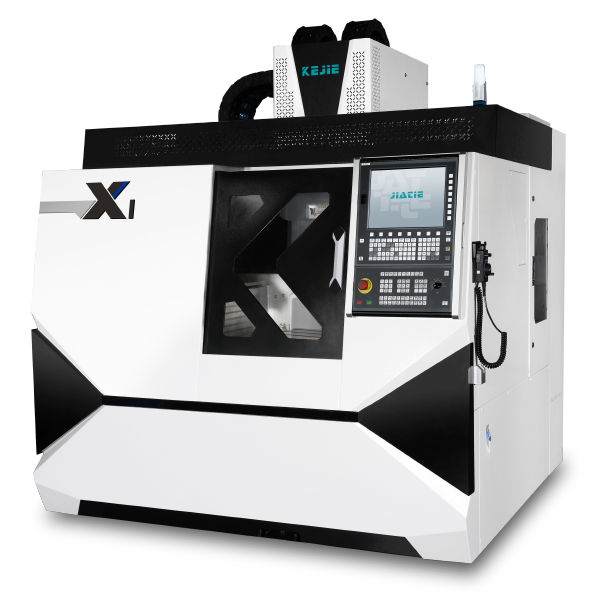
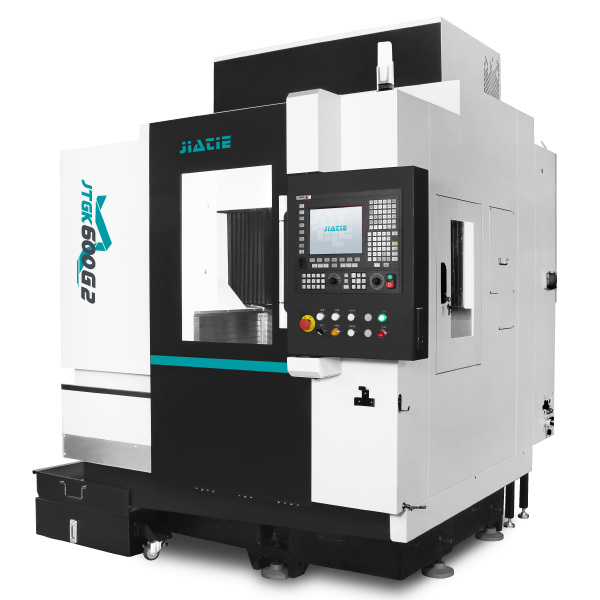
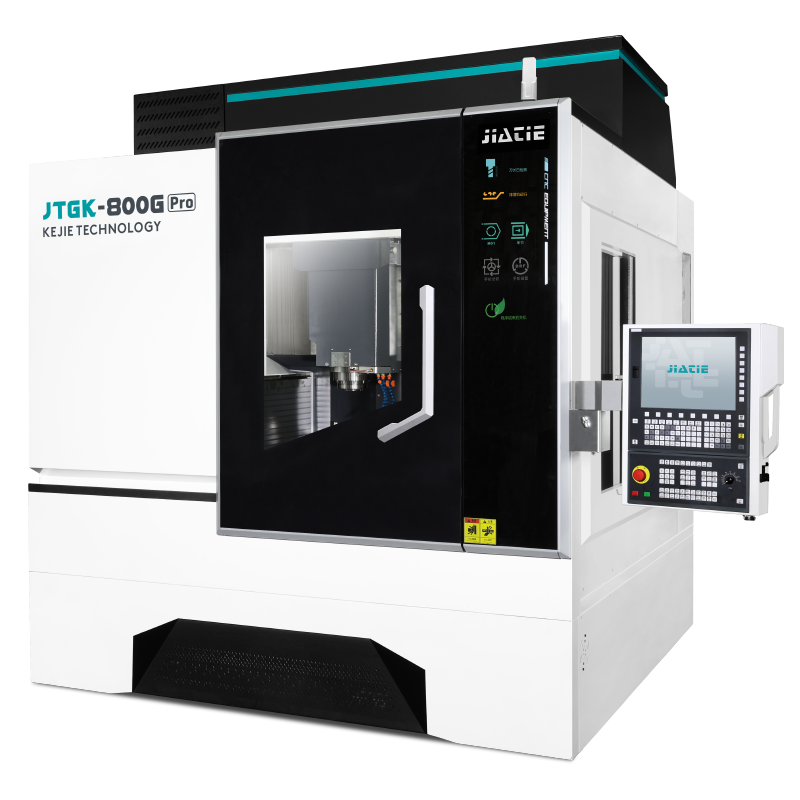
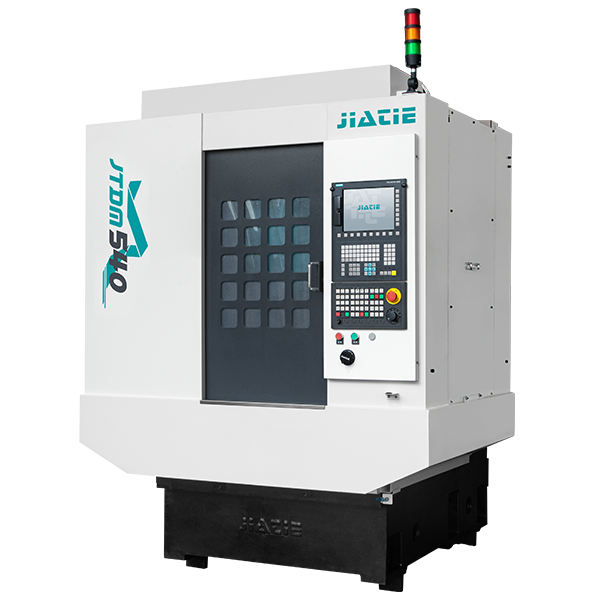
Modern CNC equipment can be configured for different manufacturing requirements. For example, a CNC Machining Center can integrate multiple machining processes into one platform, helping manufacturers improve efficiency while maintaining machining accuracy.
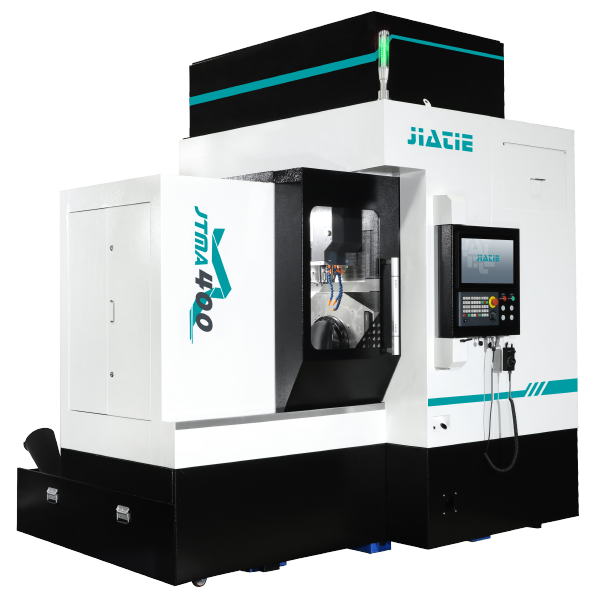
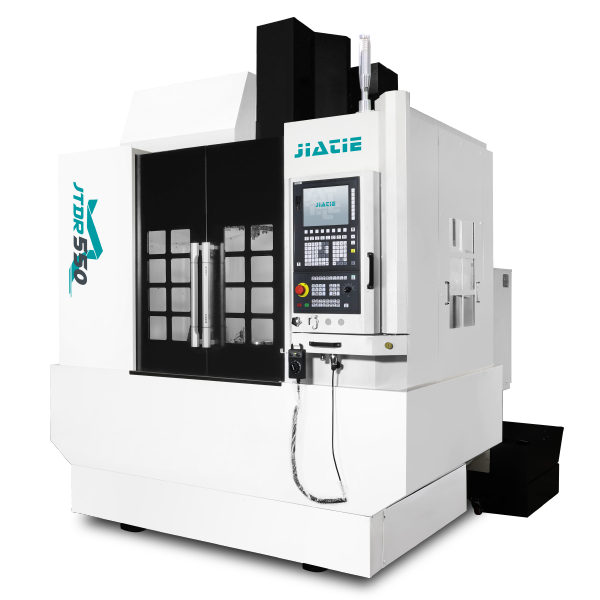
Depending on the application, manufacturers can select different machine structures, including vertical Machining Centers, high-speed machining systems, five-axis equipment, or customized CNC solutions.
Why Are CNC Machines Important for Modern Manufacturing?
The demand for precision components continues to increase in industries such as automotive, electronics, medical equipment, energy, and aerospace. Manufacturers need production equipment that can deliver accuracy, flexibility, and stable performance.
CNC machines provide several important advantages:
High machining accuracy: CNC systems can achieve consistent tolerances and reduce human operation errors.
Improved production efficiency: Automated machining processes reduce manual handling and shorten production cycles.
Flexible production capability: Different parts can be produced by changing machining programs and tooling configurations.
Stable quality: CNC machines help maintain consistent product quality during mass production.
Is Operating a CNC Machine Difficult?
Many companies considering CNC equipment have the same question: "Is a CNC machine difficult to operate?"
The answer depends on the operator's experience and the complexity of the machining application. Basic operation is not difficult after proper training, but achieving high machining efficiency requires experience in programming, tooling selection, and process optimization. 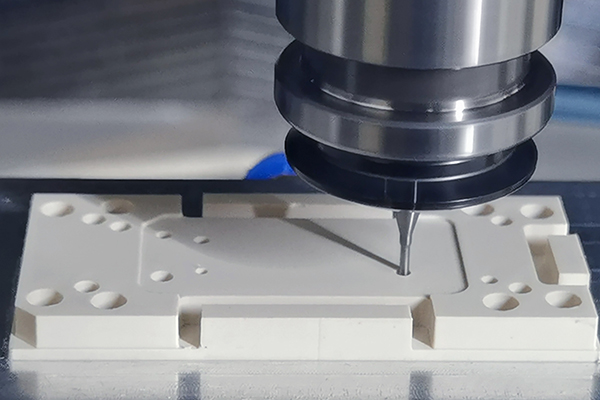
Generally, CNC operation can be divided into three levels:
Basic CNC Machine Operation
CNC operators mainly handle daily production tasks, including machine startup, workpiece loading, tool changing, program selection, and basic quality inspection.
With proper training, new operators can usually learn basic CNC machine operation within a relatively short period.
CNC Programming and Process Control
CNC programmers are responsible for creating machining programs, adjusting tool paths, selecting cutting parameters, and improving production efficiency.
For complex components, advanced equipment such as a 5-axis CNC Machining Center provides greater machining flexibility by allowing multiple-angle processing without repeated repositioning.
Machining Process Optimization
Experienced engineers focus on improving machining performance by optimizing cutting speed, feed rate, tooling selection, fixture design, and production workflow.
This knowledge helps manufacturers achieve better surface finish, longer tool life, and lower production costs.
What Personnel Are Needed to Operate a CNC Machine?
A CNC production system usually requires several types of personnel. The required team size depends on production volume, part complexity, and automation level.
CNC Operator
The CNC operator is responsible for daily machine operation, including loading materials, checking machining conditions, replacing tools, and monitoring production status.
CNC Programmer
CNC programmers create and optimize machining programs through CAD/CAM software. They ensure that the machine follows the correct tool path and machining parameters.
Quality Control Technician
QC technicians inspect finished components using measuring tools such as calipers, micrometers, and coordinate measuring machines to ensure product accuracy.
Maintenance Technician
Maintenance personnel are responsible for equipment inspection, troubleshooting, lubrication management, and preventive maintenance to keep machines operating reliably.
Step-by-Step CNC Machine Operation Process
Although CNC machines use advanced computer control systems, the basic operating process follows a clear and standardized workflow. Proper operation procedures are important for machining accuracy, operator safety, and equipment reliability.
1. Machine Inspection Before Operation
Before starting production, operators should check the overall condition of the CNC machine. This includes checking lubrication levels, coolant status, air pressure, electrical connections, and machine alarms.
A proper inspection helps identify potential problems before machining begins and reduces unexpected downtime during production.
2. Machine Startup and Reference Position Return
After powering on the equipment, the operator needs to return the machine to its reference position. This process allows the CNC controller to establish a standard coordinate system for accurate machining.
Modern CNC systems are designed with intelligent control functions to simplify operation and improve machining stability.
3. Workpiece Installation and Positioning
Correct workpiece installation is essential for machining accuracy. Before clamping, operators should clean the workpiece surface and remove oil, dust, and metal chips.
The fixture must securely hold the workpiece while avoiding interference with cutting tools. Proper positioning prevents vibration, dimensional errors, and machining defects.
4. Tool Installation and Tool Setting
Cutting tools are selected according to the material, machining process, and required surface quality. Operators need to install tools correctly and check tool condition before processing.
Tool wear directly affects machining quality. Regular inspection and replacement of worn tools help maintain stable production performance. 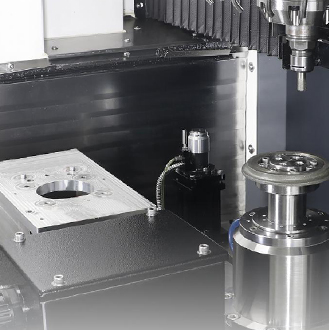
5. Program Loading and Trial Machining
After the machining program is prepared, it is transferred to the CNC controller. Before full production, operators usually perform a trial run to verify tool movement, machining sequence, and safety conditions.
This step helps prevent programming errors and protects both the machine and workpiece from unnecessary damage.
6. Production Monitoring and Quality Inspection
During machining, operators should monitor cutting conditions, spindle performance, coolant flow, and abnormal sounds.
After machining the first part, quality inspection is performed to confirm dimensions and surface requirements before continuing mass production.
Daily CNC Machine Maintenance Checklist
Regular maintenance is essential for maintaining CNC machine accuracy and extending equipment service life. Daily maintenance usually takes only a short time but can significantly reduce machine failures.
Clean Machine Working Area
Metal chips and machining debris should be removed after operation. Accumulated chips may affect moving components, coolant circulation, and machining accuracy.
Check Lubrication System
Lubrication is important for guideways, ball screws, and moving parts. Operators should regularly check oil levels and ensure that the lubrication system works properly.
Inspect Coolant System
Coolant helps control cutting temperature and improves tool life. The coolant level, concentration, and cleanliness should be checked regularly.
Check Cutting Tools
Worn or damaged tools can reduce machining accuracy and affect surface finish. Operators should replace tools according to production conditions.
Check Machine Alarms and Abnormal Conditions
Any unusual vibration, noise, temperature increase, or alarm message should be investigated immediately to avoid larger equipment problems. Weekly and Monthly CNC Preventive Maintenance
Besides daily checks, manufacturers should establish regular preventive maintenance plans. Preventive maintenance reduces unexpected downtime and helps maintain machining precision.
Weekly Maintenance Tasks
Clean coolant filters and check coolant circulation.
Inspect machine guideways and remove contamination.
Check tool holders, fixtures, and automatic tool changing systems.
Check electrical cabinet ventilation and cooling conditions.
Monthly Maintenance Tasks
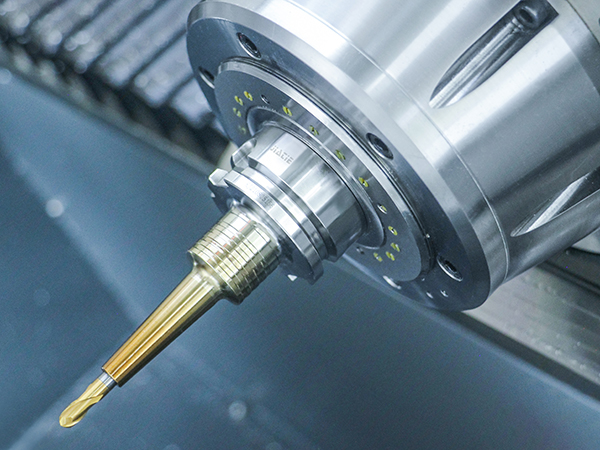
Check spindle performance and machining accuracy.
Inspect ball screws, servo systems, and mechanical components.
Verify machine calibration and positioning accuracy.
Replace filters and consumable components when necessary.
Choosing the Right CNC Machine for Different Applications
Different manufacturing applications require different CNC configurations. Choosing the right machine structure can improve efficiency, reduce processing time, and achieve better production results.
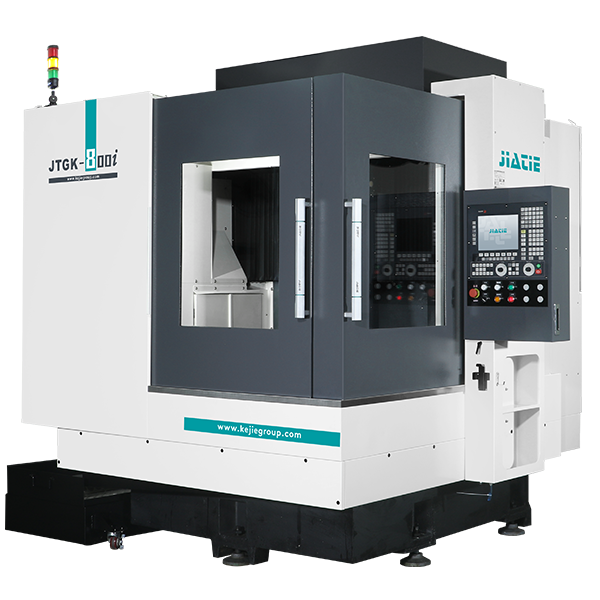
For general precision machining applications, a vertical machining center provides excellent flexibility and is widely used for molds, mechanical parts, and precision components.
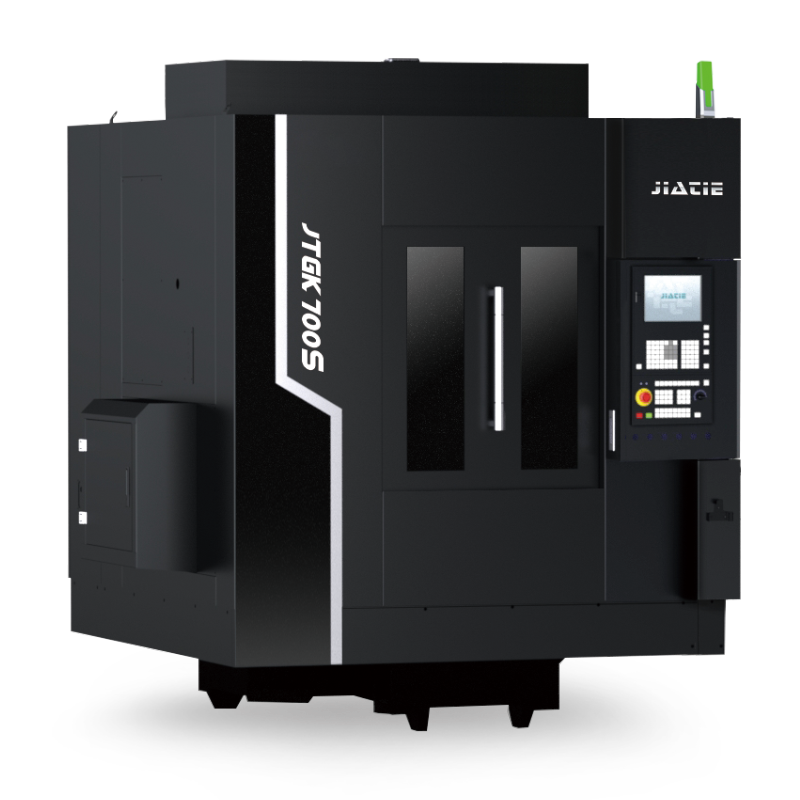
For manufacturers requiring higher productivity and faster processing speeds, a high speed machining center can provide improved cutting efficiency and surface quality.
For special production requirements, a customized CNC machine can be developed according to specific part structures, machining processes, and automation requirements.
Common CNC Machine Operation Mistakes to Avoid
CNC machines are designed for reliable and precise manufacturing, but incorrect operation can still affect machining quality, reduce equipment life, and increase production costs. Avoiding common mistakes helps manufacturers achieve better performance from their CNC equipment.
Skipping Machine Warm-Up
Before precision machining, especially in high-accuracy applications, allowing the machine to warm up helps stabilize mechanical components and improve machining consistency.
Using Incorrect Cutting Parameters
Cutting speed, feed rate, and tool selection directly affect machining performance. Incorrect parameters may cause excessive tool wear, poor surface finish, or unnecessary load on the spindle.
Experienced engineers usually optimize machining parameters based on material characteristics, tool conditions, and production requirements.
Ignoring Tool Wear
Continuing to use worn tools can lead to dimensional errors and unstable product quality. Regular tool inspection and replacement are important parts of CNC production management.
Lack of Regular Maintenance
Even advanced CNC equipment requires proper maintenance. Neglecting lubrication, cleaning, and inspection may gradually reduce machine accuracy and shorten service life.
How to Extend the Service Life of a CNC Machine?
A CNC machine is a long-term investment for manufacturers. Proper operation and maintenance can significantly extend equipment life while maintaining machining accuracy.
Follow regular maintenance schedules: Perform daily, weekly, and monthly inspections according to manufacturer recommendations.
Use suitable cutting tools: High-quality tools reduce machine load and improve machining stability.
Maintain a clean working environment: Prevent chips, dust, and contaminants from affecting precision components.
Train operators properly: Skilled operators can identify abnormal conditions early and reduce operation risks.
Use preventive maintenance strategies: Regular inspection helps avoid unexpected downtime and expensive repairs.
How KEJIE Technology Supports Efficient CNC Manufacturing
Selecting the right CNC equipment is an important decision for manufacturers. A reliable CNC machine supplier should not only provide high-quality equipment but also understand different production requirements and application challenges.
KEJIE Technology focuses on CNC machining equipment and customized manufacturing solutions for industries including automotive components, precision molds, electronic parts, medical equipment, and advanced manufacturing applications.
With experience in CNC equipment development, KEJIE provides various machining solutions, including CNC machining centers, vertical machining centers, and advanced multi-axis machining systems.
For manufacturers requiring complex part processing, KEJIE also provides 5-axis CNC machining centers and customized solutions designed to improve machining flexibility and production efficiency.
Through professional engineering support, Customized Machine development, and reliable after-sales service, KEJIE helps manufacturers build efficient and stable production systems. 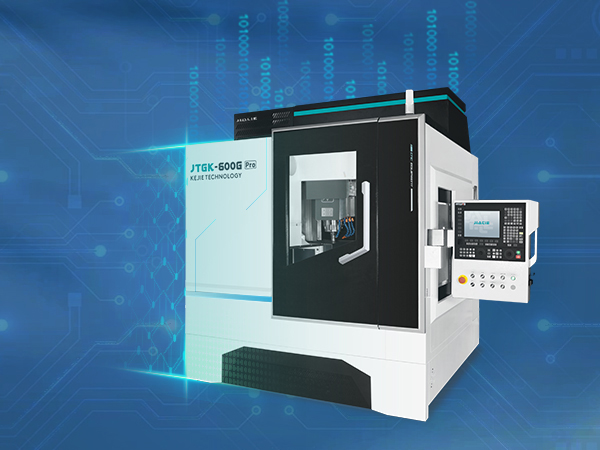
Conclusion
Operating a CNC machine is not as complicated as many people expect. With proper training, standardized operation procedures, and regular maintenance, manufacturers can quickly achieve stable production performance.
The key to successful CNC machining is not only choosing advanced equipment but also establishing a complete management system covering operation, maintenance, quality control, and process optimization.
Whether for standard precision machining or special production requirements, KEJIE Technology provides CNC solutions that help manufacturers improve productivity, maintain accuracy, and achieve smarter manufacturing.
Frequently Asked Questions About CNC Machine Operation and Maintenance
How long does it take to learn CNC machine operation?
Basic CNC machine operation can usually be learned within a short training period. However, becoming experienced in programming, process optimization, and complex machining requires continuous practice and production experience.
Do CNC operators need programming experience?
Basic operators do not always need programming skills. Their main responsibilities are machine operation, workpiece loading, tool replacement, and production monitoring. CNC programmers handle more advanced programming tasks.
How often should a CNC machine be maintained?
Daily inspection should be performed before and after operation. Weekly and monthly preventive maintenance should also be scheduled to maintain accuracy and reliability.
What is the most important CNC machine maintenance task?
Regular lubrication, cleaning, tool inspection, and accuracy checks are among the most important maintenance tasks. These actions help prevent failures and extend machine service life.
When should a manufacturer choose a customized CNC machine?
A customized CNC machine is suitable when standard equipment cannot fully meet specific production requirements, such as special part structures, multiple machining processes, or automated production needs.
Why is CNC machine maintenance important for production efficiency?
Proper maintenance reduces unexpected downtime, improves machining stability, and helps manufacturers maintain consistent product quality during long-term operation.