

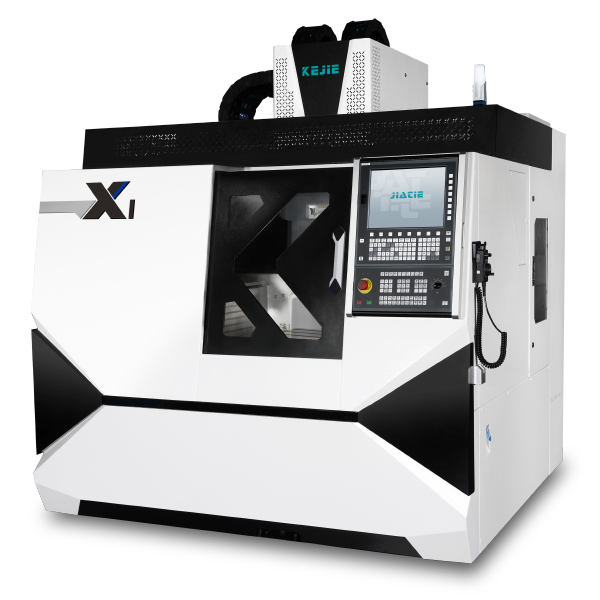
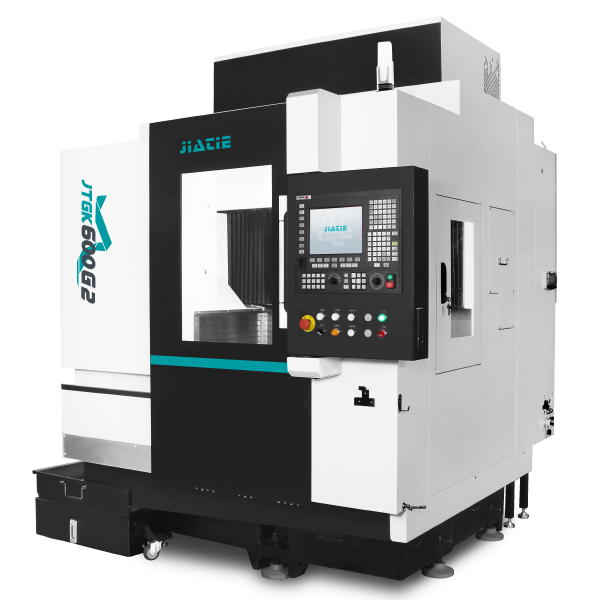
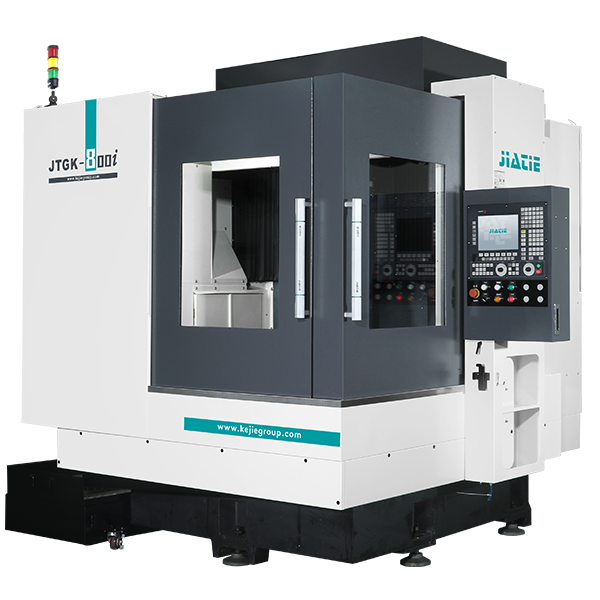
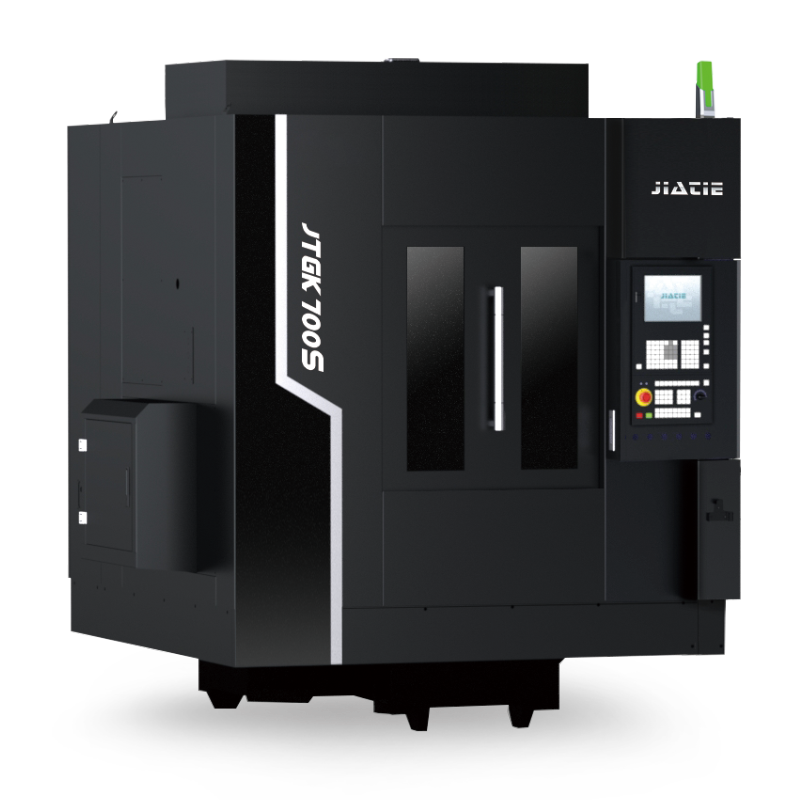
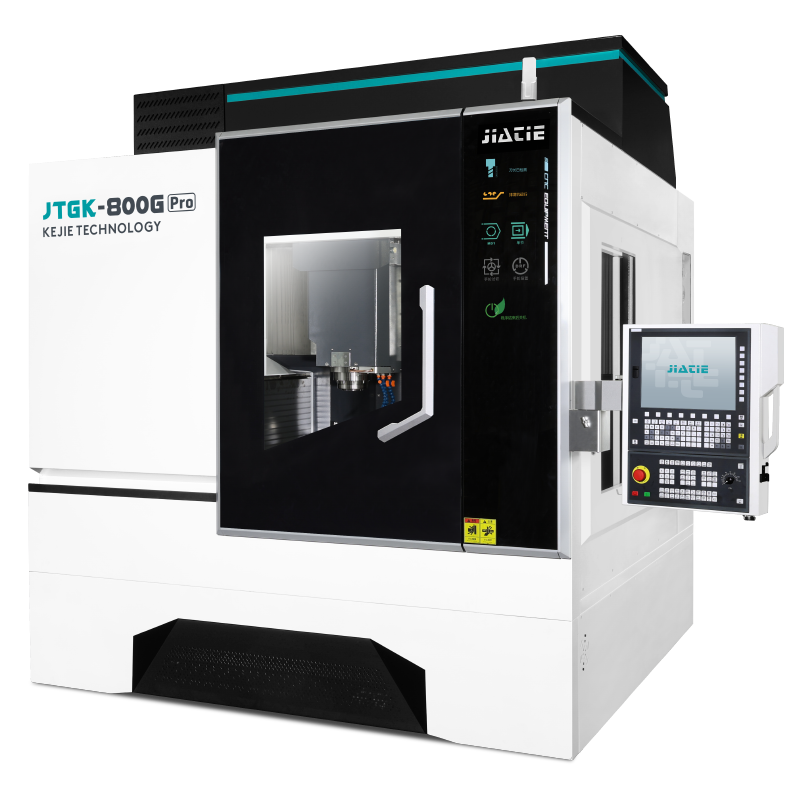
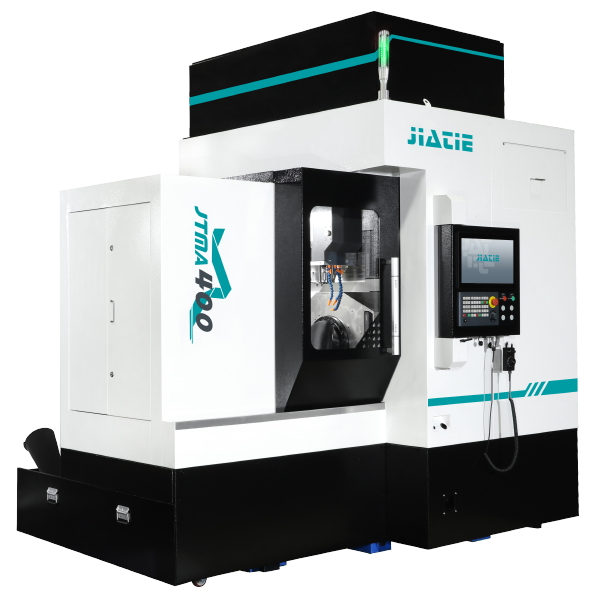
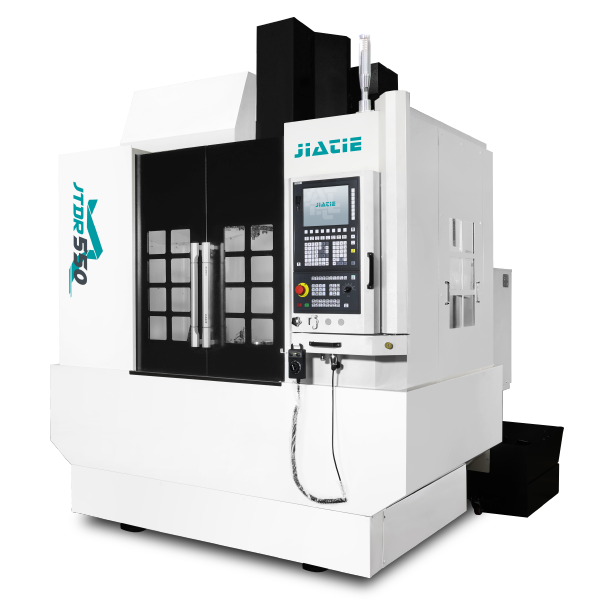
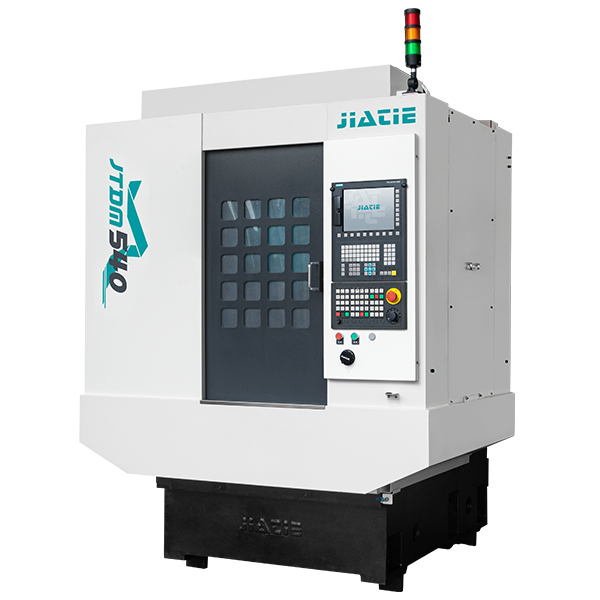
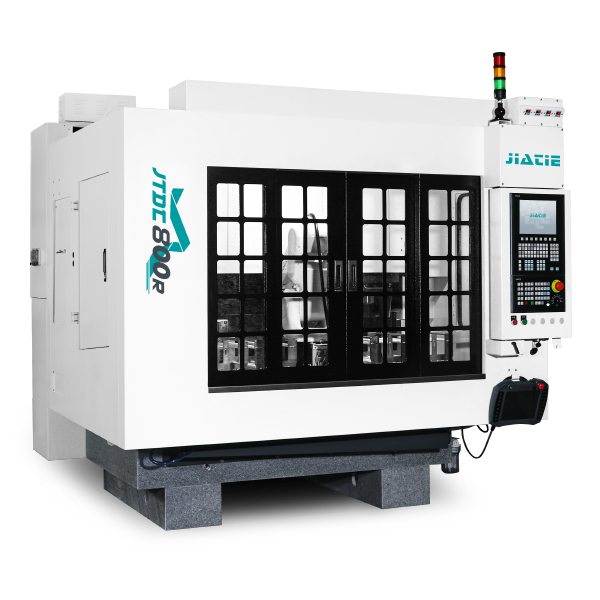
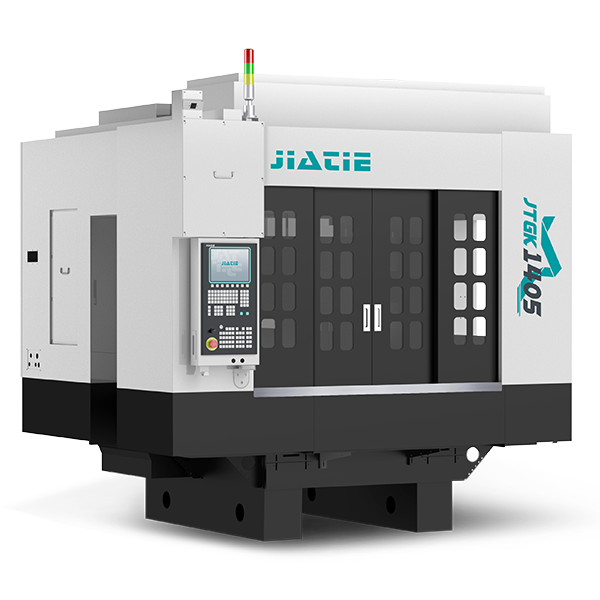
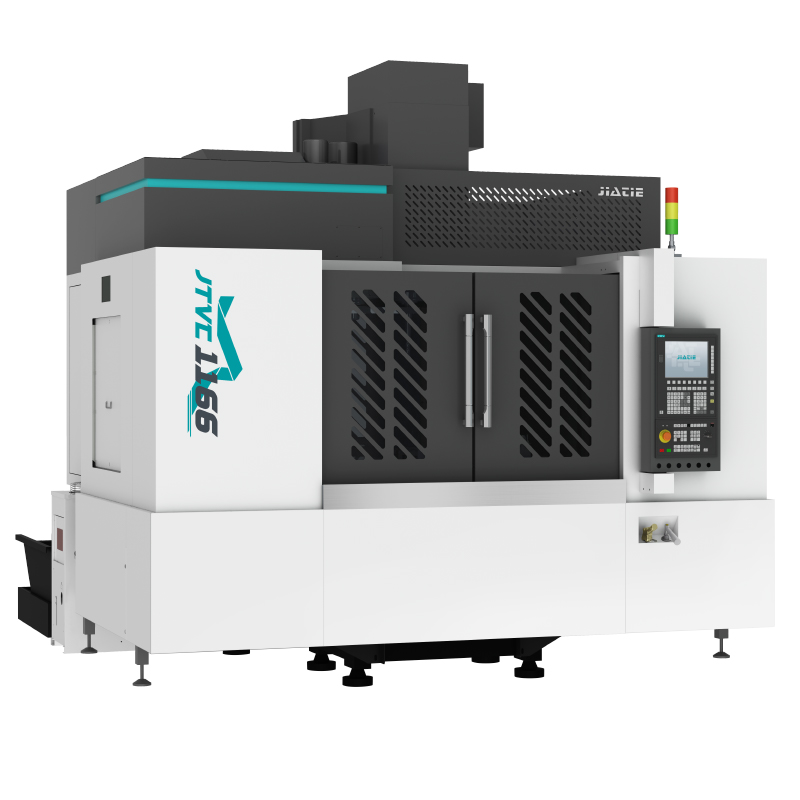
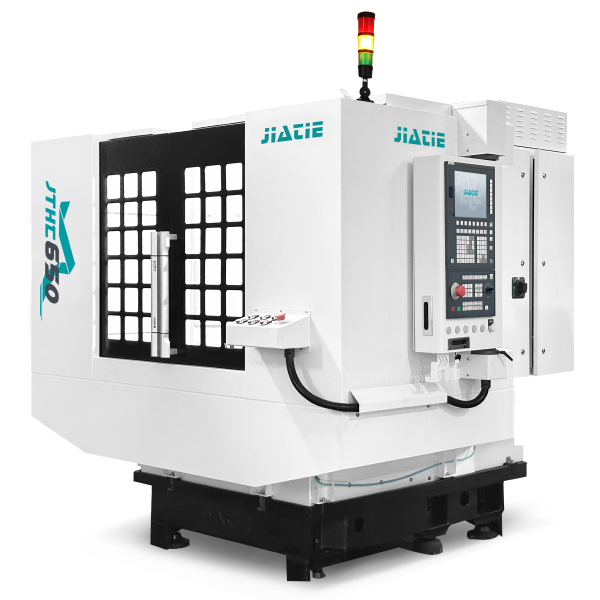
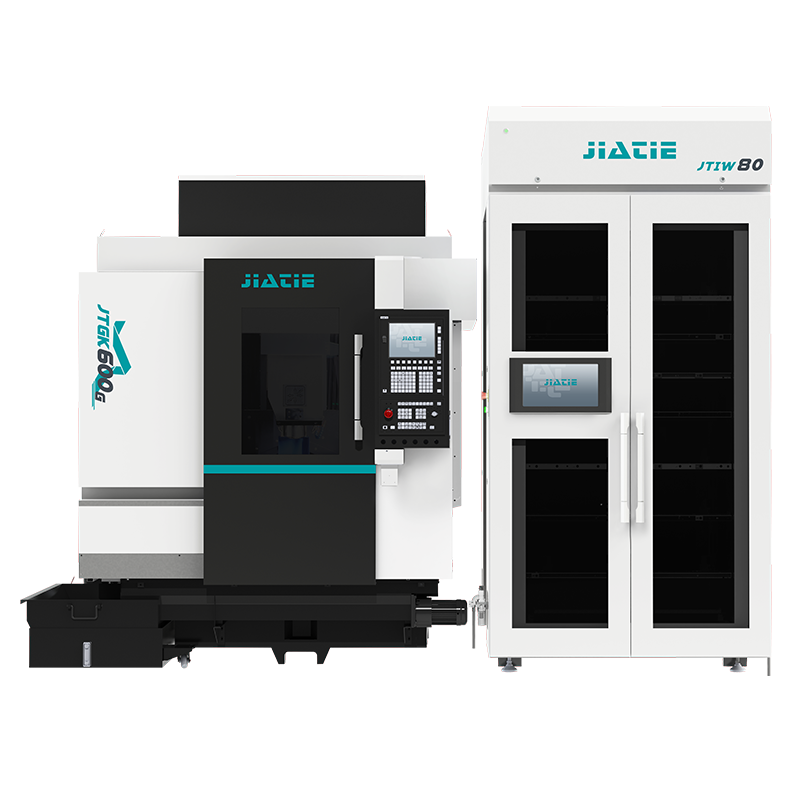
Choosing the right CNC Grinding Machine requires more than comparing machine size or purchase cost. Manufacturers need to consider workpiece geometry, material, dimensional tolerances, surface finish, and production volume. Matching these factors with the machine's capabilities helps improve manufacturing consistency and avoid unnecessary investment.
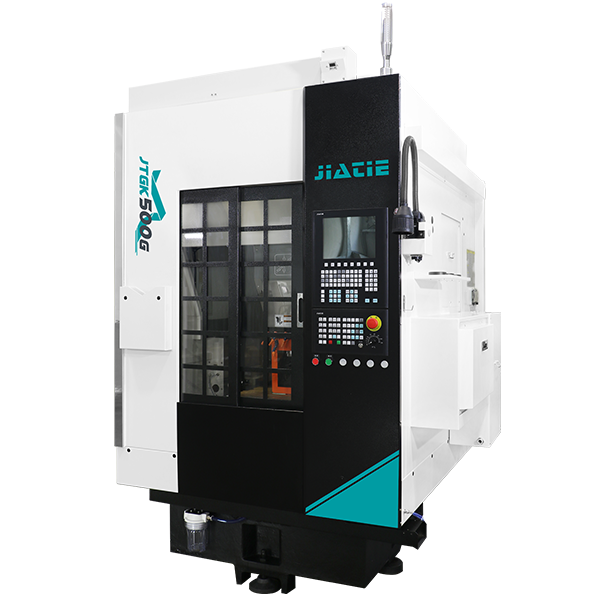
1. Identify Your Workpiece Requirements
Start by identifying the component's shape, dimensions, material, and critical tolerances. Flat components, cylindrical shafts, and precision bores may require different grinding configurations.
For example, a manufacturer producing precision shafts should evaluate cylindrical grinding capabilities, while a company machining flat tooling components may need a surface grinding solution.
Providing technical drawings helps equipment suppliers assess the application more accurately.
2. Evaluate Accuracy and Surface Finish
Different applications require different levels of dimensional control and surface quality. Buyers should review the machine's documented positioning performance, repeatability, spindle specifications, and demonstrated machining results.
For example, a component used in a precision mechanical assembly may require tighter diameter tolerances than a general-purpose industrial part.
Actual performance should be confirmed through a suitable machining trial using representative workpieces and measurement methods.
3. Consider Production Volume and Automation
Production volume influences machine configuration and overall operating cost. A small production run may prioritize setup flexibility, while high-volume manufacturing may benefit from automated loading, integrated measurement, or other suitable automation features.
For instance, a factory producing large batches of similar components may evaluate automatic workpiece handling to reduce manual intervention and maintain consistent production cycles.
4. Compare Machine Specifications and After-Sales Support
Before purchasing, compare the following:
Maximum workpiece dimensions and weight
Available grinding methods and spindle configuration
CNC system and programming functions
Required accuracy and surface finish
Wheel dressing and measurement options
Installation, training, maintenance, and technical support
These details help buyers determine whether a machine is suitable for their current production needs and future product plans.
Conclusion
The right CNC Grinding Machine should match the workpiece geometry, material, tolerance requirements, and production volume. Reviewing technical specifications and conducting machining trials can help manufacturers make an informed equipment decision.
Before requesting a quotation, prepare representative drawings, target tolerances, surface finish requirements, and estimated production quantities. This information allows equipment suppliers to recommend a more appropriate machine configuration for the intended application.