

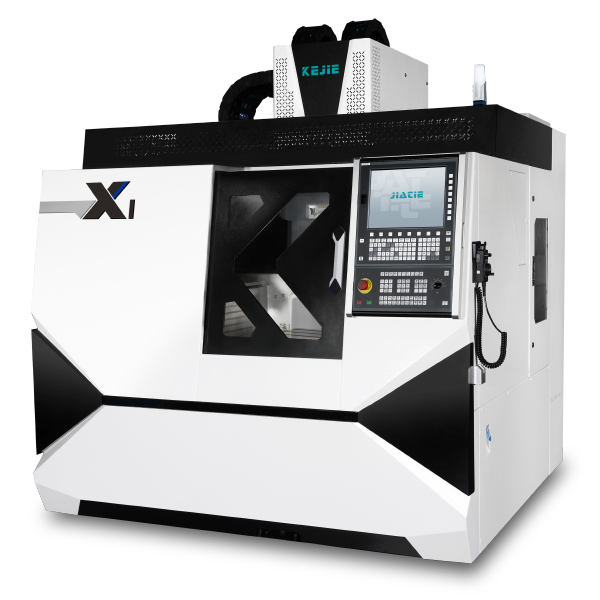
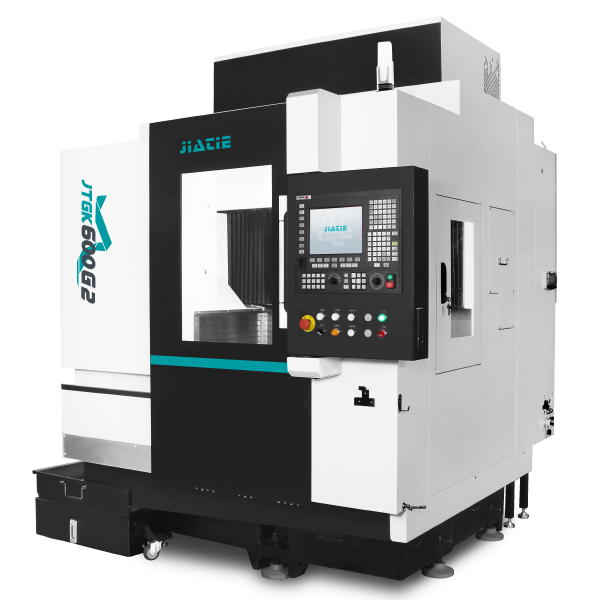
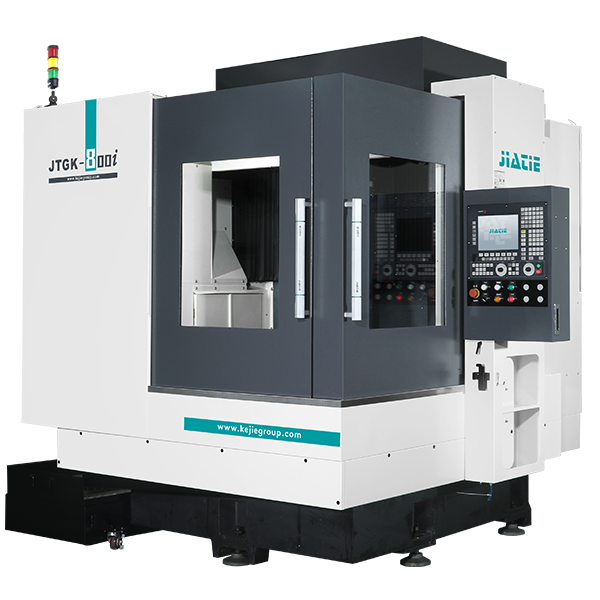
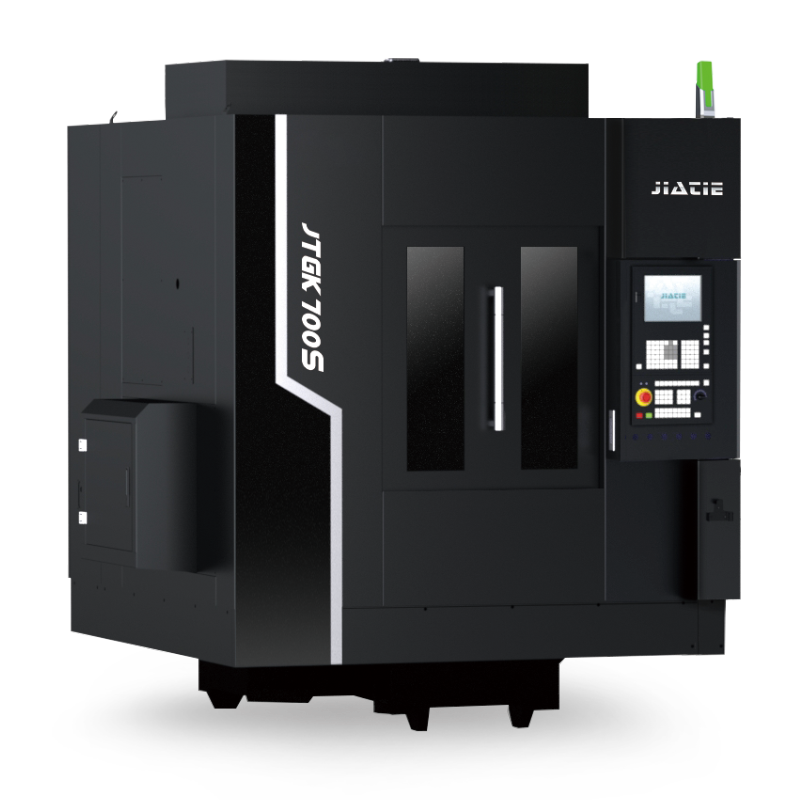
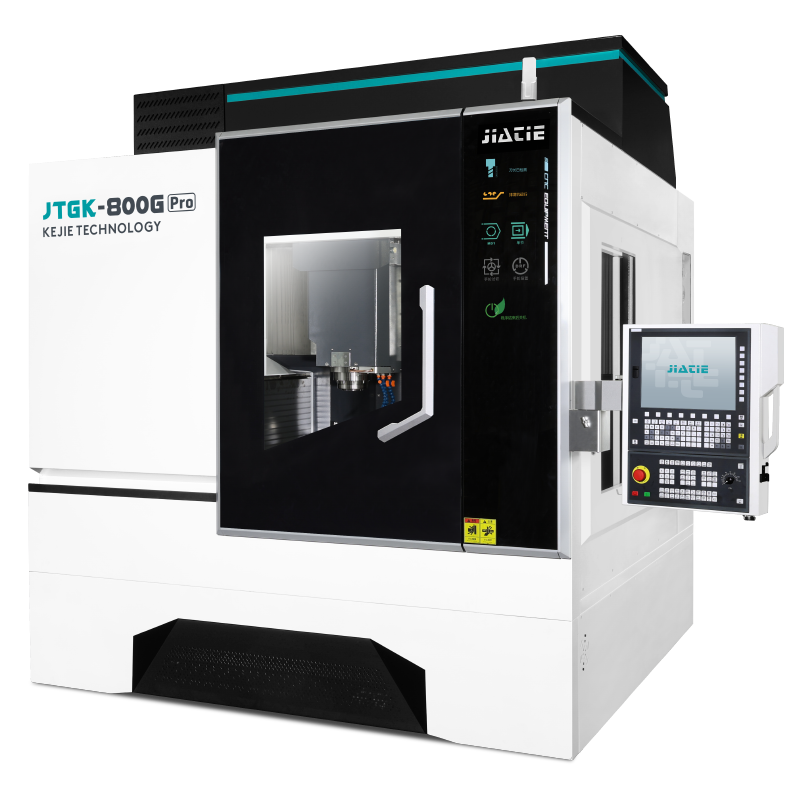
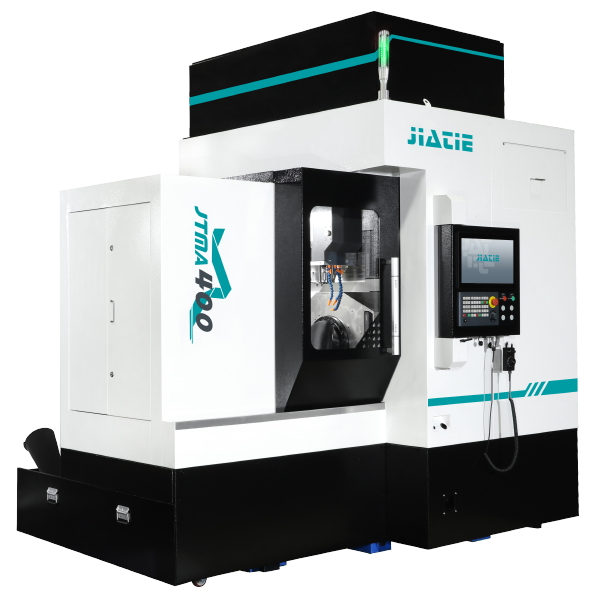
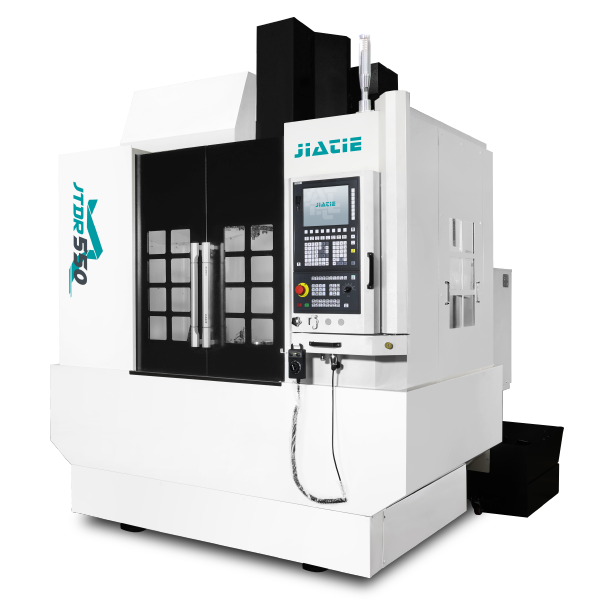
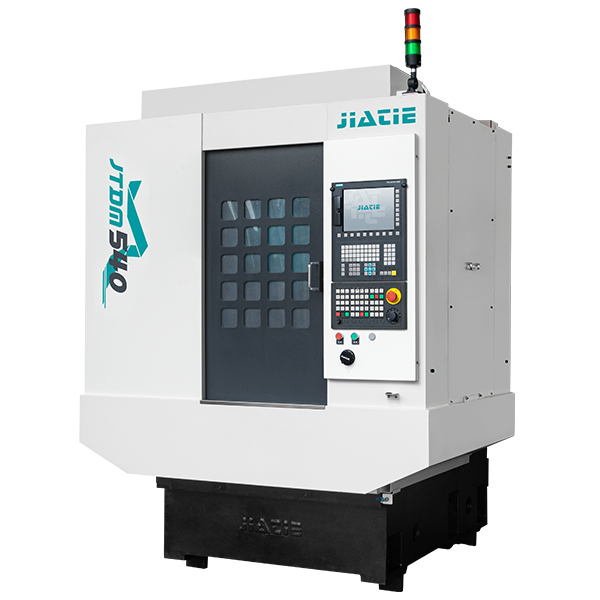
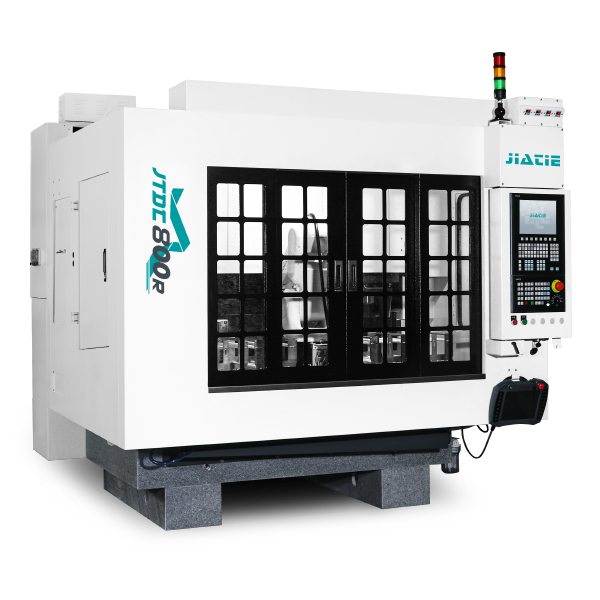
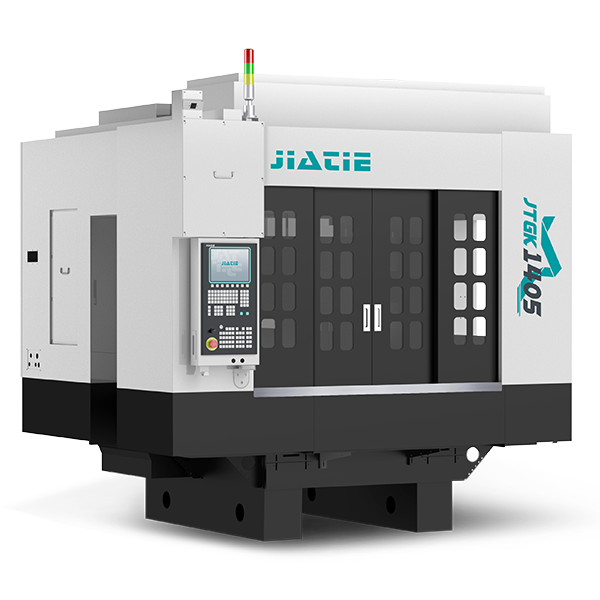
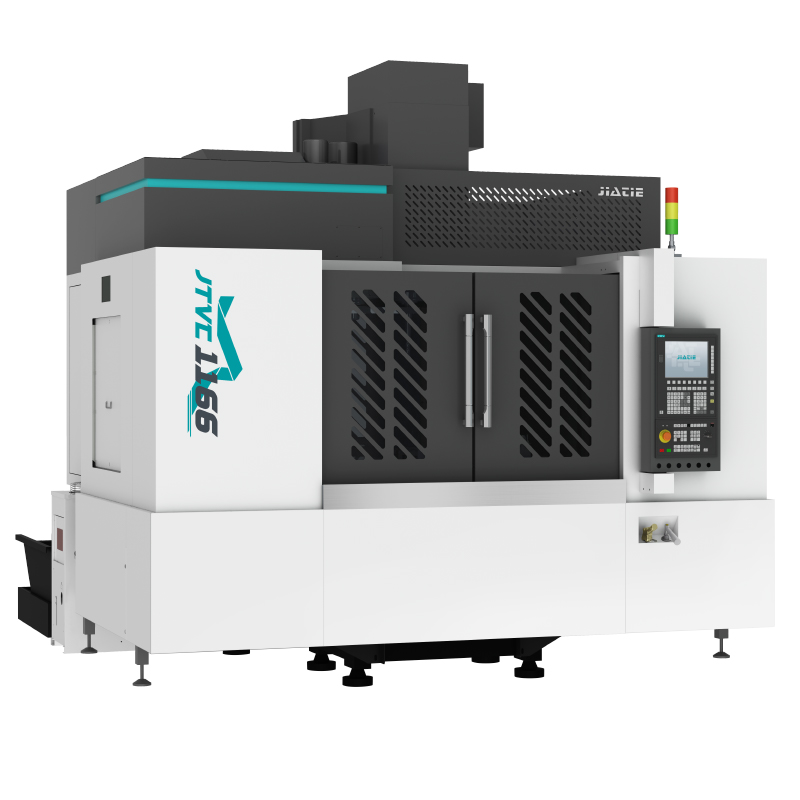
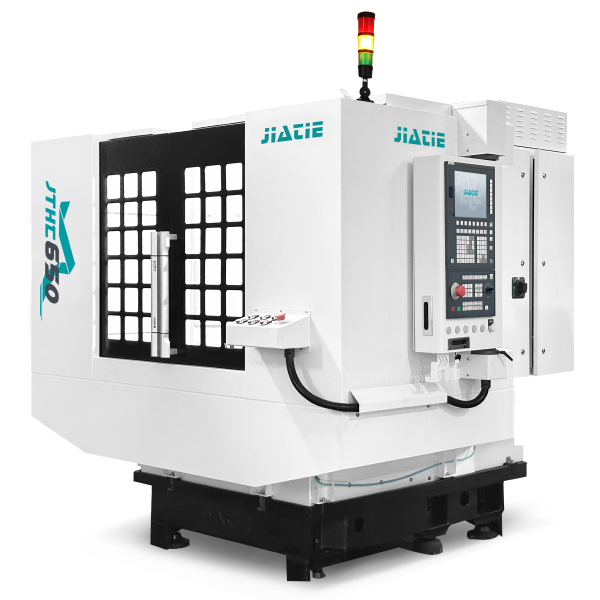
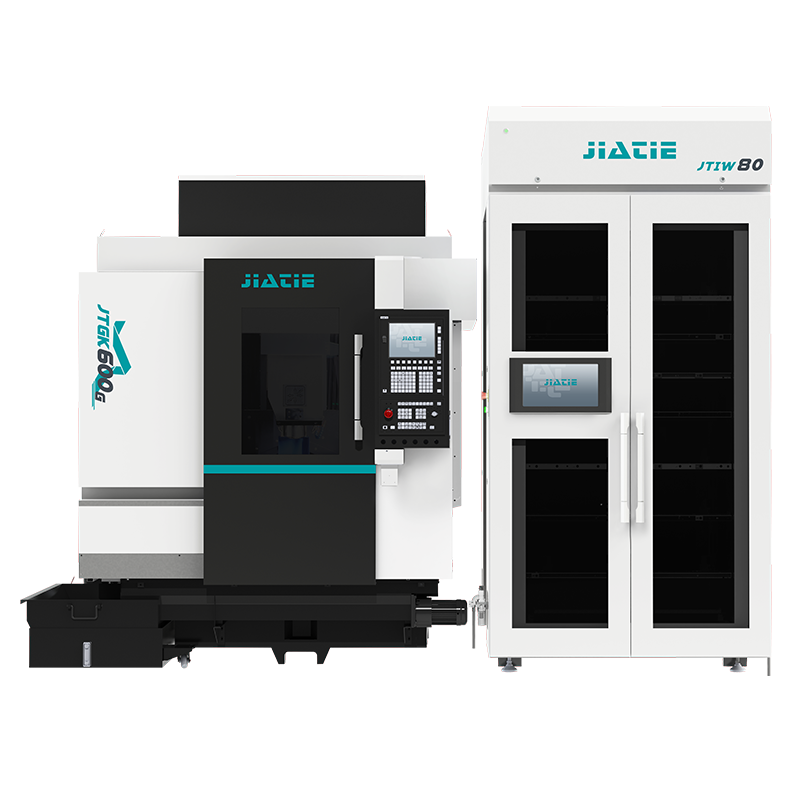
Investing in a dedicated High Speed CNC machine or an industrial high speed Machining Center is the most reliable way to eliminate costly hand-polishing and reduce cycle times in precision mold making, hardened steel (HRC 50+), and aerospace alloy finishing. While a standard VMC relies on heavy cuts at lower RPM, a true high-speed CNC mill utilizes small-diameter tools, high spindle speeds (20,000 to 40,000 RPM), and high feed rates (HSM principle) to dissipate cutting heat into the chips rather than the workpiece, delivering mirror finishes down to Ra 0.1 μm.
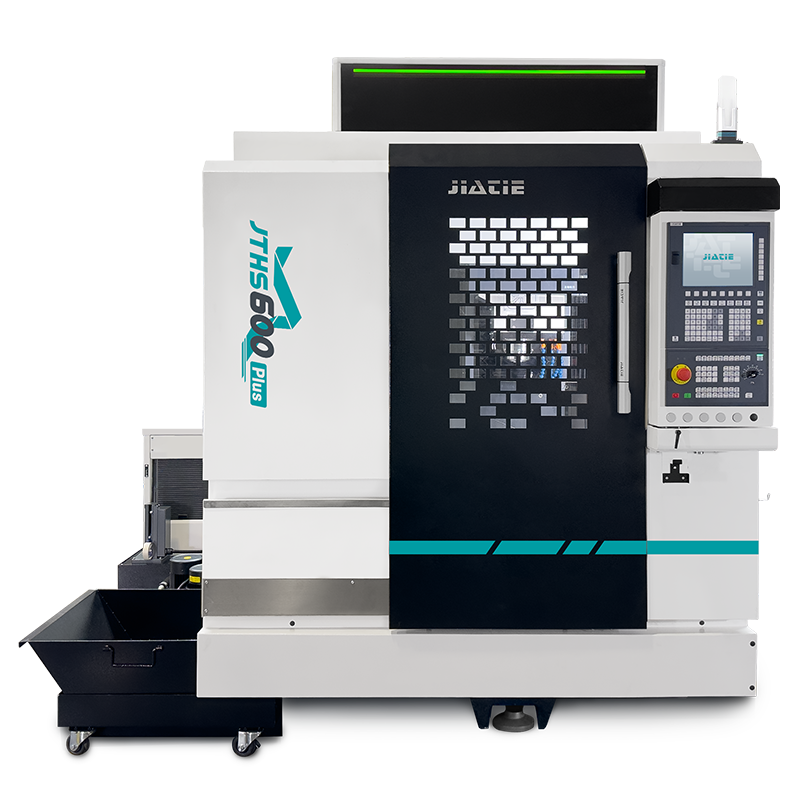
High Speed Machining Center vs. Standard VMC: Structural Comparison
A common misconception among machine tool buyers is that adding a high-RPM spindle to a standard Vertical Machining Center creates a high-speed milling machine. In reality, high-speed machining requires an integrated kinematic system engineered from the ground up:
Spindle Construction: Standard VMCs use heavy geared or belt-driven spindles (6,000–12,000 RPM). A high-speed milling machine utilizes built-in motorized electric spindles featuring ceramic hybrid bearings and closed-loop oil-air mist cooling, maintaining dynamic balance at speeds up to 36,000 RPM.
Dynamic Inertia & Jerk Control: Standard VMC cast structures prioritize mass for heavy roughing, causing tool deflection and corner overshooting at high feed rates. A high speed vmc machine features optimized symmetrical gantry or fixed-column bridge architectures with high natural resonance frequencies.
CNC Look-Ahead & Block Processing: Complex 3D mold surfaces consist of thousands of micro-line G-code blocks. High-speed centers employ advanced CNC processors with 1,000+ block look-ahead algorithms, jerk limitation, and nano-smoothing to prevent surface faceting.
Buyer Concern Matrix: Key Parameters for High-Speed CNC Mills
When evaluating high-speed milling solutions for hardened tooling, graphite, or superalloys, assess machine options against the following operational criteria:
| Machine Feature | Standard VMC Baseline | High-Speed Machining Center Standard | Direct Commercial Benefit |
|---|---|---|---|
| Spindle Speed | 8,000 – 12,000 RPM | 20,000 – 36,000 RPM (Built-in Electric) | Achieves ideal surface cutting speeds with micro-cutters (Ø0.2mm–Ø6mm). |
| Surface Roughness | Ra 0.8 – 1.6 μm | Ra 0.1 – 0.2 μm (Near-Mirror Finish) | Eliminates manual benchwork polishing on injection mold cores. |
| Acceleration Rate | 0.2G – 0.4G | 0.8G – 1.2G | Cuts 3D contouring cycle time by 40% on intricate cavities. |
| Tool Holder Taper | BT40 / CAT40 | HSK-E40 / HSK-A63 / BT30 | Simultaneous dual-face contact prevents spindle taper bell-mouthing at high RPM. |
Machining Hardened Steels? Discover how KEJIE's high-speed machining centers achieve Ra 0.1 μm surface finishes on NAK80 and S136 hardened steel. Request an engineering consultation and cutting demo through the KEJIE Technology Direct Inquiries Team.
Application Scenarios for High-Speed CNC Milling Machines
KEJIE’s high-speed machine series (such as the JTGK-600G Pro, JTGK-800G Pro, and JTHS-600 Plus) are engineered specifically for precision-critical industries:
Precision Optical & Connector Molds: Micro-milling multi-cavity injection molds where parting line mismatch must remain under 3 microns.
Difficult-to-Cut Superalloys: High-speed finishing of titanium alloys (Ti-6Al-4V) and Inconel turbine blades with minimal tool wear.
Medical Implants: High-precision bone plates, surgical instruments, and dental prosthetics requiring superior biocompatible surface integrity without thermal micro-cracking.
Manufacturer Credibility Checklist: Vetting an OEM High-Speed Machine Builder
Purchasing a high-speed machine is a long-term capital investment. Verify that your machine builder provides authentic in-house core manufacturing rather than rebranded generic components:
| Core Capability | KEJIE Technology Manufacturing Standard | Third-Party Integrator Risk |
|---|---|---|
| Proprietary Motorized Spindle | In-house developed JIATIE spindles with active thermal stabilization and precision dynamic balance testing (ISO G0.4). | Outsourced spindles without dedicated thermal sensors or matching inverter firmware. |
| Bed Rigidity & Damping | Integrated mineral casting / resin sand high-damping cast iron to suppress chatter frequencies. | Standard grey iron prone to resonant vibration during high-speed feed reversals. |
| On-Machine Measurement | Integrated high-precision probing routines measuring part geometry and tool wear without un-clamping. | Requires manual un-clamping and CMM inspection, compounding re-clamping datum errors. |
Pre-Inquiry Checklist for High-Speed Machining Centers
To receive an exact technical proposal and quotation, share these project details with our engineering team:
| Specification Item | Typical Parameter Options | Selection Purpose |
|---|---|---|
| Target Material & Hardness | Pre-hardened P20, H13 (HRC 48–52), Titanium, Carbide | Determines optimal spindle torque-to-speed ratio and coolant/air-blast system. |
| Required Surface Finish | Ra 0.1 μm, Ra 0.2 μm, or optical grade | Determines whether optional linear glass scales and thermal compensation are required. |
| Smallest Tool Diameter | 0.2 mm, 0.5 mm, 1.0 mm end mill | Defines maximum spindle RPM (e.g., 24,000 RPM vs. 36,000 RPM). |
Review detailed machine dimensions and working strokes in our CNC High Speed Machine Center, or get in touch with our application specialists at KEJIE Technology to schedule a technical review.