

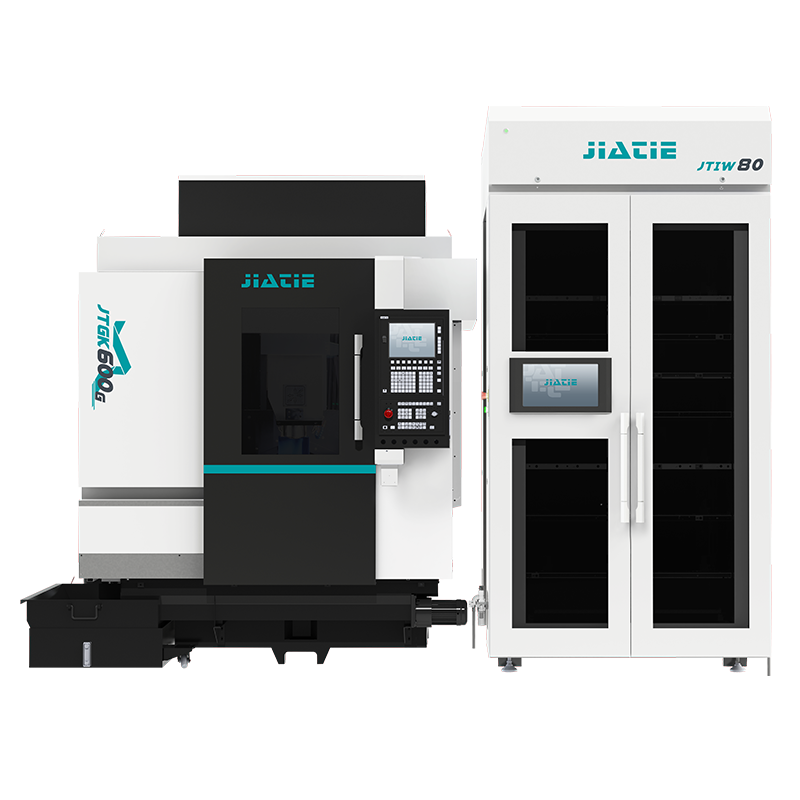
How to Choose the Right CNC Machining Center for Your Manufacturing Needs?
Choosing the right CNC Machining Center is an important decision for manufacturers looking to improve production efficiency, machining accuracy, and long-term competitiveness. With different machine configurations, spindle options, automation levels, and machining capabilities available, selecting the wrong equipment can lead to higher costs, lower productivity, and limited manufacturing flexibility.
A suitable CNC Machining Center should match your actual production requirements, including workpiece size, material type, machining accuracy, production volume, and future expansion needs. This guide explains the key factors manufacturers should consider when selecting a CNC machining center.
Advanced manufacturing technologies continue to improve production efficiency and precision. Organizations such as National Institute of Standards and Technology (NIST)provide research and standards related to modern manufacturing processes and industrial technology development.
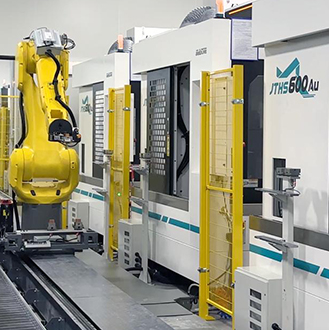
What Is a CNC Machining Center?
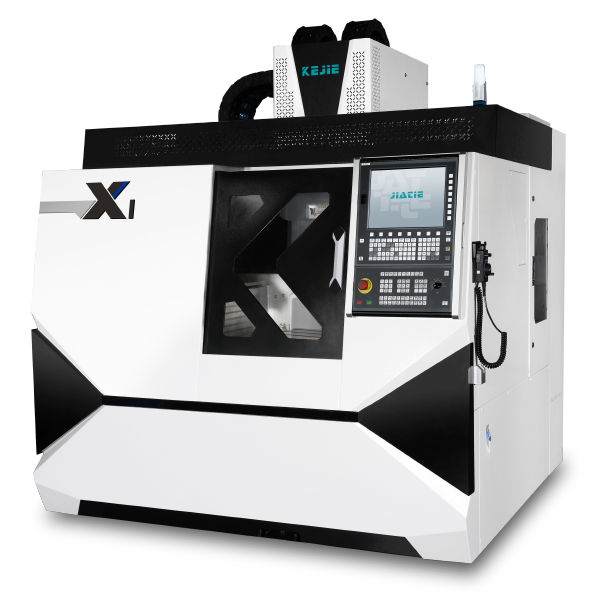
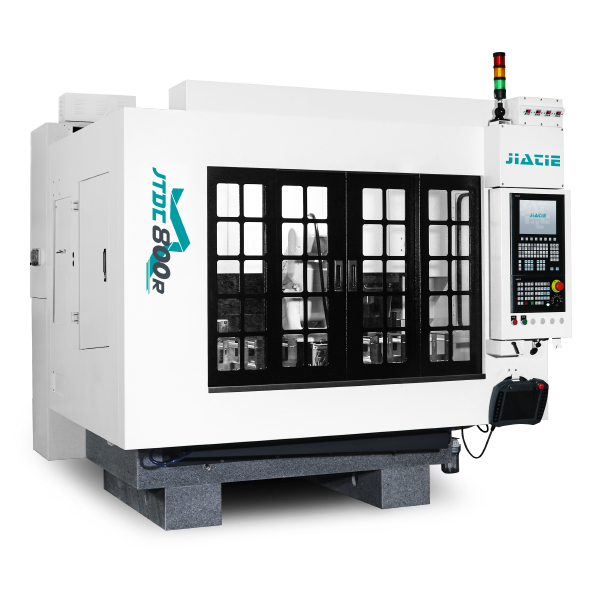
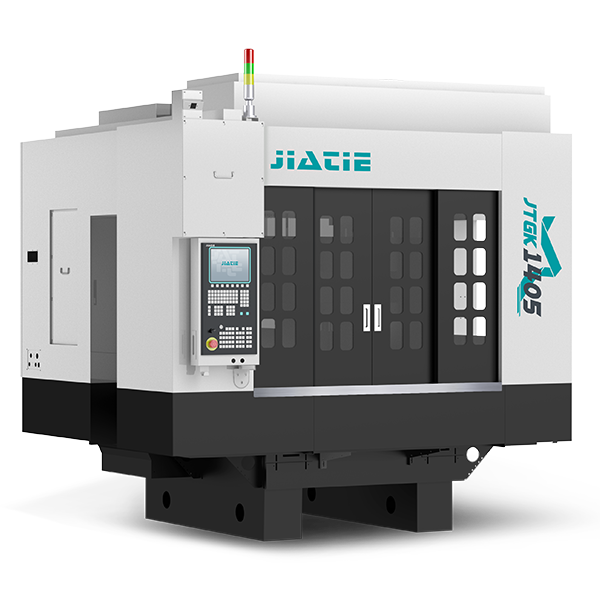
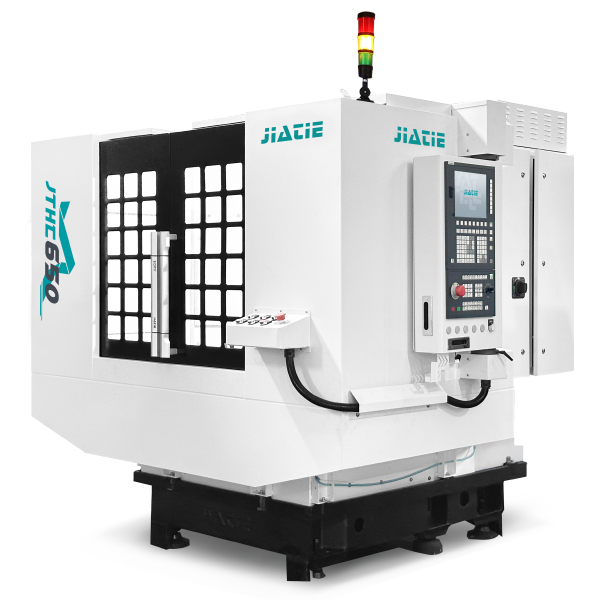
A CNC machining center is an automated machine tool controlled by computer numerical control (CNC) systems. It integrates multiple machining operations, including milling, drilling, boring, and tapping, into a single machine platform.
Compared with traditional machining equipment, CNC machining centers provide higher automation, improved repeatability, and better production consistency. They are widely used for manufacturing precision components, molds, graphite electrodes, and customized industrial parts.
A typical CNC machining center includes:
High-performance spindle system
Automatic tool changer
Precision guideways and drive systems
CNC control system
Worktable and fixture system
Key Factors When Choosing a CNC Machining Center
1. Consider Machining Size and Working Area
The first step in selecting a CNC machining center is understanding the size and weight of the parts you need to manufacture.
The working area determines whether the machine can handle your production requirements. Important specifications include:
X, Y, and Z axis travel range
Table size and load capacity
Maximum workpiece dimensions
Fixture and tooling requirements
For manufacturers producing small precision parts, a compact CNC machining center may provide better efficiency. For larger molds or complex components, a machine with a larger working envelope is more suitable.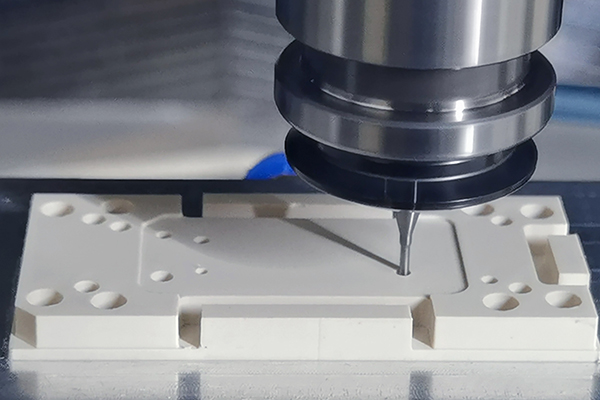
2. Evaluate Machining Accuracy Requirements
Accuracy is one of the most important factors when selecting a precision machining center. Different applications require different levels of machining performance.
Manufacturers should consider:
Positioning accuracy
Repeatability
Machine rigidity
Thermal stability
For industries requiring tight tolerances, such as mold manufacturing and precision component production, a stable machine structure and accurate motion system are essential.
3. Choose the Right Spindle Performance
The spindle is the core component that directly affects machining speed, cutting capability, and surface finish quality.
When selecting a CNC machining center, manufacturers should evaluate:
Spindle speed
Spindle power
Torque performance
Cooling system
High-speed spindles are commonly used for materials requiring excellent surface finishes, such as aluminum and graphite. Higher torque spindles are more suitable for heavy cutting operations.
4. Check Tool Magazine Capacity and Automatic Tool Change System
The automatic tool changer (ATC) improves production efficiency by reducing manual tool replacement time.
When choosing a CNC machining center, consider:
Number of available tools
Tool changing speed
Tool management capability
For high-volume manufacturing, a larger tool magazine can significantly improve machining efficiency and reduce downtime.
3 Axis CNC vs 5 Axis CNC Machining Center
The choice between a 3 axis CNC machine and a 5 axis CNC machining center depends mainly on part complexity and production requirements.
| Feature | 3 Axis CNC | 5 Axis CNC Machining Center |
| Machining Direction | Limited to three linear axes | Multi-angle machining capability |
| Complex Parts | Suitable for simple structures | Ideal for complex geometries |
| Setup Times | More repositioning required | Fewer setups needed |
| Surface Finish | Standard quality | Improved surface quality |
For manufacturers producing complex precision parts, our 5 Axis CNC Machining Center provides improved flexibility and machining efficiency.
Different Types of CNC Machining Centers
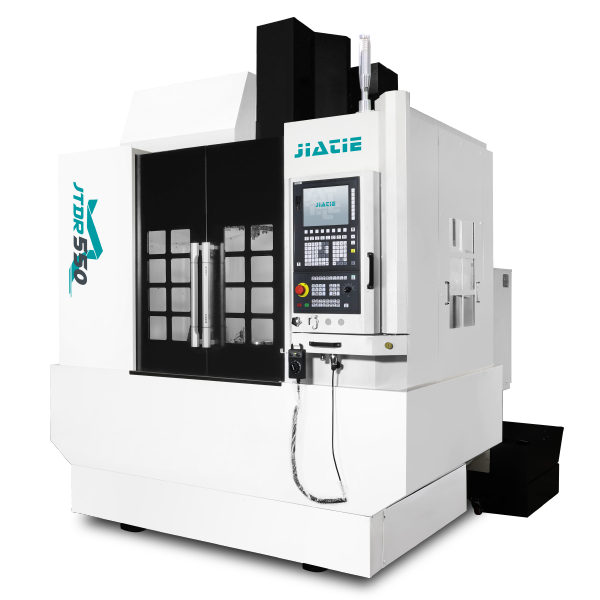
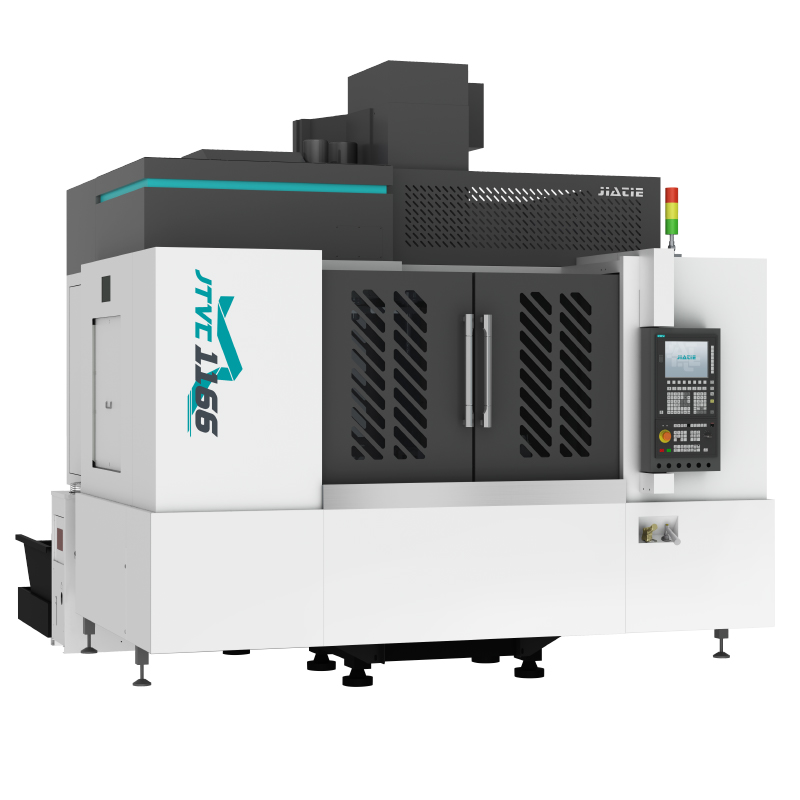
Vertical Machining Center
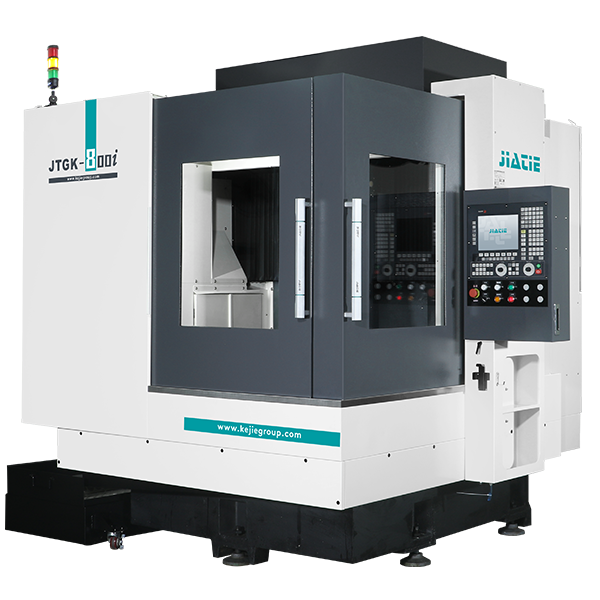
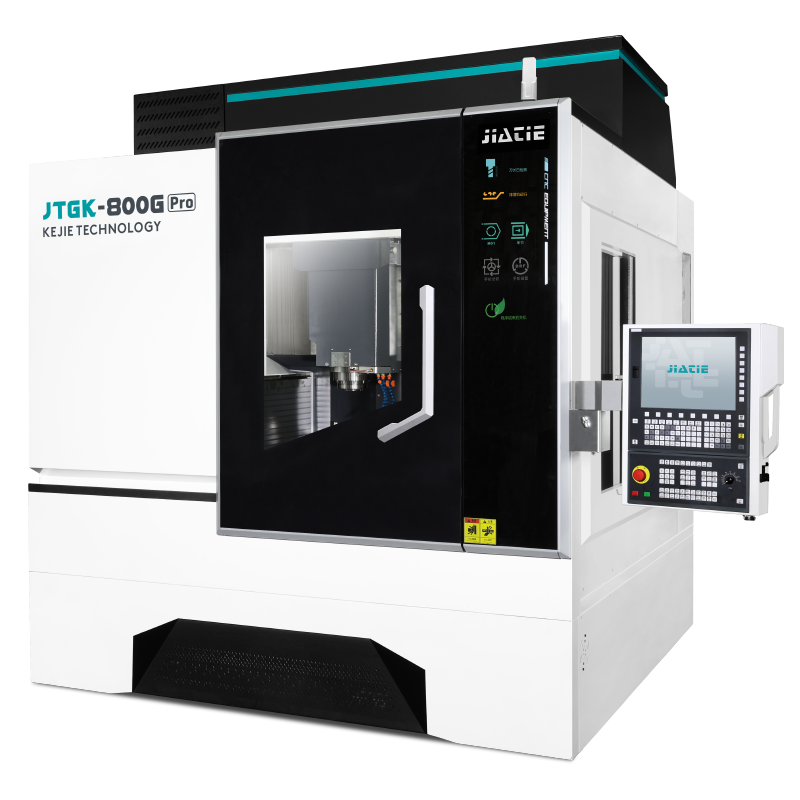
A vertical machining center uses a vertically positioned spindle and is widely used for mold manufacturing, precision parts, and general machining applications.
Learn more about our Vertical Machining Center solutions.
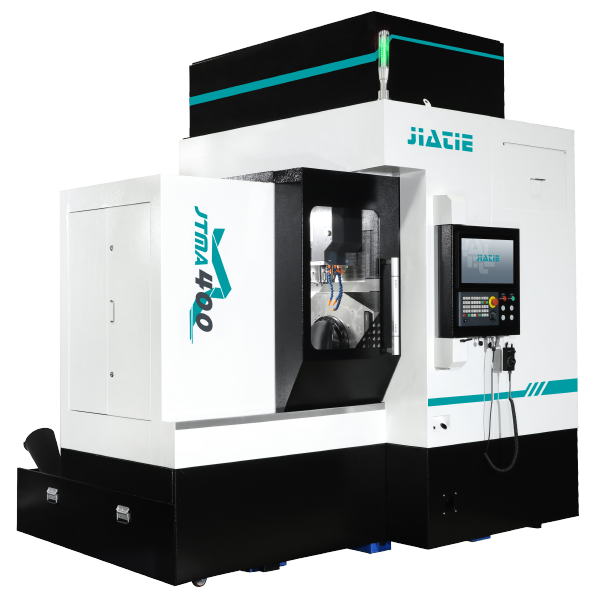
5 Axis CNC Machining Center
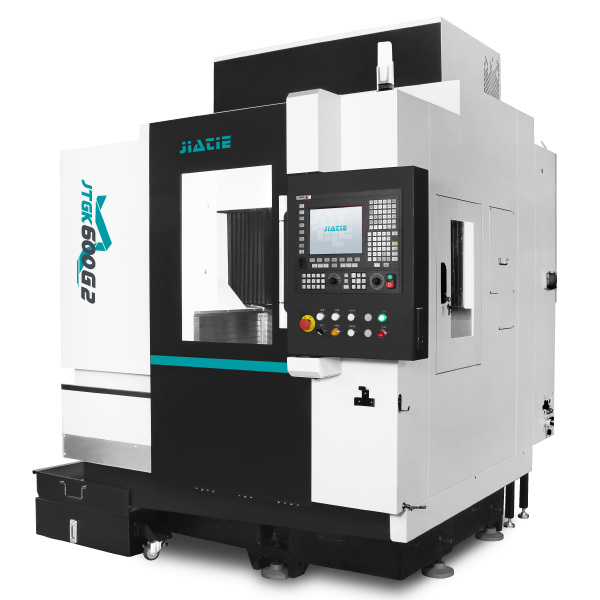
A 5 axis CNC machining center enables manufacturers to machine complex surfaces and multiple angles with fewer setups, making it suitable for high-precision components.
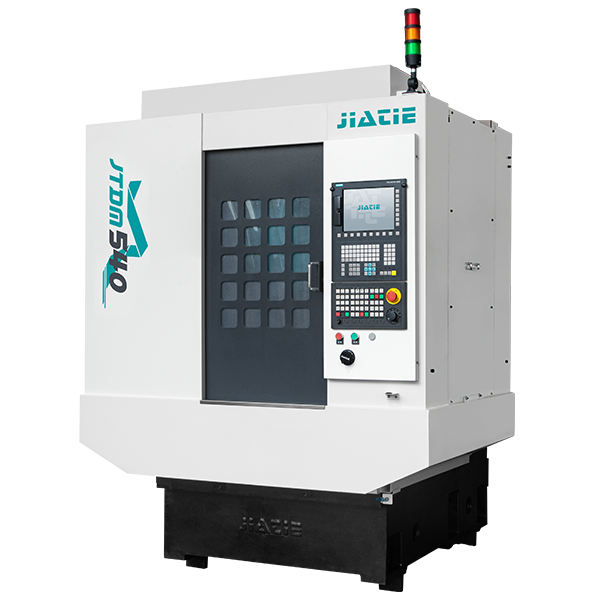
Graphite Machining Center
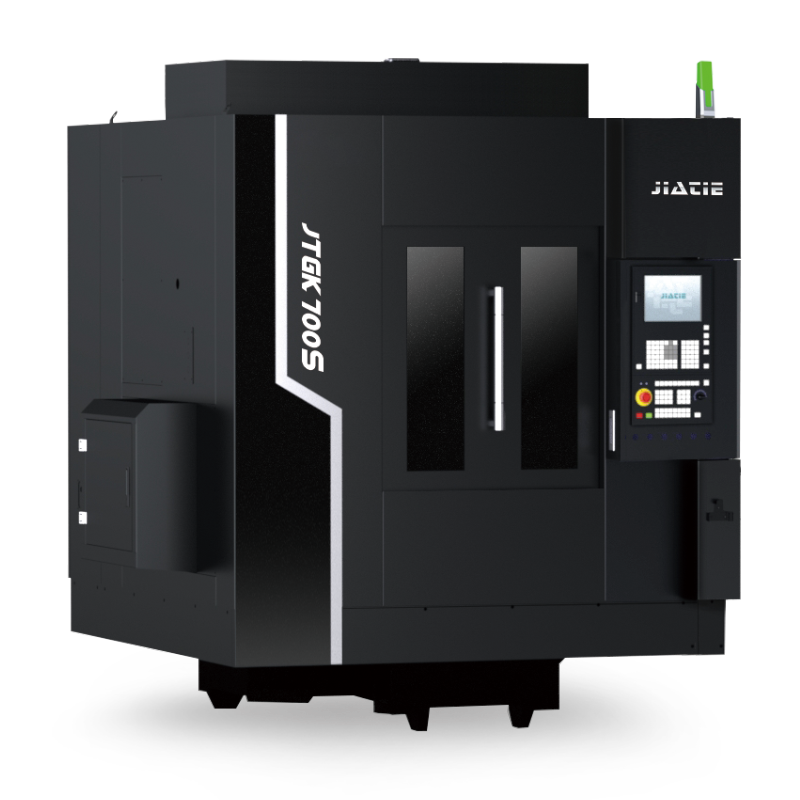
Graphite machining requires specialized equipment because graphite materials generate fine particles and require high-speed precision machining.
Explore our Graphite Machining Center for EDM electrode manufacturing applications.
Applications of CNC Machining Centers
CNC machining centers are widely used in applications requiring high accuracy and manufacturing flexibility, including:
Mold components and EDM electrodes
Precision mechanical parts
Graphite components
Customized industrial components
Small batch and high-mix production
How to Choose a Reliable CNC Machining Center Manufacturer?
Selecting the right machine manufacturer is as important as choosing the machine itself. Manufacturers should evaluate:
Engineering experience
Machine quality control
Technical support capability
Customization options
After-sales service
A professional CNC machining center manufacturer should provide not only equipment but also complete machining solutions based on customer requirements.
Why Choose Kejie Technology?
Kejie Technology specializes in precision CNC equipment development and manufacturing, providing reliable machining solutions for manufacturers requiring accuracy, efficiency, and stable production performance.
With solutions covering vertical machining, five-axis machining, and graphite processing, Kejie helps customers improve manufacturing capability and achieve higher production efficiency.
Conclusion
Choosing the right CNC machining center requires a complete understanding of your machining requirements, including part size, accuracy, spindle performance, automation needs, and future production goals.
By selecting the correct CNC equipment, manufacturers can improve productivity, reduce production costs, and achieve better machining quality.