

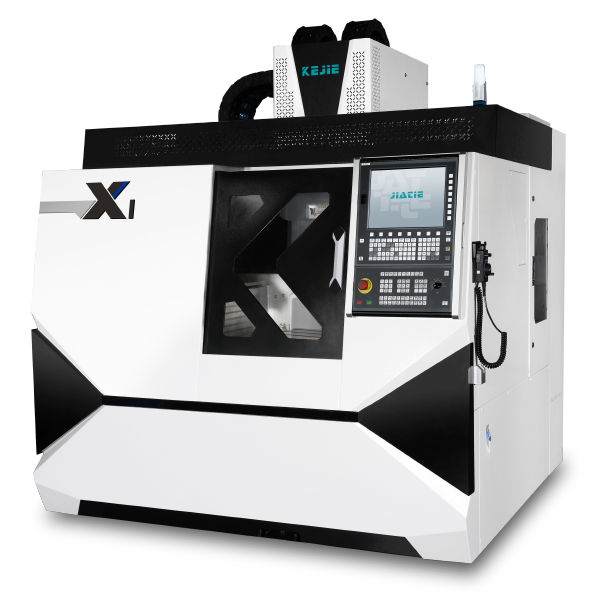
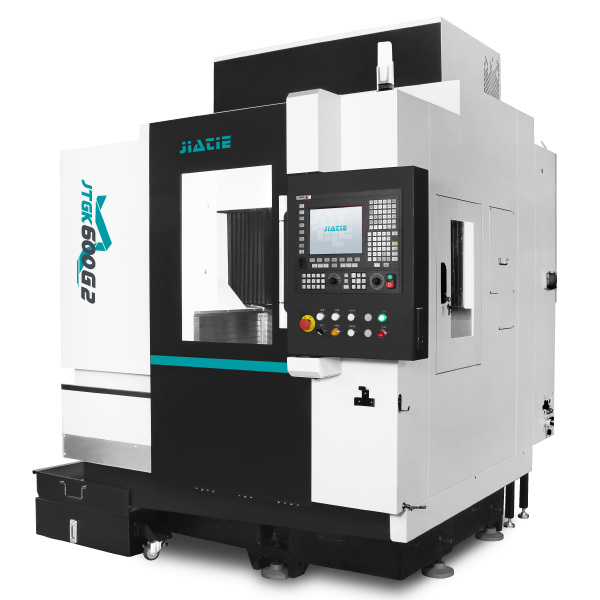
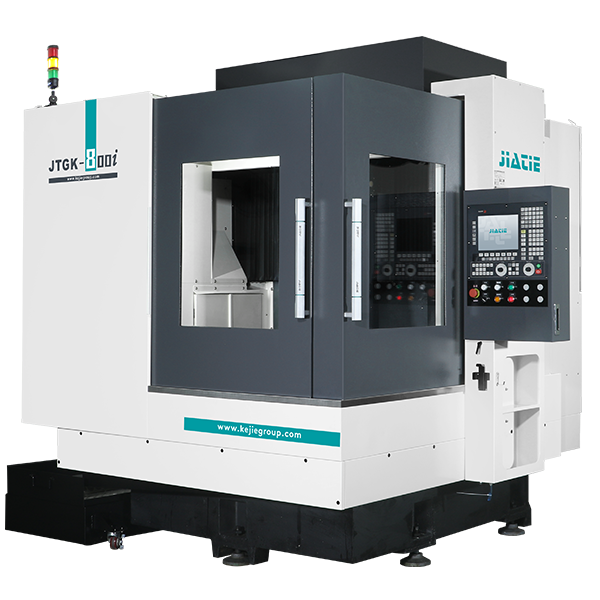
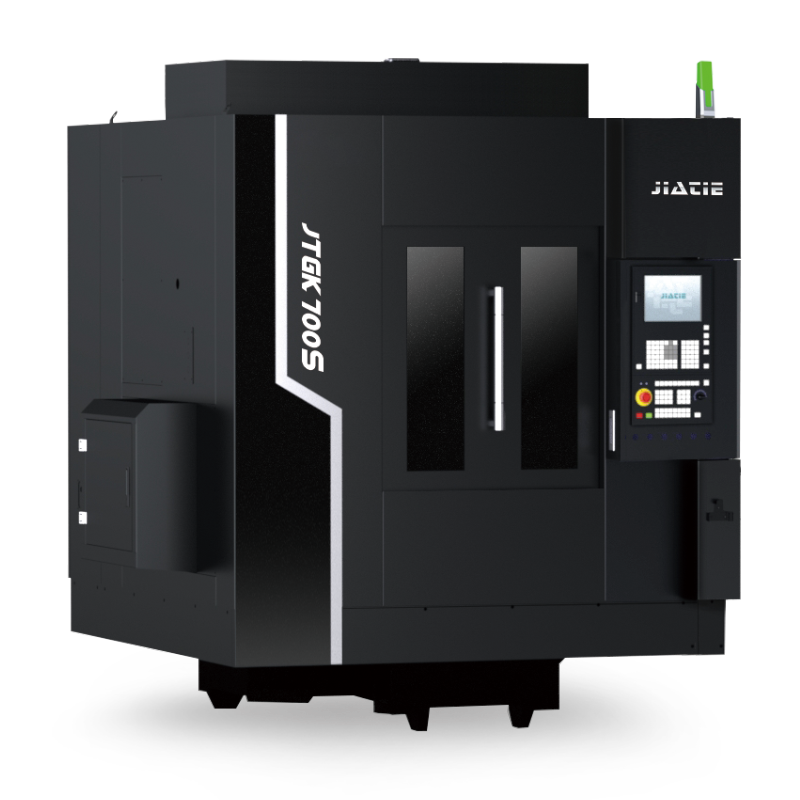
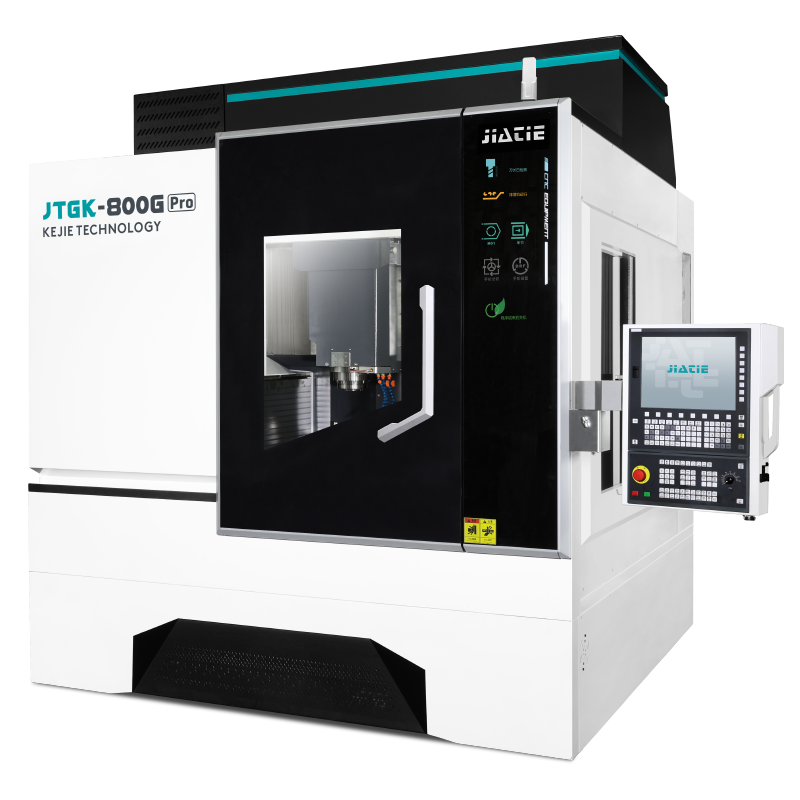
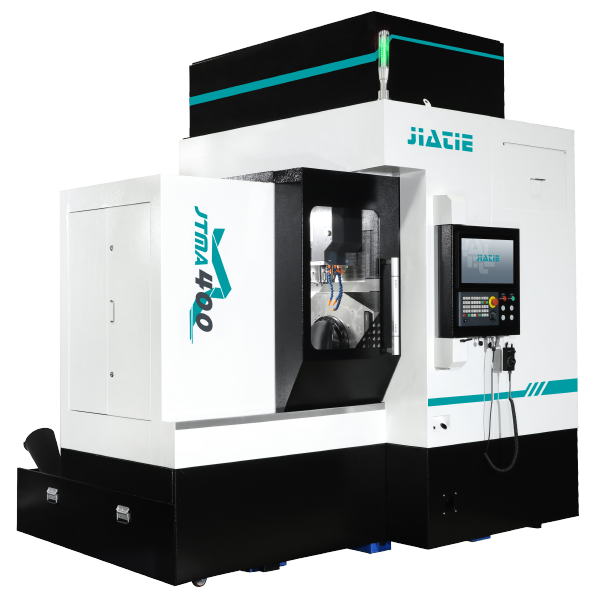
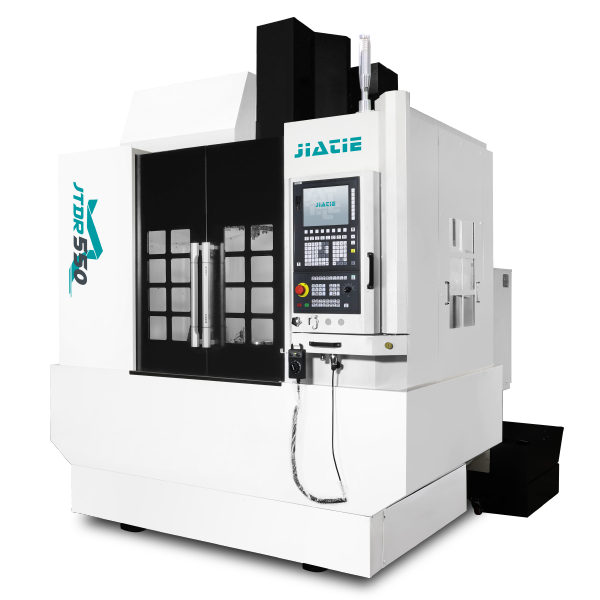
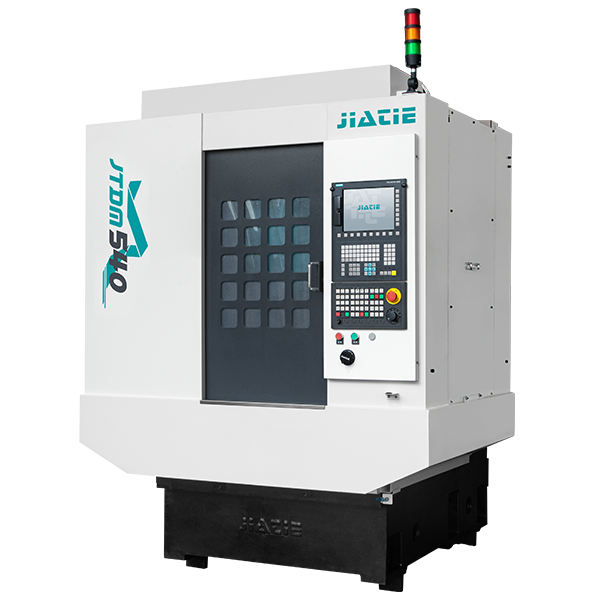
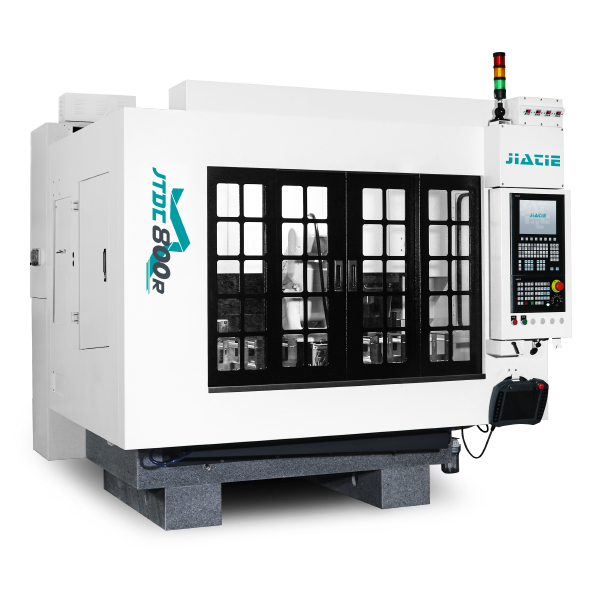
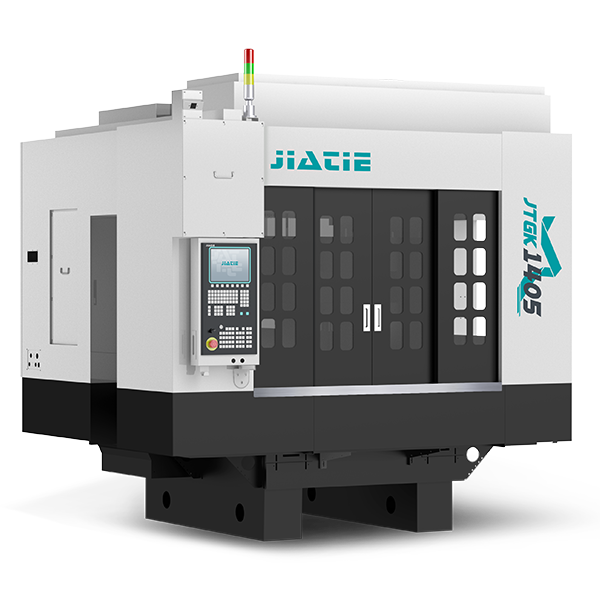
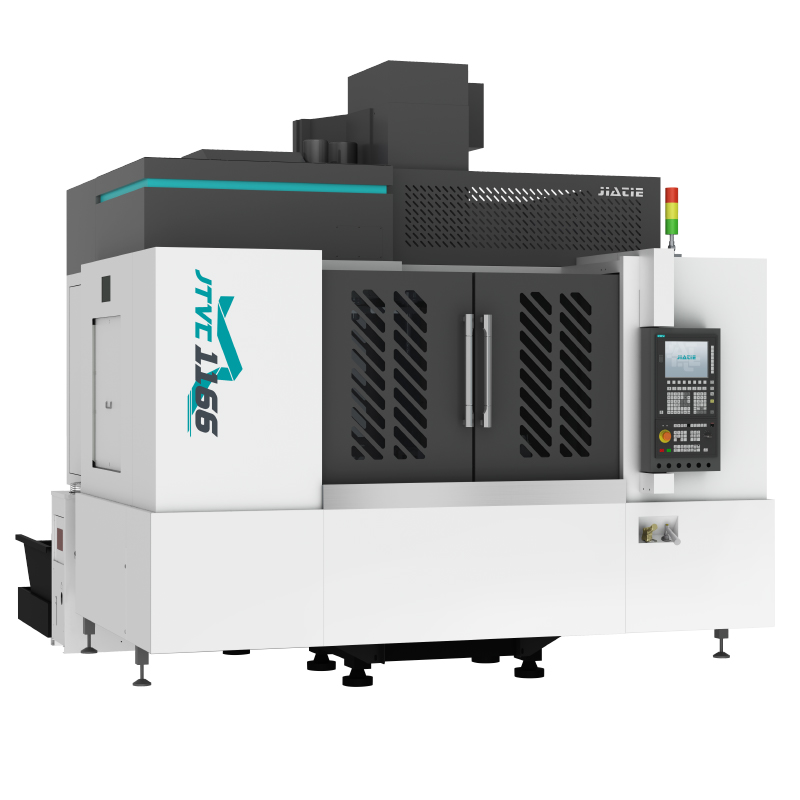
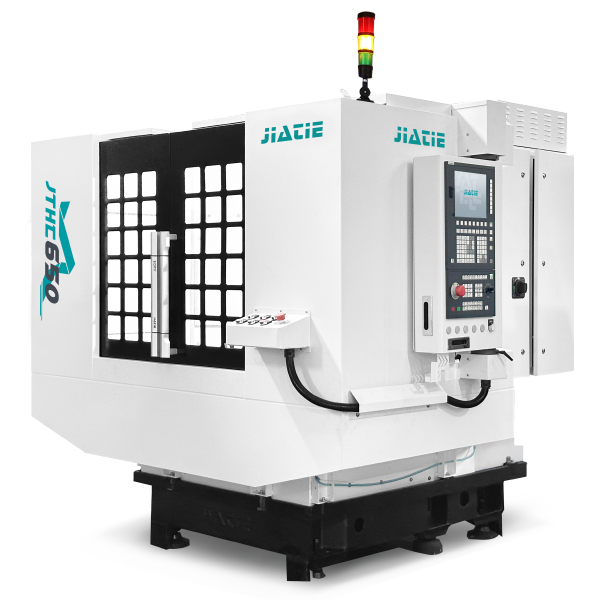
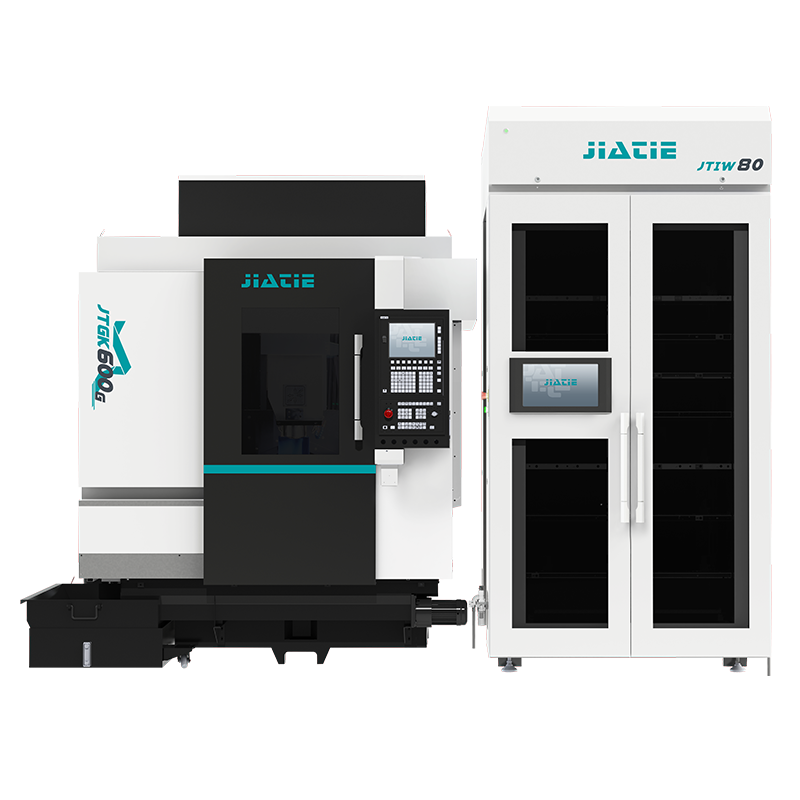
In modern precision manufacturing, the vertical Machining Center has become one of the most widely used CNC machine tools in workshops around the world. From mold manufacturing to automotive components and electronic parts, the CNC Vertical Machining Center plays a critical role in achieving high accuracy, stable production, and efficient machining performance.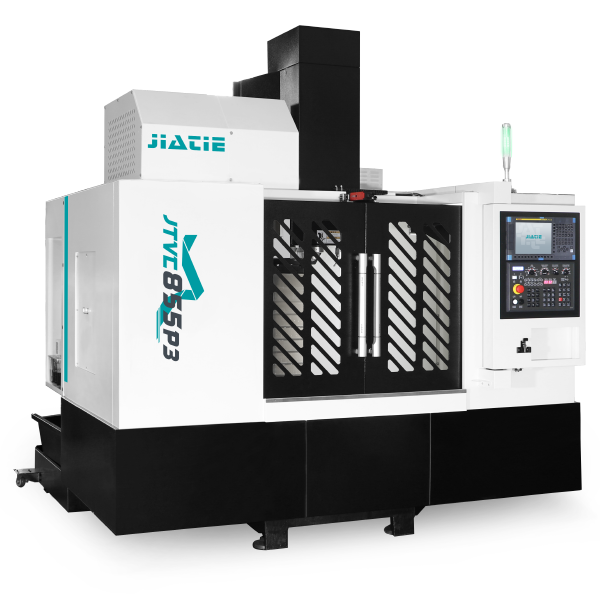
With increasing demand for complex parts and tighter tolerances, many factories are upgrading from traditional milling machines to advanced vertical CNC machines (VMC machines) to improve productivity and reduce manual intervention.
What Is a Vertical Machining Center?
A vertical machining center (VMC) is a type of CNC machine tool where the spindle is positioned vertically above the worktable. The cutting tool moves up and down along the Z-axis, while the workpiece is fixed on the table and moves along X and Y axes.
In simple terms, a vertical CNC mill is an automated milling system that can perform multiple operations such as:
Milling
Drilling
Tapping
Boring
Contouring
Surface finishing
Because of its flexibility, the CNC vertical machining center is widely used in industries requiring high precision and repeatability.
How Does a CNC Vertical Machining Center Work?
The working principle of a VMC machine is based on coordinated motion control using CNC programming.
A typical process includes:
The operator loads a CAD/CAM program into the CNC system
The workpiece is fixed on the machine table
The spindle rotates at high speed with cutting tools
The X, Y, Z axes move according to programmed tool paths
Material is removed layer by layer to form the final shape
This automated process allows the vertical machining center to maintain consistent accuracy across mass production.
Key Components of a Vertical Machining Center
A modern CNC vertical machining center typically includes:
High-speed spindle system
Automatic tool changer (ATC)
CNC control system
Linear guideways and ball screws
Rigid machine bed structure
Coolant and chip removal system
These components work together to ensure stability, precision, and long-term durability during machining operations.
Advantages of Vertical CNC Machines
Compared with manual milling machines or older equipment, the vertical CNC Machining Center offers several advantages:
1. High Precision and Repeatability
The CNC system ensures micron-level accuracy and consistent part quality.
2. Strong Versatility
A single vertical CNC machine can complete multiple machining processes without re-clamping.
3. Easy Operation and Programming
Modern CNC interfaces make programming and operation more user-friendly.
4. Cost Efficiency
Lower setup time and reduced labor cost improve overall production efficiency.
5. Wide Material Compatibility
The machine can process:
Aluminum
Steel
Stainless steel
Copper
Engineering plastics
Applications of Vertical Machining Centers
The vertical machining center is widely used in many industrial sectors:
Mold and die manufacturing
Automotive components
Aerospace parts
Medical devices
3C electronics
General precision machining
Especially in mold production, a CNC vertical machining center is often the core equipment for cavity machining and structural part processing.
Vertical Machining Center vs CNC Milling Center
Many users also search for terms like CNC milling center or vertical CNC mill, which essentially refer to similar machine categories.
However, a modern vertical machining center (VMC machine) is more advanced because it includes:
Automatic tool changing system
Higher rigidity structure
CNC automation system
Multi-process integration
This makes it far more efficient than traditional milling machines.
How to Choose the Right Vertical Machining Center
When selecting a CNC vertical machining center, consider the following factors:
1. Workpiece Type
Small precision parts or large mold components require different table sizes and spindle power.
2. Precision Requirements
High-precision industries require better linear guide systems and thermal stability.
3. Production Volume
High-volume production requires faster tool change systems and higher automation levels.
4. Spindle Speed
High-speed spindles are ideal for aluminum and mold finishing applications.
5. Machine Rigidity
A rigid structure ensures stability during heavy cutting operations.
KEJIE Vertical Machining Center Solutions
KEJIE Technology provides advanced machining solutions for modern manufacturing industries, including high-performance vertical machining centers designed for precision, stability, and efficiency.
Explore more about KEJIE’s machining solutions here:
https://www.kejietechnology.com/vertical-machining-center/
https://www.kejietechnology.com/
https://www.kejietechnology.com/products/
KEJIE focuses on delivering reliable CNC equipment for mold manufacturing, precision components, and industrial automation applications.
Conclusion
The vertical machining center is a core machine in modern CNC manufacturing. With its ability to perform multi-process machining in a single setup, the CNC vertical machining center significantly improves production efficiency and part accuracy.
As industries continue to demand higher precision and faster production cycles, the role of the VMC machine will only become more important in global manufacturing systems.
Whether for mold making, automotive components, or general precision engineering, investing in a reliable vertical CNC Machining Center is a key step toward modern smart manufacturing.