

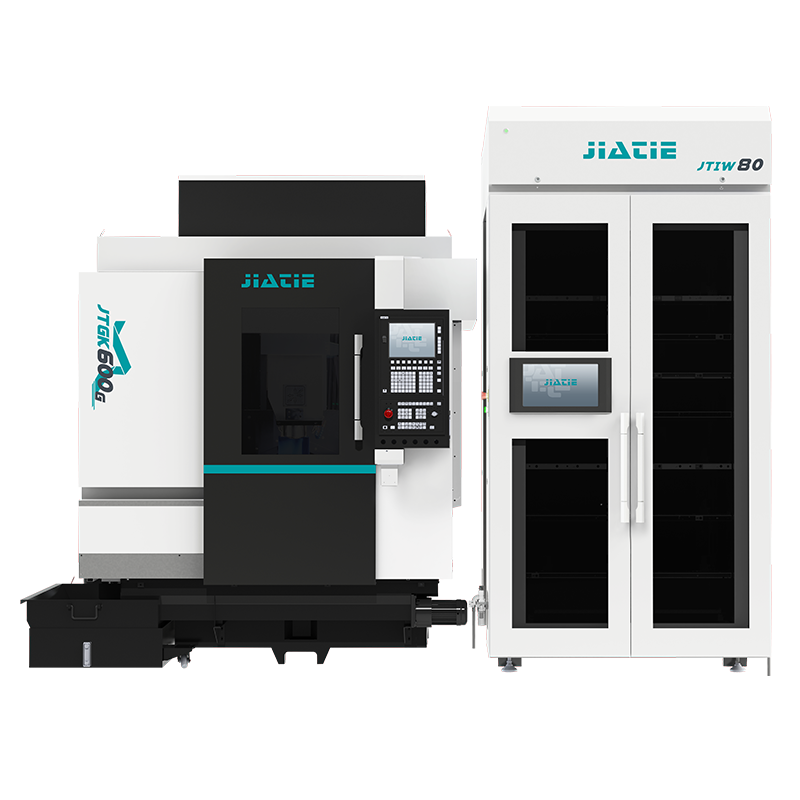
What Makes a 5-Axis Machining Center Essential in Modern Manufacturing
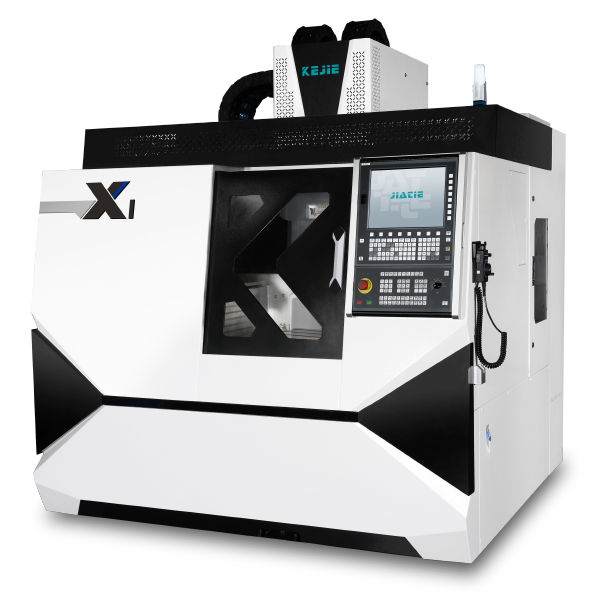
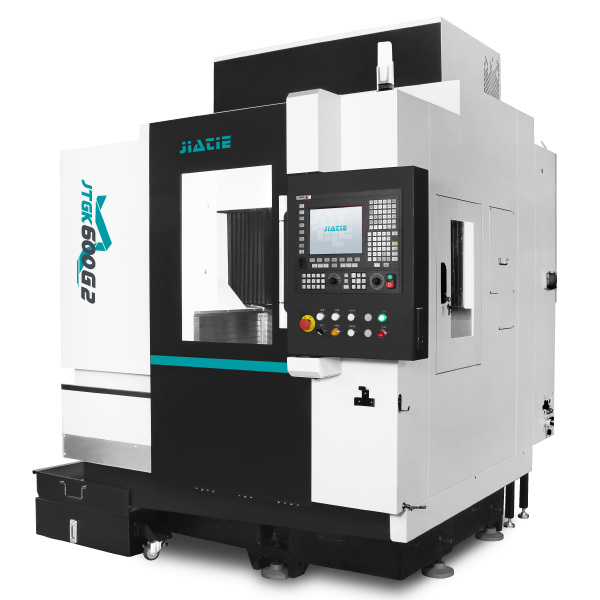
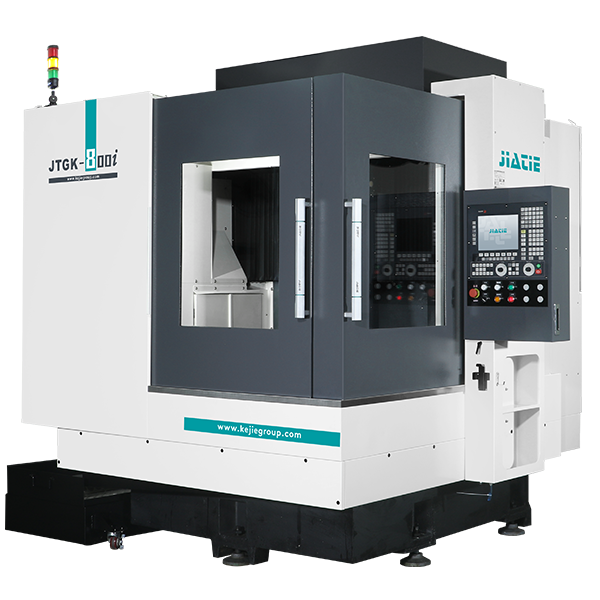
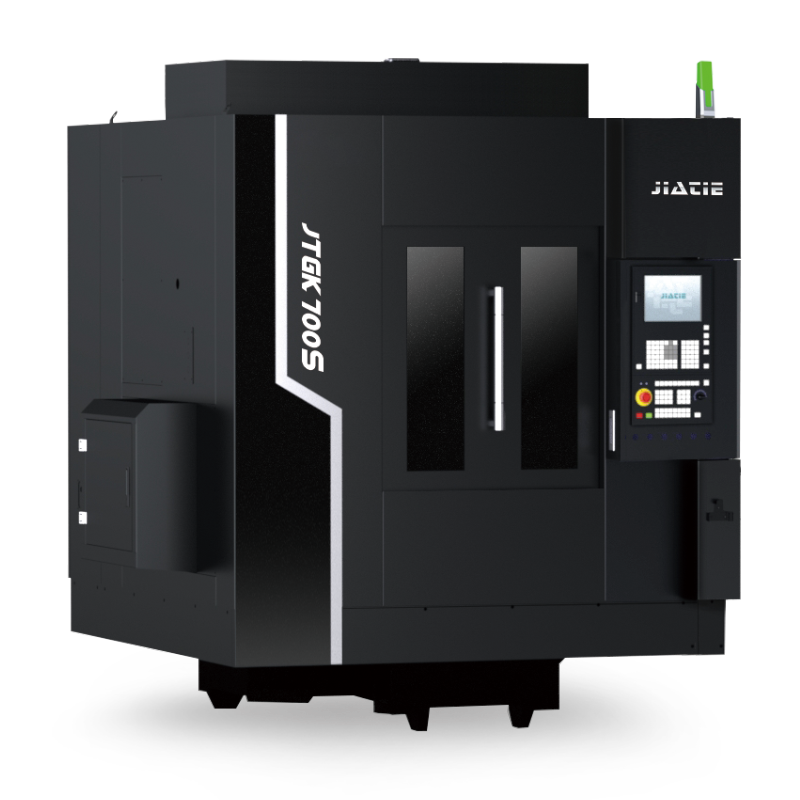
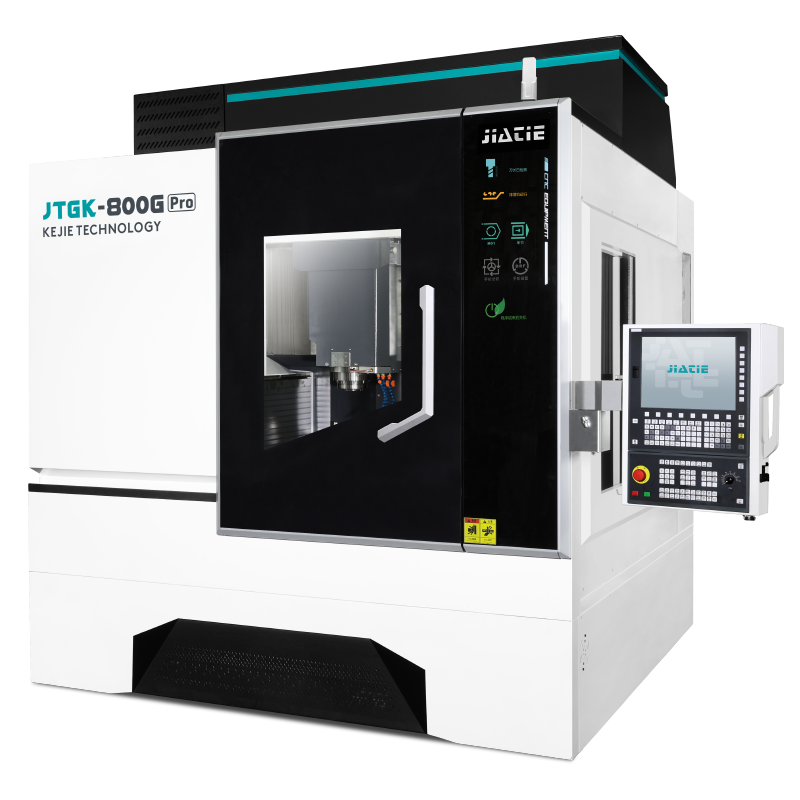
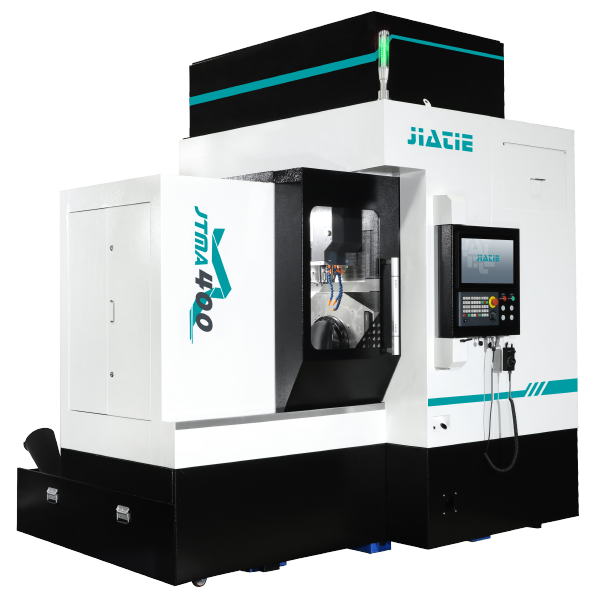
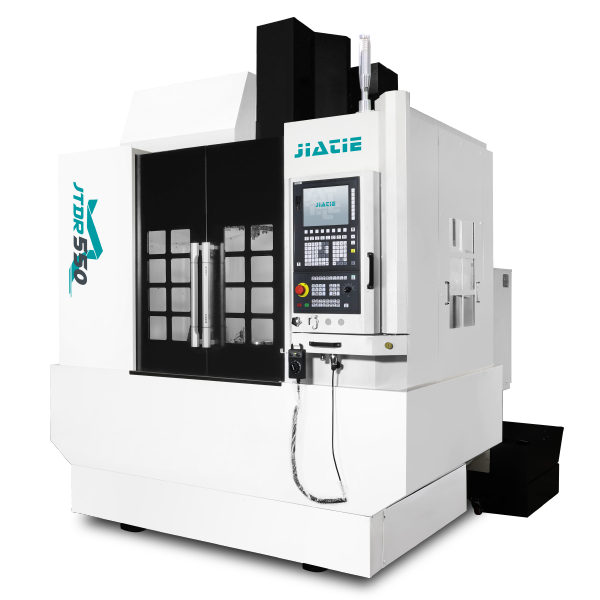
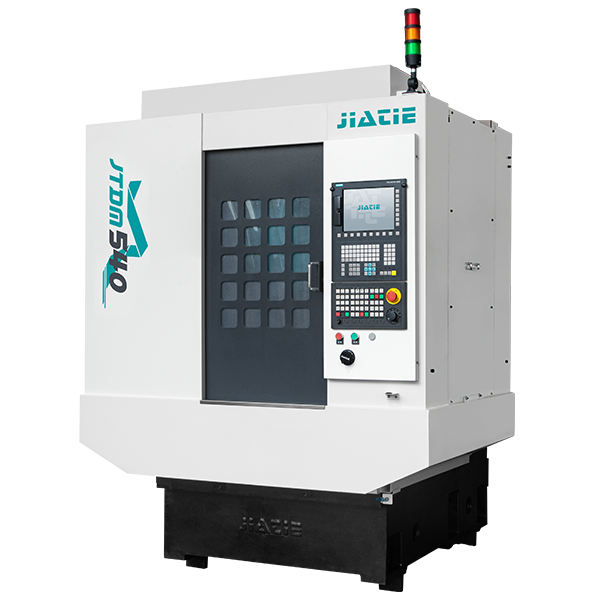
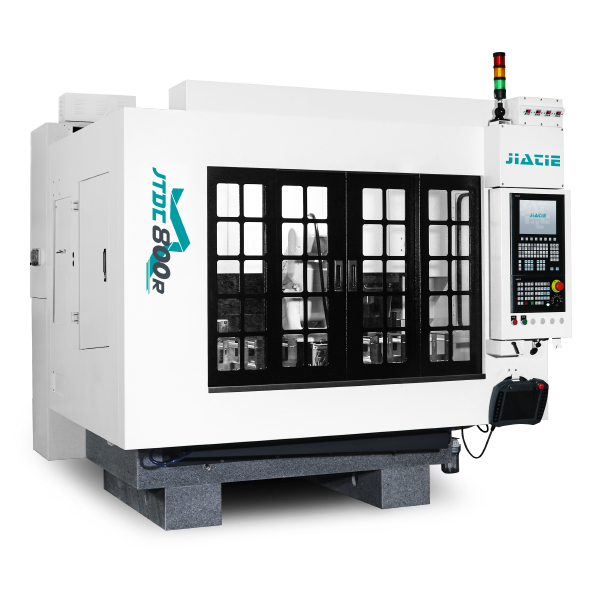
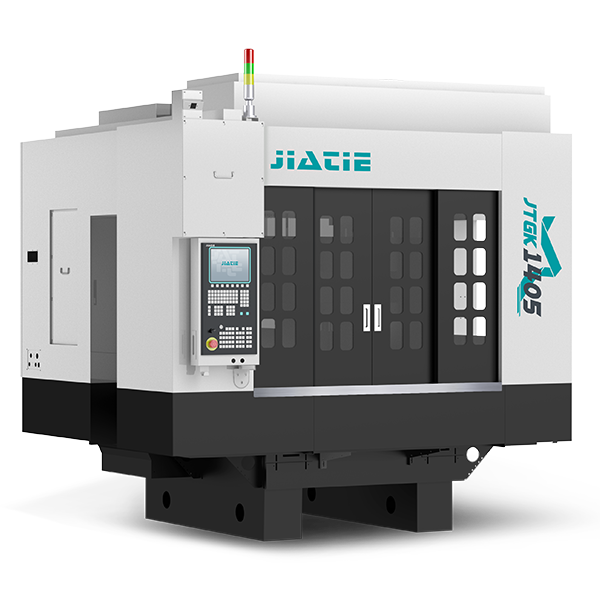
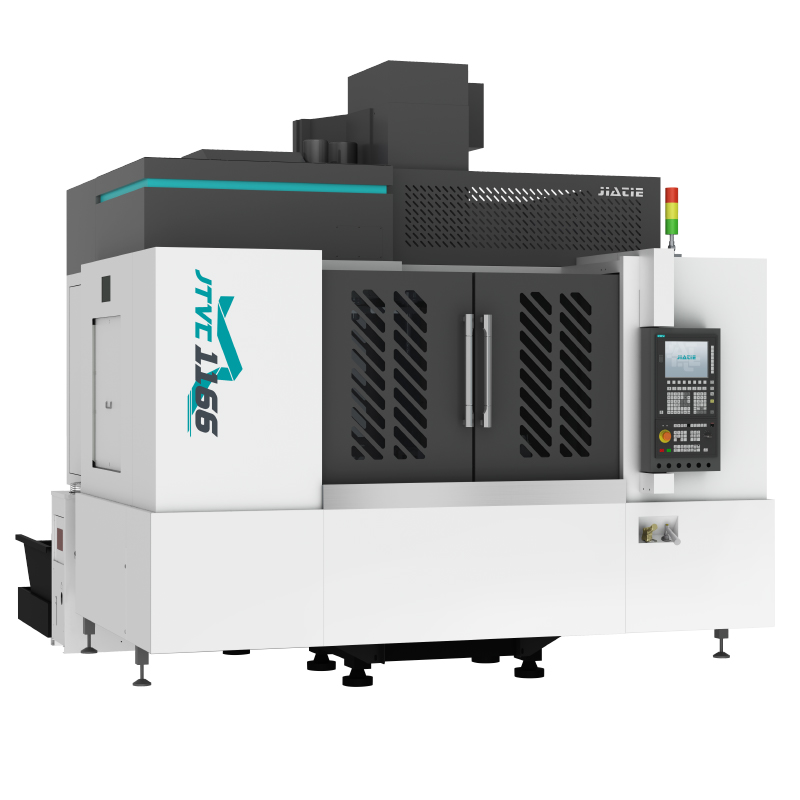
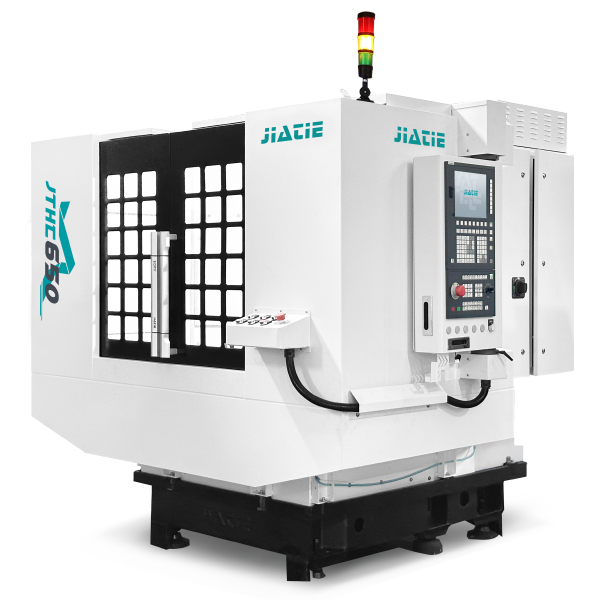
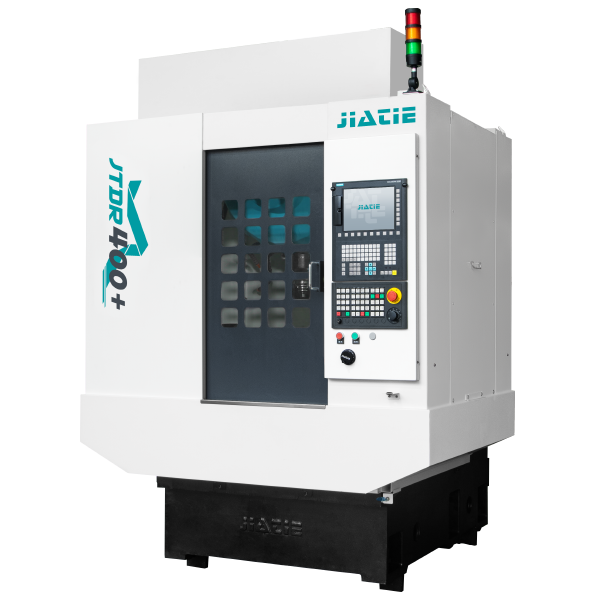
The KEJIE JTDR-400 5-axis Machining Center is designed for manufacturers who need to process complex geometries with fewer setups and higher accuracy. Compared with traditional machining center, it integrates linear and rotary axis coordination to achieve continuous multi-surface cutting in a single operation.
Core Engineering Logic Behind 5-Axis Movement
A 5-axis machining center adds two rotational axes to the standard X, Y, and Z movements. This enables the cutting tool to approach the workpiece from virtually any direction. As a result, complex parts such as impellers, curved molds, and structural aerospace components can be completed without multiple repositioning steps, significantly improving dimensional consistency.
KEJIE JTDR-400 Structural Advantages
The JTDR-400 is built with a rigid frame architecture to reduce vibration during high-speed machining. Its optimized spindle center ensures stable cutting performance under continuous load. Combined with RTCP tool center point control, the machine maintains precise tool orientation even during complex simultaneous axis movement.
Why One Setup Manufacturing Matters
Traditional multi-step machining increases cumulative error risk due to repeated clamping. A 5-axis machining center eliminates this limitation by completing multiple surfaces in a single setup. This not only improves accuracy but also reduces labor cost, tooling time, and production cycle time, making it ideal for high-value precision manufacturing.
Industrial Value of JTDR-400
The KEJIE JTDR-400 is widely applied in mold manufacturing, automotive components, energy equipment parts, and precision mechanical structures. It provides a balanced solution between machining efficiency and surface finish quality, making it suitable for both small-batch customization and continuous production environments.