

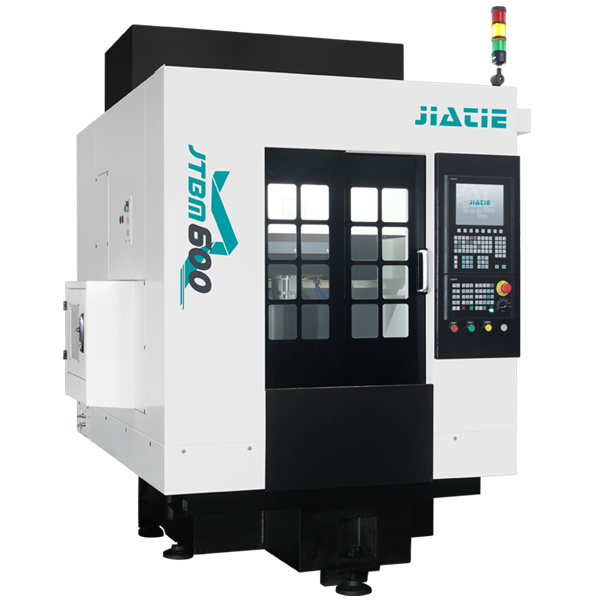
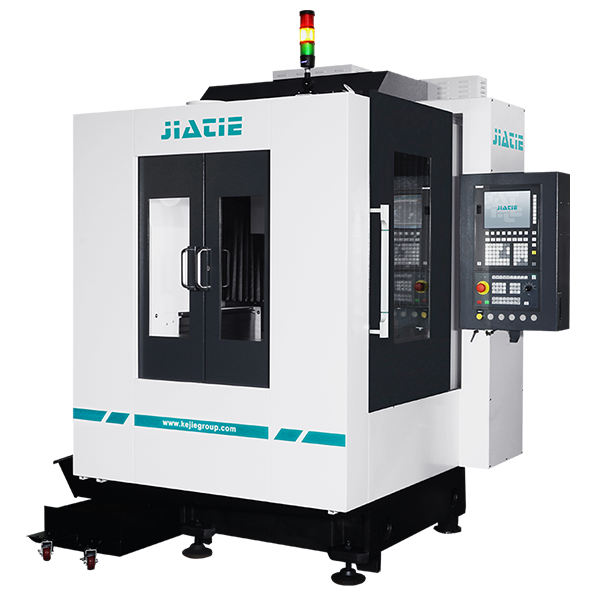
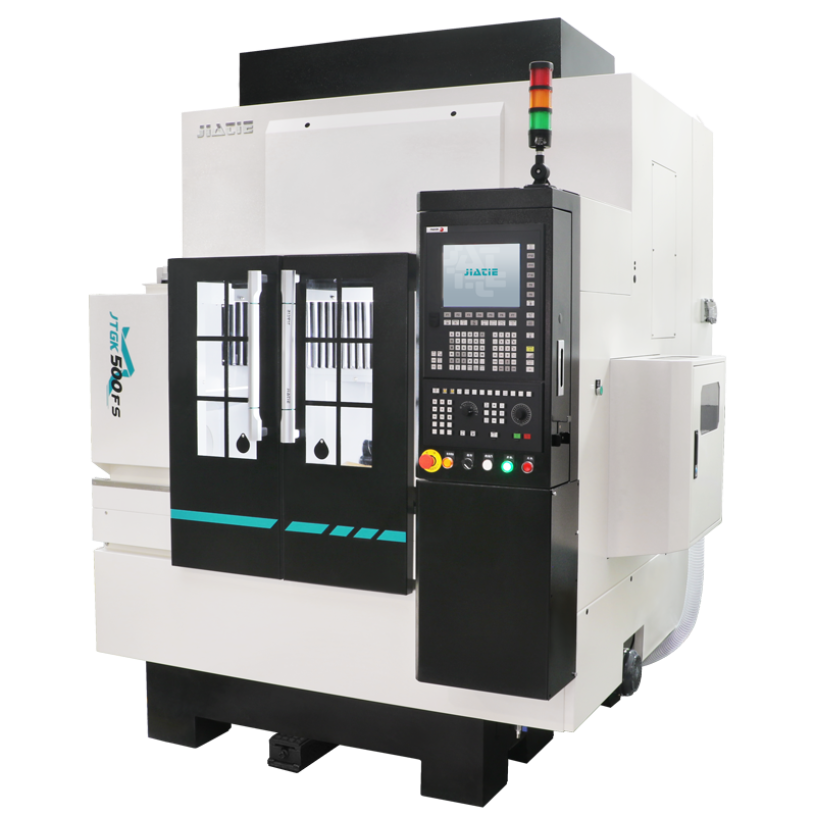
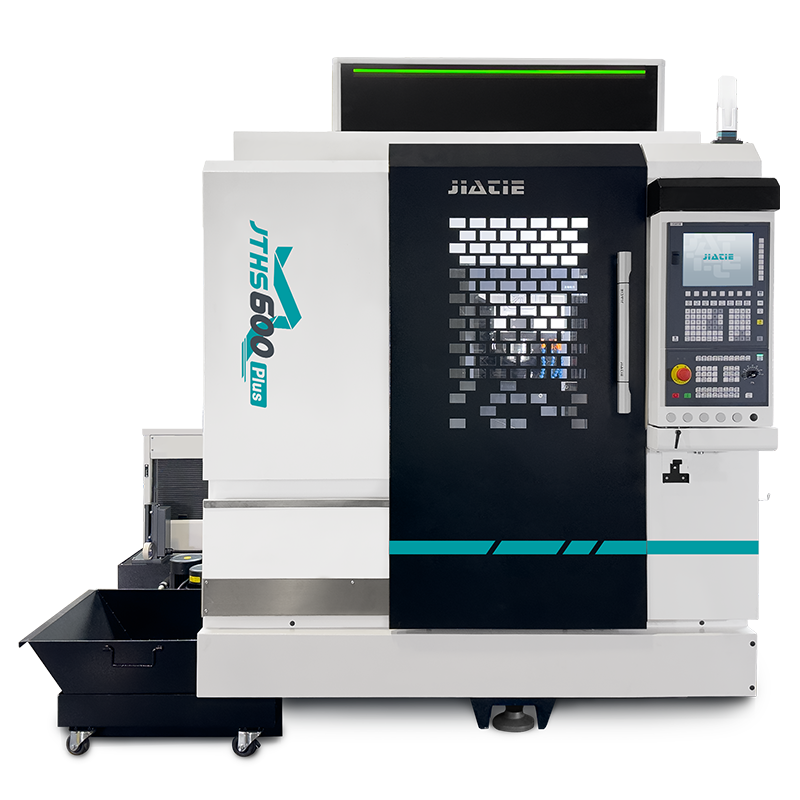
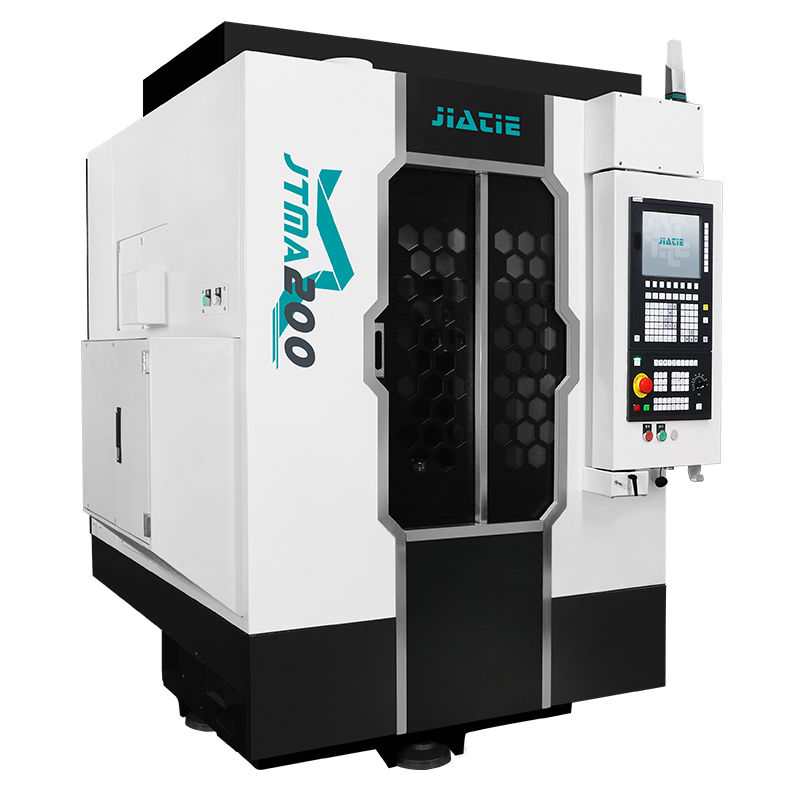
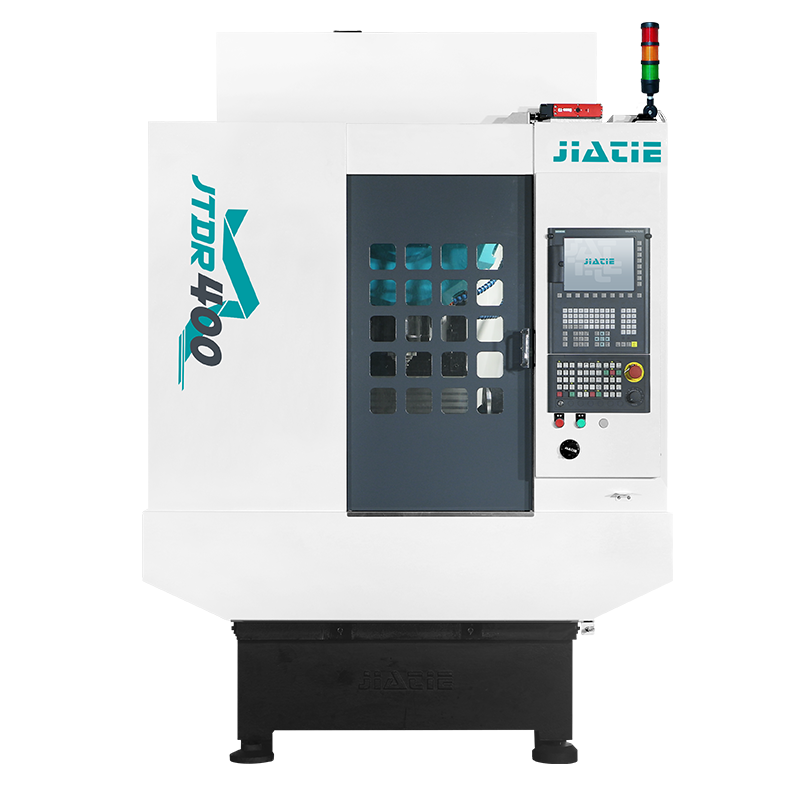
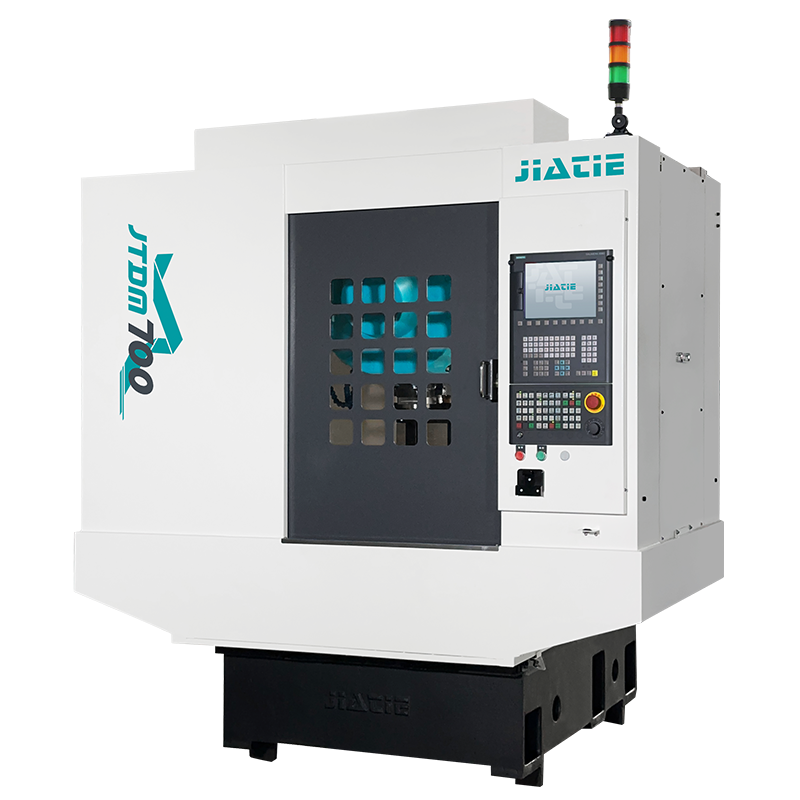
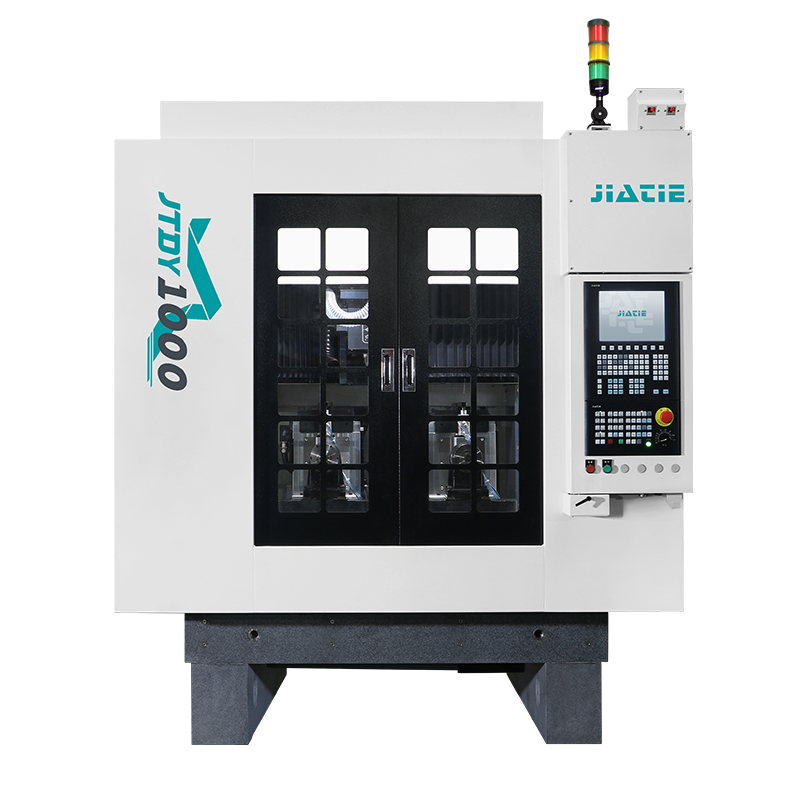
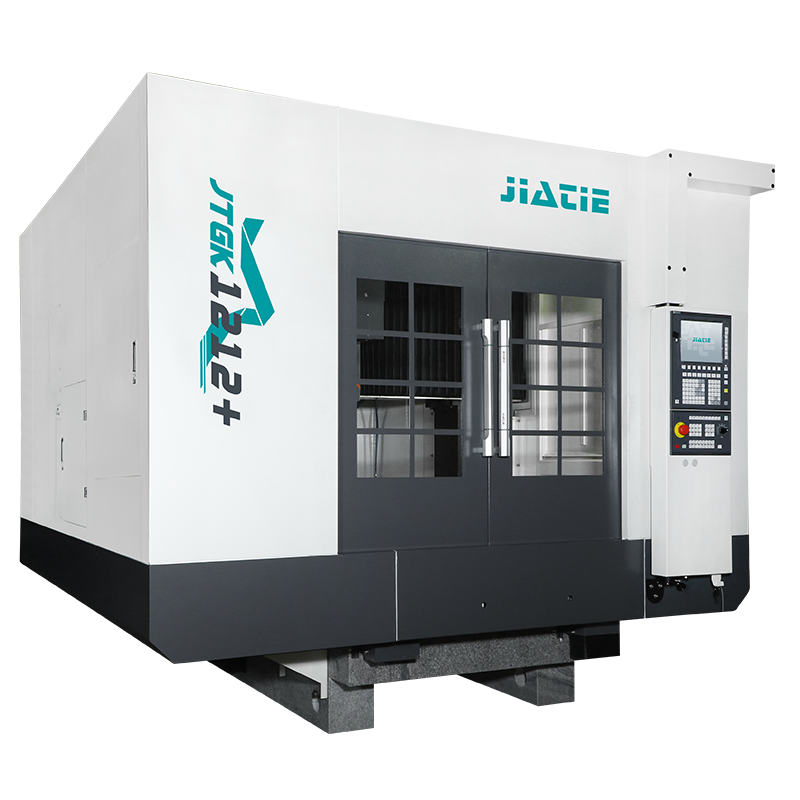
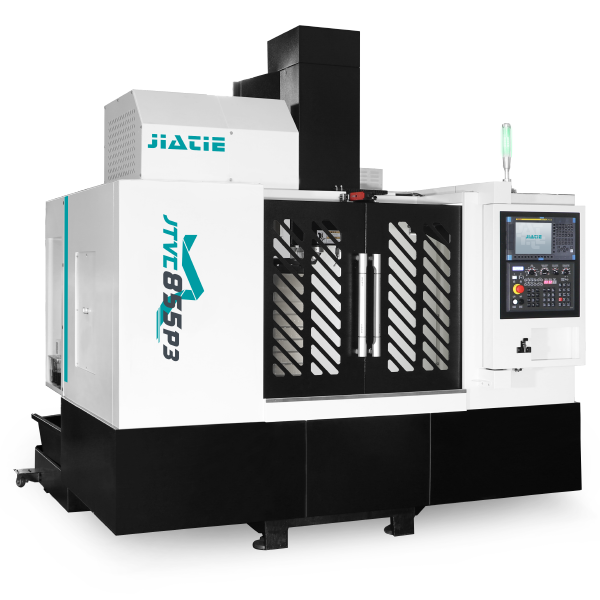
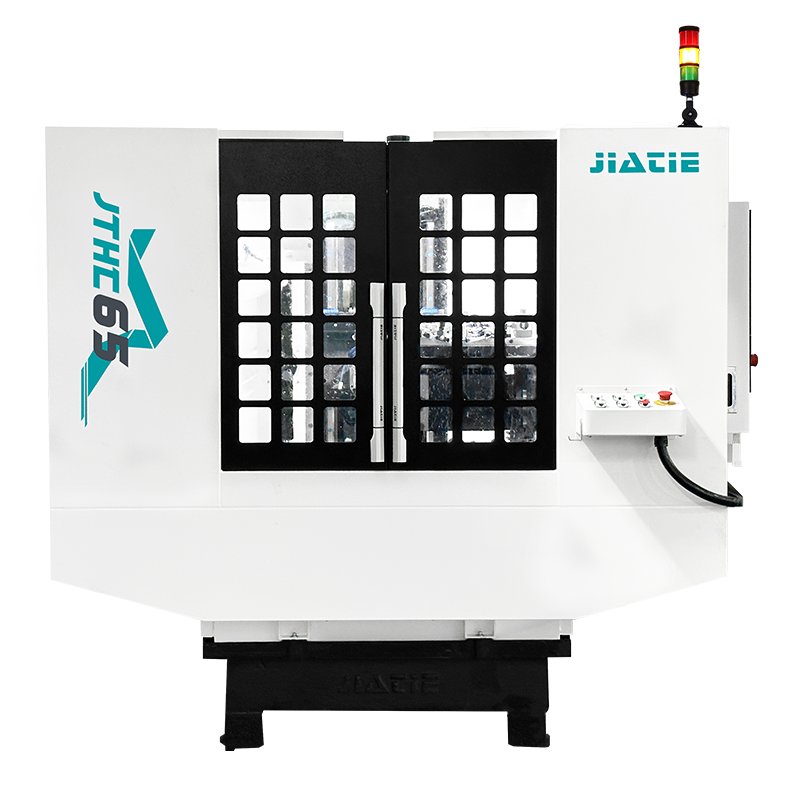
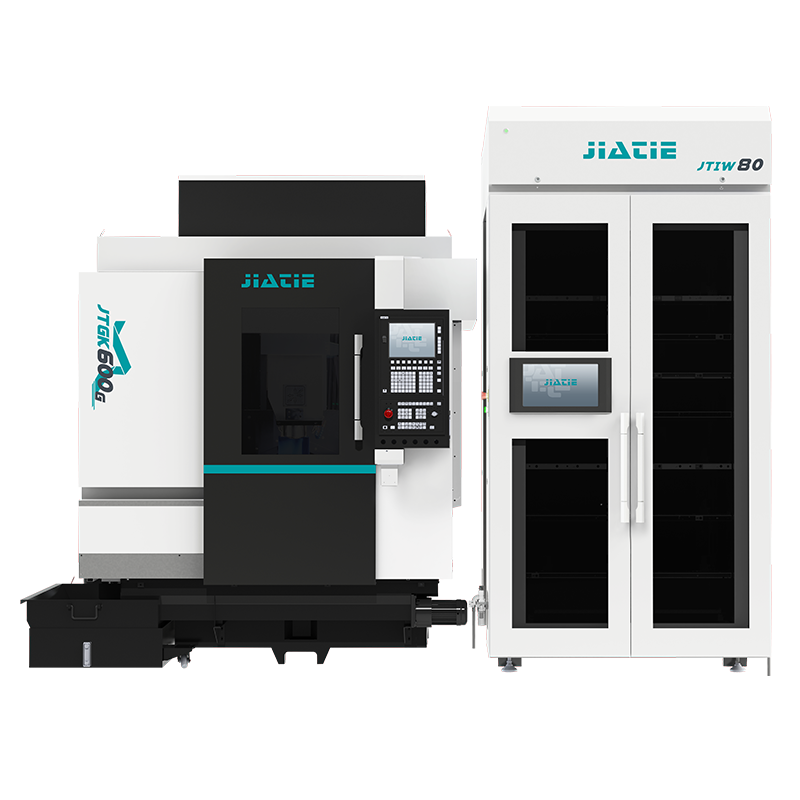
In modern manufacturing, precision, speed, and Automation are no longer optional—they are essential. Among the many types of CNC machine tools used in industrial production, the CNC drilling machine plays a vital role in creating accurate holes, slots, and complex features across a wide range of materials. From metal fabrication and structural steel processing to machinery manufacturing and automotive components, CNC drilling technology has become a cornerstone of efficient production.
1. What Is a CNC Drilling Machine?
A CNC drilling machine is a computer numerically controlled machine tool designed primarily for drilling holes in workpieces with high precision and repeatability. Unlike conventional drill presses that rely on manual operation, CNC drilling machines use pre-programmed instructions to control tool movement, spindle speed, feed rate, and tool changes.
With CNC technology, drilling operations are automated and integrated with other machining processes such as milling, tapping, and countersinking. This is why many modern machines are classified as CNC Drilling and Milling Machines, capable of performing multiple operations in a single setup.
2. How CNC Drilling Machines Work
At the core of a CNC drilling machine is a CNC control system that interprets G-code instructions. These commands guide the machine to move along the X, Y, and Z axes, positioning the spindle precisely over the workpiece.
The basic workflow includes:
Program input – The machining program defines hole locations, depths, and tool paths.
Workpiece clamping – The material is securely fixed on the worktable.
Tool selection – Appropriate CNC drill bits are automatically selected using a tool changer.
Drilling operation – The spindle rotates at a programmed speed while feeding downward to drill holes.
Tool change and repeat – Additional tools perform milling, tapping, or finishing as needed.
This automated process ensures consistent quality, high efficiency, and minimal operator intervention.
3. Key Components of a CNC Drilling Machine
A typical CNC drill press or CNC drilling system consists of several essential components:
Spindle – Drives the cutting tool at high speed
CNC controller – The “brain” that executes machining programs
Linear guideways – Provide smooth and accurate axis movement
Worktable – Supports and fixes the workpiece
Tool magazine – Stores multiple CNC drill bits and milling tools
Cooling and lubrication system – Improves tool life and machining quality
In more advanced systems, automatic chip removal and forced spindle cooling further enhance operational stability.
4. Types of CNC Drilling Machines
CNC drilling machines come in several configurations to meet different industrial needs.
4.1 Vertical CNC Drilling Machine
A vertical CNC drilling machine features a vertically oriented spindle, making it ideal for plate processing, mold bases, and general metal parts. Its compact structure and easy loading make it widely used in machining workshops.
4.2 CNC Drilling and Milling Machine
A CNC drilling milling machine combines drilling, milling, tapping, and boring in one platform. This type of machine significantly reduces setup time and improves overall efficiency, especially for complex parts.
4.3 CNC Beam Drilling Machine
A CNC beam drilling machine is designed for structural steel beams, H-beams, and large profiles. It is commonly used in steel construction, bridges, and heavy industry.
4.4 High-Speed CNC Drill Press
A high-speed CNC drill press focuses on fast hole-making for mass production, such as electronics, automotive components, and precision hardware.
5. CNC Drill Bits and Tooling
The performance of a CNC drilling machine depends heavily on the quality and suitability of CNC drill bits. Common materials include:
High-speed steel (HSS)
Carbide drill bits
Coated tools for high-temperature resistance
Proper tool selection ensures clean hole edges, accurate dimensions, and longer tool life.
6. Advantages of CNC Drilling Machines
Compared to traditional drilling equipment, CNC drilling machines offer significant benefits:
6.1 High Precision and Consistency
CNC-controlled positioning guarantees micron-level accuracy, even during long production runs.
6.2 Improved Productivity
Automated tool changes and high spindle speeds reduce idle time and maximize throughput.
6.3 Versatility
A CNC Drilling and Milling Machine can perform multiple processes in one setup, reducing handling and alignment errors.
6.4 Reduced Labor Costs
Once programmed, the machine operates with minimal supervision, lowering labor dependency.
6.5 Scalability for Batch Production
CNC drilling machines are ideal for both small-batch customization and large-scale mass production.
7. Applications of CNC Drilling Machines
CNC drilling machines are widely used across industries, including:
Automotive manufacturing
Aerospace components
Construction and steel structures
Machinery and equipment manufacturing
Electrical enclosures and panels
Whether it is a small precision hole or a complex multi-hole pattern, CNC drilling technology ensures efficiency and accuracy.
8. JTDM-700 CNC Drilling and Milling Machine Overview
The JTDM-700 CNC drilling and milling machine is a high-performance solution designed for precision drilling and milling tasks. It combines speed, reliability, and user-friendly operation, making it suitable for batch processing and high-accuracy applications.
8.1 Core Features
High-speed tool change system for rapid switching between tools
High processing speed, effectively reducing idle time
Excellent human–computer interaction interface, easy to learn and operate
Accurate and reliable positioning for consistent machining quality
Equipped with an advanced famous-brand CNC system, powerful and stable
These features make the JTDM-700 an excellent choice for manufacturers seeking efficiency and precision.
9. Technical Specifications of JTDM-700
X / Y / Z Travel
700 / 400 / 320 mm (standard high column)
700 / 400 / 370 mm (higher column)
Worktable Dimension
850 × 400 mm
Maximum Workpiece Size
1120 × 400 × 480 mm (standard high column)
1120 × 400 × 630 mm (higher column)
Maximum Worktable Load
250 kg
Machine Dimensions
1940 × 2080 × 2460 mm (standard high column)
1940 × 2080 × 2610 mm (higher column)
Machine Net Weight
2800 kg
10. Why Choose a CNC Drilling Milling Machine Like JTDM-700?
For manufacturers looking to improve productivity without sacrificing accuracy, a CNC drilling milling machine like the JTDM-700 offers an ideal balance. Its compact footprint, strong rigidity, and high-speed performance allow it to handle complex machining tasks efficiently.
By integrating drilling and milling functions, users can reduce equipment investment, save floor space, and shorten production cycles—critical advantages in today’s competitive manufacturing environment.
11. CNC Drilling Machine vs Traditional Drilling
Compared with conventional drilling machines, CNC systems provide:
Automated positioning instead of manual alignment
Programmable depth and hole patterns
Higher repeatability and less scrap
Compatibility with advanced production lines
These benefits explain why CNC drilling machines have become standard equipment in modern factories.
12. Future Trends in CNC Drilling Technology
The future of CNC drilling machines is driven by:
Smart manufacturing and Industry 4.0 integration
Higher spindle speeds and faster tool change systems
Improved CNC software and AI-assisted machining
Greater energy efficiency and sustainability
As technology advances, CNC drilling machines will continue to evolve toward greater intelligence, precision, and automation.
Conclusion
So, what is a CNC drilling machine? It is a highly automated, precision-driven machining solution that revolutionizes hole-making and related processes. Whether in the form of a vertical CNC drilling machine, a CNC drill press, or a multifunctional CNC drilling and milling machine, this technology is essential for modern manufacturing.
Machines like the JTDM-700 CNC drilling and milling machine demonstrate how advanced design, high-speed performance, and reliable CNC control can significantly enhance production efficiency and machining quality. For manufacturers seeking precision, speed, and flexibility, investing in CNC drilling technology is not just an option—it is a necessity.