

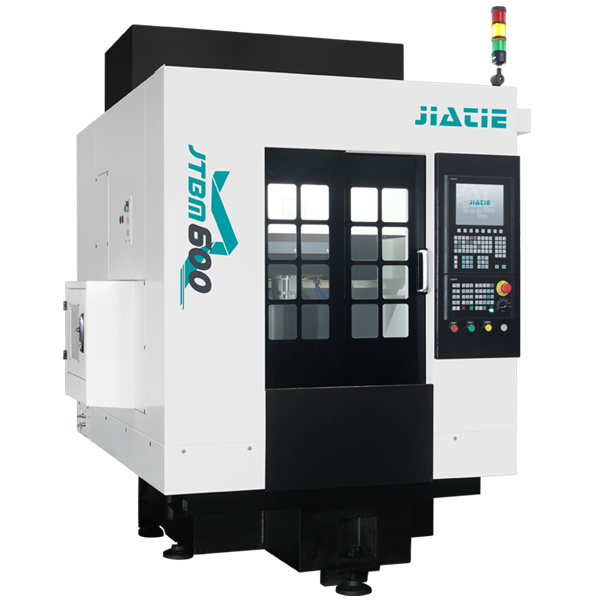
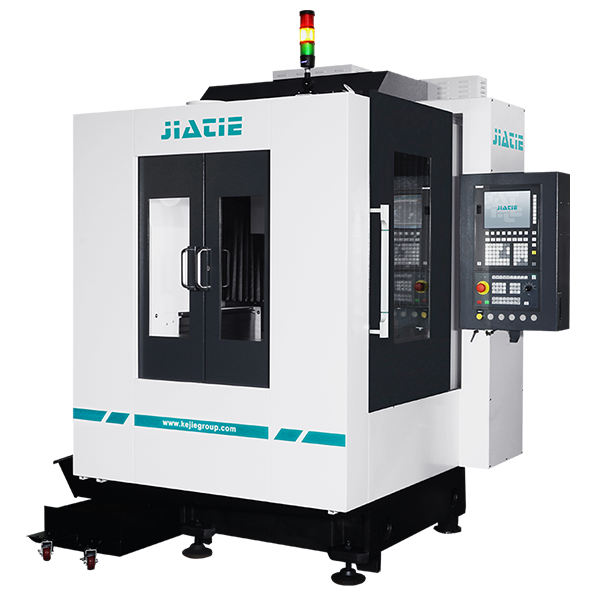
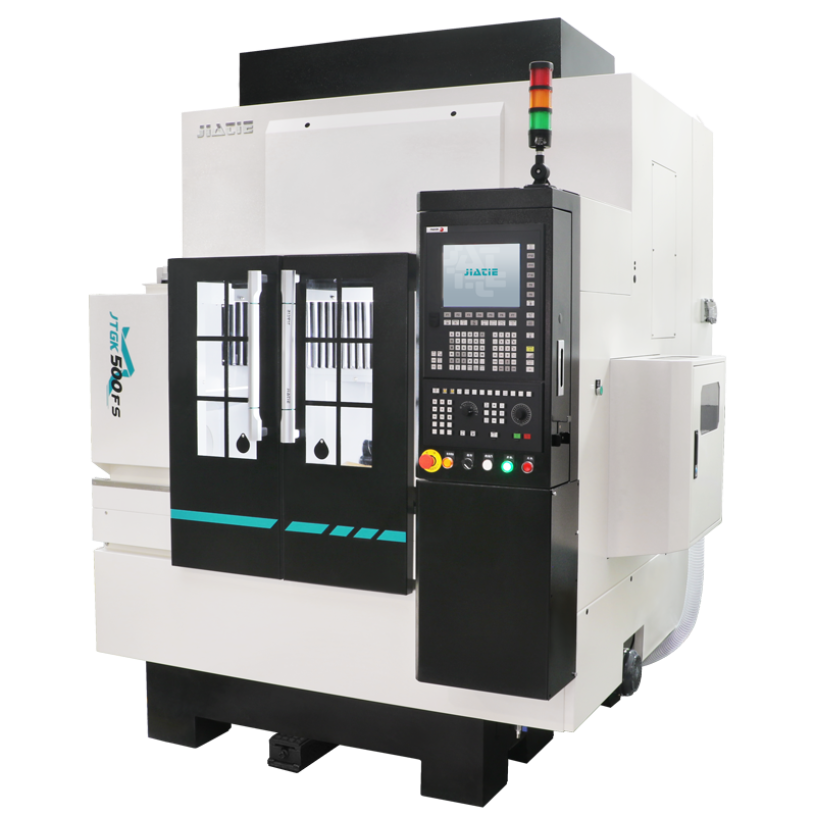
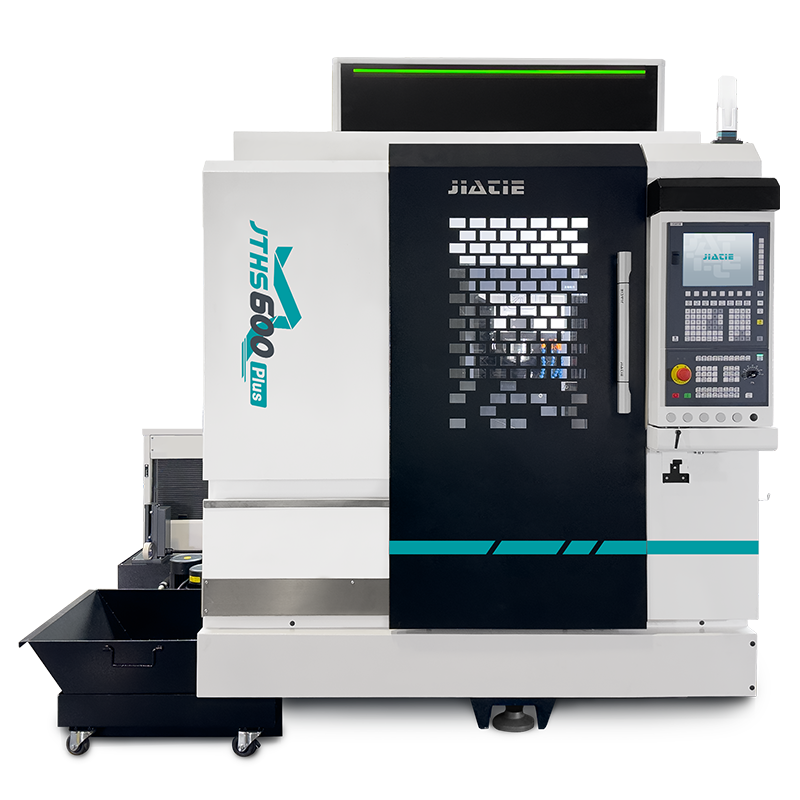
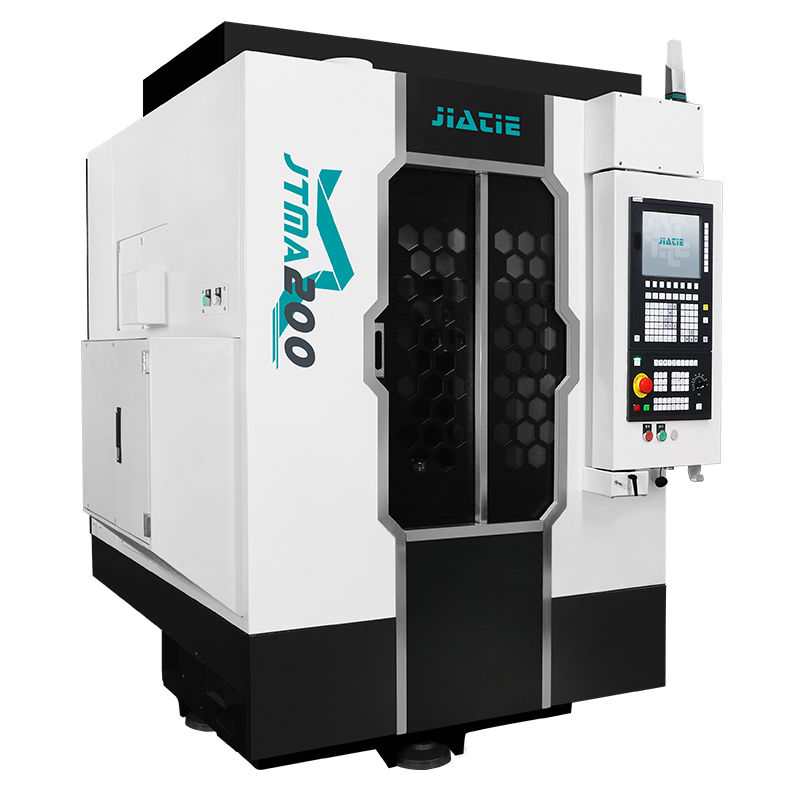
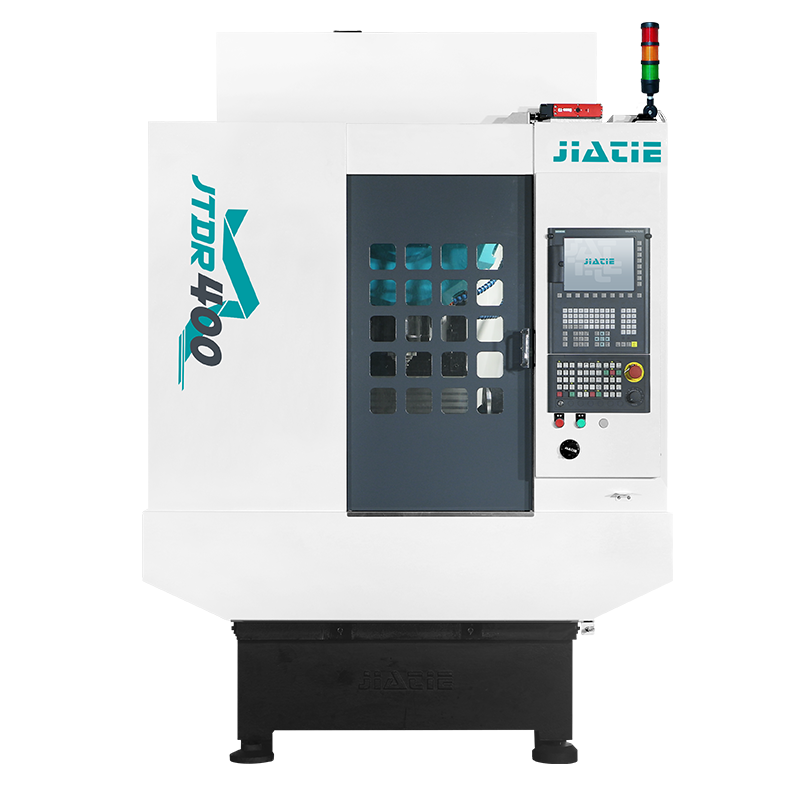
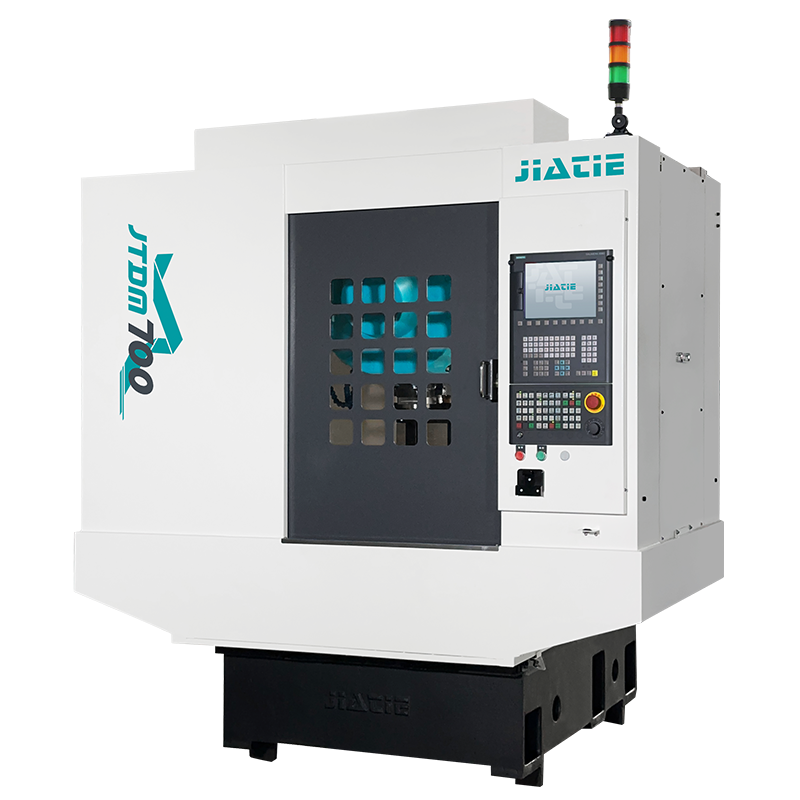
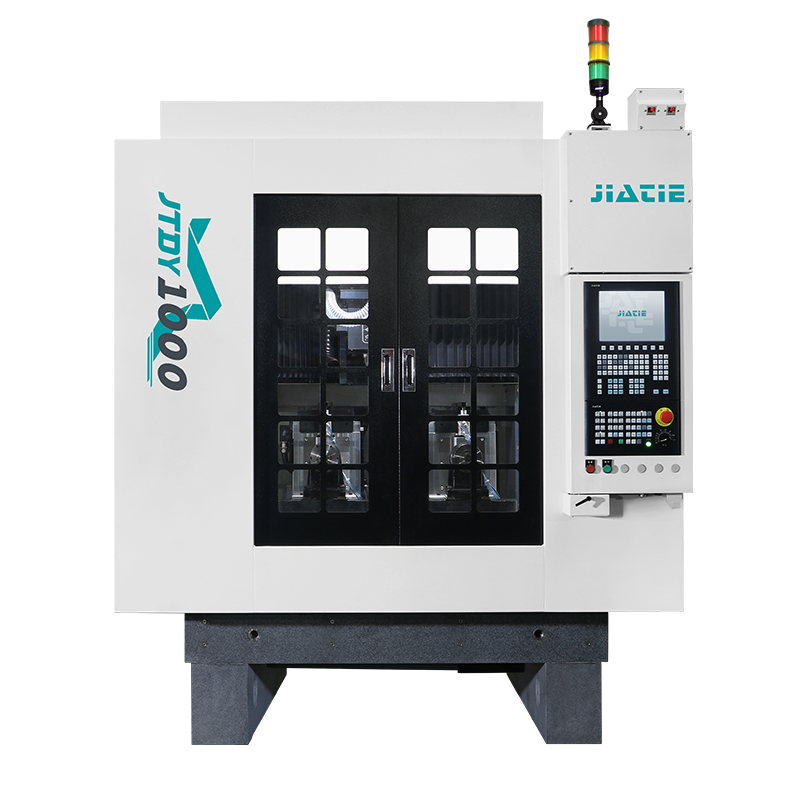
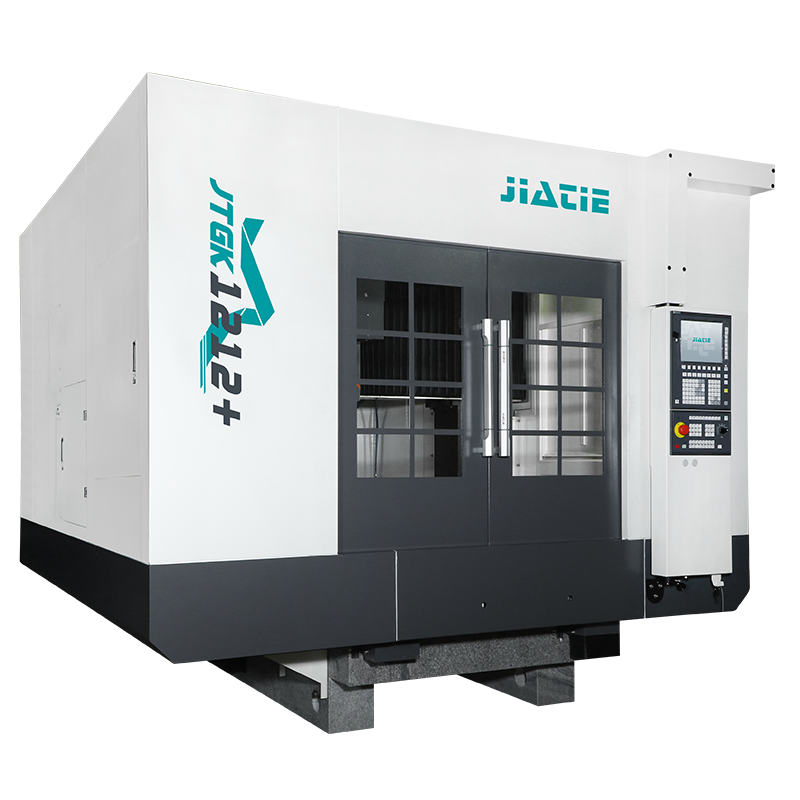
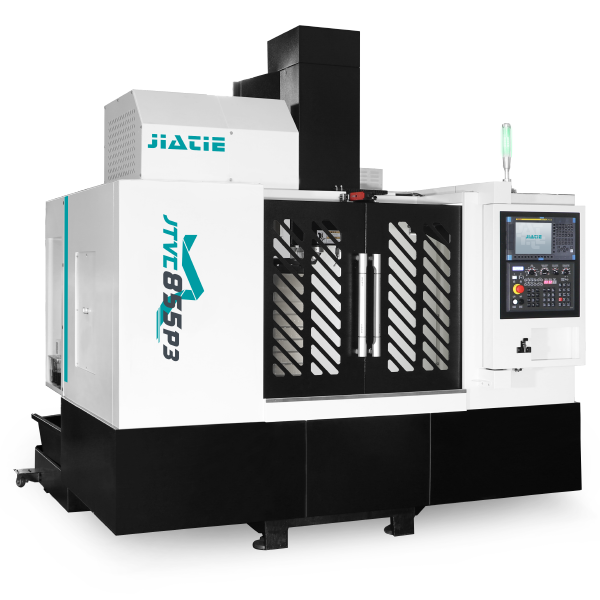
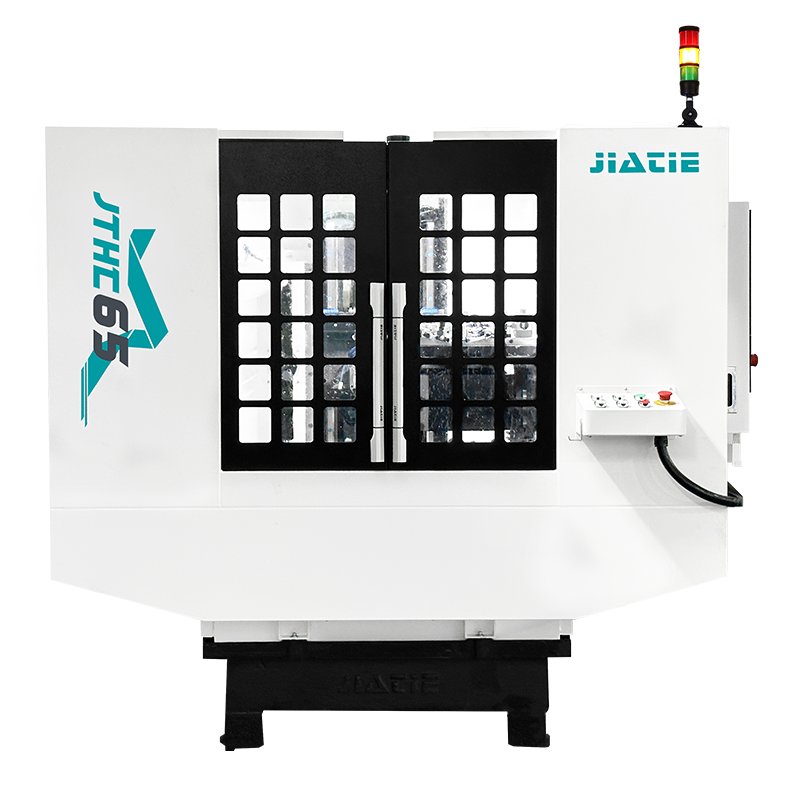
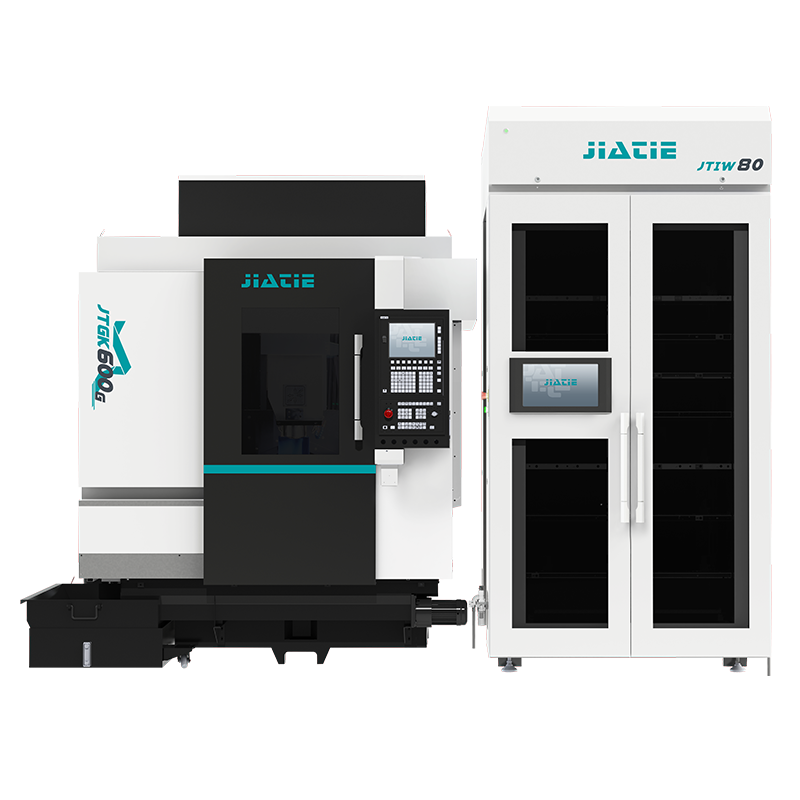
In modern CNC manufacturing systems, the question “what is vertical Machining Center” is fundamental. As machining technology continues to advance toward higher precision, efficiency, and automation, the Vertical Machining Center has become one of the most widely used core machines in mold manufacturing, mechanical part production, and automated production lines.
1. What Is a Vertical Machining Center?
A vertical machining center is a CNC machine tool in which the spindle axis is oriented vertically relative to the worktable. It is developed from the traditional vertical milling machine by integrating a CNC control system, automatic tool changer, and multi-process machining capability.
A typical CNC Vertical Machining Center can complete milling, drilling, tapping, boring, and cavity machining in a single setup, significantly improving machining accuracy and production efficiency.
2. Working Principle of CNC Vertical Machining
During CNC vertical machining, the workpiece is fixed on the worktable while the spindle moves vertically along the Z-axis. Cutting operations are performed through coordinated motion along the X, Y, and Z axes under CNC control.
Because the spindle is vertically oriented, the machining area is clearly visible to the operator, making a vertical CNC mill particularly convenient for setup, adjustment, and precision control.
3. Main Structural Components of a Vertical Machining Center
3.1 Base and Column Structure
The base and column form the foundation of the machine. Their rigidity and stability directly affect machining accuracy and long-term precision retention.
3.2 Spindle System
The spindle is the core component of a vertical milling center, determining cutting performance, speed capability, and material adaptability.
3.3 Three-Axis Feed System
This system consists of servo motors, ball screws, and linear guideways, enabling high-precision movement along the X, Y, and Z axes.
3.4 Automatic Tool Changer (ATC)
An essential feature of the CNC vertical machining center, the ATC allows automatic tool changes during machining, improving process continuity and efficiency.
3.5 Chip Removal and Cooling System
Efficient chip evacuation and cooling contribute to stable machining conditions and easier machine maintenance.
4. Technical Characteristics of Vertical Machining Centers
As one of the most common CNC machine configurations, vertical machining centers offer several technical advantages:
Compact structure with relatively small floor space
Direct visibility of the machining process
Convenient operation and maintenance
Stable machining accuracy and repeatability
These characteristics make the vertical machining center a standard solution in many machining environments.
5. Structural and Performance Analysis of the JTVC-1166 Vertical Machining Center
The JTVC-1166 Vertical Machining Center demonstrates modern vertical machining center design principles, emphasizing rigidity, dynamic performance, and machining stability.
5.1 High-Rigidity Structural Design
Based on years of CNC machine design and manufacturing experience, combined with finite element method (FEM) analysis, major components such as the base, column, and saddle adopt specially designed high-rigidity structures. Internal stress is effectively eliminated during manufacturing, ensuring stable and reliable dynamic performance.
5.2 High-Response Linear Guide System
The three-axis linear precision guide design provides fast acceleration and deceleration response. This significantly improves machining efficiency and accuracy while maintaining excellent performance even under heavy load conditions.
5.3 Spindle Configuration
The machine is equipped with a short-nose BBT40 spindle, driven by a powerful motor and supported by a forced cooling system. This configuration enhances cutting stability and supports continuous high-performance machining.
5.4 Optimized Moving Components
A stable base and column are combined with lightweight moving-axis components. This design ensures smooth and stable acceleration and deceleration, reducing inertia-related errors during high-speed movement.
5.5 Automatic Chip Removal System
An automatic chip removal device simplifies cleaning and helps maintain a clean machining environment, contributing to long-term operational reliability.
Key Technical Specifications:
X / Y / Z Travel: 1100 / 650 / 600 mm
Worktable Dimensions: 1200 × 650 mm
Maximum Workpiece Height: 600 mm
Maximum Table Load: 1100 kg
Machine Dimensions: 2960 × 2750 × 2950 mm
Machine Net Weight: 7500 kg
These specifications indicate suitability for medium to large workpieces and high-precision machining tasks.
6. Technical Criteria of the Best Vertical Machining Center
From an engineering perspective, a best vertical machining center typically demonstrates:
High structural rigidity
Stable and reliable spindle performance
Precision feed and guideway systems
Good thermal stability
Efficient chip evacuation and protection design
These characteristics collectively determine machining accuracy and long-term reliability.
7. Application Areas of Vertical Machining Centers
CNC vertical machining is widely applied in various industries, including:
Mold manufacturing (injection molds, die-casting molds)
Automotive and mechanical component machining
Fixture and tooling production
Electronic and equipment structural parts
Education, research, and prototype machining
In these applications, the vertical CNC mill plays a critical role due to its flexibility and stability.
8. Development Trends of Vertical Machining Centers
With ongoing technological advancement, vertical machining centers continue to evolve toward:
Higher spindle speeds and greater accuracy
Increased automation and intelligent control
Integration with robotic loading and unloading systems
More user-friendly human–machine interfaces
These trends are expanding the capabilities and application scope of vertical machining centers.
Conclusion
Understanding what is vertical machining center means understanding the fundamental structure and operating logic of modern CNC machining. As one of the most widely used forms of vertical milling center, vertical machining centers provide a balanced combination of precision, efficiency, and versatility.
Modern designs such as the JTVC-1166 Vertical Machining Center reflect the ongoing evolution of CNC machine tools toward improved rigidity, dynamic performance, and long-term stability, making them essential equipment in advanced manufacturing environments.