

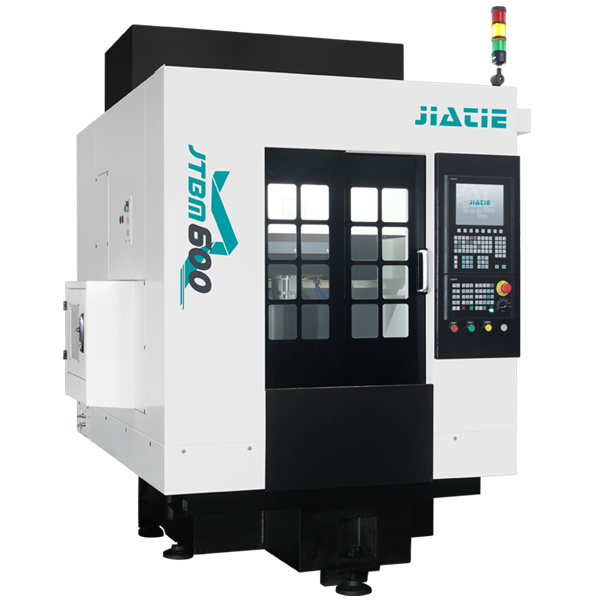
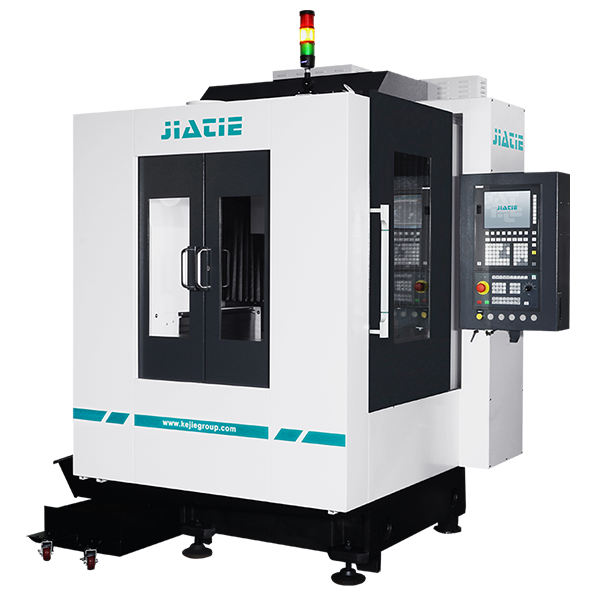
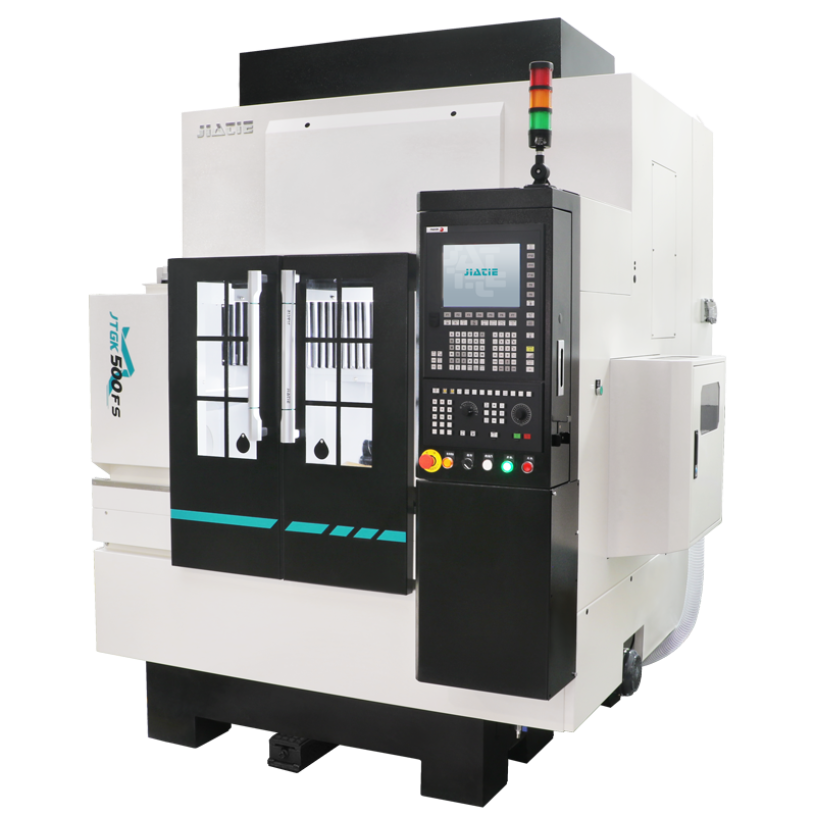
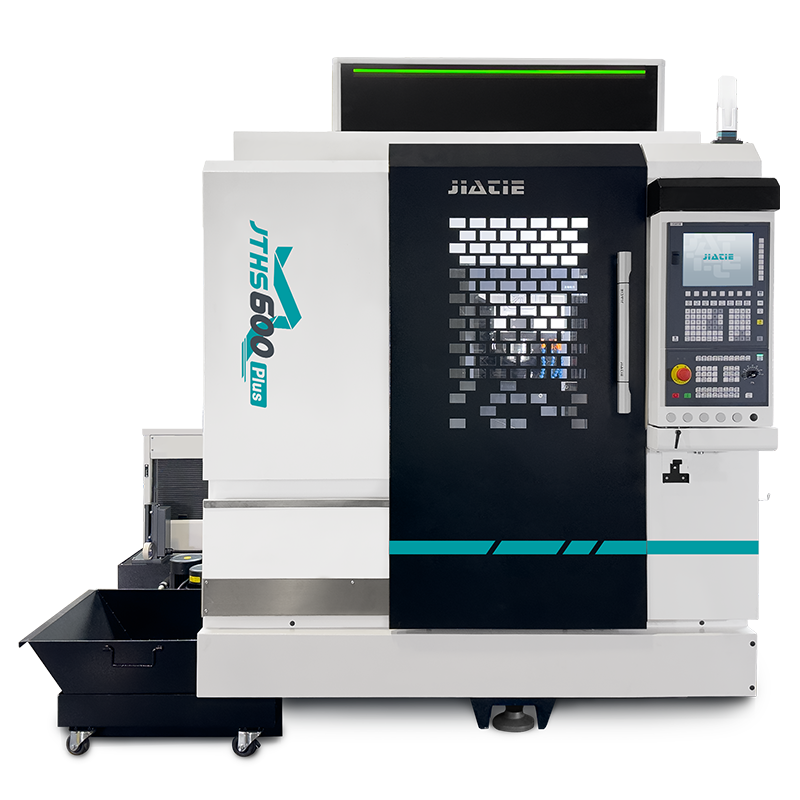
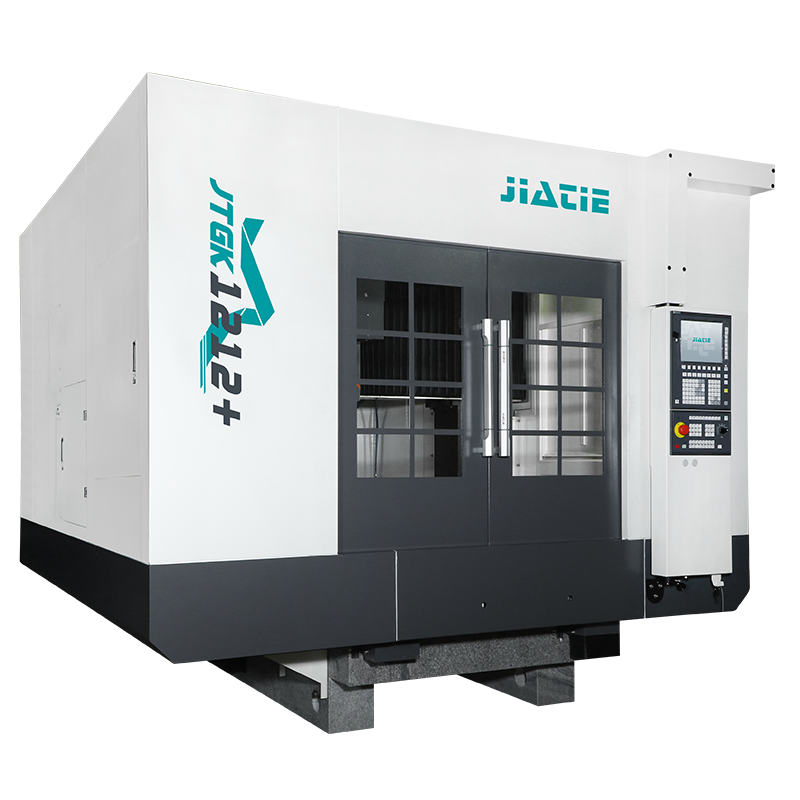
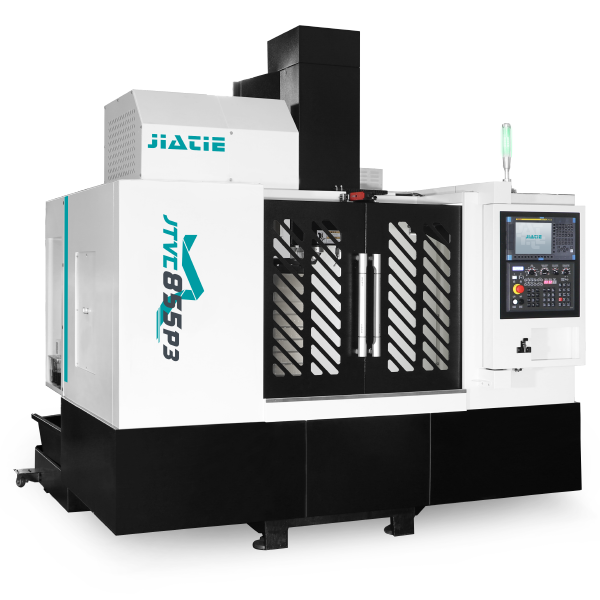
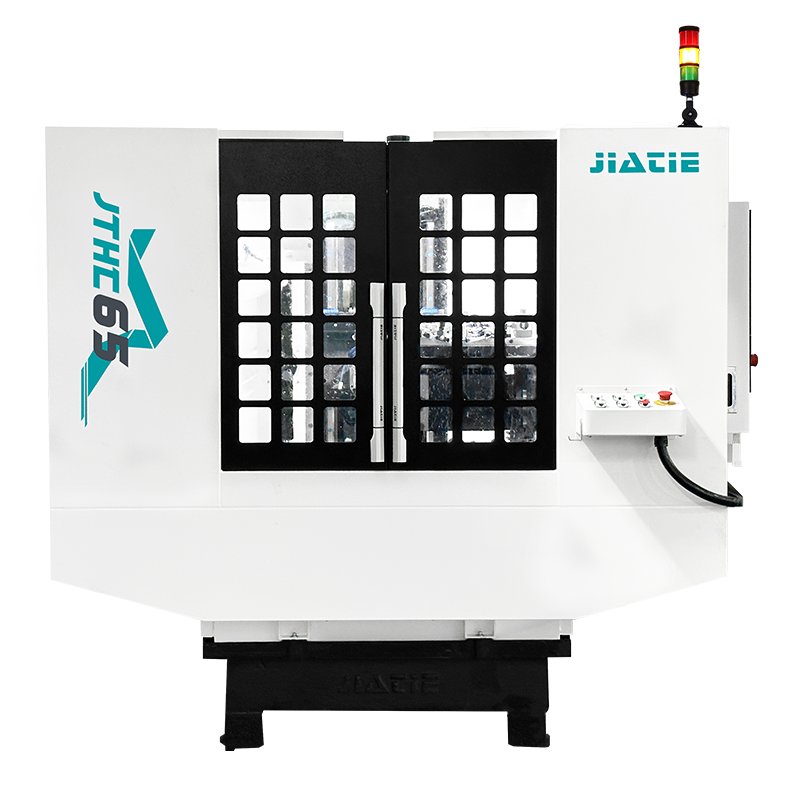
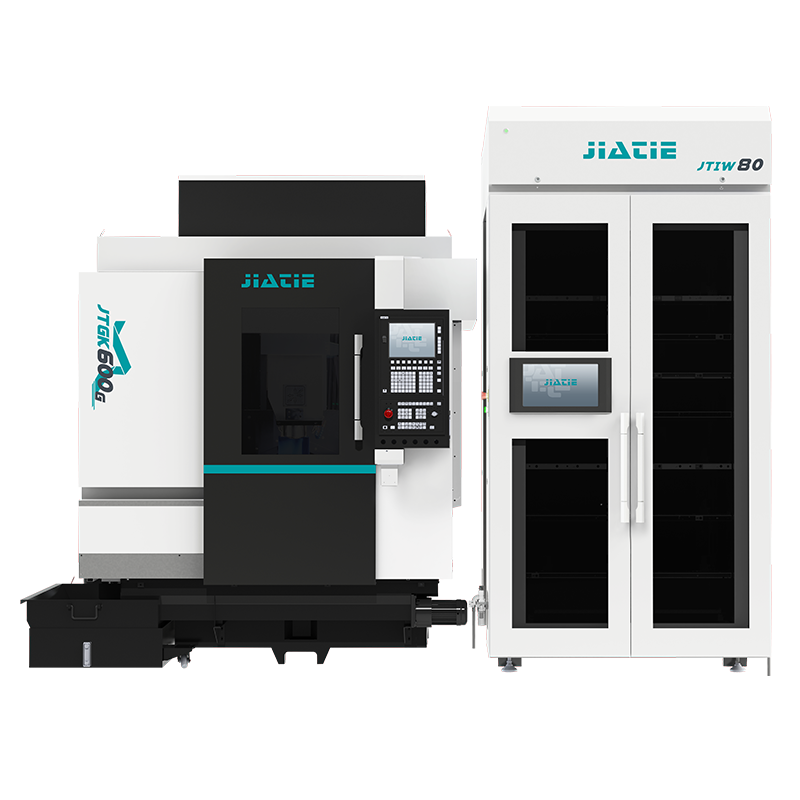
The question “what is a 5 axis CNC machine” has become increasingly important in modern manufacturing. As component geometries grow more complex and accuracy requirements continue to rise, traditional 3-axis and 4-axis machining methods are often no longer sufficient. A 5 axis CNC machine enables advanced multi-directional machining and has become a key piece of equipment in aerospace, medical, mold-making, and precision engineering industries.
1. What Is a 5 Axis CNC Machine?
A 5 axis CNC machine is a computer numerical control system that operates along five coordinated axes simultaneously. In addition to the three linear axes (X, Y, and Z), it includes two rotational axes (commonly A, B, or C).
This configuration allows the cutting tool or workpiece to tilt and rotate freely in space, enabling complex geometries to be machined in a single setup. Compared with conventional equipment, a 5 axis CNC milling machine significantly reduces positioning errors and improves machining accuracy.
2. Working Principle of Five-Axis CNC Machining
The core of five-axis machining lies in simultaneous five-axis interpolation. The CNC system synchronizes all axes so that the cutting tool maintains the optimal orientation relative to the workpiece surface at all times.
This enables:
Continuous machining of complex 3D surfaces
Reduced setup changes and cumulative errors
Improved surface finish quality
Higher overall machining efficiency
For this reason, five-axis technology is a fundamental requirement for any best 5 axis CNC machine used in high-precision applications.
3. Main Types of 5 Axis CNC Machines
3.1 5 Axis CNC Milling Machine
This is the most common form, designed primarily for metal cutting operations. It emphasizes rigidity, accuracy, and stable dynamic performance.
3.2 5 Axis CNC Router
A 5 axis CNC router is typically used for wood, foam, composite materials, stone, and light metals. It is suitable for large curved surfaces and complex contours.
3.3 5 Axis Gantry Mill
A 5 axis gantry mill uses a gantry-style structure that provides higher load capacity and long-term precision retention, especially for large and heavy workpieces.
3.4 Desktop 5 Axis CNC
A desktop 5 axis CNC machine features a compact footprint and is commonly used for education, research, and prototype development.
3.5 Small 5 Axis CNC Machine
A small 5 axis CNC machine balances machining capability and space efficiency, making it suitable for small to medium-sized precision components.
4. Technical Advantages of 5 Axis CNC Machines
4.1 Single-Setup Multi-Sided Machining
Five-axis motion allows multiple surfaces to be machined without repositioning the workpiece.
4.2 Higher Machining Accuracy
Fewer setups result in improved dimensional consistency and repeatability.
4.3 Superior Surface Finish
The tool can maintain the most effective cutting angle, reducing vibration and tool marks.
4.4 Capability for Complex Geometries
This is a defining advantage that distinguishes five-axis machines from conventional CNC systems.
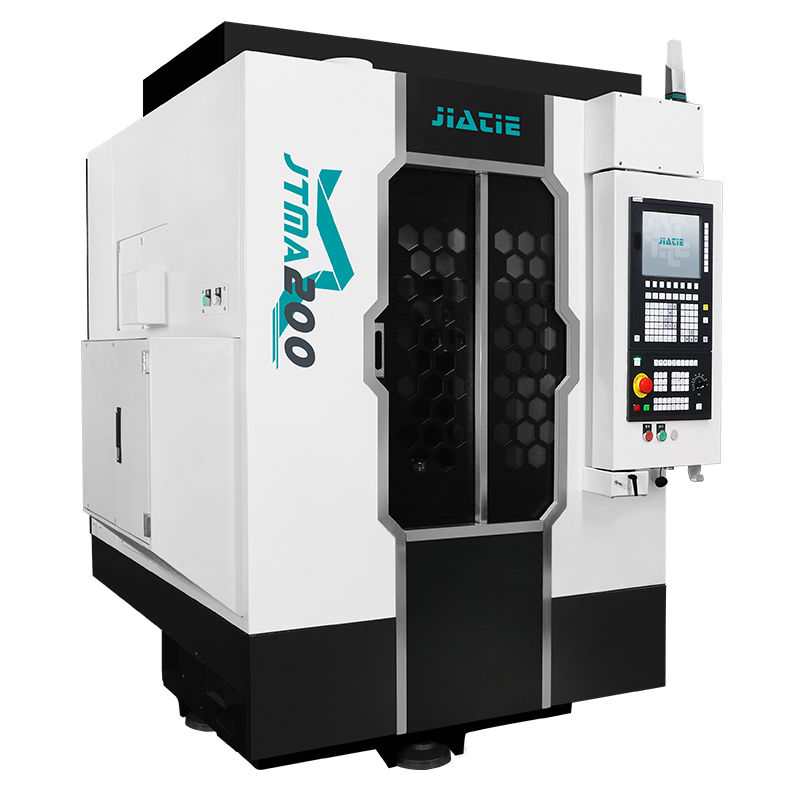
5. Structural and Performance Analysis of the JTMA-300 5-Axis High Speed Machine
The JTMA-300 5-Axis High Speed Machine represents modern five-axis CNC design principles, focusing on precision, stability, and operator usability.
5.1 Fully Closed Loop Control
The machine adopts fully closed loop control technology, providing real-time feedback on axis positioning. This ensures higher machining accuracy and reliable long-term performance while supporting high-efficiency, high-accuracy machining.
5.2 Human–Machine Interaction
An optimized human-machine interface enhances operational comfort and convenience, reducing operator fatigue and minimizing the risk of manual errors.
5.3 Gantry Structure Design
The gantry structure improves dynamic rigidity and long-term precision retention, a key characteristic commonly seen in advanced 5 axis gantry mill designs.
5.4 DD Direct Drive Rotary Tables
The machine is equipped with DD direct drive 5-axis rotary tables, which reduce mechanical transmission errors and improve response speed and positioning accuracy.
5.5 Isolated Machining Area
All moving components are fully isolated from the machining area, simplifying cleaning and maintenance while improving operational reliability.
5.6 Flexible Spindle Configuration
A large-torque spindle or high-speed spindle can be selected to meet the machining requirements of different industries.
Key Technical Specifications:
X / Y / Z Travel: 600 / 350 / 300 mm
Maximum Workpiece Diameter: Φ350 mm
Maximum Workpiece Height: 270 mm
Maximum Table Load: 100 kg
Machine Dimensions:
1990 × 2250 × 2550 mm (circular tool magazine)
2300 × 2250 × 2550 mm (chain-type tool magazine)
Machine Net Weight: 7000 kg
These parameters reflect a balanced design suitable for high-precision small to medium-sized five-axis machining tasks.
6. Difference Between 5 Axis CNC and 5 Axis Laser Cutting
Although both involve five-axis motion, 5 axis laser cutting is primarily used for angular cutting of metal sheets or tubes using laser energy. In contrast, five-axis CNC machines perform subtractive machining processes such as milling and drilling. The two technologies serve fundamentally different manufacturing purposes.
7. Role of 5 Axis CNC Machining Services
In practical manufacturing environments, 5 axis CNC machining services are widely used for producing complex components, especially in small-batch or high-precision scenarios. Five-axis capability enables efficient production of parts that would otherwise require multiple setups or specialized tooling.
8. Application Fields of 5 Axis CNC Machines
Five-axis CNC machines are commonly applied in:
Aerospace structural components and impellers
Medical implants and precision instruments
Mold manufacturing and complex cavities
Automotive lightweight components
High-end equipment and precision machinery
As manufacturing complexity increases, interest in 5 Axis Cnc Machine for Sale continues to grow across multiple industries.
Conclusion
Understanding what is a 5 axis CNC machine means understanding the evolution of modern precision manufacturing. From the 5 axis CNC milling machine to compact desktop 5 axis CNC systems, five-axis technology continues to expand the limits of CNC machining.
Rather than being limited to niche applications, five-axis CNC machines have become a foundational technology driving efficiency, accuracy, and innovation in advanced manufacturing.