

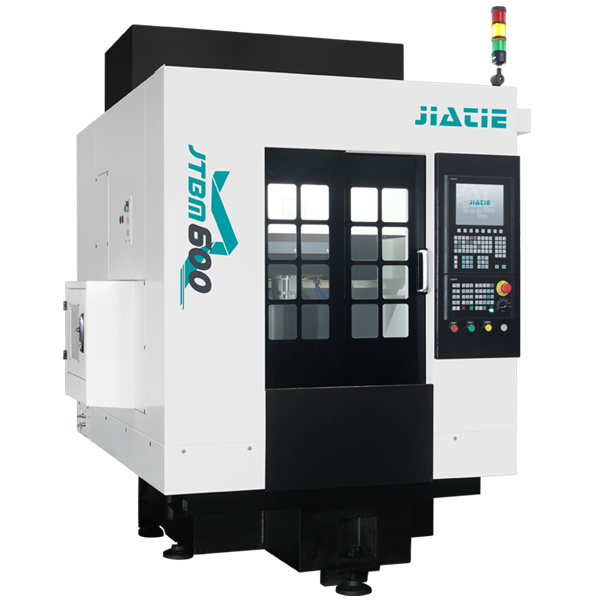
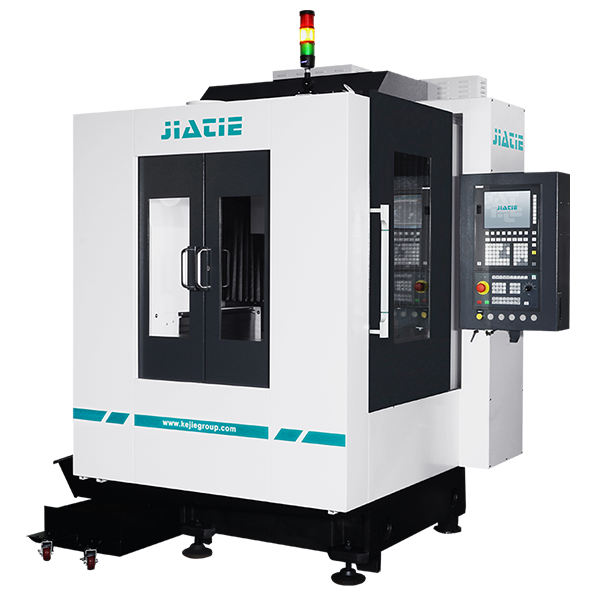
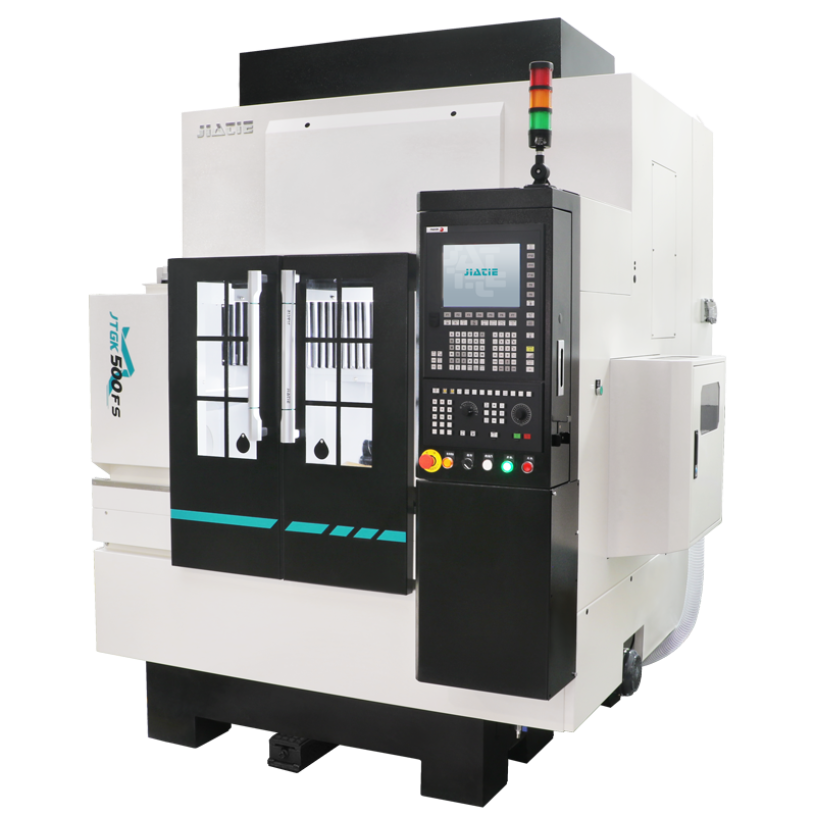
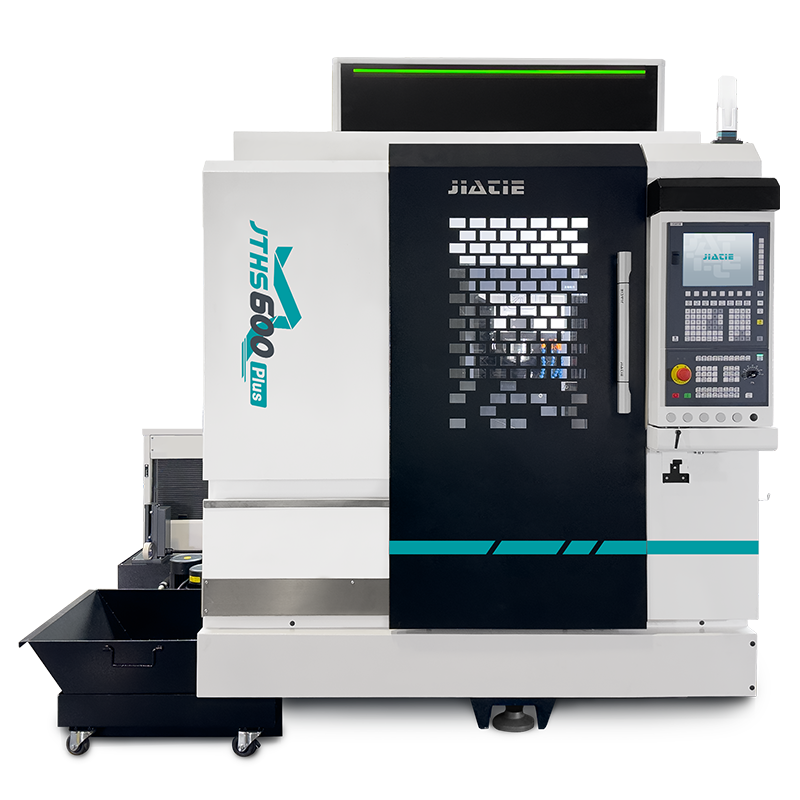
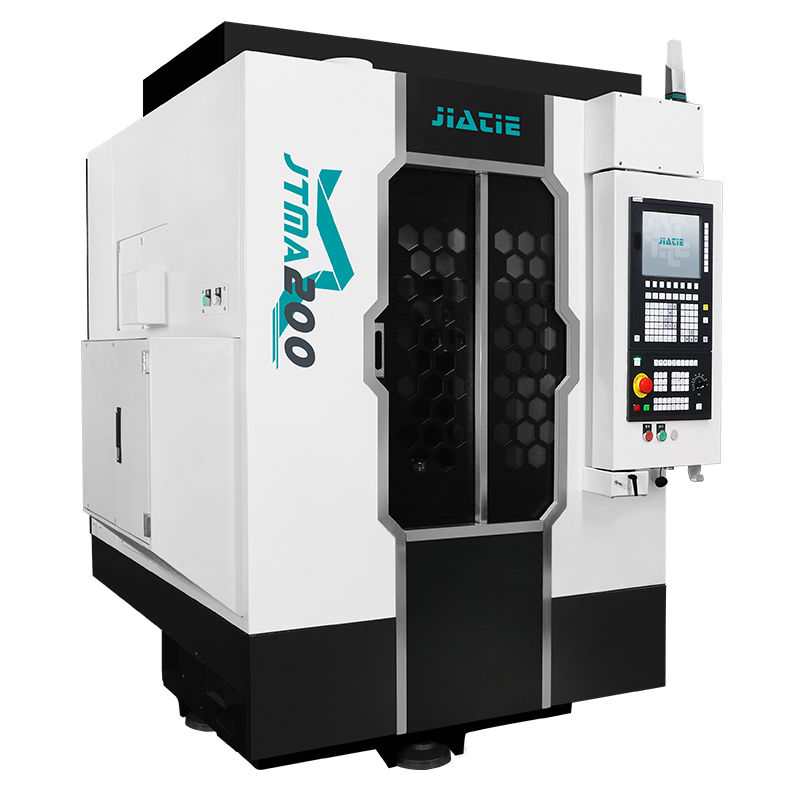
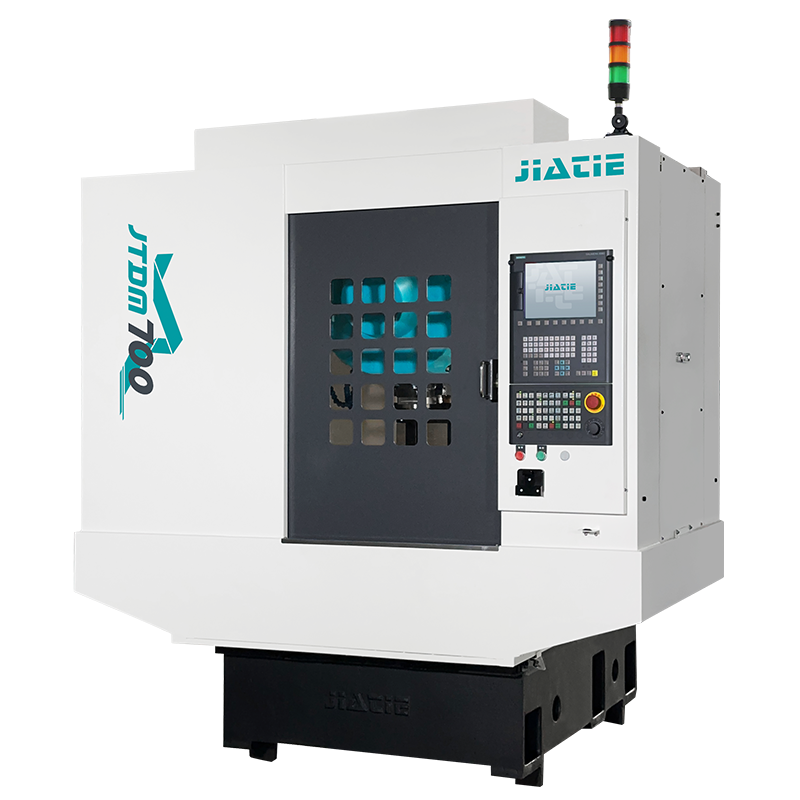
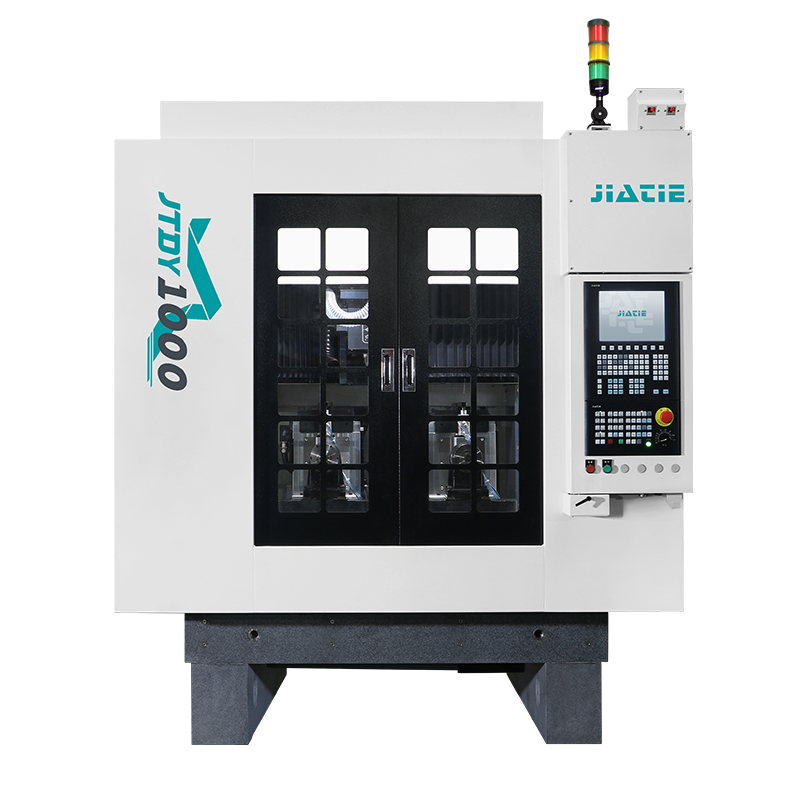
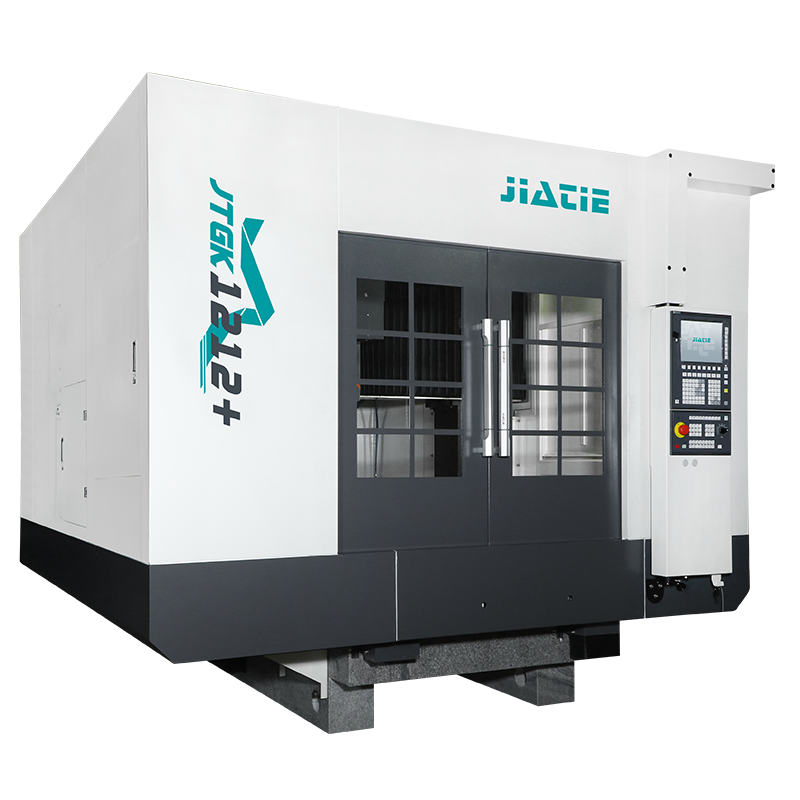
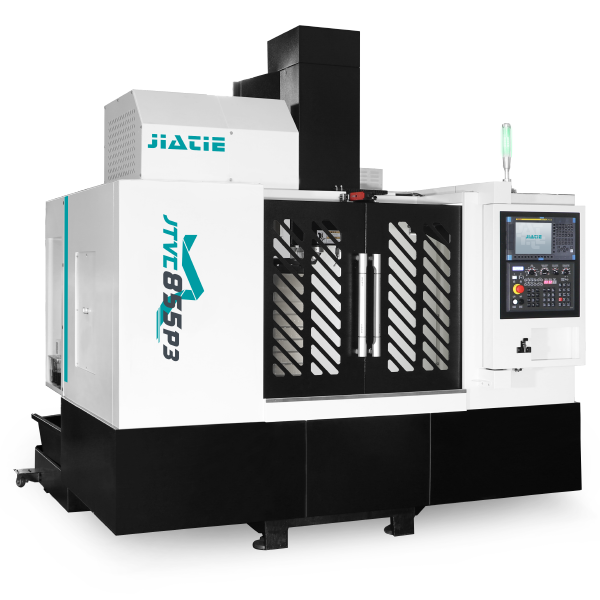
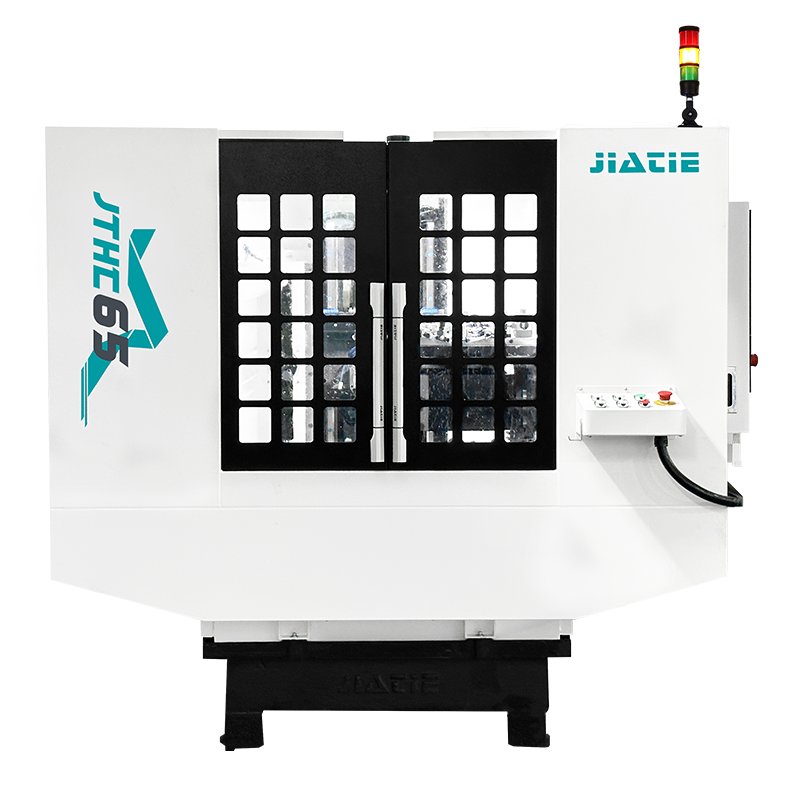
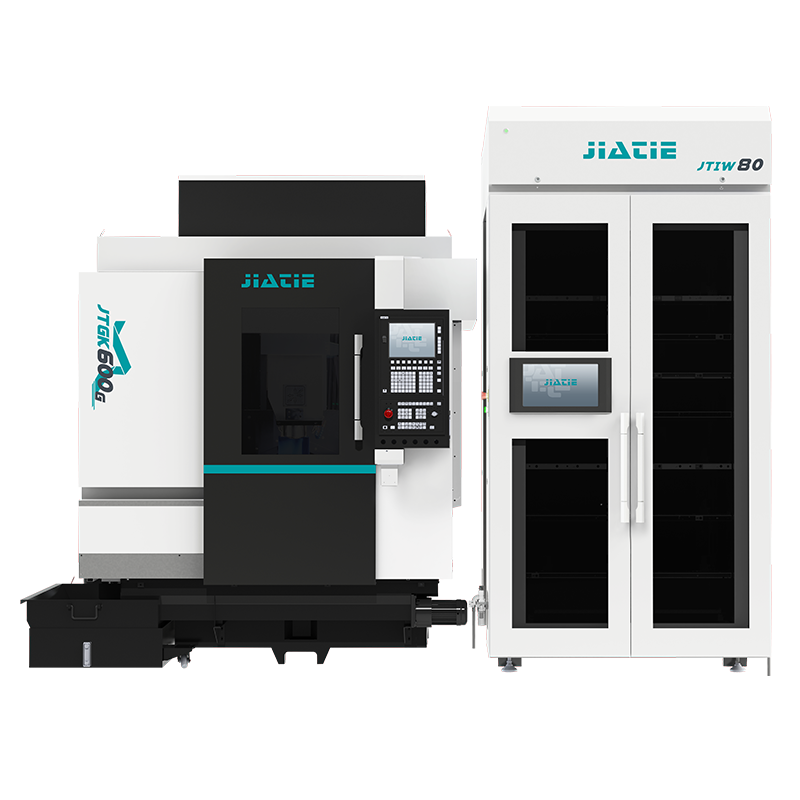
Rotary tables are essential accessories for milling machines, offering precise and versatile machining capabilities. They enable rotational movement of a workpiece, allowing for the creation of complex geometries that would be difficult or impossible to achieve with conventional milling operations. In this article, we'll explore the basics of using a rotary table on a milling machine, covering its functionality, setup, and integration with advanced equipment such as a 5-Axis Machining Center.
Understanding Rotary Tables
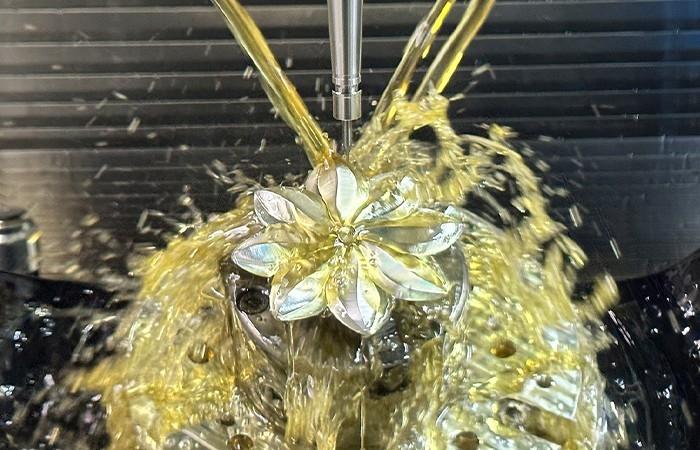
A rotary table is a tool mounted on the worktable of a milling machine. It allows for the rotation of a workpiece around a vertical or horizontal axis. This motion helps in milling circular or angled features, such as holes, slots, or profiles. Rotary tables are commonly used in combination with CNC (Computer Numerical Control) Machining Centers, where their rotational movement can be controlled with high precision.
Types of Rotary Tables
Manual Rotary Tables:
Manual rotary tables require the operator to turn a handwheel to rotate the workpiece. While not as precise or fast as CNC-controlled rotary tables, they are suitable for simpler tasks and lower production volumes.
CNC Rotary Tables:
CNC rotary tables are integrated with the milling machine’s CNC system. They provide automated, highly accurate control over the workpiece’s rotation, enabling the machining of complex, multi-sided parts with minimal operator intervention.
5-Axis Rotary Tables:
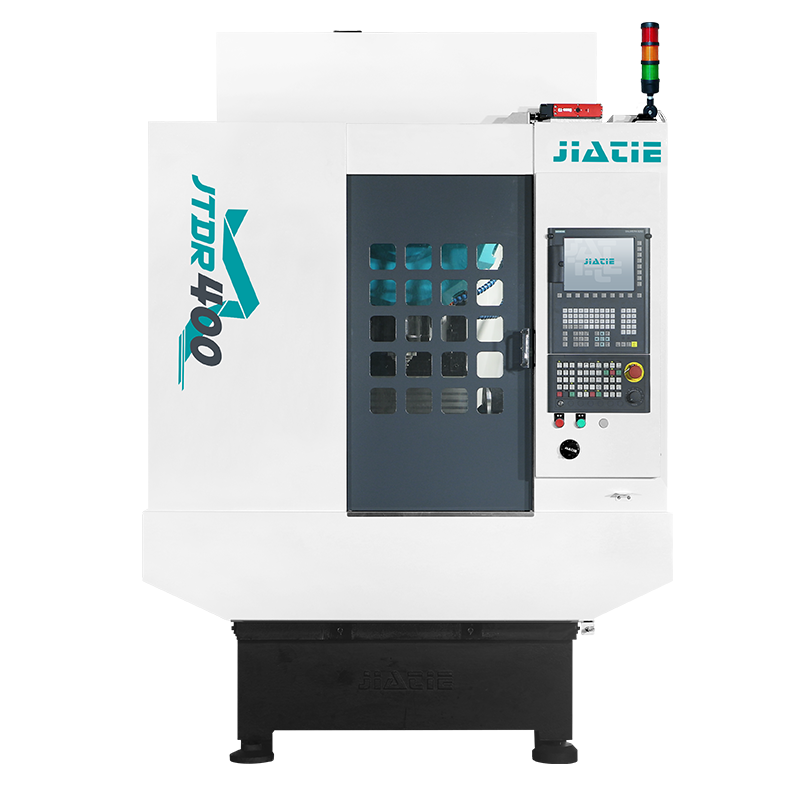
A 5-axis rotary table, such as the JTDR-400+ 5-Axis Machining Center, combines rotary movement with three additional linear axes (X, Y, and Z). This setup allows for multi-directional milling, making it ideal for high-precision and complex operations like those found in aerospace, automotive, and medical industries.
Why Use a Rotary Table?
Rotary tables expand the capabilities of a milling machine, making it possible to:
Machine multiple faces of a workpiece without having to reposition it.
Create complex features like gears, splines, and arcs.
Achieve high-precision angular cuts.
Perform tasks like engraving or etching that require rotational movement.
Setting Up the Rotary Table on a Milling Machine
Proper setup of the rotary table is crucial for achieving optimal results. Here’s a step-by-step guide:
Mount the Rotary Table:
Place the rotary table onto the machine’s worktable.
Secure the rotary table using bolts or clamps, ensuring it is stable and aligned with the machine’s axis of rotation.
Ensure that the center of the rotary table aligns with the spindle of the milling machine to prevent misalignment during cutting.
Align the Workpiece:
Mount the workpiece onto the rotary table using a chuck, fixture, or clamp.
Ensure the workpiece is securely fastened and aligned with the rotary table’s axis of rotation.
Set the Zero Position:
Using the machine’s CNC controls or handwheels, rotate the rotary table to the desired starting position.
Set the zero point on the machine to mark the beginning of the milling operation.
Configure the CNC Program:
In a 5-axis machining center, configure the CNC program to specify the rotational and linear movements of the rotary table. The program should include commands for both the X/Y/Z axes and the rotary motion (A, B, or C axis, depending on the machine configuration).
For example, the 5-axis CNC Machining Center will utilize advanced CNC software that integrates both linear and rotational movements, allowing for complex geometries to be machined in a single setup.
Verify Tool Path and Speed:
Double-check the tool path to ensure it follows the correct trajectory.
Adjust the spindle speed and feed rate based on the material being machined and the type of rotary movement required.
Test Run:
Perform a dry run of the CNC program to check for any errors in the rotational movement.
Adjust as needed to ensure smooth operation before beginning the actual milling process.
Integrating the Rotary Table with 5-Axis Machining
Modern 5-axis milling centers, such as the JTDR-400+ 5-Axis Machining Center, provide an advanced platform for using rotary tables. These centers offer:
High-Speed Rotary Tables:
The DD direct drive high-speed rotary table provides accurate and reliable positioning. This feature is critical for achieving precise cuts and reducing cycle times in batch production.
Advanced CNC Systems:
The JTDR-400+ is equipped with an advanced CNC system that allows for efficient and precise control over both the linear and rotational movements of the workpiece. The high-speed tool change system and mechanical tool change method further enhance efficiency by reducing tool change times.
Enhanced Workpiece Handling:
The JTDR-400+ 5-Axis Machining Center is designed for handling workpieces with a maximum diameter of φ400mm and a maximum height of 260mm, with a worktable load capacity of up to 50kg. This makes it ideal for a variety of medium to large-sized components.
Functional Design for Long-Term Durability:
The machine features functional components with high sealing protection, preventing waste chips from entering the transmission axes, which extends the service life of the parts.
Optimal Human-Machine Interaction:
The easy-to-operate human-machine interface ensures that operators can efficiently manage complex milling operations with minimal training.
Benefits of Rotary Tables in 5-Axis Machining
Improved Efficiency:
The high moving speed of a 5-axis machine effectively shortens non-cutting times, allowing for faster cycle times and higher productivity in batch processing.
Enhanced Precision:
Rotary tables, especially in 5-axis Vertical Machining Centers, allow for highly accurate angular cuts and multi-axis movement, ensuring the quality of the finished part.
Reduced Setup Time:
The ability to machine multiple faces of a part without repositioning reduces the need for multiple setups, minimizing the time spent setting up the workpiece.
Cost-Effectiveness:
The use of advanced rotary tables on 5-axis CNC machines enables the production of complex parts in a single operation, reducing tooling costs, machine wear, and labor time.
Applications of Rotary Tables in 5-Axis Machining
Aerospace:
Rotary tables are used in machining complex aerospace components, such as turbine blades, which require multi-directional milling for precise contours and surface finishes.
Automotive:
In the automotive industry, rotary tables enable the efficient production of components like engine blocks, transmission parts, and suspension components, where multi-sided machining is required.
Medical Devices:
Rotary tables allow for the production of medical components such as implants and surgical instruments, which often require tight tolerances and complex geometries.
Maintenance and Care for Rotary Tables
Regular maintenance is essential to ensure the longevity and accuracy of rotary tables. Here are some key maintenance tips:
Cleanliness:
Keep the rotary table clean and free from chips, coolant, and debris. Regularly clean the table surface and the rotating axis to maintain smooth operation.
Lubrication:
Ensure that the rotary table’s moving parts are properly lubricated to reduce wear and maintain smooth movement. Check the manufacturer’s recommendations for lubrication intervals.
Inspection:
Regularly inspect the rotary table for any signs of wear or damage. Check for any misalignment and correct it promptly to avoid inaccuracies in machining.
Calibrate:
Periodically calibrate the rotary table to ensure that it maintains its precision. Calibration ensures that the workpiece is positioned correctly, resulting in high-quality machining.
Conclusion
The use of a rotary table on a milling machine, particularly in a 5-axis machining center like the JTDR-400+ 5-Axis Machining Center, greatly enhances machining capabilities. By enabling multi-directional movement, rotary tables allow for the efficient and accurate production of complex parts with minimal setup time. With advanced features like high-speed direct drive, high-speed tool change systems, and sealing protection designs, modern rotary tables ensure precise machining, long-lasting performance, and reduced operational costs.