

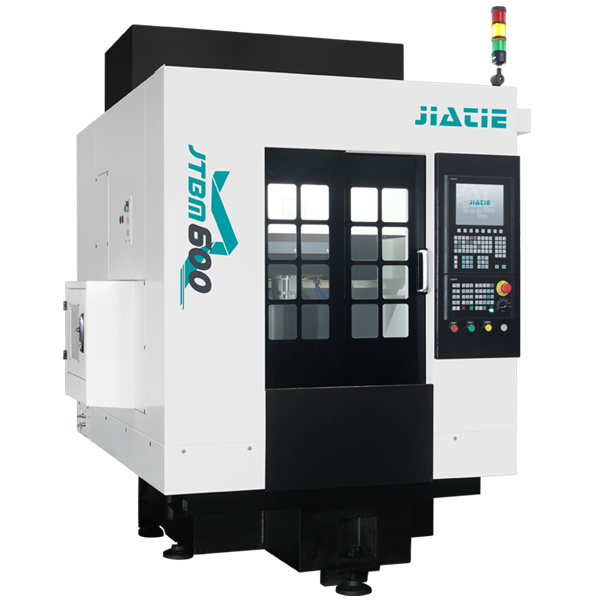
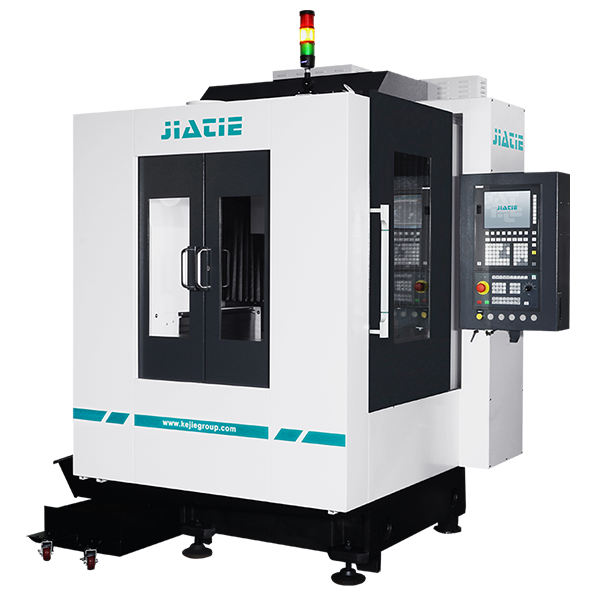
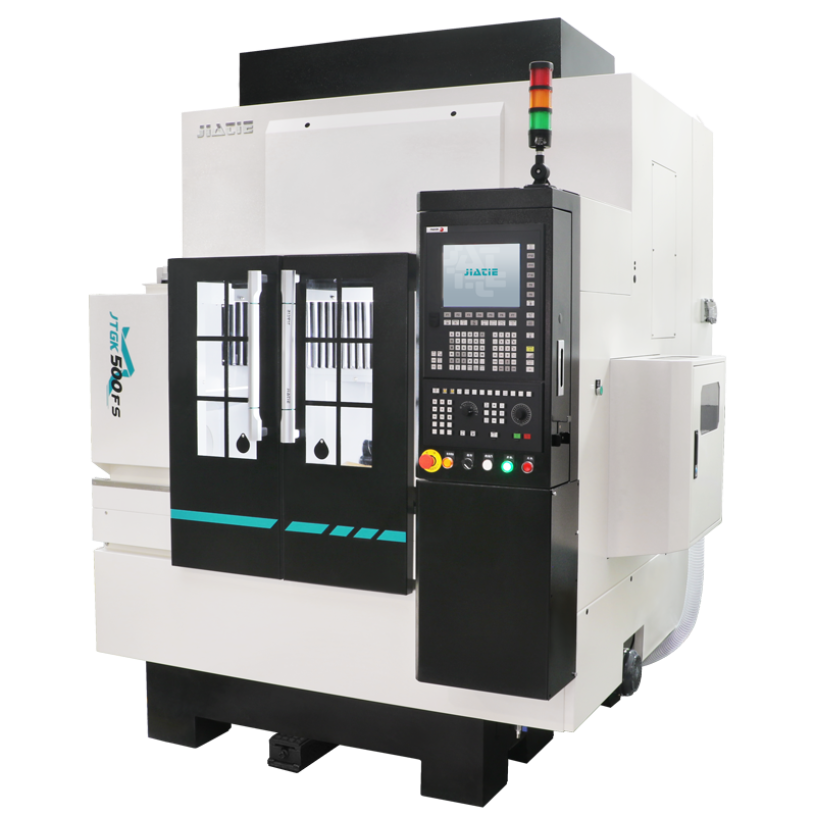
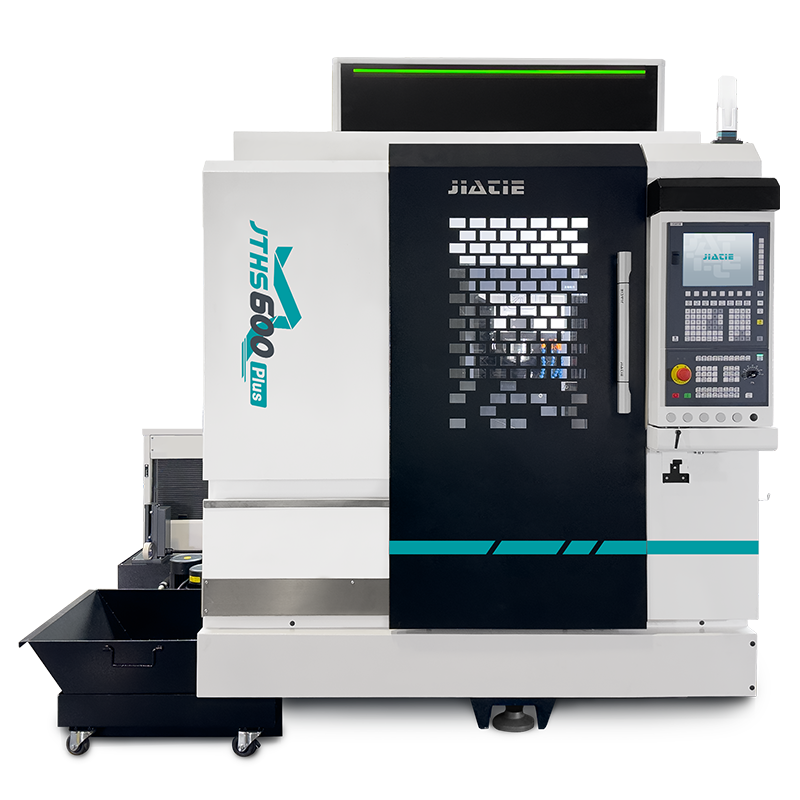
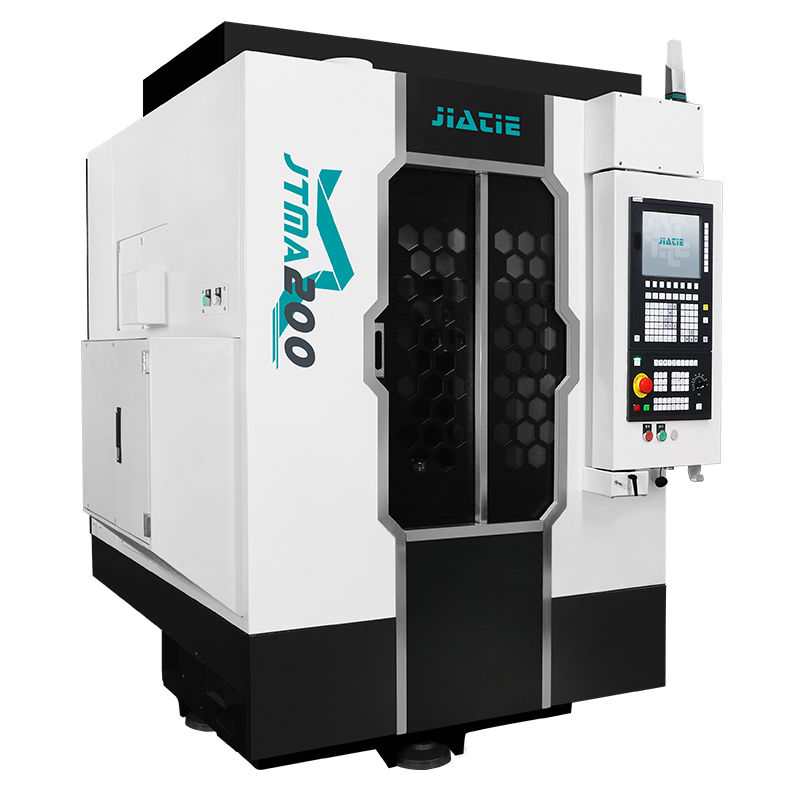
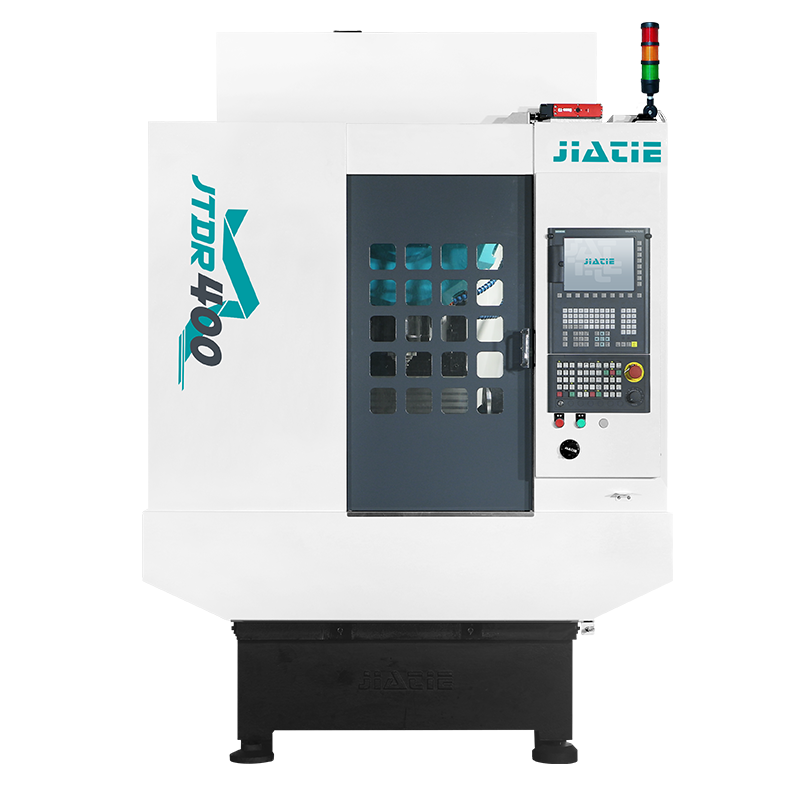
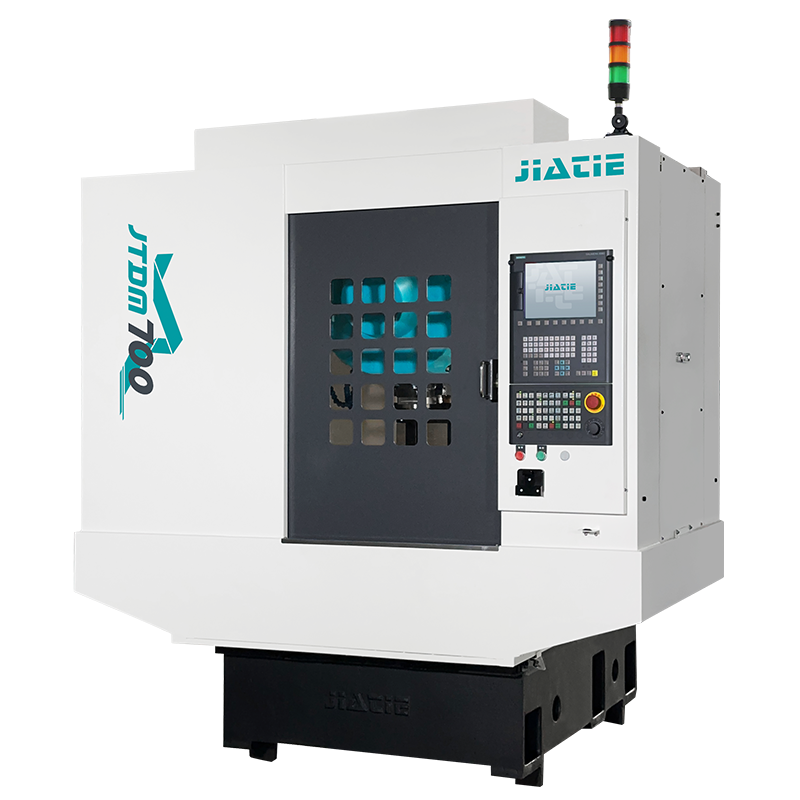
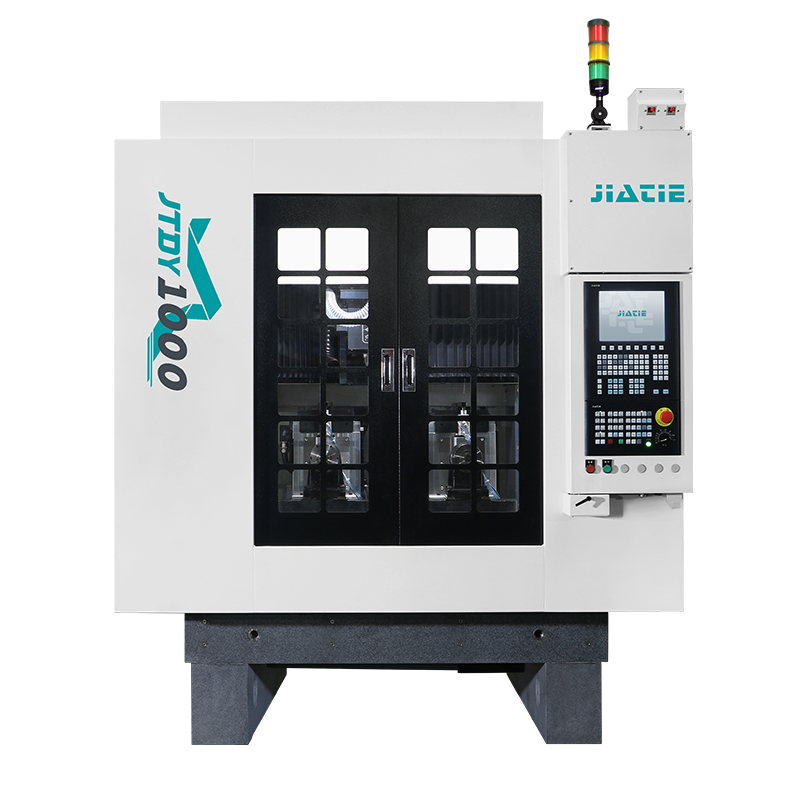
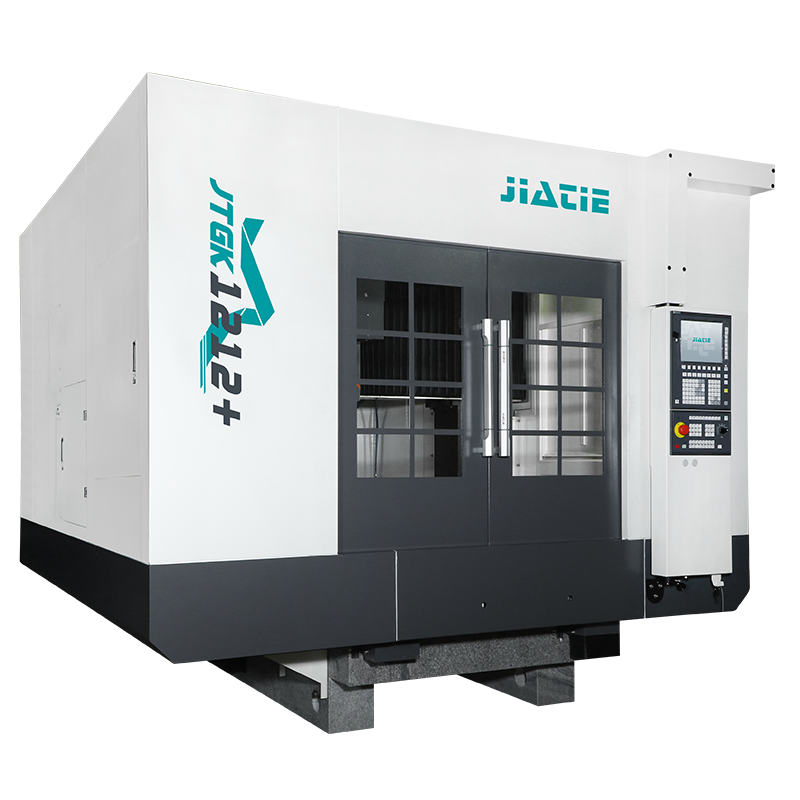
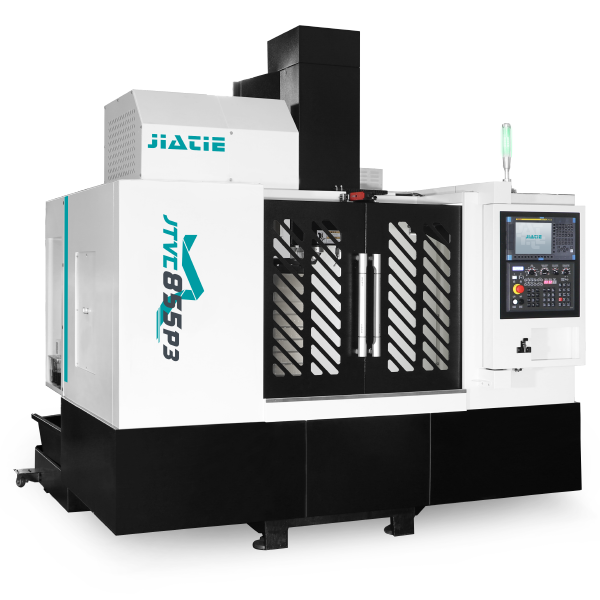
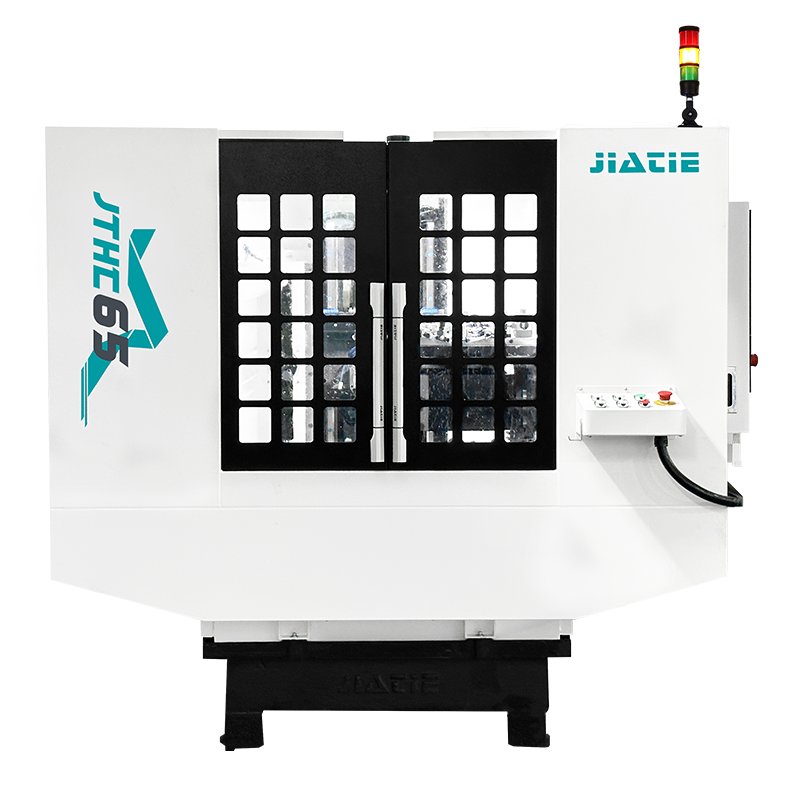
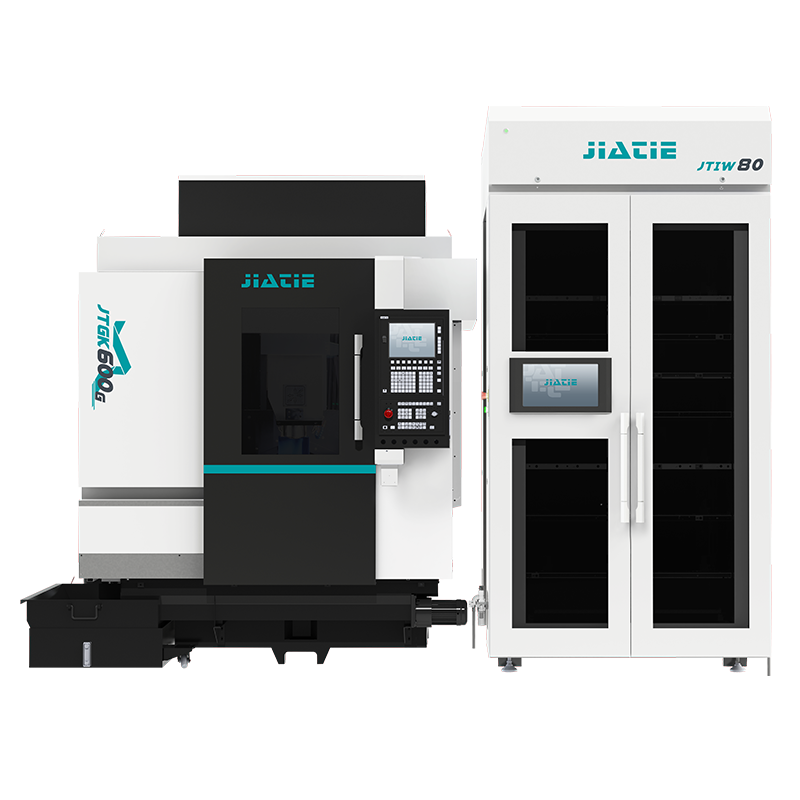
The manufacturing world has been revolutionized by CNC machining, and among the most advanced machines available today is the 5 axis CNC Machining Center. With its ability to move cutting tools along five different axes simultaneously, it opens up possibilities for precision, efficiency, and complexity that traditional 3-axis machines simply cannot achieve. Understanding how a 5 axis CNC machine works is essential for engineers, machinists, and manufacturers aiming to produce intricate components efficiently.
What Is 5 Axis Machining?
5 axis machining is a process where a cutting tool can move along five axes simultaneously: the traditional X, Y, and Z linear axes, plus two additional rotational axes (usually labeled A and B). This capability allows the tool or workpiece to tilt, rotate, and approach the material from virtually any angle.
Compared to conventional 3-axis machining, 5 axis machining offers several advantages:
Machining of complex surfaces and undercuts in a single setup
Reduced setup time and improved accuracy
Superior surface finishes due to optimized cutting angles
Higher efficiency in manufacturing aerospace, medical, automotive, and energy components
In essence, a five axis Machining Center combines flexibility, precision, and speed to handle parts that would be impossible or inefficient to produce on simpler machines.
Components of a 5 Axis CNC Machine
A 5 axis CNC Machining Center includes several critical components that enable its advanced capabilities:
1. High Rigidity Main Structure
The main frame of a 5 axis machining center is designed for high rigidity, providing stability and precision during heavy-duty machining. This ensures consistent cutting performance even at high speeds and reduces vibration that can affect surface quality.
2. Linear Axes (X, Y, Z)
Like all CNC machines, a 5 axis Vertical Machining Center has X, Y, and Z linear axes for horizontal and vertical movements. The specified travel for many high-end machines is X/Y/Z travel of 550/500/550mm, which allows machining of moderately large workpieces with high precision.
3. Rotational Axes (A and B)
The two additional rotational axes give the machine its multi-axis capability. These axes allow the tool or workpiece to tilt and rotate, enabling access to sloped surfaces, undercuts, and intricate contours without repositioning the part.
4. Rotary Milling Table
A rotary milling table is often employed to hold and rotate the workpiece precisely. Equipped with a large torque DD direct drive rotary table, these systems provide fast positioning, high precision, and reduced auxiliary processing time. By integrating rotation with linear movements, the table allows for machining from multiple angles in a single setup.
5. Spindle
The spindle is the heart of the machine. On advanced 5 axis milling centers, the high rigidity interface spindle allows for higher cutting performance and improved surface quality. The spindle's precision and rigidity are critical for producing smooth, accurate surfaces, particularly in aerospace or mold-making applications.
6. Automatic Tool Changer
Modern five axis machining centers often include an automatic tool changer, capable of loading a large number of tools quickly. This feature reduces downtime, increases efficiency, and allows the machine to handle complex multi-tool operations without manual intervention.
7. Fully Enclosed Compact Design
The machine is typically housed in a fully enclosed compact external protection design, enhancing safety, keeping chips contained, and shortening the operator’s distance to the controls. The compact design, combined with a large machining area, allows for easy chip removal and reduces cleaning and maintenance frequency.
8. CNC Control System
The independently developed CNC system is both powerful and reliable, capable of coordinating all five axes simultaneously. It interprets CAM-generated tool paths and adjusts feed rate, spindle speed, and axis movements to ensure precision and efficiency.
How a 5 Axis CNC Machine Works
The operation of a 5 axis vertical machining center involves the coordinated movement of all five axes. Here’s a step-by-step explanation:
Step 1: Programming
The part is designed using CAD software, and CAM software generates tool paths for all five axes. The program includes spindle speed, feed rate, and orientation adjustments to optimize cutting efficiency.
Step 2: Setup
The workpiece is mounted on the rotary milling table or fixture. Proper alignment ensures the rotational axes can reach all surfaces without collision. The table may also allow rotation and tilting to access sloped or undercut surfaces.
Step 3: Machining
During operation, the spindle moves along X, Y, and Z axes while the rotary table and tilting head adjust the A and B axes. This synchronized motion allows the cutting tool to approach the material at the ideal angle, producing complex shapes in a single setup.
Step 4: Automatic Tool Changes
The automatic tool changer ensures that different tools can be swapped efficiently for roughing, finishing, and contouring operations. This minimizes human intervention and keeps the process running smoothly.
Step 5: Chip Management
The machine’s large machining area and sloped design facilitate direct chip removal, preventing accumulation and reducing cleaning and maintenance frequency.
Step 6: Finishing
After roughing and finishing passes, the high rigidity spindle ensures a smooth surface finish, while the multi-axis movements allow precise detailing on intricate contours, undercuts, and curved surfaces.
Key Specifications
For a typical 5 axis machining center, specifications might include:
X/Y/Z travel: 550/500/550 mm
Max workpiece diameter: φ550 mm
Max workpiece height: 660 mm
Max load of worktable: 150 kg
Machine net dimension: 2100×2600×3140 mm
Machine net weight: 4800 kg
These dimensions and load capacities make it suitable for small to medium-size complex components, offering high precision and stability.
Advantages of 5 Axis Machining
High Precision: The high rigidity main structure ensures stable and accurate machining.
Efficiency: Multi-axis operations reduce setups and auxiliary processing time.
Flexibility: The rotary milling table and rotational axes allow machining of complex geometries in a single setup.
Tool Capacity: Automatic tool changers support multiple tools for sequential operations.
Better Surface Quality: The high rigidity spindle and optimized tool paths produce superior finishes.
Ease of Operation: Fully enclosed design and user-friendly human-machine interface simplify operation.
Applications
5 axis CNC machining centers are used in:
Aerospace: Turbine blades, complex airframe components
Medical: Surgical implants, dental prosthetics
Automotive: Engine parts, molds, and die-cast components
Energy: Pump impellers, turbine rotors
Mold Making: Complex molds for plastics and metals
In all these applications, the ability to machine complex parts in a single setup reduces error, improves surface quality, and increases productivity.
Tips for Optimizing 5 Axis CNC Machining
Use CAM software that fully supports 5 axis machining to avoid collisions
Properly secure the workpiece on the rotary milling table
Regularly maintain the high rigidity spindle and rotary axes
Monitor chip evacuation to prevent accumulation and wear
Calibrate axes to maintain precision and repeatability
Conclusion
A 5 axis CNC machining center combines the precision of linear axes with the flexibility of rotational movement, making it ideal for complex parts with curved surfaces, undercuts, or sloped features. Whether you’re using a 5 axis vertical machining center, a 5 axis milling center, or a five axis machining center, the integration of a rotary milling table, high-rigidity spindle, automatic tool changer, and fully enclosed design provides unmatched efficiency, accuracy, and surface quality.
Understanding what is 5 axis machining and how a 5 axis CNC machine works allows manufacturers to harness its full potential, producing high-precision components across aerospace, automotive, medical, and energy industries. With careful setup, programming, and maintenance, a 5 axis machining center can deliver consistent results, reduce processing time, and significantly improve overall productivity.