

1. What Is High Speed Machining?
High Speed Machining (HSM) refers to an advanced CNC manufacturing process that achieves higher productivity, superior surface quality, and greater precision by using high spindle speeds, fast feed rates, and shallow cutting depths. As modern manufacturing demands continue to grow, high speed machining has become a key technology in industries such as mold making, aerospace, automotive parts, and precision electronics.
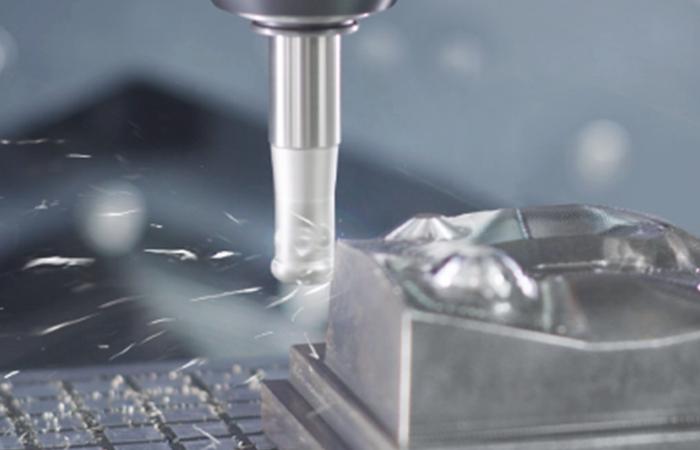
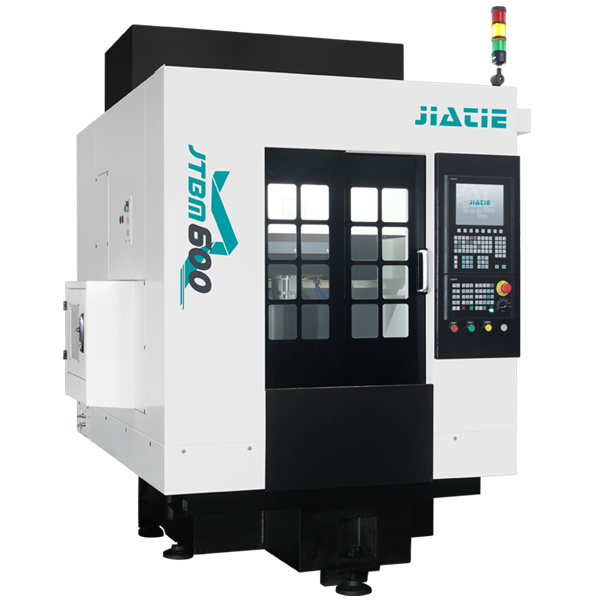
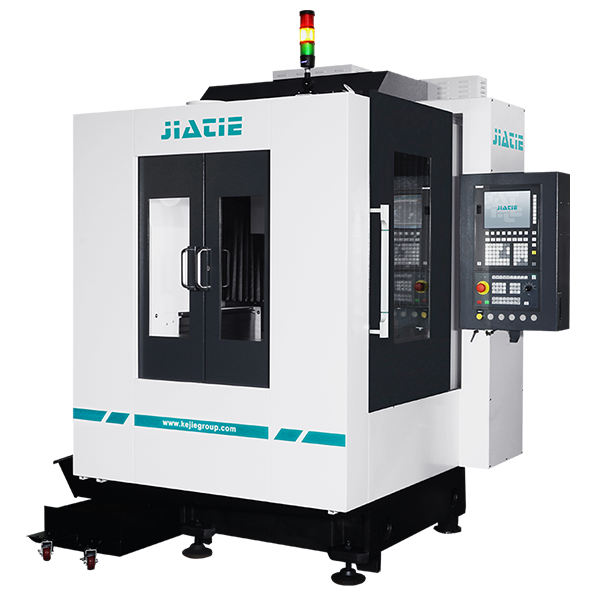
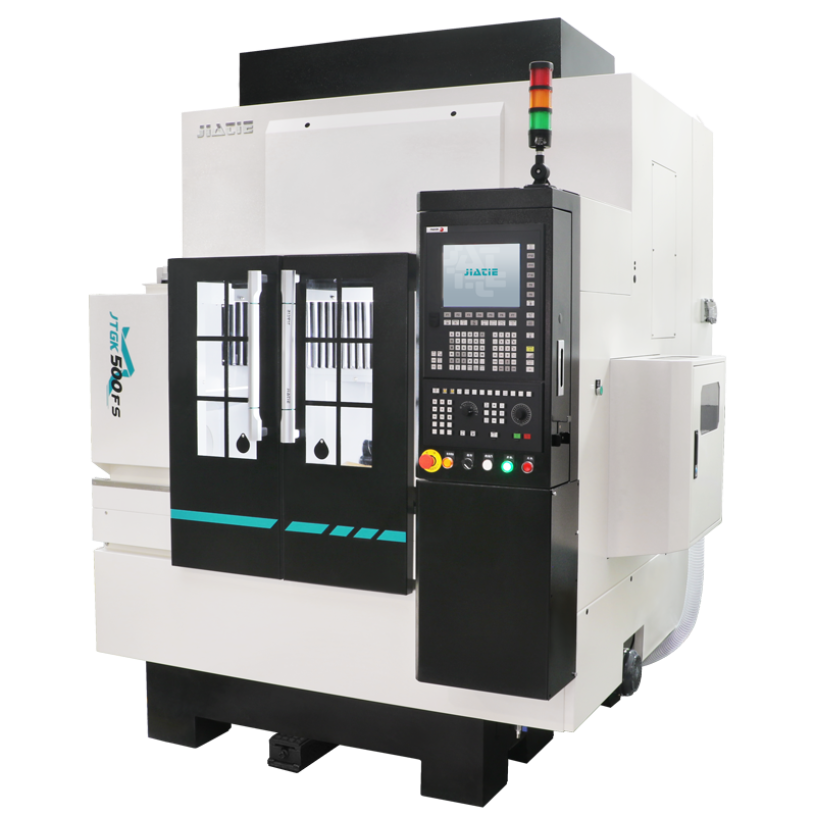
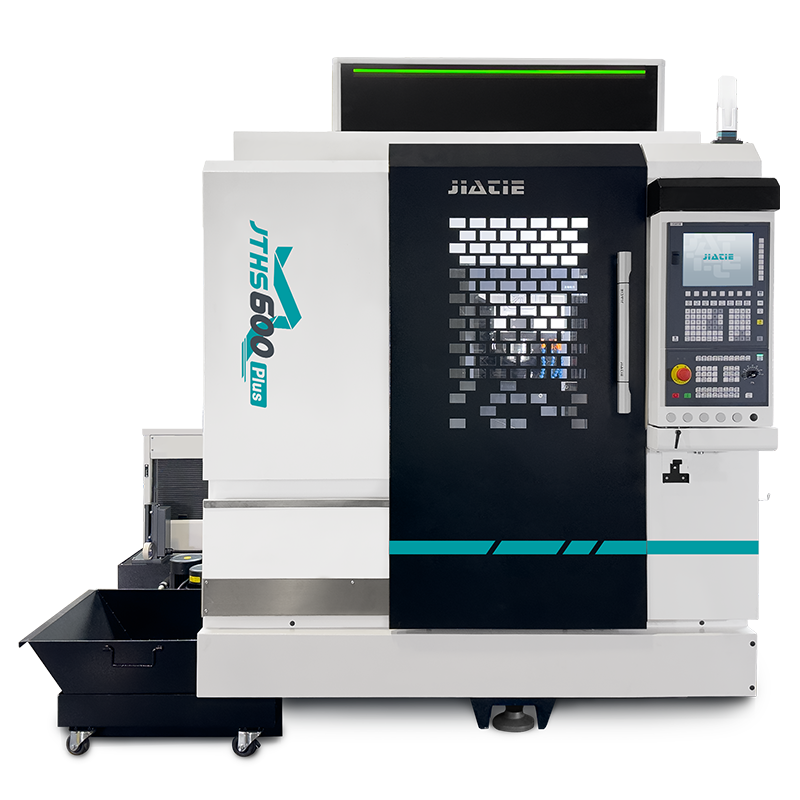
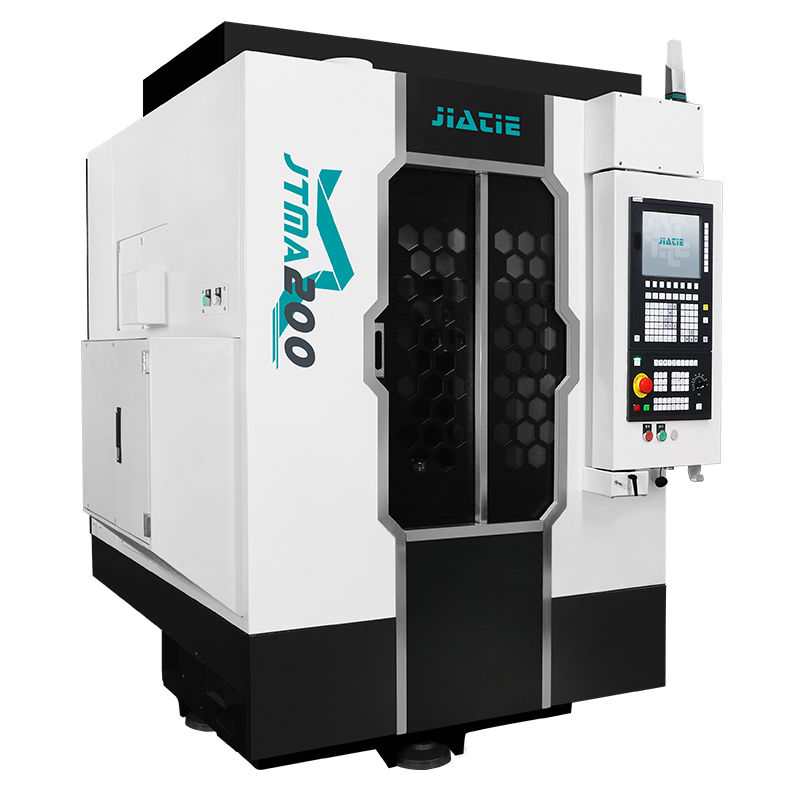
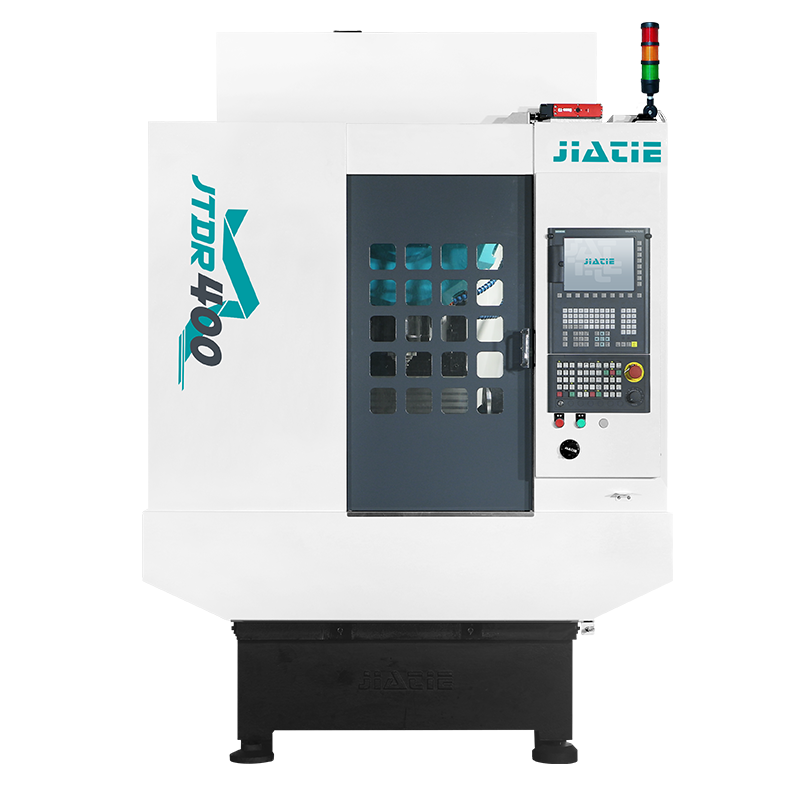
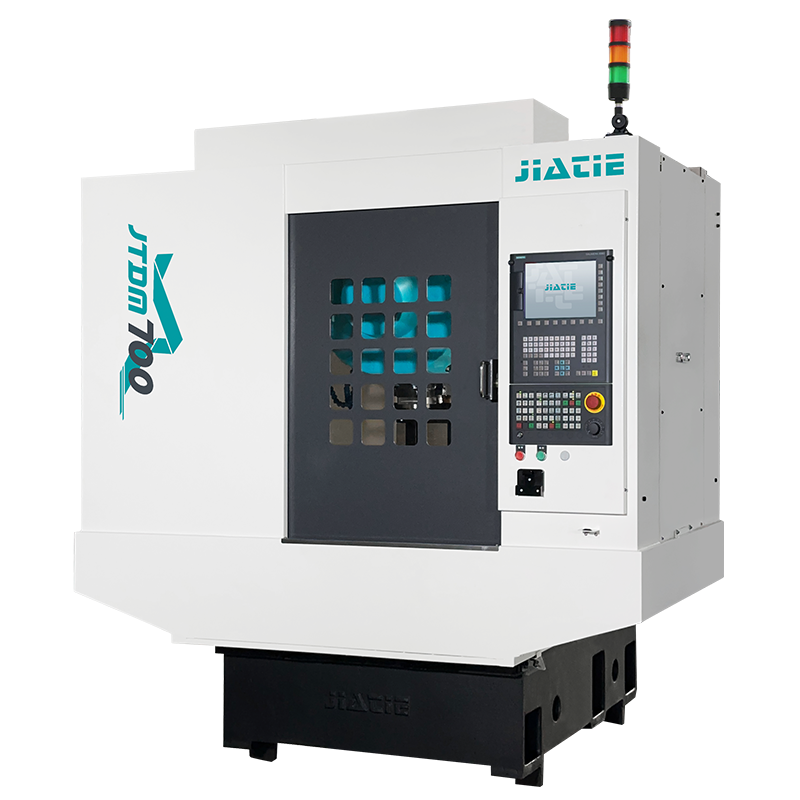
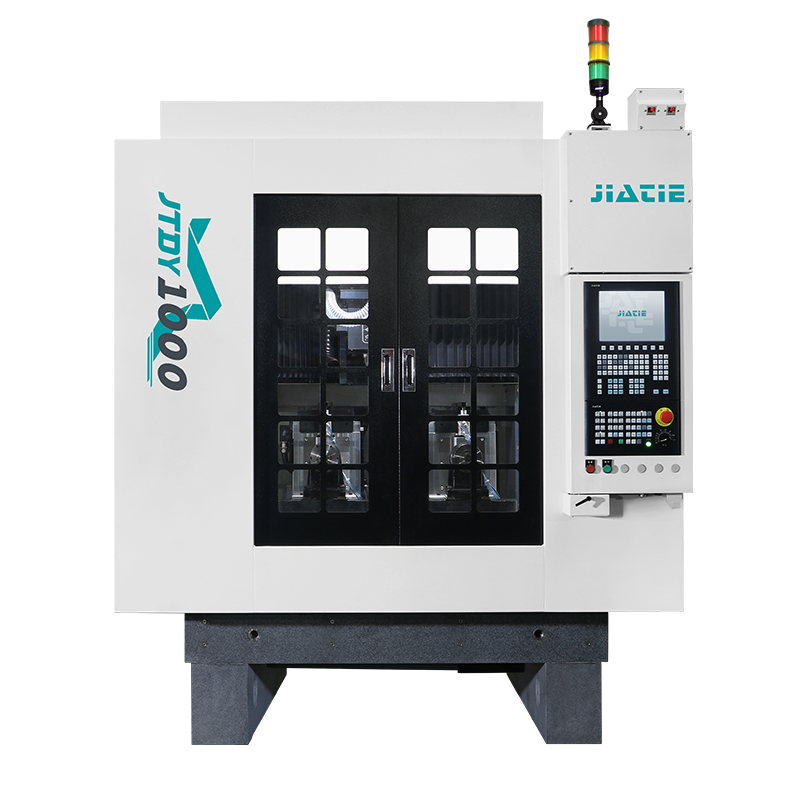
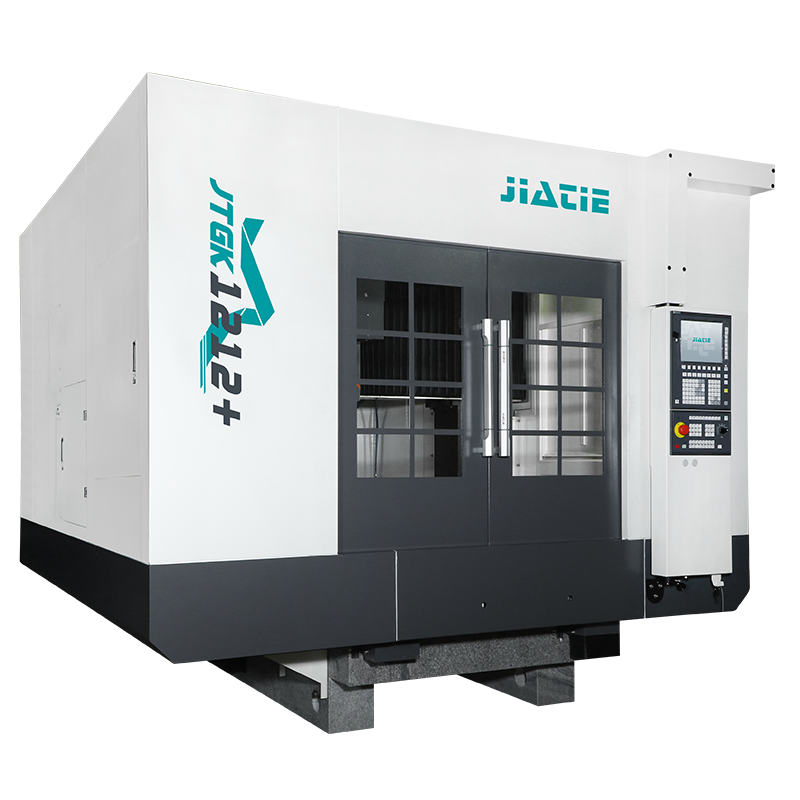
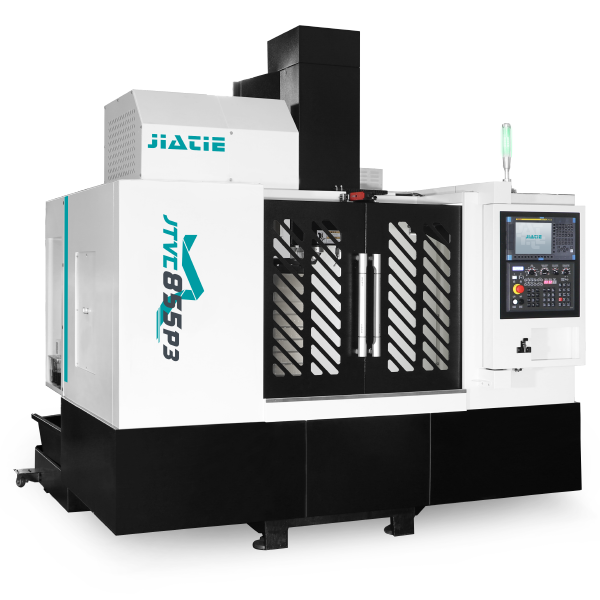
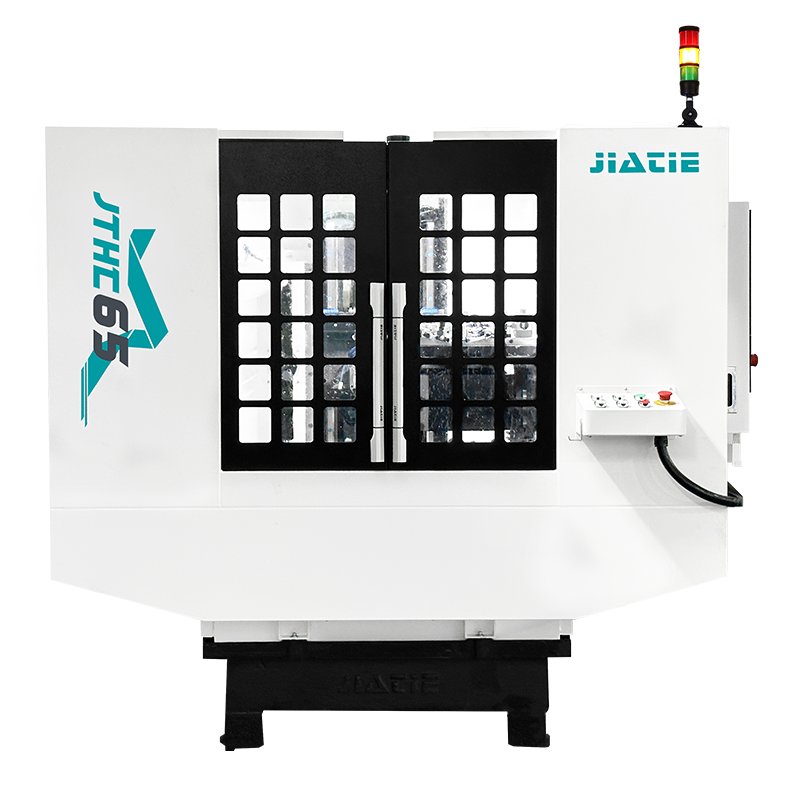
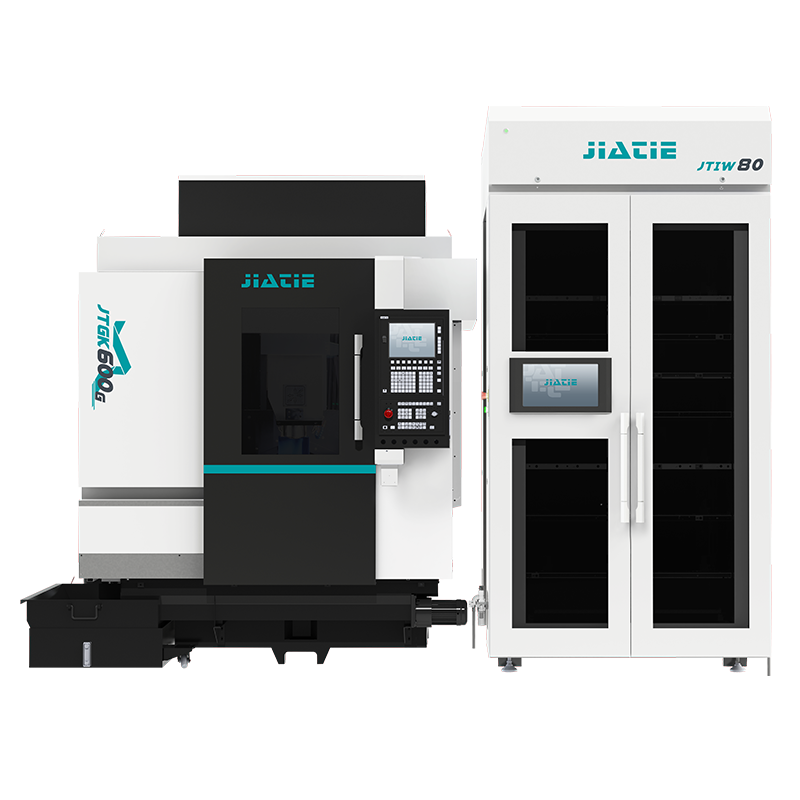
In practice, high speed machining relies on advanced equipment such as a CNC High Speed Machine or a high speed CNC center. These machines are typically equipped with a New generation CNC control system, ensuring stable, accurate, and efficient machining even under high-speed operating conditions.
2. Difference Between High Speed Machining and Conventional CNC Machining
Compared with traditional nc machine tool systems, high speed machining offers several significant advantages:
Higher Spindle Speed
A high speed CNC milling machine usually operates at spindle speeds of 15,000–30,000 RPM or higher, enabling smoother and more efficient material removal.
Faster Feed Rates
Increased feed speeds significantly reduce cycle time and improve overall productivity.
Lower Cutting Forces
Shallow depth of cut minimizes tool load and workpiece deformation.
Superior Accuracy and Surface Finish
Ideal for precision molds, complex contours, and fine surface requirements.
As a result, the high speed CNC milling machine has become a preferred solution in high-end manufacturing applications.
3. Core Technologies Behind High Speed CNC Machining
3.1 New Generation CNC Control System
A New generation CNC control system is essential for high speed machining. It enables high-speed interpolation, advanced look-ahead functions, and vibration suppression, ensuring smooth tool paths and precise motion control at high speeds.
3.2 Temperature Control Technology
Thermal deformation is a major challenge in high-speed operations. With advanced Temperature control technology, long-term accuracy is stable, including spindle cooling, ball screw temperature compensation, and thermal balance design, machining accuracy remains consistent during long production runs.
3.3 High-Rigidity Machine Structure
A New structure design improves machine rigidity, stable and reliable. Heavy-duty cast iron beds, reinforced columns, and wide linear guideways effectively reduce vibration and enhance machining stability during high-speed cutting.
4. Key Specifications of a High Speed CNC Machine
Below are typical technical specifications of a modern CNC High Speed Machine, designed for precision mold and component machining:
X/Y/Z travel: 600 / 500 / 300 mm
Work table dimension: 680 × 500 mm
Max workpiece height: 330 mm
Max load of worktable: 300 kg
Machine net dimension: 2160 × 2270 × 2480 mm
Machine net weight: 7000 kg
This configuration provides an excellent balance between high-speed performance, rigidity, and load capacity.
5. High Speed CNC Milling and Routing Applications
5.1 High Speed CNC Milling Machine
A high speed CNC milling machine is widely used in:
Precision mold manufacturing
Aerospace structural components
Automotive parts
Medical device components
Well-known brands such as the Makino CNC mill are recognized globally for outstanding dynamic performance and ultra-high machining accuracy.
5.2 High Speed CNC Router
A high speed CNC router is ideal for:
Aluminum panels
Graphite electrodes
Composite materials
Thin-wall parts
Its high spindle speed and small cutting tools enable excellent surface finishes and fine-detail machining.
6. Advantages of 5 Axis High Speed Machining
As part geometries become more complex, high speed 5 axis CNC milling machine solutions and 5 axis high speed machining technologies are increasingly adopted.
6.1 Key Benefits of 5 Axis High Speed CNC Machining
Complete multi-face machining in a single setup
Reduced repositioning errors
Improved surface quality on complex geometries
Shorter overall machining time
6.2 Typical Applications
Aircraft engine blades
Automotive molds
Medical implants
High-end consumer electronics tooling
5 axis high speed CNC machining has become an essential solution for advanced manufacturing.
7. Industry Applications of High Speed Machining
High speed machining plays a critical role across multiple industries:
Mold Manufacturing: Reduces polishing time and improves surface quality
Automotive Industry: Enhances efficiency and consistency of parts production
Aerospace Industry: Enables machining of high-strength alloys and complex structures
Electronics & Communication: Meets high-precision and miniaturization requirements
Thanks to its high efficiency and reliability, the high speed CNC center is now a core component of modern smart manufacturing systems.
8. Conclusion
In summary, High Speed Machining represents the future direction of CNC manufacturing. By combining a CNC High Speed Machine, a new generation CNC control system, advanced temperature control technology, and high-rigidity structural design, manufacturers can achieve outstanding improvements in efficiency, precision, and reliability.
Whether using a traditional 3-axis system or an advanced high speed 5 axis CNC milling machine, high speed machining continues to drive the manufacturing industry toward higher performance, greater Automation, and smarter production.