

Choosing the right CNC Machining Center is one of the most critical investment decisions for modern manufacturing enterprises. Whether you are expanding production capacity, upgrading equipment, or entering high-precision machining markets, the performance of your Machining Center will directly affect productivity, accuracy, operating cost, and long-term competitiveness.
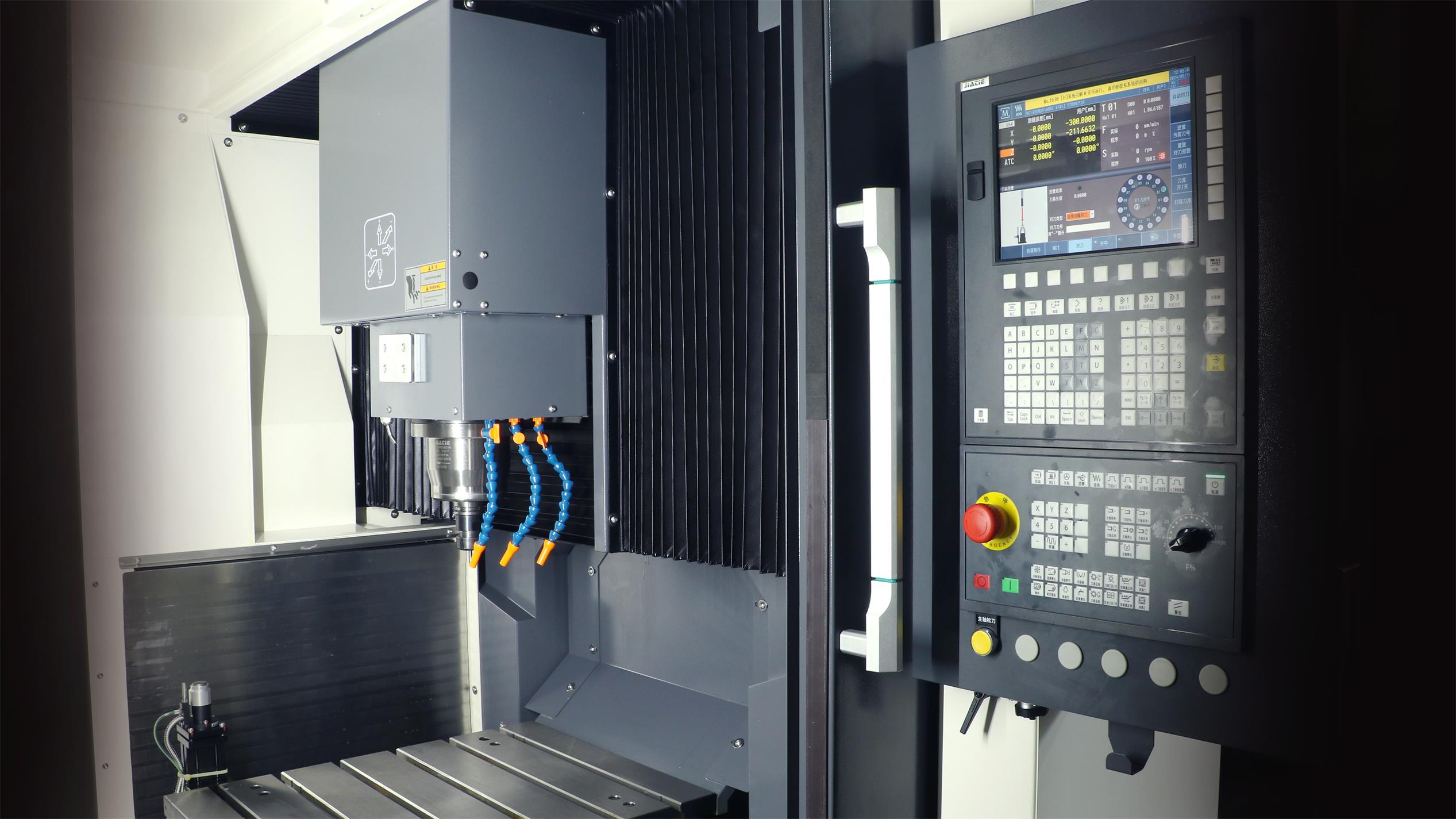
With so many options available—such as vertical CNC machines, 4 axis CNC Machining Centers, 5 axis CNC machining centers, and hybrid solutions like CNC engraving and milling machines—buyers often face challenges in selecting the most suitable configuration.
1. What Is a CNC Machining Center?
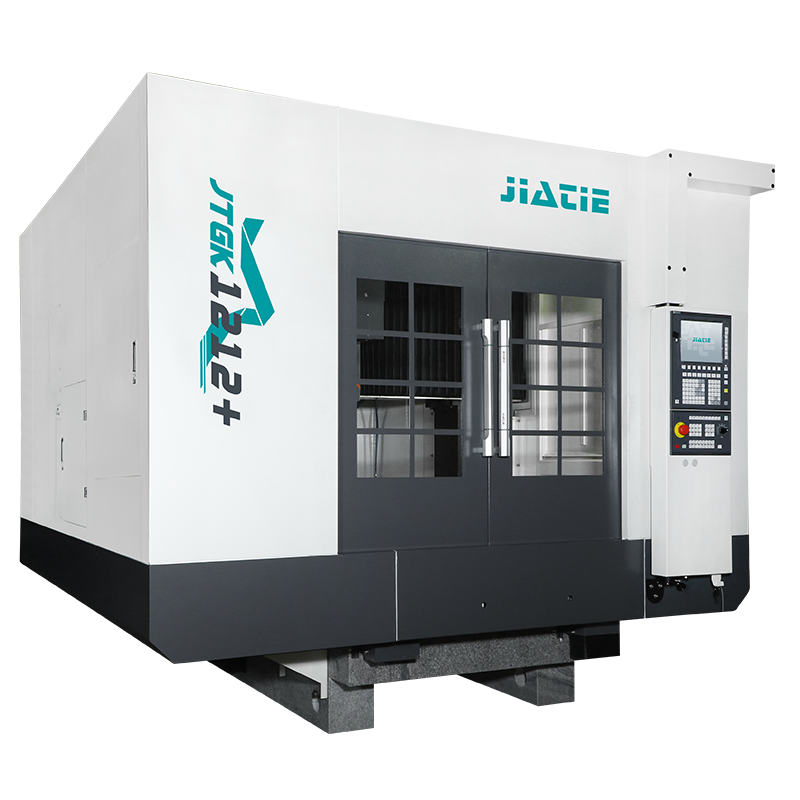
A CNC machining center is a computer-controlled machine tool capable of performing multiple machining operations—such as milling, drilling, tapping, and boring—within a single setup. Compared to conventional milling machines, a machining center integrates an automatic tool changer, enclosed structure, and advanced CNC control system.
Common categories include:
Horizontal machining center
4 axis CNC machining center
5 axis CNC machining center
CNC milling center
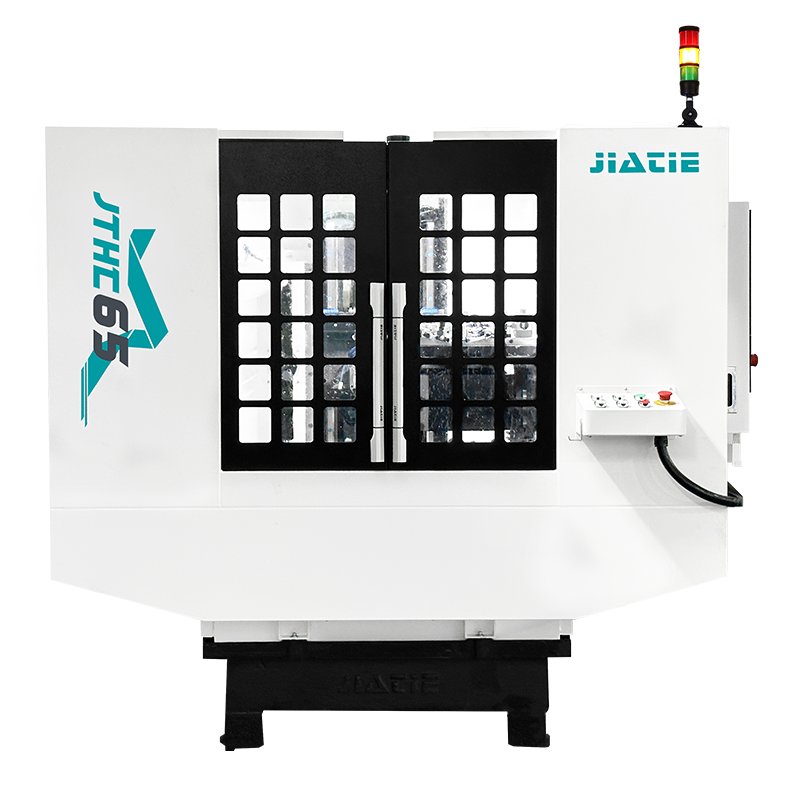
CNC engraving and milling machine
Each type is designed for different levels of complexity, precision, and production efficiency.
2. Define Your Production Requirements First
Before comparing machine models or suppliers, buyers must clearly define their production requirements. A CNC machining center should not be selected solely based on price or advertised specifications.
Key questions to consider:
What materials will be machined (aluminum, steel, stainless steel, graphite)?
What is the typical workpiece size and weight?
Is high-speed machining or heavy cutting more important?
Do you require multi-axis machining for complex geometries?
Is mass production or flexible small-batch production the priority?
Answering these questions helps narrow the choice between a CNC vertical machining center, a CNC milling center, or a more advanced 5 axis CNC machining center.
3. Vertical CNC Machine vs Other Machining Centers
Why Vertical CNC Machines Are Widely Used
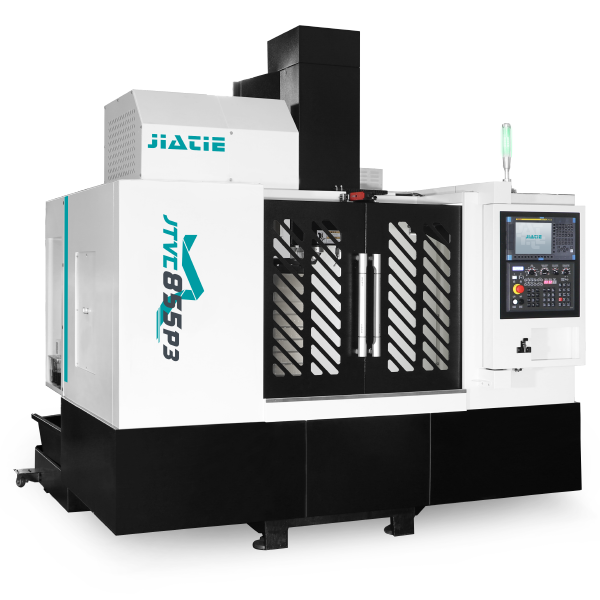
A vertical CNC machine is the most commonly used machining center in general manufacturing. The vertical spindle layout offers:
Easier programming and setup
Lower equipment cost compared to horizontal or 5-axis machines
Better visibility during operation
High versatility for milling, drilling, and tapping
For most factories, a CNC vertical machining center provides the best balance between cost, performance, and flexibility.
When to Consider Other Configurations
4 axis CNC machining center: Suitable for machining multiple sides of a part without re-clamping.
5 axis CNC machining center: Ideal for aerospace, medical, and mold industries where complex contours and high precision are required.
CNC engraving and milling machine: Often used for fine detailing, molds, electrodes, and light-duty precision work.
4. Accuracy, Speed, and Rigidity: Core Performance Indicators
When evaluating a CNC machining center, three technical factors determine real machining quality:
High Accuracy
Accuracy affects part tolerance, surface finish, and repeatability. High-precision machines use:
Rigid machine structures
Precision ball screws and linear guides
High-quality servo systems
Fast Speed
High spindle speed and rapid feed rates improve productivity, especially for aluminum and high-speed milling applications. A CNC milling center with a high-speed spindle can significantly reduce cycle time.
High Rigidity
Rigidity ensures stability during heavy cutting. Machines with box-type structures and reinforced frames maintain accuracy under load and reduce vibration.
5. Importance of Machine Structure Design
Machine structure design directly influences long-term stability and performance.
Modern CNC machining centers often feature:
Box-type column or Z-axis structures
Optimized rib reinforcement
Symmetrical load-bearing design
A box-type Z-axis structure improves dynamic performance, especially during rapid acceleration and deceleration. This design is particularly beneficial for precision mold machining and high-speed milling operations.
6. Tool Magazine and Automation Capability
An automatic tool changer is a defining feature of a machining center.
Tool Magazine Types
Circular type tool magazine
Chain type tool magazine
Servo-driven fast tool magazine
A servo-type fast tool magazine ensures reliable and quick tool changes, reducing idle time and improving overall efficiency. For B2B buyers focused on productivity, tool change speed is a key metric when comparing a CNC vertical machining center or CNC milling center.
7. Axis Travel and Worktable Capacity
Machine size must match your typical workpiece dimensions.
Key parameters to evaluate include:
X/Y/Z travel range
Worktable dimensions
Maximum workpiece height
Maximum table load
Choosing a machine with insufficient travel or load capacity will limit production capability and increase setup complexity.
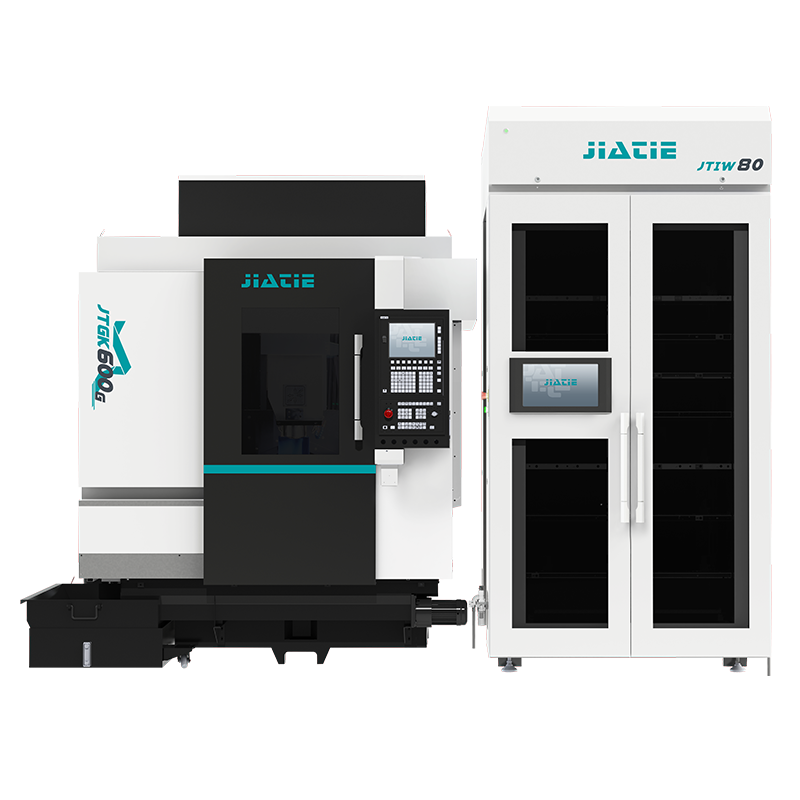
8. Case Reference: JTGK-600i Pro2 CNC Machining Center
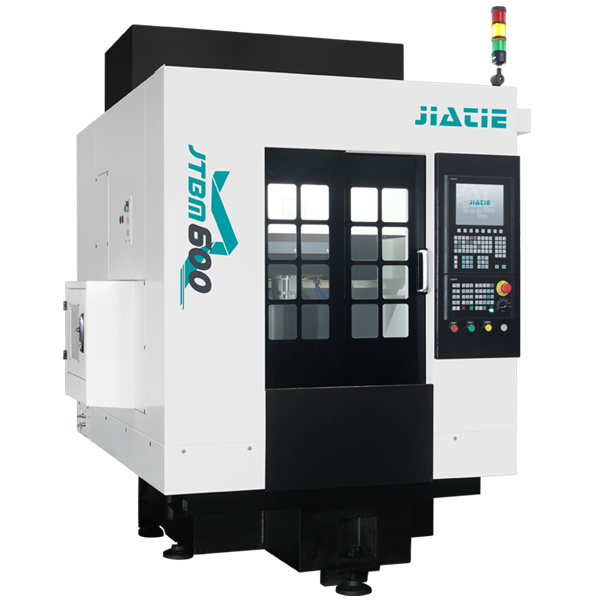
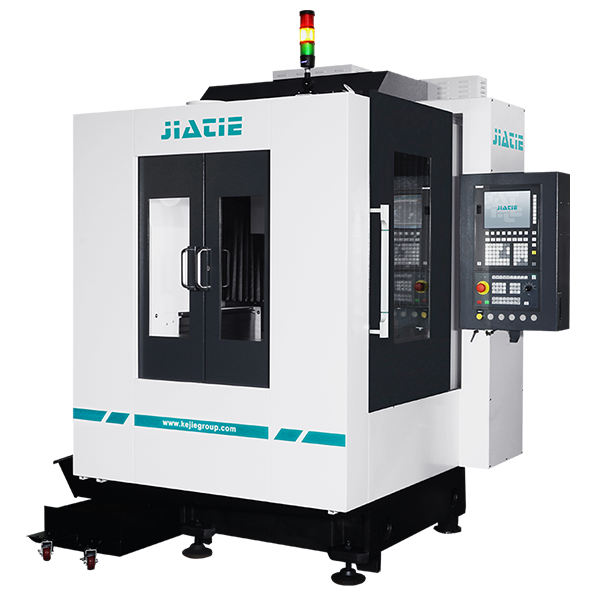
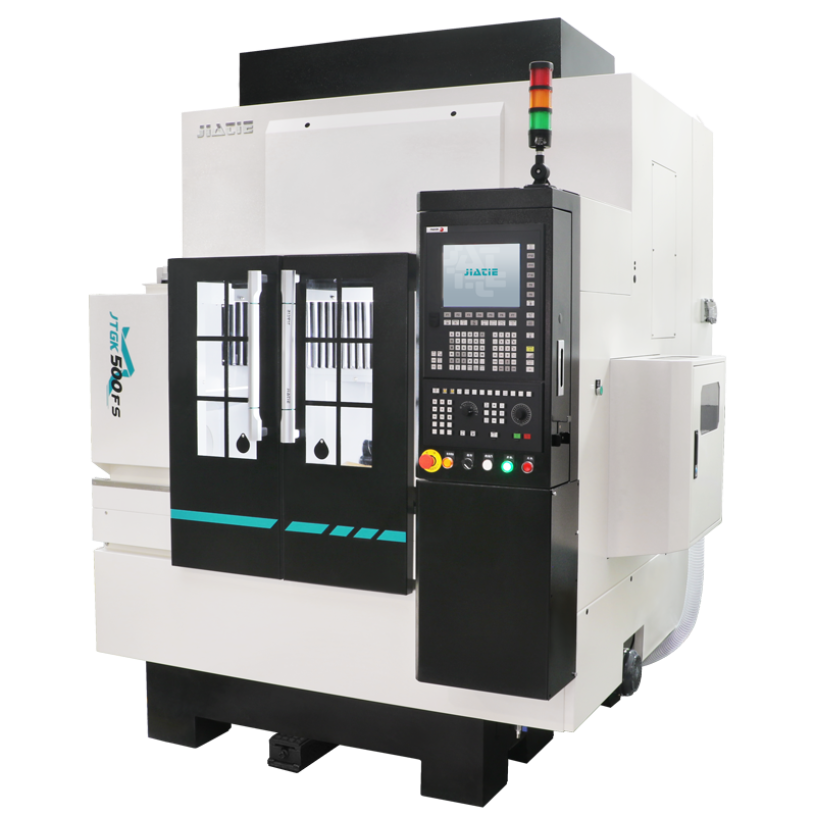
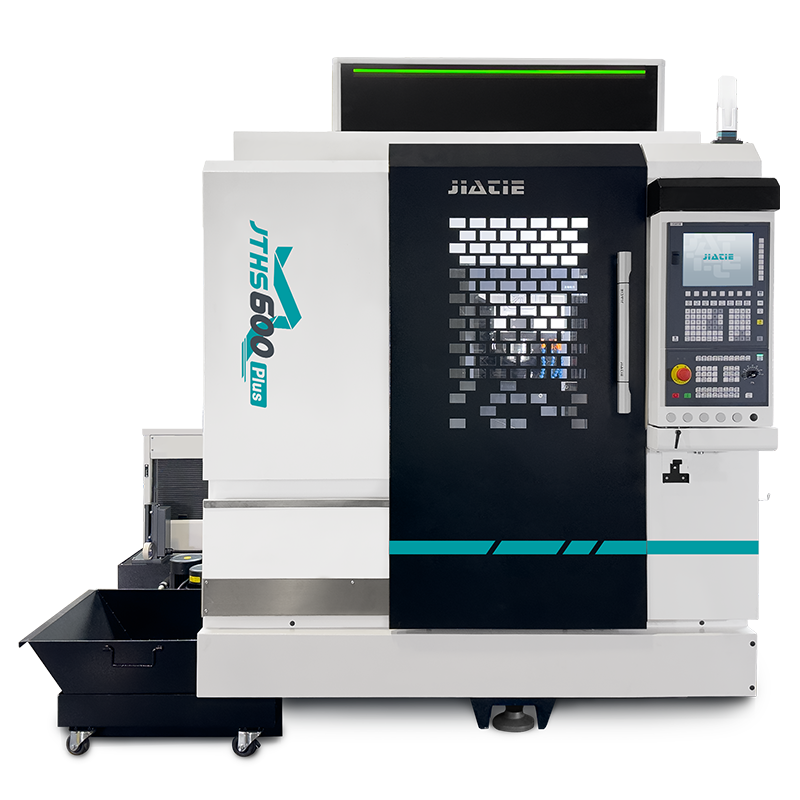
The JTGK-600i Pro2 CNC Machining Center is a representative example of a modern CNC vertical machining center designed for stability, accuracy, and efficiency.
Key Design Advantages
Brand new machine structure design
More stable and reliable performance
High accuracy, fast speed, and high rigidity
High-speed, high-accuracy spindle with excellent milling performance
Box-type Z-axis structure for superior dynamic behavior
High-end all-in-one outer design for reduced floor space
Humanized operation and management interface
Technical Specifications
X/Y/Z Travel: 500 / 600 / 300 mm
Worktable Dimension: 500 × 650 mm
Max Workpiece Height:
240 mm (Low column)
340 mm (High column)
Max Load of Worktable: 300 kg
Machine Dimensions
Chain Type Tool Magazine:
2150 × 2150 × 2430 mm
Circular Type Tool Magazine:
1970 × 2150 × 2430 mm
Machine Net Weight: 3300 kg
This configuration makes the JTGK-600i Pro2 suitable for mold making, precision parts, automotive components, and general industrial machining.
9. 4 Axis vs 5 Axis CNC Machining Center: How to Decide
4 Axis CNC Machining Center
Advantages:
Lower cost than 5-axis machines
Improved efficiency for multi-face machining
Suitable for prismatic parts and simple contours
5 Axis CNC Machining Center
Advantages:
Ability to machine complex surfaces in one setup
Reduced fixture cost
Higher precision for aerospace and medical parts
For most general manufacturing, a high-quality CNC vertical machining center or 4 axis CNC machining center offers better ROI than a full 5 axis CNC machining center.
10. CNC Machining Center vs CNC Engraving and Milling Machine
A CNC engraving and milling machine focuses on fine-detail machining, light cutting, and small components. In contrast, a CNC machining center is designed for heavier cutting, higher rigidity, and industrial-scale production.
For buyers producing molds, mechanical parts, or structural components, a full-featured CNC milling center is usually the better choice.
11. Floor Space, Operation, and Humanized Design
Modern factories value not only performance but also efficiency of layout and operation.
Key considerations include:
Compact footprint
Ergonomic control panel design
Easy maintenance access
Operator-friendly software interface
A high-end all-in-one design reduces floor area and improves workflow efficiency, especially in high-density production environments.
12. After-Sales Support and Supplier Reliability
For B2B buyers, machine performance is only part of the decision. Long-term support matters equally.
Evaluate suppliers based on:
Technical support capability
Spare parts availability
Training and documentation
Warranty and service response time
A reliable supplier ensures stable operation throughout the entire lifecycle of the CNC machining center.
13. Cost vs Value: Making the Right Investment
Rather than focusing solely on initial purchase price, buyers should evaluate:
Production efficiency gains
Reduction in setup time
Lower scrap rates
Long-term maintenance cost
Machine lifespan and stability
A well-designed CNC vertical machining center with high rigidity and accuracy often delivers better ROI than a cheaper, lower-quality alternative.
Conclusion
Choosing the right CNC machining center requires a clear understanding of production needs, technical specifications, and long-term operational goals. Whether selecting a vertical CNC machine, a 4 axis CNC machining center, or evaluating advanced 5 axis CNC machining centers, buyers should prioritize accuracy, rigidity, speed, and reliability.
Modern solutions like the JTGK-600i Pro2 CNC Machining Center demonstrate how advanced structure design, high-speed spindle performance, and humanized operation can significantly improve manufacturing efficiency.
By carefully evaluating machine structure, axis configuration, tooling system, and supplier support, manufacturers can confidently invest in a CNC milling center that delivers consistent quality, high productivity, and long-term value in today’s competitive industrial landscape.