

A Complete Guide to Vertical Machining Technology
In modern manufacturing, precision, efficiency, and Automation are essential for producing high-quality components. Among the most widely used machine tools today is the CNC vertical milling machine. Known for its versatility, ease of operation, and high accuracy, this machine plays a critical role in industries ranging from automotive and aerospace to mold making and general mechanical manufacturing.
1. What Is a CNC Vertical Milling Machine?
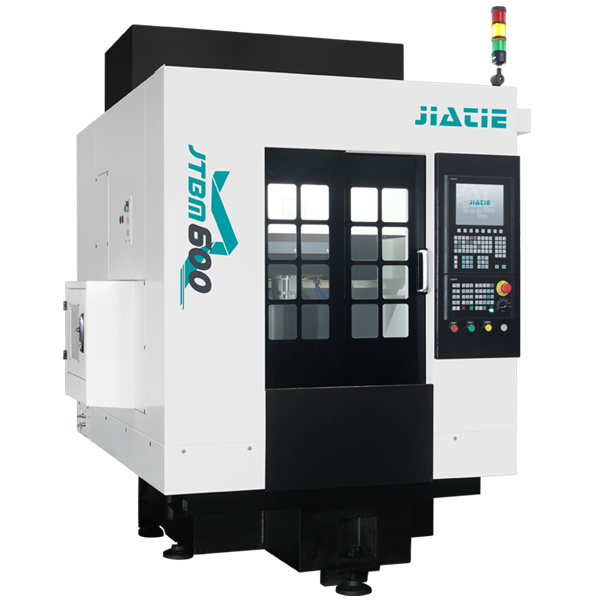
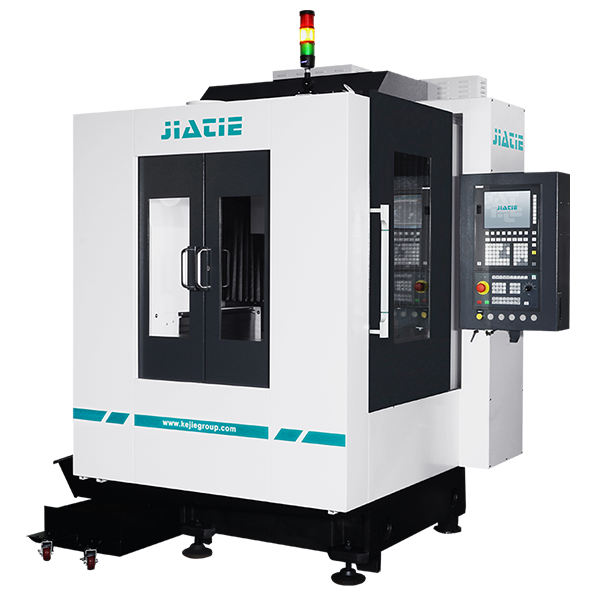
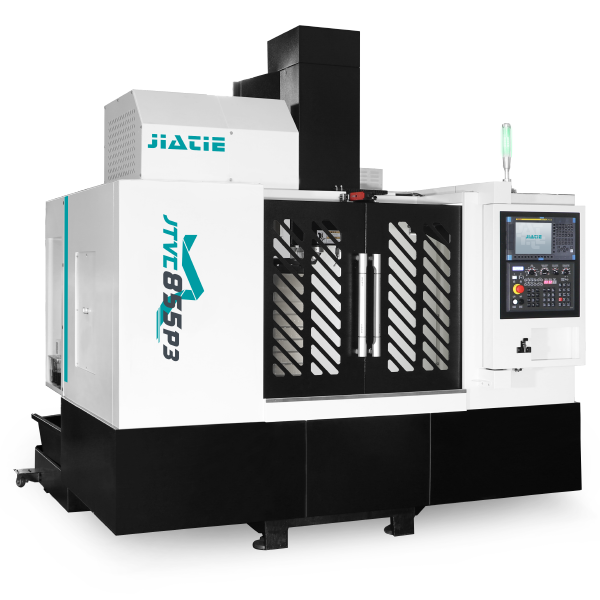
A CNC vertical milling machine is a computer-controlled machine tool in which the spindle is oriented vertically and used primarily for milling, drilling, tapping, boring, and surface finishing operations. CNC stands for Computer Numerical Control, meaning that the machine executes machining processes based on programmed instructions.
Unlike manual milling machines, CNC vertical milling machines offer:
Automated tool movement
High positional accuracy
Repeatable machining results
Reduced dependence on manual labor
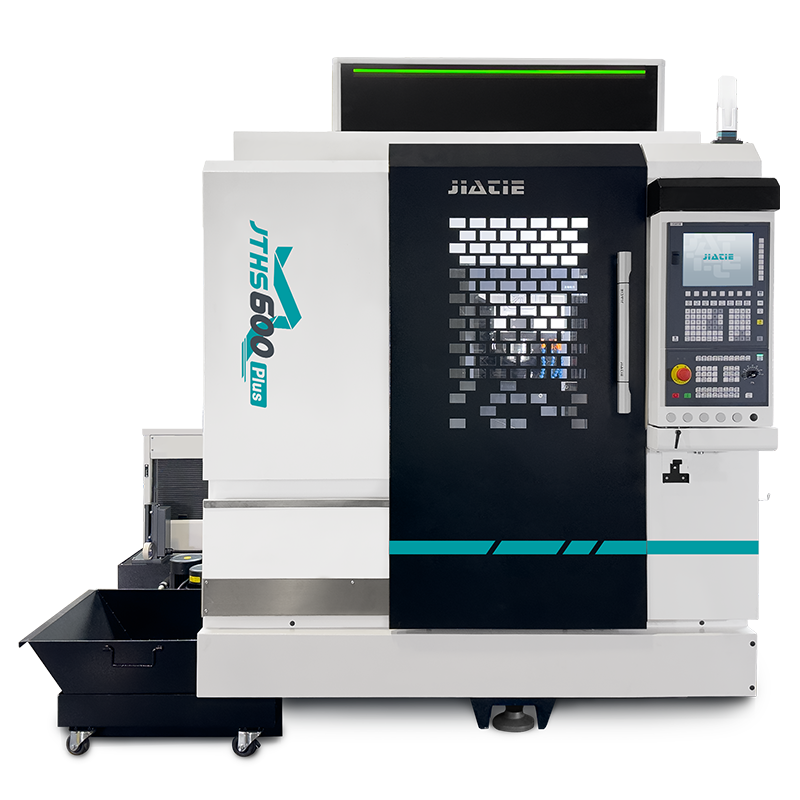
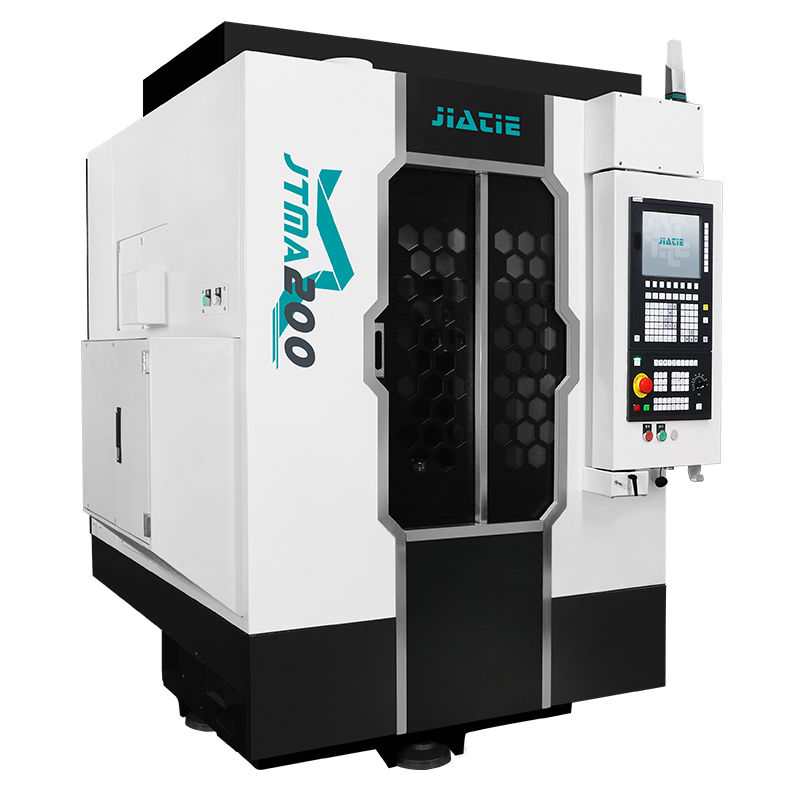
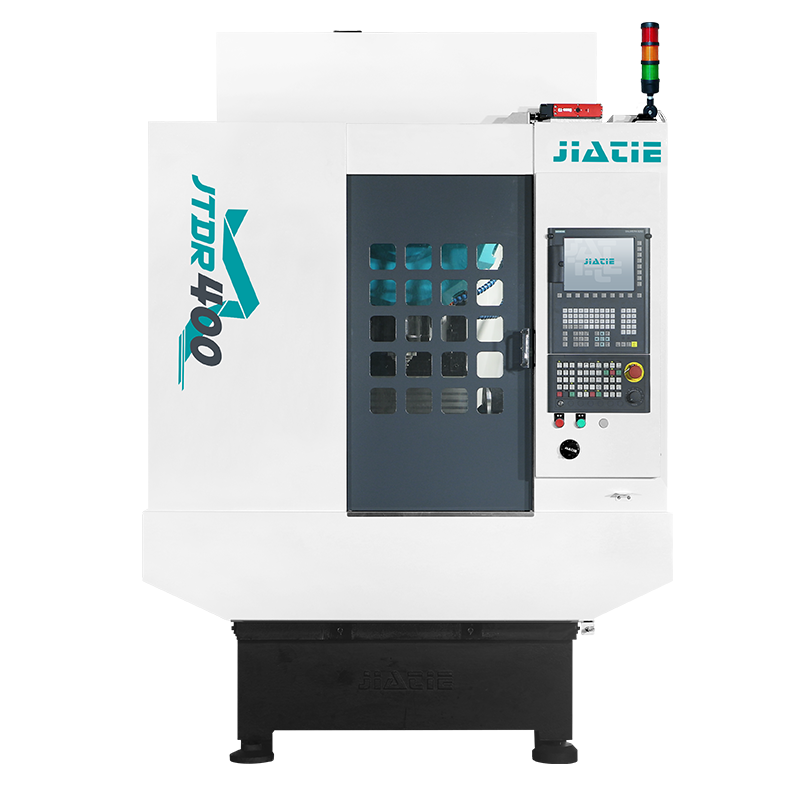
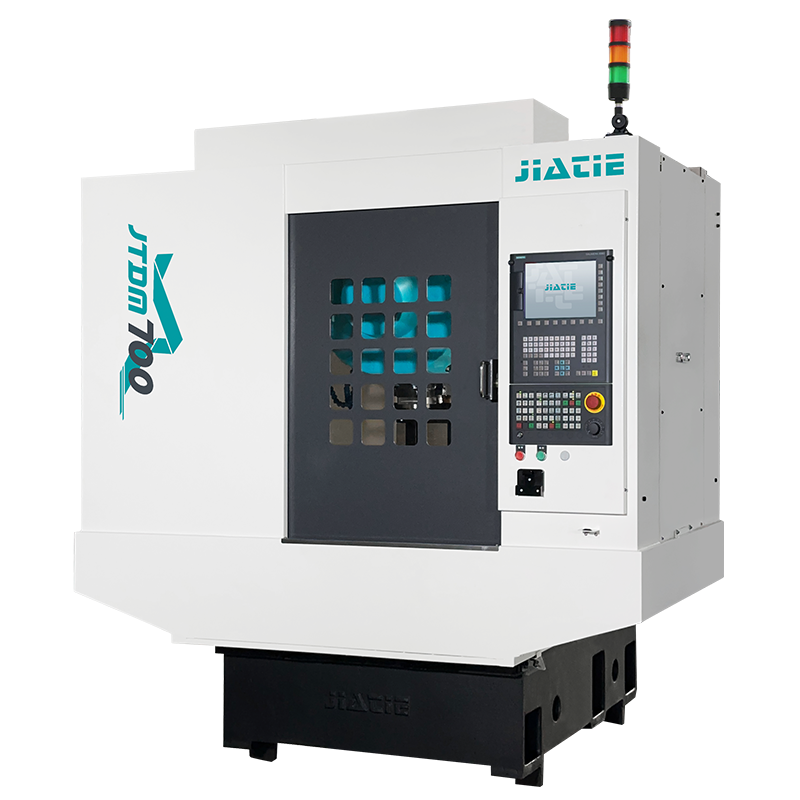
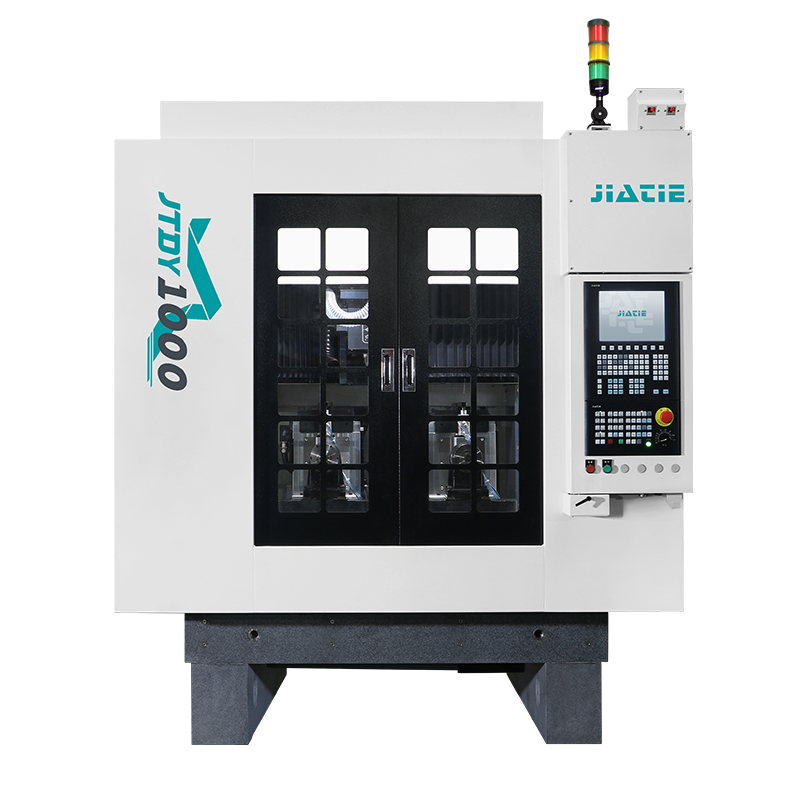
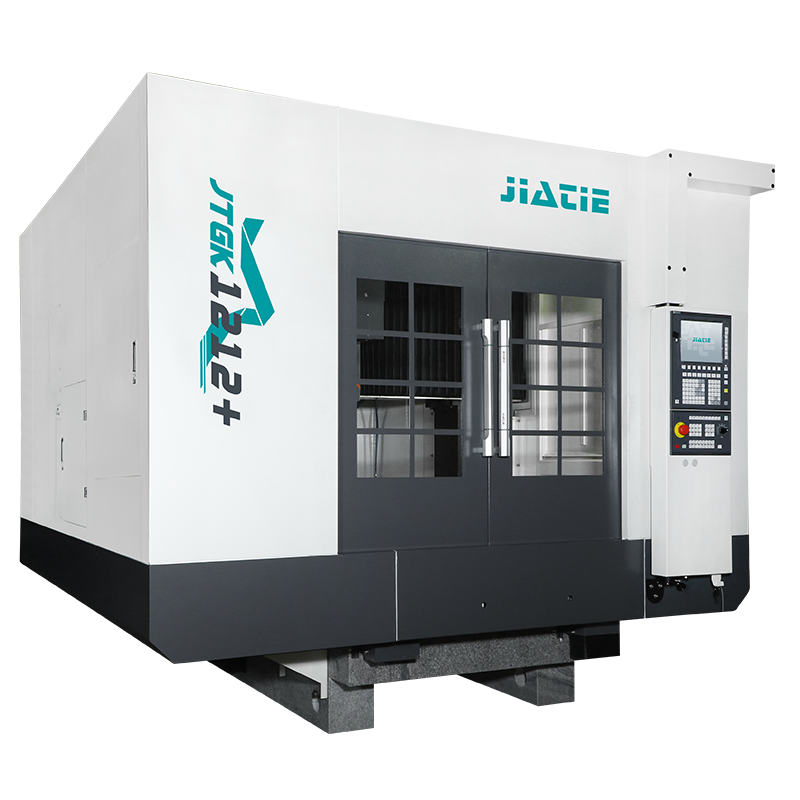
In industrial settings, CNC vertical milling machines are often part of a vertical Machining Center configuration that includes automatic tool changers, enclosed structures, and advanced control systems.
2. Vertical Machining Center vs. CNC Vertical Milling Machine
The terms Vertical Machining Center and CNC vertical milling machine are closely related and sometimes used interchangeably, but there are key differences.
A vertical machining center (VMC) typically includes:
Automatic tool changer (ATC)
Tool magazine
Full enclosure
Higher rigidity and automation
A CNC vertical milling machine may be simpler in configuration, while a vertical machining center represents a more advanced, production-oriented system. Both belong to the broader category of vertical CNC machines.
3. How a CNC Vertical Milling Machine Works
The operation of a CNC vertical milling machine follows a structured process:
3.1 Programming
A part design is created using CAD software and converted into CNC code through CAM software. This code controls spindle speed, tool movement, feed rates, and machining paths.
3.2 Workpiece Setup
The workpiece is securely clamped to the machine table to ensure stability during machining.
3.3 Machining Operations
The vertically mounted spindle rotates the cutting tool, while the table or spindle moves along the X, Y, and Z axes to remove material accurately.
3.4 Precision Control
The CNC system ensures consistent quality by executing programmed instructions with minimal deviation.
4. Structure of a Vertical CNC Machine
A vertical CNC machine consists of several key components:
Spindle system: Mounted vertically, providing high cutting accuracy
Machine column: Supports the spindle and ensures rigidity
Worktable: Holds the workpiece
Linear guideways and ball screws: Enable precise axis movement
CNC controller: Acts as the brain of the machine
This structure makes vertical machines particularly suitable for flat surfaces, pockets, slots, and contour machining.
5. Advantages of CNC Vertical Milling Machines
CNC vertical milling machines offer several important advantages:
Excellent visibility of the machining area
Easy setup and operation
High machining accuracy
Cost-effective compared to horizontal machines
Suitable for a wide range of materials
These benefits make vertical CNC machines a popular choice for both small workshops and large-scale manufacturing facilities.
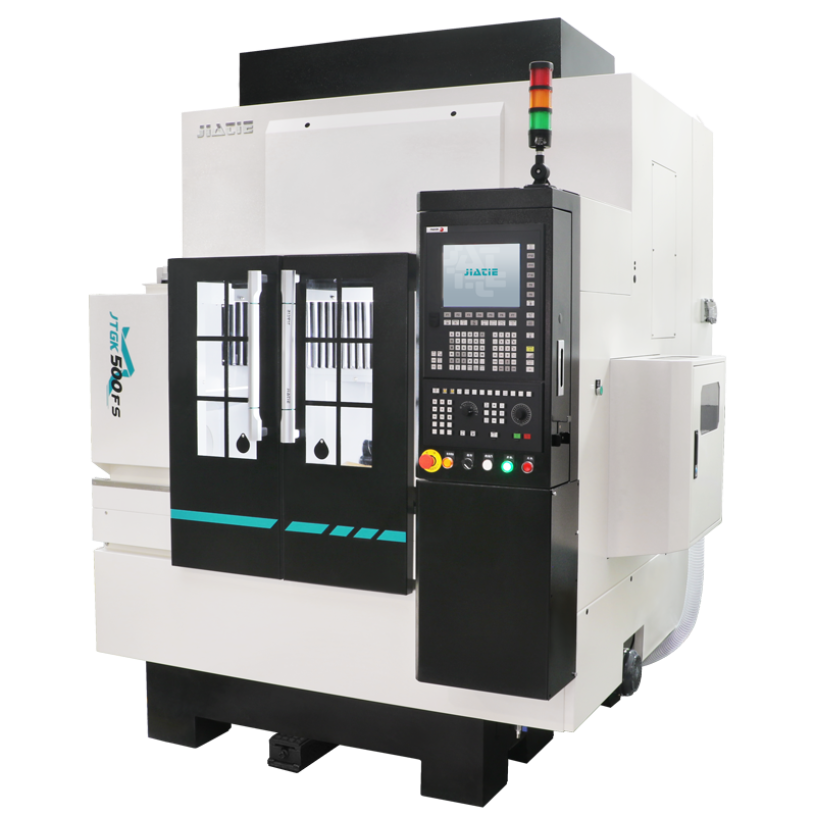
6. 5 Axis Vertical Machining Center
A 5 axis vertical machining center expands on the capabilities of a standard vertical machining center by adding two rotational axes to the traditional X, Y, and Z movements.
Key Benefits of 5-Axis Machining:
Ability to machine complex geometries
Reduced number of setups
Improved surface finish
Higher overall accuracy
5 axis vertical machining centers are commonly used in aerospace, medical device manufacturing, and high-precision mold making.
7. CNC Vertical Milling Machine vs. CNC Vertical Lathe
While both machines use vertical spindle orientations, their functions differ significantly.
CNC Vertical Milling Machine:
Cutting tool rotates
Workpiece remains stationary
Used for milling, drilling, and contouring
CNC Vertical Lathe:
Workpiece rotates
Cutting tool remains stationary or moves linearly
Used for turning large or heavy components
A CNC vertical lathe machine is especially suitable for large-diameter parts such as flanges, rings, and discs, where gravity helps stabilize the workpiece.
8. CNC Vertical Lathe Machine Applications
CNC vertical lathe machines are widely used in:
Energy equipment manufacturing
Heavy machinery
Automotive brake components
Large bearings and housings
Although they differ from milling machines, CNC vertical lathes complement vertical machining centers in comprehensive manufacturing systems.
9. Applications of CNC Vertical Milling Machines
CNC vertical milling machines are widely used across industries, including:
Automotive parts manufacturing
Aerospace components
Mold and die production
Medical devices
Industrial machinery
Their flexibility and precision make them ideal for both prototyping and mass production.
10. Materials Processed by CNC Vertical Milling Machines
These machines can process a wide range of materials:
Aluminum and aluminum alloys
Carbon steel and stainless steel
Brass and copper
Titanium
Engineering plastics
This versatility enhances the value of CNC vertical machines in diverse manufacturing environments.
11. Choosing the Right Vertical CNC Machine
When selecting a CNC vertical milling machine or vertical machining center, key considerations include:
Required machining accuracy
Workpiece size and weight
Material type
Production volume
Automation requirements
For complex parts, a 5 axis vertical machining center may be the best solution, while simpler tasks may be handled efficiently by standard vertical CNC machines.
12. Future Trends in Vertical CNC Machining
The future of vertical CNC technology is driven by:
Smart manufacturing and automation
Integration with robotics
Higher spindle speeds
Improved thermal stability
Advanced CNC control software
Vertical machining centers continue to evolve to meet the increasing demands of modern manufacturing.
Conclusion
A CNC vertical milling machine is a fundamental tool in modern manufacturing, offering precision, efficiency, and versatility. Whether in the form of a vertical machining center, vertical CNC machine, or an advanced 5 axis vertical machining center, vertical CNC technology enables manufacturers to produce high-quality parts with consistency and reliability.
While a CNC vertical lathe or CNC vertical lathe machine serves a different purpose focused on turning operations, both machine types play complementary roles in industrial production. Understanding their differences and applications is essential for selecting the right solution and maximizing manufacturing efficiency.