

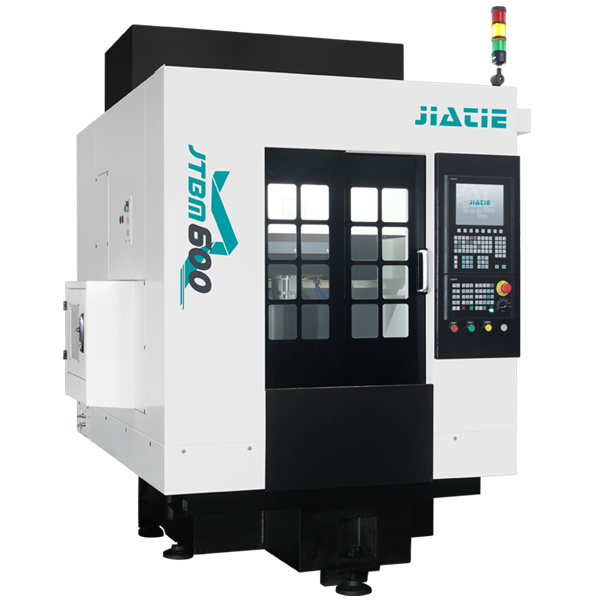
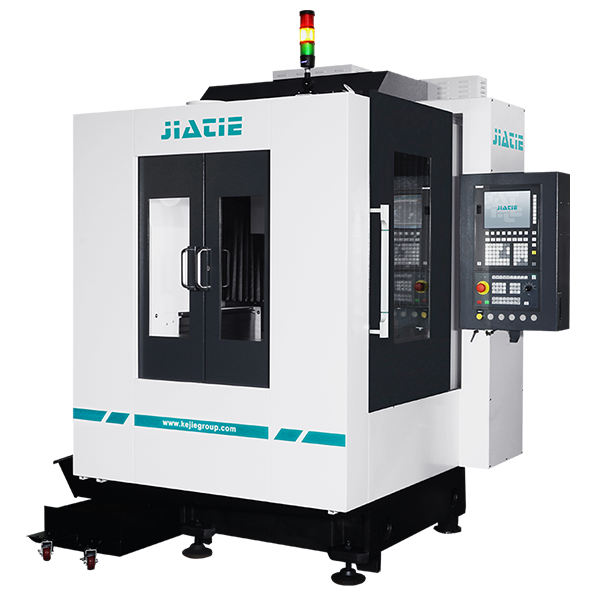
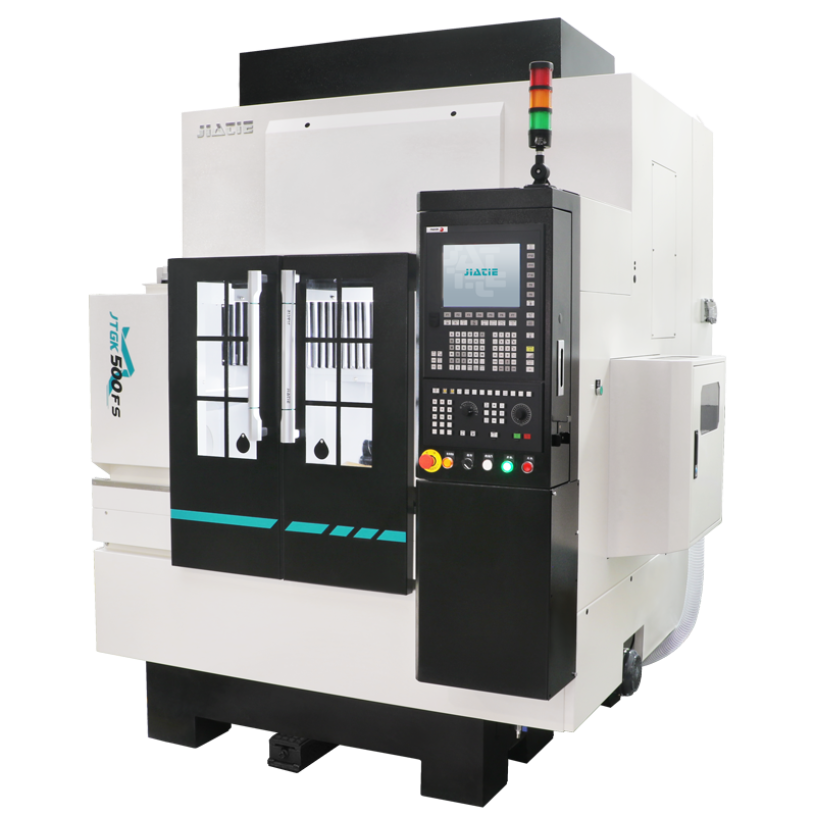
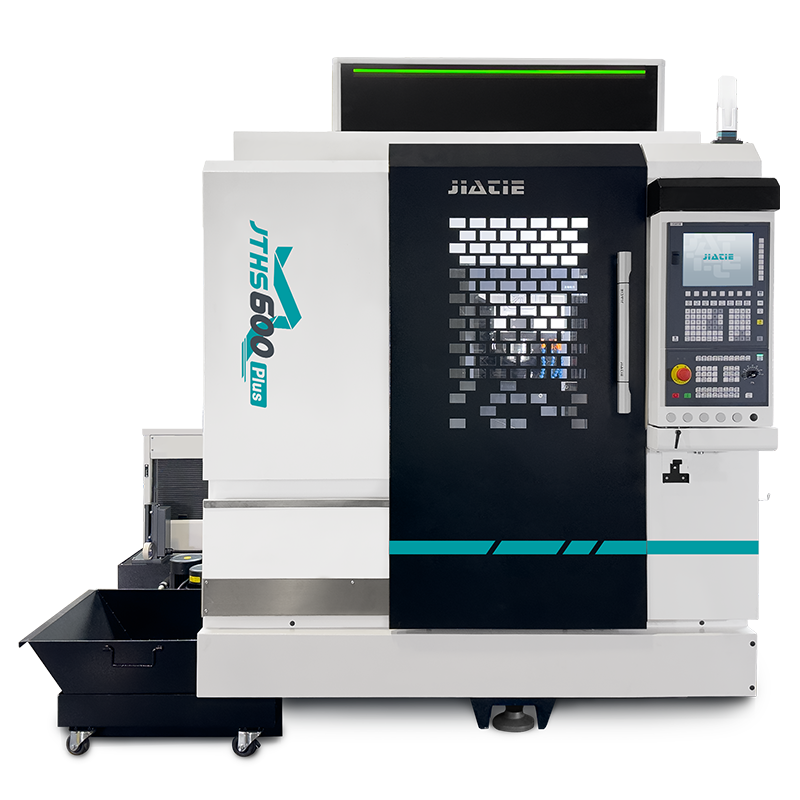
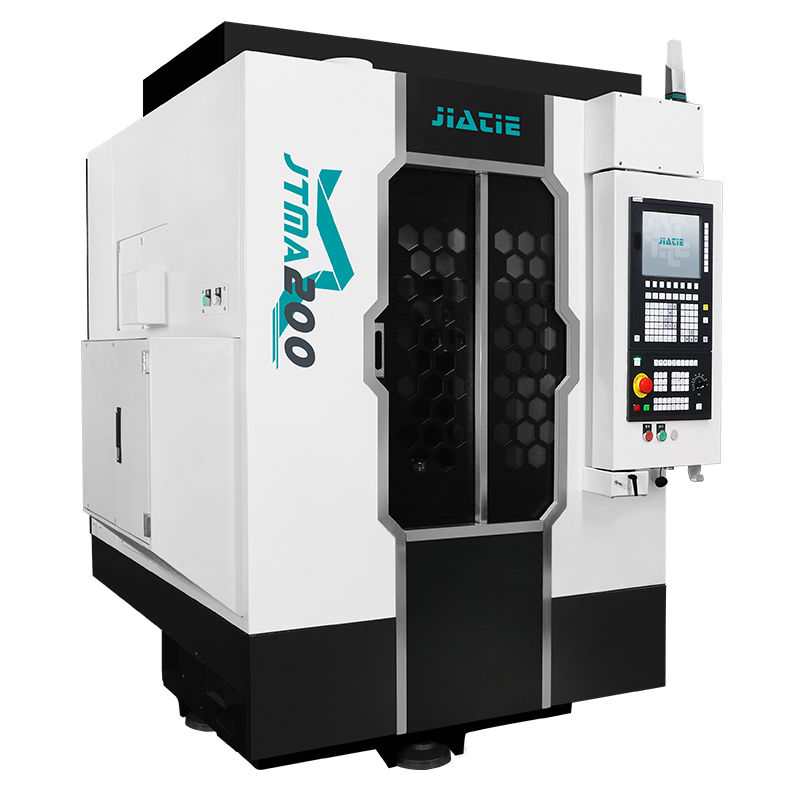
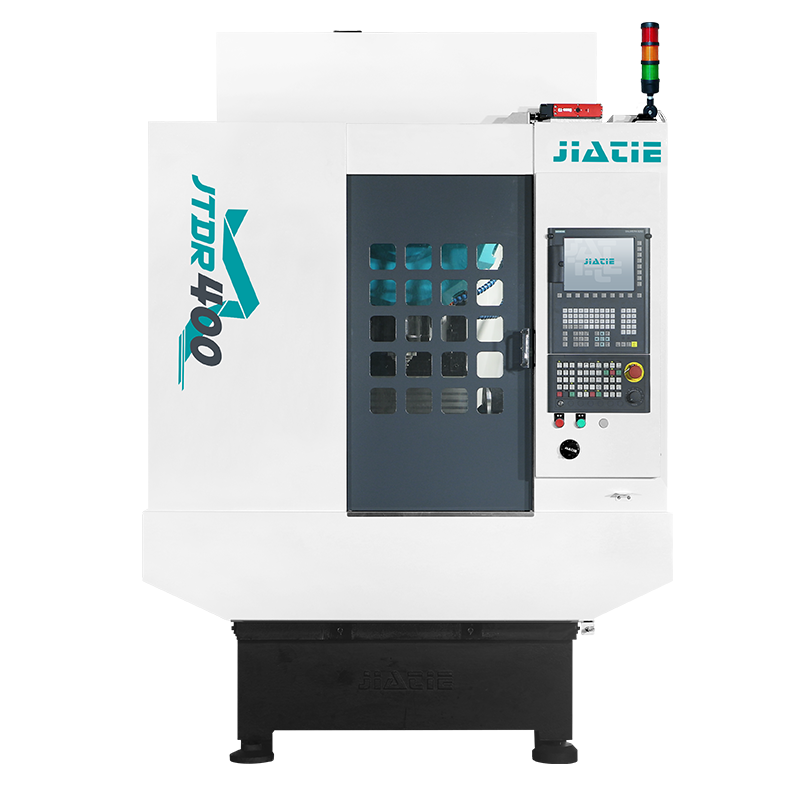
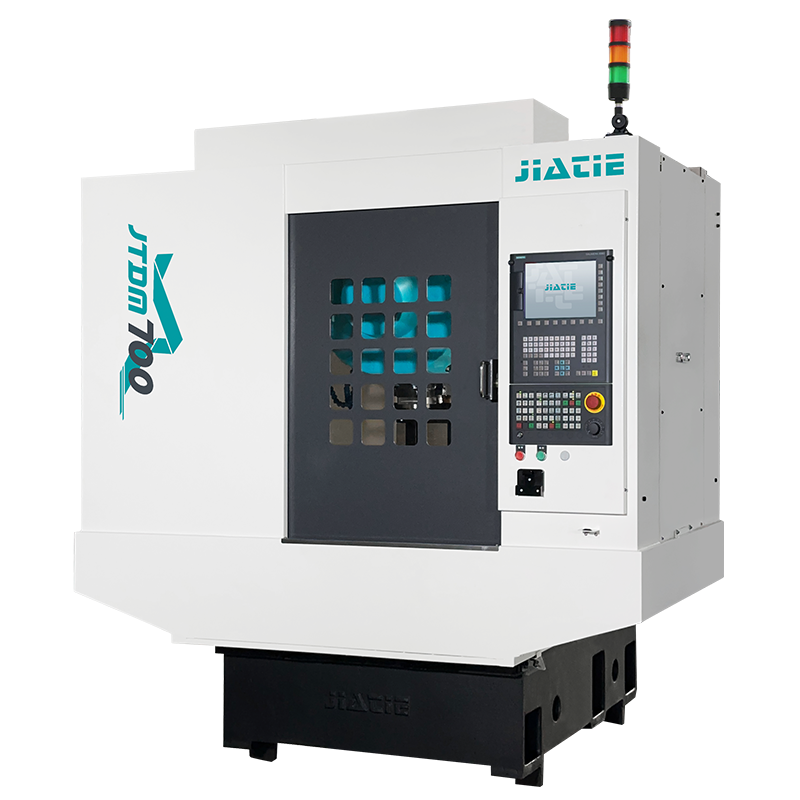
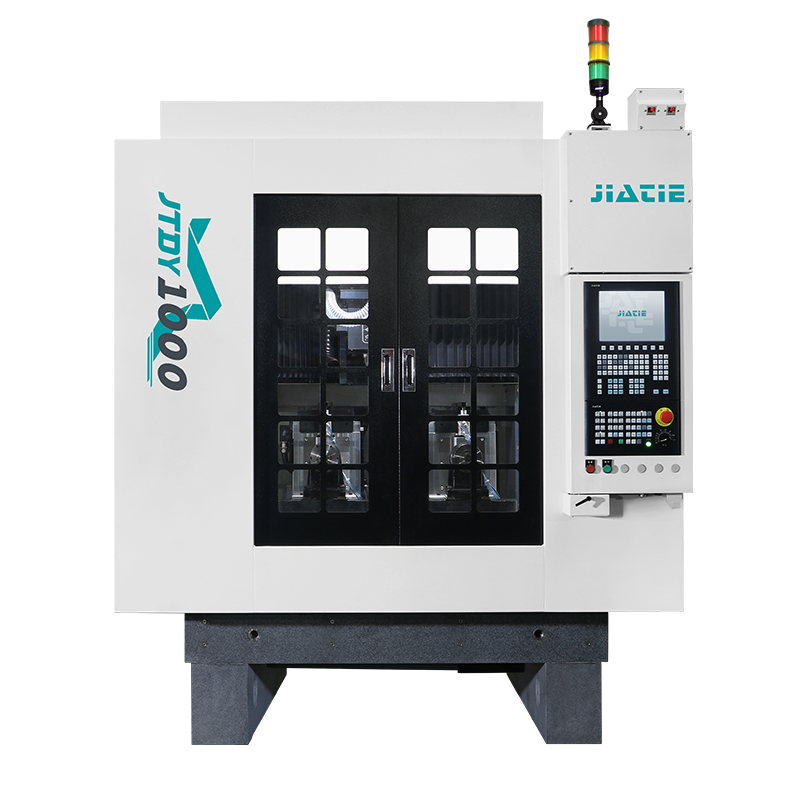
As the manufacturing industry continues to move toward higher precision, higher efficiency, and intelligent production, high-speed CNC machining has become a key pillar of modern industrial manufacturing. So, how do high speed CNC machines work? What are the fundamental differences between high-speed CNC equipment and traditional NC machine tools?
1. What Is High Speed CNC?
High speed CNC refers to CNC machining technology that significantly increases spindle speed, feed rate, and acceleration while maintaining high precision and surface quality. Compared with conventional NC machine tool systems, a CNC High Speed Machine offers major improvements in dynamic response, thermal control, structural rigidity, and intelligent control algorithms.
Typical characteristics of a high speed CNC center include:
High spindle speeds (commonly 12,000–40,000 rpm or higher)
Rapid feed rates and high acceleration
Optimized machine structure with enhanced rigidity
Advanced CNC control systems with intelligent motion control
Thanks to these features, high speed CNC machines are widely used in mold manufacturing, aerospace, automotive components, electronics, and other industries with extremely high demands for accuracy and efficiency.
2. How Do High Speed CNC Machines Work?
To fully understand how do high speed CNC work, it is helpful to look at the system from three key perspectives: control, execution, and feedback.
2.1 CNC Control System and Command Generation
At the core of any CNC High Speed Machine is a New generation CNC control system. Based on toolpath data generated by CAD/CAM software, the control system precisely calculates spindle speed, feed rate, acceleration, and tool movement, then sends commands to the servo system at extremely short cycle intervals.
Compared with traditional NC machine tool controllers, high-speed CNC systems offer:
Faster data processing capability
Shorter interpolation cycles
Advanced look-ahead and smoothing algorithms
These capabilities ensure smooth motion and consistent accuracy even at very high machining speeds.
2.2 High-Speed Spindle and Cutting Execution
The high-speed spindle is a critical component of a CNC High Speed Machine. High-speed machining removes material using a combination of high spindle speed, shallow cutting depth, and reduced cutting force. This approach minimizes tool load, heat buildup, and workpiece deformation.
In mold and precision part manufacturing, equipment such as a Makino CNC mill is known for combining high-speed spindles with advanced tool control to achieve excellent surface finishes, including near-mirror-quality results.
2.3 Real-Time Feedback and Accuracy Compensation
At high speeds, even minimal errors can affect final machining accuracy. Therefore, high speed CNC machines rely on high-resolution encoders and sensor systems to monitor position, speed, vibration, and temperature in real time.
The CNC system continuously compensates for deviations, ensuring dimensional accuracy and motion stability. This closed-loop feedback mechanism is essential for high-speed, high-precision machining.
3. Machine Structure Design for High-Speed CNC
High-speed machining is not simply about faster rotation—it also depends heavily on machine structure and rigidity.
3.1 High-Rigidity Structural Design
A CNC High Speed Machine typically features a symmetrical layout, shortened transmission paths, and high-strength cast components to reduce vibration and deformation.
With new structure design improves machine rigidity, stable and reliable, the machine can absorb cutting forces generated during high-speed operations while maintaining consistent performance.
3.2 Thermal Control and Long-Term Stability
Thermal deformation is one of the most significant factors affecting accuracy in high-speed machining. Advanced high speed CNC center designs integrate:
Constant-temperature spindle cooling
Temperature-controlled ball screws and bearings
Overall thermal balance optimization
Through temperature control technology, long-term accuracy is stable, ensuring reliable precision even during extended production runs.
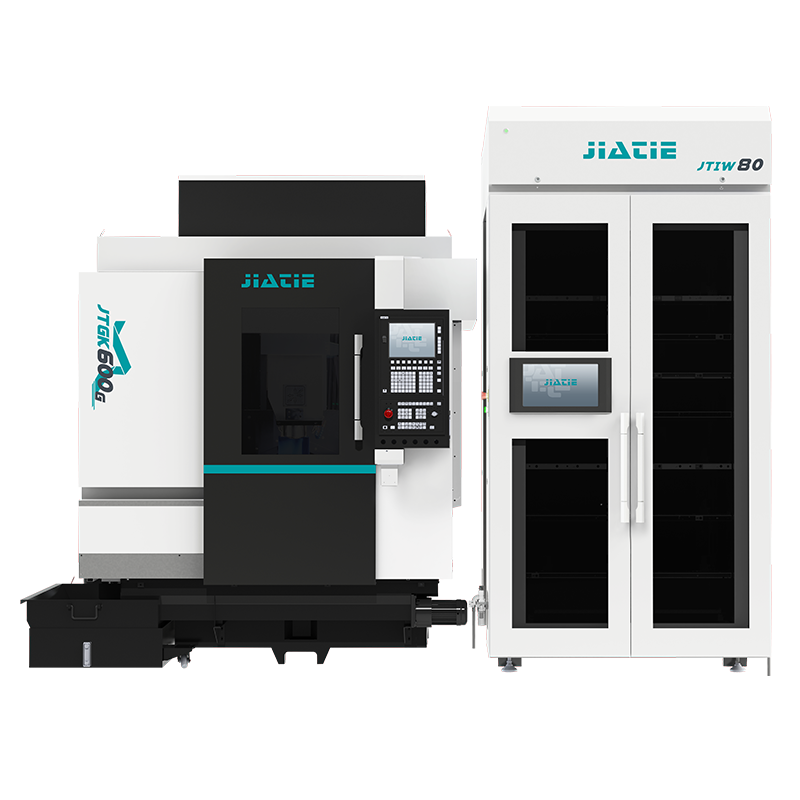
4. JTGK-600G CNC High Speed Machine: Practical Example
To better illustrate how high-speed CNC machines operate in real applications, let us examine the JTGK-600G CNC High Speed Machine.
4.1 Travel and Machining Capacity
X/Y/Z travel: 600 / 500 / 300 mm
Work table dimension: 650 × 500 mm
Max workpiece size: 650 × 500 × 330 mm
Max load of worktable: 300 kg
These specifications make the JTGK-600G ideal for high-precision machining of medium-sized parts and mold components.
4.2 Structural Dimensions and Stability
Machine net dimension:
2030 × 2200 × 2450 mm (Circular type tool magazine)
2260 × 2200 × 2450 mm (Chain type tool magazine)
Machine net weight: 6000 kg
The substantial machine weight significantly enhances stability, reducing vibration during high-speed cutting.
4.3 Control System and Performance Advantages
Equipped with a New generation CNC control system, combined with optimized structural engineering, the JTGK-600G CNC High Speed Machine achieves an excellent balance between speed, precision, and long-term operational stability—fully representing the direction of modern high speed CNC technology.
5. High-Speed CNC vs Traditional NC Machine Tools
Comparison Item | High Speed CNC | Traditional NC Machine Tool |
Spindle speed | High | Lower |
Machining efficiency | Very high | Moderate |
Accuracy stability | Long-term stable | Easily affected by heat |
Control system | Advanced intelligent CNC | Basic numerical control |
Application scope | High-end manufacturing | General machining |
This comparison clearly shows that high speed CNC is not merely an upgrade but a fundamentally advanced solution for precision manufacturing.
6. Typical Applications of High-Speed CNC Machines
Precision molds and cavity machining
Aerospace structural components
Lightweight automotive parts
Medical devices and precision instruments
3C electronics housings and structural components
In these industries, a CNC high speed machine significantly shortens machining cycles while improving surface quality and part consistency.
7. Future Development Trends
With advances in control algorithms, materials science, and intelligent manufacturing, the future high speed CNC center will become even more advanced:
AI-assisted cutting parameter optimization
Adaptive machining control
Digital twin simulation and remote monitoring
Deep integration with flexible and automated production lines
High-speed CNC machines will evolve from standalone equipment into core elements of smart manufacturing systems.
Conclusion
In summary, the answer to how do high speed CNC work lies not only in higher spindle speeds, but in the coordinated integration of advanced control systems, rigid machine structures, thermal management, and real-time feedback.
From high-end solutions like the Makino CNC mill to high-performance equipment such as the JTGK-600G CNC High Speed Machine, high-speed CNC technology continues to drive manufacturing toward greater efficiency, accuracy, and intelligence. As the gap between CNC high speed machine systems and traditional NC machine tool equipment widens, speed, stability, and smart control will define the future of CNC machining.