

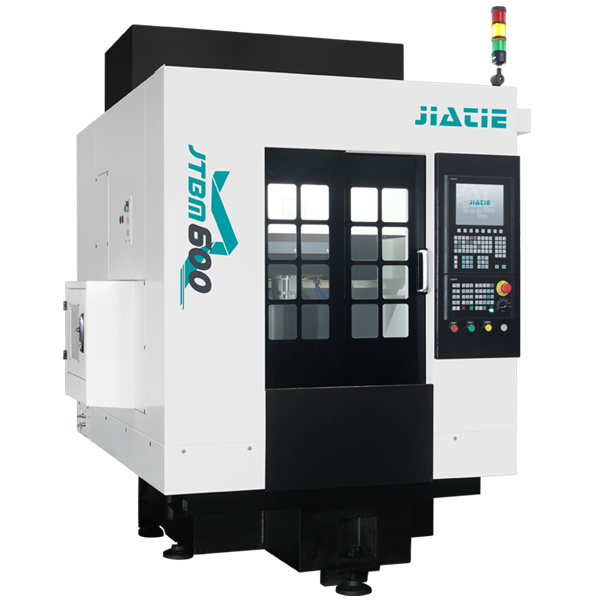
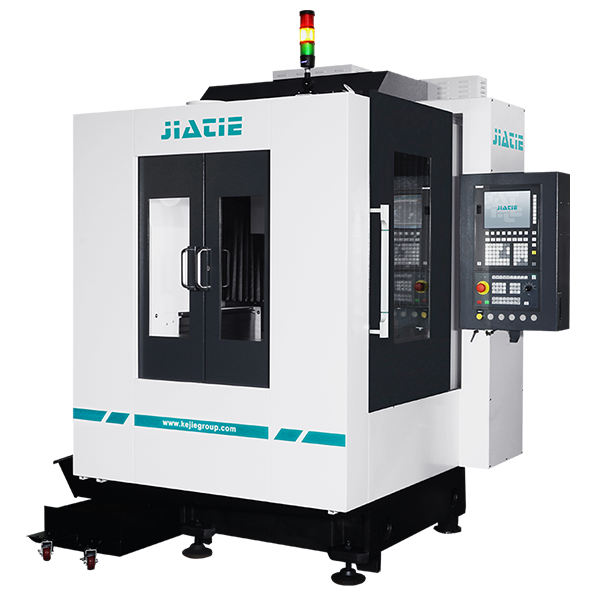
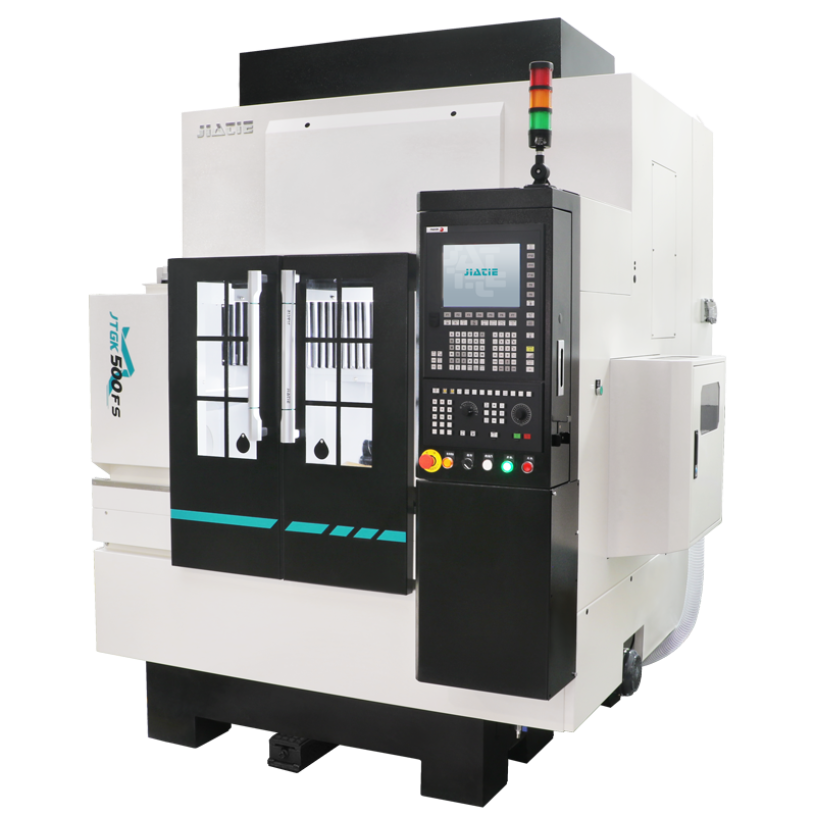
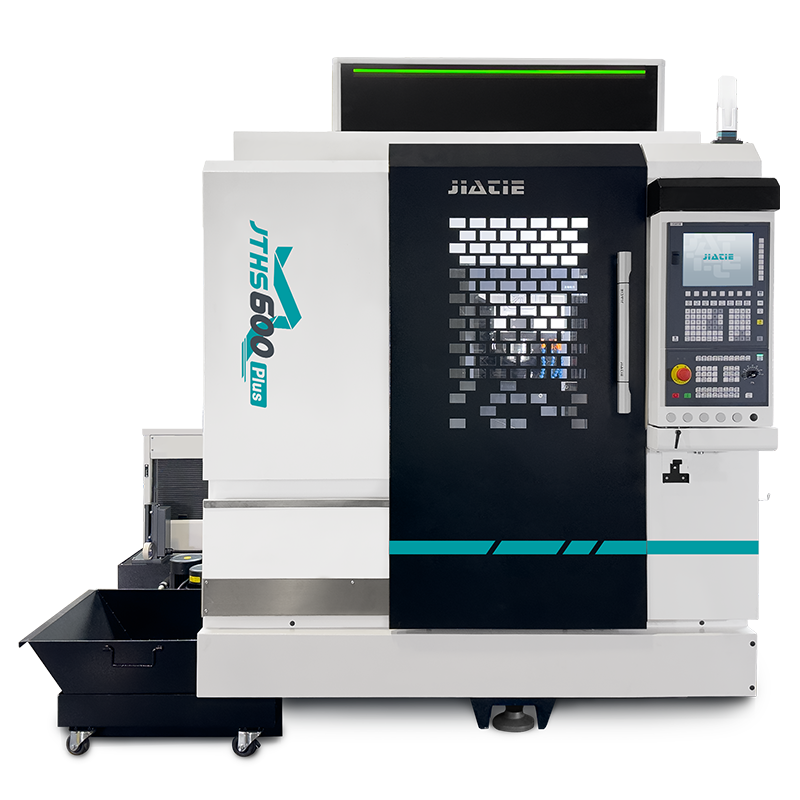
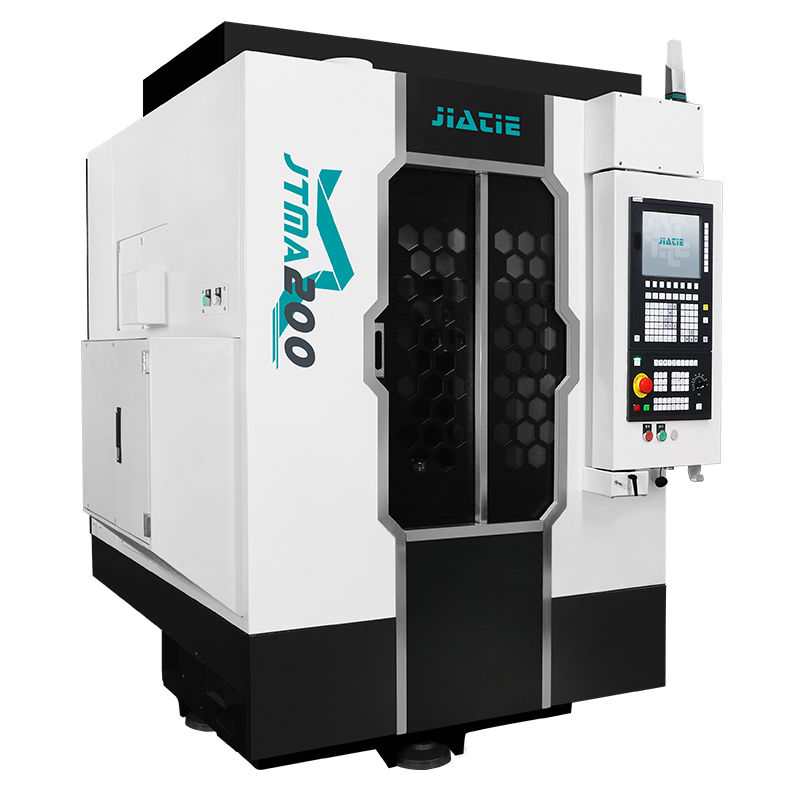
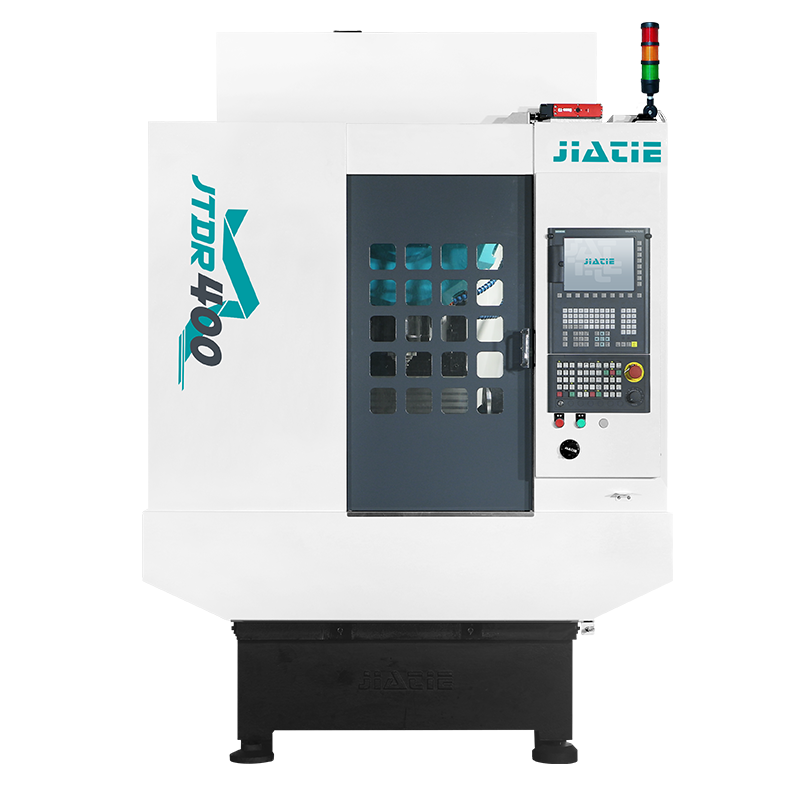
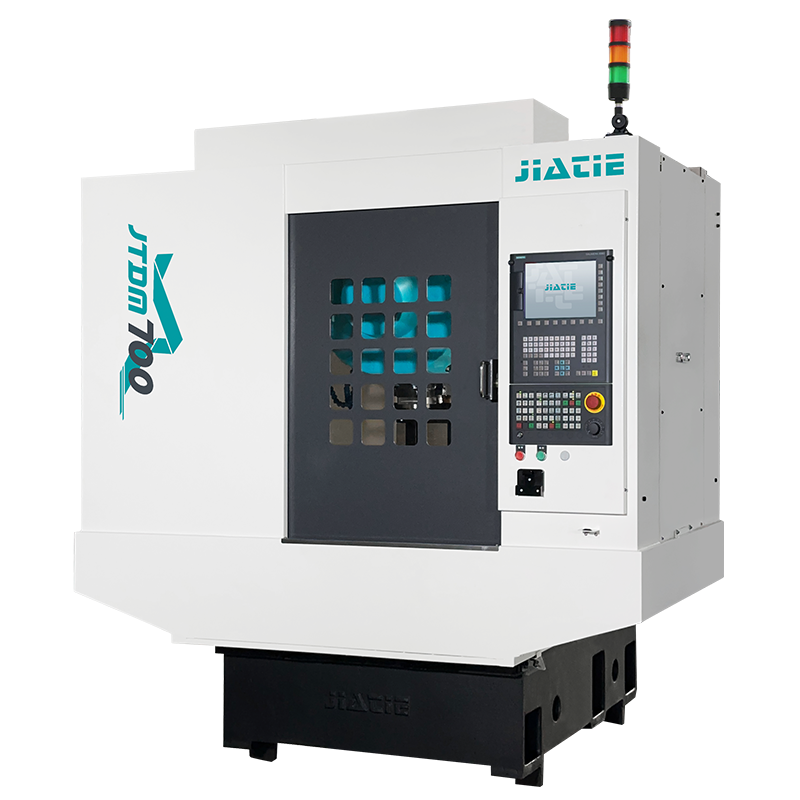
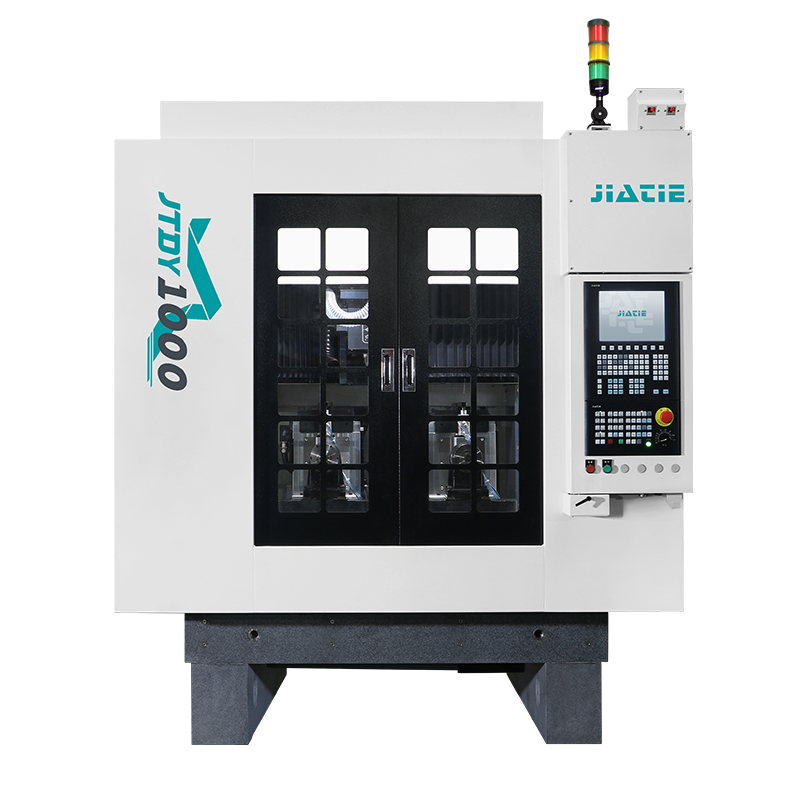
A Complete Introduction with the JTGK-1100i CNC Machining Center
In modern manufacturing, precision, speed, and stability define competitiveness. As industries demand higher efficiency and tighter tolerances, the CNC Machining Center has become one of the most essential machine tools in global production lines.
1. What Is a CNC Machining Center?
A CNC machining center is a computer-controlled machine tool capable of performing multiple machining operations—such as milling, drilling, tapping, and surface finishing—within a single setup. CNC stands for Computer Numerical Control, meaning all movements and operations are driven by programmed instructions.
Compared with conventional machines, a CNC center integrates:
Automatic tool changing systems
High-speed spindle technology
Multi-axis motion control
High-rigidity machine structures
Because of this integration, a CNC machining center can achieve high accuracy, excellent repeatability, and stable performance in both small-batch and mass production.
In industrial usage, the term CNC center is often used as a simplified reference to CNC machining centers with advanced automation and precision capabilities.
2. How a CNC Machining Center Works
The operation of a CNC machining center follows a highly standardized process:
Design & Programming
A part is designed in CAD software and converted into machining code (G-code) through CAM software.
Workpiece Setup
The raw material is securely fixed on the worktable to ensure machining accuracy.
Automatic Machining
The CNC system controls the spindle, tools, and axes to execute milling, drilling, and finishing operations automatically.
Precision Output
Each part is produced with consistent dimensions and surface quality, even during long production runs.
3. Vertical Machining Center and Vertical CNC Mill
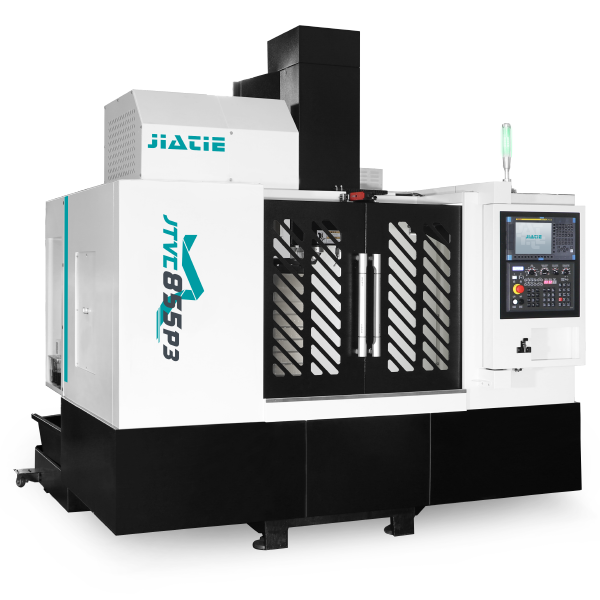
A vertical machining center (VMC) features a vertically oriented spindle, making it ideal for face milling, cavity machining, and drilling operations.
A vertical CNC mill shares the same spindle orientation, but a vertical machining center typically offers:
Automatic tool changers
Enclosed machine structures
Higher rigidity and productivity
Because of their flexibility and cost-effectiveness, vertical machining centers are widely used in mold making, automotive components, and general mechanical manufacturing.
4. CNC Turning Center vs. CNC Machining Center
A CNC turning center is designed for rotational machining, where the workpiece rotates while the cutting tool performs turning operations. It is best suited for cylindrical parts such as shafts and bushings.
In comparison:
A CNC machining center focuses on milling-based processes
A CNC turning center specializes in turning operations
In modern factories, both machines often work together to complete complex components efficiently.
5. CNC 5 Axis Mill: High-End Machining Capability
A CNC 5 axis mill adds two rotary axes to the standard X, Y, and Z movements. This allows machining from multiple angles without repositioning the workpiece.
Key Benefits:
Reduced setup time
Higher geometric accuracy
Superior surface finishes
CNC 5 axis mills are commonly used in aerospace, medical devices, and high-precision mold industries.
6. CNC Engraving and Milling Machines
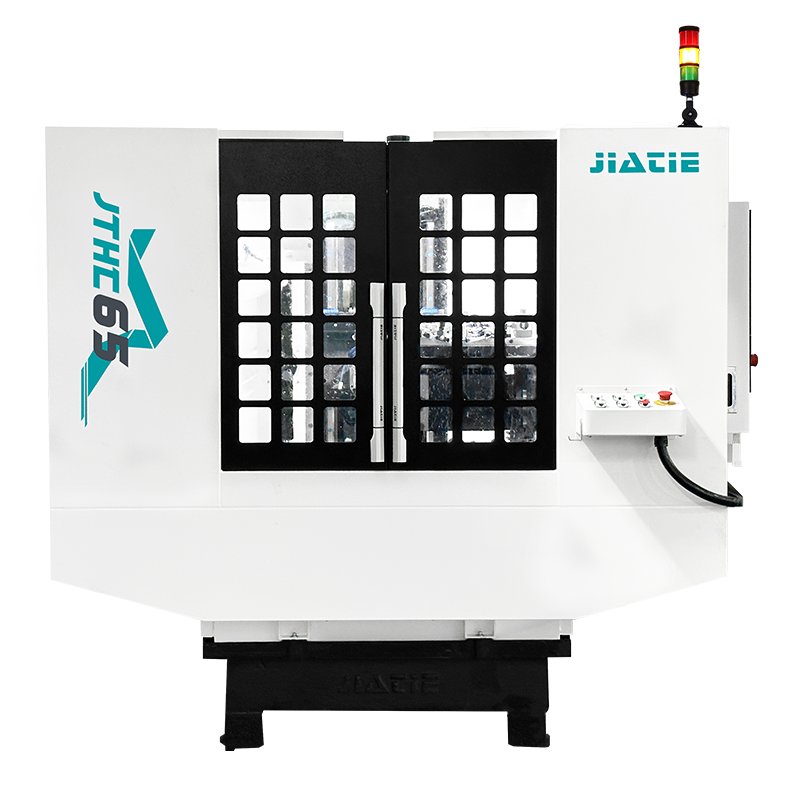
A CNC engraving and milling machine, also called a CNC engraving milling machine, is designed for fine-detail machining and light cutting.
Typical applications include:
Mold engraving
Sign making
Jewelry processing
Electronic components
While these machines are smaller than heavy-duty CNC machining centers, they offer high spindle speeds and excellent precision for detailed work.
7. Importance of the Water Cooled CNC Spindle
The spindle is the core component of any CNC machining center. High-performance machines often use a water cooled CNC spindle to ensure thermal stability and long-term accuracy.
Advantages:
Efficient heat dissipation
Reduced thermal deformation
Lower noise levels
Stable performance during long machining cycles
A high-speed and high-accuracy spindle makes milling performance especially outstanding, particularly for aluminum alloys, steel, and precision molds.
8. Structural Design and Stability of Modern CNC Centers
Modern CNC machining centers emphasize rigidity, dynamic performance, and vibration control.
Key structural features include:
Box-type Z-axis structure for improved rigidity
Optimized machine frame for better dynamic response
High-strength cast iron construction
A brand-new machine structure design ensures:
More stable and reliable performance
High accuracy
Fast machining speed
Excellent rigidity under heavy cutting conditions
9. Introducing the JTGK-1100i CNC Machining Center
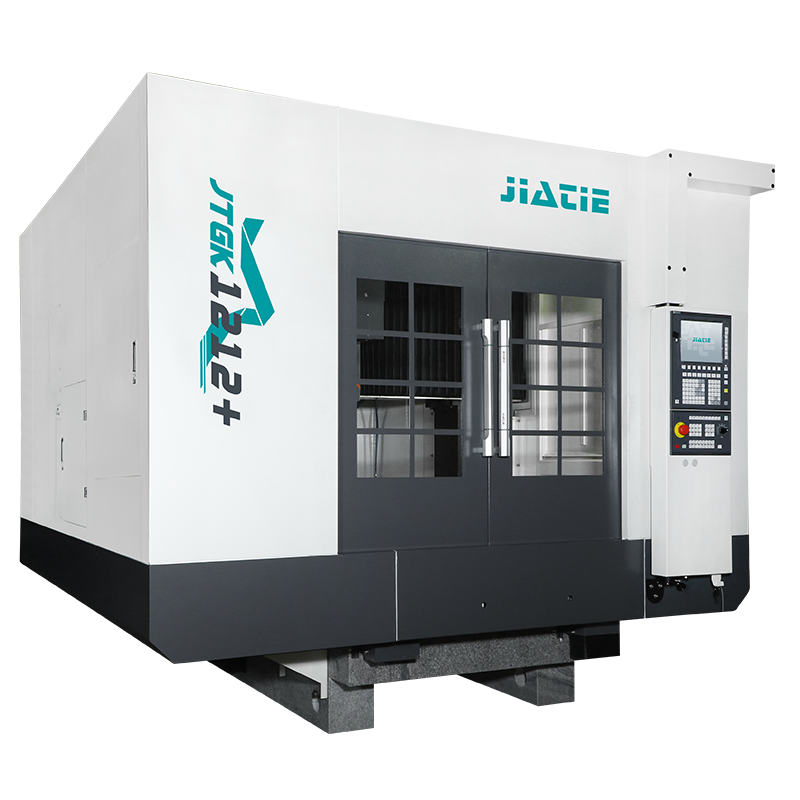
The JTGK-1100i CNC Machining Center is a high-performance vertical machining center designed for precision milling, stable operation, and efficient production. It integrates advanced spindle technology, a rigid structure, and a humanized design concept to meet modern manufacturing demands.
Key Performance Highlights
High-speed, high-accuracy spindle for outstanding milling performance
Stable and reliable machine structure with high rigidity
Box-type Z-axis structure for better dynamic performance
Optimized layout for precision and long-term accuracy retention
The JTGK-1100i CNC machining center is suitable for mold manufacturing, mechanical components, aluminum parts, and medium-to-large workpieces.
10. Humanized Design and Space Efficiency
The JTGK-1100i CNC center adopts a high-end all-in-one exterior design, offering:
More humanized operation and management
Intuitive and user-friendly operation interface
Reduced floor space requirements
This design improves workshop efficiency while making daily operation and maintenance easier for operators.
11. JTGK-1100i CNC Machining Center Technical Specifications
Machine Travel
X / Y / Z Travel: 500 / 1100 / 300 mm
Worktable
Worktable Dimension: 500 × 1100 mm
Maximum Workpiece Height: 370 mm
Maximum Load of Worktable: 300 kg
Machine Size & Weight
Machine Net Dimension: 2050 × 3010 × 2380 mm
Machine Net Weight: 4000 kg
These specifications make the JTGK-1100i ideal for high-precision milling tasks requiring stability, rigidity, and efficient material removal.
12. Applications of the JTGK-1100i CNC Machining Center
The JTGK-1100i CNC machining center is widely used in:
Mold and die manufacturing
Automotive components
Mechanical parts processing
Aluminum and steel milling
Industrial equipment production
Its balance of speed, accuracy, and rigidity makes it a reliable CNC center for various industries.
Conclusion
A CNC machining center is a cornerstone of modern manufacturing, combining precision machining, automation, and efficiency into a single system. Whether it is a vertical machining center, vertical CNC mill, CNC turning center, or an advanced CNC 5 axis mill, CNC centers continue to drive industrial innovation.
The JTGK-1100i CNC Machining Center represents a powerful and practical solution, featuring a rigid structure, water cooled CNC spindle, box-type Z-axis design, and humanized operation interface. It delivers stable, accurate, and efficient machining performance for demanding industrial applications.