

In modern manufacturing, precision, speed, and multi-surface machining capabilities determine the competitiveness of a workshop. As industries such as aerospace, medical engineering, automotive components, molds, and precision tooling continue to demand complex geometry and ultra-high accuracy, 5 axis CNC machining has become the gold standard in advanced CNC technology.
Before understanding why 5-axis machining is so powerful, it is essential to understand what are the 5 axes on a CNC machine and how they work together to allow machining of nearly any shape in a single setup.
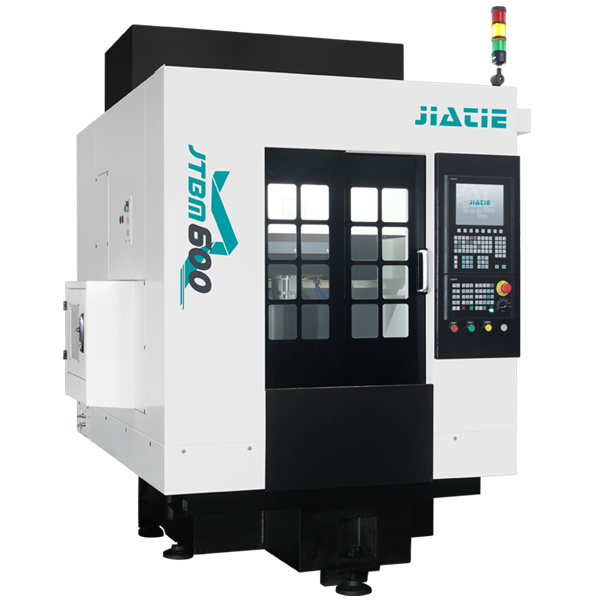
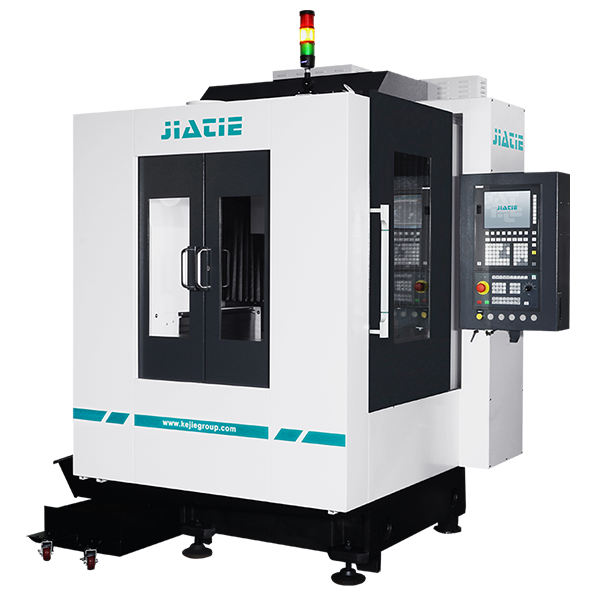
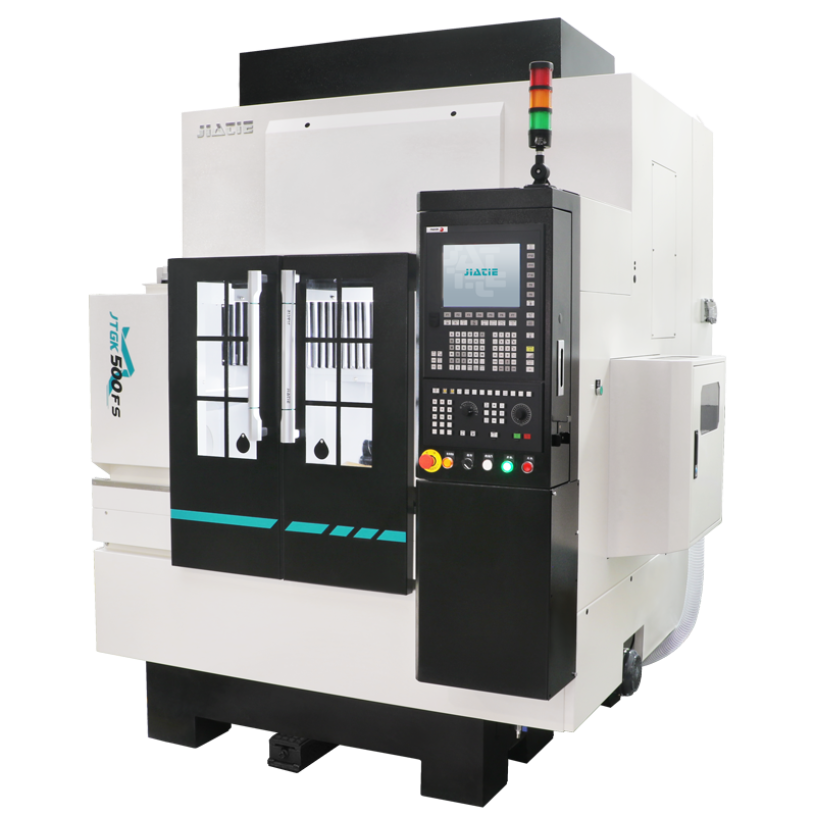
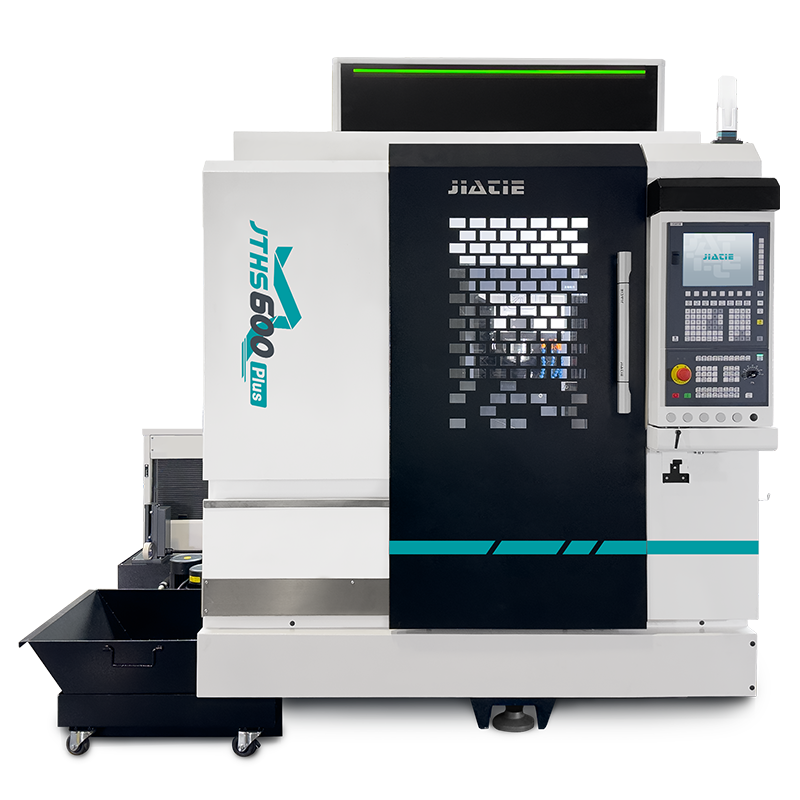
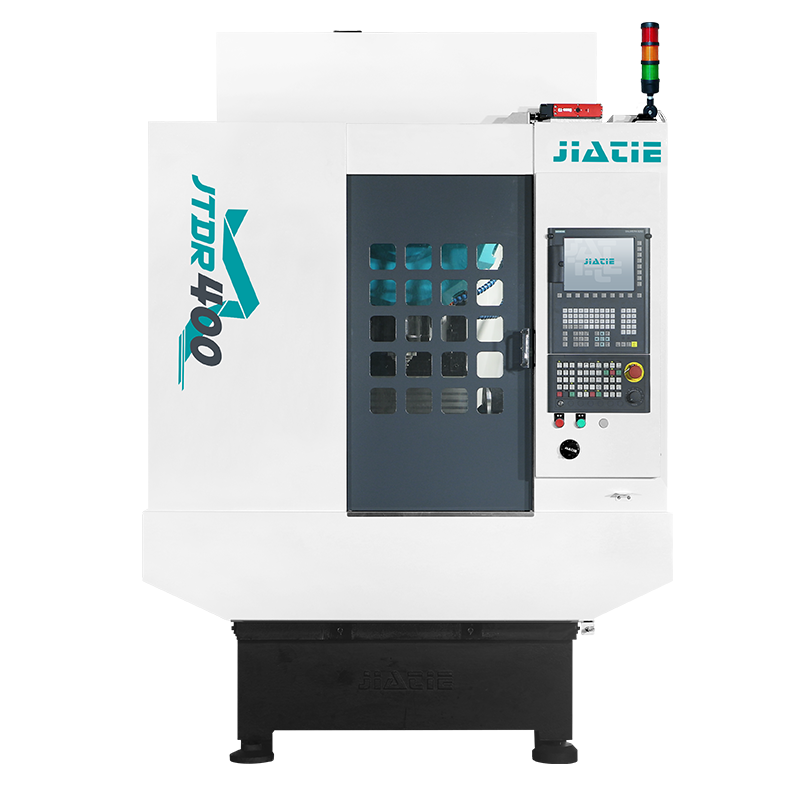
One of the advanced examples of today’s 5-axis platform is the JTDR-400+ 5-Axis Machining Center, designed for high rigidity, fast tool changing, reliable positioning, and excellent dynamic accuracy. The machine demonstrates the technical sophistication of modern 5-axis systems while maintaining user-friendly operation and long-term stability.
1. What Are the 5 Axes on a CNC Machine?
A traditional CNC machine typically operates in three linear directions:
X-axis: left and right
Y-axis: forward and backward
Z-axis: up and down
A 5 axis milling machine adds two additional rotational axes. These can vary depending on the structure, but generally include:
A-axis: rotation around X
B-axis: rotation around Y
C-axis: rotation around Z
Thus, the 5 axes are typically:
X-axis – linear movement left–right
Y-axis – linear movement forward–back
Z-axis – linear movement up–down
A-axis – rotation around the X-axis
C-axis (or B-axis) – rotation around the Z-axis or Y-axis
This combination allows the cutting tool or the workpiece to tilt, rotate, and reposition instantly, enabling machining of complex and multi-angled surfaces in a single setup. It directly improves machining accuracy, reduces tool vibration, and eliminates repeated clamping errors.
2. What Is a 5 Axis CNC Machine?
A 5 axis CNC machine is an advanced computer-numerically-controlled equipment capable of machining in five coordinated axes simultaneously. It is widely used for:
Aerospace impellers
Medical implants
Automotive aluminum components
Precision molds
Complex tooling parts
High-value custom components
Compared with standard 3-axis machines, what is a 5 axis cnc machine can be summarized simply:
It is a machining platform that can mill, drill, contour, interpolate, and finish complex parts from any angle without manual repositioning.
This is why 5-axis machining is often considered the most efficient and precise CNC technology available today.
3. Types of 5 Axis CNC Machines
Different industries require different structures. Common types include:
1) 5 Axis Milling Machine
This is the most common type used for precision machining, mold making, and aerospace components.
2) 5 Axis CNC Router
Used heavily in wood, foam, composite, and aluminum sheet machining where large workpiece sizes and speed are more important than heavy-duty cutting.
3) 5 Axis Horizontal Machining Center
Designed for heavy cutting and improved chip evacuation. It is ideal for steel, titanium, and high-density alloys.
4) 5 Axis Gantry Mill
A large-format machine with high rigidity and excellent overhead accessibility, ideal for aircraft structures, automotive molds, and massive plates.
5) Small 5 Axis CNC Machine
Compact machines designed for small parts, dental applications, jewelry, electronics, and laboratories.
Each machine structure uses the same five-axis principles but varies in rigidity, cutting performance, table configuration, and application field.
4. Why 5 Axis CNC Machining Is Essential Today
Most modern industries rely on 5-axis technology because it offers a unique set of advantages:
1) Single-Setup Machining
Complex multi-surface parts can be completed in one clamping, improving accuracy and throughput.
2) Reduced Tool Length and Higher Stability
Tilting the table or spindle allows shorter tools, reducing vibration and extending tool life.
3) Superior Surface Finish
Continuous 5-axis interpolation is ideal for:
Mold surfaces
Turbine blades
Medical implants
Aerospace aerodynamic structures
4) Higher Accuracy and Avoiding Re-clamping Errors
Since the part remains fixed, geometric tolerance and dimensional consistency are improved.
5) Shorter Cycle Time
Angles and surfaces that require multiple setups in 3-axis machining can be finished instantly.
These advantages explain why many shops consider modern equipment such as the best 5 axis cnc machine essential for staying competitive.
5. JTDR-400+ 5-Axis Machining Center: Modern Precision Engineering
As a representative example, the JTDR-400+ 5-Axis Machining Center demonstrates how modern engineering combines high-speed motion, structural optimization, and advanced CNC control.
Though the model name is only mentioned lightly, its technical features illustrate what high-quality 5-axis machines should include.
DD Direct-Drive High-Speed Rotary Table
Ultra-precise positioning
No backlash
Fast rotation
Excellent repeatability
This directly improves machining performance on curved surfaces, small features, or high-value materials.
High-Speed Moving Axes
The fast-feed design reduces non-cutting time and improves productivity in batch manufacturing.
High-Speed Tool Change System
With fast mechanical tool exchange, the machine maintains:
Minimal downtime
High machining efficiency
Stable continuous machining cycles
A 30-tool magazine is available for workshops that require multiple tools for complex jobs.
High-Sealing Protection for Functional Components
This prevents:
Chip intrusion
Coolant contamination of axes
Wear and premature failure
The result is longer service life and reduced maintenance costs.
Advanced CNC System
The machine supports well-known CNC platforms with:
Stable control
Powerful programming capabilities
Excellent human-machine interface
Safe and reliable operation
These features represent what top-tier 5 axis cnc machine manufacturers typically incorporate into their equipment.
6. Technical Specifications of the JTDR-400+
Item | Specification |
X/Y/Z Travel | 400 / 400 / 400 mm |
Max Workpiece Diameter | φ400 mm |
Max Workpiece Height | 260 mm |
Max Load of Worktable | 50 kg |
Machine Dimensions | 1620 × 2080 × 2580 mm |
Machine Net Weight | 2900 kg |
This compact yet powerful configuration makes it ideal for high-precision part machining in industries such as medical, aerospace, precision tooling, and electronic components.
7. Applications of 5 Axis CNC Technology
1) Aerospace Turbine Blades & Impellers
Perfectly suited for complex curves and multi-surface geometries.
2) Automotive High-Performance Parts
Used for machining aluminum engine housings, brackets, and transmission components.
3) Medical Implants
Used for hip cups, knee joints, and dental components where precision and surface finish are crucial.
4) Mold & Die Making
Ideal for:
Injection molds
Compression molds
Die-casting molds
3D forming dies
5) Precision Jig and Fixture Production
5-axis machining guarantees accuracy for custom tooling and complex fixture plates.
6) R&D, Prototyping, and Small Part Production
A small 5 axis cnc machine is often used in laboratories, universities, and precision R&D centers.
8. Structures of 5 Axis Machines Explained
There are several structural types in the 5-axis world:
A) Table-tilting type (dual-axis rotary table)
The most common structure used in compact machines.
B) Head-tilting type
Spindle tilts and rotates; ideal for large or heavy workpieces.
C) Gantry-type 5 Axis
A full structural overhead gantry; ideal for molds, plates, and long structural parts—this is the typical 5 axis gantry mill.
D) Hybrid type
A combination of rotary table and tilting head for maximum versatility.
Each offers different strengths depending on part size, accuracy needs, and material characteristics.
9. Key Advantages of a Modern 5 Axis CNC Machine
1) Higher Machining Precision
Because it eliminates repeated repositioning, overall accuracy and geometric consistency improve significantly.
2) Greater Flexibility
The tool can approach the part from any angle, enabling machining of:
Undercuts
Deep cavities
Compound curves
Sculpted surfaces
3) Stronger Efficiency
Reduced cycle time means increased output and lower production cost per part.
4) Improved Surface Quality
Simultaneous 5-axis motion avoids sharp faceting and gives smoother surfaces, essential for mold and aerospace parts.
5) Capability to Machine Complex Workpieces
Tasks that are impossible on a 3-axis machine become effortless on a 5 axis cnc milling machine.
10. How to Choose the Best 5 Axis CNC Machine
When evaluating the best 5 axis cnc machine, consider:
1) Machine Structure & Rigidity
Check the quality of the base, column, and rotary table.
2) Spindle Power & Speed
High-torque spindles are essential for steel and titanium; high-speed spindles for aluminum and composite materials.
3) CNC System
Choose stable, well-known control systems with strong support and fast processing algorithms.
4) Rotary Table Quality
DD direct-drive tables offer the best rotation speed and accuracy.
5) Tool Magazine Capacity
More tools mean fewer tool-change interruptions.
6) Manufacturer Support
The reliability of 5 axis cnc machine manufacturers plays a major role in long-term performance.
11. Conclusion: The Future of 5 Axis CNC Machining
Understanding what are the 5 axes on a CNC machine highlights why 5-axis machining is now essential in nearly every precision manufacturing industry. With advanced rotational freedom, simultaneous interpolation, and ultra-high accuracy, 5-axis technology allows engineers to machine almost any geometry efficiently and reliably.
Machines such as the JTDR-400+ 5-Axis Machining Center represent the latest in compact, high-speed, high-precision engineering. Whether used for aerospace turbine blades, medical implants, mold cores, or complex prototypes, 5-axis machining delivers unmatched performance, superior accuracy, and ultimate flexibility.
As industries move toward lightweight materials, complex geometries, and high-efficiency production, the 5 axis cnc milling machine, 5 axis cnc router, and 5 axis Horizontal Machining Center will continue to drive the future of advanced manufacturing.