

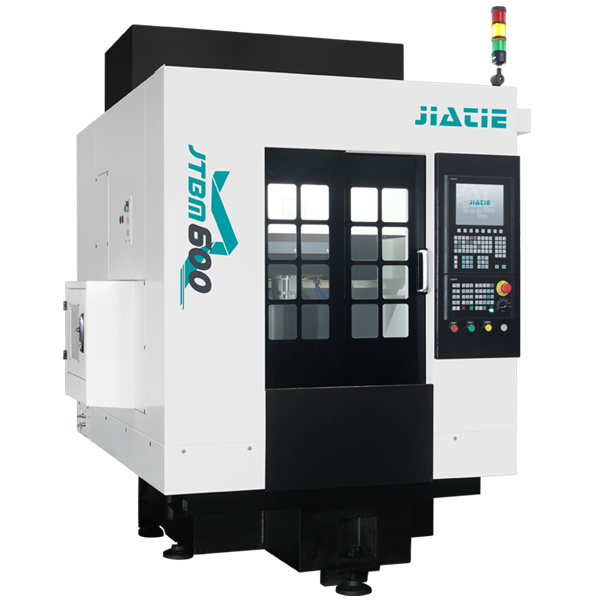
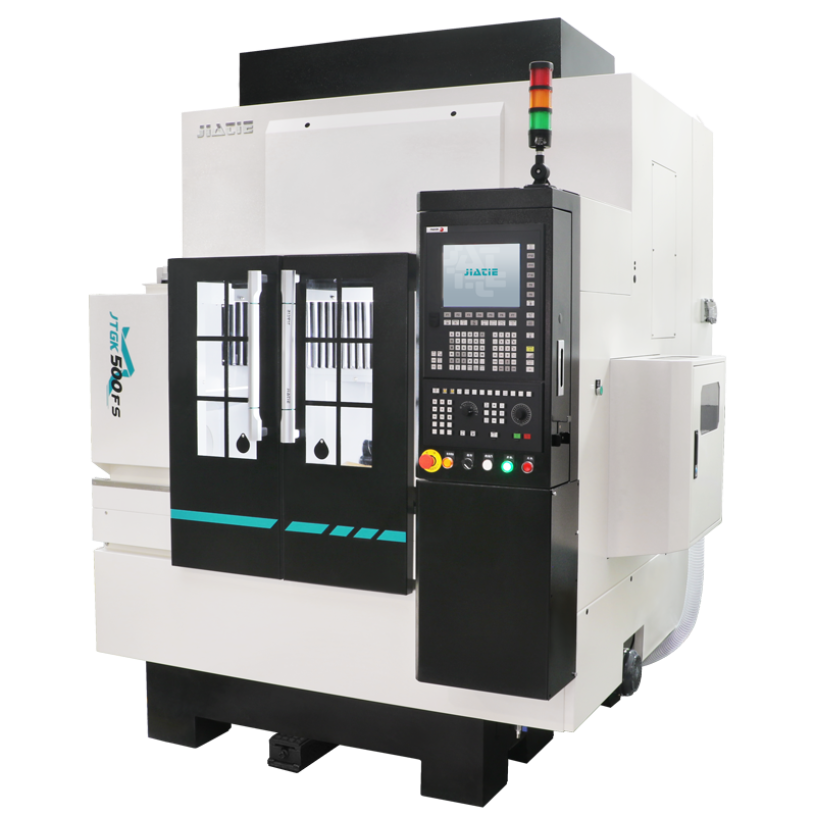
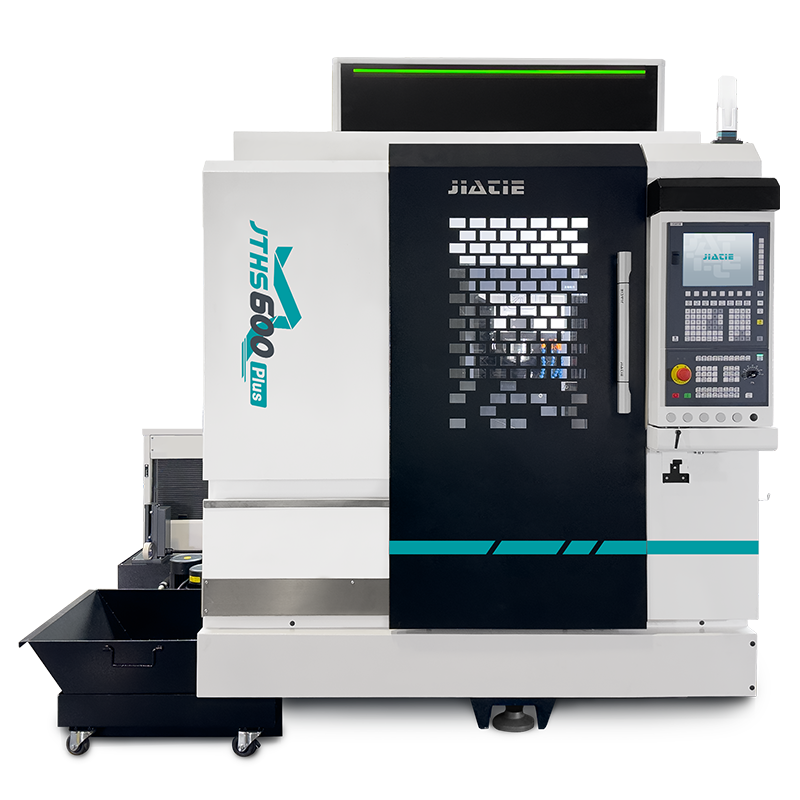
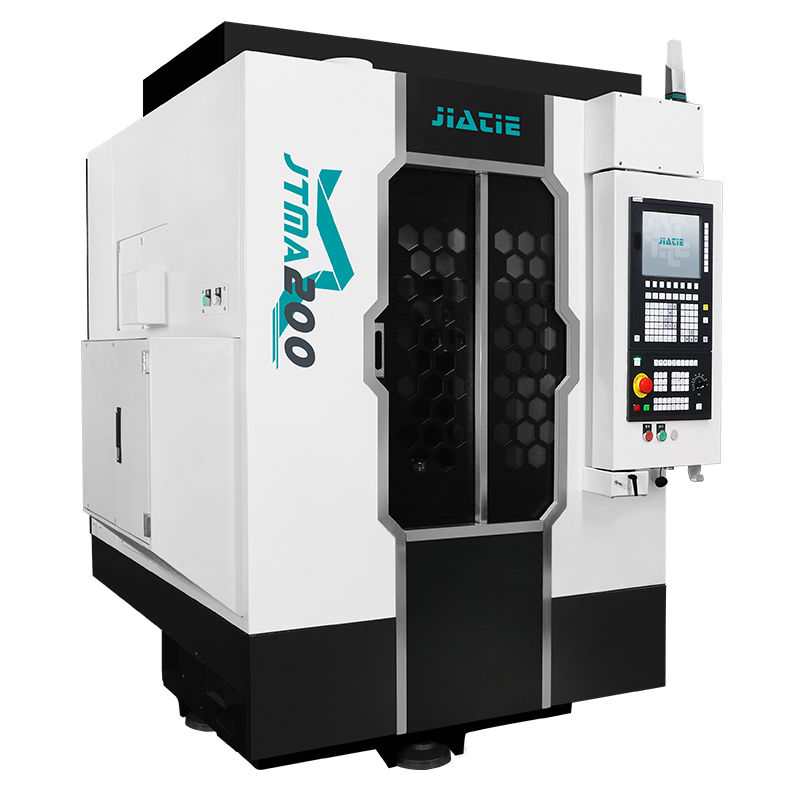
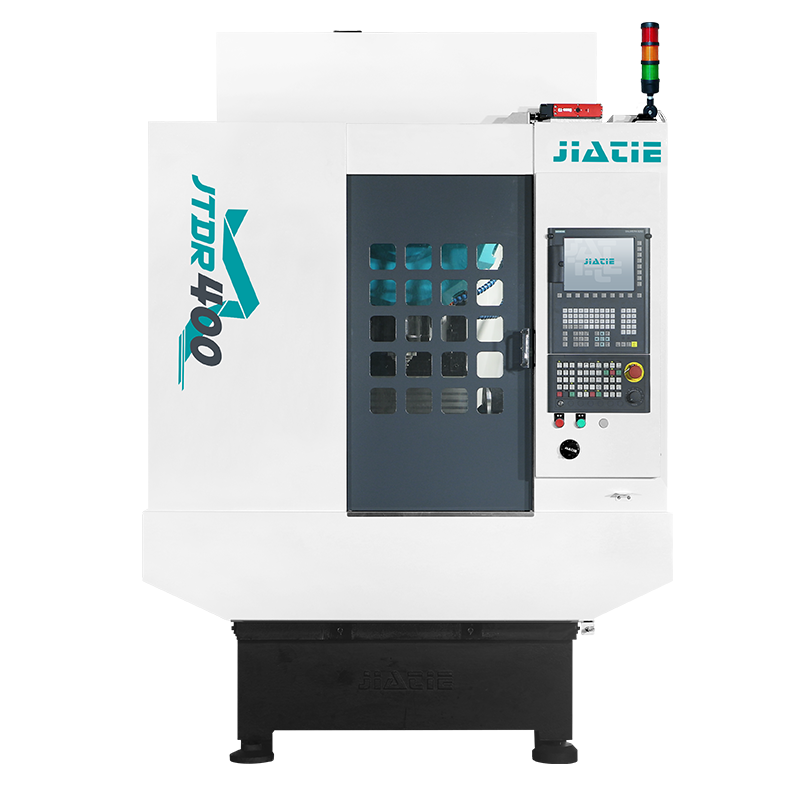
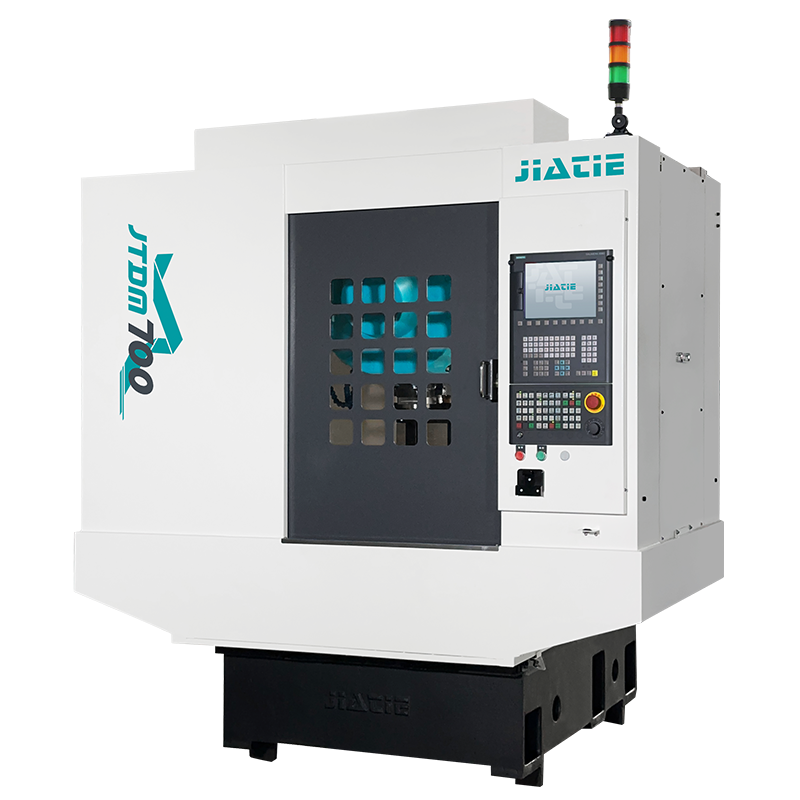
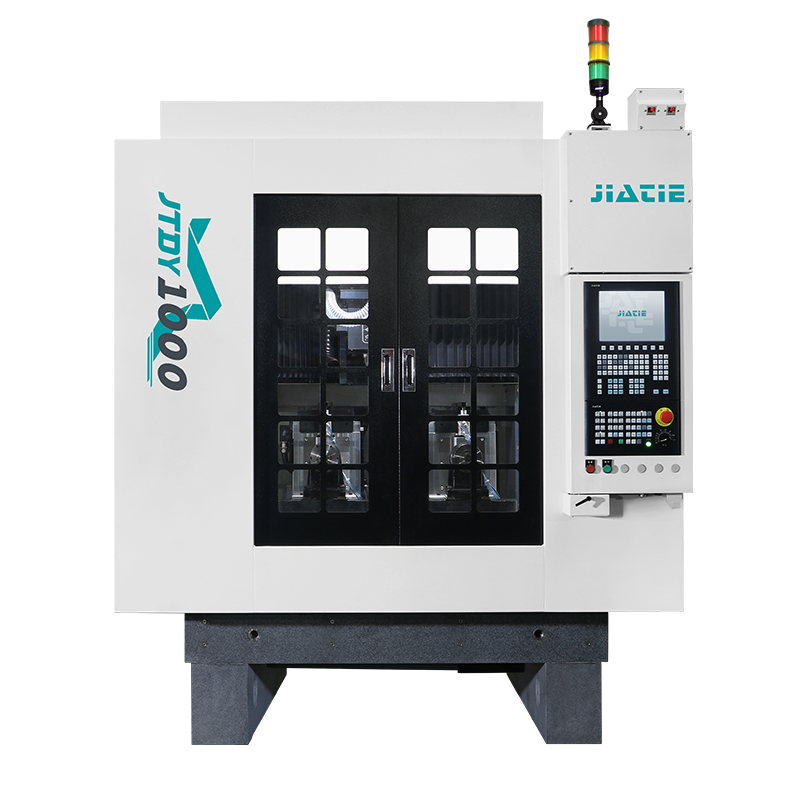
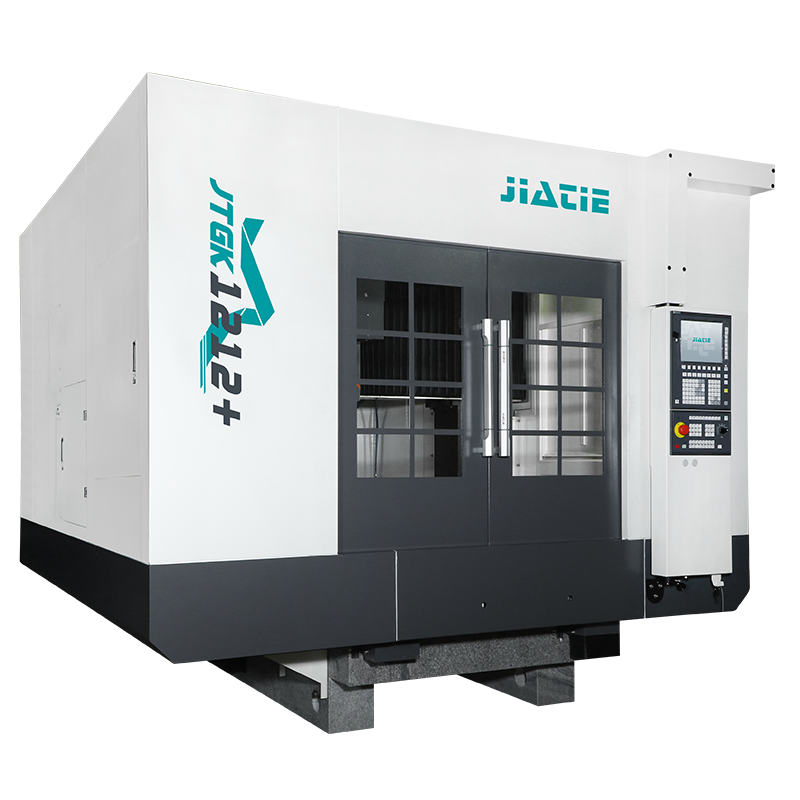
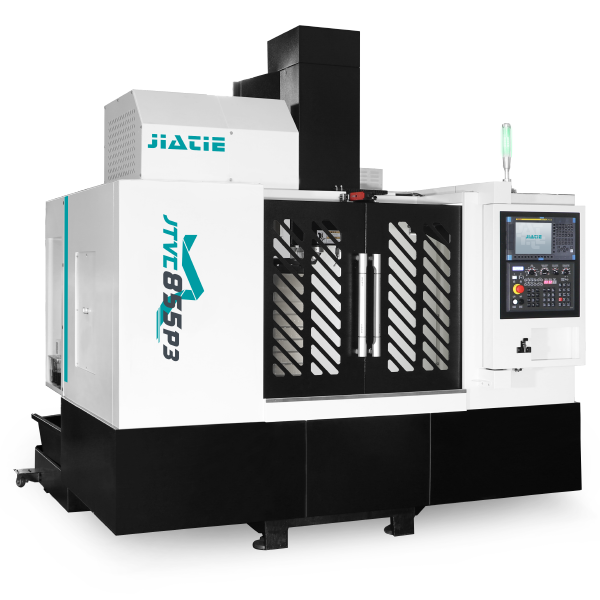
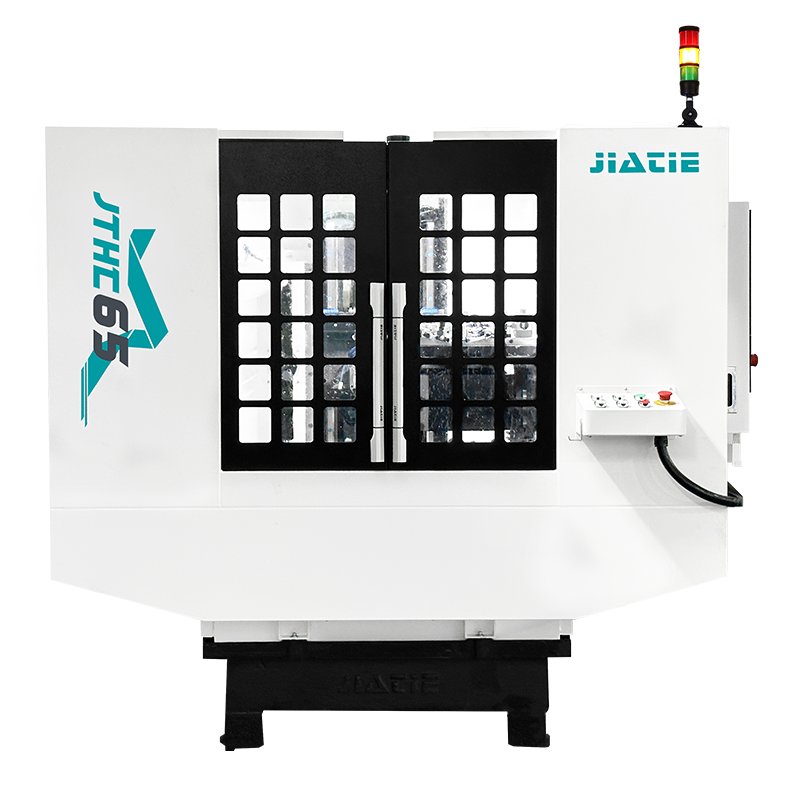
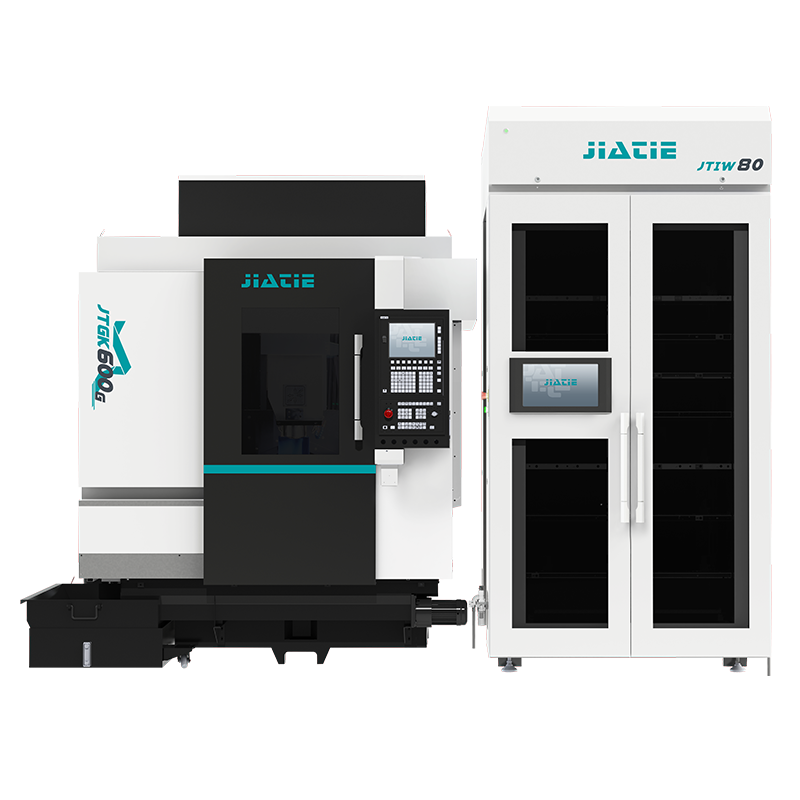
In the world of precision manufacturing, machining efficiency, structural rigidity, and automation determine whether a workshop can stay competitive. Among all CNC equipment, the vertical Machining Center stands out as one of the most versatile and widely used machines in the metalworking industry. From automotive parts to mold components, from aerospace structures to precision tools, vertical CNC technology delivers accuracy, speed, and reliability.
When engineers ask what is a Vertical Machining Center, the answer is simple: it is a highly automated machining platform that integrates milling, drilling, tapping, contouring, pocketing, surfacing, and other operations in a single machine. It uses a vertically oriented spindle, giving it the name vertical CNC machine or vertical CNC mill.
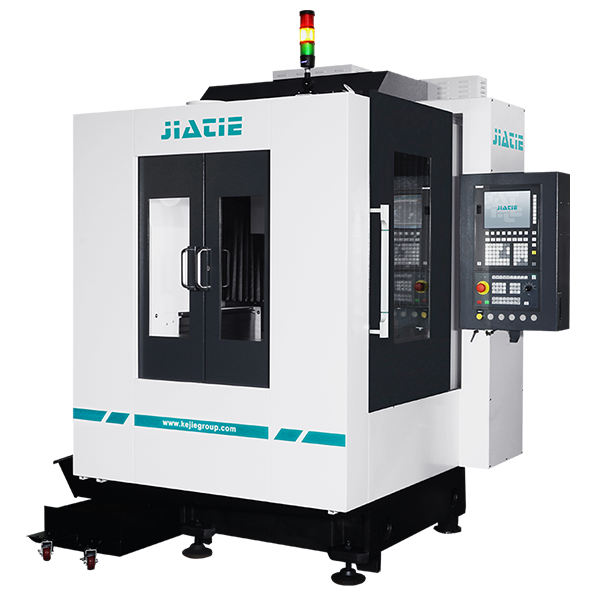
One representative example of modern innovation is the JTVC-1166 Vertical Machining Center, a high-rigidity, high-performance machine designed based on years of engineering experience and FEM structural analysis. Its design philosophy highlights stability, speed, and long-cycle reliability—key requirements in today’s high-mix, high-precision manufacturing environment.
1. What Is a Vertical Machining Center?
A vertical machining center (VMC) is a CNC-controlled machine tool with a vertical spindle. It automates complex cutting operations using programmable toolpaths and servo-driven axes. Unlike manual milling machines, a modern vertical cnc machine integrates:
Computer numerical control (CNC)
Automatic tool changers
High-rigidity spindle systems
Linear guides and ball screws
Enclosed cutting environment
Coolant and chip removal systems
This makes it an essential machine for industries that require repeatable accuracy, high efficiency, and stable machining quality.
The VMC is the most common type of milling center in manufacturing facilities worldwide, more commonly used than a vertical turning center because it is ideal for prismatic parts, plates, molds, housings, brackets, and high-precision engineering components.
2. How a Vertical Machining Center Works
Vertical machining centers rely on the coordinated movement of three linear axes:
X-axis: left–right movement
Y-axis: forward–backward movement
Z-axis: vertical up–down movement
The vertically oriented spindle rotates at high speed, driving tools such as end mills, drills, taps, countersinks, and face mills to remove material from the workpiece. The machine uses a stable worktable to clamp parts, ensuring the cutting forces are absorbed by the rigid base and column.
This vertical structure makes the machine ideal for gravity-assisted chip evacuation and coolant circulation, increasing cutting stability and surface quality. Combined with CNC automation, a vertical cnc mill achieves consistent dimensional accuracy across batches.
3. Why Modern Workshops Choose Vertical CNC Machines
Whether investing in new equipment or evaluating a used cnc vertical milling machine, manufacturers choose vertical machining centers for several reasons:
1) Versatility Across Materials
VMCs can machine:
Aluminum
Stainless steel
Carbon steel
Tool steel
Brass
Titanium
Plastics and composites
2) High Dimensional Accuracy
Linear guides, ball screws, and micron-level positioning combine to guarantee precision even in long production runs.
3) Wide Process Integration
A single cnc vertical milling machine can complete:
Milling
Drilling
Tapping
Boring
Chamfering
Profiling
Contouring
Surface finishing
4) User-friendly Programming
Vertical CNC machines typically have excellent operator visibility, intuitive interfaces, and easy program debugging, making them popular in both small workshops and large automated lines.
5) Cost-effectiveness
Compared with Horizontal Machining Centers, VMCs offer:
Lower price
Smaller footprint
Easier setup
Faster ROI
This is why the vertical machining center remains the backbone of global CNC manufacturing.
4. JTVC-1166 Vertical Machining Center: Structural Design & Performance
While vertical CNC machines come in many forms, the JTVC-1166 highlights the newest advancements in machine tool engineering. It combines decades of CNC design experience with FEM (Finite Element Analysis) to optimize structural rigidity and dynamic stability.
High-Rigidity Structure
Base, column, and saddle adopt high-rigidity structural design
Internal stress is eliminated during casting and aging processes
Ensures stable dynamic performance during heavy-load machining
Optimized Linear Guide System
The three-axis linear precise guide provides:
Fast acceleration and deceleration response
Excellent positioning accuracy
Improved machining efficiency
High stability even under heavy cutting conditions
The design allows the vertical cnc machine to maintain accuracy across long machining cycles.
Powerful BBT40 Short-Nose Spindle
Equipped with:
Strong high-torque motor
Forced cooling system
High-speed tool rotation
Excellent rigidity for heavy cutting
This spindle configuration enhances material removal rates and surface finish, especially in steel or hardened materials.
Stable Base with Lightweight Moving Axes
Heavy structural base increases damping
Lightweight components on moving axes boost acceleration
Higher responsiveness with less vibration
This design improves motion smoothness and reduces cycle time.
Automatic Chip Removal System
Continuous chip evacuation ensures:
Clean working environment
Stable coolant circulation
Reduced manual cleaning
Higher machining uptime
5. Technical Specifications of the JTVC-1166
Item | Specification |
X/Y/Z Travel | 1100 / 650 / 600 mm |
Worktable Dimension | 1200 × 650 mm |
Maximum Workpiece Height | 600 mm |
Maximum Load of Worktable | 1100 kg |
Machine Dimensions | 2960 × 2750 × 2950 mm |
Machine Net Weight | 7500 kg |
These specifications show the machine’s capability for medium-to-large part machining while maintaining high precision.
6. Key Advantages of Vertical Machining Centers
Modern vertical CNC systems, including machines like the JTVC-1166, bring several engineering advantages:
1) Exceptional Rigidity
Using FEM analysis, the structure achieves an optimized weight-to-rigidity ratio. This ensures:
Minimum deformation
Maximum cutting stability
High repeatability under dynamic movement
2) Outstanding Accuracy Under Heavy Load
The combination of:
3-axis ball screw
High-precision linear guides
allows the machine to maintain stable positioning, even during heavy-load machining and large-depth cutting.
3) Thermal Stability
Spindle cooling and balanced structural layout ensure:
Reduced heat distortion
Consistent machining tolerance
Extended spindle life
4) High-Acceleration Motion
Lightweight moving components enhance acceleration, making the machine suitable for:
High-speed toolpath machining
3D contour milling
Small feature machining
7. Applications of Vertical CNC Machining Centers
Vertical machining centers are widely used across industries because of their flexibility and reliable performance.
1) Mold & Die Industry
Ideal for:
Cavity milling
Electrode machining
Precision mold bases
Surface finishing
2) Automotive Components
Used for:
Engine housings
Brackets
Transmission parts
Precision machined blocks
3) Aerospace Parts
Supports machining of:
Lightweight structural components
Titanium brackets
Aluminum frames
Precision mounting plates
4) Mechanical Equipment Parts
VMCs can complete operations on:
Fixtures
Tooling components
Drive housings
Industrial machine parts
5) Electronics Industry
For machining:
Heat sinks
Metal housing
Compact precision parts
Whether it is a new vertical CNC machine or a used cnc vertical milling machine, the capability to deliver precision makes VMCs indispensable across modern factories.
8. Vertical CNC vs. Other Machining Technologies
Vertical CNC vs. Horizontal CNC
Vertical CNC advantages:
Lower cost
Smaller footprint
Easier operation
Better suited for plates, blocks, and molds
Vertical Machining Center vs. Vertical Turning Center
A vertical turning center is used for rotating cylindrical parts, focusing on turning operations.
A vertical machining center is used for prismatic parts requiring milling, drilling, contouring, and tapping.
Vertical CNC Mill vs. CNC Vertical Milling Machine
These terms are often interchangeable, both referring to the same vertical spindle machining equipment.
9. Why Choose a Machine Like the JTVC-1166?
This machine represents the newest generation of vertical machining center design:
High rigidity ensures consistent accuracy
Strong spindle power supports heavy cutting
FEM-optimized structure improves dynamic performance
Linear guide motion increases responsiveness
Advanced cooling & chip removal enhance uptime
Stable performance under heavy load
Whether used for rapid prototyping, batch production, or high-precision finishing, this vertical cnc machine delivers long-term reliability and cost-effectiveness.
10. Conclusion: The Future of Vertical CNC Machining
Understanding what a vertical machining center is reveals why it has become the most widely adopted CNC solution in the global manufacturing industry. With strong structural design, advanced CNC control, stable machining accuracy, and multi-process integration, vertical CNC technology continues to shape the future of metalworking.
Machines like the JTVC-1166 Vertical Machining Center show how modern engineering, FEM analysis, and high-performance components can deliver exceptional machining results in both small and large production environments.
Whether investing in a new machine or exploring a used cnc vertical milling machine, the vertical machining center remains one of the smartest and most versatile choices for today's CNC manufacturing professionals.