

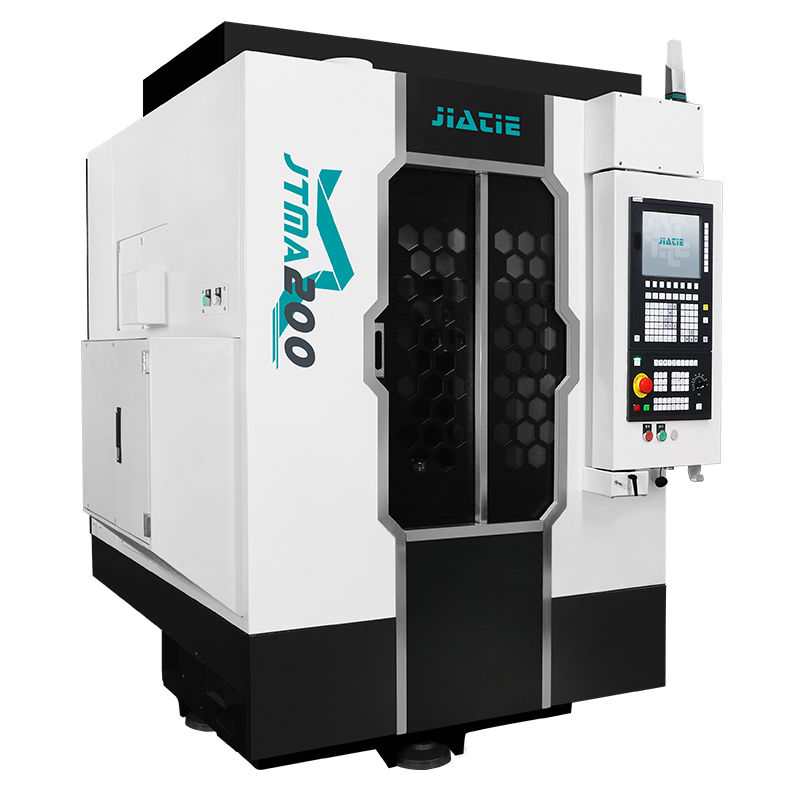
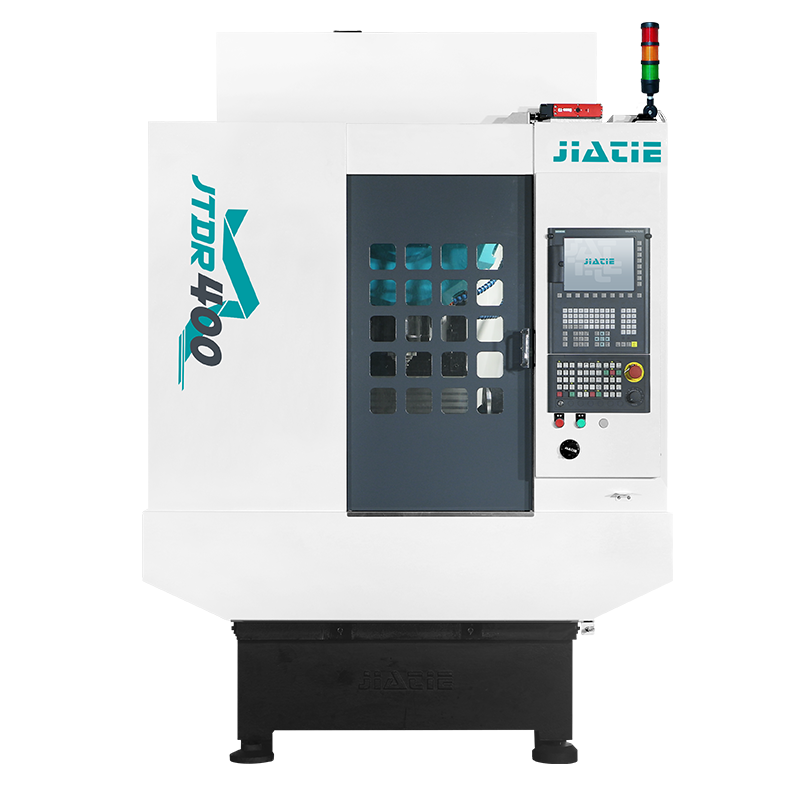
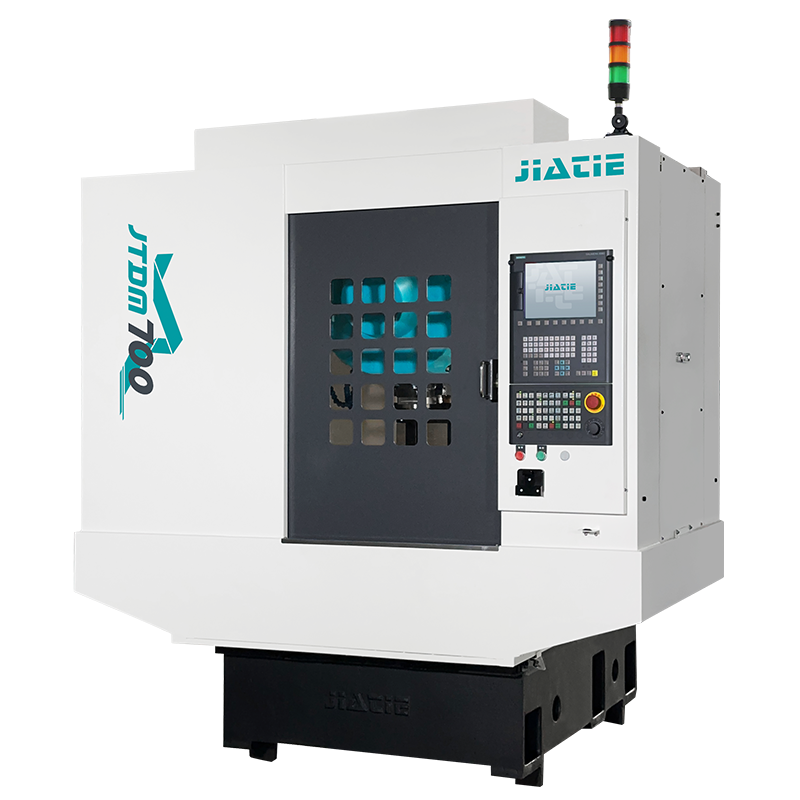
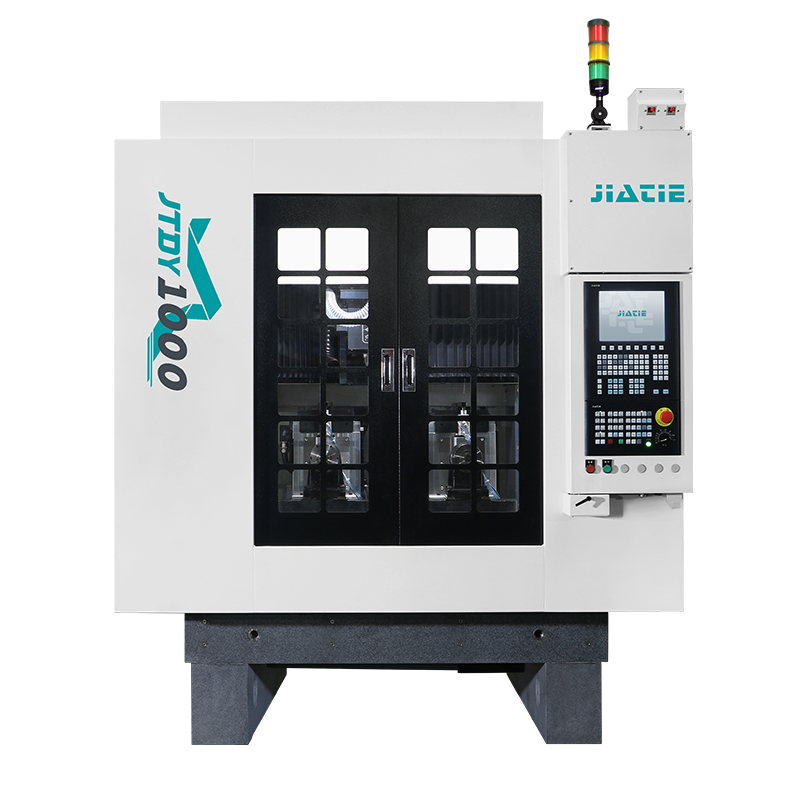
In precision machining, correct center height is one of the most important factors for ensuring part accuracy, surface quality, and machining stability. Whether you are working with a cnc vertical milling center, a small 5 axis mill, or a small horizontal Machining Center, proper center height setting affects how the cutting tool contacts the workpiece and how consistently the machine performs throughout the machining cycle.
If the center height is not set correctly, it may lead to dimensional deviation, poor finish, excessive vibration, rapid tool wear, and unstable cutting. For manufacturers using a 5 axis CNC Machining Center, 4 axis CNC Machining Center, or a standard cnc machining center, mastering this setup process is essential for improving efficiency and reducing scrap.
What Does Center Height Mean in CNC Machining?
Center height refers to the proper alignment between the spindle centerline, the cutting tool, the fixture, and the workpiece datum. In simple terms, it means making sure the machine cuts exactly where it is supposed to cut.
This is especially important when machining complex parts on a 5 axis cnc machining 阿center or indexed parts on a 4 axis cnc machining center, because any small error in alignment may be amplified during multi-axis motion. Professional 5 axis cnc machining services and 4 axis cnc machining services always pay close attention to center height, because it directly affects final part precision.
Why Proper Center Height Matters
Correct center height provides several important benefits:
Higher Machining Accuracy
When the spindle and tool are aligned correctly with the workpiece center, the machine can achieve tighter tolerances and more reliable dimensions.
Better Surface Finish
Proper center height reduces uneven cutting pressure and helps avoid tool marks, chatter, and burr formation.
Improved Tool Life
When the cutting edge engages the workpiece evenly, the cutting load is distributed more effectively. This helps extend tool life, especially in high-speed operations.
Greater Stability
Machine stability depends not only on structure, but also on proper setup. Accurate center height reduces vibration and improves cutting smoothness.
Better Multi-Axis Performance
For any 4 axis cnc machining center or 5 axis cnc machining center, correct center height is a key part of rotary axis accuracy and overall machine performance.
Machine Structure Also Affects Center Height Stability
While operators often focus on setup methods, machine structure itself also plays a major role in keeping center height stable during machining. A well-designed machine frame can resist deformation, reduce vibration, and maintain accuracy during long cutting cycles.
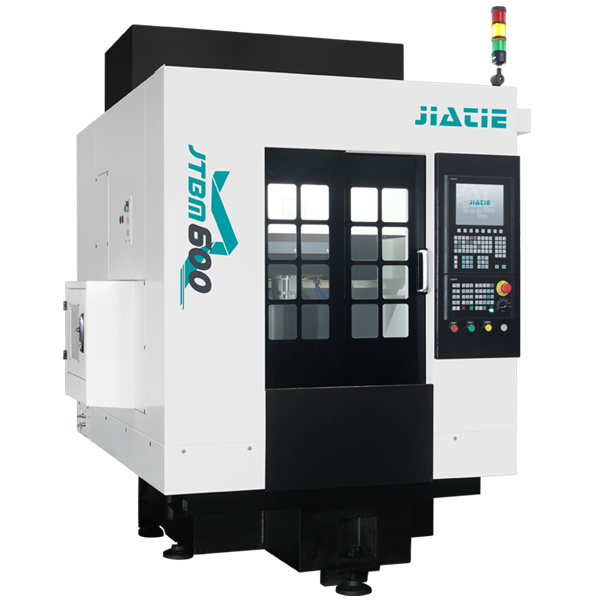
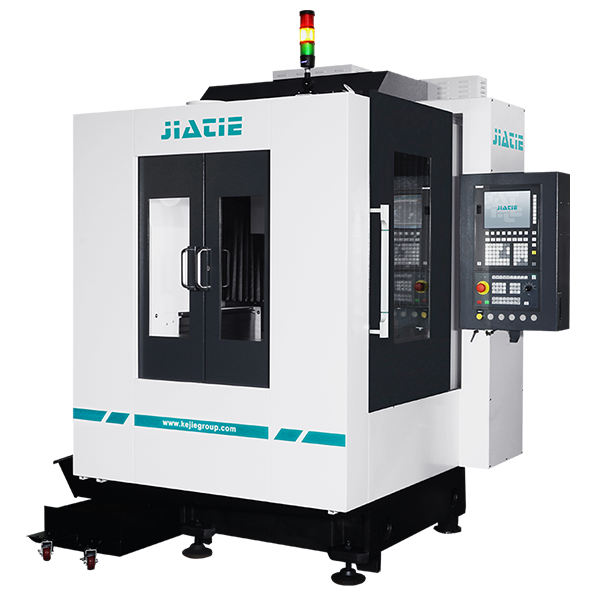
For example, a new design of machine structure improves machine rigidity and machining stability, which is critical when machining larger or heavier workpieces. In addition, a good chip removal method, which is suitable for different processing requirements, helps keep the cutting area clean and prevents chips from affecting the tool path or workpiece positioning.
Another important factor is vibration control. Mature vibration suppression technology increases tool life, while also helping maintain stable center alignment during heavy cutting or high-speed finishing. For shops processing different part sizes, large stroke processing to meet the needs of more size products is also valuable because it allows more flexibility in setup and machining range.
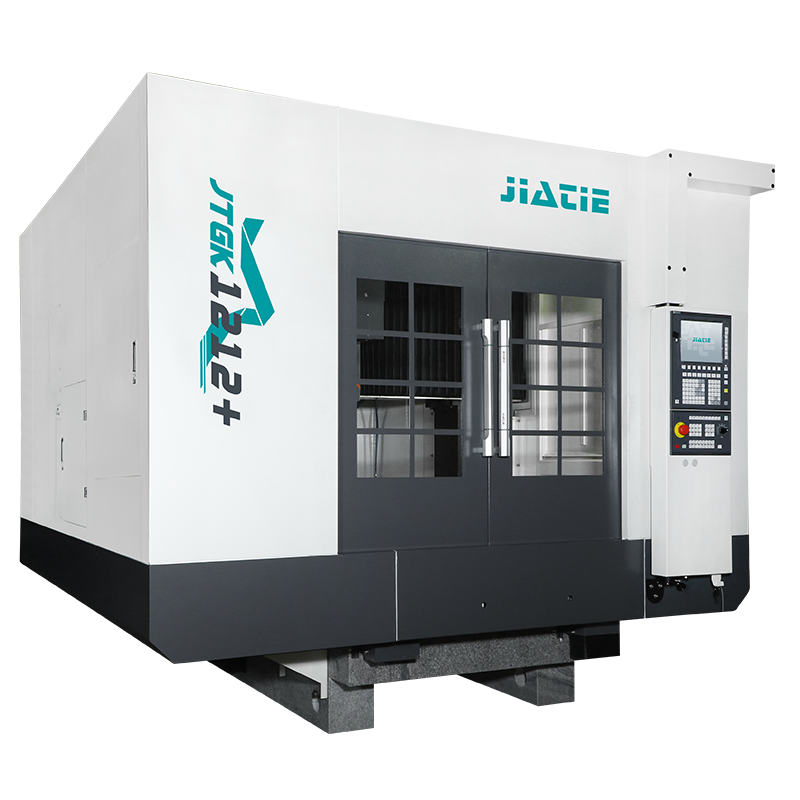
A practical example of this type of equipment includes the following machine configuration:
X/Y/Z travel: 700/800/350 mm
Work table dimension: 750 × 800 mm
Max workpiece height: 310 (410) mm
Max load of worktable: 800 kg
Machine net dimension:
2400 × 2370 × 2660 mm (Circular type tool magazine)
2650 × 2370 × 2660 mm (Chain type tool magazine)
Machine net weight: 5000 kg
These specifications show that a high-rigidity cnc machining center with a large table and strong load capacity can support stable clamping, precise center alignment, and reliable machining for a wide range of part sizes.
Common Machines Used for Precision Center Height Setup
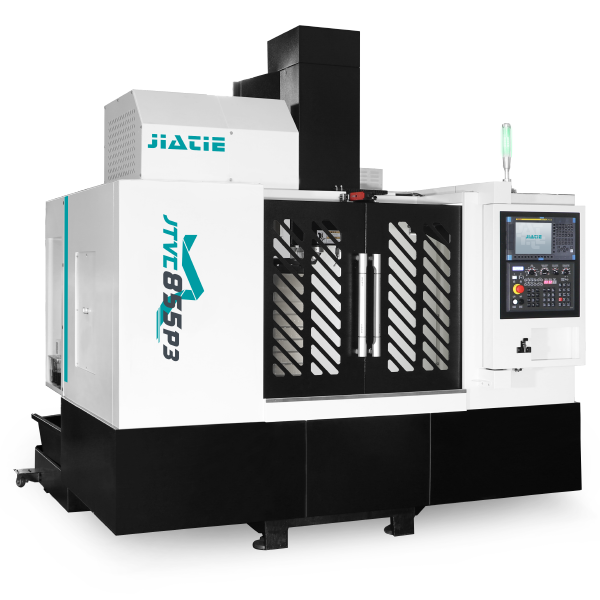
CNC Vertical Milling Center
A cnc vertical milling center is widely used for face milling, drilling, tapping, and contour machining. Proper center height setup on this machine typically includes spindle alignment, work offset setting, tool measurement, and fixture leveling.
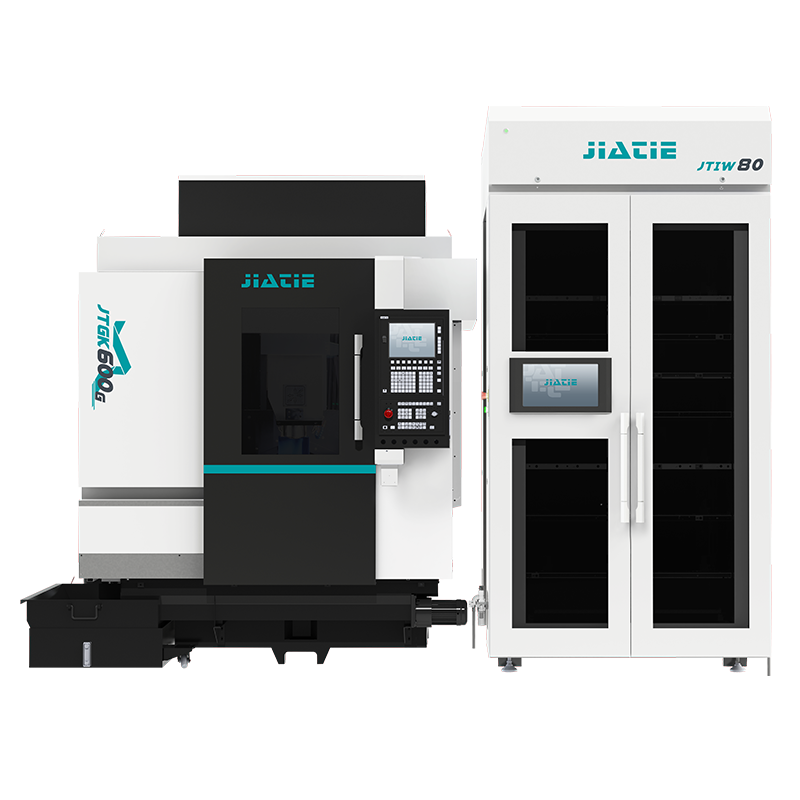
Small 5 Axis Mill
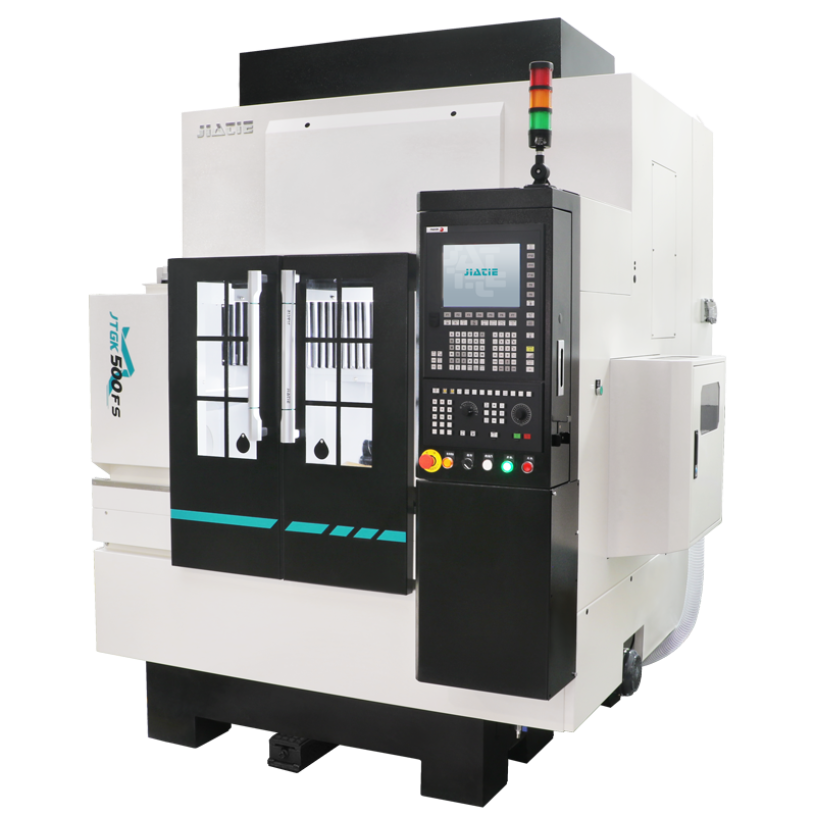
A small 5 axis mill is ideal for compact precision parts and prototype machining. Although the machine footprint is smaller, the center height must still be highly accurate because multi-axis linkage makes alignment more sensitive.
Small Horizontal Machining Center
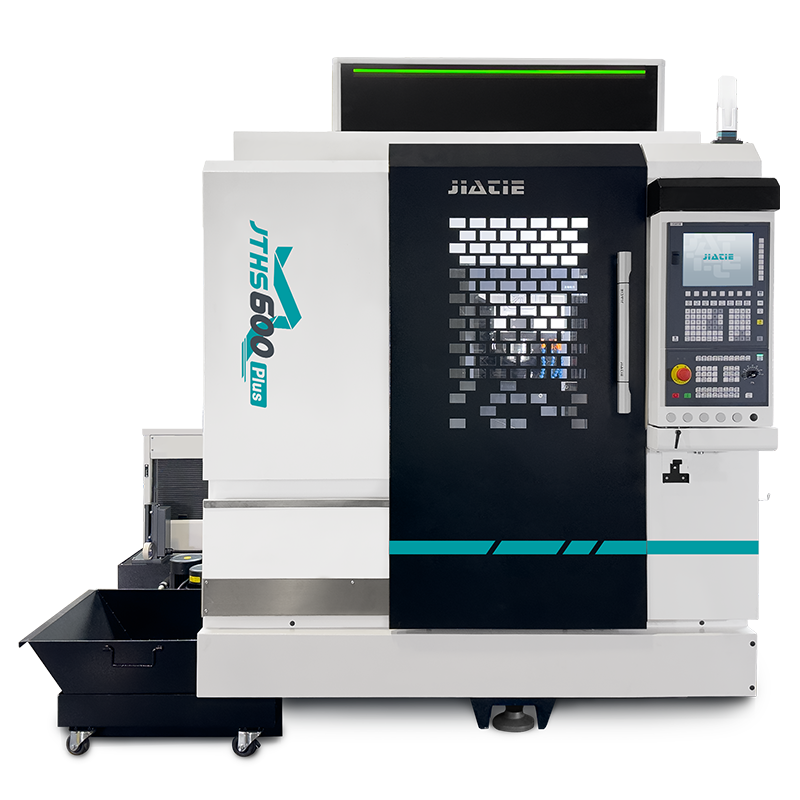
A small horizontal machining center is suitable for multi-face machining and better chip evacuation. Correct center height helps improve indexing accuracy and maintain consistent cutting on different sides of the part.
4 Axis CNC Machining Center
A 4 axis cnc machining center uses an additional rotary axis to process multiple surfaces in one setup. In this case, center height must match the rotary axis centerline to prevent off-center cutting.
5 Axis CNC Machining Center
A 5 axis cnc machining center can machine highly complex surfaces and angular features. Because multiple axes move together, center height must be set very carefully to avoid cumulative machining errors.
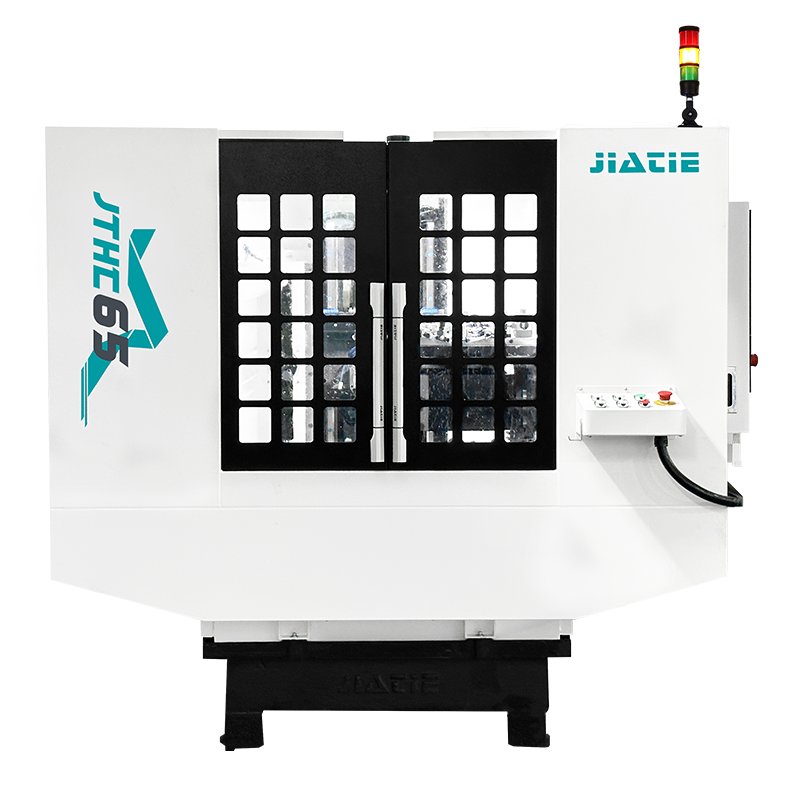
CNC Engraving and Milling Machine
A cnc engraving and milling machine is often used for fine details, text, molds, and precision cavities. Since it usually uses smaller tools, even slight center height errors may affect engraving depth or tool life.
How to Center Height CNC Machine
Below is a practical step-by-step guide for setting center height correctly.
1. Clean the Table, Fixture, and Workpiece
Before setup begins, clean the machine table, spindle taper, tool holder, fixture, and workpiece thoroughly. Chips, oil residue, and burrs can all affect alignment accuracy.
Even with a high-rigidity cnc vertical milling center, poor cleanliness may shift the setup reference and cause errors.
2. Check Machine Geometry
Confirm the machine is in good condition before beginning precision work. Important points include:
spindle perpendicularity
table flatness
axis backlash
rotary axis condition
guideway wear
fixture base accuracy
This is especially important for a small horizontal machining center or small 5 axis mill, where precision depends heavily on structural consistency.
3. Install and Align the Fixture
Mount the vise, chuck, rotary table, or custom fixture securely. Use a dial indicator to verify the fixture is positioned correctly relative to the machine axis.
In a 4 axis cnc machining center, make sure the rotary fixture centerline is accurate. In a 5 axis cnc machining center, fixture alignment must also match the kinematic structure of the machine.
4. Locate the Workpiece Center
The workpiece center can be found using several methods:
edge finder
dial test indicator
touch probe
gauge pins
reference bore measurement
A probe is often the most efficient method on a modern cnc machining center, especially for 5 axis cnc machining services where repeatability is essential.
5. Measure Tool Length Correctly
Tool length offset must be set accurately so the machine knows the true position of the tool tip. If tool length is wrong, the Z-axis center height will also be wrong.
This is particularly important on a cnc engraving and milling machine, where even a tiny offset error can affect engraving precision.
6. Verify Spindle and Datum Alignment
After finding the workpiece center, move the spindle to the reference position and verify that it aligns with the intended datum. Run the machine slowly above the part surface and double-check the tool path.
For a small horizontal machining center, pay attention to pallet and spindle centerline consistency. For a small 5 axis mill, confirm the spindle position relative to the rotary pivot point.
7. Calibrate Rotary Axis if Needed
For a 4 axis cnc machining center or 5 axis cnc machining center, center height is closely related to rotary axis calibration. If the axis of rotation does not pass through the correct workpiece center, machining accuracy will suffer.
Common methods include:
dial indicator sweep test
calibration sphere
probing cycle
ball bar test
test cutting verification
This is why advanced 4 axis cnc machining services and 5 axis cnc machining services invest heavily in regular calibration and compensation.
8. Perform a Test Cut
A test cut is one of the best ways to confirm center height. Machine a simple feature such as a bore, slot, or circular pocket, then inspect the result carefully.
Signs of incorrect center height include:
poor circularity
inconsistent depth
uneven wall thickness
off-center holes
chatter marks
irregular engraving depth
Whether you are using a cnc vertical milling center or a cnc engraving and milling machine, test cutting is a practical final check before production.
How Machine Specifications Support Better Center Height Control
The machine specifications you provided are especially useful for maintaining stable setup and center alignment in real-world machining.
A travel range of 700/800/350 mm gives the machine enough working stroke to accommodate more part sizes and setup conditions. The 750 × 800 mm work table provides a solid clamping platform, while the 800 kg maximum table load ensures heavy workpieces can still be machined with stability.
The machine’s substantial 5000 kg net weight also reflects a rigid structure, which helps resist vibration and supports more consistent cutting accuracy. Whether equipped with a circular type tool magazine or a chain type tool magazine, this type of machine is well suited for stable and flexible machining tasks.
For manufacturers looking for a dependable cnc machining center, these structural advantages improve not only general cutting performance, but also the reliability of center height control during long machining cycles.
Common Mistakes to Avoid
Ignoring Fixture Alignment
Even if the machine is accurate, a poorly aligned fixture can shift the part center.
Skipping Tool Offset Verification
Incorrect tool measurement will directly affect height accuracy.
Not Checking Rotary Center
For a 4 axis cnc machining center or 5 axis cnc machining center, rotary centerline error is a common cause of poor machining results.
Poor Chip Management
If chips accumulate around the workpiece or fixture, they may affect clamping and reference accuracy. This is why a good chip removal method matters so much.
Overlooking Machine Warm-Up
Thermal change can affect spindle and axis geometry. Many professional 5 axis cnc machining services warm up the machine before high-precision cutting.
Best Practices
To achieve better center height accuracy consistently:
keep the setup area clean
use reliable measuring tools
verify work offsets carefully
check rotary axes regularly
run test cuts for new jobs
record proven setup values
warm up the machine before precision cutting
These methods help every cnc machining center deliver more stable results, from a standard cnc vertical milling center to a compact small 5 axis mill.
Conclusion
Understanding how to center height CNC machine correctly is essential for achieving precise and repeatable machining results. It is not just a matter of setting a tool offset. It also involves machine rigidity, fixture alignment, workpiece centering, tool measurement, rotary calibration, and chip control.
A high-performance machine with a rigid structure, strong load capacity, effective chip removal, vibration suppression technology, and large travel can provide an excellent foundation for stable machining. This is especially important for users of a cnc vertical milling center, small 5 axis mill, small horizontal machining center, 4 axis cnc machining center, 5 axis cnc machining center, and cnc engraving and milling machine.
For companies offering 4 axis cnc machining services or 5 axis cnc machining services, precise center height setting is one of the key steps that ensures part quality, machining efficiency, and customer satisfaction. With the right machine design and the right setup method, a modern cnc machining center can deliver stable, efficient, and highly accurate results across many different applications.