

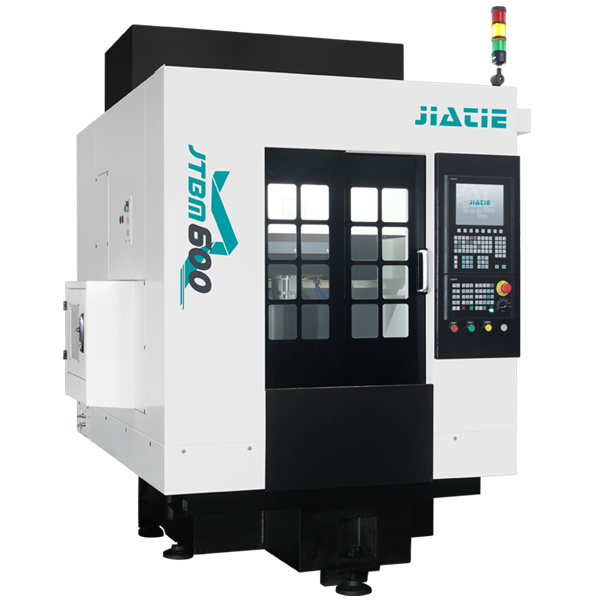
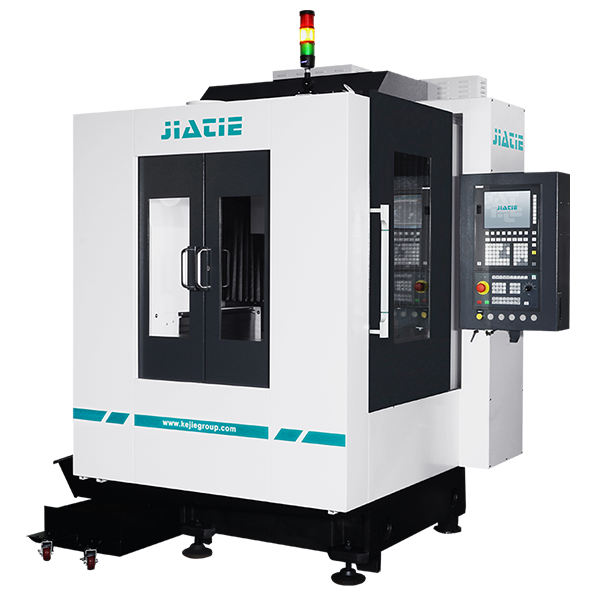
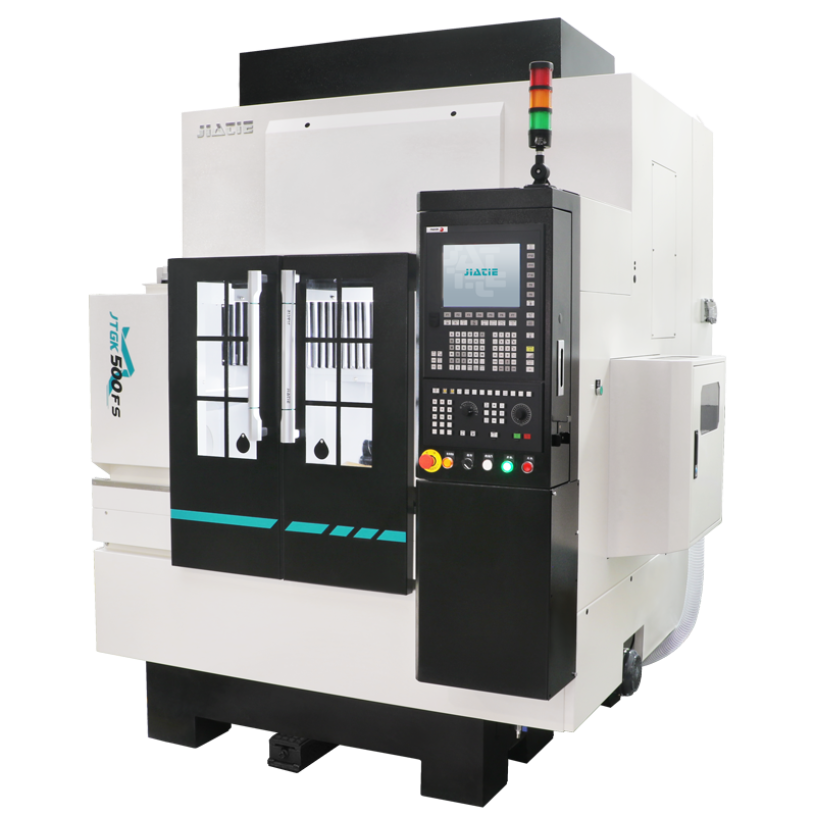
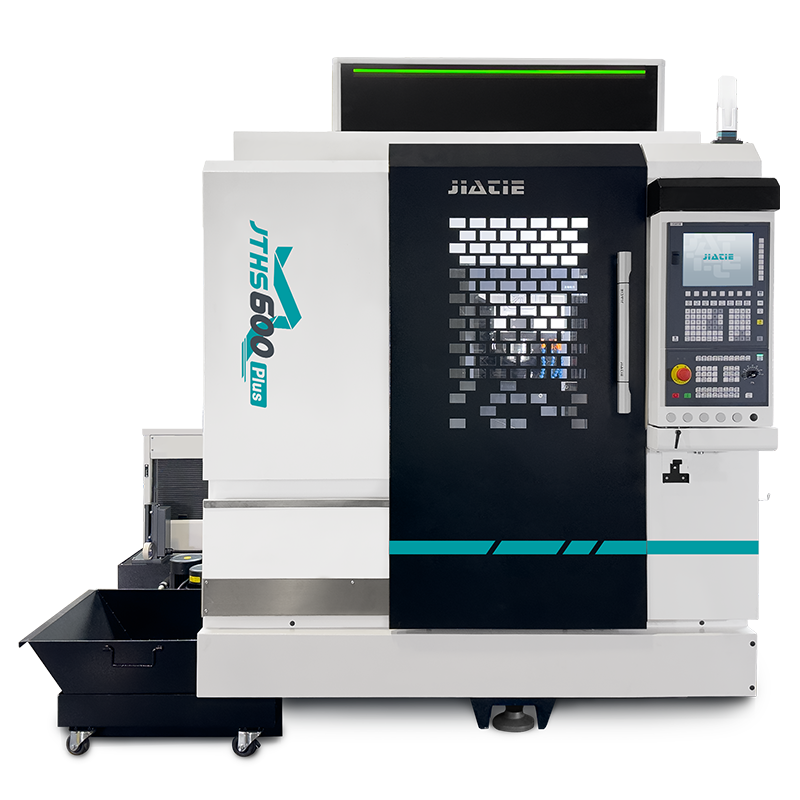
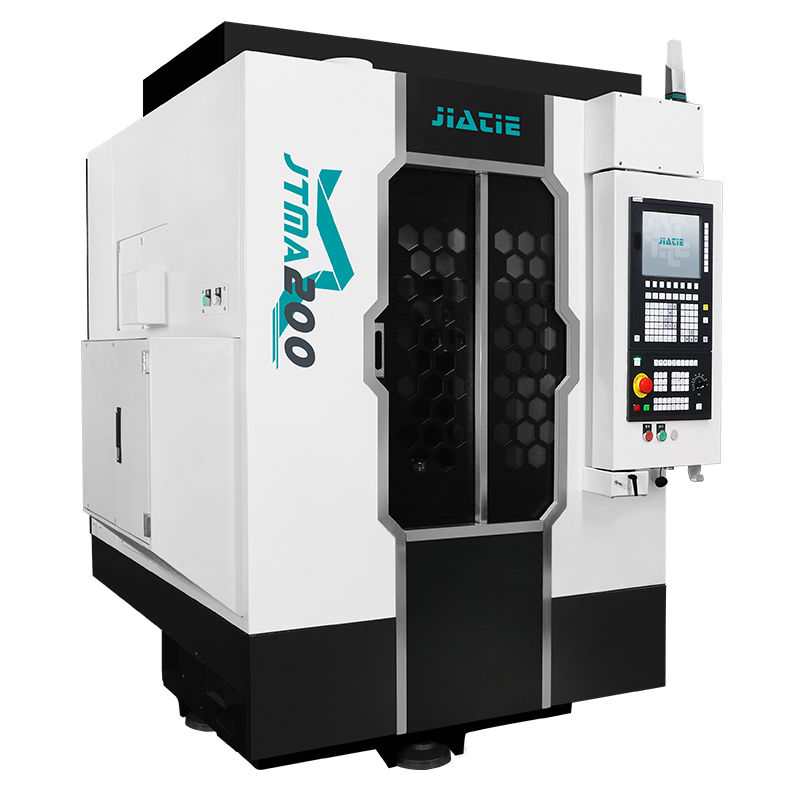
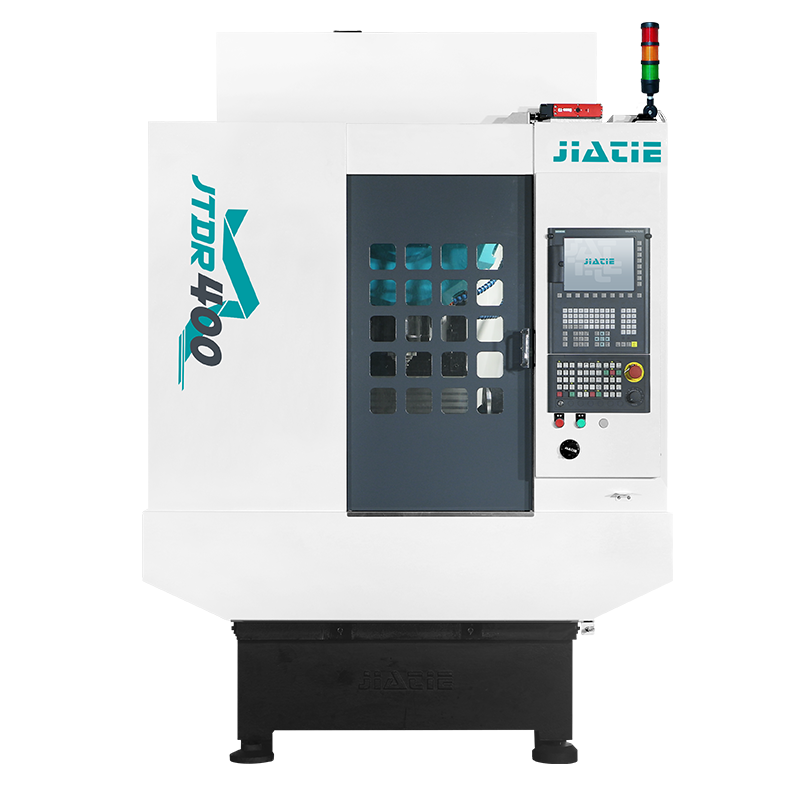
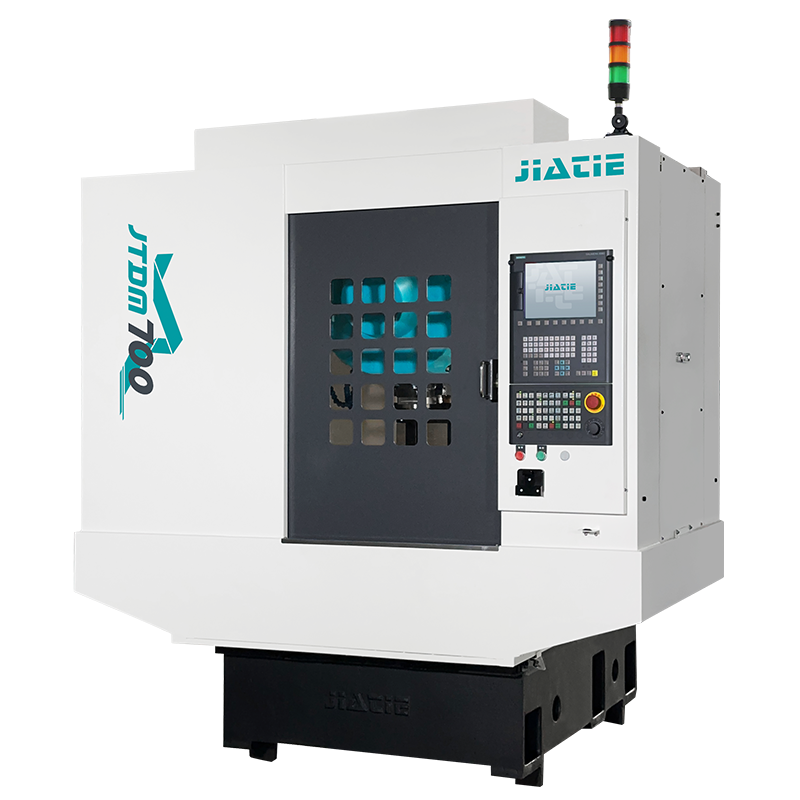
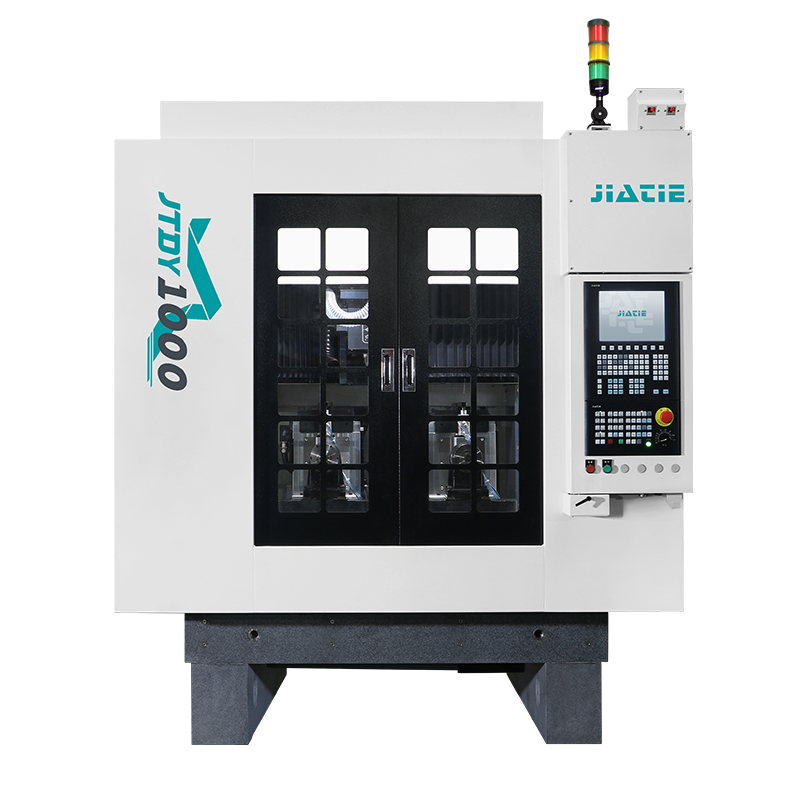
In modern precision manufacturing, the 5 axis cnc milling machine represents one of the most advanced machining solutions available. Compared with traditional 3-axis machines, 5-axis systems provide unmatched flexibility, accuracy, and efficiency. If you want to understand how 5 axis machining works, what makes it superior, and why industries are rapidly adopting five axis machining, this comprehensive guide will explain everything in detail.
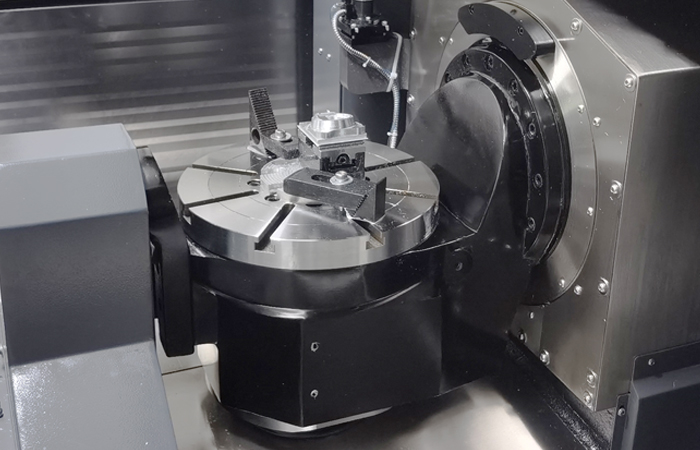
1. What Is a 5 Axis CNC Milling Machine?
A 5 axis cnc milling machine is an advanced CNC system capable of moving a cutting tool or workpiece along five different axes simultaneously. In addition to the standard X, Y, and Z linear axes, it includes two rotational axes (commonly A and C or B and C).
This configuration allows:
Machining complex geometries in a single setup
Improved surface finish
Reduced repositioning errors
Shorter production cycles
A 5 axis cnc mill can approach a part from virtually any direction, which is impossible with traditional 3-axis machines.
2. What Is Five Axis Machining?
Five axis machining refers to the manufacturing process performed on a 5-axis machine, where the cutting tool moves across five coordinated directions. This enables simultaneous contouring and highly precise multi-surface machining.
Advantages of Five Axis Machining:
High-efficiency and high-accuracy machining
Complex curved surface processing
Reduced fixture requirements
Improved tool life
Higher dimensional precision
Modern systems often incorporate Fully closed loop control technology makes machine machining more accurate and reliable, ensuring positioning precision and repeatability.
3. Structure of a Five Axis Milling Machine
A typical five axis milling machine integrates advanced structural and motion systems to guarantee stability and precision.
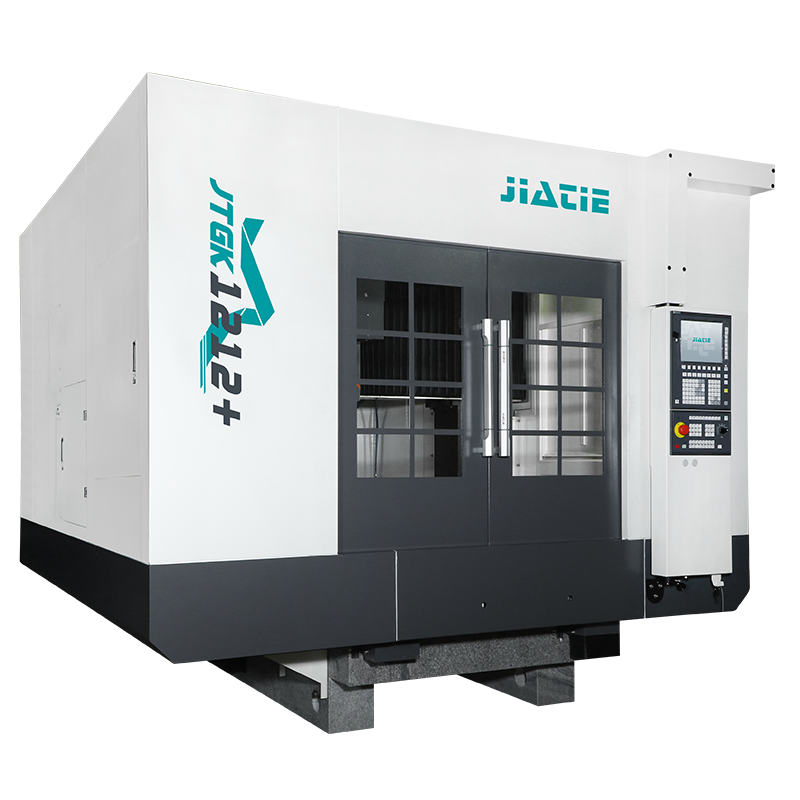
Gantry Structure Design
Many machines adopt a gantry-type frame. The Gantry structure makes machine dynamic property and precision retention better, especially during high-speed and heavy-duty cutting.
A 5 axis gantry milling machine is particularly suitable for:
Aerospace components
Automotive molds
Large precision parts
Complex aluminum or steel components
The rigid gantry frame reduces vibration and enhances structural stability.
4. Types of 5 Axis CNC Machines
There are several configurations of 5 axis cnc milling machine, depending on application and scale:
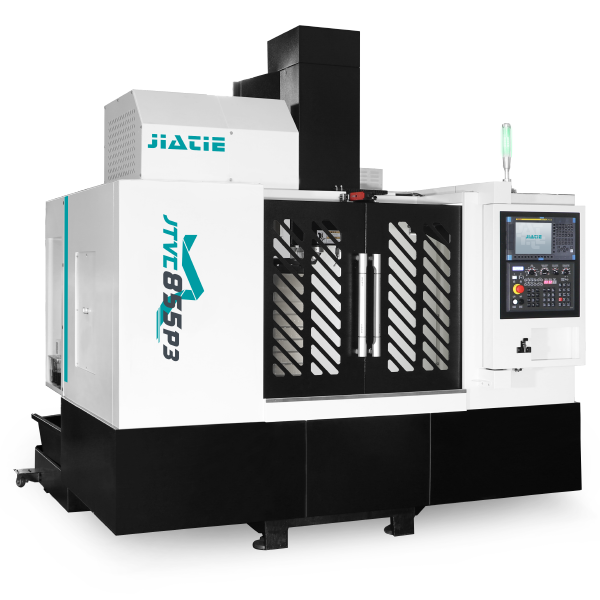
1. 5 Axis Vertical Machining Center
A 5 axis Vertical Machining Center features a vertical spindle orientation and integrated rotary table. It is widely used for:
Mold manufacturing
Medical implants
Precision parts
Tooling applications
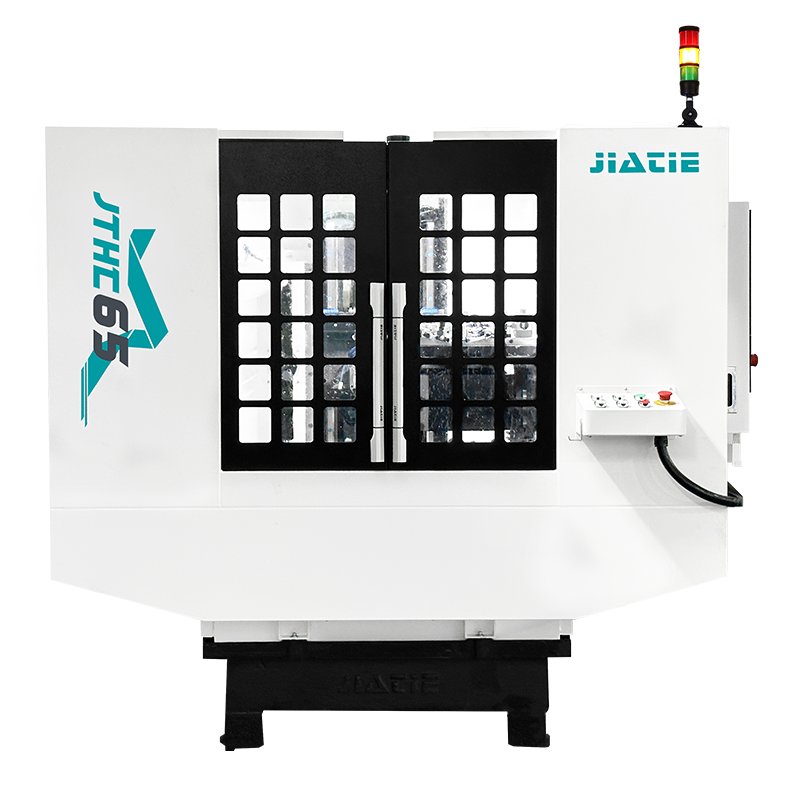
2. Desktop 5 Axis CNC Milling Machine
A desktop 5 axis cnc milling machine is compact and suitable for:
Education and training
Prototype development
Small precision parts
Research laboratories
Despite its smaller size, it still offers full 5-axis movement capability.
3. 5 Axis Gantry Milling Machine
A 5 axis gantry milling machine is designed for large workpieces and high-load machining. It delivers:
Greater rigidity
Higher load capacity
Superior dynamic stability
5. Key Technical Features of Modern 5 Axis CNC Mill
Modern 5 axis cnc mill systems integrate advanced technologies to improve performance:
1. Fully Closed Loop Control Technology
Fully closed loop control technology makes machine machining more accurate and reliable. This system monitors real-time feedback from encoders to minimize positioning errors.
2. High-Efficiency and High-Accuracy Machining
Optimized motion algorithms ensure smoother interpolation between axes, delivering both high speed and precision.
3. DD Direct Drive 5-Axis Rotary Tables
High-end machines are equipped with DD direct drive 5-axis rotary tables, offering:
Zero backlash
High torque output
High positioning accuracy
Faster response
4. Isolation Design
The moving components are completely isolated from the machining area that is easy for machine cleaning. This design prevents chip accumulation and simplifies maintenance.
5. Human-Machine Interaction
Excellent human-machine interaction design ensures the operational comfort and convenience for operator. Large touchscreen panels and intuitive interfaces reduce operator fatigue.
6. Spindle Options
A large torque or high-speed spindle is optional for meeting machining needs of different industries.
High-speed spindle → Aluminum and light alloys
High torque spindle → Steel and titanium
6. Technical Specifications Example
A typical high-performance 5 axis Vertical Machining Center may have the following specifications:
X/Y/Z travel: 600/350/300mm
Max workpiece diameter: Φ350mm
Max workpiece height: 270mm
Max load of worktable: 100kg
Machine Dimensions:
1990×2250×2550mm (Circular type tool magazine)
2300×2250×2550mm (Chain type tool magazine)
Machine Net Weight:
7000kg
The heavy 7000kg structure enhances vibration resistance and long-term precision retention.
7. How 5 Axis Machining Improves Productivity
1. Single Setup Machining
A 5 axis cnc milling machine allows multi-surface machining in one clamping process. This:
Reduces setup time
Minimizes repositioning errors
Increases efficiency
2. Better Surface Finish
Because the tool maintains optimal cutting angles during five axis machining, surface quality improves significantly.
3. Reduced Tool Wear
Shorter tool paths and optimal cutting orientation reduce stress on tools, extending their lifespan.
8. Applications of 5 Axis CNC Milling Machine
The flexibility of 5 axis machining makes it suitable for multiple industries:
Aerospace
Turbine blades
Engine components
Structural parts
Automotive
Complex molds
Cylinder heads
Precision aluminum components
Medical
Orthopedic implants
Surgical instruments
Mold & Die
Injection molds
Die casting molds
Complex cavity parts
Even compact solutions like a desktop 5 axis cnc milling machine are used in research and education environments.
9. Why Gantry Structure Matters
A 5 axis gantry milling machine benefits from:
Strong structural rigidity
Better dynamic performance
Higher precision retention
The gantry structure improves vibration resistance and ensures stable machining during high-speed operations.
This structural advantage supports High-efficiency and high-accuracy machining, especially when cutting hard materials.
10. Comparison: 3 Axis vs 5 Axis CNC Mill
Feature | 3 Axis | 5 Axis CNC Mill |
Axis Movement | X/Y/Z | X/Y/Z + 2 Rotational |
Setup Times | Multiple | Single |
Complex Geometry | Limited | Excellent |
Surface Finish | Moderate | Superior |
Efficiency | Standard | High |
The ability to perform simultaneous 5-axis movement makes five axis milling machine technology significantly more advanced.
11. Maintenance and Cleaning Advantages
Because the moving components are completely isolated from the machining area that is easy for machine cleaning, operators benefit from:
Faster maintenance
Reduced downtime
Cleaner workspace
Extended component life
This structural design improves reliability and long-term performance.
12. The Future of Five Axis Machining
With increasing demand for precision manufacturing, 5 axis cnc milling machine technology continues to evolve:
Smarter CNC control systems
AI-assisted programming
Improved thermal stability
Enhanced Automation
As industries require more complex parts with tighter tolerances, five axis machining will remain a core solution for advanced production environments.
Conclusion
A 5 axis cnc milling machine is a high-precision, multi-directional machining system capable of producing complex components with exceptional efficiency. Whether in the form of a 5 axis vertical machining center, desktop 5 axis cnc milling machine, or 5 axis gantry milling machine, the advantages are clear:
High-efficiency and high-accuracy machining
Fully closed loop control technology makes machine machining more accurate and reliable
Gantry structure makes machine dynamic property and precision retention better
Equipped with DD direct drive 5-axis rotary tables
Excellent human-machine interaction design
With strong structural rigidity, advanced control systems, and flexible spindle options, a modern 5 axis cnc mill is an essential investment for manufacturers seeking precision, productivity, and long-term competitiveness.